Podcast Prospecting: Boost Outbound Marketing with Audio
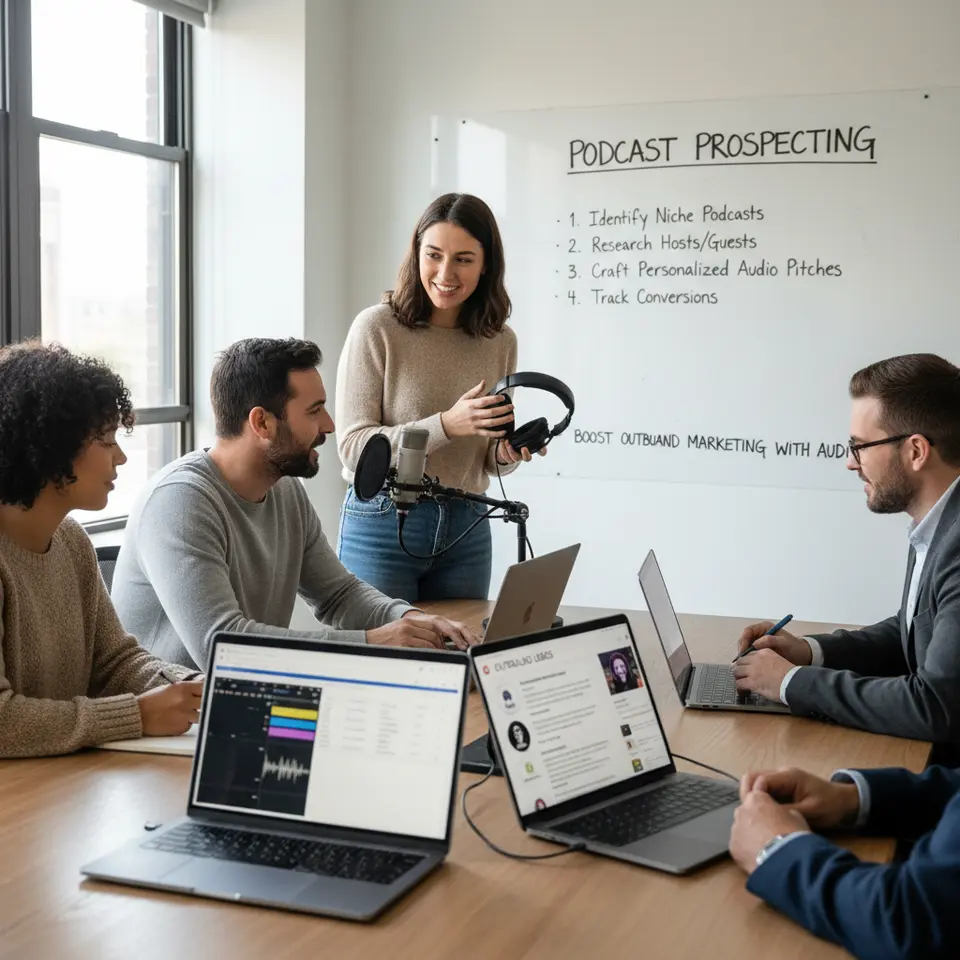
In today’s digital landscape, securing the attention of prospects amid overflowing inboxes and crowded social streams demands innovative tactics. Podcast Prospecting has emerged as a standout solution to break through traditional outreach barriers by leveraging the authentic power of audio. Rather than sending yet another email or LinkedIn message, marketers are turning on microphones, inviting decision-makers to conversations that blend expertise, storytelling, and genuine connection. This year (2026), organizations of all sizes are integrating audio-centric strategies into their outbound playbooks, nurturing leads in a format that complements busy schedules and encourages deeper engagement.
Through recorded episodes, hosts can demonstrate thought leadership and build brand authority while guiding listeners along a tailored narrative. Each segment not only educates but also positions your team as a trusted resource. By weaving these elements into your outreach, Podcast Prospecting transforms passive audiences into active participants, ready to explore your solutions further.
Why Audio Prospecting Transforms Outbound Strategies
One of the most significant hurdles in outbound marketing is capturing attention in an age of constant notifications. Podcast Prospecting shifts the engagement model by using audio to connect on a personal level, fostering richer interactions before any direct sales pitch. By delivering long-form, conversational content, you meet prospects where they spend time processing information, turning passive scrolling into an immersive listening experience.
Audio content thrives because it taps into moments when prospects have a captive yet flexible audience: during commutes, workouts, or household chores. Unlike a brief social snippet or a crowded webinar slide deck, podcasts offer an extended format that nurtures stories, dives deep into challenges, and personalizes insights. This immersive experience not only retains listener interest but also fosters a sense of familiarity with your brand voices.
As listeners tune in, they form an emotional bond with hosts and guests, enhancing trust. This connection paves the way for smoother follow-up conversations. According to research from the Centers for Disease Control and Prevention, audio media can increase retention of complex information by up to 60%, demonstrating the format’s efficacy in conveying detailed messages in an accessible manner (source: CDC).
Furthermore, embedding targeted keywords and comprehensive show notes boosts discoverability. By optimizing episode descriptions for search engines, you create an inbound complement to your proactive outreach. Potential buyers researching solutions can encounter your thought leadership organically. An institution like Harvard University highlights the value of multi-channel learning, suggesting that engaging with content in various formats solidifies understanding and engagement.
Finally, Podcast Prospecting amplifies brand authority. Featuring industry experts and decision-makers in interviews signals credibility, positioning your organization as a reliable partner rather than a distant vendor. When prospects hear your name in insightful conversations, they are more inclined to respond to personalized emails, return calls, and accept meeting invites.
By embracing audio, you diversify your communication channels and meet prospects where they already invest their listening time. The result is a powerful fusion of education, storytelling, and direct outreach that elevates your outbound strategy.
Crafting a Clear Podcast Prospecting Framework

Before hitting record, it’s essential to outline a strategy designed to align audio efforts with your broader outbound objectives. A structured framework ensures each episode serves a defined purpose within your sales funnel and resonates with target accounts. Focus on three key areas to build a strong foundation for Podcast Prospecting.
Identify ideal accounts by leveraging your Ideal Customer Profile (ICP) and account-based marketing data. Collaborate with your sales and analytics teams to select 20 to 50 high-value prospects based on intent signals such as site visits, content downloads, or past interactions. This targeted approach ensures resources are invested in relationships that matter most, enhancing the likelihood of qualified lead generation.
Next, establish measurable goals to track progress. Define KPIs such as the number of qualified leads generated per episode, meeting conversion rates following listens, or pipeline influenced. Embedding UTM parameters and CRM attribution tags in your episode links allows precise measurement of listener actions and downstream sales activities.
Select a podcast format that complements your outbound goals. Interview-driven episodes featuring decision-makers from target organizations can spark curiosity and open doors for outreach. Alternatively, a thematic solo show where in-house experts dissect industry challenges may appeal to a broader but still relevant audience. Panel discussions can also facilitate dynamic debates, positioning your brand as a facilitator of thought leadership.
With format decided, map out themes that align with pain points and priorities of your prospects. If you serve healthcare technology buyers, consider episodes on regulatory compliance or data security. For financial services audiences, topics like risk management or scaling digital transformation might resonate. Craft episode titles that clearly convey value, for example, “Securing Patient Data in Cloud Environments” or “Optimizing Hybrid Workflows in Banking.”
Finally, develop a promotion calendar that integrates teaser posts, email notifications, and short video clips. Schedule LinkedIn carousels, Twitter threads, and personalized voice notes to prime your audience ahead of each release. This orchestration ensures Podcast Prospecting becomes a cohesive element of every outreach sequence, maximizing impact and listener engagement.
Collaboration between marketing and sales teams is vital. Host weekly alignment meetings to review upcoming guests, refine talking points, and prioritize follow-ups. Encourage feedback loops where sales shares the most resonant topics and challenges they encounter in real conversations. This iterative process helps you fine-tune your focus, ensuring each new episode addresses real-world buyer concerns and strengthens your Podcast Prospecting impact.
Producing Professional-Grade Podcast Content
High production quality is a cornerstone of effective Podcast Prospecting. Even basic investments in equipment and editing can dramatically enhance listener perception, fostering credibility and encouraging deeper engagement. Today, you don’t need a broadcast studio—just a clear plan and essential tools.
First, secure reliable recording gear. A USB condenser microphone such as the Audio-Technica AT2020USB delivers crisp vocals with minimal setup. Pair it with closed-back headphones to monitor audio levels in real time. For editing, user-friendly digital audio workstations like Audacity or professional options like Adobe Audition streamline post-production. These platforms allow you to clean background noise, balance volume levels, and insert branded intros or sponsor messages.
Next, establish an interview protocol. Research guests thoroughly by reviewing their public profiles, recent publications, and company announcements. Build a discussion guide outlining key segments: an engaging introduction, core questions tailored to each guest’s expertise, a lightning round with quick-fire questions, and a succinct closing summary. Setting clear time expectations—ideally 30 to 45 minutes per session—respects both host and guest schedules while keeping content concise.
Recording environments matter. Encourage remote participants to choose a quiet room, use a quality headset, and minimize ambient noise. If possible, record local interviews in a small, acoustically treated space. After the session, edit recordings to remove distractions like long pauses, filler words, or off-topic tangents. Adding chapter markers and timestamps in show notes improves usability, allowing prospects pressed for time to jump to relevant sections.
Don’t overlook hosting and distribution platforms. A dedicated podcast host, such as Libsyn, Anchor, or Buzzsprout, automates submission to major directories—Apple Podcasts, Spotify, Google Podcasts—as well as niche apps. This ensures your content is accessible wherever your target audience listens. Include comprehensive show notes with keyword-rich descriptions, embedded links to relevant resources, and calls to action that guide prospects toward next steps.
By prioritizing production value and polish, Podcast Prospecting gains the professionalism needed to influence high-level decision-makers. A seamless listening experience reflects positively on your brand and lays the groundwork for meaningful follow-up conversations.
Additionally, consider incorporating listener feedback mechanisms. Use surveys or short polls embedded in your website or email follow-ups to gather insights on episode topics, guest preferences, and format adjustments. This real-time feedback loop allows you to iterate rapidly, refining the production process and ensuring each new episode delivers maximum value within your Podcast Prospecting strategy.
Distributing Episodes for Maximized Outreach

An impeccably produced podcast yields little value without strategic distribution. Integrate each episode into your multi-channel outbound plan, ensuring prospects encounter your content across touchpoints. By aligning your Podcast Prospecting efforts with email outreach, social selling, and website integration, you can amplify reach and engagement.
In your email campaigns, craft personalized introductions that highlight the episode’s relevance. For instance: “I thought you might find our latest 20-minute discussion on X challenge insightful—tune in here.” Embed clickable image cards or GIFs linking directly to new episodes, and use UTM parameters to track opens and click-throughs. Monitor which recipients engage, then follow up with tailored messaging for non-listeners and deeper resources for those who have listened.
Social media platforms, particularly LinkedIn, serve as powerful channels for Podcast Prospecting. Publish carousel posts summarizing key takeaways, tag your guests and target companies, and invite engagement with questions. Host LinkedIn Live or audio events to extend discussions in real time, offering prospects an opportunity to interact directly with you and your guests. Equip your sales team with pre-crafted social snippets—quotable lines, short video clips, and graphics—to share within their networks with minimal effort.
On your website, dedicate an “Audio Hub” landing page where prospects can browse episodes by topic, duration, or guest profile. Offer gated transcripts in exchange for lead details, capturing valuable data for follow-up. Cross-link show notes to relevant blog posts, case studies, or whitepapers, providing a richer context and demonstrating a comprehensive understanding of industry issues.
Don’t neglect niche directories and industry-specific platforms. Distribute episodes to specialized channels where your target verticals congregate. Some sectors maintain their own podcast platforms or knowledge-sharing communities—seek out these opportunities to place your content directly in front of engaged audiences.
By weaving Podcast Prospecting into every outreach avenue, you transform a single recording into a multi-touch resource. Listeners can discover your insights through email, tune in on their favorite apps, engage via social media, and explore deeper materials on your website. This cohesive approach ensures your audio content maximizes its impact on prospects across the entire buyer journey.
Consider partnering with complementary organizations for co-marketing distributions. Featuring a partner’s representative in an episode and vice versa extends your Podcast Prospecting to new audiences. Coordinate cross-promotional social posts, email mentions, and website features to drive mutual awareness and foster a sense of community around your content.
Analyzing Metrics and Refining Your Approach
Measuring the impact of your audio efforts is critical to optimizing Podcast Prospecting. Establish a comprehensive analytics framework that spans marketing and sales metrics, allowing you to correlate listener behavior with tangible business outcomes. Start by tracking basic consumption statistics: total downloads, average listen duration, and drop-off rates at key timestamps. These insights reveal which segments resonate most and where prospects disengage.
Integrate your podcast analytics with email engagement data. Compare open and click-through rates of emails featuring episode links against standard outreach messages. A significant lift indicates that audio cues are accelerating prospect interest. Use UTM-tagged URLs to identify which prospects listened, then align follow-up sequences based on their engagement level.
Next, monitor lead conversion metrics directly attributable to Podcast Prospecting. By syncing podcast participation tags in your CRM, you can capture Marketing Qualified Leads (MQLs) or Sales Qualified Leads (SQLs) generated by listening activities. Track the number of booked meetings, demos, or downloads sourced from episodes, and calculate the conversion rate at each funnel stage.
Assess the velocity of deals influenced by podcast listeners compared to non-listeners. A shortened sales cycle or higher average deal size among engaged listeners underscores the efficacy of audio as an outbound lever. Share these findings in regular performance reviews with sales leadership to secure ongoing resources and cross-functional support.
Leverage qualitative feedback channels as well. Solicit testimonials from listeners who have advanced through your pipeline, and capture their perspectives on episode quality, relevance, and format. These narratives not only guide topic selection but also serve as compelling social proof to include in promotional materials or on your website.
Continual optimization is key to scaling Podcast Prospecting. Experiment with different episode lengths, formats, guest profiles, and promotional cadences. A/B test email subject lines and social copy to determine the most effective messaging hooks. Document learnings in a centralized repository, ensuring your team builds upon prior successes and avoids repetitive missteps.
By grounding your audio initiatives in data-driven insights, you can refine your approach, allocate resources more strategically, and demonstrate clear ROI. This methodical process ensures that Podcast Prospecting remains a high-impact component of your outbound marketing strategy.
FAQ
Q: What is Podcast Prospecting?
A: Podcast Prospecting is an outbound marketing strategy that leverages audio content to engage prospects in meaningful conversations, build trust, and generate qualified leads.
Q: How do I select the right prospects for my podcast outreach?
A: Use your Ideal Customer Profile (ICP) and intent data to identify high-value accounts. Collaborate with sales to focus on prospects who have shown interest through site visits or content interactions.
Q: What equipment and tools do I need to produce professional-grade podcasts?
A: Basic setup includes a USB condenser mic (e.g., Audio-Technica AT2020USB), closed-back headphones, and editing software like Audacity or Adobe Audition. Invest in noise reduction and quality hosting platforms for best results.
Q: How can I measure the ROI of Podcast Prospecting?
A: Track download metrics, listen durations, and UTM-tagged click-throughs. Sync listener actions with CRM data to monitor MQLs, SQLs, meeting bookings, and deal velocity influenced by podcast engagement.
Conclusion
Podcast Prospecting represents a transformative addition to outbound marketing toolkits. By leveraging the intimacy of audio, you can cut through noise, showcase thought leadership, and foster genuine connections with prospects. Today, as inboxes overflow and digital fatigue grows, offering bite-sized, on-demand insights provides a refreshing alternative that aligns with modern buyer behaviors.
Implementing a robust framework—identifying key accounts, producing high-quality episodes, distributing content strategically, and measuring results—enables you to maximize the impact of each recording. Coupled with continuous refinement based on analytics and feedback, your Podcast Prospecting efforts can drive higher engagement, faster sales cycles, and more qualified leads.
As you plan your first or next episode this year (2026), remember that success lies in consistency, collaboration, and a commitment to delivering value in every conversation. Embrace audio as a core channel, integrate it seamlessly into your outreach, and watch as listeners evolve into loyal customers. Start small, iterate often, and let the power of voice propel your outbound marketing to new heights.
Ready to elevate your strategy? Outline your target account list, select a compelling episode theme, and invest in the right tools to launch. Whether you host interviews or share solo insights, aligning your content with prospect pain points makes your outreach more meaningful. With dedication and clear metrics guiding your efforts, Podcast Prospecting will become a driving force behind your lead generation engine and brand authority in today’s dynamic market.