The 7 Principles of Marketing Strategy You Need to Know

When it comes to growing a business, having a solid marketing strategy is absolutely essential. But what separates a great strategy from an ineffective one? The secret lies in understanding and implementing key foundational principles that guide your efforts, ensuring you connect with the right audience, deliver value, and achieve long-term success.
Whether you’re crafting your first marketing campaign or refining an existing strategy, this guide will walk you through the seven core principles of marketing. By the end of this post, you’ll have actionable insights to elevate your marketing game.
What are the core principles of marketing strategy?
At its core, a marketing strategy helps a business effectively communicate its value to its audience. The following seven principles act as the building blocks for creating campaigns that resonate, drive engagement, and deliver measurable results. Here’s what they are and why each one matters.
1. Customer-Centric Focus
The success of your marketing strategy starts and ends with your audience. People don’t just buy products or services; they buy solutions to their problems. Understanding your customer deeply is the first step to creating a message that resonates.
How to do it:
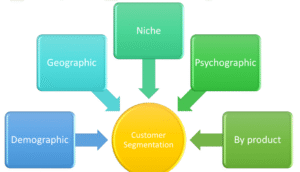
- Create buyer personas: Research your ideal clients’ demographics, behaviors, needs, and pain points.
- Conduct surveys and interviews: Use tools like SurveyMonkey or social media polls to gather direct feedback.
- Map the customer journey: Understand the steps potential customers take before buying, so you can meet them where they are.
Example: Think about Apple’s marketing. It doesn’t just advertise tech specs; it focuses on how its products improve the lives of everyday users.
2. Clear Value Proposition
Why should someone choose your brand over a competitor? That’s the question your value proposition should answer. This principle focuses on providing a clear and compelling reason why your product or service is the best fit for your target customer.
How to do it:
- Identify what sets your business apart (e.g., innovation, pricing, quality).
- Outline specific benefits customers will gain.
- Make it simple and easy to understand.
Example:
“Dollar Shave Club” built its branding around a powerful value proposition: high-quality razors delivered to your door at affordable prices. It’s direct, memorable, and solves a clear pain point.
3. Consistency in Messaging and Branding
Consistency is what builds recognition and trust. Every touchpoint—from your website to your social media posts to your packaging design—should feel cohesive. Your audience should understand your voice, tone, and primary message no matter where they encounter your brand.
How to do it:
- Develop brand guidelines for tone, visuals, and typography.
- Create a style guide to ensure content remains consistent across platforms.
- Ensure your campaigns align with your core mission and beliefs.
Example:
Take Coca-Cola. Its branding, from its signature red color scheme to how it communicates joy, is recognizable worldwide and consistent across all campaigns.
4. Understanding the Marketing Mix
The marketing mix, often referred to as the 4 Ps (Product, Price, Place, and Promotion), is the backbone of every marketing strategy. Properly balancing these elements ensures your business reaches the right audience with the right messaging at the right time.
The 4 Ps explained:
- Product: Is the product or service solving a customer’s problem?
- Price: Does your pricing align with your target audience’s expectations?
- Place: Are you using the right channels to make your product available to your audience?
- Promotion: Have you chosen the most effective way to communicate your value?
Tip: Think of Tesla’s strategic placement in high-end showrooms rather than traditional dealerships. The “Place” aligns perfectly with its premium brand positioning.
5. Data-Driven Decision Making
Marketing is both an art and a science. While creativity is crucial, data provides a solid foundation for making informed decisions. A great marketing strategy relies on analyzing measurable insights to understand what works and refine what doesn’t.
How to do it:
- Use analytics tools like Google Analytics, HubSpot, or SEMrush to track performance.
- Implement A/B testing to optimize campaigns incrementally.
- Regularly review KPIs (Key Performance Indicators) such as click-through rates and conversion rates.
Example:
Netflix uses robust data analytics to recommend content, but it doesn’t stop there. It uses insights to guide promotions and even decide which new shows to greenlight.
6. Adaptability in Changing Markets
The market never remains the same, so neither should your marketing strategy. Staying rigid in an environment that evolves daily (think emerging technologies, shifting customer preferences, or macroeconomic changes) can quickly leave a brand behind.
How to do it:
- Stay informed about industry trends by following blogs, podcasts, and relevant news outlets.
- Be open to trying new marketing channels, such as TikTok or influencer partnerships, if they align with your audience.
- Regularly review and update your strategy to remain competitive.
Example:
When the pandemic shifted consumer behavior, many brick-and-mortar stores successfully moved to e-commerce platforms almost overnight, saving their businesses by adapting to market demands.
7. Building Relationships and Fostering Loyalty
Acquiring a customer is expensive, but keeping one is priceless. A marketing strategy that prioritizes relationship-building fosters customer retention, leading to higher lifetime customer value and brand advocacy.
How to do it:
- Offer personalized experiences, like special discounts on birthdays or loyalty programs.
- Engage regularly with your audience via email marketing, social media, or events.
- Respond promptly and authentically to customer feedback (both positive and negative).
Example:
Starbucks Rewards isn’t just a loyalty program; it’s also a way to stay in contact with their customers through personalized promotions and rewards, creating lasting relationships.
You can learn more about: Outbound Marketing vs. Inbound Marketing for Your Business Strategy
The Role of Marketing Communications in Business

Strong marketing communication is the bridge that connects your brand with your audience—it’s how you turn awareness into trust, and trust into loyalty. Even the most brilliant marketing strategy can fall flat without clear, consistent, and emotionally resonant communication. It’s not just what you say but how and where you say it that determines how effectively your message lands.
At its core, marketing communication shapes perceptions, builds credibility, and drives action. Whether through advertising, public relations, social media, or direct engagement, your communication approach defines how customers experience your brand.
In today’s digital-first world, where consumers interact with brands across multiple touchpoints, cohesive messaging ensures every encounter reinforces the same identity and promise. When businesses master communication, they create a seamless, memorable experience that strengthens their market position and accelerates growth.
Why Effective Marketing Communication Matters
Modern customers expect clarity, authenticity, and value in every interaction. According to HubSpot, over 60% of consumers prefer brands that communicate transparently and consistently. Poor communication can confuse potential buyers or erode trust, while strong messaging builds emotional connections that drive long-term loyalty.
Here’s why effective marketing communication is vital for your business success:
- Builds Brand Recognition: Consistent messages across all platforms make your brand instantly identifiable.
- Drives Customer Engagement: Clear, relatable communication encourages interaction, feedback, and sharing.
- Strengthens Credibility: Thoughtful communication establishes your brand as a trusted authority in its field.
- Improves Conversion Rates: When customers understand your value clearly, they’re more likely to take action.
- Enhances Retention: Ongoing, relevant communication keeps customers informed, appreciated, and loyal.
How to Strengthen Your Marketing Communications
-
Develop a Unified Tone and Message Across All Channels
Every platform—whether email, website, or social media—should speak in one consistent voice. Define your tone (professional, friendly, inspirational, etc.) and ensure every piece of content aligns with your brand story and values.
Example: Nike’s empowering “Just Do It” tone appears across ads, social media, and customer service responses, reinforcing motivation and confidence. -
Train Your Sales and Support Teams to Communicate Brand Values
Your front-line employees are extensions of your marketing message. Ensure they’re trained not just in product knowledge but in representing your brand’s personality, values, and promises consistently.
Tip: Host regular internal communication workshops to align all departments on messaging goals. -
Leverage Storytelling to Make Campaigns More Relatable and Memorable
Storytelling humanizes your brand, transforming features into benefits and products into solutions. Share real customer success stories, behind-the-scenes insights, or brand milestones that evoke emotion and trust.
Example: Airbnb’s “Belong Anywhere” campaign connects emotionally by telling stories of travelers and hosts around the world, making the brand feel personal and global at the same time. -
Use Data to Guide Messaging Decisions
Analyze engagement metrics, social listening insights, and customer feedback to refine your communication tone and frequency. Data-driven storytelling ensures you speak your audience’s language.
Example Table: Communication Methods and Their Impact
| Communication Channel | Primary Goal | Best Practices | Example Tool |
|---|---|---|---|
| Email Marketing | Build engagement and loyalty | Personalize messages, automate workflows | Mailchimp, HubSpot |
| Social Media | Increase visibility and interaction | Use visual storytelling, engage in real time | LinkedIn, Instagram, X |
| PR & Media Outreach | Establish credibility and authority | Share consistent brand stories | Press Releases, HARO |
| Webinars & Virtual Events | Educate and convert leads | Offer actionable insights and Q&A sessions | Zoom, Demio |
| Content Marketing (Blogs, Videos) | Build long-term trust | Focus on value-driven, SEO-friendly content | WordPress, YouTube |
| Internal Communication | Align brand voice internally | Create shared message guides | Notion, Slack |
Integrating Marketing Communication into Your Overall Strategy
Marketing communication shouldn’t be an afterthought—it’s a core pillar of every successful marketing strategy. From first impressions to post-purchase engagement, every word, image, or tone used tells your audience who you are and what you stand for.
To build synergy:
- Integrate communication plans with content calendars, campaigns, and analytics dashboards.
- Maintain a consistent visual identity—logos, color schemes, and typography should reflect your brand voice.
- Encourage two-way communication. Feedback loops, surveys, and user-generated content make customers feel heard and valued.
Insight: The role of marketing communications in business becomes even more critical when multiple channels are used simultaneously. Unified messaging ensures customers experience your brand consistently—whether they read your newsletter, see an ad, or speak to a representative.
Develop a brand communication matrix—a simple document mapping out who communicates what, to whom, and through which channel. This helps maintain harmony between marketing, sales, PR, and customer service efforts.
Affordable Email Marketing Service Every Startup Needs

For startups operating on tight budgets, email marketing stands out as one of the most cost effective and high ROI digital marketing strategies. Unlike paid ads that require constant funding, email marketing builds lasting relationships with subscribers and delivers measurable results at a fraction of the cost. It’s not just about sending newsletters—it’s about nurturing leads, boosting engagement, and driving consistent conversions through personalized communication.
A well-planned email marketing strategy helps startups establish brand authority, maintain customer retention, and create recurring revenue streams—all while staying affordable, scalable, and easy to manage.
Why Email Marketing Is Essential for Startups
Startups need visibility, trust, and conversions—but they also need efficiency. Email marketing provides all three by combining automation, analytics, and storytelling into one dynamic platform. Unlike social media algorithms or unpredictable ad costs, your email list is an owned audience—meaning you control the relationship and communication directly.
Here’s why email marketing should be part of every startup’s marketing strategy:
- Low cost, high impact: Sending thousands of emails costs far less than running a single paid ad campaign.
- High ROI: On average, email marketing generates $36 for every $1 spent, outperforming nearly all other digital channels.
- Automation-ready: Even small teams can run full-scale campaigns using automated workflows.
- Personalized engagement: Segmentation tools allow startups to send messages tailored to each user’s interests or behavior.
- Data-driven decisions: Built-in analytics help optimize subject lines, timing, and content for better results.
Benefits of Affordable Email Marketing Services
-
Cost-Effective Customer Retention Strategy
Retaining existing customers is far cheaper than acquiring new ones. Automated email campaigns—such as welcome sequences, post-purchase follow-ups, and re-engagement emails—keep your audience connected without increasing ad spend. -
Automation and Personalization Features
Email platforms allow you to automate sequences while maintaining a human touch. Personalization tools insert subscriber names, purchase history, or behavior-based recommendations, making every message feel unique.Example: A SaaS startup can send automated trial reminders or upgrade suggestions based on user activity, increasing conversions effortlessly.
-
Measurable Results Through Analytics and Segmentation
Every email campaign can be tracked for open rates, click-through rates (CTR), conversions, and engagement. This data helps refine your approach, ensuring each campaign performs better than the last.Pro Tip: Create segmented lists for customers, leads, and inactive subscribers to send tailored messages that match their stage in the funnel.
Comparing Popular Email Marketing Platforms
| Platform | Key Feature | Best For | Starting Price (Approx.) |
|---|---|---|---|
| MailerLite | Intuitive automation and drag-and-drop editor | Small businesses & startups | Free for up to 1,000 subscribers |
| Brevo (Sendinblue) | Combines transactional and marketing emails | SaaS startups | From $25/month |
| Moosend | Advanced segmentation with AI personalization | E-commerce brands | From $9/month |
| ConvertKit | Creator-focused email funnels | Bloggers, coaches, and solopreneurs | Free up to 1,000 subscribers |
| HubSpot Email | Built-in CRM with automation | Scaling startups & B2B firms | Free tier + paid upgrades |
How to Build a Winning Email Marketing Strategy
To get the most out of your campaigns, follow these proven steps:
- Build a quality list: Offer free lead magnets such as ebooks, webinars, or exclusive discounts.
- Create engaging content: Focus on value-driven content—educational, entertaining, or inspiring.
- Segment your audience: Group subscribers by behavior, demographics, or purchase stage.
- Automate sequences: Set up welcome emails, drip campaigns, and re-engagement workflows.
- Test and optimize: Use A/B testing for subject lines, CTAs, and send times to improve performance.
- Comply with regulations: Follow GDPR and CAN-SPAM laws to protect your reputation and build trust.
Using an affordable email marketing service every startup needs ensures your business maintains consistent outreach and engagement while keeping your marketing strategy financially sustainable. Over time, it empowers startups to scale communications, strengthen relationships, compete effectively without overspending.
Integrating Outbound Product Marketing with Modern Strategy

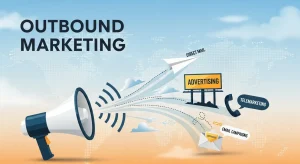
Outbound marketing is often viewed as a traditional approach—cold calls, TV ads, or direct mail—but in the modern digital era, it plays a much more strategic role. When integrated thoughtfully, outbound marketing complements inbound marketing to create a complete, balanced marketing strategy that drives both awareness and conversion.
Modern outbound product marketing leverages data, technology, and creativity to reach potential customers who may not yet be actively searching for your solution. It focuses on proactive engagement through targeted outreach—using email, paid advertising, partnerships, or even influencer collaborations—to introduce your products to new audiences and guide them into your funnel.
In other words, while inbound marketing attracts prospects organically, outbound marketing helps you accelerate discovery and build immediate awareness. A well-rounded marketing strategy uses both approaches to ensure consistent visibility and scalable growth.
Why Integrating Outbound Marketing Matters
A purely inbound approach can take time to gain traction, while outbound allows brands to generate quicker results and test messaging in real time. By integrating outbound efforts with inbound campaigns, businesses can:
- Broaden brand exposure to new markets and audiences.
- Create consistent messaging across both proactive and passive channels.
- Gather immediate feedback from campaigns to optimize marketing decisions.
- Accelerate sales cycles by reaching high-intent buyers directly.
For example, a SaaS startup might use outbound email campaigns to target key decision-makers at companies within its ideal customer profile, while simultaneously nurturing inbound leads through blog content and webinars.
Ways to Integrate Outbound Product Marketing
- Align Outbound Campaigns with Inbound Goals
Ensure your outbound messaging reflects the same values, tone, and objectives as your inbound strategy. If your inbound content focuses on educating customers, your outbound campaigns should continue that narrative by offering helpful insights or free trials instead of just a hard sell. - Example: Use retargeting ads to reach users who visited your blog or pricing page, reinforcing the same value proposition they’ve already engaged with.
- Personalize Outreach Using Data-Driven Insights
Generic outreach doesn’t work anymore. Use CRM data, behavior analytics, and AI-driven segmentation to tailor your outreach. Personalized emails or ad creatives perform far better than broad, one-size-fits-all campaigns. - Tip: Segment audiences by demographics, buyer stage, or interests, and craft messages that address their specific challenges.
- Use A/B Testing to Refine Messaging and Timing
Consistent testing helps you understand what resonates best with your audience. Experiment with subject lines, visuals, CTAs, and even the timing of your outreach. Small adjustments can lead to significant increases in engagement and conversions.
Pro insight: Combine A/B testing data from both inbound and outbound campaigns to unify insights across your entire marketing strategy.
Example Table: Outbound vs. Inbound Marketing Comparison
| Aspect | Outbound Marketing | Inbound Marketing |
|---|---|---|
| Approach | Proactive | Reactive |
| Objective | Reach and convert new audiences | Attract and nurture interested leads |
| Channels | Ads, Cold Emails, Events, Direct Mail | SEO, Blogs, Social Media, Webinars |
| Messaging Style | Direct, attention-grabbing | Informative, value-driven |
| Best For | Fast brand awareness and sales acceleration | Long-term trust and organic traffic |
| Measurement Metrics | CTR, CPL, Conversion Rate | Organic Traffic, Engagement, Lead Quality |
Blending Inbound and Outbound for Maximum Impact
A hybrid marketing model delivers the best of both worlds. Outbound marketing builds immediate brand awareness, while inbound marketing sustains it over time. For instance:
- Launch an email outreach campaign to announce a new product (outbound), then direct users to a detailed blog or landing page explaining its benefits (inbound).
- Run LinkedIn ads targeting specific industries, followed by automated drip campaigns that nurture leads with educational content.
- Host virtual events or webinars, then promote recorded sessions via outbound newsletters to expand reach.
By harmonizing these efforts, brands maintain a steady flow of traffic, engagement, and conversions—ensuring that no potential lead slips through the cracks.
Incorporating lessons from what is outbound product marketing helps businesses strengthen their overall marketing strategy. It allows them to expand visibility, test new market segments, and maintain a balanced marketing mix that aligns immediate outreach with long-term relationship-building.
Ultimately, outbound product marketing isn’t about outdated tactics—it’s about smart, strategic engagement that accelerates growth and builds a stronger, more resilient brand presence.
Elevate Your Marketing Strategy Today
Integrating these seven principles into your marketing strategy may seem like a big undertaking, but the payoff is worth it. By staying customer-focused, delivering value, and evolving with the market, you’re setting your brand up for long-term success.
The key takeaway? A successful marketing strategy isn’t just about selling a product; it’s about building trust, understanding your audience deeply, and communicating authentically.
Actionable next steps:
- Assess where your current strategy aligns with these principles.
- Choose one area to optimize this week, such as refining your value proposition or implementing A/B testing.
- For a deeper exploration of marketing strategy tailored to your brand, subscribe to our newsletter for free strategy insights and tools.
Frequently Asked Questions (FAQ) About Marketing Strategy
1. What is the main purpose of a marketing strategy?
A marketing strategy serves as the roadmap that defines how a business will attract, engage, and retain its target audience. It outlines the goals, messaging, and channels used to deliver value and achieve measurable results. The main purpose is to align marketing efforts with business objectives—ensuring consistent communication, brand growth, and long-term profitability.
2. How does outbound marketing differ from inbound marketing?
Inbound marketing focuses on attracting customers through valuable content, SEO, and organic engagement, while outbound marketing takes a proactive approach—reaching out through ads, cold emails, or calls. Outbound strategies are especially effective when used in structured campaigns that follow a product promotion funnel outbound marketing model, where leads are guided from awareness to conversion using targeted outreach and personalized messaging.
3. Why is customer-centric communication crucial for marketing success?
Customer-centric communication ensures that all marketing efforts revolve around the audience’s needs, pain points, and motivations. When brands listen to their customers and craft messages that speak directly to their problems, they foster trust, emotional connection, and loyalty. This approach turns one-time buyers into long-term advocates.
4. What role does storytelling play in brand marketing?
Storytelling humanizes your brand—it’s the emotional thread that connects facts to feelings. A good story helps audiences understand your brand’s mission, values, and impact. Whether through case studies, testimonials, or campaigns, storytelling transforms information into inspiration, making your brand memorable and relatable.
5. How can startups effectively use email marketing for growth?
Startups can use email marketing to nurture leads, build loyalty, and generate consistent engagement without large advertising budgets. Using segmentation and automation, they can send personalized campaigns that align with the customer journey. An affordable email marketing service is essential for consistent outreach and measurable performance, helping startups scale efficiently.
6. What are some key metrics to track in a marketing campaign?
The most important metrics depend on your goals, but generally include:
- CTR (Click-Through Rate): Measures engagement and relevance of your content.
- Conversion Rate: Indicates how well your campaign drives desired actions.
- Customer Acquisition Cost (CAC): Evaluates how efficiently you gain new customers.
- Return on Ad Spend (ROAS): Determines profitability of advertising investments.
- Customer Lifetime Value (CLV): Shows long-term profitability per customer.
Tracking these KPIs ensures your strategy remains data-driven and optimized.
7. How has event marketing evolved in the digital era?
Event marketing has shifted dramatically with technology. Traditional trade shows and conferences have transformed into hybrid or fully virtual experiences, expanding reach and engagement. The modern event marketing evolution integrates live streaming, interactive sessions, and social media amplification, allowing brands to create immersive experiences that connect with audiences globally while gathering real-time data and feedback.
8. What is the role of data analytics in improving marketing communication?
Data analytics provides actionable insights that help marketers understand audience behavior, preferences, and campaign performance. By analyzing engagement trends and conversion data, businesses can fine-tune their messaging, optimize timing, and deliver more personalized experiences—resulting in stronger relationships and improved ROI across all communication channels.
9. How can businesses boost product visibility using outbound marketing?
Businesses can increase visibility by blending creativity with strategy. Outbound marketing—when executed properly—can rapidly introduce products to new audiences through email outreach, targeted advertising, and media partnerships. Implementing boosting product outbound marketing strategies such as retargeting ads, influencer collaborations, and account-based outreach can amplify brand exposure and accelerate customer acquisition while maintaining message consistency.
10. What makes an integrated marketing approach effective?
An integrated marketing approach unites all communication channels—social media, content, PR, advertising, and sales—under one cohesive strategy. This ensures a consistent message, optimized resource use, and stronger brand identity. Integration also helps synchronize inbound and outbound efforts, ensuring prospects encounter the same story at every touchpoint, increasing brand trust and conversion rates.