Unlocking the Power of Outbound Marketing in the Digital Era

This manual goes deep to the principles, tactics, tools and future trends of outbound marketing at the digital era, so that by optimizing your efforts and mastering such insights, you might accomplish measurable results.
Getting Down to the Basics of Outbound Marketing
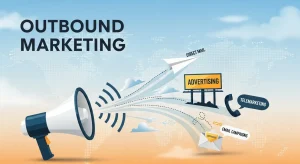
Before diving into digital outbound marketing, it’s essential to understand the fundamental concepts behind traditional outbound marketing. Often referred to as “push marketing,” outbound marketing involves businesses actively reaching out to potential customers rather than waiting for them to come across the brand organically.
In the past, this meant using channels like TV commercials, print ads, direct mail, cold calls, and telemarketing to grab consumer attention. The goal was simple — deliver a compelling message to a broad audience and drive action. While the methods have evolved, the core principle remains the same: proactive outreach.
Key Features of Outbound Marketing
1. Outbound Lead Generation:
Instead of waiting for customers to find you, outbound marketing puts your brand front and center. Through direct outreach, ads, and promotions, businesses take the initiative to spark interest and generate leads.
2. Targeted Messaging:
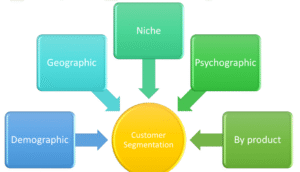
Outbound campaigns are designed to reach specific audience segments. Whether it’s based on demographics, buying behavior, or interests, marketers craft tailored messages that resonate with the right people at the right time.
3. Action-Oriented Goals:
Every outbound marketing effort aims to prompt a measurable response—be it a purchase, inquiry, subscription, or brand interaction. The ultimate goal is conversion, visibility, and business growth.
The Digital Twist
While traditional outbound methods like TV and radio still hold their place, the digital era has completely transformed outbound marketing. Online platforms now offer unprecedented speed, scale, and precision targeting. Tools like email automation, pay-per-click (PPC) ads, and social media outreach enable brands to reach thousands instantly while tracking every click and conversion in real time.
Modern outbound marketing blends the best of both worlds: the persuasive power of traditional outreach with the efficiency and data-driven precision of digital technology — creating campaigns that are smarter, faster, and more impactful than ever before.
Effective Digital Outbound Marketing: Essential Tactics

To stay competitive in today’s fast-paced digital landscape, outbound marketing must go beyond traditional channels. Modern consumers are digitally connected, constantly scrolling, searching, and engaging online — and your marketing needs to meet them where they are.
Here are some of the most effective digital outbound marketing strategies to help you reach new audiences, spark engagement, and drive conversions with measurable results.
Email Outreach
Email remains one of the most powerful outbound tools — when done right. It allows you to reach potential customers directly in their inbox with personalized, relevant messages.
Using platforms like Mailchimp, HubSpot, or ActiveCampaign, you can segment audiences based on demographics, interests, or behavior, ensuring every email resonates with the recipient. Personalized outreach campaigns foster trust and make your brand feel more human.
Pro Tip:
Set up automated follow-ups or triggered sequences for recipients who don’t open your first email. Consistency and smart timing can increase engagement rates and convert hesitant prospects into leads.
Social Media Advertising
Social platforms have evolved into powerful outbound advertising engines. Channels like Facebook, LinkedIn, Instagram, and X (formerly Twitter) offer advanced targeting options that allow advertisers to deliver precise messages to highly defined audiences.
You can segment users based on age, location, profession, interests, or even online behavior. For instance, a digital agency targeting SaaS companies might run LinkedIn ads directed at job titles such as CMO, Marketing Director, or Growth Manager.
Pro Tip:
Use A/B testing to refine your audience targeting and ad creatives. Even small tweaks to visuals or ad copy can significantly improve click-through and conversion rates.
Pay-Per-Click (PPC) Campaigns
PPC campaigns on Google Ads, Bing, and display networks are the digital evolution of traditional advertising — putting your brand in front of people who are actively searching for your products or services.
Unlike blanket ads, PPC provides precision and control. You can set budgets, choose bidding strategies, and monitor conversions in real time. It’s a cost-efficient method to boost visibility and attract high-intent leads.
Pro Tip:
Conduct split testing (A/B testing) on your ad copy, landing pages, and keywords to determine which combinations drive the best results. Constant optimization keeps your campaigns cost-effective and impactful.
Cold Messaging
Cold messaging is the modern, digital spin on traditional cold calling. Instead of phone calls, marketers now reach out through professional platforms like LinkedIn, using personalized messages to start authentic conversations.
The key is to add value first. Avoid hard sales pitches — instead, share insights, resources, or relevant content that sparks interest. Building rapport and offering genuine help makes your outreach feel authentic, not intrusive.
Pro Tip:
Use well-crafted templates but customize each message based on the recipient’s role, company, or recent activity. It shows you’ve done your homework and respect their time.
Webinars and Virtual Events
Hosting webinars and virtual events is one of the most effective outbound marketing strategies in today’s digital age. These events establish your brand as a thought leader while generating qualified leads who are already interested in your topic.
By offering value through expert discussions, live Q&A sessions, or product demos, you create real-time engagement opportunities that foster trust and credibility.
Pro Tip:
Promote your webinar through email sequences, paid ads, and social media for maximum reach. Follow up with attendees afterward using personalized messages or offers to continue the conversation and nurture the relationship.
Digital outbound marketing is not about one single tactic — it’s about creating a multi-channel strategy that reaches your audience wherever they are. By blending email outreach, social ads, PPC, cold messaging, and virtual events, you can amplify visibility, build stronger connections, and drive lasting growth in the competitive digital marketplace.
Outbound Tools and Technology to Level Up Your Outbound Game

Having the right tools and technologies to deliver effective campaigns is one of them. Here are a few examples of must-have outbound tools.
CRM Systems
Customer relationship management (CRM) systems such as Salesforce and HubSpot offer the ability to manage leads, track activities and coordinate campaigns across various channels.
Consumer Autoresponders and Marketing Automation Software
Think of email automation in terms of strategy and execution. Platforms like Market or Active Campaign help you automate all the email roadwork — like follow-up emails, lead scoring, and analytics — freeing you to focus on strategy and channel execution.
Ad Tech for Retargeting
Platforms like Google Ads, Facebook Ads Manager or AdRoll offer powerful retargeting opportunities to recapture prospective customers who have engaged with your site or ads but failed to make a purchase.
Data Analytics Tools
The heart of digital OBM is data. Tools like Google Analytics, Tableau, Hotjar and others can help you understand how users are interacting with your site or app, campaign performance and engagement metrics so you can refine your approach.
AI-Powered Tools
AI like Jasper or Drift Chatbot are able to automate copywriting and improve conversational customer interaction, bringing personalized and impactful outbound interactions as a result.
Outbound Marketing Campaigns — How Do You Know They’re Successful?
Marketing that works is measurable marketing. Yet it doesn’t matter how creative a campaign is if you’re not measuring and analyzing the right key performance indicators (KPIs).
Key KPIs to Measure for Digital Outbound Marketing Activities:
- Click-Through Rate (CTR): Percentage of how many individuals who click a link in your outbound ad or email ad.
- Conversion Rate: Measures the volume of a specific action (like form submissions, purchases) as a result of your campaign.
- CPA (Cost Per Acquisition): How much it costs to acquire one customer through a campaign.
- Return on Investment (ROI): Quantifies the profitability of campaigns by weighing money gained against costs.
- Lead Quality: Pay attention to the quality and the level of maturity of the leads that your campaigns generate.
Pro tip: utilize analytics dashboards or automation to make sure that campaigns are being optimized on a real-time basis.
As digital strategies evolve, many businesses are also investing in custom software development solutions to streamline operations and support scalable outreach efforts — for example, see how software development services can drive business growth.
Future Predictions and Trends of Outbound Marketing

Outbound marketing continues to evolve rapidly in response to technological innovation and shifting consumer expectations. While inbound tactics often steal the spotlight, outbound marketing isn’t being left behind — it’s transforming into a smarter, data-driven, and more human approach. The fusion of automation, personalization, and ethical data use is redefining how brands connect with audiences in the digital era.
Here are some of the most significant trends shaping the future of outbound marketing:
1. Personalization at Scale
Thanks to AI and machine learning, marketers can now analyze vast datasets in seconds to segment audiences and deliver personalized messages at scale. For example, an AI-powered system can automatically send product recommendations or retarget users with content that aligns with their previous interactions — all without manual intervention.
This type of personalization makes outbound marketing feel less like interruption and more like interaction, strengthening brand-consumer relationships.
2. Use of AI in Campaigns
These AI systems enable marketers to generate data-informed, high-converting content for micro and niche audiences, saving both time and resources. Additionally, AI-driven analytics can monitor performance in real time and suggest adjustments, making outbound campaigns smarter and more adaptive.
In the near future, expect outbound campaigns that respond dynamically to customer behavior, optimizing themselves for better engagement and conversions.
3. Omnichannel Marketing
Omnichannel outbound marketing ensures consistent messaging and brand identity wherever your audience engages. For instance, a prospect might first see a brand’s ad on Instagram, receive a personalized follow-up email, and then interact with a representative via WhatsApp or LinkedIn.
Forward-thinking businesses are now integrating outbound marketing into complete customer journeys, creating a unified and frictionless experience that enhances trust and conversion rates.
4. Privacy-First Marketing
Future outbound marketing will prioritize transparency, trust, and user control. Instead of relying on intrusive data collection, marketers will use first-party and zero-party data — information willingly shared by customers — to personalize experiences responsibly.
This move toward privacy-first marketing doesn’t limit outbound efforts; it enhances them by building long-term trust and credibility with audiences.
5. Real-Time Engagement
Expect to see a surge in chat-based outbound tactics — such as live webinars, interactive LinkedIn events, or real-time chatbots that initiate meaningful discussions instead of pushing sales messages.
These dynamic formats create opportunities for two-way communication, allowing brands to listen, respond, and adapt in the moment. The result is a more engaging, human-centered outbound experience that drives loyalty and trust.
The Road Ahead
The future of outbound marketing lies in balance — combining automation with authenticity. As technology continues to advance, the brands that succeed will be those that use digital tools not to spam, but to connect; not to sell, but to build relationships.
Outbound marketing isn’t fading — it’s evolving into a strategic, data-powered discipline that delivers value, personalization, and real-time engagement across every digital touchpoint.
Next Steps to Outbound Marketing Success

Outbound internet marketing is an important piece of a solid marketing strategy that’s bolstered by modern digital technology. From email campaigns to retargeting ads, there’s an arsenal of tactics companies can use to generate leads and drive up their bottom line.
Combine the techniques from post here to kick up your campaigns a notch now, and play around with some tools to generate that magic. – Whether it’s your first foray into outbound or you’re building on past initiatives, a proactive, data-fueled approach can and will work for you.
Put these in practice right away and you’ll see exactly how outbound marketing can revolutionize your business trajectory. Keep focused, keep monitoring your results and see yourself achieving success.
Discover how combining marketing strategies with analytics can unlock success and drive better business decisions.
Frequently Asked Questions (FAQ) About Outbound Marketing
1. What is outbound marketing, and how does it differ from inbound marketing?
Outbound marketing is a proactive approach where brands reach out to potential customers using strategies like cold emailing, paid ads, or direct messages. Inbound marketing, on the other hand, focuses on attracting customers organically through SEO, blogs, or social media content.
While inbound draws customers in, outbound pushes messages out — both can be highly effective when used strategically.
2. Why is outbound marketing still relevant in the digital era?
Despite the rise of inbound techniques, outbound marketing remains essential because it delivers immediate reach and brand exposure. In a competitive digital environment, outbound methods like targeted ads or email campaigns allow businesses to engage new prospects who may not have discovered them otherwise.
Modern tools like AI and automation have made outbound campaigns more data-driven, precise, and scalable than ever.
3. What are the main advantages of digital outbound marketing?
Digital outbound marketing offers speed, scale, and measurable impact. Brands can quickly reach large audiences, personalize messages, and track performance in real time. It’s also flexible — allowing businesses to run A/B tests, optimize campaigns instantly, and control spending across channels like Google Ads, LinkedIn, or Meta platforms.
4. How does outbound marketing fit into a full marketing funnel?
Outbound marketing plays a vital role in the top and middle stages of the funnel — creating awareness and driving engagement. It captures attention, nurtures curiosity, and guides potential leads toward conversion.
When combined with inbound tactics, outbound becomes part of a balanced, full-funnel strategy that sustains both immediate visibility and long-term growth.
5. Outbound vs Inbound Product Marketing — which works best at each stage?
Both have their strengths depending on the customer journey. Outbound product marketing works best for the awareness and consideration stages, where direct outreach or ads can generate quick attention. Inbound marketing excels during the decision and retention stages, offering valuable content that builds trust and loyalty.
The key is to integrate both methods strategically, ensuring each supports the other at every phase of the buyer’s journey.
6. Can you use both inbound and outbound marketing together?
Absolutely. In fact, the most successful brands blend inbound and outbound marketing to achieve sustainable results. Outbound tactics generate fast awareness and traffic, while inbound channels nurture relationships over time.
For instance, outbound ads can drive visitors to inbound content like blogs, webinars, or case studies — creating a powerful synergy between both approaches.
7. Inbound vs Outbound Marketing — which strategy is right for your business?
The best strategy depends on your business goals, audience, and resources. If you want immediate visibility or fast lead generation, outbound marketing is ideal. If your focus is on brand authority and long-term customer loyalty, inbound marketing delivers stronger results.
However, most modern companies find success in combining both, aligning them with customer needs and campaign objectives.
8. How can small businesses benefit from outbound marketing?
Small businesses can use digital outbound tools like social media ads, cold outreach, and PPC campaigns to compete with larger players. With precise targeting and affordable budgets, even startups can reach niche markets efficiently.
Outbound marketing gives smaller brands the visibility and traction they need before inbound strategies start producing results.
9. What are some best practices for modern outbound marketing campaigns?
- Personalize every message — avoid generic outreach.
- Use automation tools to manage campaigns efficiently.
- Track metrics like CTR, conversion rate, and ROI.
- Combine content value with a clear call to action.
- Test different channels to identify what resonates best.
Consistency, authenticity, and data-backed decisions make outbound efforts far more impactful.
10. What does the future of outbound marketing look like?
The future is AI-driven, personalized, and privacy-conscious. Campaigns will become more conversational, integrating real-time engagement through live chats, webinars, and interactive events.
As customer expectations evolve, brands will rely on technology to connect meaningfully at scale while maintaining transparency and ethical outreach.