Interactive Content in Outbound Marketing to Boost Engagement & ROI

Interactive content transforms outbound marketing by engaging prospects through quizzes, polls, calculators, and videos. It captures data, personalizes experiences, accelerates the sales cycle, enhances brand recall, and boosts ROI, making campaigns more effective, measurable, and relationship-driven.
Outbound marketing has long relied on traditional tactics like cold emails, direct mail, and display ads to reach prospects. Yet as audiences become increasingly immune to one-size-fits-all messaging, marketers need innovative ways to stand out. Interactive content offers a dynamic solution, inviting prospects to participate rather than just observe. By incorporating quizzes, polls, calculators, and other interactive elements into your outbound campaigns, you can capture attention, gather valuable data, and drive higher engagement rates. In this article, we explore how interactive content can revolutionize your outbound marketing strategy, delivering richer experiences and stronger ROI.
What Is Interactive Content?
Interactive content refers to any asset that requires active input from the audience. Unlike static brochures or banner ads, interactive elements ask users to click, swipe, type, or answer questions. This two-way exchange transforms passive viewers into engaged participants, extending time spent with your brand and creating memorable experiences. Examples range from simple polls embedded in an email to sophisticated calculators or branching quizzes on landing pages. The core principle is giving prospects a reason to interact, providing them immediate value – whether it’s personalized insights, tailored recommendations, or just a bit of fun.
Benefits for Outbound Marketing
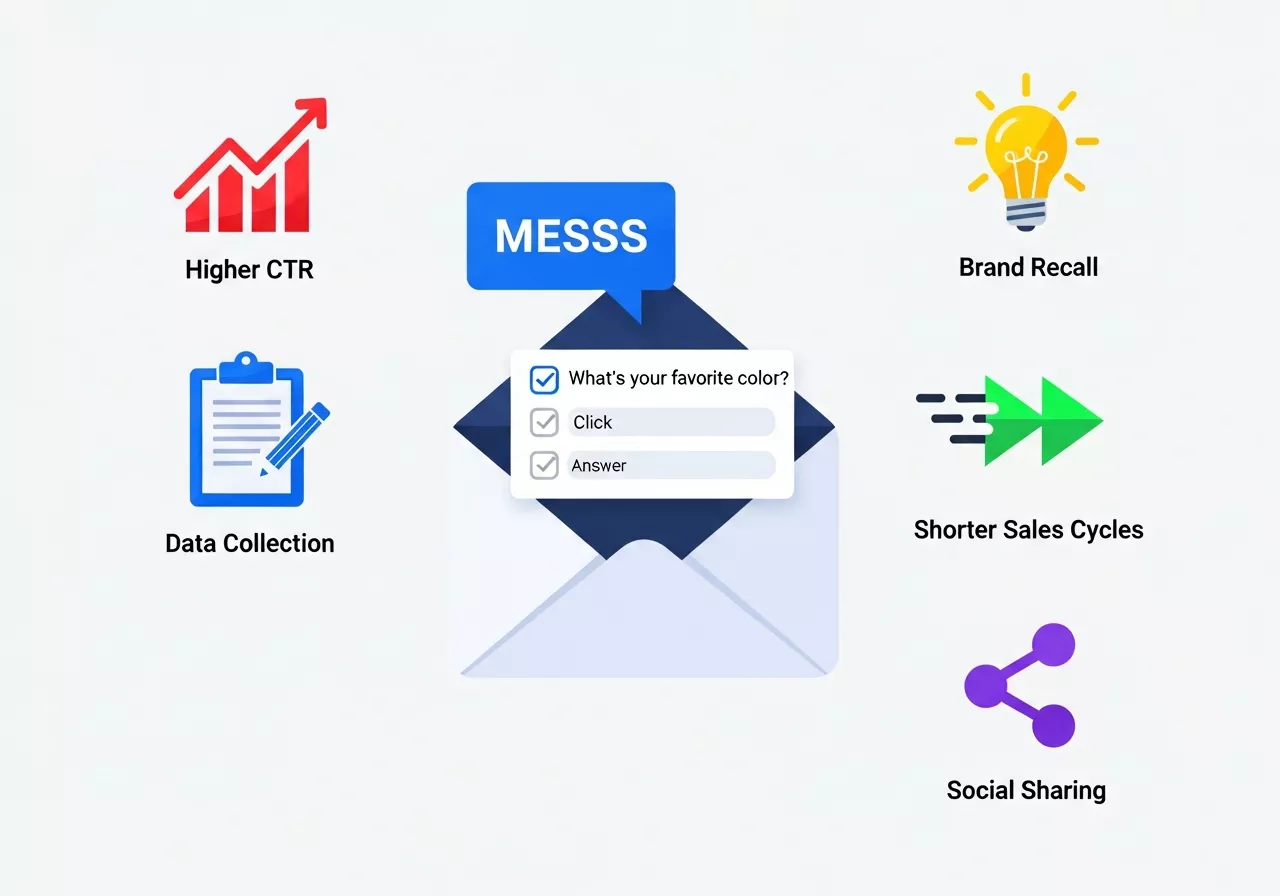
Integrating interactive content into outbound campaigns offers multiple advantages:
- Higher Open and Click-Through Rates: Interactive previews in email subject lines or snippets entice recipients to open and engage rather than delete.
- Better Data Collection: Quizzes and surveys harvest first-party data—preferences, pain points, readiness to buy—that fuels segmentation and personalization.
- Enhanced Brand Recall: Memorable experiences increase the likelihood that prospects will remember and recommend your brand.
- Shorter Sales Cycles: By providing instant, relevant insights, you move prospects from awareness to intent faster, speeding up pipeline velocity.
- Stronger Social Sharing: Fun quizzes and interactive assets are highly shareable on social and messaging channels, extending your outbound reach organically.
Types of Interactive Content
There is a vast array of formats you can leverage. Here are some of the most effective for outbound marketing:
1. Quizzes and Assessments
Quizzes can diagnose pain points, recommend solutions, or entertain. For example, a “Marketing Maturity Assessment” quiz can help B2B buyers see where they stand and nudge them toward your services.
2. Polls and Surveys
Embedded polls in email or social posts allow you to gather real-time opinions. Use them to drive follow-up conversations, highlight insights, or tailor your next message based on respondent preferences.
3. Calculators and ROI Tools
ROI calculators that quantify potential cost savings or revenue uplifts resonate powerfully with decision-makers. Embed a simple cost-benefit tool in a cold email or direct mail URL and watch open rates climb.
4. Interactive Infographics
Transform static statistics into clickable graphics. Users can hover or click to reveal deeper data, case studies, or quotes. This approach keeps content digestible while offering deeper dives as needed.
5. Interactive Videos
Videos with embedded hotspots, branching scenarios, or clickable CTAs let viewers choose their path. A prospect can click to learn more about a feature, request a demo, or download a whitepaper directly from the video player.
Personalization and Segmentation with Interactive Content
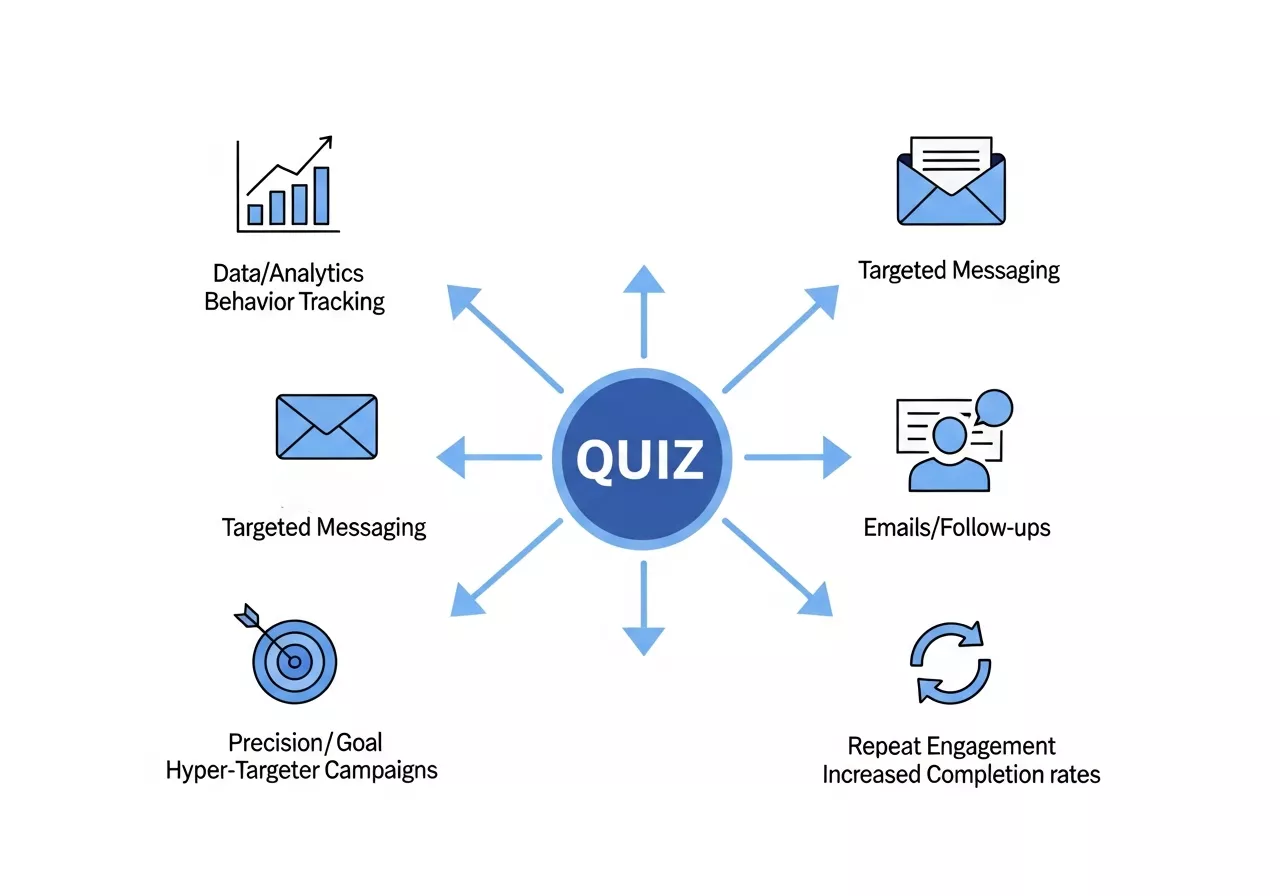
One of the most powerful aspects of interactive content in outbound marketing is its ability to support personalization and segmentation. Unlike traditional content, which often speaks broadly to a generalized audience, interactive assets can adapt to user input, giving marketers precise insights into prospect behavior, preferences, and readiness to buy. This data allows outbound campaigns to be hyper-targeted, improving the relevance of follow-up communications and increasing the likelihood of conversion.
Key Strategies for Personalization
- Dynamic Quizzes and Assessments: Customize questions and outcomes based on prior interactions. For example, a marketing assessment could adjust subsequent questions depending on whether a prospect is a beginner, intermediate, or advanced user.
- Behavior-Based Segmentation: Track which interactive content assets users engage with to segment them automatically. Prospects interacting with ROI calculators may be closer to purchase, while quiz participants might still be in the awareness phase.
- Tailored Messaging: Use the collected data to create follow-up emails, ads, and direct mail pieces that address each segment’s unique pain points and goals.
Benefits of Personalization
- Increased engagement and completion rates
- Higher relevance in follow-up messaging
- Better understanding of the prospect’s position in the buyer journey
Example Segmentation Based on Interactive Content Engagement
| Interactive Asset | User Action/Response | Suggested Follow-Up Content | Stage in Buyer Journey |
|---|---|---|---|
| ROI Calculator | Completed calculation | Case studies, demo request | Consideration |
| Marketing Quiz | Beginner-level results | Educational guides, blog articles | Awareness |
| Poll on Product Features | Voted on features they care about | Personalized email highlighting features | Interest |
| Salary Benchmarking Tool | Entered current salary info | Industry report download, webinar invite | Decision |
Integration Strategies

To unlock the full potential of interactive content in outbound channels, you need a strategic approach:
- Map to Buyer Journey: Align interactive assets to specific stages. Early-stage prospects might enjoy a fun quiz, while later-stage buyers need ROI calculators or detailed assessments.
- Embed Smartly in Email: Use animated GIF previews or HTML snippets that hint at interactivity. A “Take the Quiz” button or a teaser poll can drive clicks to your hosted landing page.
- Leverage Direct Mail Links: Include QR codes or short URLs directing recipients to your interactive asset. The novelty of scanning a code increases curiosity and engagement.
- Use Chatbots for Real-Time Interaction: Integrate Conversational AI for Outbound Marketing on your landing pages to ask qualifying questions. Based on responses, route prospects to relevant resources or human follow-up.
- Retarget Based on Interaction: Segment audiences by asset engagement. If a user completes your quiz, serve them tailored ads or send a follow-up email with deeper content.
Enhancing Direct Mail with Interactive Elements
Direct mail has often been considered a “dying channel,” but when combined with interactive elements, it becomes a powerful tool for engagement. Adding a digital layer to traditional offline channels bridges the gap between tactile and interactive experiences.
Innovative Ways to Integrate Interactive Features in Direct Mail
- QR Codes and Short URLs: Include a QR code or a shortened URL that links to a personalized quiz, survey, or calculator. Make the reward for scanning obvious to increase curiosity.
- Gamification: Turn your mailer into a game where prospects can scratch, scan, or flip sections to reveal hidden content that leads to an interactive experience online.
- Augmented Reality (AR) Overlays: Advanced campaigns can use AR markers, letting recipients scan the mail with their phone to unlock interactive 3D models, videos, or product demos.
Advantages of Interactive Direct Mail
- Encourages higher engagement compared to static mailers
- Tracks recipient behavior, giving insights into responsiveness
- Creates a memorable impression that drives brand recall
Table: Interactive Direct Mail Formats and Expected Engagement
| Format | Example Use Case | Engagement Potential | Notes |
|---|---|---|---|
| QR Code to Quiz | Lead qualification | High | Include a clear CTA and an incentive |
| Scratch-and-Scan Card | Reveal discount or tip | Medium-High | Adds fun, gamified experience |
| AR-Enabled Postcard | Product demo in 3D | High | Best for tech or complex products |
| Personalized URL (PURL) | Custom landing page with ROI calculator | Very High | Great for B2B decision-makers |
Interactive Content for Long-Term Relationship Building
While interactive content is often used to capture leads or drive immediate engagement, it also plays a critical role in building long-term customer relationships. The more your brand offers value through dynamic experiences, the more trust and loyalty you can cultivate.
Tactics for Relationship-Oriented Interactive Content
-
Educational Quizzes and Courses: Offer content that helps prospects improve skills, understand industry trends, or benchmark performance. For example, a “Digital Marketing Skill Builder” quiz series encourages repeated engagement over time.
-
Progressive Profiling: Instead of asking for all information up front, gather data gradually through multiple interactive touchpoints. This makes prospects more comfortable and results in richer, more accurate profiles.
-
Interactive Newsletters: Incorporate polls, mini-quizzes, or interactive infographics directly in email newsletters to keep prospects engaged over weeks or months.
-
Community Engagement Tools: Enable prospects to vote on content topics, participate in leaderboards, or contribute ideas via interactive polls, fostering a sense of belonging.
Benefits for Long-Term Engagement
- Strengthened trust through consistent, value-driven interactions
- Enhanced brand loyalty and repeat conversions
- Improved customer lifetime value (CLV) due to ongoing engagement
Table: Interactive Content for Relationship Building
| Type of Interactive Content | Purpose | Engagement Frequency | Relationship Impact |
|---|---|---|---|
| Skill Assessment Quizzes | Education and self-improvement | Monthly | Builds authority and trust |
| Progressive Surveys | Gradual data collection | Bi-weekly | Creates a tailored, personalized experience |
| Interactive Infographics | Ongoing industry insights | Weekly | Keeps the audience informed and engaged |
| Polls and Voting Tools | Community participation | Ongoing | Fosters belonging and brand advocacy |
Tools and Platforms
Fortunately, you don’t need to build interactive content from scratch. Popular platforms include:
- Outgrow: Offers calculators, quizzes, chatbots, and more with easy embeds.
- Typeform: Beautiful forms and surveys that feel conversational.
- Interact: Specialized in quizzes and assessments for B2B marketers.
- SnapApp: Provides a range of content types, including interactive infographics and videos.
- SurveyMonkey Audience: Great for polling external audiences quickly at scale.
Best Practices for Success
To maximize results from interactive outbound campaigns, follow these guidelines:
- Keep It Short: Attention spans are limited. Aim for 3-7 questions or one-minute interactions.
- Offer Value First: Clearly state what users gain—insights, tips, or personalized results—before asking for information.
- Mobile Optimize: Ensure your content displays flawlessly on smartphones, where many prospects will click through.
- Personalize the Follow-Up: Use the data collected to send hyper-relevant next steps, whether it’s a tailored demo, a whitepaper, or a discount code.
- Test and Iterate: A/B test question wording, CTAs, and placement. Continuous optimization drives higher conversion rates.
Measuring Success
Track these metrics to evaluate performance and justify investment:
- Engagement Rate: Percentage of recipients who clicked and completed the interactive asset.
- Lead Quality: Compare lead scores or opportunity creation rates between interactive and non-interactive campaigns.
- Time on Page: Longer dwell times indicate deeper engagement with your content.
- Conversion Rate: How many interactions result in a qualified meeting, demo request, or purchase.
- Share Rate: Social shares or forward rates for quizzes and interactive assets can amplify reach.
Case Studies
Several B2B companies have achieved remarkable results with interactive outbound campaigns. A cybersecurity firm increased demo requests by 45% after embedding a “Risk Assessment Quiz” in cold emails. An HR software provider used a salary benchmarking calculator in direct mail, boosting website visits by 60%. These examples demonstrate that when prospects receive personalized, value-driven interactions, they’re more likely to respond and convert.
Conclusion
Interactive content represents the next frontier for outbound marketing, enabling brands to break through noise with engaging, personalized experiences. By leveraging quizzes, polls, calculators, and interactive videos, you can capture attention, collect valuable data, and accelerate prospects through the funnel. Start small with a simple poll or quiz, measure results, and scale your efforts. With the right strategy and tools, interactive outbound campaigns will not only boost engagement but also drive higher ROI and stronger customer relationships.
FAQ: Interactive Content in Outbound Marketing
1. What is interactive content, and how is it different from regular content?
Interactive content is any type of content that requires active participation from the audience. Unlike static content like brochures, emails, or banner ads, interactive content invites users to click, swipe, type, or answer questions. This two-way engagement creates a more memorable and personalized experience while allowing marketers to collect valuable first-party data.
2. Why should I use interactive content in outbound marketing?
Interactive content boosts engagement, brand recall, and ROI by offering prospects personalized experiences. It captures attention in crowded channels like email and direct mail, provides real-time insights into user preferences, and shortens the sales cycle by delivering relevant information quickly. In short, it makes outbound campaigns more effective and measurable.
3. What types of interactive content work best for outbound campaigns?
Some of the most effective formats include:
- Quizzes and assessments – Diagnose pain points and guide prospects toward solutions.
- Polls and surveys – Collect opinions and segment your audience.
- Calculators and ROI tools – Quantify benefits to decision-makers.
- Interactive infographics – Turn static statistics into clickable insights.
- Interactive videos – Let viewers explore features or request demos within the video.
4. How can I integrate interactive content into email campaigns?
- Use animated GIF previews or HTML snippets to hint at interactivity.
- Include a clear CTA like “Take the Quiz” or “Calculate Your ROI.”
- Embed links to landing pages where the full interactive experience is hosted.
- Segment follow-ups based on who engaged and how they interacted.
5. Can interactive content improve direct mail campaigns?
Yes! By combining traditional mail with digital interactive elements, you can create curiosity and measurable engagement. Examples include:
- QR codes leading to quizzes or calculators
- Scratch-and-scan cards for gamified experiences
- AR-enabled postcards for product demos
- Personalized URLs (PURLs) directing to custom landing pages
6. How does interactive content help with personalization and segmentation?
When prospects engage with interactive assets, you can collect behavioral and preference data. This enables:
- Dynamic content tailored to the user’s profile
- Segmenting users based on engagement type and stage in the buyer journey
- Sending highly relevant follow-up messages that increase conversion rates
7. What metrics should I track to measure success?
Key metrics include:
- Engagement Rate – How many recipients clicked and completed the interactive content.
- Lead Quality – Compare lead scores between interactive and traditional campaigns.
- Time on Page – Indicates depth of engagement.
- Conversion Rate – Tracks how many interactions resulted in meetings, demos, or purchases.
- Share Rate – Measures social sharing or forwards, amplifying reach.
8. What are some best practices for interactive outbound campaigns?
- Keep it short and focused (3–7 questions or one-minute interactions).
- Clearly communicate value first before asking for information.
- Optimize for mobile, since many prospects will engage on their phones.
- Personalize follow-ups based on data collected.
- Test and iterate frequently to improve conversion rates.
9. Do I need specialized tools to create interactive content?
While some interactive content can be built in-house, platforms make it easier and faster:
- Outgrow – Calculators, quizzes, chatbots
- Typeform – Conversational forms and surveys
- Interact – Quizzes and assessments for B2B
- SnapApp – Infographics, videos, and other interactive formats
- SurveyMonkey Audience – Quick polling at scale
10. Can interactive content help build long-term relationships?
Absolutely. Beyond lead generation, interactive content:
- Encourages repeated engagement through quizzes, surveys, and courses
- Allows progressive profiling for better personalization over time
- Fosters community engagement through polls, voting, and leaderboards
- Strengthens trust and loyalty, increasing lifetime customer value
Learn more about: Optimizing Your Outbound Marketing Funnel for Maximum ROI