Are Brochures Inbound or Outbound Marketing?
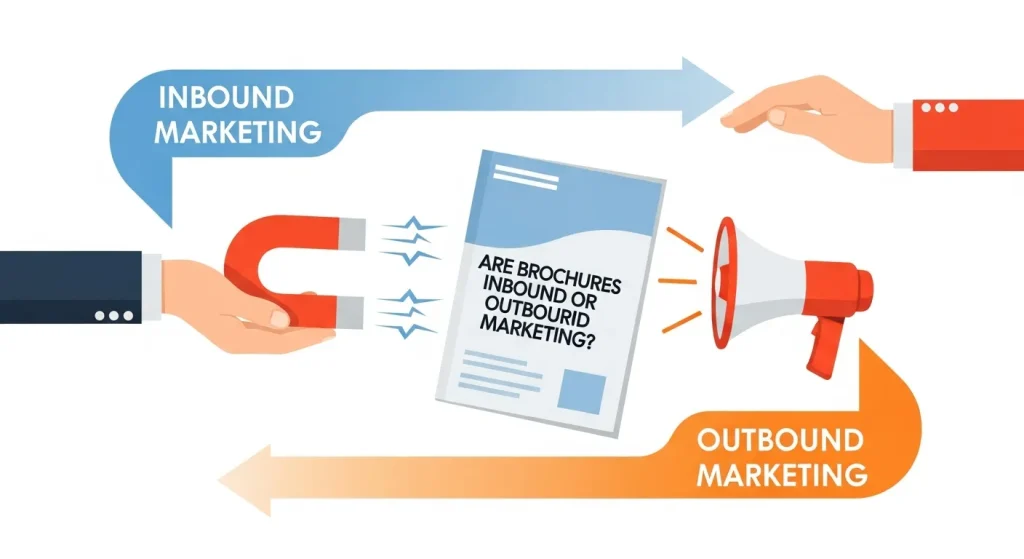
Marketing has changed dramatically over the past decade, but some tools persist across generations. Take the humble brochure – that glossy, tri-fold piece of marketing collateral that businesses have relied on for decades. But in a world increasingly divided between “inbound” and “outbound” marketing approaches, where exactly do brochures belong?
The Old-School View: Definitely Outbound
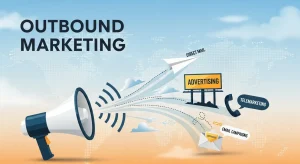
Most marketing veterans would immediately classify brochures as outbound marketing without a second thought. Why? Because traditionally, businesses have used as push mechanisms. You print thousands of copies and actively distribute them – stuffing them into mailboxes, handing them out at conventions, placing them in display racks, or including them in press kits.
Think about it. Nobody wakes up in the morning craving your company brochure. Instead, your sales team or marketing department pushes these materials toward potential customers, often interrupting their day. This intrusive quality is exactly what defines outbound marketing.
Jenkins Marketing Research found that people receive an average of 7 unwanted it monthly, putting them in the same category as cold calls and unsolicited emails – classic outbound techniques that interrupt rather than attract.
I was talking with a client from a manufacturing firm last week who told me, “We printed 5,000 last quarter and mailed them to everyone in our database. That’s textbook outbound, right?” Yes, but the story doesn’t end there.
Not So Fast: The Inbound Argument
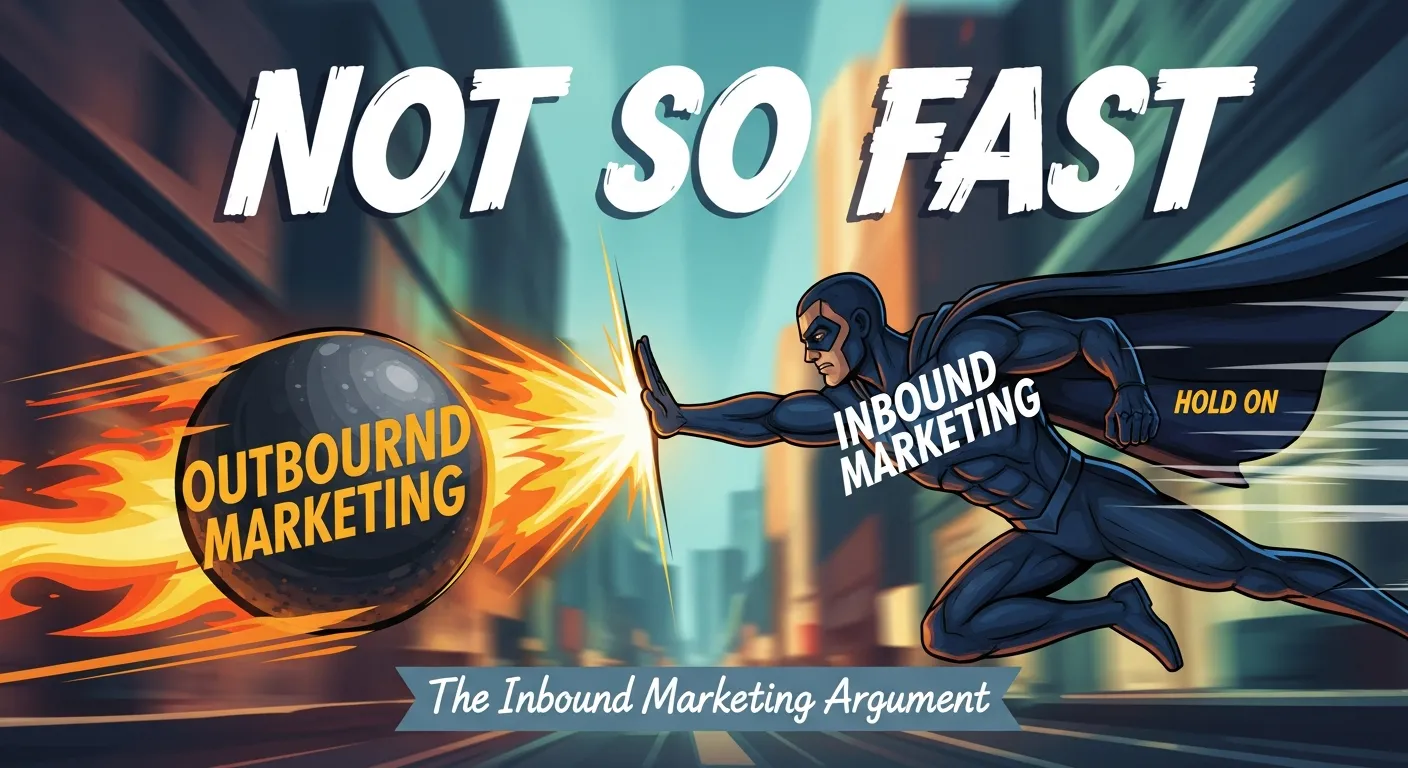
Something interesting happened when brochures went digital. Suddenly, these once-purely-outbound tools gained some distinctly inbound characteristics.
Consider what happens when a prospect visits your website, becomes interested in your offerings, and voluntarily downloads your digital brochure. They sought you out. They chose to learn more. You didn’t interrupt them – they came to you. That’s inbound marketing in action.
According to a HubSpot study on content preferences, 65% of visitors who download informational PDFs are already in the consideration stage of the buyer’s journey. They’re actively researching solutions – not being interrupted by them.
My colleague Sarah at Outbound Marketo recently analyzed our clients’ marketing assets and discovered something unexpected: PDF it were among the most requested resources by qualified leads who found us through organic search. These weren’t random people we interrupted – they were prospects actively seeking information.
The Reality: It’s All About Implementation
After working with hundreds of marketing teams, I’ve come to realize that asking whether brochures are inbound or outbound is asking the wrong question. The better question is: how are you using them?
The same exact brochure can be outbound or inbound depending on its distribution method and where it appears in your customer’s journey.
When you mail unsolicited brochures to a purchased list of addresses? That’s outbound.
When you optimize a digital brochure for search engines, allowing customers to discover it when researching solutions to their problems? That’s inbound.
The Content Marketing Association reports that companies successfully integrating traditional marketing materials into digital strategies see 37% higher engagement rates. This suggests the most effective approach blends elements of both methodologies.
Digital Transformation Has Changed Everything
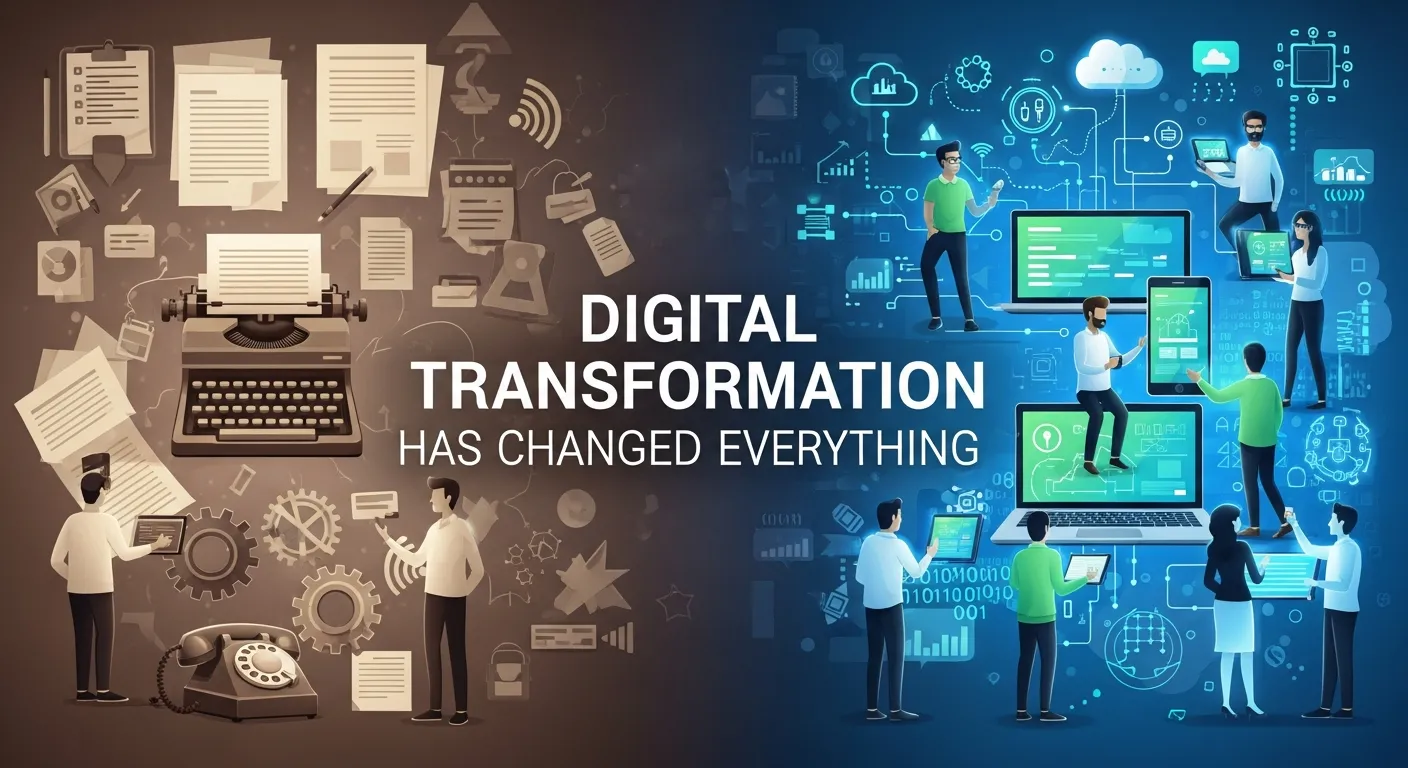
Today’s digital brochures bear little resemblance to their paper ancestors. Modern versions offer:
Real-time analytics that show which pages readers linger on and which they skip.
Interactive elements including embedded videos, clickable citations, and dynamic product demonstrations.
Personalization capabilities that customize content based on the reader’s industry, role, or previous interactions with your brand.
Immediate fulfillment – no waiting for something to arrive in the mail.
I recently worked with a software company that embedded their product demo video directly into their digital brochure. When prospects clicked to watch, the sales team received an alert. This transformed a traditionally passive medium into an active lead-generation tool that bridged both inbound and outbound approaches.
Finding the Sweet Spot
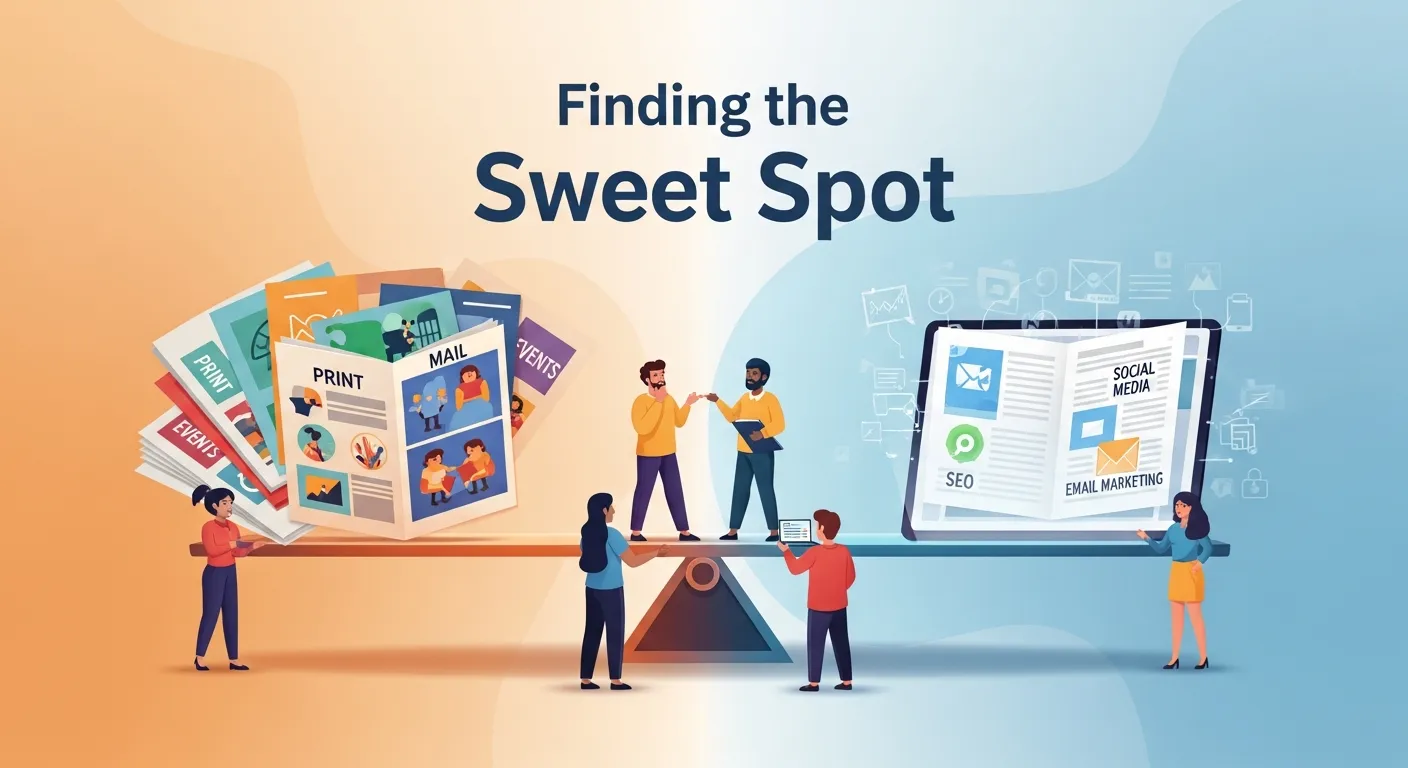
The smartest marketers I know have stopped worrying about strict inbound/outbound classifications. Instead, they focus on creating brochures that can function effectively in both contexts.
Take my client in the healthcare space. Their brochure exists as:
- A physical handout for medical conferences (outbound)
- A downloadable PDF on their website (inbound)
- A QR-code activated digital experience in their waiting rooms (hybrid)
The content remains largely consistent, but they’ve designed it to work across multiple touchpoints.
When patients search for “new treatments for arthritis” and discover my client’s website, downloading their brochure feels like a natural extension of their research journey – pure inbound marketing at work. Yet when their sales team distributes the same brochure at medical conventions, it’s functioning as an outbound tool.
Creating Brochures That Work Both Ways
If you’re developing brochures in 2025, consider these practical tips:
Write content that educates before it sells. Educational content performs better in both inbound and outbound contexts because it delivers value regardless of how it reaches your prospect.
Design for both print and digital from the start. Different mediums have different constraints, but planning for both ensures consistency.
Include tracking mechanisms – QR codes in physical it can bridge the gap between offline and online engagement.
Make sure your brochure answers the questions customers actually ask, not just what you want to tell them. I’ve seen conversion rates double when companies redesign it based on customer interview data rather than internal preferences.
Jasmine, our design director, always reminds clients: “A good brochure doesn’t try to be everything to everyone. It tries to be exactly what someone needs at a specific moment in their decision process.”
Brochures in the Digital Marketing Ecosystem
The role of brochures has expanded far beyond print distribution. In the age of outbound-digital-marketing, modern it now integrate seamlessly with online campaigns, social media, and automated sales funnels. Instead of being static collateral, they’ve evolved into dynamic tools for both awareness and conversion.
For instance, when a company attaches a digital brochure to a personalized email or links it in a paid social ad, it becomes part of a sophisticated multichannel system. This allows businesses to measure open rates, downloads, and click paths—metrics that traditional print it could never provide.
Key Advantages:
- Real-time performance tracking and analytics
- Easy updates for product or pricing changes
- Shareability across platforms (email, LinkedIn, landing pages)
- Eco-friendly and cost-efficient compared to print
| Aspect | Traditional Brochure | Digital Brochure |
|---|---|---|
| Distribution | Physical handouts | Online sharing, email, QR codes |
| Measurement | None | Detailed analytics |
| Engagement | One-way communication | Interactive experience |
| Cost | Printing + shipping | Design + hosting only |
The Role of Brochures in Product Marketing
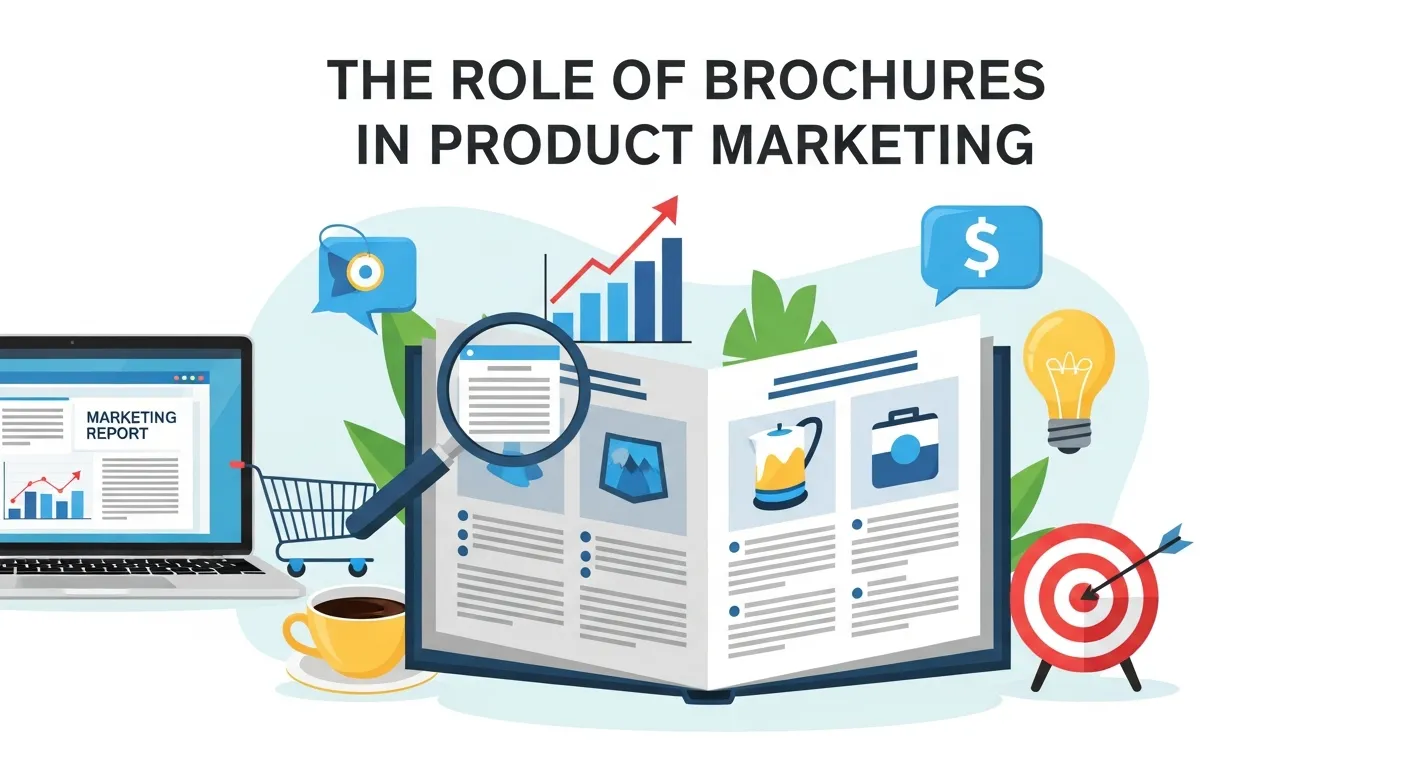
In inbound and outbound product-marketing, brochures serve as concise yet powerful storytelling tools. They help bridge the gap between technical details and customer understanding, making complex offerings more relatable and easy to digest. Whether in B2B or B2C industries, a well-crafted brochure reinforces brand positioning and communicates the product’s value proposition visually and emotionally.
When integrated with inbound strategies, it become educational touchpoints—helping prospects understand the product’s benefits at their own pace. Meanwhile, in outbound settings, they provide tangible reinforcement after a sales meeting or trade show encounter.
Tips for Effective Product :
- Use customer-centric language that speaks to needs, not features
- Include visuals showing real-world product use cases
- Add testimonials or data points to build trust
- Pair with a digital version accessible through QR or short link
| Brochure Type | Target Use | Marketing Stage |
|---|---|---|
| Product Introduction Brochure | Educate new leads | Awareness |
| Comparison Brochure | Highlight differentiation | Consideration |
| Technical Specification Sheet | Support sales discussions | Decision |
Brochures, SEO, and Discoverability
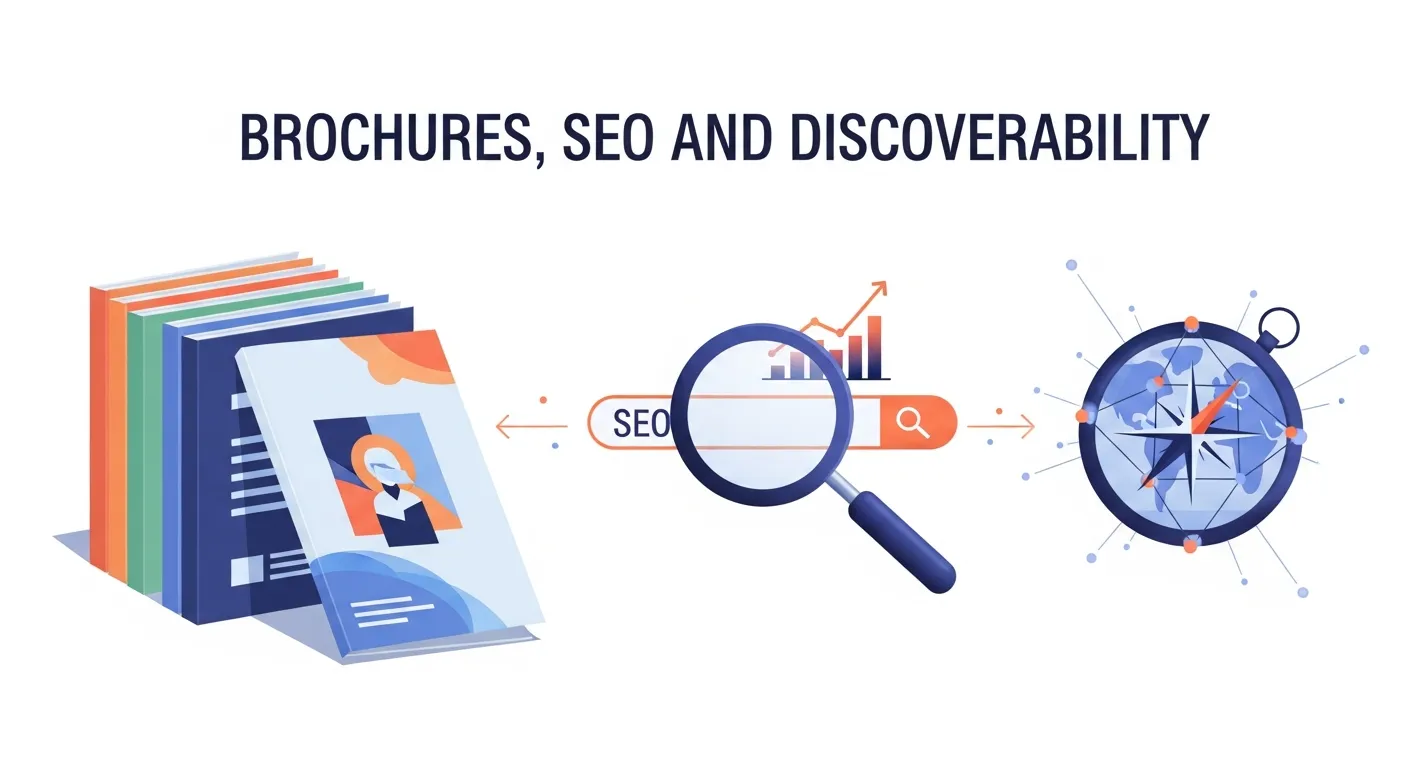
You might not think of it and SEO in the same sentence, but the digital landscape has changed that perception. In fact, optimizing your brochure content for search engines can transform it into a valuable inbound asset—especially when you’re targeting informational and commercial keywords.
By embedding your digital brochure within an optimized landing page and ensuring it’s indexed properly, you can attract organic traffic from users searching for specific solutions. This answers the common question many marketers ask: is-seo-outbound-marketing? In this context, SEO helps turn what was once an outbound asset into a discoverable, inbound-friendly resource.
SEO Optimization Tips :
- Use keyword-rich filenames (e.g., “brochure-marketing-guide.pdf”)
- Add meta descriptions and alt text to images within the PDF
- Link to the brochure from blog posts and product pages
- Track downloads and conversions using UTM parameters
| SEO Factor | Traditional Impact | Modern Impact |
|---|---|---|
| Keywords | Minimal | Improves organic visibility |
| Metadata | Rarely used | Enhances indexability |
| Backlinks | N/A | Increases authority and reach |
| Analytics | Manual tracking | Integrated and automated |
Beyond Labels: Effectiveness Is What Matters
Marketing categories like “inbound” and “outbound” are useful frameworks, but they shouldn’t become rigid boxes that limit creativity. The most effective brochures transcend these classifications, functioning wherever your customer encounters them in their journey.
Think of it this way: customers don’t care whether your marketing is inbound or outbound. They care whether it’s helpful, informative, and relevant to their needs.
So while it may have started as purely outbound tools, their evolution in the digital age has made them capable of functioning across the entire marketing spectrum. The question isn’t whether they’re inbound or outbound – it’s whether you’re using them effectively to meet your customers where they are.
After all, the best marketing doesn’t feel like marketing at all.
FAQs: Understanding Brochures in Inbound and Outbound Marketing
1. Are brochures considered inbound or outbound marketing tools?
Brochures traditionally fall under outbound marketing, especially when printed and distributed to prospects who haven’t requested them. However, in the digital age, itcan also serve inbound purposes when they’re optimized for search engines or downloadable through your website by interested visitors.
2. How have digital brochures changed traditional outbound marketing?
Digital brochures have turned a once-static tool into a data-driven, interactive experience. Businesses can now embed videos, clickable links, and analytics tracking to measure engagement. This shift allows it to integrate into outbound-digital-marketing strategies that blend traditional outreach with measurable online performance.
3. How do brochures fit into the product lifecycle?
Brochures play a unique role at every stage of the product lifecycle — from introduction to decline. During the launch phase, they build awareness; in growth, they reinforce differentiation; and in maturity, they maintain loyalty. This approach reflects mapping-the-product-lifecycle-to-outbound-marketing-strategy, where each brochure version supports a specific customer mindset and need.
4. Can brochures help with inbound lead generation?
Absolutely. When it are available for voluntary download or linked from educational blog posts, they attract qualified leads who are actively researching a solution. Adding forms or lead magnets to your brochure page can significantly improve conversion rates and support inbound pipelines.
5. What makes a brochure effective in boosting product sales?
An effective brochure tells a compelling story while highlighting value, not just features. Combining strong design with persuasive messaging and customer-focused content can directly influence purchase decisions. Many successful campaigns use boosting product sales with powerful outbound marketing strategies, where brochures serve as persuasive tools in presentations, trade shows, and targeted email campaigns.
6. Should brochures still be part of a product launch plan?
Yes — even in the digital age, brochures remain crucial assets for launches. They provide tangible, visually consistent materials that reinforce a brand’s credibility. As experts often say, why outbound marketing should be part of every product launch plan is simple: outbound tools like it create awareness and help establish early traction, especially when paired with digital follow-ups.
7. How can brochures support SEO and online visibility?
By hosting brochures on optimized landing pages, using keyword-rich filenames, and ensuring proper metadata, they can improve your brand’s search visibility. It can even attract backlinks from industry partners, boosting organic reach and discoverability in search results.
8. What’s the difference between print and digital brochures in customer engagement?
Print brochures create physical impact — perfect for trade shows, direct mail, and in-person meetings. Digital on the other hand, offer trackable engagement, letting marketers see which pages attract attention. A hybrid approach combines both, ensuring reach across customer preferences.
9. How can companies measure the success of their brochures?
Success can be tracked through key performance metrics like downloads, time spent reading, CTA clicks, or follow-up inquiries. For print versions, QR codes and custom URLs bridge offline engagement with online analytics, providing measurable insights into conversion behavior.
10. Are brochures still relevant in 2026 and beyond?
Yes — it have evolved rather than disappeared. Their format may change, but their purpose remains constant: to inform, persuade, and guide decisions. Modern brochures serve multiple channels—digital, physical, and hybrid—making them adaptable tools in both inbound and outbound strategies for years to come.