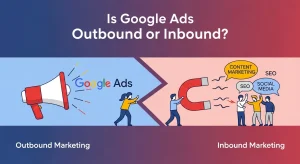
Cold Calling : Transforming Voice-Based Outreach
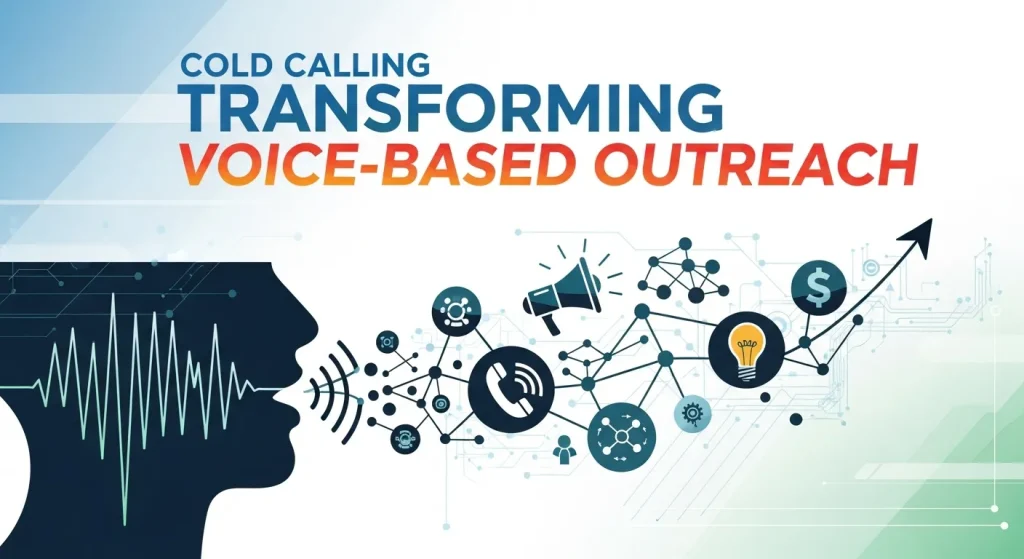
Cold Calling: Transforming Voice-Based Outreach” highlights how AI and data-driven insights are revolutionizing traditional cold calling. By blending technology with authentic human interaction, modern sales teams create personalized, meaningful conversations that drive engagement, build trust, and enhance overall outreach effectiveness.
Once dismissed as an outdated tactic, cold calling has made a powerful and surprising comeback in the modern sales landscape. No longer about dialing through endless lists or delivering robotic pitches, today’s cold calling blends the precision of AI and data analytics with the warmth of genuine human connection. By leveraging advanced tools for personalization, timing, and lead intelligence, businesses are transforming what was once a numbers game into meaningful, trust-building conversations that drive real engagement and results.
The Resurgence of Voice in a Digital World
Amid the digital noise of emails, social media messages, and automated marketing sequences, the human voice has reclaimed its power in business communication. Cold calling — once viewed as intrusive or outdated — is now proving to be one of the most effective ways to cut through the clutter and make genuine connections.
Research from the University of Cambridge found that voice communication establishes trust 32% faster than text-based interactions. This finding aligns perfectly with current market realities: the average professional receives over 150 emails per day but engages in fewer than five meaningful phone conversations. In such an environment, a well-executed cold call can stand out as refreshingly personal and impactful.
However, this renaissance of voice communication doesn’t signal a return to outdated sales tactics. Instead, modern cold calling has evolved into a refined, data-driven, and relationship-focused strategy that blends technology with human empathy.
Here’s how cold calling is transforming in 2025:
- AI-Powered Insights: Advanced tools analyze data to identify the best time to call, understand buyer intent, and personalize scripts for each prospect.
- Behavioral Science Integration: Sales teams use psychology-based techniques to build trust, reduce resistance, and create emotional resonance during calls.
- Smarter Targeting: Instead of dialing random lists, cold callers now focus on high-intent leads derived from predictive analytics and CRM integrations.
- Enhanced Human Touch: Despite technological support, genuine empathy, active listening, and natural conversation remain central to successful cold calling.
In this new era, cold calling has evolved from a numbers game into a strategic, insight-driven approach — one that bridges the gap between automation and authentic human connection.
AI-Powered Intelligence: The Foundation of Modern Cold Calling
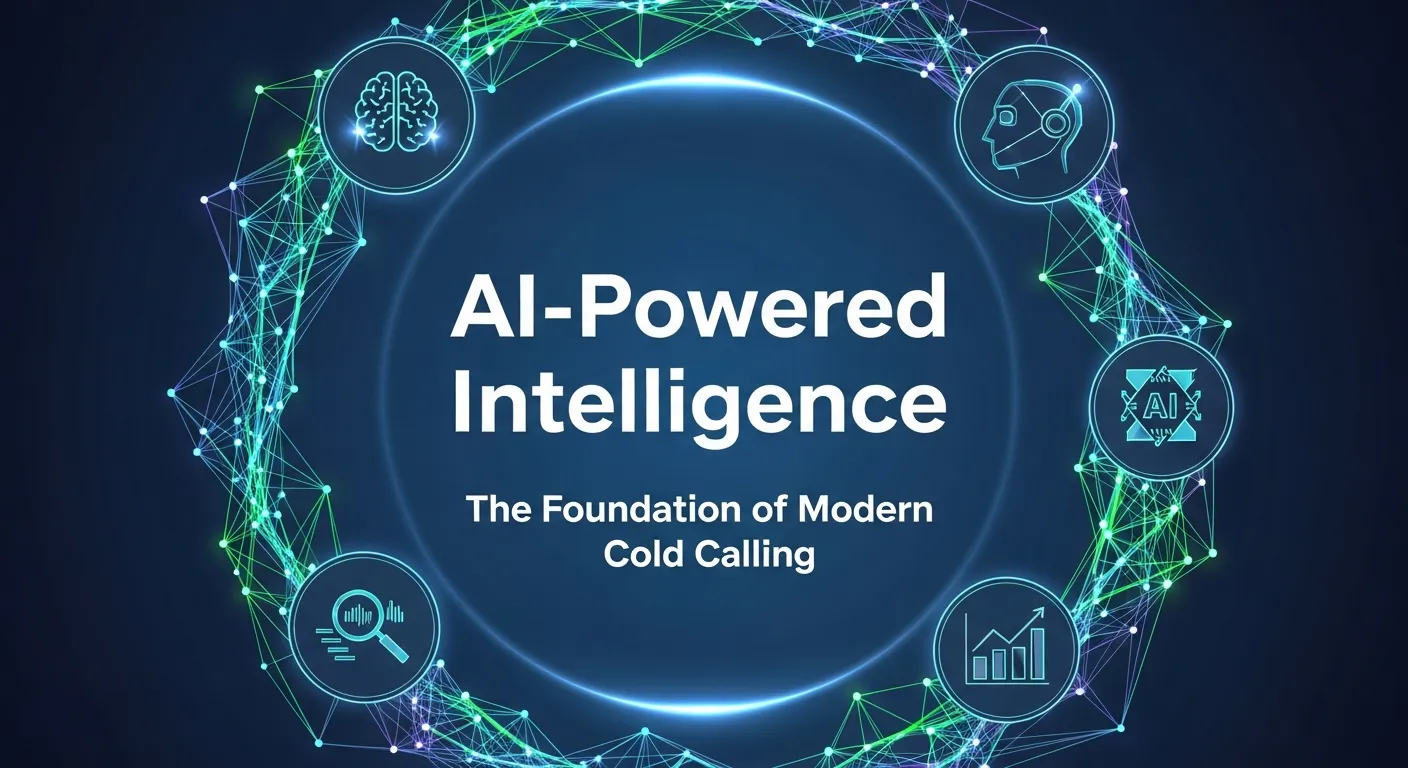
The most significant evolution in cold calling today lies in the intelligence layer that powers every conversation. Sales teams are no longer making random dials or relying on surface-level demographic data. Instead, they’re guided by advanced buyer intelligence platforms that provide real-time, actionable insights — transforming how outreach is planned and executed.
These platforms analyze thousands of intent signals such as:
- Content engagement patterns (what prospects read, download, or comment on)
- Technology investments and tool adoption across organizations
- Hiring trends indicating growth or departmental focus
- Earnings call transcripts that reveal strategic priorities or pain points
By combining these data points, the systems can accurately pinpoint companies entering active buying windows — dramatically improving timing and relevance. According to Gartner’s latest sales technology report, organizations leveraging such intelligence tools achieve 43% higher conversion rates from cold calls compared to traditional trigger-based methods.
The preparation process has also evolved into a highly strategic exercise. Before picking up the phone, modern sales professionals now review AI-generated briefings that:
- Summarize a prospect’s key business challenges
- Recommend personalized talking points based on data and tone analysis
- Suggest the optimal communication style for each contact
This intelligence-driven approach shifts cold calling from generic sales pitches to consultative, value-oriented conversations. Instead of selling, today’s professionals engage as advisors — addressing real business needs, building credibility, and driving deeper connections from the very first call.
Voice Technology and Conversation Enhancement
Perhaps the most visible evolution appears in how technology augments the live conversation itself. Sales professionals now rely on real-time conversation intelligence platforms that provide dynamic guidance during calls.
These systems analyze conversation patterns, detecting buying signals, objections, and engagement levels through voice tone analysis. When a prospect expresses concern or confusion, these platforms promptly deliver relevant talking points, customer stories, or technical specifications to the salesperson’s screen.
At BrandsDad, we’ve helped sales teams implement these voice enhancement technologies while maintaining authentic conversation flow – preserving the human element that makes voice communication powerful in the first place.
The technological support extends to follow-up as well. AI systems automatically extract commitments, questions, and areas of interest from recorded calls, then draft personalized follow-up communications and create targeted content recommendations based on specific conversation points.
Cold Calling in Product Marketing
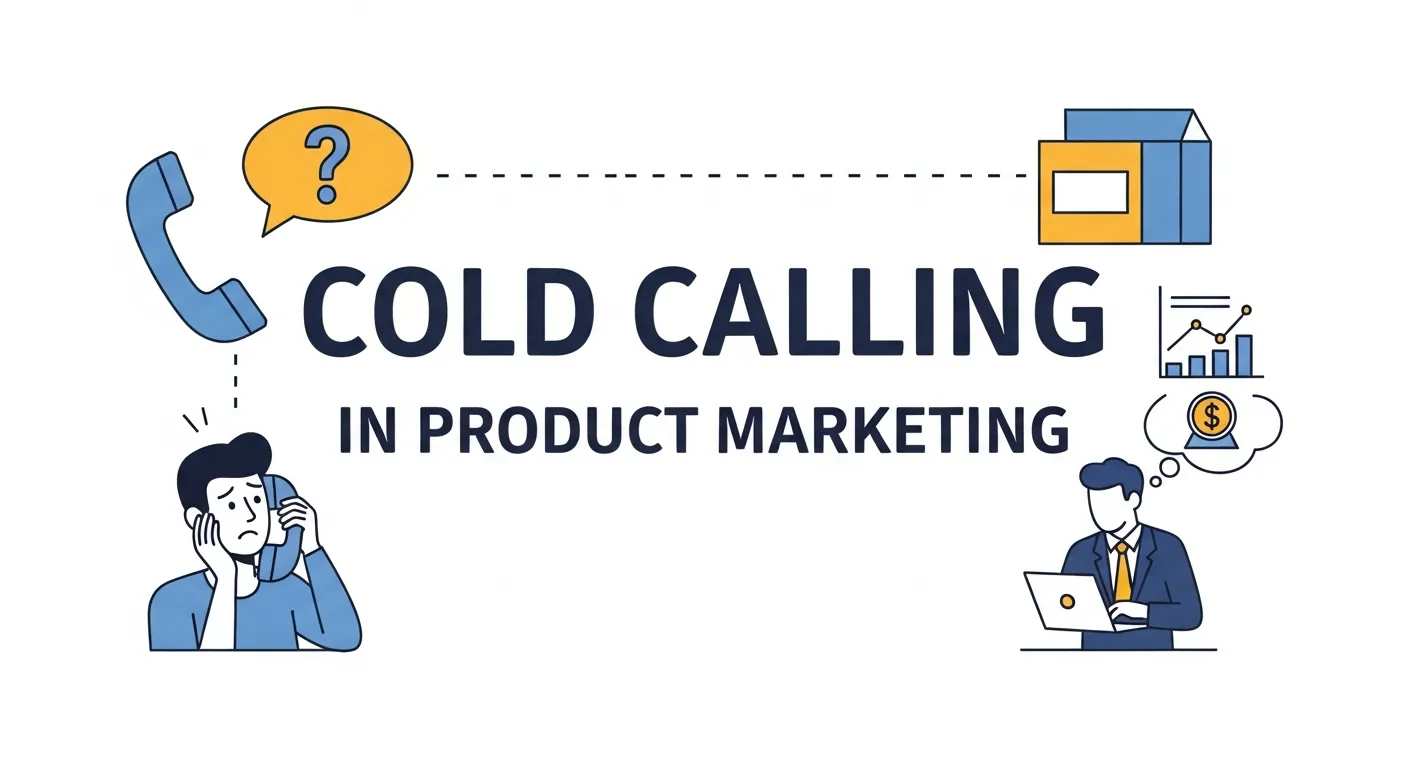
In the broader context of product marketing, cold calling has evolved into a precision-driven outreach method that aligns directly with go-to-market objectives. No longer an isolated sales function, it now acts as a feedback-rich communication channel between the market and marketing teams.
Modern product marketers use insights gathered from cold calls to refine messaging, validate positioning, and identify emerging customer pain points. By listening to real-time market feedback, teams can tailor campaigns and product features more effectively — turning voice conversations into a continuous loop of market intelligence.
Here’s how cold calling strengthens modern product marketing efforts:
| Function | Contribution of Cold Calling |
|---|---|
| Market Research | Provides real-world customer sentiment beyond surveys and analytics |
| Message Testing | Helps refine value propositions based on direct buyer responses |
| Competitive Insights | Reveals competitor weaknesses through firsthand prospect feedback |
| Lead Qualification | Enables personalized qualification through authentic conversation |
This direct voice feedback loop represents a common product marketing technique that bridges the gap between product strategy and market reality — ensuring that brands stay responsive, relevant, and customer-centric.
The Human Element: Enhanced, Not Replaced
Despite technological advancements, the most successful organizations recognize that technology amplifies human capabilities rather than replacing them. The cold callers achieving the highest success rates demonstrate remarkable emotional intelligence, adaptability, and business acumen.
Today’s elite sales professionals approach calls as opportunity conversations rather than scripted pitches. They ask thoughtful questions, listen intently, and adapt in real-time based on prospect responses. They bring unique perspectives, challenge conventional thinking, and position themselves as trusted advisors rather than product representatives.
This human element explains why completely automated voice systems have failed to replace person-to-person calls despite numerous attempts. Research from the Harvard Business Review demonstrates that prospects can identify synthetic voices within seconds, and engagement plummets when they suspect automation. The future belongs to human-led, technology-enhanced conversations.
Outbound Integration in Product Launches
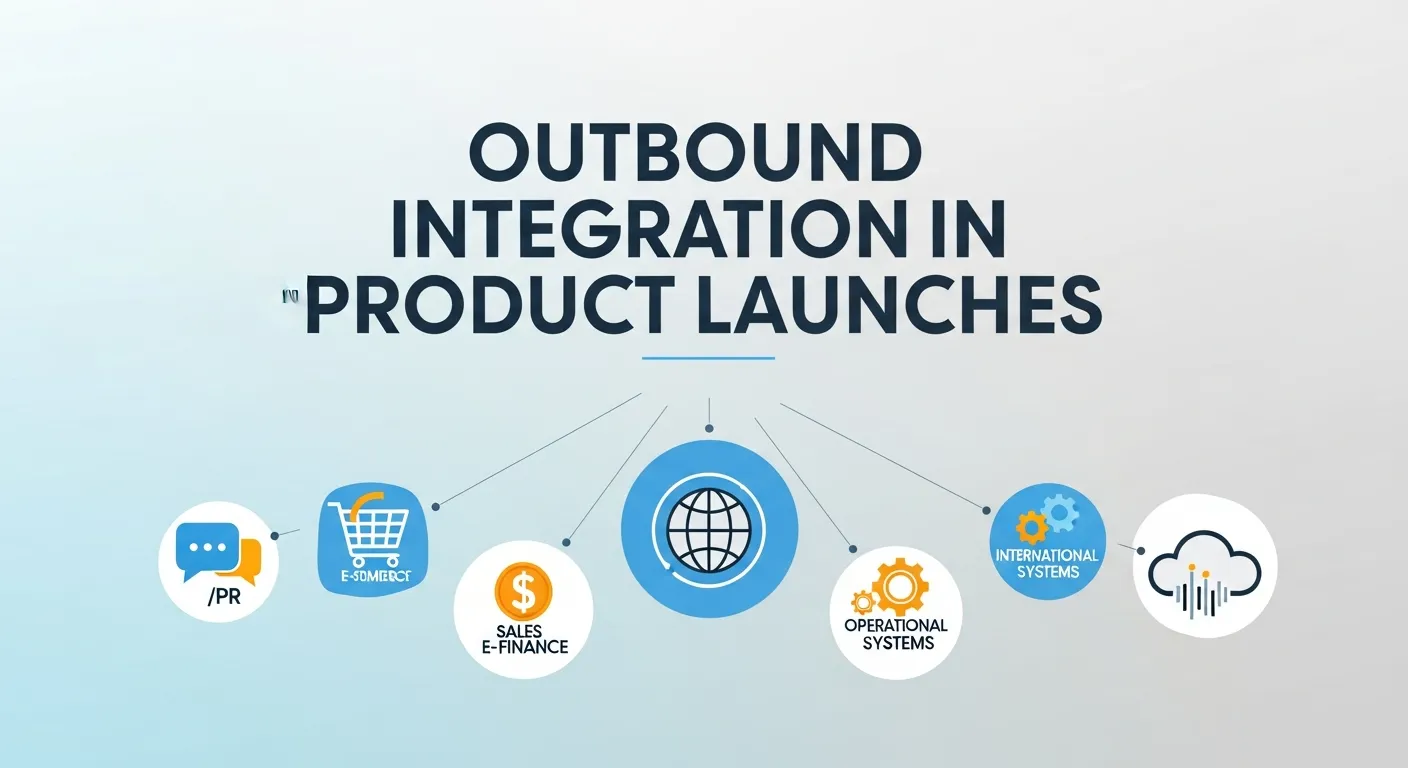
In the era of data-driven marketing, outbound marketing should be part of every product launch plan. While inbound tactics attract interested audiences over time, outbound approaches — especially intelligent cold calling — allow businesses to generate momentum quickly, targeting ideal prospects before competitors even appear on their radar.
During a product launch, outbound cold calling serves three critical purposes:
-
Rapid Awareness Building: Reaching specific decision-makers with personalized value propositions.
-
Message Validation: Testing and refining positioning statements through live feedback.
-
Pipeline Acceleration: Converting early curiosity into qualified opportunities faster than inbound channels alone.
To illustrate the power of integration, consider the following strategic mix for product launches:
| Channel | Primary Goal | Timing | Example |
|---|---|---|---|
| Outbound Cold Calling | Direct outreach and feedback | Pre-launch | Personalized calls to key accounts |
| Social & Content Marketing | Awareness and credibility | Launch phase | Teasers, blog updates, and product videos |
| Email Nurturing | Continuous engagement | Post-launch | Follow-ups, feature updates, and offers |
By aligning cold calling with these complementary channels, businesses create a unified launch journey that blends technology, data, and human connection for maximum impact.
Ethical Considerations and Trust Building
The evolution of cold calling has necessitated careful examination of ethical boundaries. Progressive organizations have established clear frameworks governing data usage, call transparency, and respect for prospect preferences.
Successful teams openly acknowledge how they identified prospects and the insights informing their outreach. Rather than creating discomfort, this transparency often impresses prospects and establishes credibility. When a salesperson can say, “I noticed your company recently expanded operations in Southeast Asia and thought our logistics solution might help with the challenges that typically accompany such expansions,” they demonstrate relevance and business understanding.
The most ethical practitioners also respect communication preferences more rigorously than ever before. Modern systems track preferred contact channels, optimal timing, and topic interests – then honor those preferences scrupulously. This respect builds trust that facilitates productive conversations.
Measuring the Impact of Modern Cold Calling
With so much technology empowering voice-based outreach, organizations now rely on analytics to evaluate efficiency, engagement, and ROI. The question “what is outbound product marketing” becomes especially relevant here, as outbound methods like cold calling form the backbone of measurable, proactive market expansion strategies.
Modern analytics tools track every stage of the cold calling process — from prospect research to conversation outcomes — enabling data-backed optimization. Key metrics now extend far beyond simple call counts or connection rates.
| Metric | Definition | Why It Matters |
|---|---|---|
| Conversation Depth | Measures how far discussions progress (surface vs. strategic talk) | Indicates quality of engagement |
| AI-Generated Insights Accuracy | Evaluates how well predictive tools identify receptive prospects | Ensures efficient targeting |
| Trust Conversion Rate | Percentage of calls that lead to follow-up actions | Reflects success in human connection |
| Voice-to-Deal Ratio | Number of deals closed per meaningful conversation | Shows ROI of personalized outreach |
By continuously tracking these indicators, sales and marketing teams can fine-tune strategy, enhance training, and amplify overall results. This analytics-driven approach cements cold calling’s role as both an art and a science — balancing technology’s precision with the irreplaceable nuance of human interaction.
Integration with Omnichannel Strategies
Cold calling in 2025 rarely exists as an isolated tactic. The most effective organizations integrate voice outreach within orchestrated omnichannel sequences. These sequences typically begin with low-friction digital touches that build familiarity before escalating to voice conversations at strategic moments.
For example, a well-crafted sequence might include targeted social engagement, valuable content sharing, and personalized video messages before the first call attempt. According to Salesforce’s State of Sales report, prospects who engage with three or more channels before receiving a call are 90% more likely to schedule follow-up conversations.
This integration extends beyond pre-call preparation. Modern systems automatically adapt outreach sequences based on call outcomes, ensuring appropriate follow-up regardless of whether prospects express immediate interest, request information, or defer conversations.
The Economics of Modern Cold Calling
Perhaps the most compelling evidence for cold calling’s evolution comes from its changing economics. Traditional cold calling required high-volume activity to achieve modest results, with typical connection rates below 10% and conversion rates in the low single digits. This approach demanded substantial labor investment for minimal returns.
Today’s intelligence-driven approach inverts this equation. While modern systems require greater technology investment, they dramatically improve efficiency by focusing calls on high-probability prospects during receptive moments. Organizations report connection rates exceeding 35% and meeting conversion rates above 15% when using these targeted approaches.
The productivity impact is substantial. Sales professionals make fewer calls but engage in more meaningful conversations, schedule more meetings, and ultimately close more business. This shift has transformed cold calling from a dreaded activity with marginal returns to a high-value engagement strategy.
Looking Forward: The Next Evolution
As we look toward the future, voice-based outreach will continue evolving. Emerging technologies will enable even more precise targeting and conversation enhancement. However, the fundamental shift toward quality over quantity, intelligence over volume, and value over interruption will endure.
The organizations achieving the greatest success will be those that embrace technological advancement while doubling down on human capabilities – empathy, critical thinking, and authentic connection. They’ll invest in technologies that enhance these human elements rather than attempting to automate them away.
Cold calling hasn’t died – it has transformed. The noisy, interruptive approach of yesterday has given way to relevant, intelligent conversations that deliver genuine value. In this transformed state, voice outreach has reclaimed its place as an essential component of effective sales and marketing strategies.
Frequently Asked Questions : Cold Calling & Modern Voice-Based Outreach
1. What makes modern cold calling different from traditional methods?
Traditional cold calling focused on volume — dialing as many numbers as possible with scripted pitches. Modern cold calling, by contrast, leverages AI, analytics, and intent data to identify the right prospects, craft personalized messages, and build genuine relationships. It’s no longer about interruption; it’s about intelligent, timely connection.
2. How does cold calling fit into today’s B2B marketing strategy?
Cold calling remains a cornerstone of what is b2b outbound marketing, which involves proactively reaching target businesses through personalized outreach. In B2B environments, phone conversations help establish credibility faster than digital-only channels, enabling sales professionals to qualify prospects, share tailored insights, and nurture long-term partnerships.
3. What technologies are enhancing cold calling performance in 2025?
AI-driven platforms, conversation intelligence tools, and predictive analytics are revolutionizing how teams prepare for and conduct calls. These systems analyze intent signals, tone, and behavioral data to provide real-time recommendations — helping sales professionals respond more effectively and convert leads into opportunities.
4. Why is the human voice still so effective in a digital-first world?
Voice-based outreach builds trust and emotional connection in ways text cannot. Research shows that prospects process tone, empathy, and authenticity through voice faster than written communication, making cold calling an invaluable channel for establishing meaningful business relationships in the age of automation.
5. What is an Ideal Customer Profile (ICP), and why does it matter in cold calling?
An Ideal Customer Profile (ICP) defines the type of company most likely to benefit from your product or service. Effective ideal customer profile development ensures that cold calling efforts focus on prospects who truly match your solution’s value proposition. This precision reduces wasted effort and dramatically improves conversion rates.
6. How does AI personalize cold calling campaigns?
AI tools gather and analyze vast data points — from content interactions to company news — to tailor each conversation. They recommend the best time to call, relevant talking points, and even communication tone, ensuring every outreach feels personalized and aligned with the prospect’s current needs.
7. How can businesses ensure ethical practices in cold calling?
Ethical cold calling involves transparency, consent, and respect. Modern systems track communication preferences and ensure compliance with data privacy regulations. The most successful sales teams clearly explain why they’re reaching out and how they obtained prospect information, fostering trust from the very first interaction.
8. What are some practical outbound marketing solutions for startups or small teams?
For smaller organizations, adopting outbound marketing solutions simplified means using automation and intelligence tools that streamline research, dialing, and follow-up without losing personalization. Cloud-based CRM integrations, AI-powered call assistants, and smart sequencing platforms allow startups to scale outreach efficiently while maintaining authentic, human-centered communication.
9. How can cold calling integrate with omnichannel marketing strategies?
Cold calling works best when combined with other channels such as email, social media, and video messaging. These touchpoints warm up prospects before the first call, making conversations more productive. A seamless omnichannel approach ensures consistent messaging and higher engagement across every stage of the buyer’s journey.
10. What does the future hold for cold calling and voice-based outreach?
The future of cold calling lies in deeper integration between AI, behavioral science, and emotional intelligence. While technology will continue to enhance targeting and timing, the core success factor will remain human — empathy, adaptability, and genuine curiosity. The most successful sales teams will balance automation with authenticity, ensuring every call delivers value, not interruption.