PPC Marketing: Inbound or Outbound Strategy?
Understanding the Traditional Marketing Divide
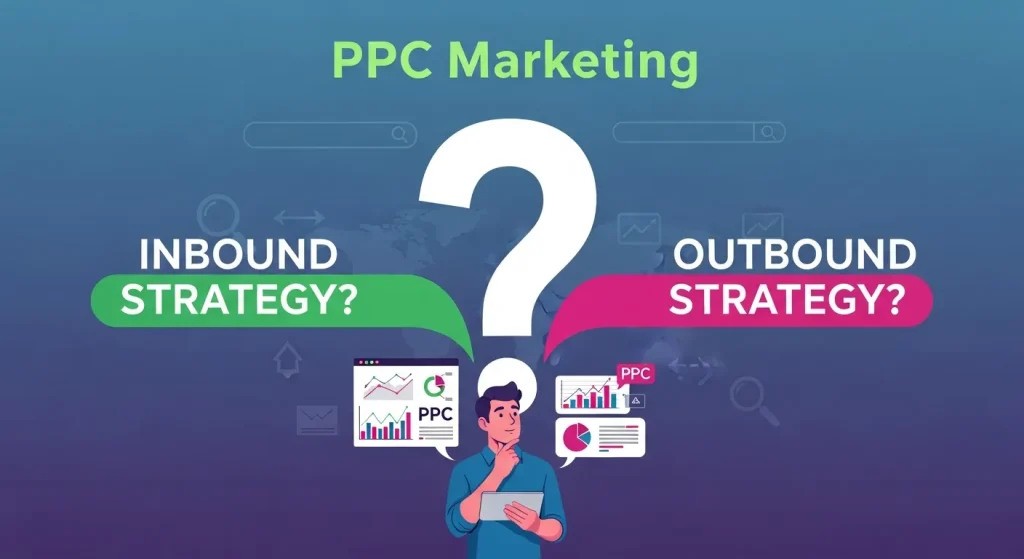
In the world of digital marketing, understanding where PPC (Pay-Per-Click) fits within traditional marketing models is essential. Traditionally, marketing has been divided into two core categories — inbound and outbound. These two strategies differ in how they reach and engage potential customers. To understand whether PPC belongs to inbound or outbound marketing, it’s important to first explore the fundamentals of this divide.
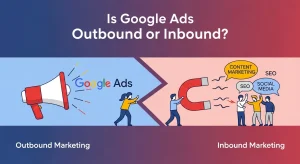
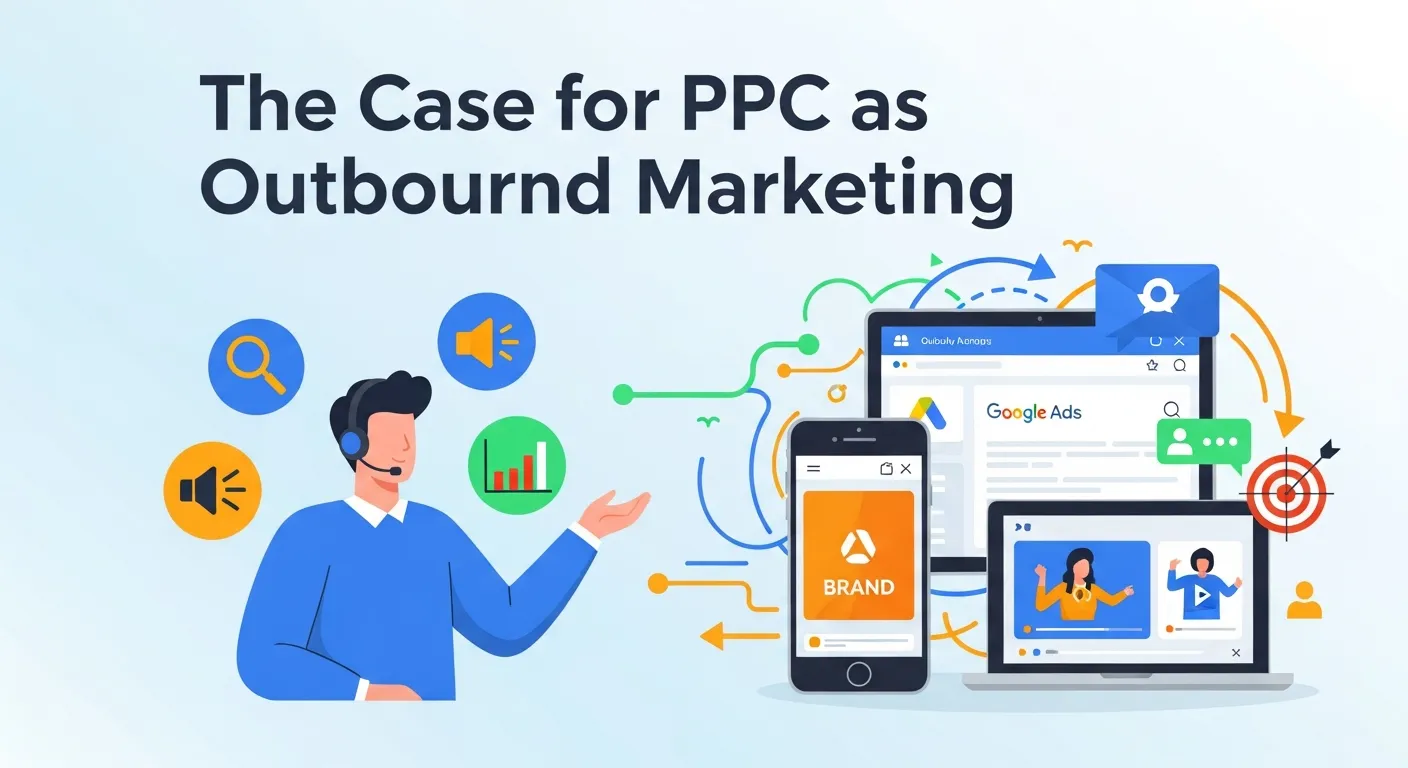
Outbound marketing represents the classic approach — pushing messages out to a wide audience, often interrupting their experience to grab attention. Examples include TV commercials, billboards, cold emails, and paid online ads. The goal is to promote products or services directly, hoping that some portion of the audience will respond. In this sense, Pay-Per-Click often aligns with outbound methods because it relies on paid placements to reach users through search engines or social media platforms.
Inbound marketing, on the other hand, focuses on attracting customers organically. It’s about creating valuable, relevant content that pulls people toward your brand naturally. Blog posts, SEO strategies, and social media engagement are prime examples of inbound tactics. These methods nurture trust, build credibility, and help potential customers find your brand when they’re actively seeking solutions.
However, Pay-Per-Click marketing doesn’t fit neatly into either category. While it’s a paid tactic — typically seen as outbound — it can also serve inbound objectives when executed strategically. For instance, PPC ads can target users searching for specific keywords related to your business. This means they already have intent and are looking for information or solutions. In that scenario, your PPC campaign is assisting the inbound journey by connecting with users at the right moment.
The key lies in how PPC is used. If your ads are interruptive and broad, they fall under outbound marketing. But if they’re tailored to user intent, aligned with relevant landing pages, and part of a content-driven funnel, PPC becomes a powerful inbound tool.
In summary, Pay-Per-Click sits at the intersection of inbound and outbound marketing. It combines the reach of paid promotion with the precision of intent-based targeting. When planned strategically, PPC can strengthen your inbound ecosystem, attract qualified leads, and enhance overall marketing performance — making it one of the most versatile tools in today’s digital marketing landscape.
The Case for PPC as Outbound Marketing
The Case for PPC as Inbound Marketing
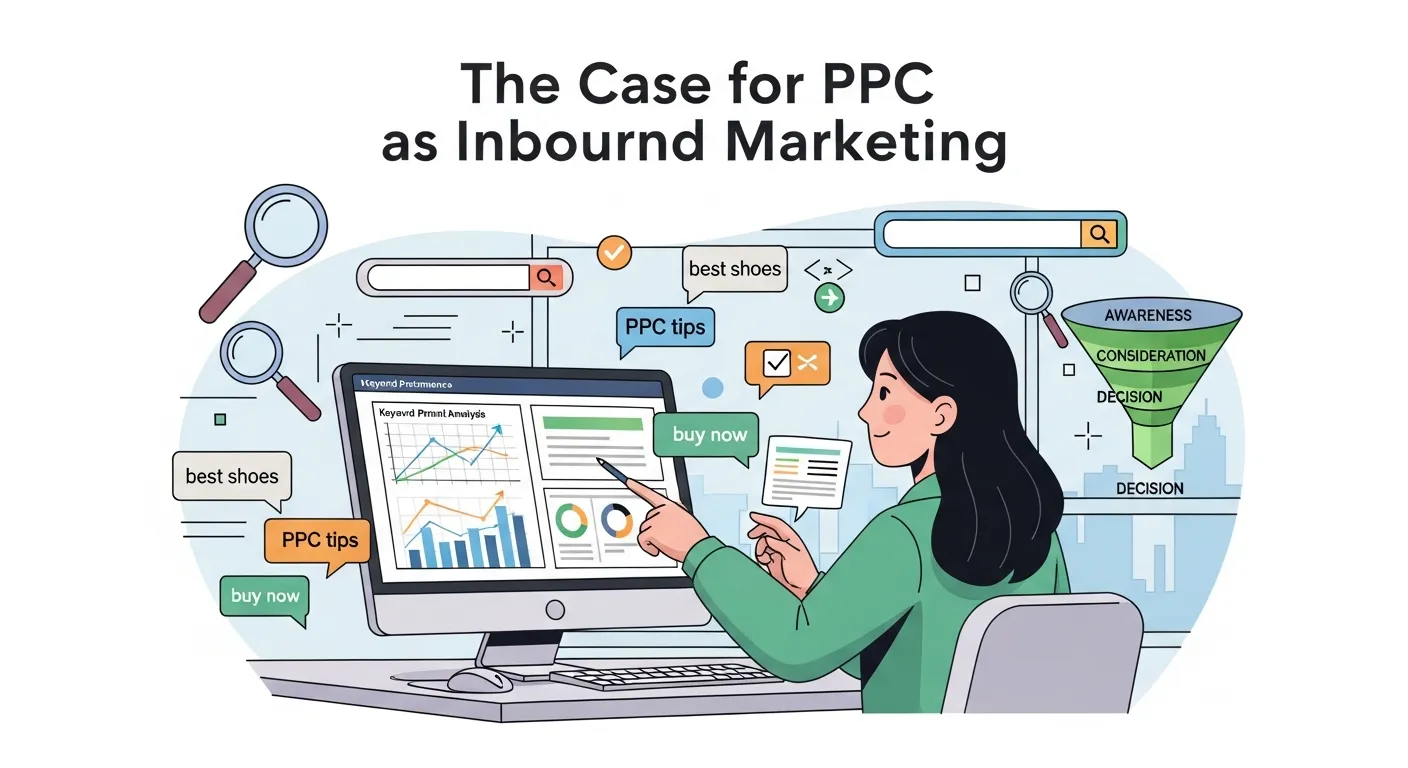
While PPC (Pay-Per-Click) is often viewed as an outbound tool, it can also play a powerful role in inbound marketing when used strategically. Inbound marketing focuses on attracting users who are already searching for information, solutions, or products — and that’s exactly where Pay-Per-Click shines.
When a user types a query into Google, PPC ads appear based on specific keywords and intent. This means the audience is actively seeking what you offer, making PPC an intent-driven inbound strategy. Instead of interrupting users, it connects them to relevant solutions at the right time.
Here’s how PPC supports inbound marketing goals:
| Inbound Marketing Goal | How it Helps |
|---|---|
| Attract qualified traffic | Targets users actively searching for specific keywords or services. |
| Enhance visibility | Positions your brand at the top of search results, improving discoverability. |
| Boost lead generation | Drives visitors to optimized landing pages designed for conversions. |
| Support content marketing | Promotes valuable blogs, eBooks, or webinars to users seeking information. |
| Nurture buyer intent | Connects with users already in the decision-making stage. |
For example, a digital agency running a Pay-Per-Click campaign for “SEO services” reaches users who are intentionally searching for that exact solution — aligning perfectly with inbound principles.
Another major advantage is data-driven optimization. It provides insights into which keywords, ads, and landing pages attract the most engaged visitors. This data can refine broader inbound strategies like SEO and content planning.
In short, PPC marketing amplifies inbound efforts by driving high-intent traffic, boosting visibility, and supporting lead generation through relevant, timely ads. When integrated thoughtfully, Pay-Per-Click becomes more than paid promotion — it transforms into a valuable inbound channel that attracts, engages, and converts your ideal audience.
The Hybrid Reality of PPC
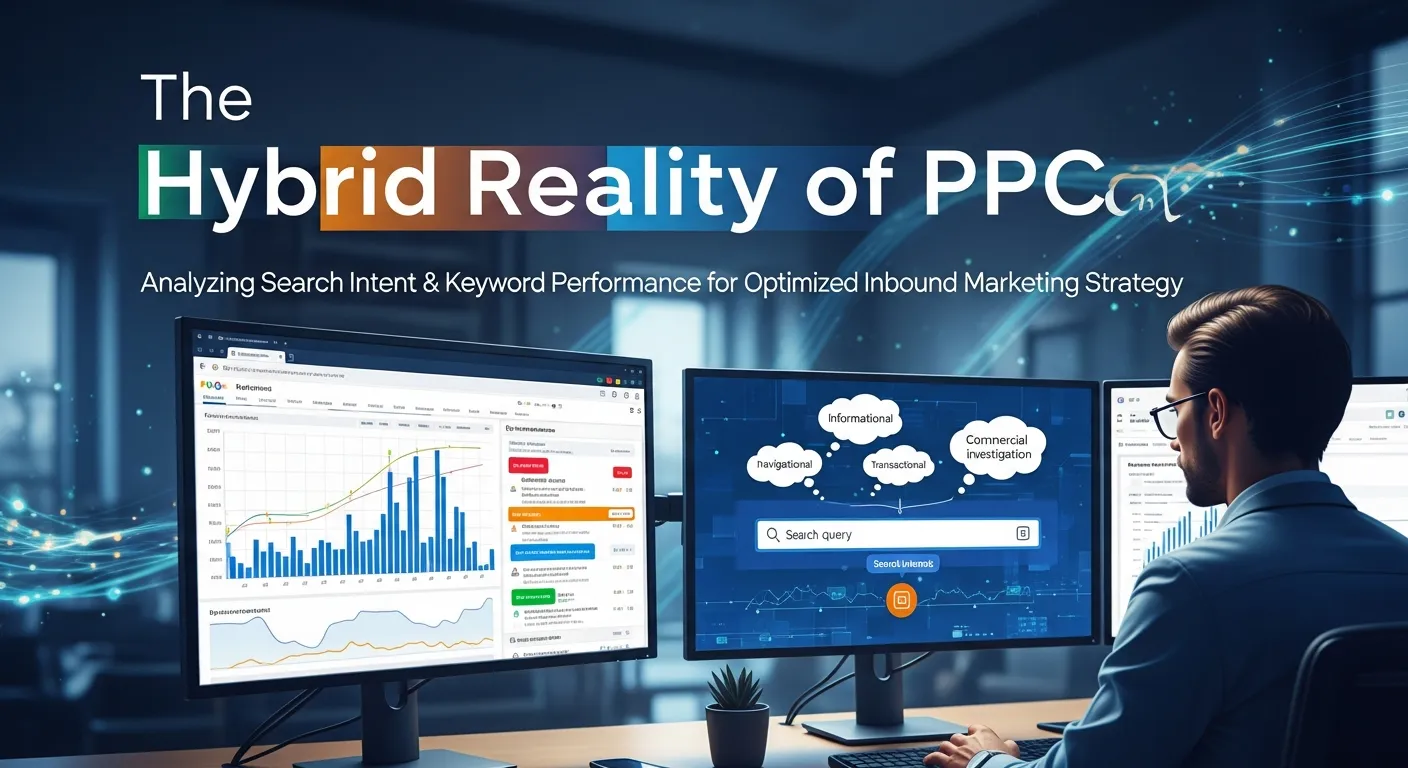
In today’s digital landscape, Pay-Per-Click marketing doesn’t fit neatly into the traditional inbound or outbound categories. Instead, it represents a hybrid strategy — blending the proactive reach of outbound marketing with the intent-driven precision of inbound marketing. This dual nature makes Pay-Per-Click one of the most flexible and effective tools for modern marketers.
PPC ads can both attract new audiences and engage existing prospects, depending on how they are structured. For instance, a Google Search Ad targeting high-intent keywords functions as an inbound tactic, while a display ad or retargeting campaign acts more like outbound marketing by re-engaging or introducing users to a brand.
Here’s a quick breakdown of how PPC combines both marketing approaches:
| Marketing Type | PPC Role | Example |
|---|---|---|
| Inbound | Targets users actively searching for relevant keywords. | Google Search Ads for “best CRM software.” |
| Outbound | Reaches users through paid placements and display campaigns. | YouTube or Facebook ads showing to broad audiences. |
| Hybrid | Blends intent-based targeting with proactive visibility. | Retargeting users who visited your website but didn’t convert. |
This hybrid approach gives businesses the best of both worlds — immediate visibility through outbound reach and long-term engagement through inbound alignment. It allows brands to tailor campaigns based on buyer intent, behavior, and stage in the funnel.
The key to success lies in strategic integration. By combining PPC with SEO, content marketing, and email nurturing, brands can create seamless experiences that guide users from awareness to conversion.
Ultimately, PPC marketing’s hybrid reality makes it a powerful, adaptable strategy. Whether your goal is brand awareness, lead generation, or customer retention, PPC bridges the gap between inbound attraction and outbound promotion — ensuring your business stays visible, relevant, and results-driven.
How to Leverage PPC in Your Marketing Mix
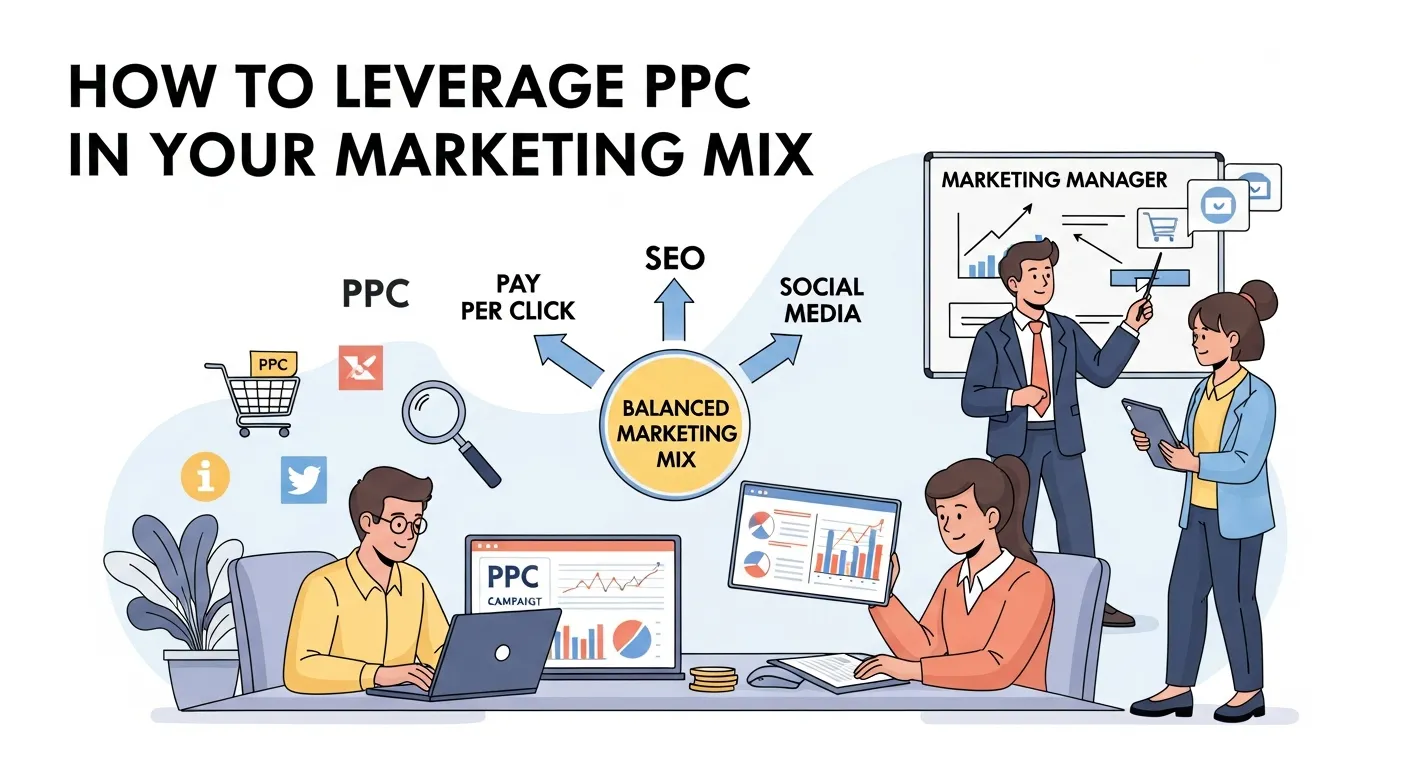
In the modern marketing ecosystem, PPC (Pay-Per-Click) is more than just a paid advertising tactic — it’s a strategic tool that can seamlessly integrate with your overall marketing mix. Whether your business focuses on inbound, outbound, or hybrid strategies, Pay-Per-Click can amplify results when used with a clear plan and data-driven execution.
To leverage Pay-Per-Click effectively, you need to align it with your broader business goals, target audience, and content strategy. Below are key ways to incorporate PPC into your marketing mix for maximum impact:
1. Support Inbound Marketing Goals
PPC can attract high-intent users who are already searching for your products or services. By targeting relevant keywords, you can drive qualified traffic to content-rich landing pages, blogs, or lead magnets. For example, running Pay-Per-Click campaigns for educational resources like “Free Marketing Guide” helps nurture inbound leads and build authority.
2. Enhance Outbound Reach
For outbound efforts, Pay-Per-Click acts as a digital megaphone. Use display or video ads to reach new audiences, create awareness, and introduce your brand to potential customers who haven’t interacted with you before. This proactive outreach is ideal for product launches or seasonal campaigns.
3. Combine PPC with SEO for Stronger Visibility
PPC and SEO work best when used together. While SEO builds long-term organic presence, PPC delivers instant visibility at the top of search results. Together, they dominate search real estate, increasing credibility and click-through rates (CTR).
| Strategy | Inbound Role | Outbound Role |
|---|---|---|
| Search Ads | Targets intent-based keywords to attract leads. | Promotes offers and new products. |
| Display Ads | Retargets previous website visitors. | Builds awareness among cold audiences. |
| Social PPC | Promotes content and webinars. | Expands reach to new demographics. |
4. Use Data to Optimize Campaigns
PPC provides measurable insights into user behavior, conversion rates, and keyword performance. Use these metrics to refine your inbound content strategy, identify top-performing offers, and adjust targeting for better ROI.
5. Align PPC with the Buyer’s Journey
Design campaigns that match each stage — awareness, consideration, and decision. For example:
- Awareness: Display or YouTube ads.
- Consideration: Search campaigns with educational content.
- Decision: Retargeting and offer-based ads.
In summary, Pay-Per-Click marketing plays a pivotal role in connecting inbound and outbound efforts. When integrated strategically, it not only drives traffic but also nurtures leads, builds brand awareness, and accelerates conversions — making it an essential part of any successful digital marketing mix.
FAQ: Understanding Pay Per Click in the Inbound and Outbound Marketing Landscape
1. What is Pay Per Click marketing, and how does it fit into digital strategy?
Pay Per Click marketing is a paid advertising model where businesses pay each time a user clicks on their ad. It fits into digital strategy by driving targeted traffic to specific landing pages or offers. Whether your goal is brand awareness, lead generation, or conversions, Pay Per Click can complement both inbound and outbound marketing campaigns effectively.
2. Is Pay Per Click considered inbound or outbound marketing?
That depends on how it’s used. When ads target users actively searching for information or solutions, it functions as inbound marketing. However, when ads are shown to broad audiences to promote awareness, it takes an outbound approach. The most successful marketers recognize that Pay Per Click blends elements of both.
3. What’s the main difference between inbound and outbound marketing?
Inbound marketing attracts customers through valuable content and search visibility, while outbound marketing pushes messages to reach audiences directly. For example, blogging and SEO are inbound methods, whereas paid ads and email blasts are outbound tactics. Many businesses today combine both for a balanced strategy.
4. Which works best — outbound vs inbound marketing?
Neither approach universally outperforms the other; their effectiveness depends on your goals, budget, and audience. Outbound methods deliver quick visibility, while inbound builds long-term trust. The key is finding a balance — using outbound vs inbound marketing strategically to maximize short-term reach and long-term growth.
5. Can businesses use both inbound and outbound marketing together?
Absolutely. In fact, combining both inbound and outbound marketing often produces the best results. For instance, you can use paid ads (outbound) to drive traffic to content or webinars (inbound), nurturing leads through every stage of the funnel.
6. How does Pay Per Click support inbound marketing strategies?
Pay Per Click can drive high-intent users to valuable resources like blogs, eBooks, or sign-up pages. These users are already searching for solutions, making them ideal inbound leads. By matching ad copy to user intent, you create a seamless, inbound-friendly experience.
7. How can Pay Per Click improve outbound marketing results?
When used for outbound purposes, Pay Per Click helps reach new audiences who may not know your brand. Display ads, video campaigns, and social media promotions are great for awareness-building. They function much like traditional advertising but with precise digital targeting and measurable performance.
8. Inbound vs outbound marketing — which strategy is right for your business?
Choosing between inbound vs outbound marketing depends on your business goals, audience behavior, and resources. If you want steady organic growth, focus on inbound. If you need quick visibility or product launches, lean on outbound. Ideally, integrating both ensures sustainable and scalable results. Read more about which strategy is right for your business.
9. What role does data play in Pay Per Click campaigns?
Data is at the heart of every successful campaign. Through analytics, you can identify which keywords, audiences, and creatives perform best. These insights not only improve paid campaigns but also enhance your broader inbound and outbound marketing decisions.
10. How can small businesses benefit from Pay Per Click advertising?
Small businesses can use Pay Per Click to compete with larger brands by targeting niche audiences and local searches. Even with modest budgets, well-optimized campaigns can attract qualified leads, improve visibility, and support both inbound and outbound efforts efficiently.
11. Why is it important to integrate Pay Per Click with other marketing channels?
Relying solely on paid ads limits growth. When Pay Per Click works alongside SEO, email marketing, and content creation, it amplifies overall performance. Integration ensures a consistent message across inbound and outbound touchpoints, strengthening your brand presence and conversion potential.
12. What’s the future of inbound and outbound marketing in relation to Pay Per Click?
The future lies in blending both inbound and outbound approaches. As digital audiences become more selective, brands must use Pay Per Click ads to engage meaningfully — not just interrupt. Smart marketers will continue merging inbound trust-building with outbound reach to create a unified, customer-first experience.
The Verdict
PPC defies simple classification as purely inbound or outbound. Instead, it represents an evolution in marketing that combines the targeting precision of outbound with the relevance and value proposition of inbound.
The most effective marketers don’t get caught up in strict categorizations but instead focus on whether a strategy reaches the right audience with the right message at the right time. PPC, when executed thoughtfully, accomplishes exactly that.
Rather than asking whether PPC is inbound or outbound, perhaps the better question is: how can PPC best serve your specific marketing objectives? The answer will likely involve elements of both approaches, customized to your unique business needs.
What’s your experience with PPC marketing? Do you consider it more aligned with inbound or outbound philosophy? We’d love to hear your thoughts in the comments below.