Repeatable Prospect Follow Up Plan for More Sales

Strong follow-up is a repeatable discipline that keeps good leads alive, improves reply quality, and helps sales teams turn interest into revenue without sounding pushy.
A strong sales process is not only about finding prospects. It is about staying present after the first spark of interest fades, because many deals are won in the follow-up stage rather than the first conversation. A disciplined system gives reps a practical way to stay useful, stay visible, and stay organized.
The best follow-up is not random. It respects timing, responds to the buyer’s situation, and creates a simple path from curiosity to commitment. When a team treats follow-up as a real operating system, the entire pipeline becomes easier to manage, coach, and improve.
Why follow-up matters
A this plan turns scattered sales effort into a dependable rhythm. Instead of wondering whether a lead is warm or cold, the rep knows exactly what comes next. That certainty reduces missed opportunities, keeps conversations alive, and helps the team present a steady, professional image that buyers can trust.
A Repeatable Prospect Follow Up Plan also protects momentum after an interesting conversation. Many prospects are curious but busy, and curiosity fades fast when nothing happens next. When the next touch arrives with a clear purpose, the buyer feels guided rather than chased, which makes the whole interaction easier to continue.
A Repeatable Prospect Follow Up Plan gives managers a cleaner way to coach performance. They can see whether the issue is timing, message quality, channel choice, or deal fit. That makes improvement practical instead of vague, and it helps teams build habits that survive turnover, pressure, and changing quotas.
Buyer psychology
A Repeatable Prospect Follow Up Plan works because people respond better to familiarity than to pressure. Buyers want to feel that the seller understands their situation and respects their time. When the process is calm and predictable, it lowers mental friction and makes a reply feel safer.
A Repeatable Prospect Follow Up Plan should be built around the buyer’s need for control. Most prospects delay because they are unsure, busy, or not yet convinced of the next step. A respectful message offers clarity without demanding a decision, which helps the prospect keep moving without feeling cornered.
A Repeatable Prospect Follow Up Plan also respects the emotional side of buying. Even in B2B, people react to tone, timing, and relevance. When your note sounds useful instead of self-serving, it creates small moments of trust that can tip a deal forward over time.
Timing the first touch

A Repeatable Prospect Follow Up Plan should prioritize the first twenty-four hours after a meaningful interaction. That window usually holds the strongest memory and the highest willingness to continue. A quick, relevant message can turn interest into a concrete next step before distraction takes over.
A Repeatable Prospect Follow Up Plan loses strength when the first reply arrives too late. The prospect may still remember the conversation, but the emotional energy is gone. That is why teams should define response speed clearly, especially after meetings, demos, referrals, or inbound inquiries.
A Repeatable Prospect Follow Up Plan should also match the buyer’s pace, not just the seller’s schedule. If the prospect asked for time to review, the next note should respect that timeline while still staying visible. The goal is to stay present without becoming intrusive.
Mapping triggers
A Repeatable Prospect Follow Up Plan becomes much easier to manage when every trigger is documented. First meetings, proposal sends, unanswered emails, referral introductions, and objection follow-ups all deserve a known next step. Without trigger mapping, reps improvise, and inconsistency spreads across the team.
A Repeatable Prospect Follow Up Plan should attach one action to one event whenever possible. That keeps the process simple enough to repeat under pressure. When a rep knows exactly what happens after a call or a no-show, execution becomes faster and cleaner.
A Repeatable Prospect Follow Up Plan also reduces internal confusion. Marketing, sales, and customer success can see where the lead is in the journey and avoid duplicate outreach. That clarity improves handoffs and makes the whole buying experience feel more organized.
Creating a cadence
A Repeatable Prospect Follow Up Plan works best when the spacing between touches is deliberate. A good cadence gives the prospect time to think, but not so much time that the deal cools off. The right rhythm depends on the size of the deal, the urgency of the problem, and the buying committee involved.
A Repeatable Prospect Follow Up Plan should not use the same interval for every prospect. Warm leads may deserve faster attention, while slower enterprise deals may need longer gaps and more context. The important thing is to make the cadence intentional instead of accidental.
A Repeatable Prospect Follow Up Plan becomes easier to trust when the buyer can sense that the timing is thoughtful. A message that arrives after a realistic pause feels considerate. A message that arrives too quickly can sound nervous, while one that arrives too late can feel forgotten.
Writing messages that feel human
A Repeatable Prospect Follow Up Plan should sound like one person helping another person make a decision. The best notes are short, specific, and easy to understand. They avoid jargon, avoid unnecessary selling language, and keep the request simple enough that the buyer can respond quickly.
A Repeatable Prospect Follow Up Plan gets stronger when each note contains one clear reason to reply. That reason might be a helpful insight, a relevant example, a calendar option, or a direct answer to a concern. Without a reason, the message becomes noise, even if it is polite.
A Repeatable Prospect Follow Up Plan also benefits from natural language that mirrors real conversation. Prospects notice when a note feels copied or over-polished. A tone that is calm, confident, and direct usually performs better than a message that sounds like it was written for everyone and no one.
Delivering value at every step
A Repeatable Prospect Follow Up Plan should add value instead of repeating the same ask. One message might share a useful article, another might summarize a pain point, and another might offer a short recommendation. The buyer should feel that each touch earns the right to continue.
A Repeatable Prospect Follow Up Plan becomes more persuasive when the rep understands what matters most to the prospect. If the buyer cares about speed, talk about speed. If the buyer cares about risk, talk about risk reduction. Relevant value feels timely, and timely value earns attention.
A Repeatable Prospect Follow Up Plan should never force value that is not there. A helpful message can be brief, and it can still work. The goal is not to impress the buyer with length; the goal is to show that the rep listened and can respond with something useful.
Tracking everything in the CRM
A Repeatable Prospect Follow Up Plan becomes much easier to scale when the CRM reflects reality. Every stage, task, and note should show where the prospect stands and what comes next. When the system is accurate, reps waste less time guessing and spend more time selling.
A Repeatable Prospect Follow Up Plan should make it impossible to forget a next action. Reminder fields, task owners, and due dates create accountability. Without those basics, even a great process breaks down because people get busy, assume someone else is following up, or lose track of the next step.
A Repeatable Prospect Follow Up Plan also creates better forecasting. Leaders can see which leads are active, which are stalled, and which are worth re-engaging. That visibility improves planning and helps the team focus energy where the odds of progress are actually highest.
Using automation the right way
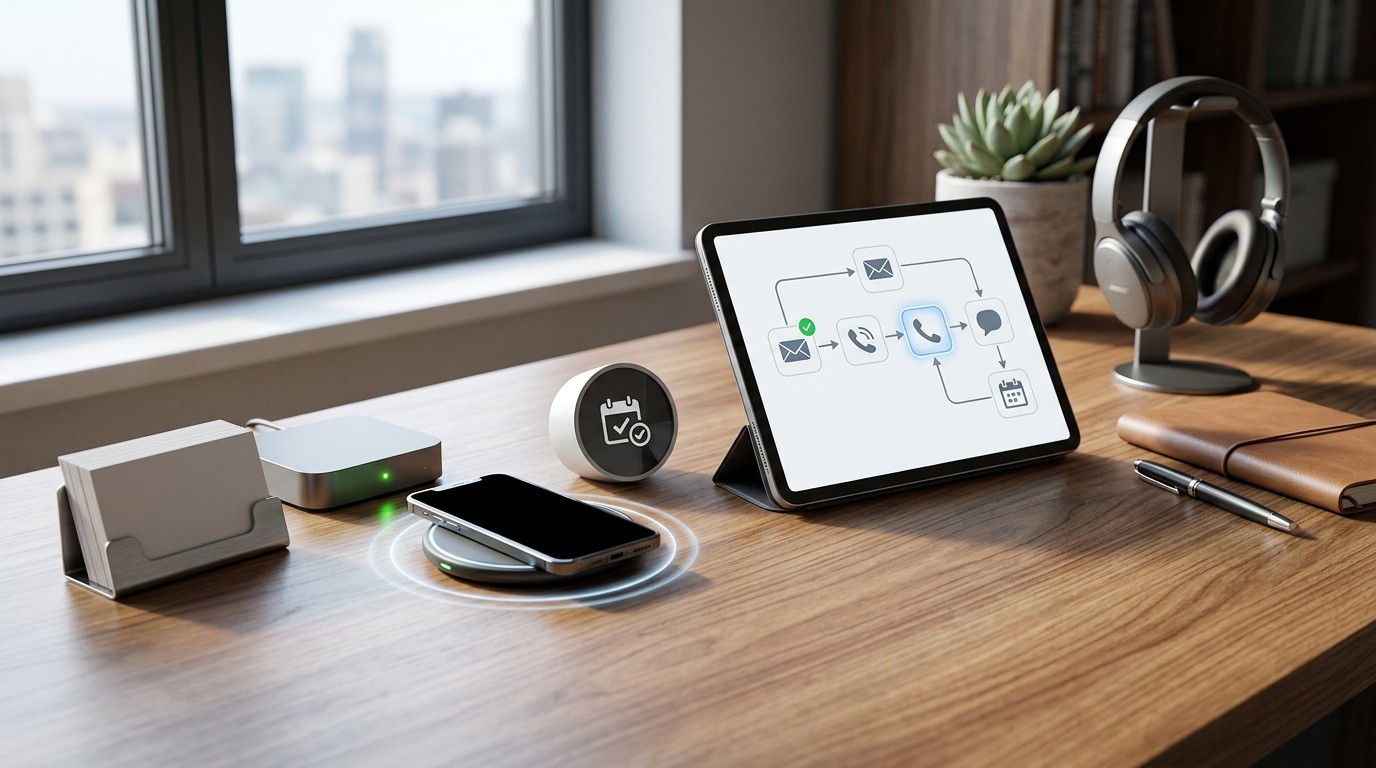
A Repeatable Prospect Follow Up Plan can be strengthened by automation when the automation supports, rather than replaces, the rep. Reminders, scheduled tasks, and sequence enrollment save time. They also help teams stay consistent when volume rises and manual tracking starts to fail. Automate Your B2B Referral Pipeline is easiest when the software handles reminders while the rep handles context.
A Repeatable Prospect Follow Up Plan should not let automation erase judgment. Important notes, high-value accounts, and emotional moments still deserve human attention. The best systems use software to handle repetition while the rep handles nuance, tone, and timing.
A Repeatable Prospect Follow Up Plan becomes more reliable when automation is used as a safety net. The technology keeps the process moving, but the salesperson still decides when to personalize, pause, or switch channels. That balance protects efficiency without making the relationship feel mechanical.
Referral opportunities
A Repeatable Prospect Follow Up Plan is especially valuable when a prospect arrives through a trusted introduction. Referred buyers often start warmer, but they still expect professionalism. The first follow-up should acknowledge the relationship, respect the source, and move promptly toward a useful conversation.
Professional B2B Referral Deals are easier to nurture when the follow-up honors the trust that the referral created. If the message feels careless or generic, that trust can disappear fast. A thoughtful response shows the referrer that their name was handled with care.
A Repeatable Prospect Follow Up Plan also protects the reputation of the person who made the introduction. When the seller responds clearly and respectfully, both relationships strengthen. That can turn one introduction into several future opportunities, because people remember who handled the handoff well.
Designing the outreach workflow
A Repeatable Prospect Follow Up Plan should sit inside a clean system that every rep can follow. An Outreach Workflow Process needs defined stages, assigned owners, clear deadlines, and a simple way to see what happens next. Without those pieces, consistency becomes impossible to maintain.
A Repeatable Prospect Follow Up Plan becomes easier to audit when the workflow is visible from start to finish. Managers can then spot where leads stall, where messages fail, and where handoffs need improvement. That visibility turns follow-up from an art that only a few people understand into a process the whole team can execute.
A Repeatable Prospect Follow Up Plan also supports better collaboration between sales and marketing. When everyone understands the workflow, lead quality improves, messaging stays aligned, and prospects receive a more coherent experience. That coherence is often what separates strong teams from average ones.
Timing rules that guide engagement
A Repeatable Prospect Follow Up Plan needs clear timing logic so reps know when to act and when to wait. Outreach Engagement Timing Rules help the team avoid both extremes: chasing too fast and disappearing too long. The right rule keeps the conversation alive without becoming irritating.
A Repeatable Prospect Follow Up Plan should consider the prospect’s likely internal process. If the buyer needs approval from finance, legal, or a manager, the follow-up cadence should reflect that reality. Timing rules are useful only when they are grounded in how people actually buy.
A Repeatable Prospect Follow Up Plan becomes more effective when the team agrees on channel timing too. Email may work best at one stage, while a call or message may be better at another. A disciplined timing model removes uncertainty and helps reps choose the next touch with confidence.
Handling objections and silence
A Repeatable Prospect Follow Up Plan should prepare for silence instead of treating it as failure. Many prospects simply need more time, more clarity, or a better reason to respond. A thoughtful message can reopen the conversation without sounding annoyed or desperate.
A Repeatable Prospect Follow Up Plan should also address objections directly when they appear. The goal is not to win an argument; it is to remove confusion. When the rep acknowledges the concern and answers it cleanly, the buyer feels respected and is more likely to continue.
A Repeatable Prospect Follow Up Plan works better when silence is followed by a useful check-in rather than a repeated sales pitch. That kind of follow-up gives the prospect a low-friction way to re-engage, even if they were not ready to respond the first time.
Measuring performance
A Repeatable Prospect Follow Up Plan should be measured by more than open rates or reply rates. Those metrics matter, but the real question is whether the sequence leads to qualified meetings, useful conversations, and closed business. The best process is the one that moves buyers forward.
A Repeatable Prospect Follow Up Plan becomes easier to improve when the team tracks where prospects drop off. If the first note gets attention but later messages do not, the issue may be relevance or timing. If responses happen but meetings do not, the problem may be the offer or the next step.
A Repeatable Prospect Follow Up Plan should be refined one variable at a time. Changing subject lines, timing gaps, or calls to action all at once makes it difficult to know what actually helped. Controlled testing creates cleaner insight and better decisions over time.
Leadership and adoption

A Repeatable Prospect Follow Up Plan only becomes durable when leaders reinforce it consistently. If managers praise random heroics more than disciplined execution, the team will drift. But if leaders reward good process, the team learns that steady work is worth following.
A Repeatable Prospect Follow Up Plan should be visible in coaching sessions, call reviews, and pipeline discussions. When leaders use real examples, the standard becomes concrete. That makes it easier for new reps to learn and for experienced reps to keep improving.
A Repeatable Prospect Follow Up Plan also helps protect revenue during turnover or growth. Teams change, but a documented process stays. That stability is one of the strongest advantages a sales organization can build because it reduces dependency on any single person.
A simple operating template
A Repeatable Prospect Follow Up Plan works best when the team can see the whole sequence at a glance. Start with a first response within a business day, then build a short set of follow-up touches that each have a single purpose. One touch confirms the next step, another adds value, another addresses a likely concern, and the final one closes the loop politely. The team should know who owns each message, how long to wait before the next touch, and what signal means the lead should be paused or handed off.
The easiest way to keep that structure alive is to write it down in a format the whole team can use. A simple table, checklist, or CRM playbook can show the trigger, the message goal, the due date, and the stop rule. When that information is visible, new reps ramp faster and experienced reps spend less time guessing. The system also becomes easier to audit because managers can spot where the sequence breaks, where prospects stall, and where one channel performs better than another.
A good template also keeps room for judgment. Not every prospect deserves the same pace, and not every deal needs the same level of detail. High-intent leads may need a faster handoff and more direct language, while slower opportunities may need a lighter cadence and more patience. The point is not rigid repetition for its own sake. The point is to create a dependable framework that preserves consistency while still allowing the rep to think like a human being.
Implementation checklist
Before launching the process, make sure the team has one shared definition of a qualified prospect, one owner for each next step, and one place where follow-up notes live. Build the message sequence first, then test it on a small group of active deals. Review the results after a short period and check whether the timing feels too fast, too slow, or too repetitive. Ask reps whether the notes are easy to personalize and whether prospects are receiving value at each stage. Finally, keep the process simple enough that a new hire can understand it without a long explanation. A system that is easy to follow will usually outperform a system that is clever but hard to use. Small process improvements matter because they remove friction from daily selling and make adoption more likely across the team. Track the response patterns, refine the cadence, and keep the strongest version of the process as the default for every new prospect every quarter.
Conclusion
The most effective sales teams are not the ones that send the most messages. They are the ones that send the right message at the right time with enough consistency to build trust. A structured follow-up system reduces missed opportunities, helps prospects feel understood, and gives reps a dependable way to move conversations forward. Over time, that discipline compounds into better reply rates, stronger meetings, and healthier revenue. When follow-up is repeatable, the whole sales motion becomes calmer, clearer, and more profitable.
Frequently Asked Questions (FAQ)
1. What makes a good follow-up plan?
A good plan is clear, timely, and useful. It gives the prospect a reason to reply and gives the rep a repeatable next step.
2. How soon should I follow up after a meeting?
Usually as soon as practical, ideally within a day, while the conversation is still fresh and the buyer still remembers the key points.
3. How many follow-ups are too many?
That depends on the deal, but the sequence should stop when the prospect clearly shows disinterest or when continued contact stops being respectful.
4. Should every follow-up say something new?
Yes. The message can be short, but each touch should add context, answer a concern, or offer a useful reminder.
5. What channel works best for follow-up?
The best channel is usually the one the buyer already uses most comfortably, though many teams start with email and then adapt.
6. Can automation replace manual follow-up?
No. Automation can support reminders and scheduling, but the best messages still need human judgment and context.
7. How do referrals change follow-up?
Referrals usually deserve faster and more careful follow-up because trust already exists and the introduction should be handled with respect.
8. What should I track to improve results?
Track replies, meetings, conversions, and drop-off points so you can see where the process is helping and where it needs adjustment.
9. Why do prospects go silent?
They may be busy, unconvinced, waiting on approval, or simply unsure about the next step. Silence is usually a signal, not always a rejection.
10. How do I keep follow-up human?
Use plain language, reference the actual conversation, and make each note feel like a real person helping the buyer decide.