Interactive Content in Outbound Marketing: Boost Engagement and Conversions

Redefining Outbound Marketing with Interactivity
Traditional outbound marketing often risks feeling one-sided: brands push messages, and prospects passively receive them. But today’s audience craves participation and personalization. Enter interactive content—a dynamic approach that invites recipients to engage, make choices, and co-create their experience. By embedding quizzes, calculators, polls, or interactive videos into your outbound emails, ads, and social outreach, you can transform cold engagement into two-way conversations that foster trust, improve metrics, and drive conversions.
What Is Interactive Content?
Interactive content refers to marketing materials designed to require active input from the audience. Unlike static articles or banner ads, interactive formats respond to user actions, delivering personalized results or insights in real time. Common examples include:
- Quizzes and Assessments: Short questionnaires that categorize users or recommend solutions.
- Calculators and ROI Tools: Input fields generate custom data like cost savings or revenue projections.
- Polls and Surveys: Quick votes that gather opinions while showing instant results.
- Interactive Videos: Videos where viewers click to choose their path or reveal more content.
Each format offers unique benefits: quizzes entertain, calculators inform, and polls encourage social proof. When integrated into outbound touchpoints, they turn passive viewers into active participants.
Why Interactive Content Works in Outbound Marketing

1. Higher Engagement Rates: Interactive elements are inherently clickable. In email outreach, a well-placed quiz link can double click-through rates compared to plain text.
2. Personalized Experience: By capturing user inputs, you deliver tailored content instantly. A prospect who completes a cost calculator receives a customized report—making your brand more relevant.
3. Data Collection and Lead Scoring: Interactive touchpoints are a goldmine for first-party data. Responses feed your CRM or marketing automation, enabling smarter follow-up sequencing and scoring.
4. Social Sharing Potential: Engaging quizzes and polls often get shared, extending your outbound reach organically. Each share becomes a new outbound channel powered by user advocacy.
Types of Interactive Content to Deploy
Below are six interactive formats that pair seamlessly with outbound channels:
- Personality Quizzes: Ask 5–7 engaging questions to reveal a persona type or product match. Ideal for email campaigns promoting solutions based on quiz outcomes.
- ROI Calculators: Build a simple form that computes potential savings or revenue gain. Embed in cold emails to demonstrate value proposition with real numbers.
- Surveys and Micro-Polls: Quick 1–2 question polls in LinkedIn messages or display ads gather preferences while teaching you about your audience.
- Interactive Infographics: Scrollable graphics that reveal stats or tips on click or hover. Use in Facebook ads or outbound newsletters to stand out from static visuals.
- Choose-Your-Own-Adventure Videos: Prospects pick scenarios mid-video to explore features. Perfect for product demos sent via email or social DM.
- Chatbot Assessments: Automated chat flows on landing pages that guide outbound traffic through qualifying questions before routing to sales.
Integrating Interactive Content into Outbound Channels
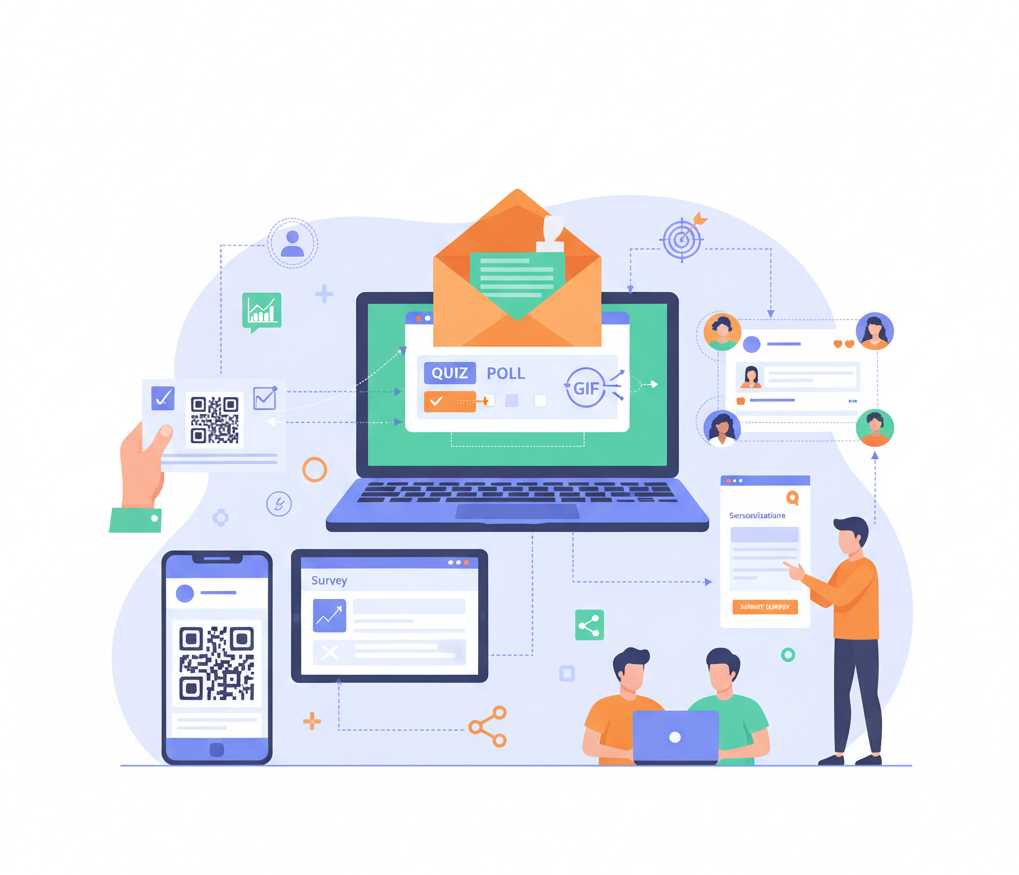
By strategically embedding quizzes, calculators, and polls across email, social ads, and landing pages, marketers can create successful outbound marketing campaigns that drive higher engagement, improve lead quality, and generate measurable ROI.
To maximize impact, tailor the placement and format to each outbound touchpoint:
- Email Outreach: Embed a single interactive link or GIF preview. Keep the email copy concise with a clear CTA (e.g., “Discover Your Efficiency Score” leading to an ROI calculator).
- Social Ads: Run polls directly in LinkedIn or Twitter ads. Promote quizzes as carousel cards on Facebook and Instagram.
- Direct Mail Hybrid: Mail a QR code leading to a personalized assessment landing page. This offline-to-online tactic boosts novelty and click rates.
- Sales Sequences: Sales reps can share a custom survey link in their outreach, positioning it as a helpful tool rather than a sales pitch.
Best Practices for Crafting Interactive Content
Follow these guidelines to ensure your interactive elements drive real results:
- Keep It Short and Focused: Limit questions or steps to under 7 interactions. Longer experiences risk drop-off.
- Provide Instant Value: Offer a personalized result, tip, or report immediately after completion to satisfy user expectations.
- Brand Consistency: Match your interactive visuals and tone to your overall branding for a cohesive experience.
- Mobile Optimization: Ensure touch targets are large and flows render smoothly on small screens. Many outbound clicks come from mobile devices.
- Clear Data Consent: If you collect personal information, display a brief consent notice aligned with GDPR and CCPA requirements.
Measuring Success and Iterating
Track these KPIs to quantify the impact of your interactive outbound campaigns:
- Engagement Rate: Percentage of recipients who click and complete the interactive experience.
- Lead Conversion Rate: Share of interactive participants who convert into qualified leads or book demos.
- Time on Page: Average duration spent completing interactive content vs. static pages.
- Submission Drop-Offs: Points where users abandon the experience, indicating areas to streamline.
Analyze results weekly and perform A/B tests on question order, button labels, or visual layouts. Small tweaks can yield substantial lifts in completion and conversion rates.
Advanced Interactive Content Strategies for Outbound Marketing
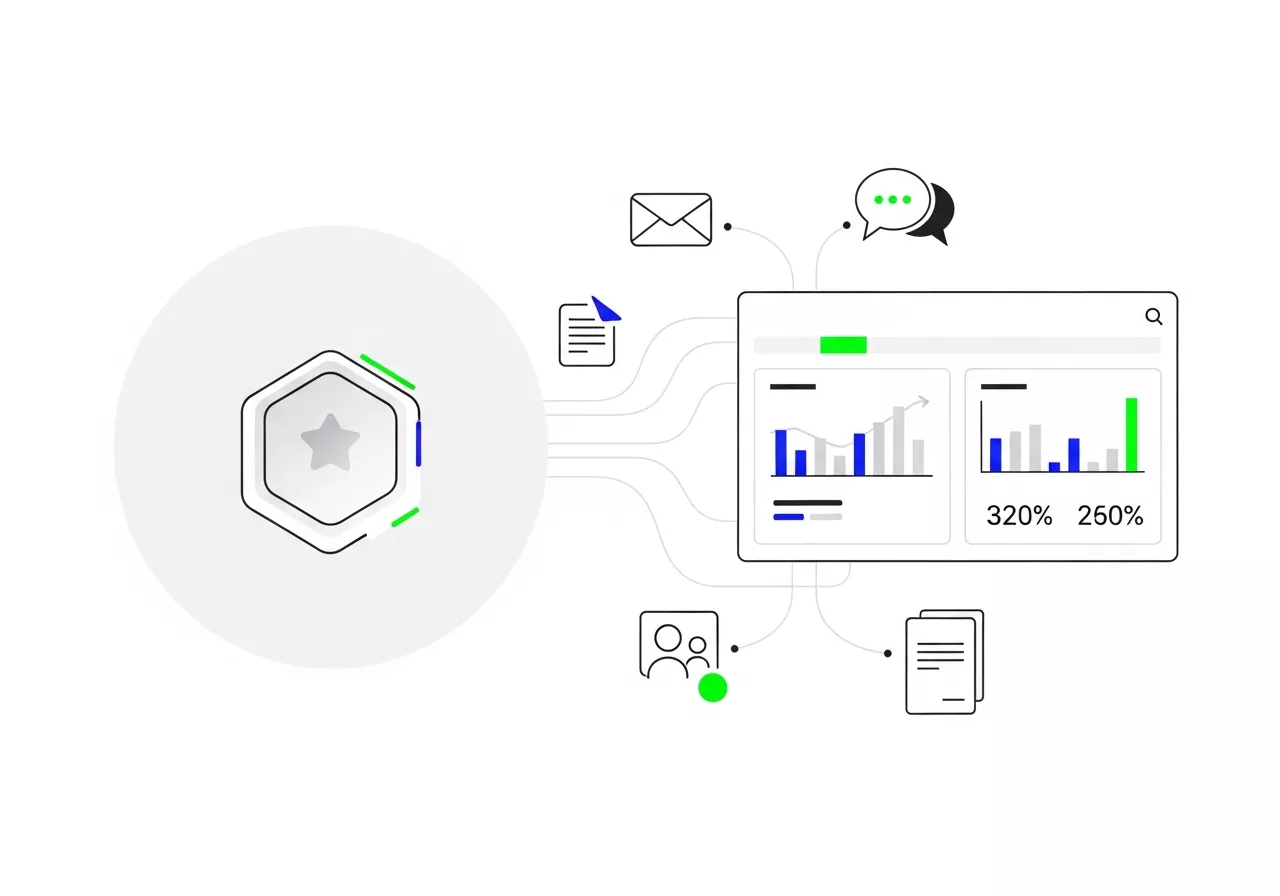
To maximize engagement, go beyond basic quizzes and polls. Advanced strategies incorporate personalization, gamification, and cross-channel integration.
Key Approaches:
- Gamified Experiences: Introduce challenges, badges, or points that reward users for completing interactive content. Gamification increases repeat engagement and social sharing.
- Dynamic Personalization: Use data collected from previous interactions to adapt questions, outcomes, and recommendations in real time. For example, an ROI calculator could adjust outputs based on industry or company size.
- Multi-Touch Campaign Integration: Coordinate interactive elements across email, social media, and landing pages to guide prospects through a cohesive journey. A quiz could lead to a personalized email follow-up, then to a targeted LinkedIn ad campaign.
Benefits of Advanced Strategies:
- Higher completion rates
- Increased customer lifetime value through deeper engagement
- Better segmentation and predictive lead scoring
Table: Example of Multi-Touch Interactive Campaign
| Touchpoint | Interactive Element | Objective | Follow-up Action |
|---|---|---|---|
| ROI Calculator | Educate & qualify leads | Send a personalized report | |
| Social Media Ad | Poll | Extend reach & gather opinions | Retarget engaged participants |
| Landing Page | Chatbot Assessment | Qualify leads for sales | Schedule demo/call |
| Webinar | Live Q&A / Quiz | Engage & educate | Follow up with tailored resources |
Tools and Platforms for Creating Interactive Content
The right technology stack is essential to build, deploy, and measure interactive outbound campaigns efficiently.
Recommended Tools:
- Quizzes & Surveys: Typeform, SurveyMonkey, Outgrow
- Calculators & ROI Tools: Calculoid, Riddle, HubSpot Interactive Calculator
- Interactive Videos: Wistia, Vidyard, H5P
- Landing Pages & Forms: Unbounce, Instapage, LeadPages
- Analytics & Tracking: Google Analytics, Hotjar, Mixpanel
Best Practices for Tool Selection:
- Ensure seamless CRM integration for automated lead scoring.
- Prioritize mobile-friendly and responsive platforms.
- Check compliance features for GDPR and CCPA regulations.
- Choose tools that allow A/B testing and performance analytics.
Benefits of Using the Right Tools:
- Faster deployment of campaigns
- Accurate performance tracking
- Reduced manual effort and errors
- Better user experience across devices
Overcoming Challenges in Interactive Outbound Marketing

Even with high engagement potential, interactive content campaigns face unique challenges. Knowing how to overcome them ensures consistent results.
Common Challenges and Solutions:
-
Low Participation Rates
-
Solution: Simplify the experience, minimize steps, and provide instant value or incentive (e.g., downloadable resource, personalized report).
-
-
Technical Issues on Devices
-
Solution: Test across mobile, tablet, and desktop devices. Optimize load times and touch targets for smaller screens.
-
-
Data Privacy Concerns
-
Solution: Include clear consent notices, anonymize sensitive data, and comply with GDPR/CCPA regulations.
-
-
Measuring ROI
-
Solution: Track engagement, lead conversion, and pipeline contribution. Use analytics to attribute revenue accurately to specific interactive content pieces.
-
-
Content Fatigue
-
Solution: Rotate interactive formats regularly, refresh quizzes, and update calculators with new insights to keep content engaging.
-
Pro Tip: Combine multiple interactive elements into a journey map, allowing users to interact at different stages. This increases engagement and nurtures leads more effectively.
Personalization and AI in Interactive Outbound Marketing
Interactive content is far more effective when combined with personalization and AI-powered insights. Modern tools analyze user behavior in real time and adapt experiences accordingly. For example, a quiz can dynamically adjust questions based on previous answers, while calculators can offer tailored results based on a prospect’s industry or company size. AI also helps segment users automatically, predict engagement trends, and trigger personalized follow-ups.
Key Benefits of AI-Enhanced Interactive Content:
- Higher Engagement: Personalized experiences keep users invested.
- Better Lead Scoring: AI identifies high-intent prospects automatically.
- Smarter Follow-Ups: Trigger relevant emails or offers based on interaction.
- Optimized Campaigns: AI analyzes performance and suggests improvements in real time.
Table: Example of AI-Powered Interactive Flow
| Interactive Element | AI Personalization Feature | Outcome |
|---|---|---|
| Quiz | Adaptive questions | Higher completion & engagement |
| ROI Calculator | Industry-specific calculations | Tailored insights for prospects |
| Chatbot Assessment | Behavior-based routing | Directs high-intent leads to sales |
Leveraging Interactive Content for Account-Based Marketing (ABM)
Interactive content works exceptionally well in ABM campaigns targeting high-value accounts. By using personalized quizzes, calculators, and assessments, marketers can collect data about company-specific challenges and needs. This enables highly relevant outreach to decision-makers.
ABM Advantages with Interactive Content:
- Hyper-Personalization: Tailor content for each account or decision-maker.
- Data-Driven Insights: Collect first-party data to prioritize leads.
- Sales & Marketing Alignment: Share insights with sales teams to improve outreach.
- Conversion Optimization: Interactive tools increase engagement and pipeline velocity.
Example ABM Interactive Journey:
- Send a personalized ROI calculator via email.
- Follow up with a targeted LinkedIn ad featuring an interactive poll.
- Direct users to a custom landing page with a chatbot assessment.
- Sales reaches out with insights gathered from responses.
The Future of Interactive Outbound Marketing: Trends to Watch
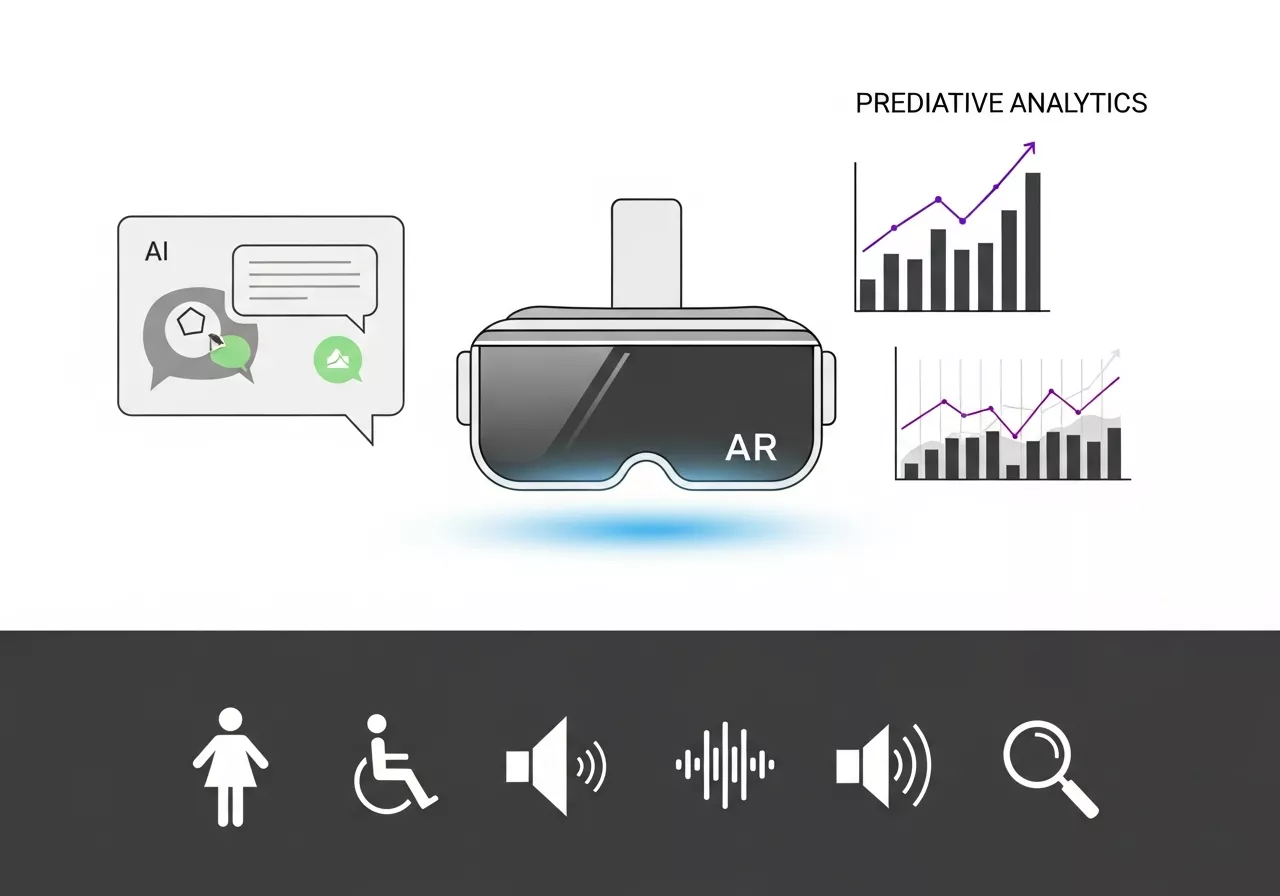
Interactive content is evolving rapidly, and marketers who adopt emerging trends gain a competitive edge. Innovations like AR/VR experiences, AI-driven chat flows, predictive analytics, and accessibility-focused design are shaping the future of outbound marketing.
Top Trends in Interactive Content:
- Immersive Experiences: AR/VR product demos increase engagement and retention.
- Chat-Based Interactions: AI chatbots guide prospects through personalized journeys.
- Predictive Analytics: Anticipate behavior and recommend next-best actions.
- Inclusive Design: Make interactive experiences accessible to all users.
Benefits of Adopting Trends:
- Greater user engagement and satisfaction
- More accurate lead scoring and nurturing
- Higher conversion rates and ROI
- Enhanced brand loyalty and advocacy
Table: Trend vs. Example vs. Business Impact
| Trend | Example | Business Impact |
|---|---|---|
| AR/VR | Virtual product tours | Higher engagement & immersive demos |
| AI Chatbots | Guided assessment flows | Personalized lead qualification |
| Predictive Analytics | Next-best action recommendations | Better pipeline management |
| Inclusive Design | Accessible quizzes & forms | Broader audience reach & compliance |
Conclusion: Elevate Your Outbound Strategy with Interactivity
As inboxes and social feeds become ever more crowded, interactive content offers a fresh avenue to cut through the noise. By inviting prospects to participate rather than passively observe, you create memorable experiences that build trust, generate valuable data, and accelerate conversions. Start small—embed a simple poll or ROI calculator in your next email campaign—and watch your outbound metrics transform from mediocre to magnetic. Interactive content isn’t just a trend; it’s the future of effective outbound marketing.
FAQ: Interactive Content in Outbound Marketing
1. What is interactive content in outbound marketing?
Interactive content refers to marketing materials that require active participation from users, such as quizzes, calculators, polls, interactive videos, or assessments. Unlike static content, it engages prospects and provides personalized experiences.
2. Why should I use interactive content in outbound campaigns?
It increases engagement, provides first-party data for smarter lead scoring, enhances personalization, and can improve conversion rates. It also encourages social sharing, extending the reach of your outbound campaigns organically.
3. Which types of interactive content work best for outbound marketing?
- Quizzes and assessments
- ROI or cost calculators
- Polls and micro-surveys
- Interactive infographics
- Choose-your-own-adventure videos
- Chatbot assessments
4. How do I integrate interactive content into outbound channels?
- Embed links or previews in emails with clear calls-to-action
- Use polls or quizzes in social ads (LinkedIn, Facebook, Instagram, Twitter)
- Combine offline direct mail with QR codes leading to interactive landing pages
- Include interactive elements in sales sequences to aid qualification
5. How can I measure the success of interactive content campaigns?
Track KPIs such as:
- Engagement rate (clicks and completions)
- Lead conversion rate (participants converting into qualified leads)
- Time on page (duration spent interacting vs. static content)
- Submission drop-offs (identify points where users abandon the experience)
6. Are there any privacy concerns with interactive content?
Yes. Always display clear consent notices if you collect personal data. Ensure compliance with GDPR, CCPA, and other relevant privacy laws, and anonymize sensitive information when possible.
7. Can interactive content be used in B2B marketing?
Absolutely. Interactive content is particularly effective in B2B for lead qualification, account-based marketing, and nurturing high-value prospects through personalized experiences.
8. What are common mistakes to avoid with interactive content?
- Making experiences too long or complicated
- Ignoring mobile optimization
- Failing to provide instant value
- Neglecting follow-up personalization based on responses
Learn more about: A Guide to Outbound Marketing Advantages and Disadvantages