When Will Outbound Marketing Be Deprecated?
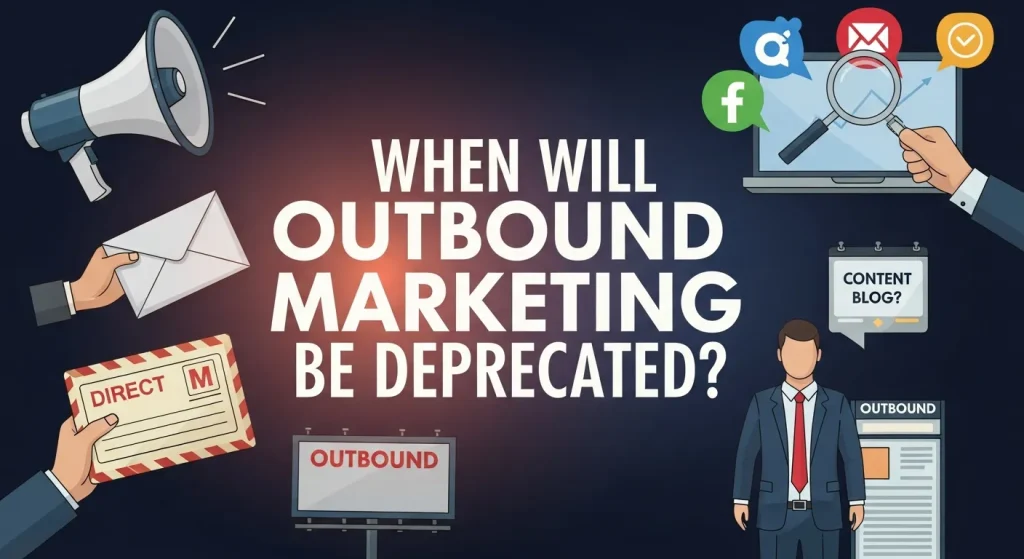
The marketing landscape continues evolving at breakneck speed, leaving many professionals wondering about the future of traditional outbound strategies. Cold calling, direct mail, and interruptive advertising have dominated business development for decades, but their effectiveness faces mounting challenges.
Recent studies show declining response rates across traditional outbound channels, with cold email open rates dropping below 15% and cold calling success rates hovering around 2%. These statistics paint a concerning picture for businesses still heavily reliant on interruption-based marketing tactics.
The Current State of Outbound Marketing
Outbound Marketing Deprecation isn’t happening overnight, but the landscape is undeniably shifting. What was once a reliable engine for lead generation is now losing effectiveness in a world dominated by smarter technology and more selective consumers.
Today’s outbound marketing strategies face new obstacles — from advanced spam filters and ad blockers to stricter privacy laws that limit unsolicited outreach. These developments signal the gradual deprecation of outbound marketing as we’ve traditionally known it.
Modern buyers have also changed the rules. Instead of responding to cold calls or generic ads, they prefer to research and compare solutions independently before reaching out to vendors. This behavior shift challenges the core foundation of outbound campaigns, emphasizing the need for personalization, consent, and value-driven communication.
Technology companies continue to accelerate this Outbound Marketing Deprecation by creating tools that filter unwanted contact. Enhanced email screening, caller ID systems, and ad-blocking software now act as digital gatekeepers — making it harder than ever for marketers to reach audiences without permission.
Regulatory Pressures Accelerating Change
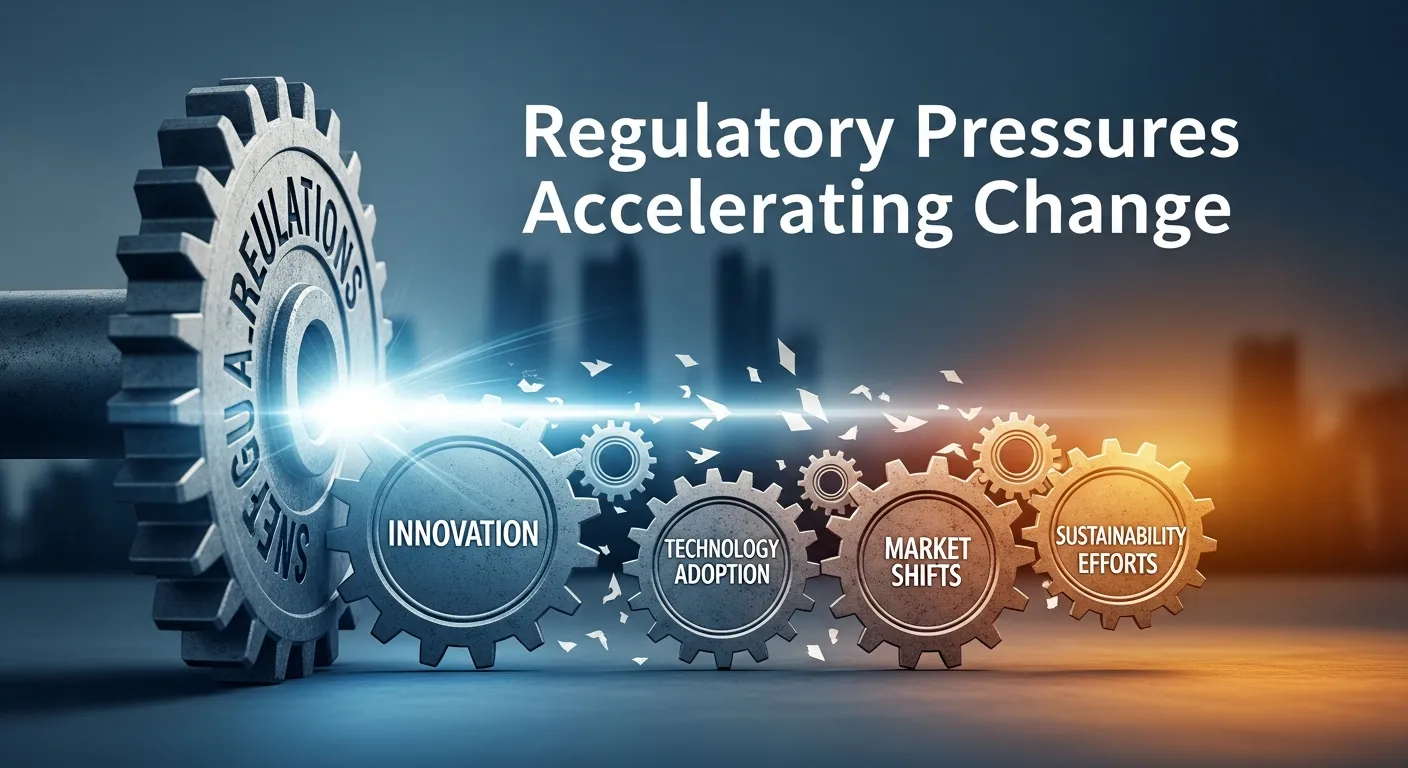
Privacy regulations like GDPR, CCPA, and a growing number of global data protection laws are accelerating Outbound Marketing Deprecation. These laws redefine how businesses can collect, store, and use customer data — placing strict limits on unsolicited communication and outbound outreach.
As a result, compliance has become both costly and complex. Organizations now need to invest in consent management systems, legal reviews, and data governance frameworks just to ensure their outbound campaigns meet regulatory standards. The traditional approach of mass cold emails or unsolicited calls is no longer sustainable without proper consent and transparency.
Moreover, the penalties for non-compliance are significant — often reaching millions in fines. This growing regulatory pressure is prompting many businesses to reconsider their dependence on traditional outbound tactics and explore more permission-based, customer-centric strategies.
In essence, these evolving legal frameworks are not just reshaping marketing practices — they are a driving force behind the ongoing Outbound Marketing Deprecation trend.
What’s Replacing Traditional Outbound
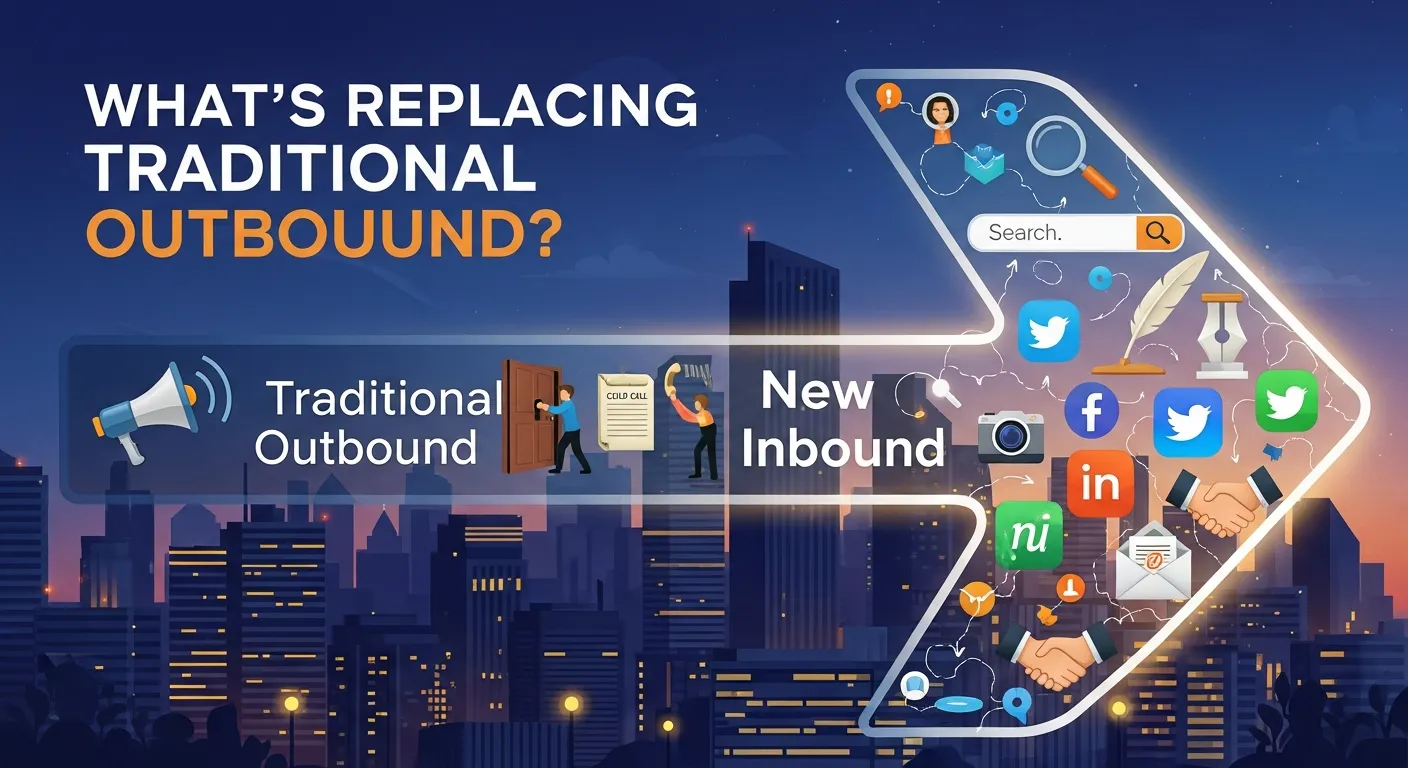
Smart marketers recognize that Outbound Marketing Deprecation doesn’t mean abandoning outbound efforts altogether — it means evolving them. The most successful strategies today combine personalization, research, and value-driven messaging to build genuine relationships instead of creating unwanted interruptions.
One major evolution of this shift is Account-Based Marketing (ABM). Rather than casting a wide net, companies now focus on high-value target accounts, developing tailored campaigns for specific decision-makers. This precise, data-informed approach keeps outbound relevant in an era of declining effectiveness.
Similarly, social selling has emerged as a modern alternative to traditional outreach. By using platforms like LinkedIn to build trust, share insights, and establish credibility before making contact, marketers maintain the proactive nature of outbound while aligning with today’s buyer expectations.
These adaptive strategies illustrate that while Outbound Marketing Deprecation is underway, the discipline itself isn’t disappearing — it’s transforming into a more human, permission-based, and relationship-focused practice.
The Timeline for Deprecation
Complete Outbound Marketing Deprecation won’t occur on a single date — it’s a gradual process marked by declining effectiveness and the emergence of more sophisticated alternatives. Rather than disappearing overnight, traditional outbound methods are slowly giving way to strategies that prioritize consent, personalization, and genuine engagement.
Over the next three to five years, cold outreach and similar legacy tactics will likely become niche practices, used mainly by businesses targeting older audiences or operating in industries where direct outreach still yields measurable results. For most organizations, however, the return on investment from traditional outbound will continue to shrink.
This transformation is accelerating as younger generations move into decision-making roles. Millennials and Gen Z professionals, accustomed to spam filters, privacy settings, and on-demand content, have little patience for unsolicited marketing. Their preferences are driving the continued Outbound Marketing Deprecation and pushing businesses toward more authentic, relationship-driven engagement models.
Industry-Specific Variations
The pace of Outbound Marketing Deprecation varies significantly across industries and regions. Some sectors are evolving rapidly, while others continue to rely on traditional outbound techniques that still produce measurable results.
B2B technology companies are leading the transition, embracing inbound and account-based marketing to reach highly specific audiences with personalized, value-driven messages. In contrast, industries such as real estate and insurance continue to find success with traditional outbound methods like direct calls and local advertising — though their long-term sustainability remains uncertain.
For highly regulated industries, the shift is even more urgent. Healthcare, financial services, and telecommunications organizations face strict compliance and data protection requirements, making traditional outbound tactics increasingly difficult to execute without risk. These pressures are accelerating the move toward permission-based, compliant alternatives.
Geography also plays a defining role in Outbound Marketing Deprecation. Regions with stricter privacy regulations and more digitally savvy populations — such as the EU and parts of North America — are transitioning faster to inbound and hybrid marketing models, while areas with looser regulations may see a slower decline.
Preparing for the Post-Outbound Era
Forward-thinking businesses understand that relying on one-dimensional outreach strategies is no longer sustainable. To stay competitive, they are diversifying their marketing portfolios and adopting approaches that balance technology, creativity, and authenticity. By integrating multiple channels and tactics, companies can create more meaningful engagement with their audiences and reduce vulnerability to market shifts.
Content marketing, search engine optimization (SEO), and thought leadership are now essential components of this modern mix. High-value content — such as in-depth guides, blogs, case studies, and videos — positions a brand as a trusted resource, attracting qualified prospects who are actively seeking solutions. Meanwhile, SEO ensures that this content reaches the right audience at the right time, enhancing visibility and credibility in organic search results.
At the same time, marketing automation platforms have revolutionized how companies manage their buyer journeys. These systems use data and behavioral insights to deliver relevant, personalized experiences at scale — nurturing leads with tailored messages, timely follow-ups, and contextual recommendations. The result is a seamless experience that feels helpful rather than intrusive.
Building a strong digital brand presence across social media, online communities, and industry platforms is equally critical. Consistent engagement, authentic storytelling, and value-driven communication help brands remain visible and relevant in an increasingly crowded marketplace.
Ultimately, the most successful organizations are those that combine strategic creativity with operational efficiency. They continue refining traditional expertise while simultaneously experimenting with new digital methods — ensuring that their marketing remains adaptable, resilient, and aligned with evolving customer expectations.
Emerging Technologies Redefining Marketing Outreach
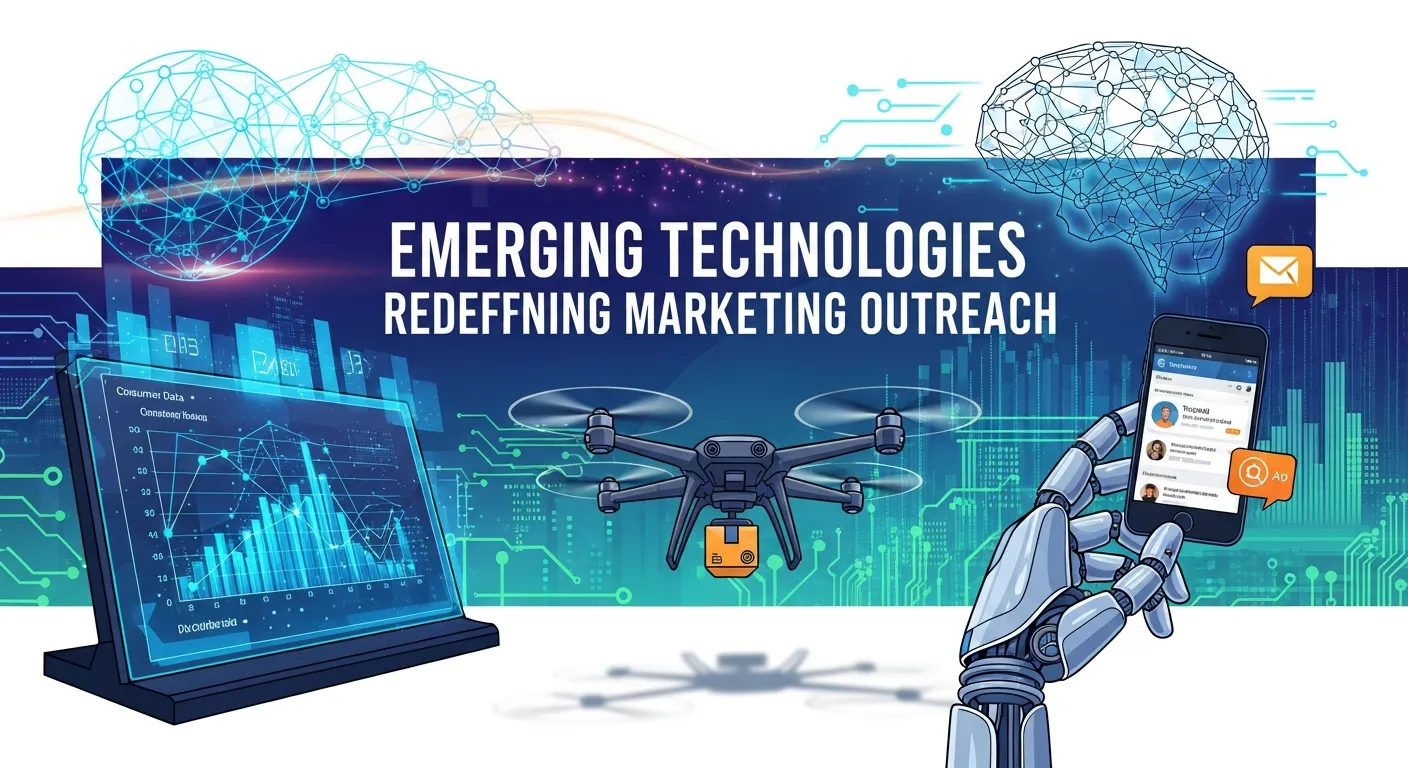
The marketing landscape is rapidly evolving as new technologies reshape how brands connect with their audiences. Modern tools make it possible to deliver personalized, respectful, and data-driven communication that resonates with today’s consumers.
Key innovations influencing modern outreach include:
- AI-driven analytics: Identify intent, segment audiences, and optimize campaigns in real time.
- Automation platforms: Manage complex, multichannel nurturing workflows with minimal manual effort.
- Predictive modeling: Forecast customer behavior and personalize engagement.
- Conversational marketing: Chatbots and messaging tools create natural, on-demand interactions.
| Technology | Function | Marketing Benefit |
|---|---|---|
| AI Analytics | Data interpretation & audience insights | Smarter targeting and segmentation |
| Automation Tools | Workflow and campaign management | Consistent, scalable outreach |
| Predictive Models | Trend and intent forecasting | Higher conversion potential |
| Chatbots | Real-time customer engagement | Faster response and improved experience |
Together, these technologies are making outreach more efficient, compliant, and customer-centric.
Building a Sustainable Marketing Mix
As marketing strategies evolve, businesses must strike a balance between innovation and authenticity. A sustainable approach focuses on building trust, relevance, and long-term engagement rather than chasing short-term results.
Core principles for a balanced marketing strategy:
- Diversify channels — Combine organic, paid, and partnership-driven initiatives.
- Prioritize value creation — Educate and support prospects before promoting products.
- Invest in brand credibility — Consistent voice, transparency, and thought leadership matter.
- Measure what matters — Track engagement, retention, and satisfaction — not just clicks.
| Strategic Area | Example Initiative | Long-Term Impact |
|---|---|---|
| Content Marketing | Educational blogs & guides | Builds authority & trust |
| Community Engagement | Webinars, events, forums | Strengthens relationships |
| SEO & SEM | Organic + paid synergy | Increases discoverability |
| Customer Retention | Loyalty programs | Sustains lifetime value |
A sustainable marketing mix ensures continued growth while aligning with the expectations of modern, privacy-conscious consumers.
The Human Element Remains Critical
Despite rapid technological progress and shifting consumer preferences, one truth remains constant — people do business with people they trust. No algorithm, automation, or AI tool can replace genuine human connection. As digital noise increases, authenticity and empathy are becoming the most powerful currencies in business communication.
The future belongs to marketers and sales professionals who know how to merge technology with genuine relationship-building. Data-driven insights can help identify prospects and personalize outreach, but emotional intelligence, active listening, and empathy determine whether those connections truly last.
Modern outreach strategies now mirror consultative selling, where the focus is on understanding a client’s challenges and offering meaningful solutions rather than pushing products. Sales professionals who take time to educate, ask insightful questions, and add real value are redefining what effective marketing looks like in a crowded digital landscape.
Key characteristics of this new relationship-driven approach include:
- Authentic communication: Prioritizing transparency, honesty, and helpfulness over persuasion.
- Emotional intelligence: Understanding the motivations and emotions driving buyer decisions.
- Personalized engagement: Using data responsibly to create relevant, context-aware conversations.
- Long-term focus: Nurturing relationships over time instead of chasing one-time transactions.
Ultimately, the businesses that will thrive are those that see technology not as a replacement for human interaction, but as a tool to enhance empathy, trust, and connection. In a world where automation handles the process, it’s the human touch that still seals the deal.
Frequently Asked Questions (FAQ)
1. What does Outbound Marketing Deprecation mean?
Outbound Marketing Deprecation refers to the gradual decline in the effectiveness and relevance of traditional outbound tactics such as cold calling, mass emailing, and unsolicited advertising. As consumer preferences evolve and privacy laws tighten, these methods are becoming less viable. The concept doesn’t imply an abrupt end but rather a steady transformation toward more consent-based and value-driven marketing approaches.
2. Why is outbound marketing losing its effectiveness?
Outbound strategies are becoming less effective due to a combination of technology and behavioral change. Spam filters, ad blockers, and stricter privacy regulations like GDPR and CCPA limit marketers’ ability to reach audiences directly. Additionally, modern consumers prefer to research solutions on their own terms rather than being interrupted by sales messages — a major driver behind Outbound Marketing Deprecation.
3. Are outbound marketing methods still useful today?
Yes, some outbound marketing methods remain effective, especially when executed thoughtfully. Personalized outreach, retargeting ads, and event-based promotions can still deliver results if they’re targeted, compliant, and value-driven. The key is not to abandon outbound entirely but to modernize it — blending data insights, automation, and human personalization to make messages more relevant and less intrusive.
4. How can businesses adapt to Outbound Marketing Deprecation?
Businesses can adapt by evolving their strategies rather than abandoning them. This means integrating inbound techniques like content marketing and SEO, while refining outbound approaches with smarter targeting, consent-based communication, and automation tools. The shift requires balancing personalization with privacy — ensuring outreach feels like a genuine connection, not a disruption.
5. What role does WhatsApp outbound marketing play in today’s digital landscape?
WhatsApp outbound marketing has become a powerful modern channel for connecting with prospects in real time. Unlike cold calls or generic emails, WhatsApp allows businesses to deliver personalized messages, updates, and support in a conversational format. When done ethically and with consent, it can enhance engagement and build trust. However, misuse can lead to privacy violations — reinforcing the principles driving Outbound Marketing Deprecation.
6. Will outbound marketing disappear completely?
Outbound marketing isn’t vanishing — it’s evolving. While Outbound Marketing Deprecation signals a decline in traditional tactics, new outbound approaches rooted in personalization, automation, and relationship-building are emerging. Channels like WhatsApp outbound marketing, social media outreach, and account-based targeting are examples of outbound reinvented for the digital era.
7. What are the best outbound marketing methods to use during this transition?
Modern outbound marketing methods that still perform well include LinkedIn outreach, personalized email sequences, webinar invitations, and targeted digital ads. Success depends on relevance, timing, and consent. Incorporating automation tools, CRM integration, and analytics can make these methods more precise and less intrusive — aligning with the gradual pace of Outbound Marketing Deprecation.
8. How do privacy regulations impact outbound marketing?
Data protection laws like GDPR, CCPA, and regional privacy frameworks have dramatically reshaped marketing practices. They require explicit consent for communication, transparency in data usage, and secure data handling. Non-compliance can lead to significant penalties, pushing businesses toward compliant, value-based outreach — a cornerstone of Outbound Marketing Deprecation.
9. What industries are most affected by Outbound Marketing Deprecation?
Technology, finance, and healthcare sectors are seeing the fastest impact. These industries face tight data compliance rules and operate within digitally aware markets. Conversely, industries such as real estate, insurance, and local services still find traditional outbound methods somewhat effective, though even they are adapting to more data-driven and personalized engagement.
10. How can marketers future-proof their strategies?
To remain competitive, marketers should invest in omnichannel strategies that combine inbound and outbound efforts. Focusing on content creation, community engagement, and conversational tools like WhatsApp outbound marketing ensures continued relevance. Automation, analytics, and authenticity will define the next era of marketing — helping brands thrive even as Outbound Marketing Deprecation continues to reshape the landscape.
Conclusion
Outbound marketing won’t disappear completely, but its role in the marketing mix will continue diminishing over the next decade. Companies that recognize this shift and adapt their strategies accordingly will maintain competitive advantages while others struggle with declining returns from traditional approaches.
The future belongs to businesses that can blend the proactive nature of outbound marketing with the respect for consumer preferences that characterizes modern inbound strategies. This hybrid approach preserves the benefits of direct outreach while addressing the concerns that drive prospects away from traditional methods.