How to Build Trust Through Outbound Marketing in E-commerce
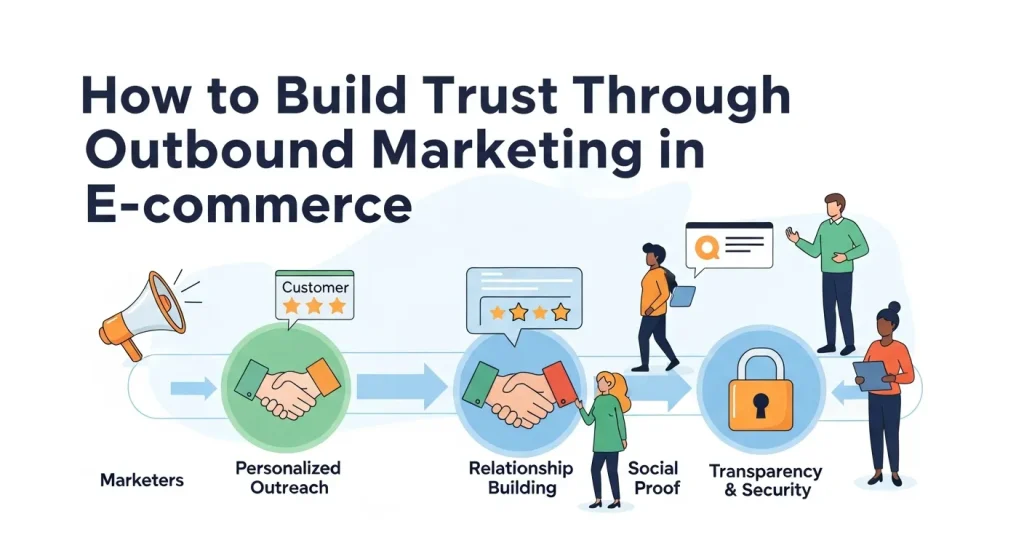
Trust is the currency of e-commerce. Without it, your perfectly crafted product pages and competitive prices become meaningless to potential customers who won’t risk their money on an unknown brand.
While many e-commerce businesses focus heavily on inbound marketing strategies like SEO and content marketing, outbound marketing offers unique opportunities to build trust proactively. Rather than waiting for customers to find you, outbound marketing lets you reach out first, demonstrate your expertise, and establish credibility before prospects even visit your website.
This guide explores proven outbound marketing strategies that help e-commerce businesses build trust, overcome customer skepticism, and create lasting relationships that drive sales.
Understanding Trust in E-commerce
Trust in e-commerce goes beyond having a secure checkout process or displaying security badges. It encompasses every interaction a potential customer has with your brand, from the first email they receive to the follow-up service after purchase.
Research shows that 81% of consumers need to trust a brand before making a purchase. For e-commerce businesses, this presents a unique challenge: how do you build trust with someone who has never physically interacted with your products or met your team?
Outbound marketing addresses this challenge by allowing you to:
- Demonstrate expertise before customers search for solutions
- Share social proof and testimonials proactively
- Provide value upfront without expecting immediate returns
- Build personal connections through direct communication
Email Marketing: Your Trust-Building Foundation
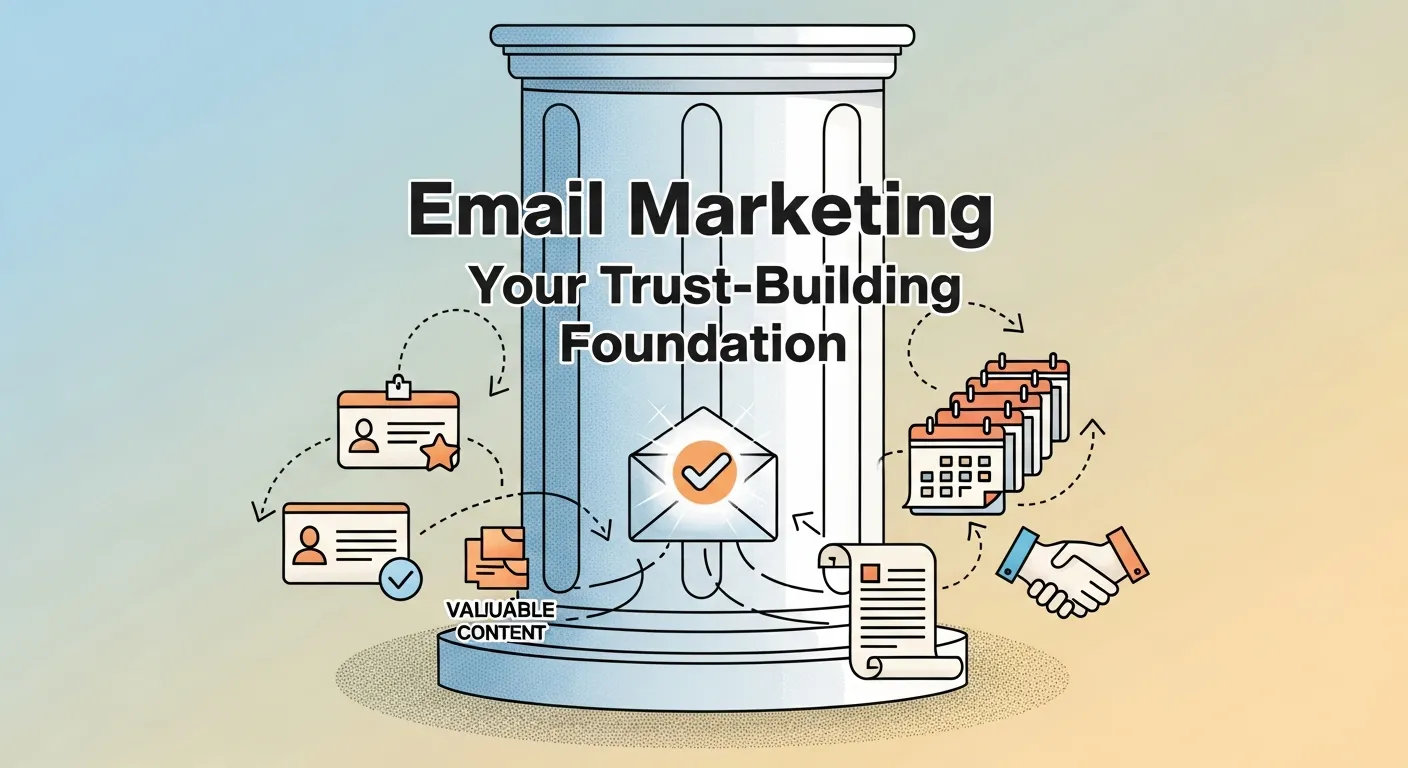
Email marketing remains one of the most effective outbound channels for building trust in e-commerce. Unlike social media posts that disappear in feeds, emails land directly in your prospect’s inbox, creating a more personal connection.
Segmentation Builds Relevance
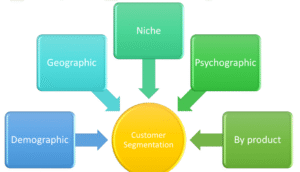
Generic mass emails destroy trust faster than they build it. Successful e-commerce brands segment their email lists based on customer behavior, purchase history, and interests. This allows you to send relevant messages that demonstrate you understand their specific needs.
For example, if a customer browses your outdoor gear section but doesn’t purchase, you might send them a guide on “Essential Gear for Your First Hiking Trip” rather than promoting your latest kitchen appliances.
Value-First Content Strategy
Trust-building emails focus on providing value before asking for anything in return. Share helpful tips, industry insights, or exclusive content that positions your brand as a knowledgeable partner rather than just another retailer.
Consider creating an email series that educates customers about your products’ benefits, how to choose the right items for their needs, or ways to maximize their purchases. This approach shows you care about their success, not just their money.
Transparency in Communication
Be upfront about shipping times, return policies, and product limitations. Customers appreciate honesty, and setting realistic expectations builds more trust than overpromising and underdelivering.
Outbound Product Marketing and Trust Alignment
Building trust begins long before a customer clicks “buy.” When planning new product launches, outbound product marketing ensures your audience understands the value, quality, and reliability of your offerings from day one. It’s not just about announcing a new product — it’s about establishing credibility, nurturing curiosity, and earning confidence even before your product reaches the shelves.
Modern consumers crave authenticity and proof before they purchase. In an era of overwhelming choice, trust alignment becomes the secret weapon that turns awareness into action. Outbound marketing provides the tools and timing needed to build that alignment, making your brand feel familiar and reliable before the first sale ever happens.
Why Trust Alignment Matters
Trust alignment is the process of ensuring your messaging, actions, and customer experiences all reinforce your brand’s reliability. For e-commerce brands, this consistency across outbound channels lays the groundwork for conversion success.
Here’s why it matters:
-
Customers need confidence before committing to a purchase. People don’t just buy products—they buy reassurance. Outbound marketing offers early opportunities to provide that reassurance.
-
Outbound campaigns create consistent pre-launch visibility. By maintaining communication before and during launch, you build anticipation and reduce uncertainty.
-
Trust-oriented storytelling reduces skepticism about new products. Highlighting your process, values, and customer-first philosophy sets you apart from faceless online competitors.
-
Early credibility leads to long-term loyalty. Customers who trust your first message are more likely to engage again and become advocates.
When executed correctly, outbound marketing should be part of every product launch plan, ensuring your audience associates your brand with clarity, honesty, and reliability from the very beginning.
Key Components of Trust Alignment
Trust alignment isn’t built overnight—it’s crafted through deliberate communication and proof-driven marketing. The following components act as pillars for establishing and maintaining that trust through outbound channels:
| Element | Description | Example | Trust-Building Effect |
|---|---|---|---|
| Brand Messaging | Clear, consistent, and emotionally resonant communication that reflects your values. | Highlight authentic customer benefits and your brand’s purpose. | Builds transparency and emotional connection. |
| Proof Points | Tangible evidence that backs up your claims — reviews, testimonials, and case studies. | Include verified user quotes or industry endorsements. | Provides credibility and social validation. |
| Engagement Timing | Early and consistent outreach before and after product release. | Start storytelling weeks before launch; follow up post-purchase. | Sustains anticipation and reinforces reliability. |
| Channel Consistency | Uniform tone and visuals across all outbound platforms. | Align email, ad, and social media messaging. | Creates brand coherence and recognition. |
| Educational Previews | Sharing how-to guides or sneak peeks before launch. | Offer a “Coming Soon” email series with product tips. | Builds excitement while positioning your brand as a teacher, not just a seller. |
How Outbound Product Marketing Builds Early Trust
Outbound marketing gives brands the opportunity to shape perception before customers form opinions. By reaching out first, you can control the narrative and create an emotional connection rooted in transparency and value.
Here’s how effective outbound strategies cultivate early trust:
- Pre-Launch Storytelling: Share your brand’s journey, mission, and product inspiration to create familiarity before the sale.
- Transparency at Every Stage: Communicate potential limitations, delivery timelines, or features honestly — it’s better to underpromise and overdeliver.
- Value-Led Communication: Provide educational resources, product usage tips, and behind-the-scenes insights to show genuine investment in customer success.
- Customer-Led Validation: Showcase early adopters or beta testers sharing real experiences — authentic proof always outperforms marketing claims.
Real-World Example: Trust Alignment in Action
Imagine a wellness brand launching a new line of organic supplements.
-
Phase 1 – Pre-Launch Awareness: They send targeted outbound emails sharing the research behind their ingredients, introducing the founders, and explaining their sustainability standards.
-
Phase 2 – Proof and Engagement: Weeks before launch, they release testimonials from beta customers through paid social ads and influencer collaborations.
-
Phase 3 – Launch Activation: Their outbound campaign includes a webinar and educational guides explaining dosage and benefits, driving immediate but trust-based conversions.
This phased outbound approach doesn’t just generate buzz — it creates credibility that transforms curiosity into confident purchases.
Trust alignment is the cornerstone of successful product marketing. By embedding authenticity, timing, and proof into every outbound message, brands ensure customers see integrity before they see price.
Ultimately, outbound marketing should be part of every product launch plan, not just for visibility — but for the credibility and loyalty it builds. When your audience trusts your message, every subsequent campaign performs better, and every customer relationship lasts longer.
Combining Outbound and Common Product Marketing Techniques
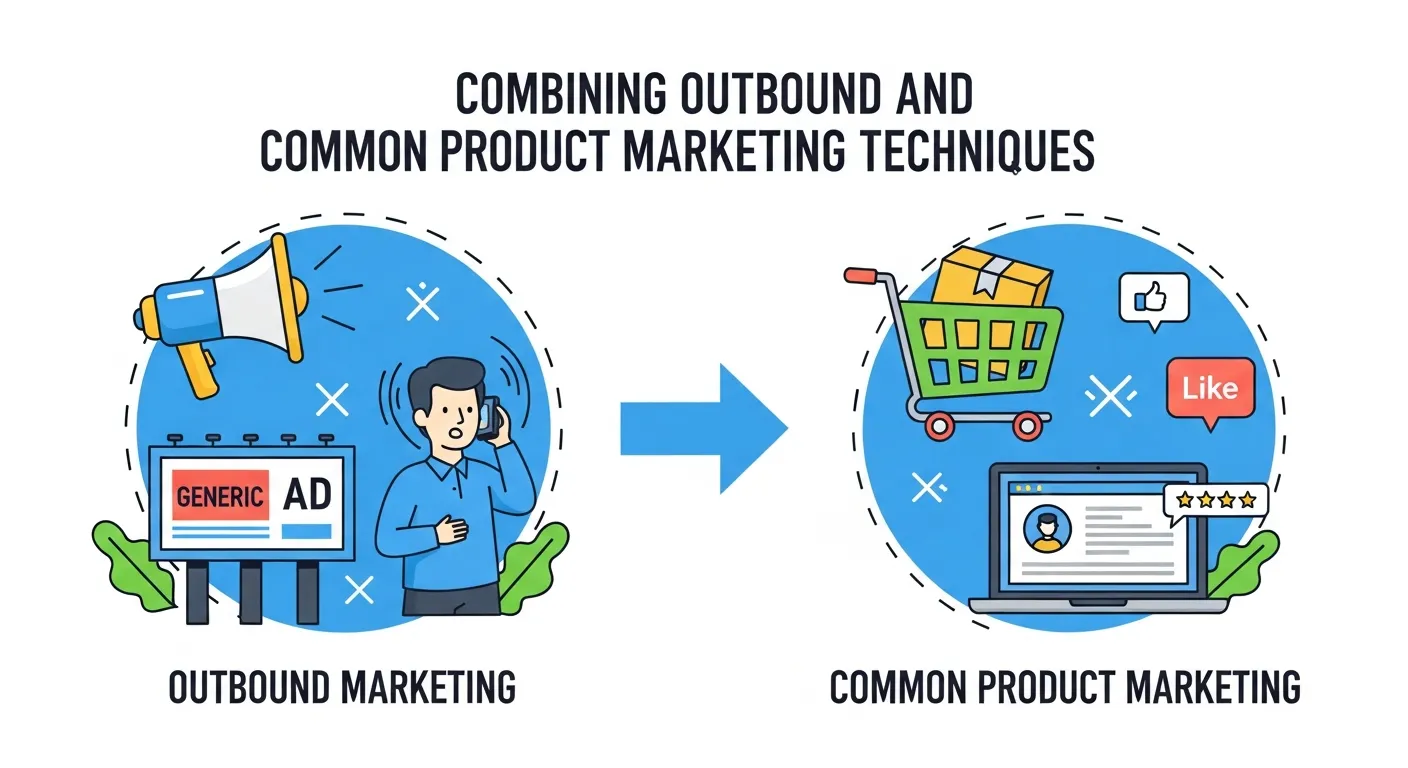
Outbound marketing becomes even more powerful when integrated with common product marketing techniques like storytelling, visual branding, and value-driven messaging. While outbound channels initiate the conversation, these techniques give your outreach emotional depth, clarity, and meaning. Together, they form a multi-layered trust-building system that engages both the mind and heart of your audience.
In a digital landscape overflowing with offers and ads, trust isn’t built through exposure alone—it’s earned through consistency, relevance, and empathy. By combining the proactive energy of outbound marketing with the narrative and emotional intelligence of product marketing, e-commerce brands can connect more deeply with potential customers.
Why Integration Matters
Integrating these techniques ensures that every outbound effort — from a cold email to a paid campaign — feels human, relevant, and trustworthy rather than transactional. Instead of overwhelming your audience with promotions, you guide them through a seamless experience where your brand feels familiar, dependable, and authentic.
Key advantages include:
- Stronger Emotional Resonance: Storytelling creates memorable brand moments that make outreach more personal.
- Improved Recall and Recognition: Visual consistency across outbound channels reinforces trust.
- Educational Authority: Value-first communication positions your brand as a reliable advisor, not just a seller.
- Reduced Skepticism: Customers are more likely to trust outreach that feels insightful and relevant.
- Holistic Brand Experience: Unified messaging ensures that every outbound touchpoint contributes to long-term credibility.
Integration Strategies for Outbound Success
-
Storytelling Campaigns
Use outbound ads, email sequences, and even direct mail to tell your brand’s story — not just promote products. Highlight your mission, values, or the inspiration behind your bestsellers.
- Share authentic founder stories to humanize your brand.
- Feature customer journeys or behind-the-scenes product development.
- Use video or carousel ads to illustrate transformation and outcomes.
-
Educational Outreach
Customers trust brands that teach, not just sell. Send educational content through outbound emails, sponsored posts, or downloadable guides.
- Offer how-to guides, checklists, or webinars.
- Use product comparison charts to help customers make informed decisions.
- Highlight sustainability practices, sourcing transparency, or quality standards.
-
Influencer Engagement
Partner with credible voices whose communities align with your brand values. Their endorsement acts as social proof, reinforcing the credibility of your outbound messaging.
- Encourage genuine reviews and unfiltered experiences.
- Co-create content that blends storytelling with utility.
- Avoid over-commercial partnerships that feel forced — authenticity is key.
Comprehensive Integration Overview
| Technique | Outbound Application | Trust Impact | Practical Example |
|---|---|---|---|
| Storytelling | Personalized outreach with brand history | Builds emotional connection | A “founder’s story” video shared via email sequence |
| Visual Branding | Consistent visuals across channels | Reinforces recognition | Using same color palette and tone across ads and direct mail |
| Educational Content | Guides, product demos, webinars | Positions your brand as expert | “Choosing the Right Tech Accessory” email series |
| Social Proof Campaigns | Integrate testimonials in outbound ads | Validates brand reliability | Retargeting ads featuring verified customer reviews |
| Interactive Content | Polls, quizzes, and calculators in emails or landing pages | Encourages engagement and transparency | “Find Your Perfect Product” quiz linked to outbound ads |
| Influencer Collaboration | Shared campaigns across channels | Transfers influencer trust to brand | Influencer-led video ad campaign shared via outbound email |
How Integration Enhances Customer Perception
When these techniques are aligned, your outbound marketing transitions from a sales tactic to a relationship-building system. Each outbound touchpoint reinforces your credibility, while consistent messaging and design ensure that your audience feels confident engaging with your brand.
For example, consider a sustainable fashion brand:
-
They launch a storytelling campaign through email and paid ads featuring the journey of artisans behind their products.
-
Follow-up outbound emails include educational content on sustainable fabrics.
-
The campaign concludes with influencer collaborations showcasing real customer experiences wearing the brand.
This integrated approach doesn’t just promote — it builds emotional and rational trust, making prospects more likely to buy, recommend, and stay loyal.
Key Takeaway
By combining these common product marketing techniques with outbound channels, e-commerce businesses amplify their visibility, emotional appeal, and authority. The result? Outreach that feels less like advertising and more like a meaningful conversation — one that inspires confidence, fosters loyalty, and drives sustainable growth.
Evaluating What is Outbound Product Marketing

Many marketers ask, “What is outbound product marketing?” — it’s the strategic process of proactively promoting and positioning your products to audiences who haven’t yet discovered your brand or expressed direct interest. Unlike inbound marketing, which relies on attracting customers through content, SEO, or social media engagement, outbound marketing actively reaches out to potential buyers with personalized, relevant, and trust-oriented communication.
In e-commerce, this proactive approach is critical. Consumers are constantly bombarded with options, and waiting for them to stumble upon your store often means missing valuable opportunities. Outbound product marketing bridges that gap by initiating contact early, sparking awareness, and guiding customers through a trustworthy buying journey before competitors even enter the conversation.
Why Outbound Product Marketing Matters in E-commerce
Outbound strategies play a crucial role in shaping customer perceptions before they even land on your website. They enable brands to:
- Build visibility early: Introduce your product to targeted audiences before demand peaks.
- Control the narrative: Present your brand story authentically, rather than letting competitors or reviews shape it.
- Shorten the trust cycle: Proactive outreach helps prospects feel familiar with your brand faster.
- Enhance personalization: Tailor messages to customer segments based on behavior, needs, or lifecycle stage.
- Reinforce brand confidence: Repeated, value-driven communication builds credibility over time.
Core Characteristics of Outbound Product Marketing
- Proactive Communication
You don’t wait for customers to find you—you reach out with tailored, relevant messages that align with their interests or challenges. This builds early recognition and sets the foundation for trust. - Value Demonstration
Every outbound touchpoint—whether an email, ad, or direct message—should highlight how your product improves the customer’s life or solves a real problem. The focus stays on benefits, not just features. - Relationship Building
Successful outbound product marketing relies on consistency, empathy, and authenticity. Each interaction should reinforce reliability and respect the customer’s time, creating a relationship that extends beyond the first sale.
Comparing Outbound Product Marketing Benefits
| Aspect | Outbound Focus | Customer Benefit | Example in Action |
|---|---|---|---|
| Communication | Direct and targeted | Saves customers research time | Personalized emails introducing curated products |
| Timing | Before active search | Creates brand familiarity | Pre-launch outreach to warm leads |
| Messaging | Personalized, transparent | Builds credibility faster | Honest product comparisons and clear pricing |
| Engagement Frequency | Regular and value-driven | Maintains ongoing trust | Educational series or product usage tips |
| Channel Mix | Multi-platform (email, ads, social) | Meets customers where they are | Retargeted ads after outbound email campaigns |
| Follow-Up Process | Nurturing, not pushy | Keeps relationship alive | Gentle reminders and follow-up offers post-engagement |
How Outbound Product Marketing Builds Trust Over Time
Trust isn’t established in a single touchpoint—it develops through consistent, value-driven communication. Outbound marketing empowers e-commerce businesses to take charge of this process rather than leaving it to chance. By proactively guiding prospects, you show leadership, confidence, and customer focus.
Consider this example:
A new skincare brand launches a vitamin C serum. Instead of waiting for organic search traffic, the brand sends personalized emails to skincare enthusiasts, partners with micro-influencers for outbound product reviews, and delivers educational video ads explaining the product’s benefits. These outbound efforts create familiarity, answer doubts, and position the brand as trustworthy—long before a sale happens.
Integrating Outbound and Inbound for Maximum Impact
While outbound marketing takes the first step, inbound marketing ensures continued engagement. Combining both creates a self-sustaining trust loop:
- Outbound sparks awareness → Inbound nurtures curiosity.
- Outbound demonstrates expertise → Inbound reinforces it through valuable content.
- Outbound drives initial traffic → Inbound captures and converts it with meaningful experiences.
When executed together, this hybrid model ensures your brand remains visible, relevant, and trusted throughout the entire customer journey.
Outbound product marketing ensures your brand stays top-of-mind, credible, and approachable. It bridges the gap between awareness and conversion while nurturing confidence and authenticity at every stage. In a marketplace crowded with noise, proactive communication is no longer optional—it’s the foundation of sustainable e-commerce trust.
Direct Mail: Standing Out in a Digital World
While digital marketing dominates most strategies, physical direct mail offers unique trust-building advantages for e-commerce businesses. In a world of digital noise, a well-designed piece of mail feels more personal and demonstrates genuine investment in the relationship.
Quality Over Quantity
Direct mail works best when it feels premium and personalized. Rather than sending cheap postcards to massive lists, invest in higher-quality materials and smaller, more targeted audiences. A beautifully designed catalog or product sample creates a tangible connection to your brand.
Integration with Digital Channels
Use direct mail to drive traffic to specific landing pages or encourage email signups. Include QR codes or personalized URLs that make it easy for recipients to engage with your digital channels while tracking the effectiveness of your mail campaigns.
Cold Outreach That Builds Rather Than Sells
Cold outreach often gets a bad reputation because it’s frequently done poorly. However, when executed thoughtfully, it can effectively build trust and establish relationships with potential customers.
Research and Personalization
Successful cold outreach starts with thorough research. Understand your prospect’s business, challenges, and goals before reaching out. Reference specific details that show you’ve done your homework rather than sending generic templates.
Leading with Value
Instead of immediately pitching your products, offer something valuable upfront. This might be a relevant industry report, a useful tool, or insights specific to their situation. This approach positions you as a helpful resource rather than just another salesperson.
Multi-Touch Approach
Trust isn’t built in a single interaction. Plan a series of touchpoints that gradually build familiarity and credibility. Each interaction should provide additional value while gently reinforcing your expertise and reliability.
Social Media Outreach and Engagement
Social media platforms offer opportunities for outbound engagement that feels natural and non-intrusive. Rather than broadcasting promotional messages, focus on building relationships through meaningful interactions.
Community Participation
Join industry groups and forums where your target customers spend time. Participate in discussions by sharing helpful insights and answering questions without immediately promoting your products. This approach builds your reputation as a knowledgeable and helpful member of the community.
Influencer Partnerships
Partner with influencers who align with your brand values and have genuine relationships with their audiences. Rather than focusing solely on follower counts, look for influencers who consistently engage with their community and maintain their audience’s trust.
User-Generated Content Campaigns
Encourage customers to share their experiences with your products on social media. Repost and engage with this content to show appreciation while demonstrating social proof to potential customers. This creates a cycle where satisfied customers help build trust with prospects.
Content Marketing with Outbound Distribution
Creating great content is only half the battle. Proactive distribution ensures your valuable content reaches the right people at the right time.
Guest Posting and Expert Contributions
Write articles for publications your target audience reads. This positions you as an industry expert while introducing your brand to new audiences in a trusted context. Focus on providing genuine value rather than promotional content.
Podcast Outreach
Identify podcasts your target customers listen to and pitch yourself as a guest. Podcast appearances allow you to share your expertise in a conversational format that builds trust through authentic dialogue.
Webinar Collaborations
Partner with complementary brands or industry organizations to host educational webinars. This approach expands your reach while associating your brand with established, trusted entities.
Measuring Trust-Building Success
Building trust through outbound marketing requires different metrics than traditional conversion-focused campaigns. While sales are important, focus on leading indicators that show growing trust and engagement.
Track metrics such as:
- Email engagement rates and list growth
- Website time-on-site from outbound traffic
- Social media engagement and follower quality
- Brand mention sentiment
- Customer lifetime value increases
- Referral rates from engaged prospects
Common Trust-Building Mistakes to Avoid
Many e-commerce businesses sabotage their trust-building efforts through common mistakes:
Overselling too early: Pushing for sales before establishing trust creates resistance and skepticism.
Inconsistent messaging: Mixed messages across different channels confuse prospects and undermine credibility.
Ignoring negative feedback: Failing to address concerns publicly shows you don’t care about customer satisfaction.
Generic personalization: Using someone’s name in a clearly templated message feels manipulative rather than personal.
Overpromising: Making claims you can’t deliver on destroys trust faster than you can build it.
Building Long-Term Trust Relationships
Trust-building through outbound marketing isn’t a one-time campaign—it’s an ongoing process that requires consistency and authenticity. The most successful e-commerce brands view every outbound interaction as an opportunity to reinforce their credibility and demonstrate their values.
Focus on building systems that scale your trust-building efforts while maintaining personalization. Use marketing automation to nurture relationships over time, but ensure your automated messages still feel human and relevant.
Remember that trust, once earned, must be continuously maintained. One poor experience can undo months of relationship building, so ensure your entire customer experience aligns with the trust you’ve worked to establish.
Your Next Steps to Trustworthy Outbound Marketing
Building trust through outbound marketing requires patience, consistency, and genuine commitment to serving your customers’ needs. Start by auditing your current outbound efforts to identify opportunities for improvement.
Choose one or two channels to focus on initially rather than spreading your efforts too thin. Develop a content calendar that prioritizes value-driven messaging, and create systems to track your trust-building progress over time.
Most importantly, remember that trust is built through authentic relationships, not marketing tactics. Focus on genuinely helping your prospects and customers, and the sales will naturally follow.