Transforming Outbound Marketing for Maximum Impact
Transforming Outbound Marketing demands a shift toward data-driven targeting, personalized engagement, and ethical practices. Success requires cutting through digital saturation, building trust, humanizing interactions, leveraging AI wisely, and creating collaborative, long-term relationships with informed, selective buyers.
Outbound marketing has long been a staple in business growth strategies. But as in future approaches, the way organizations approach it must evolve. Buyers are savvier, digital spaces are more crowded, and the demand for authenticity has never been higher. Simply casting a wide net and hoping for conversions no longer works.
This blog dives into the new rules of Transforming Outbound Marketing. We’ll examine how smart technology, ethical outreach, and truly effective strategies can help companies stand out and thrive. Whether you’re a seasoned marketer or a business owner looking to scale, you’ll leave with actionable insights to reimagine your outbound efforts.
Evolving Buyer Expectations
The modern buyer is no longer a passive participant in the sales process—they are active, informed, and highly selective. Today’s prospects research products and services extensively before engaging with any brand. They read reviews, compare alternatives, and seek recommendations from peers and online communities.
This means that traditional outbound tactics like generic cold emails or interruptive calls are increasingly ineffective. Buyers can immediately detect messages that lack relevance or value. To capture attention, your outreach must be insightful, personalized, and timely.
Key Insights:
- Knowledgeable Prospects: 70–80% of buyers complete their research before even talking to a sales representative.
- Expectation of Value: Every interaction must provide actionable insights, solutions, or information.
- Authenticity Matters: Buyers can instantly detect overhyped promises or generic messaging, which damages credibility.
Actionable Tip: Map out the customer journey and ensure every touchpoint aligns with your prospect’s research needs and expectations. Offer content and solutions that anticipate their questions, rather than just pitching your product.
Saturation Is a Growing Challenge
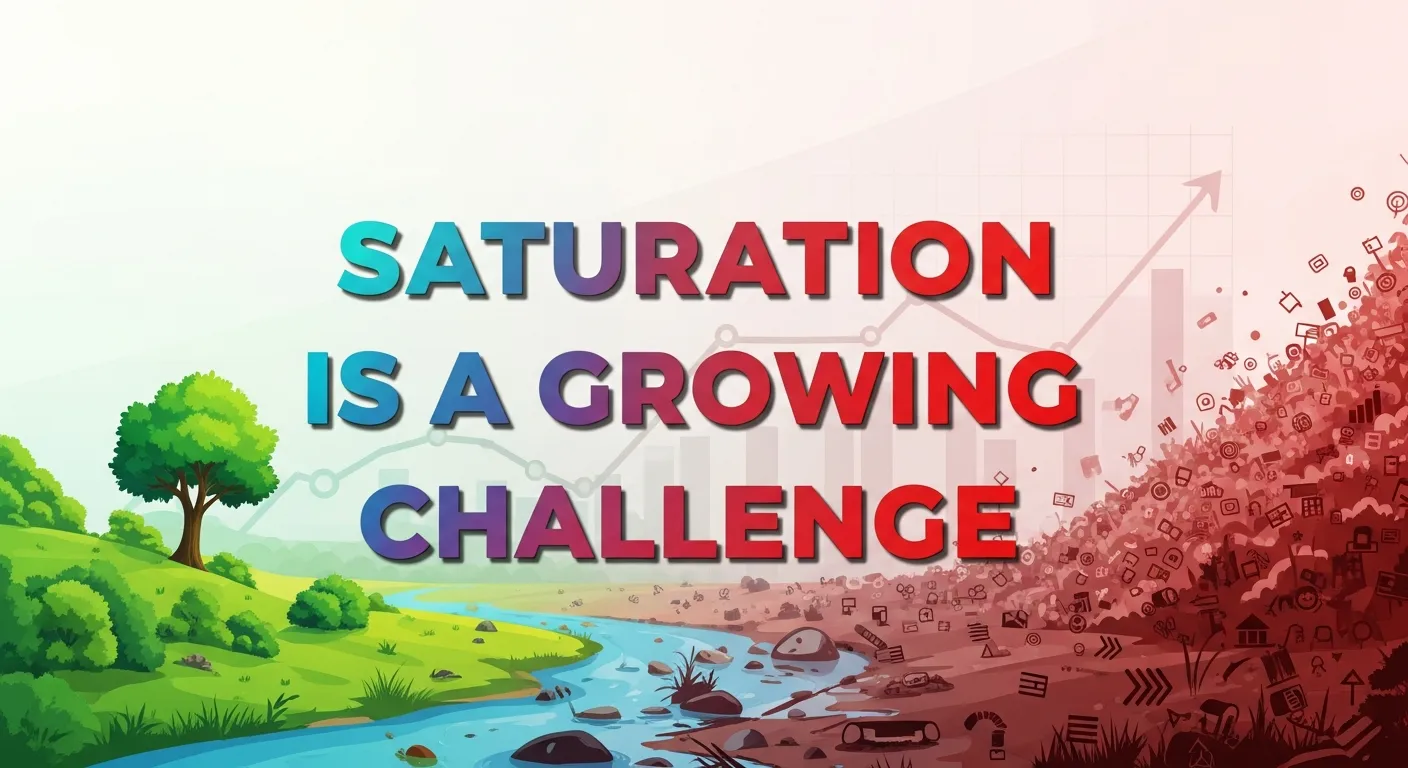
The digital landscape is more crowded than ever. Automated emails, retargeting ads, social media campaigns, and digital outreach tools flood inboxes and feeds daily. In this noisy environment, standing out requires more than just volume—it demands strategy, creativity, and precision targeting.
When everyone is vying for attention, prospects quickly tune out repetitive or irrelevant messages. The brands that succeed are the ones that deliver relevant content at the right time, through the right channel.
Key Insights:
- Information Overload: Prospects are overwhelmed with content, making attention a scarce commodity.
- Need for Precision: Random outreach wastes time and can even damage your brand’s reputation.
- Innovation Wins: Creative campaigns that combine data-driven targeting and personalization cut through the noise.
Actionable Tip: Use analytics and CRM tools to track engagement signals like website visits, content downloads, and social interactions. This allows you to send targeted, relevant messages that resonate instead of blending into the clutter.
Ethics and Trust Matter More Than Ever
In future, trust will be a cornerstone of successful Transforming Outbound Marketing. Buyers no longer tolerate aggressive, misleading, or intrusive tactics. Ethical practices not only ensure compliance with regulations like GDPR and CCPA but also build long-term brand credibility.
Transparency in communication demonstrates respect for the buyer’s time and intelligence. Brands that operate with honesty, provide clear opt-in/opt-out options, and avoid overpromising will gain loyalty and advocacy. On the other hand, deceptive or pushy strategies can lead to lost opportunities and reputational damage that’s hard to recover.
Key Insights:
- Transparency Builds Loyalty: Honest communication fosters trust and encourages long-term engagement.
- Compliance is Non-Negotiable: Buyers value brands that respect their data privacy and consent.
- Reputation is Everything: One poorly executed campaign can overshadow months of outreach efforts.
Actionable Tip: Audit your messaging and outreach methods for ethical alignment. Make consent and transparency part of your standard process, and ensure that every interaction reinforces your credibility.
The Core of Smart Transforming Outbound Marketing
Outbound strategy in the future revolves around being thoughtful, data-driven, and customer-first. Here’s how to adapt to the new landscape.
Data-Driven Targeting
Random outreach wastes time for both you and your prospects. The key is focusing on the right audience.
- Leverage CRM and social data to identify qualified leads based on industry, job role, and recent behaviors.
- Utilize predictive analytics to understand which prospects are most likely to convert and when they’re ready to engage.
- Monitor intent signals like website visits, content downloads, and social activity to time your outreach perfectly.
With the right data, you won’t just cut through the noise; you’ll enter conversations your audience actually cares about.
Personalization at Scale
Gone are the days of one-size-fits-all outbound emails. Invest in tools that allow you to personalize outreach without sacrificing efficiency.
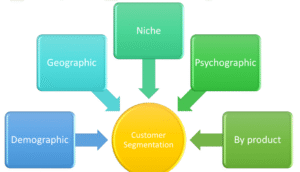
- Segment your audience into distinct groups based on common pain points or industries.
- Leverage tools that personalize content dynamically, such as including a prospect’s name, company details, or relevant industry stats in your outreach.
- Speak directly to customer needs, offering specific solutions rather than vague pitches. A tailored approach can increase engagement rates significantly.
Smart personalization demonstrates that you understand your audience, which builds trust and encourages responsiveness.
Double Down on Permission-Based Outreach
Respect customer consent by adhering to strict opt-in requirements. Gone are the days of buying email lists or spamming contact forms.
- Adopt a double-opt-in process for email newsletters and promotional outreach to ensure permission.
- Avoid using misleading subject lines or clickbait tactics in outreach emails.
- Simplify opt-out processes. Make it easy for users to unsubscribe to avoid frustration and build goodwill.
A clear commitment to respecting customer boundaries not only complies with regulations like GDPR and CCPA but also builds your brand’s reputation.
Humanize Your Brand
Robots don’t build relationships; humans do. While automation has its place, buyers increasingly seek genuine connections.
- Avoid overusing generic automation scripts for follow-ups. Customize your communications to feel more human.
- Use authentic, conversational copy that focuses on dialogue instead of hard selling.
- Introduce lead team members to prospects. Sharing real names, roles, and LinkedIn profiles can add credibility to your outreach efforts.
Technology That Enables Smart Outbound
Technology doesn’t replace human intelligence, but it amplifies it. The right outbound tools for future will balance AI-driven efficiency with ethical, customer-first values.
AI for Insights Over Messaging
The misuse of AI has led to robotic outreach flooding inboxes. The answer is not to ditch AI entirely but to rethink its role.
- Use AI tools for data analysis and actionable insights. Platforms like HubSpot and ZoomInfo analyze behaviors and map customer journeys.
- Avoid AI-generated messaging scams. A good rule of thumb is this: If a buyer can tell your outreach was generated by a bot, you’re doing it wrong.
Real-Time Engagement Tools
Timing is everything. Tools that enable conversation in real time can drastically improve outbound strategies.
- Utilize AI chatbots intelligently to kickstart conversations, but always offer a handoff to a real person.
- Explore engagement platforms like Drift or Intercom to connect sales teams with prospects at peak interest moments.
Future-Proofing with Community
Build Long-Term Relationships
Outbound in future won’t just aim for sales; it will focus on building long-term relationships that result in brand advocacy.
- Engage with prospects even after conversion. Share meaningful content like case studies or relevant industry insights to maintain rapport.
- Encourage feedback loops. Prospects and customers who feel heard are more inclined to be loyal and responsive in the future.
Create a Collaborative Buyer Journey
Make the buyer feel included at every stage of the outreach process. Transparent discussions about challenges, solutions, and pricing generate trust.
- Share content openly through blogs, webinars, and guides.
- Make outreach mutually beneficial by asking how you can support their goals, not just push your product.
Buyers Have Changed
The modern buyer is no longer a passive participant in the sales process—they are active, informed, and highly selective. Today’s prospects research products and services extensively before engaging with any brand. They read reviews, compare alternatives, and seek recommendations from peers and online communities.
This means that traditional outbound tactics like generic cold emails or interruptive calls are increasingly ineffective. Buyers can immediately detect messages that lack relevance or value. To capture attention, your outreach must be insightful, personalized, and timely.
Key Insights:
- Knowledgeable Prospects: 70–80% of buyers complete their research before even talking to a sales representative.
- Expectation of Value: Every interaction must provide actionable insights, solutions, or information.
- Authenticity Matters: Buyers can instantly detect overhyped promises or generic messaging, which damages credibility.
Actionable Tip: Map out the customer journey and ensure every touchpoint aligns with your prospect’s research needs and expectations. Offer content and solutions that anticipate their questions, rather than just pitching your product.
Saturation Is a Growing Challenge
The digital landscape is more crowded than ever. Automated emails, retargeting ads, social media campaigns, and digital outreach tools flood inboxes and feeds daily. In this noisy environment, standing out requires more than just volume—it demands strategy, creativity, and precision targeting.
When everyone is vying for attention, prospects quickly tune out repetitive or irrelevant messages. The brands that succeed are the ones that deliver relevant content at the right time, through the right channel.
Key Insights:
- Information Overload: Prospects are overwhelmed with content, making attention a scarce commodity.
- Need for Precision: Random outreach wastes time and can even damage your brand’s reputation.
- Innovation Wins: Creative campaigns that combine data-driven targeting and personalization cut through the noise.
Actionable Tip: Use analytics and CRM tools to track engagement signals like website visits, content downloads, and social interactions. This allows you to send targeted, relevant messages that resonate instead of blending into the clutter.
Ethics and Trust Matter More Than Ever
In future, trust will be a cornerstone of successful outbound marketing. Buyers no longer tolerate aggressive, misleading, or intrusive tactics. Ethical practices not only ensure compliance with regulations like GDPR and CCPA but also build long-term brand credibility.
Transparency in communication demonstrates respect for the buyer’s time and intelligence. Brands that operate with honesty, provide clear opt-in/opt-out options, and avoid overpromising will gain loyalty and advocacy. On the other hand, deceptive or pushy strategies can lead to lost opportunities and reputational damage that’s hard to recover.
Key Insights:
- Transparency Builds Loyalty: Honest communication fosters trust and encourages long-term engagement.
- Compliance is Non-Negotiable: Buyers value brands that respect their data privacy and consent.
- Reputation is Everything: One poorly executed campaign can overshadow months of outreach efforts.
Actionable Tip: Audit your messaging and outreach methods for ethical alignment. Make consent and transparency part of your standard process, and ensure that every interaction reinforces your credibility.
Outbound Plan Starts
Reimagining outbound for the future isn’t just about following trends; it’s about aligning your strategy with the evolving needs and values of the modern consumer. By leveraging smart technology, ethical practices, and deep personalization, your business can not only cut through the noise but thrive in an increasingly competitive market.
Looking to upgrade your outbound strategy and make authentic connections that lead to conversions? Start leveraging smarter tools today and watch your results soar!
Frequently Asked Questions — Transforming Outbound Marketing in the future
1. What exactly is outbound marketing, and why does it still matter?
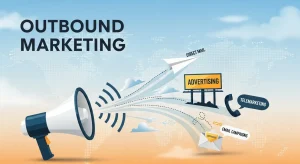
Outbound marketing is a proactive strategy where you push your message to potential buyers rather than waiting for them to find you. It includes tactics like paid ads, cold outreach, and direct promotions that generate awareness fast. Effective outbound still plays a vital role in rapid product promotion. See more, Outbound Marketing for Product Promotion
2. How is Transforming Outbound Marketing different from inbound marketing?
Outbound pushes messages to audiences, while inbound pulls them in through valuable content. Outbound reaches buyers who aren’t actively searching, making it ideal for competitive markets or new product launches. See more, Inbound vs Outbound Product Marketing
3. When should I use outbound for product promotion?
Use outbound when you need immediate visibility or quick traction. Targeted outreach, ads, and direct engagement can drive awareness fast, especially during product launches or time-sensitive campaigns. See more, Outbound Marketing for Product Promotion Funnel
4. Is outbound more effective than inbound?
The effectiveness of Transforming Outbound Marketing versus inbound depends entirely on your business goals and sales cycle. Transforming Outbound Marketing is ideal when you need fast results, immediate visibility, or want to reach audiences who aren’t actively searching. In contrast, inbound focuses on building long-term credibility and organic engagement, nurturing prospects through content, education, and trust-building over time.
A balanced strategy often produces the best results: use Transforming Outbound Marketing to generate awareness and spark conversations, while inbound nurtures leads into loyal customers. Combining both ensures you capture opportunities immediately while sustaining long-term growth.
5. How do I measure the effectiveness of Transforming Outbound Marketing campaigns?
Measuring and transforming outbound marketing success requires a mix of quantitative and qualitative metrics. Key performance indicators (KPIs) include:
- Reach and impressions: How many prospects saw your message?
- Response and engagement rates: Did recipients open emails, click links, or reply?
- Lead quality and conversion: Are leads moving through the funnel and converting to customers?
- Customer acquisition cost (CAC): Are you getting ROI on your campaigns?
- Feedback and sentiment: Are prospects engaging positively or ignoring your messages?
Tracking these metrics over time lets you optimize outreach, understand what resonates, and improve overall ROI.
6. What are the common challenges in Transforming Outbound Marketing today?
Modern Transforming Outbound Marketing faces multiple challenges:
- Inbox saturation: Buyers are overwhelmed with promotional messages, making it hard to stand out.
- Audience fatigue: Over-messaging or irrelevant outreach leads to disengagement.
- Privacy and compliance concerns: Regulations like GDPR and CCPA require careful handling of data.
To overcome these challenges, focus on relevance, personalization, and ethical communication. Segmentation, dynamic content, and value-first messaging ensure your outreach feels meaningful, not intrusive, increasing the chances of engagement and conversion.
7. Does Transforming Outbound Marketing work in digital environments like social media?
Yes! Transforming Outbound Marketing has evolved beyond emails and calls. Digital platforms now allow brands to reach and engage prospects where they spend time online. Social media, LinkedIn, Twitter, and niche forums are excellent channels for Transforming Outbound Marketing campaigns.
Paid ads, retargeting, and professional network outreach enable precise targeting, while analytics tools let you measure performance and optimize campaigns. Combining digital Transforming Outbound Marketing with traditional outreach provides a multi-channel strategy that maximizes visibility and engagement.
8. How can small businesses apply Transforming Outbound Marketing effectively?
Small businesses can succeed in Transforming Outbound Marketing without large budgets by focusing on precision and high-value channels:
- Personalized emails targeted at niche segments
- Collaborations with industry influencers
- Local events, webinars, or community initiatives
- Cost-effective paid campaigns on social and professional platforms
The key is to clearly communicate value propositions, prioritize high-potential prospects, and track performance. Even with limited resources, small businesses can generate meaningful leads and conversions by being strategic rather than broad.
9. Is personalized outreach still relevant in the future?
Absolutely. Buyers today expect messaging that is relevant, contextual, and tailored to their needs. Generic outreach no longer works—personalization based on behavior, industry, or pain points increases engagement and builds trust.
Ethical personalization also matters: respecting privacy, avoiding spam, and ensuring relevance is crucial. Modern Transforming Outbound Marketing success comes from blending data insights with a human touch, making each message feel intentional and authentic rather than automated.
10. How should Transforming Outbound Marketing evolve for the future?
Transforming Outbound Marketing in the future must be smarter, more human, and ethically aligned. Key trends include:
- Data-driven targeting: Use analytics and AI to identify high-potential prospects and predict engagement.
- Humanized interactions: Focus on genuine conversations rather than robotic automation.
- Ethical practices: Transparency, consent, and respect for privacy build trust and brand credibility.
- Long-term relationships: Transforming Outbound Marketingshould not just close deals but also nurture loyalty and advocacy.
By combining technology, strategy, and human empathy, Transforming Outbound Marketing can cut through digital noise, engage modern buyers effectively, and drive sustainable growth.