The 5-1-3 Rule: Simple Framework to Boost Your Productivity
In today’s highly competitive business landscape, mastering your cold outreach strategy can be the difference between thriving and merely surviving. The 5-1-3 offers a structured and results-driven framework designed to bring clarity and efficiency to your outreach efforts. Rather than relying on guesswork or mass messaging, this method encourages a balanced approach — focusing on quality over quantity while maintaining consistent momentum.
By applying the 5-1-3 rule, businesses can strategically allocate their efforts: crafting five personalized connections, sending one highly targeted pitch, and conducting three meaningful follow-ups. This disciplined structure ensures every outreach cycle is purposeful, data-informed, and optimized for engagement.
Across industries, professionals have found that the 5-1-3 not only improves response rates but also strengthens relationships with prospects, increases conversion potential, and builds long-term credibility. It transforms cold outreach from a numbers game into a repeatable, human-centered process that drives measurable growth.
Understanding the 5-1-3 Rule
The 5-1-3 rule isn’t just another marketing trend—it’s a proven, structured framework that helps businesses maximize engagement while minimizing wasted effort. This method ensures your outreach strategy is both systematic and scalable, allowing you to connect meaningfully with prospects without overwhelming your resources.
The Five Strategic Touchpoints
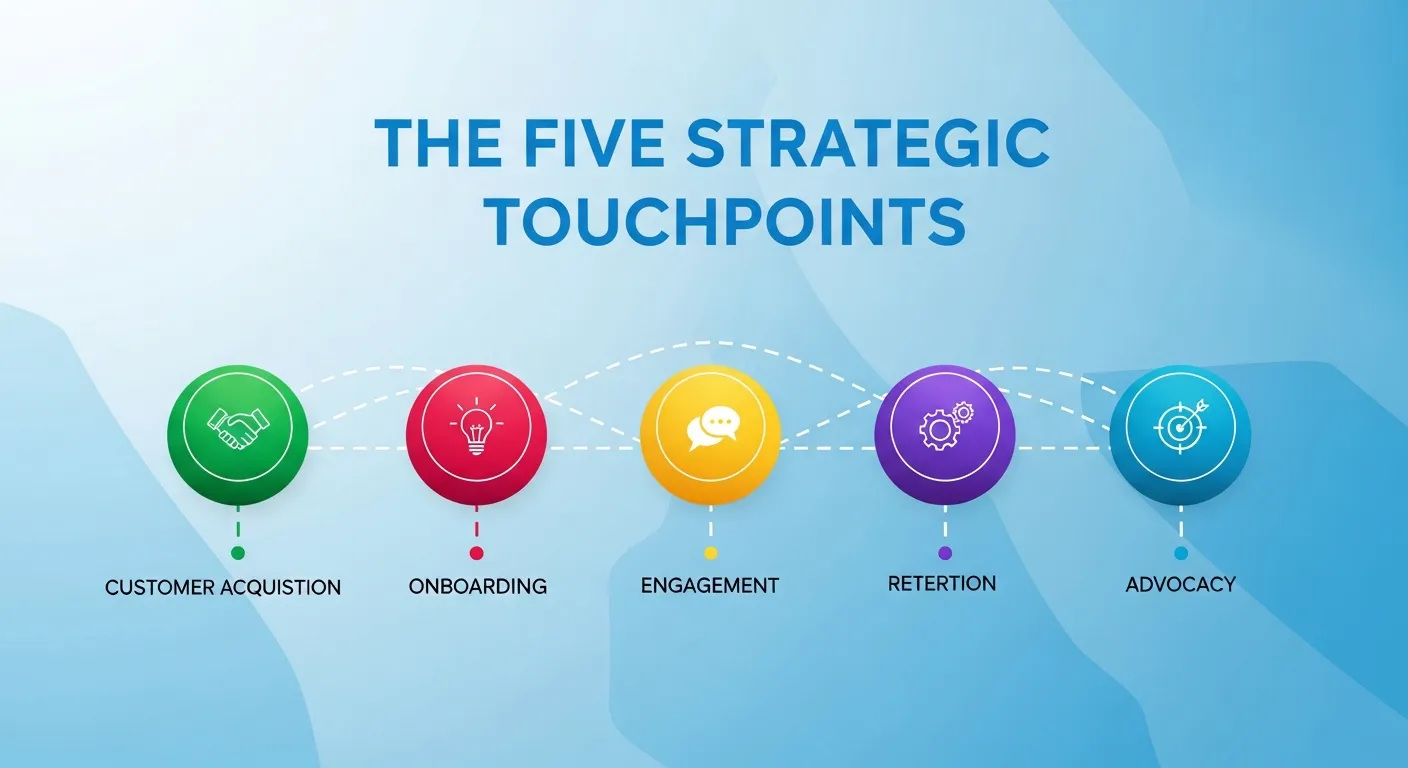
Successful outreach rarely happens with a single message. Studies show that prospects need multiple interactions before they respond or convert. The “5” in the 5-1-3 rule represents five well-planned touchpoints designed to nurture familiarity and trust:
- Initial value-driven email introducing your solution
- Follow-up message offering deeper insights or resources
- Social media connection to build visibility
- Personalized content share to showcase relevance
- Final reminder or check-in to prompt action
Each touchpoint builds credibility, reinforces your value, and keeps your brand top-of-mind throughout the buyer journey.
The One Unified Message
The “1” in the 5-1-3 rule stands for maintaining one clear, consistent message across all interactions. Your core value proposition should remain the same—simply adapted to fit the context of each touchpoint.
Consistency builds trust. When prospects encounter a stable, authentic message across channels, they’re more likely to perceive your brand as credible and dependable.
The Three-Channel Communication Strategy
The “3” represents the three distinct communication channels used within the 5-1-3 rule framework:
- Email: Your primary and most direct outreach medium.
- Social media: A supporting channel for visibility and engagement.
- Phone or direct mail: A breakthrough channel that personalizes your approach.
Using a multi-channel strategy ensures your message reaches prospects where they are most active, increasing both recognition and response rates. The 5-1-3 rule empowers marketers to blend consistency, persistence, and personalization—creating outreach campaigns that truly resonate.
Implementing the 5-1-3 Approach Effectively
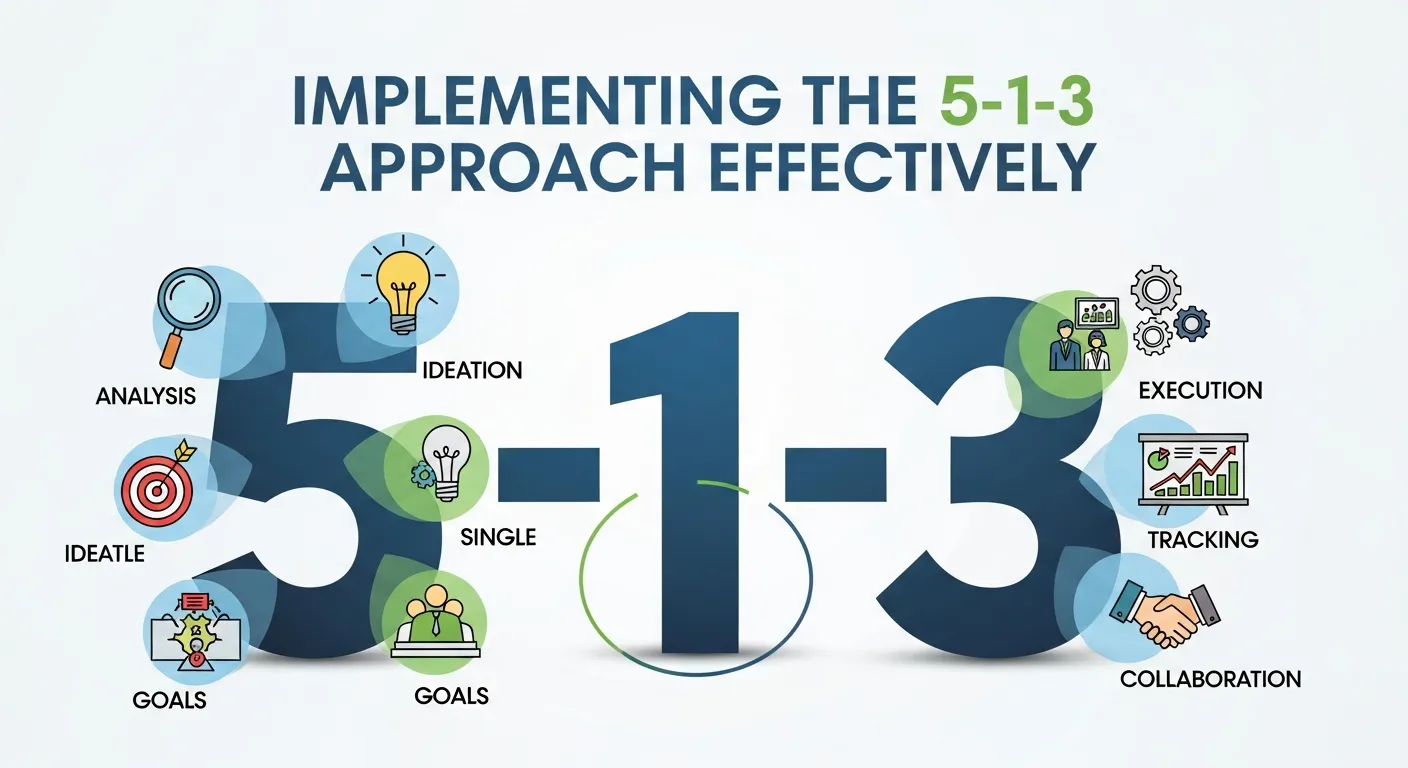
Successful implementation of the 5-1-3 requires a balance of strategy, consistency, and personalization. Each element—five touchpoints, one unified message, and three channels—must align to create a seamless, value-driven experience for your prospects. Let’s break it down step-by-step.
Crafting Your Five Touchpoints
Each touchpoint under the 5-1-3 rule should build upon the previous interaction, strengthening familiarity and delivering fresh value every time. Here’s how to structure them for maximum impact:
- Touchpoint 1: Identify and engage.
Introduce a specific pain point your prospect faces and present your unique solution clearly—but avoid overwhelming them with excessive detail. - Touchpoint 2: Prove your credibility.
Share a relevant case study, testimonial, or social proof that validates your solution’s effectiveness and builds confidence in your offering. - Touchpoint 3: Connect personally.
Reach out on social media—especially LinkedIn—with a thoughtful message referencing your previous email or conversation. This humanizes your outreach and fosters trust. - Touchpoint 4: Deliver ongoing value.
Share insightful, industry-relevant content that helps solve real challenges—positioning your brand as a problem-solver rather than a seller. - Touchpoint 5: Create gentle urgency.
End the sequence with a time-sensitive opportunity, limited offer, or event invitation that encourages timely action without feeling pushy.
Each step in the 5-1-3 rule compounds the last, creating momentum that keeps prospects engaged and moving closer to conversion.
Defining Your One Unified Message
At the heart of the 5-1-3 lies a single, unified message. This message must remain consistent across all communications, reinforcing your value proposition while adapting to different contexts.
For instance, if your core message is “reduce acquisition costs while improving lead quality,” every touchpoint—from emails to social posts—should reinforce this narrative from a unique angle. Consistency nurtures trust; repetition strengthens brand recall.
When executed well, a unified message transforms fragmented outreach into a cohesive brand story. For additional strategies on structured communication, explore this guide on flawless virtual event production—it offers useful parallels in planning and message alignment.
Measuring Success with the 5-1-3 Method
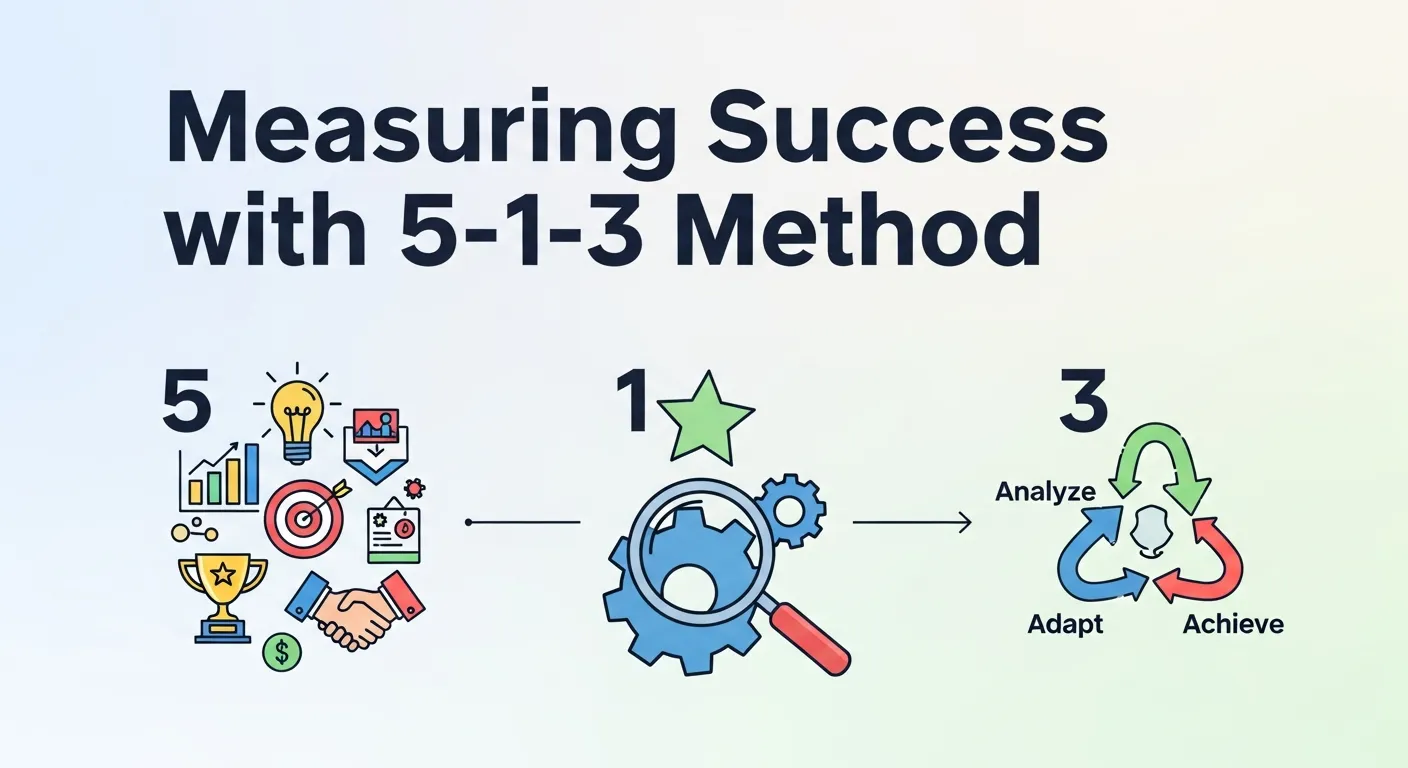
Implementing the 5-1-3 without proper measurement is like sailing without a compass — you may be moving, but not necessarily in the right direction. Tracking performance metrics ensures that every outreach effort contributes to tangible growth and improvement.
The 5-1-3 thrives on data-driven refinement. By consistently measuring key engagement indicators, you can uncover what works, eliminate inefficiencies, and fine-tune your outreach for maximum impact.
Key Metrics to Track
Below are the three most critical metrics for evaluating your 5-1-3 outreach strategy:
| Metric | What It Measures | Why It Matters | Optimization Tip |
|---|---|---|---|
| Response Rate | The percentage of prospects who reply to your outreach across touchpoints and channels. | Indicates message relevance and engagement level. | Experiment with subject lines, personalization, and timing to improve open and reply rates. |
| Conversion Rate | The ratio of responses that turn into qualified meetings, demos, or sales. | Measures true ROI — proving your outreach drives business results. | Track conversions per channel to identify where your highest-value leads come from. |
| Time to Response | The average time prospects take to respond after each touchpoint. | Helps refine the timing and frequency of follow-ups. | Shorten the gap between high-engagement touchpoints for faster prospect movement. |
Turning Data Into Strategy
Metrics alone don’t create success — analysis and iteration do. Use insights from your response and conversion data to identify your strongest touchpoints, high-performing messages, and most effective channels. Then, double down on what works.
For example, if social media touchpoints generate faster responses but fewer conversions, consider pairing them with personalized email follow-ups to increase depth of engagement.
Consistency in tracking also helps align sales and marketing teams around shared goals, improving collaboration and resource efficiency.
For additional insights into refining structured processes and optimizing campaign performance, explore this guide on flawless virtual event production — it offers valuable lessons on precision, timing, and execution that apply equally to outreach strategies.
Common Pitfalls to Avoid
Even the most thoughtfully designed campaigns can underperform when crucial execution details are overlooked. The 5-1-3 rule provides a powerful framework for structured outreach—but success depends on consistent application, precise timing, and authentic communication. Let’s explore the most frequent mistakes marketers make and how to avoid them.
1. Inconsistent Timing
Timing is everything in outreach. Random or poorly spaced messages confuse prospects and disrupt the natural flow of communication. The 5-1-3 emphasizes rhythm and consistency—typically a 3–5 day interval between touchpoints works best to maintain attention without overwhelming your audience.
Why it matters:
- Predictable cadence builds familiarity and expectation.
- Irregular contact makes your outreach seem disorganized or automated.
- Proper spacing gives prospects time to process, engage, and respond.
Pro Tip:
Use automation tools to schedule touchpoints at regular intervals, ensuring every message aligns with your campaign’s momentum.
2. Generic Messaging
In today’s hyper-personalized marketing environment, one-size-fits-all outreach is a guaranteed engagement killer. Generic messaging fails to resonate because it doesn’t acknowledge the prospect’s unique needs, role, or challenges.
The 5-1-3 rule thrives on tailored communication—each touchpoint should show genuine understanding of your target audience.
Effective personalization strategies include:
- Referencing industry-specific challenges.
- Acknowledging company milestones or recent announcements.
- Addressing role-based pain points (e.g., what a CMO vs. Operations Manager values).
Why it matters:
Personalized outreach increases response rates, improves brand perception, and builds trust faster.
Example comparison:
| Approach | Generic Message Example | Personalized Message Example |
|---|---|---|
| Email Outreach | “We help companies improve efficiency.” | “We help manufacturing leaders like [Company Name] reduce production delays by 30% using tailored automation workflows.” |
| Social Media DM | “Let’s connect to discuss our solution.” | “Hi [Name], I noticed your recent post about scaling production—our latest case study might align perfectly with that challenge.” |
Personalization transforms outreach from cold contact into meaningful conversation. For more insights on how technology is reshaping engagement through tailored communication, explore this guide on AR in manufacturing innovation — it highlights how relevance and timing drive modern interactions.
3. Premature Selling
A classic mistake in applying the 5-1-3 is trying to close the deal too early. The first few touchpoints are about generating curiosity and credibility, not pushing for a sale. Overly aggressive selling turns off prospects and damages long-term trust.
Instead, focus on:
- Building rapport through educational and helpful content.
- Sharing value before asking for commitment.
- Positioning yourself as a trusted advisor, not just a salesperson.
Why it matters:
When you nurture rather than pressure, prospects engage more deeply and are more likely to convert later in the sequence. The most successful 5-1-3 campaigns use early interactions to plant the seed and later touchpoints to harvest results.
Avoiding these pitfalls ensures your 5-1-3 strategy performs at its full potential. Consistency, personalization, and patience are the cornerstones of effective outreach. By combining structure with empathy, you’ll transform your communication flow into a relationship-building engine that drives measurable growth and sustainable conversions.
Optimizing Your 5-1-3 Rule With Data Insights
Implementing the 5-1-3 rule is only the first step—true success comes from continuous optimization. Without analyzing your performance, even the most structured campaigns can plateau. Data-driven insights help you understand what resonates with your audience, which touchpoints drive engagement, and where you can refine your approach to maximize conversions.
Key Metrics to Track:
- Response Rate: Monitor replies across each touchpoint and channel to identify the messages and formats that capture attention.
- Conversion Rate: Track how many interactions lead to qualified meetings, demos, or sales. The ultimate goal is revenue, not just engagement.
- Time to Response: Understanding how quickly prospects react helps you optimize the spacing between touchpoints, ensuring timely follow-ups without overwhelming them.
Actionable Strategies for Optimization:
- Segment Your Audience: Divide prospects based on engagement patterns, industry, role, or company size. Tailoring your touchpoints for each segment increases relevance and improves results.
- A/B Test Campaign Elements: Test subject lines, email content, call-to-actions, and social messages to see what performs best. Even minor changes—like switching a word in your subject line—can boost open and response rates.
- Leverage Technology: Use CRM and marketing automation tools to monitor engagement, track multi-channel interactions, and generate actionable insights in real time. This allows you to scale without losing personalization.
Advanced Tips for Continuous Improvement:
- Adjust timing based on historical response patterns. For instance, if prospects respond faster in the mornings, schedule your key touchpoints accordingly.
- Analyze underperforming touchpoints to see if messaging, channel, or cadence is the issue.
- Identify high-value prospects and tailor additional content or follow-ups for them to maximize ROI.
By systematically analyzing data and iterating on your strategy, the 5-1-3 rule evolves from a simple framework into a precision tool for driving engagement and conversions. Remember: optimization is not a one-time activity—it’s an ongoing process that multiplies the effectiveness of every touchpoint.
Enhancing the 5-1-3 Rule With Content Strategy
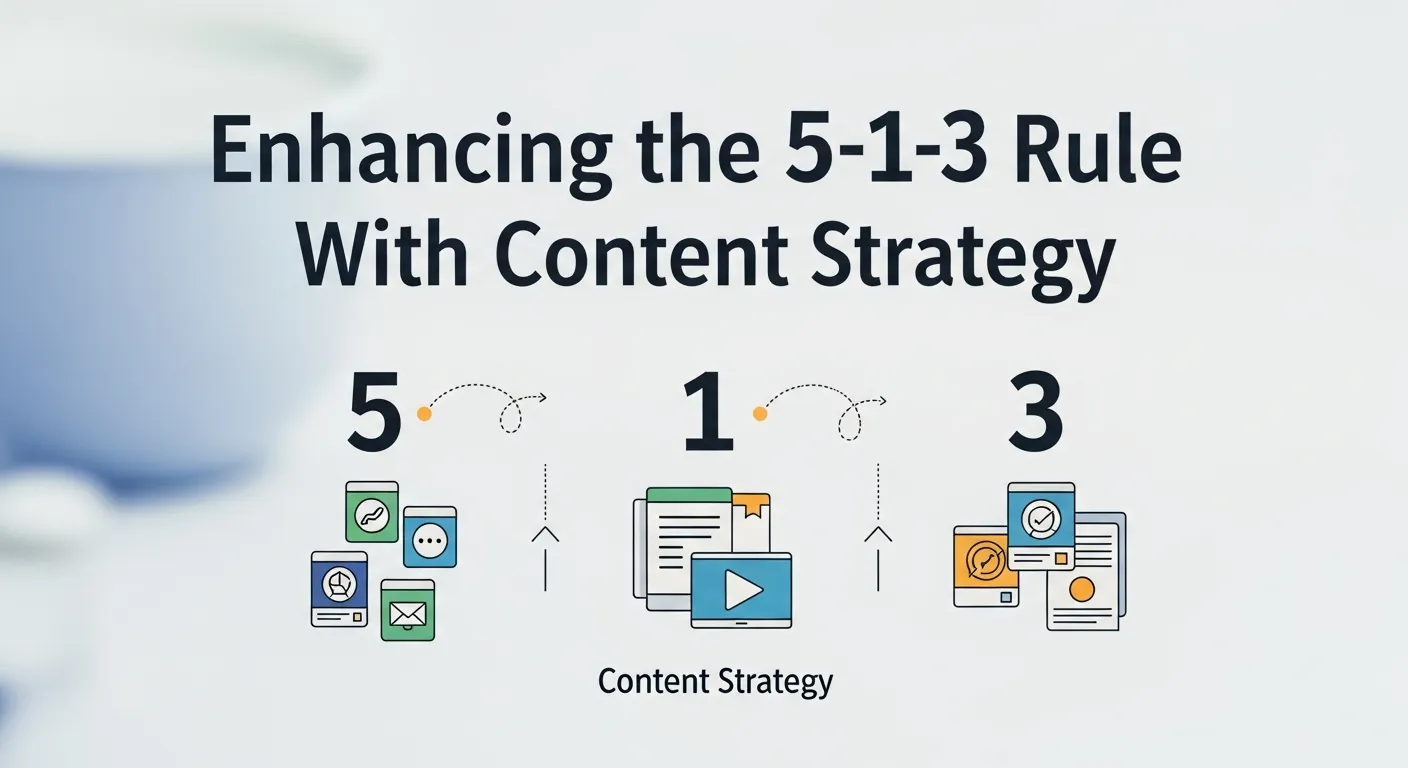
Content is the backbone of any successful outreach, and when applied within the 5-1-3 , it becomes a powerful tool for engagement and conversion. Each touchpoint should not just communicate your message—it should deliver meaningful value that resonates with your prospect’s needs, challenges, and goals.
Types of Content to Include in the 5-1-3 Rule:
- Educational Content:
Provide insights that help your prospects make informed decisions. This can include whitepapers, industry reports, research studies, or practical guides. Educational content positions your brand as a trusted advisor rather than just another seller. For example, sharing a guide on optimizing production workflows demonstrates authority and provides real-world value. - Social Proof:
Build credibility and trust by showcasing results others have achieved with your solution. Case studies, testimonials, success stories, and client reviews reinforce the effectiveness of your product or service and reduce hesitation in early touchpoints. - Interactive Content:
Engaging formats like webinars, virtual events, demos, or live Q&A sessions encourage two-way interaction and allow prospects to experience your expertise firsthand. Interactive content increases attention, retention, and trust while making your outreach more memorable.
Strategic Application:
To fully leverage the 5-1-3 rule, map specific content types to each touchpoint. For instance:
- Touchpoint 1: Educational content to introduce a problem and solution.
- Touchpoint 2: Social proof, such as a relevant case study.
- Touchpoint 3: Social media engagement with a content snippet or infographic.
- Touchpoint 4: Interactive content like a webinar or demo.
- Touchpoint 5: Time-sensitive offer or summary content reinforcing value.
Example in Practice:
Aligning your outreach with virtual events or webinars can significantly boost engagement and authority. Prospects are more likely to respond when your outreach is tied to high-value, interactive experiences. For tips on executing seamless virtual events that captivate your audience, check out this guide on flawless virtual event production. Applying these insights alongside the 5-1-3 rule ensures your content strategy is structured, consistent, and highly impactful.
Advanced Tips:
- Repurpose content across multiple touchpoints to reinforce your message without overwhelming prospects.
- Personalize content whenever possible—for example, reference the prospect’s industry trends or pain points in your emails or social posts.
- Track engagement metrics for each content piece to see what resonates and iteratively improve your outreach.
By integrating a thoughtful, value-driven content strategy into the 5-1-3 rule, each interaction becomes meaningful, memorable, and more likely to drive conversions.
Scaling the 5-1-3 Rule Across Teams
Once your 5-1-3 rule strategy proves effective, the next step is to scale it across your sales and marketing teams. Scaling ensures that the methodology doesn’t remain a one-off success but becomes a repeatable engine for growth, enabling your organization to reach more prospects consistently without compromising quality.
Standardize Processes with Playbooks
The first step in scaling is developing clear playbooks that outline messaging, cadence, and workflows for every touchpoint. A playbook ensures consistency across teams, so every prospect receives the same high-quality experience, regardless of who is managing outreach.
Key components of a 5-1-3 playbook include:
- Messaging templates tailored for each touchpoint (5)
- Unified core message (1) to maintain brand consistency
- Channel strategies (3) for email, social media, and phone/direct mail
- Guidelines for personalization and timing
A comprehensive playbook reduces errors, prevents duplicated efforts, and empowers team members to act confidently, knowing they are following a proven framework.
Training Teams on Best Practices
Scaling is not just about systems—it’s also about people. Training your teams on personalization techniques, effective channel usage, and cadence best practices ensures the 5-1-3 rule is executed with precision.
- Teach sales and marketing teams how to research prospects effectively for personalized messaging.
- Share examples of successful campaigns and why they worked.
- Encourage feedback loops to refine messaging and approach over time.
Well-trained teams maintain high-quality outreach, even as campaign volume grows, and increase the likelihood of conversions across multiple touchpoints.
Leveraging Marketing Automation
Marketing automation tools are essential for scaling the 5-1-3 rule efficiently. Automation allows teams to manage multi-channel campaigns at scale without losing the personal touch.
- Automate email sequences while ensuring messages are customized for each prospect segment.
- Use CRM integration to track engagement across all three channels.
- Schedule follow-ups and reminders to maintain consistent timing between touchpoints.
With automation, the framework becomes more manageable, and teams can focus on strategy, personalization, and high-value activities rather than manual execution.
Advanced Tips for Successful Scaling
- Monitor KPIs Continuously: Even at scale, track response rates, conversion rates, and engagement metrics to identify what works and what needs refinement.
- Create Feedback Loops: Encourage teams to share insights about prospect behavior, which can inform adjustments to the playbook and content strategy.
- Align Sales and Marketing: Ensure both departments are working toward shared goals and understand their role in the 5-1-3 sequence.
When executed correctly, scaling the 5-1-3 rule transforms it from a tactical approach into a sustainable growth engine. Teams work in harmony, outreach is consistent, and prospects experience a professional, value-driven journey—ultimately driving higher engagement, stronger relationships, and measurable revenue growth.
Frequently Asked Questions (FAQ) About the 5-1-3 Rule
1. What is the 5-1-3 rule in marketing?
The 5-1-3 rule is a structured outreach framework designed to maximize engagement with prospects. It consists of five strategic touchpoints, one unified message, and three communication channels. This approach helps teams deliver consistent, value-driven messaging while improving response and conversion rates.
2. How does the 5-1-3 rule improve cold outreach?
By balancing persistence with personalization, the 5-1-3 rule ensures that prospects receive timely, relevant interactions without feeling spammed. Each touchpoint builds credibility, the unified message reinforces your value, and multi-channel communication increases visibility and engagement.
3. Can the 5-1-3 rule be applied to product promotion?
Yes, it’s ideal for product promotion campaigns. Using this rule allows you to plan structured touchpoints that introduce, educate, and nurture prospects toward purchase. For more strategies, check out Outbound Marketing for Product Promotion.
4. How do I measure the success of a 5-1-3 campaign?
Track key metrics like response rate, conversion rate, and time to response. Monitoring these indicators shows which touchpoints, messages, and channels perform best, enabling optimization of your outreach and maximizing ROI.
5. What content works best for the 5-1-3 rule?
Content should be relevant, educational, and engaging. Use case studies, whitepapers, webinars, and interactive materials at different touchpoints. For a detailed view of structuring product promotion sequences, see Product Promotion Funnel with Outbound Marketing.
6. How often should touchpoints occur in the 5-1-3 rule?
A consistent cadence is critical. Typically, spacing touchpoints 3–5 days apart works well to maintain momentum without overwhelming prospects. Use timing insights from prior campaigns to optimize intervals.
7. Which channels should I use in the 5-1-3 rule?
The rule recommends three channels: email, social media, and phone/direct mail. Email provides scale, social media fosters engagement, and phone/direct mail creates breakthrough moments that personalize your outreach.
8. How can personalization improve the 5-1-3 rule?
Personalization ensures each touchpoint resonates with the prospect. Include industry references, company-specific pain points, or role-based messaging. This boosts response rates, builds trust, and differentiates your outreach from generic campaigns.
9. How does the 5-1-3 rule compare to inbound marketing?
Unlike inbound marketing, which attracts prospects through organic content, the 5-1-3 rule is an outbound framework that proactively reaches out to qualified prospects. For a deeper understanding of inbound vs outbound strategies, see Inbound vs Outbound Product Marketing.
10. Can the 5-1-3 rule be scaled across teams?
Absolutely. By standardizing messaging, training teams on personalization and cadence, and using automation tools, the 5-1-3 rule can be scaled efficiently. This ensures consistent execution and allows multiple team members to reach more prospects without losing quality.
Conclusion
The 5:1:3 approach provides a structured framework that balances persistence with respect for the prospect’s time and attention. When implemented correctly, this methodology consistently delivers response rates 2-3 times higher than traditional approaches.
By carefully orchestrating five meaningful touchpoints, maintaining one clear message, and leveraging three complementary channels, your outbound marketing efforts will stand out in an increasingly crowded marketplace.
Remember, the goal isn’t just to reach more prospects—it’s to reach the right prospects with the right message at the right time.