How to Build Successful Outbound Marketing Campaigns

Outbound marketing is still very effective for companies who are seeking to acquire new customers and grow. Where inbound marketing pulls people in, outbound marketing pushes out and tries to bring leads in. When it’s done right, it can increase brand exposure, attract new business, and get the ball rolling.
If you’ve been trying to figure out how to build outbound marketing campaigns that kill it, this guide will walk you through everything you need to know — from who your audience is to how to measure your campaign’s success.
What is Outbound Marketing?
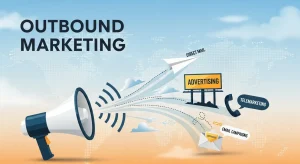
In other words, outbound marketing is the proactive approach where businesses reach out directly to potential customers instead of waiting for them to make the first move. It’s about taking initiative—creating opportunities by getting your message in front of the right people. This technique often involves direct communication methods such as cold calls, email outreach, paid advertising, TV and radio spots, social media ads, and even print marketing like brochures or billboards.
While inbound marketing focuses on attracting clients organically through valuable content and long-term engagement, outbound marketing campaigns are more assertive and immediate in nature. They act as a catalyst—building brand awareness, generating quick leads, and driving action from audiences who may not yet know your brand. The goal isn’t just visibility; it’s to spark interest and guide potential customers into your marketing funnel.
However, successful outbound marketing isn’t about shouting your message to anyone who will listen. It’s about being strategic, targeted, and thoughtful. Modern outbound campaigns combine creativity with data-driven insights. That means understanding your ideal customer profile, crafting personalized messages that resonate with their needs, and using the most effective channels to reach them.
Consistency and precision are key. Every touchpoint—from an email to a display ad—should communicate a unified brand message and clear value proposition. When executed correctly, outbound marketing campaigns don’t just reach an audience—they inspire engagement, create trust, and open doors for meaningful customer relationships.
Know Your Who, Positioning Your Audience
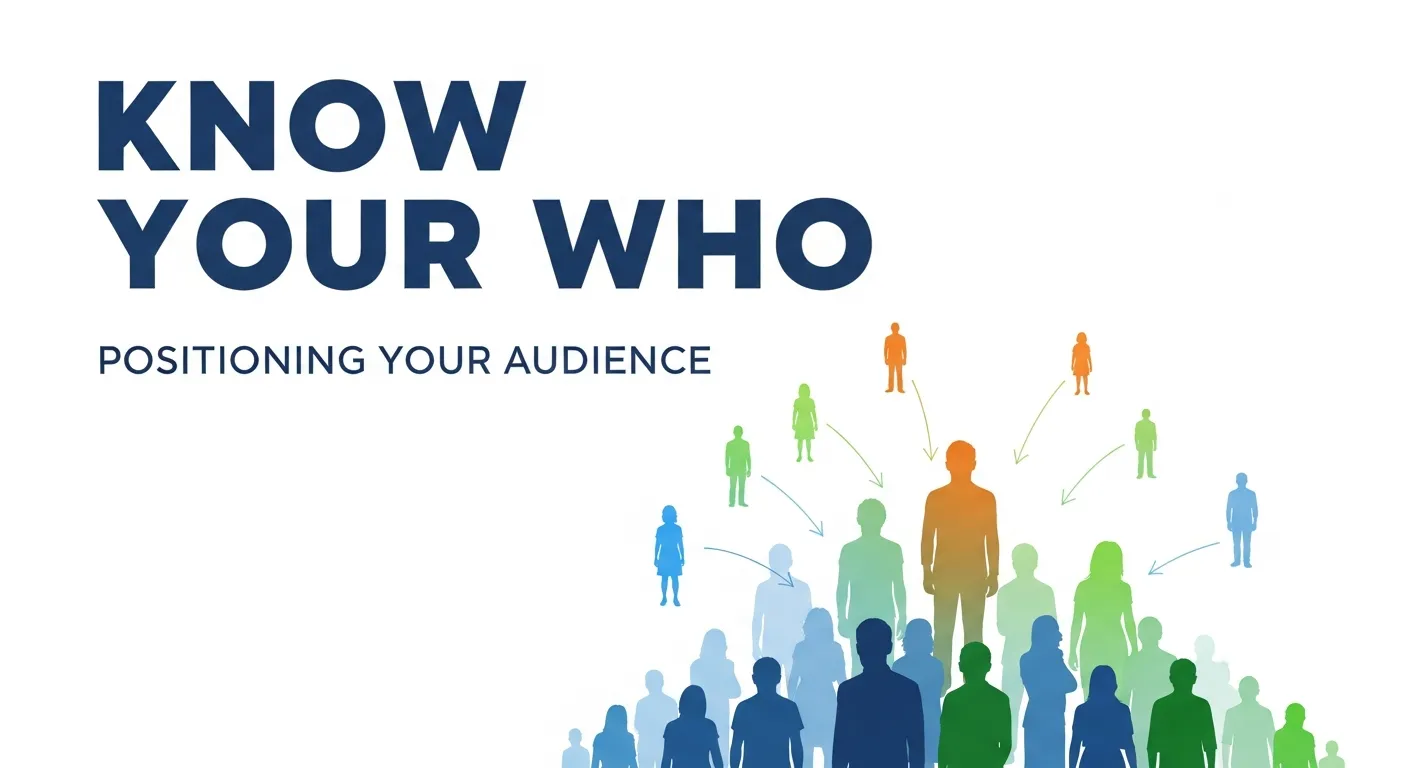
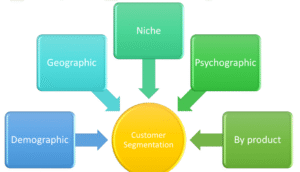
Your target audience is the foundation of every successful outbound marketing campaign. While it might be tempting to cast a wide net and reach as many people as possible, this approach often dilutes your message and wastes valuable resources. Instead, focus on identifying and targeting a specific, well-defined audience segment. By narrowing your scope, you can craft personalized messages that resonate deeply and drive higher conversion rates.
How to Know Who to Target
1. Profile Your Ideal Customer
Start by asking yourself essential questions about who your ideal customer is. What is their age group, job title, or industry? Where are they located, and what pain points or challenges are they facing? Understanding these details helps you align your outbound strategy with the real needs and motivations of your prospects. The more you know about them, the easier it becomes to tailor your outreach and make your communication more impactful.
2. Leverage Data to Profile Your Audience
Successful outbound marketing campaigns rely heavily on data. Analyze your historical sales records, CRM insights, and website analytics to uncover patterns and behaviors. What types of customers have purchased from you before? Which industries engage most with your ads or emails? Listening to customer feedback—through reviews, surveys, or social media—can also reveal valuable insights into who is most likely to respond positively to your outreach.
3. Create Detailed Customer Personas
Once you’ve gathered your data, turn it into actionable insights by building detailed customer personas. These personas represent your ideal buyers and help you visualize who you’re communicating with in your campaigns.
For example:
Name: Emma
Profession: Marketing Director
Pain Points: Struggling to manage time effectively and coordinate with her team.
What She Looks for in a Tool: Simplicity, integration with other software, and affordability.
This level of precision allows you to craft outbound marketing messages that speak directly to each persona’s needs and preferences. When your campaigns feel personal and relevant, prospects are far more likely to engage, respond, and convert.
In short, knowing your audience inside and out is the first step toward building outbound marketing campaigns that truly perform. With accurate data, targeted personas, and a strategic approach, your outreach efforts will not only reach the right people but also inspire meaningful action.
Crafting Compelling Messaging
Now that you know who you’re targeting, it’s time to win them over with your message. In successful outbound marketing campaigns, the way you communicate can make all the difference. Remember — it’s not about what you want to say, but about what your audience needs to hear. Your message should address their challenges, offer solutions, and spark genuine interest. When done right, it transforms a simple outreach into a powerful conversation starter.
Ideas for Compelling Copy
1. Address Their Pain Points
The most effective outbound marketing campaigns start by empathizing with the customer’s struggles. Identify the key pain points your audience faces and position your product or service as the clear solution. Instead of a generic pitch like “Buy Our Productivity App,” use customer-focused messaging such as,
“Struggling to manage your daily schedule? Discover how [App Name] helps you stay organized and stress-free.”
This approach not only captures attention but also establishes emotional relevance and trust.
2. Personalization Is Key
Generic, one-size-fits-all messages rarely work in today’s competitive landscape. Personalization elevates your outbound marketing campaigns by showing that you understand your prospect’s specific needs. Address recipients by their name, company, or industry challenges to create a tailored experience. Research shows that personalized emails and ads yield significantly higher engagement and conversion rates compared to mass messaging.
For example:
“Hi Sarah, as a Marketing Director at [Company Name], you know how crucial productivity tools are for managing a busy team. Here’s how [App Name] can make collaboration effortless.”
3. Create a Sense of Urgency
Time-sensitive offers motivate immediate action. Adding urgency to your message can dramatically improve response rates. Consider limited-time deals, early-access promotions, or exclusive bonuses that compel prospects to act fast.
“Join before [Date] and enjoy 20% off your first subscription!”
Urgency drives momentum in outbound marketing campaigns, turning passive interest into quick conversions.
4. Use a Clear and Action-Oriented CTA (Call-to-Action)
Every message in your campaign should end with a strong, clear call-to-action that tells prospects exactly what to do next. Avoid vague phrases and opt for direct, persuasive CTAs such as:
- “Get Your Free Demo Now”
- “Schedule a Consultation Today”
- “Start Your 14-Day Trial”
A well-placed CTA provides direction and reduces friction, ensuring your audience knows the next step toward engaging with your brand.
When you combine pain point-driven messaging, personalization, urgency, and clear CTAs, your outbound marketing campaigns become more impactful and conversion-focused. The goal isn’t just to reach your audience — it’s to inspire them to take action.
Choosing the Right Channels
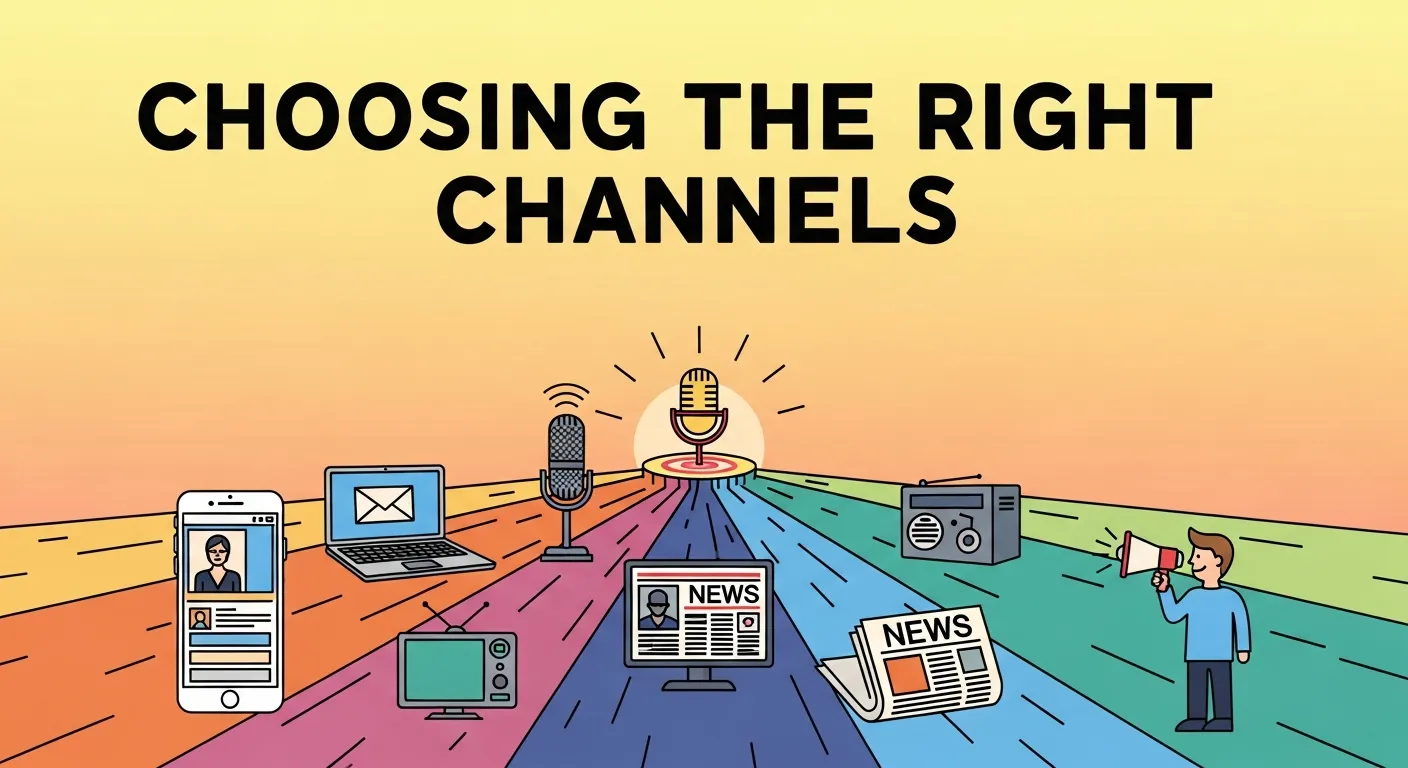
Not every audience is conducive to every channel of communication. The secret is not to surpassing the competition is to be where your prospects already are.
Popular Outbound Marketing Avenues
-
Email Marketing
Email provides a flexible and affordable method to connect with your potential customers. Platforms such as HubSpot or Mailchimp provide a way to automate responses, A/B test responses and gain insights on what works so you can perfect future campaigns. -
Cold Calling
And this oldy but goody never gets old and ineffective when contacting businesses directly. Have your call scripts be respectful, brief, and solution-oriented. -
Paid Advertising
You can run targeted campaigns with platforms such as Google Ads and LinkedIn Ads to target users who fall into certain demographics, have certain interests or live in a particular location. -
Direct Mail
For something more tactile, consider a direct mail campaign. A visually engaging postcard or brochure can make a lasting impact. -
Social Media Ads
The likes of Facebook, Instagram and Twitter make targeting possible and analytics make it possible to refine ad performance too.
The best channel(s) for your campaign will depend largely on who you’re trying to target. If you’re trying to reach decision-makers in a B2B industry, you might focus more on LinkedIn. For younger consumers, the success of social media platforms like Instagram and TikTok might pay dividends.
Results Measurement and Analysis

An idea is only as good as its effect. Measuring your outcomes is important for you to tell what worked and what didn’t.
Key Metrics to Track
-
Conversion Rate
How many actually did as you wished? If you’re trying to drive webinar signups, for example, track how many registrations were completed. -
Response Rate
How many people responded to your outreach — by email or cold call? -
Return on Investment (ROI)
Figure how much income the campaign brought in compared with money you spent on it. -
Customer Acquisition Cost (CAC)
Calculate your customer acquisition cost from your campaign. This also allows you to decide if your efforts would be viable from a financial point of view.
Optimize Based on Data
Utilize your results to perfect for next time. If a channel is under-performing in terms of ROI, then it may be time to shift your efforts to more successful channels!
Integrating Outbound with Inbound Strategies
Modern marketing success often comes from balancing outbound and inbound efforts. While outbound marketing campaigns proactively reach out to potential customers, inbound strategies draw them in through valuable, organic content. The magic happens when these two methods work together in harmony.
How to Combine Inbound and Outbound for Maximum Impact
-
Use Outbound to Amplify Inbound Content
Promote your top blog posts, webinars, or whitepapers through email campaigns or paid ads to attract high-quality leads. -
Retarget Warm Leads
Use outbound ads to re-engage website visitors who interacted with your inbound content but didn’t convert. -
Align Messaging Across Channels
Ensure your inbound and outbound messaging reflect a unified voice, tone, and offer.
| Strategy | Inbound Focus | Outbound Support |
|---|---|---|
| SEO Blog Content | Attracts organic traffic | Promote via email & paid ads |
| Webinars | Educate potential leads | Retarget attendees with offers |
| Case Studies | Build trust | Share through cold outreach |
By merging the two, you create a marketing ecosystem that nurtures leads at every stage of the buyer’s journey. For a deeper understanding of related strategies, explore faqs for marketing to uncover expert insights and practical guidance.
Outbound Marketing for Digital Products
When it comes to promoting software, apps, or online courses, outbound marketing campaigns can be a game-changer. Unlike traditional products, digital offerings rely heavily on awareness and quick conversions — both strengths of outbound methods.
Best Outbound Strategies for Digital Products
- Email Sequences for Free Trials – Nurture users from free trial to paid plan with personalized follow-ups.
- Targeted Ads – Use LinkedIn, Google, or Meta Ads to reach specific user segments like SaaS founders or e-commerce managers.
- Partnership Outreach – Collaborate with influencers or platforms that share your audience.
| Channel | Ideal Use | KPI to Measure |
|---|---|---|
| Email Campaigns | Lead nurturing | Conversion Rate |
| PPC Ads | Brand visibility | CTR / ROI |
| Webinars | Product education | Sign-ups |
Combining outbound efforts with educational content strengthens credibility and trust. If you’re exploring how this fits into a broader marketing framework, check out what is digital product marketing to understand how digital strategies can fuel your brand growth.
Outbound Product Marketing: Driving Awareness and Sales
Outbound product marketing focuses on promoting a specific product or feature to a targeted audience using outbound techniques like paid ads, events, and email outreach. It’s all about taking your product to the people rather than waiting for them to find it.
Key Tactics for Successful Outbound Product Marketing
- Product-Focused Messaging – Highlight core features and how they solve real customer problems.
- Event-Based Outreach – Announce new launches via webinars or trade shows.
- Customer Testimonials – Use success stories in outbound emails and ad creatives.
| Stage | Goal | Outbound Approach |
|---|---|---|
| Awareness | Introduce product | Paid ads, social promotion |
| Consideration | Educate leads | Email sequences, case studies |
| Conversion | Drive purchase | Personalized demos, limited-time offers |
The beauty of outbound product marketing lies in its speed and control — you decide who to target, when, and how. To dive deeper, explore what is outbound product marketing for a complete understanding of how it shapes modern go-to-market strategies.
What Does the Future of Outbound Marketing Hold?
Outbound marketing is not dead. Yet, the field is quickly changing with new technologies, tools and consumer habits.
Personalization Through AI
AI tools such as ChatGPT and Jasper are revolutionizing the way businesses write emails, ads, and outreach copy by integrating smarter, scalable personalization.
Omnichannel Approach
Bundling multiple channels into one cohesive strategy is more and more essential in the quest for outbound success.
Greater Focus on Data Privacy
Things have changed a lot on the privacy side of things (hello, GDPR), and businesses now need to be mindful of openness and compliance when it comes to outbound campaigns.
Start Your First Campaign Now
If you are ready to make an outbound marketing campaign which delivers, start by understanding your ideal client and writing messages that directly answer their problem. Feeling daunted? Don’t fret — we’ve got your back. Visit our tools and templates for resources to ensure your next campaign is a hit.
Frequently Asked Questions (FAQ) About Outbound Marketing Campaigns
1. What makes outbound marketing campaigns effective in today’s digital world?
Outbound marketing campaigns remain powerful because they allow businesses to proactively reach prospects instead of waiting for them to engage. When combined with data-driven targeting, personalization, and strong messaging, outbound efforts can generate awareness, drive leads, and nurture conversions quickly and efficiently.
2. How does outbound marketing differ from inbound marketing?
Inbound marketing focuses on attracting customers organically through valuable content like blogs, SEO, and social media, whereas outbound marketing takes a more direct approach—reaching audiences through email outreach, ads, and calls. Both play vital roles in a complete marketing ecosystem and can complement each other when strategically aligned.
3. What channels work best for outbound marketing campaigns?
The best channels depend on your target audience. Common outbound channels include email marketing, cold calling, paid ads, direct mail, and social media outreach. For B2B audiences, LinkedIn and email tend to perform best, while for B2C, paid ads and social platforms often yield higher engagement.
4. How can I measure the success of my outbound marketing campaign?
Measure your campaign’s performance using metrics such as conversion rate, response rate, ROI, and customer acquisition cost (CAC). Tracking these indicators helps you identify what’s working, optimize weaker areas, and refine your overall outbound strategy for future campaigns.
5. How does the product-promotion-funnel-outbound-marketing approach work?
The product promotion funnel outbound marketing approach moves potential customers through distinct stages: awareness, consideration, and conversion. Outbound tactics like cold emails or paid ads introduce your product (awareness), personalized follow-ups nurture interest (consideration), and strong calls-to-action close the sale (conversion). This structured process ensures consistency and improves lead quality.
6. What are some common mistakes to avoid in outbound marketing campaigns?
Common pitfalls include sending generic messages, ignoring data insights, overloading prospects with too many touchpoints, and neglecting follow-up communication. Avoiding these mistakes ensures your outreach feels personalized, purposeful, and respectful—leading to higher engagement and stronger relationships.
7. How has modern-event-marketing-evolution impacted outbound campaigns?
The modern event marketing evolution has transformed outbound strategies by integrating digital and physical touchpoints. Today’s marketers leverage virtual events, webinars, and hybrid conferences to connect with audiences in real time. These events serve as high-value outbound tools, combining live interaction with measurable digital engagement to amplify brand visibility and trust.
8. How can AI and automation improve outbound marketing results?
AI tools and marketing automation platforms streamline outreach by personalizing content, optimizing timing, and analyzing responses. This allows marketers to scale campaigns efficiently while maintaining relevance. AI also helps predict customer behavior, enabling smarter segmentation and better performance tracking across outbound channels.
9. What are the best ways for boosting-product-outbound-marketing-strategies?
You can start boosting product outbound marketing strategies by enhancing audience segmentation, improving personalization, and leveraging data analytics to refine your message. Incorporate multichannel outreach—email, paid ads, and calls—for better reach. Consistent testing and performance monitoring help optimize your strategy and ensure sustained success across all campaign stages.
10. Is outbound marketing still relevant in the era of social media and SEO?
Absolutely. Outbound marketing remains a vital part of the overall marketing mix. While social media and SEO build long-term visibility, outbound marketing accelerates brand exposure and creates direct customer touchpoints. A balanced strategy that integrates both delivers the best results in today’s competitive digital landscape.
Discover essential tools and techniques in our guide on how to learn ORM and protect your online identity