Social Selling: Mastering Relationship-Based Marketing Today
Social selling leverages authentic relationship-building to transform traditional marketing and sales strategies. By engaging prospects personally, nurturing trust, and providing value, businesses can drive higher conversions, strengthen customer loyalty, and thrive in today’s digitally connected marketplace.
In a marketplace saturated with advertisements and promotional content, social selling has emerged as the differentiator between brands that merely survive and those that genuinely thrive. Unlike traditional selling methods that push products aggressively, social selling operates on a fundamentally different philosophy: establishing authentic connections before commercial transactions. We’ve witnessed firsthand how relationship-centered approaches consistently outperform conventional sales techniques.
Beyond the Transaction: Understanding Social Selling
Social selling isn’t merely about leveraging social media platforms to promote products—it signifies a profound shift in the way businesses cultivate customer relationships. At its core, social selling moves beyond transactional thinking, prioritizing trust, value, and expertise over immediate sales. It recognizes a simple yet powerful truth about human behavior: people prefer to buy from individuals and brands they know, like, and trust. This understanding transforms the sales process from a push-oriented activity into a relationship-driven journey.
Unlike traditional sales strategies that focus heavily on closing deals or generating leads quickly, social selling emphasizes long-term relationship cultivation. Practitioners invest time in engaging meaningfully with their audience, thoughtfully interacting with their content, and contributing valuable insights to discussions. They become consistent, reliable voices within their communities, providing guidance, answering questions, and sharing expertise without the expectation of immediate returns. Over time, these small, deliberate actions build significant “relationship capital” that naturally evolves into opportunities for collaboration, partnership, and revenue.
Furthermore, social selling thrives on personalization and authenticity. Instead of broadcasting generic messages, professionals tailor interactions based on audience needs, behaviors, and interests. For example, commenting on a prospect’s post with insightful feedback or sharing industry resources aligned with their goals signals genuine investment in their success. This not only establishes credibility but also fosters emotional connections, which are increasingly influential in purchase decisions.
The modern buyer’s journey is complex and multi-faceted. Social selling recognizes that people interact with multiple touchpoints before making a decision. By consistently showing up as a knowledgeable and helpful presence, brands and individuals can shape perceptions, influence decisions, and position themselves as trusted advisors rather than mere vendors. In essence, social selling transforms sales from a numbers game into a human-centric approach, where meaningful interactions pave the way for sustainable business growth.
In a world where attention is scarce and trust is the ultimate currency, businesses that embrace social selling gain a competitive edge—turning engagement into opportunity, followers into loyal customers, and transactions into lasting relationships.
The Trust Economy and Its Impact
We now operate within what some marketing experts call the “trust economy”—an environment where consumer trust has become the scarcest and most valuable resource. According to research from Edelman’s Trust Barometer, nearly 70% of consumers actively avoid advertisements while simultaneously seeking authentic brand connections. This paradox creates the perfect conditions for social selling to thrive.
Trust development follows predictable psychological patterns. Consumers typically require multiple positive interactions before considering a purchase—particularly for significant investments. Social selling strategically creates these positive touchpoints through consistent, value-focused engagement rather than interruptive promotional messaging.
Content as Relationship Currency

In the world of social selling, content acts as the primary currency for building trust, authority, and meaningful relationships. Thoughtfully crafted content demonstrates expertise while signaling genuine concern for your audience’s challenges, transforming ordinary interactions into valuable relationship-building opportunities.
Unlike traditional advertising, which often pushes products, social selling thrives on value-driven content. When businesses consistently share resources, insights, and guidance tailored to their audience, they cultivate trust and credibility. This strategy helps create what sociologists call “parasocial relationships”—a phenomenon where audience members feel a sense of connection with the content creator, even with minimal direct interaction. Over time, these small engagements accumulate into significant relational equity that can influence decision-making and loyalty.
Key Principles of Effective Content in Social Selling:
- Address Specific Pain Points – Identify the challenges your audience faces and create content that offers actionable solutions.
- Provide Value Before Selling – Share insights and resources that are useful even without a direct product or service pitch.
- Maintain Consistent Voice and Values – Authenticity and alignment with your brand’s principles help establish credibility and trust.
- Engage in Ongoing Dialogue – Encourage comments, discussions, and questions to turn content into two-way engagement rather than a monologue.
Here’s a quick overview of content types and their relationship-building impact:
| Content Type | Purpose | Relationship Impact |
|---|---|---|
| Educational Articles & Blog Posts | Provide solutions, insights, and guidance | Establishes expertise and trust |
| Case Studies & Success Stories | Demonstrate real-world value and results | Builds credibility and relatability |
| How-to Videos & Tutorials | Show practical application of knowledge | Fosters engagement and authority |
| Thought Leadership Posts | Share perspectives and predictions | Positions creator as a trusted advisor |
| Curated Resources & Industry Insights | Aggregate helpful tools or news | Signals genuine care for audience needs |
One of the most effective strategies is linking content to relevant real-world applications, helping the audience see tangible value. For example, businesses exploring innovations in manufacturing can share insights like how AR is transforming production processes. Including such practical examples strengthens credibility and keeps content highly relevant.
Ultimately, the goal of content in social selling is not immediate conversion—it’s about relationship creation and nurturing over time. When audiences feel that your content consistently helps them, they are more likely to engage, share, and ultimately consider your solutions when the need arises. In other words, content is the bridge between brand awareness and lasting trust, turning passive audiences into loyal advocates.
Listening as Competitive Advantage

One of the most overlooked aspects of effective social selling is the ability to listen deeply and strategically. While many organizations focus on outreach, messaging, and content creation, the true foundation of relationship-based marketing lies in understanding your audience at a granular level. Before meaningful relationships can be built, businesses must immerse themselves in the world of their prospects—grasping their concerns, aspirations, motivations, language patterns, and contextual realities.
Why Listening Matters
Digital listening goes far beyond traditional market research. While conventional surveys or focus groups provide structured insights, social listening captures authentic, unprompted perspectives—the kind of spontaneous conversations that reveal genuine pain points and opportunities. By tuning into these organic interactions, businesses can:
- Identify emerging trends and anticipate customer needs before competitors.
- Understand customer language, enabling messaging that resonates authentically.
- Detect friction points in the buyer journey to provide proactive solutions.
- Measure sentiment and perception, offering insight into brand reputation and trust levels.
When organizations demonstrate that they truly understand their audience before attempting to sell, they create psychological affinity and trust—an essential ingredient for social selling success. Research from LinkedIn’s State of Sales Report shows that sales professionals who excel in social listening convert prospects at rates 45% higher than those who rely mainly on outbound messaging. This is not just a statistic; it underscores that listening is not passive—it is a strategic tool for driving measurable results.
Key Elements of Effective Social Listening
| Element | Description | Business Impact |
|---|---|---|
| Conversation Monitoring | Track comments, questions, and mentions on social platforms | Understand direct audience needs and pain points |
| Industry Trend Analysis | Follow broader discussions, hashtags, forums, and thought leadership | Identify emerging opportunities and market shifts |
| Competitor Insights | Observe competitor content, engagement, and customer feedback | Benchmark strategies and uncover gaps |
| Sentiment Analysis | Evaluate positive, neutral, and negative audience sentiment | Adjust messaging and engagement strategies proactively |
| Contextual Understanding | Consider timing, cultural context, and buyer journey stage | Tailor solutions and communications for maximum resonance |
Implementing Listening in Your Social Selling Strategy
- Systematic Monitoring: Use social listening tools to track relevant conversations in real time. Tools like LinkedIn, Twitter, Reddit, and industry forums provide rich, unfiltered insights.
- Engage Thoughtfully: Respond to conversations with empathy and relevance. Acknowledging audience perspectives before pitching solutions strengthens trust.
- Analyze and Act: Turn collected insights into actionable strategies—inform content creation, sales approaches, and product innovations.
- Measure Impact: Track how listening-driven engagements influence relationship growth, lead quality, and conversion metrics over time.
In essence, social selling without active listening is like navigating in the dark. By understanding the subtle nuances of your audience’s needs, businesses can not only craft more resonant messages but also position themselves as trusted advisors rather than mere sellers, transforming interactions into long-term relationships.
Successful social selling is not just about outreach—it’s about systematically nurturing relationships that mirror the natural progression of human connections. Just as friendships develop gradually through trust, shared experiences, and mutual understanding, professional relationships in social selling follow recognizable stages. Understanding and intentionally applying these stages ensures that engagements are authentic, meaningful, and ultimately fruitful.
Stages of Relationship Development
-
Awareness Phase
This is the stage where potential customers first encounter your expertise. It might happen through blog posts, social media commentary, webinars, or shared resources. The goal here is to make a positive first impression and establish your presence in their field of interest. At this stage, businesses should focus on providing insightful, non-promotional content that highlights knowledge and relevance. -
Connection Phase
Once awareness is established, the next step is to initiate direct interaction. This could include connecting on professional networks, responding to comments, or sending personalized messages. The aim is to establish familiarity, signaling that you are approachable and genuinely interested in their perspective. This phase sets the foundation for deeper engagement by demonstrating attentiveness and authenticity. -
Relevance Phase
At this stage, you consistently demonstrate that you understand the specific needs, challenges, and aspirations of your audience. Sharing targeted resources, solutions, or advice tailored to their context signals that your engagement is not generic but highly relevant. This phase is about value-driven interaction: the more consistently you provide meaningful insights, the stronger the relational bond becomes. -
Trust Phase
Trust emerges when your audience experiences consistent reliability and alignment of values over time. This is achieved through regular engagement, delivering on promises, and maintaining a professional yet approachable demeanor. At this stage, social selling transitions from being merely informative to being dependably supportive, positioning you as a credible advisor. -
Advocacy Phase
The final stage represents the maturation of the relationship. When trust is established, relationships evolve into mutually beneficial collaborations, repeat business, and advocacy. Customers may become referral sources or brand ambassadors, actively promoting your value to their network. At this stage, the relationship is no longer transactional—it is reciprocal and sustainable.
Relationship Cultivation at a Glance
| Phase | Key Activities | Objectives | Outcome |
|---|---|---|---|
| Awareness | Share valuable content, comment thoughtfully | Build initial visibility | Audience recognizes expertise |
| Connection | Personalized outreach, respond to interactions | Establish familiarity | Initial rapport and engagement |
| Relevance | Tailored insights, actionable guidance | Demonstrate understanding | Audience sees your relevance to their needs |
| Trust | Consistent presence, reliable communication | Build credibility and reliability | Audience considers you a trusted advisor |
| Advocacy | Collaborative opportunities, referrals, repeat engagements | Strengthen long-term loyalty | Relationships turn into partnerships and advocacy |
Key Takeaways
-
Authenticity is Non-Negotiable: Attempts to rush through these phases compromise trust and relationship quality. Just as genuine friendships take time, so too do business relationships.
-
Consistency Wins: Small, consistent positive interactions often outweigh large, sporadic efforts. Regular engagement fosters familiarity, relevance, and trust.
-
Relationship Capital Drives Results: By following this framework, businesses transform superficial interactions into meaningful connections, which in turn drive referrals, repeat business, and long-term growth.
In social selling, the Relationship Cultivation Framework serves as a blueprint for turning casual audience engagement into strategic, high-value relationships. Understanding that each stage builds upon the previous one ensures that every action—be it a comment, post, or personalized message—contributes to authentic relationship development.
Implementing Social Selling Strategically
Implementing social selling effectively requires rethinking traditional sales and marketing structures. The conventional approach often treats marketing and sales as separate silos, with marketing generating leads and sales focusing on closing deals. Social selling, however, demands a holistic, integrated approach where both disciplines collaborate closely to deliver a seamless customer experience. When done strategically, social selling transforms sporadic outreach into relationship-driven growth.
Core Principles for Strategic Implementation
- Integrated Marketing and Sales Functions
Successful social selling blurs the line between marketing and sales. Teams share responsibility for building and nurturing relationships rather than simply passing leads back and forth. Unified messaging ensures that the audience receives consistent value and insights across all touchpoints, reinforcing credibility and trust. - Comprehensive Social Listening Systems
Listening is the foundation of strategic social selling. Businesses implement systems to monitor relevant conversations across social platforms, forums, and industry networks. This allows teams to identify opportunities, understand evolving audience needs, and respond in real time with relevant insights. - Relationship Management Processes
Tracking meaningful interactions over time is critical. Social selling requires detailed relationship management, noting not just who engages, but how, when, and around what topics. By documenting these touchpoints, teams can personalize future interactions, nurture prospects at the right pace, and strengthen trust. - Value-Centered Content Strategies
Content is not just collateral; it is the currency of relationships. Successful practitioners craft content that addresses specific audience challenges, offers actionable insights, and reinforces expertise. Importantly, this content strategy aligns with listening insights and relationship goals to maximize relevance. - Engagement Protocols Focused on Conversation
Social selling is fundamentally relationship-oriented, not promotional. Teams establish protocols that encourage meaningful dialogue rather than one-way broadcasting. Examples include thoughtful commenting on posts, sharing insights in group discussions, and providing guidance without an immediate sales ask. - Measurement Frameworks Beyond Conversions
Traditional KPIs like leads and revenue are insufficient in social selling. Strategic implementation includes metrics that capture relationship development, such as engagement quality, network growth, influence, and advocacy. Tracking these alongside traditional conversion metrics provides a more holistic view of social selling success.
Strategic Implementation Framework at a Glance
| Element | Description | Implementation Tips | Impact |
|---|---|---|---|
| Integrated Marketing & Sales | Shared ownership of audience engagement | Align messaging, plan joint campaigns | Consistent customer experience, higher trust |
| Social Listening Systems | Monitor conversations across platforms | Use tools for real-time insights, trends, and sentiment | Identify opportunities early, understand audience needs |
| Relationship Management | Track interactions and touchpoints | Maintain CRM notes, interaction history | Personalized, meaningful engagement |
| Content Strategy | Value-driven content aligned with audience needs | Blog posts, videos, guides, social shares | Builds authority, nurtures trust |
| Engagement Protocols | Conversation-focused interactions | Comment, share insights, answer questions | Strengthens connections, fosters dialogue |
| Measurement Framework | Metrics beyond sales | Track engagement quality, advocacy, relationships | Holistic performance evaluation, long-term growth |
Best Practices for Success
- Align Goals Across Teams: Marketing and sales must agree on shared KPIs, communication cadence, and engagement responsibilities.
- Prioritize Listening and Insights: Data from social listening should inform content creation, outreach timing, and messaging strategies.
- Document Every Interaction: A well-maintained relationship management system ensures that engagements are purposeful and contextually relevant.
- Focus on Value Before Selling: Always provide guidance, insights, and solutions before attempting to pitch products or services.
- Measure Relationship Equity: Develop KPIs that capture network influence, engagement depth, and audience advocacy alongside traditional sales metrics.
By implementing social selling strategically, businesses move from transactional interactions to relationship-driven growth, where trust, engagement, and consistent value delivery form the foundation of sustainable success. This approach not only improves conversion rates but also strengthens brand reputation, builds long-term loyalty, and transforms customers into advocates.
Measuring What Matters
Traditional sales metrics focusing exclusively on short-term conversions often undervalue social selling’s relationship-building power. Sophisticated practitioners develop balanced measurement approaches that consider both relationship development indicators and traditional sales outcomes.
Meaningful metrics include engagement quality (not merely quantity), conversation depth, content utilization patterns, relationship progression markers, and ultimately, conversion rate improvements over time. Particularly valuable are indicators showing audience members independently advocating for your expertise—perhaps the strongest signal of successful relationship development.
The Future of Connection-Based Commerce
As digital spaces become increasingly crowded, relationship differentiation will only grow more valuable. Businesses that master authentic connection development will maintain sustainable competitive advantages that cannot be easily replicated through technological or pricing strategies alone. The future belongs to organizations that understand that in an age of algorithmic filtering and information overload, human connection remains the ultimate differentiator.
At BrandsDad, we’ve consistently found that businesses embracing relationship-centered approaches outperform competitors focused solely on transactional interactions. The most successful organizations recognize that social selling isn’t merely another tactical approach—it represents fundamental realignment around relationship value as the primary business asset.
The businesses that thrive tomorrow will be those that authentically connect today. Social selling doesn’t merely represent a new channel for sales activities; it embodies a fundamentally different philosophy about how businesses create sustainable value through relationship cultivation.
Frequently Asked Questions (FAQ)
1. What exactly is social selling?
Social selling is the practice of using social platforms to build trust, nurture relationships, and influence purchase decisions—long before a formal sales pitch. Instead of cold outreach and promotions, social sellers share valuable insights, engage in conversations, and position themselves as trusted advisors. The goal is to turn authentic engagement into sustainable sales opportunities.
2. How does social selling complement traditional sales and marketing efforts?
Social selling acts as a bridge between marketing’s storytelling and sales’ relationship development. While traditional sales focus on closing deals and marketing often focuses on lead generation, social selling creates ongoing engagement that generates insights, trust, and deeper buyer intent. Together, these functions provide a unified customer experience that drives conversions more meaningfully.
3. How does social listening help build better customer relationships?
Social listening goes beyond surface-level analytics by tracking real conversations, sentiment, and unmet needs across social channels. It captures authentic insights, enabling teams to tailor responses, refine messaging, and anticipate challenges. Listening well communicates that you’re not just selling—you’re understanding and supporting your audience, which builds affinity and credibility.
4. How should teams structure their content for social selling success?
Content for social selling should be crafted to educate, inspire, and solve problems, not just promote products. Formats like how-to videos, thought leadership posts, case studies, and curated resources build credibility and keep audiences engaged across the buyer journey. Valuable content becomes the foundation for future conversations, referrals, and long-term trust.
5. What role does consistency play in social selling?
Consistency is foundational. Posting sporadically or only when trying to sell weakens trust. However, regular engagement with thoughtful content, responsive interactions, and continuous listening signals reliability and genuine interest—two key factors that help relationships mature from awareness to advocacy.
6. What is outbound marketing for product promotion, and how does it relate to social selling?
Outbound marketing for product promotion refers to proactive outreach and messaging designed to generate interest, often using direct pushes to targeted audiences. For a detailed understanding of how outbound strategies work in product campaigns, you can explore this reference: https://outboundmarketo.com/outbound-marketing-for-product-promotion/ — which explains practical applications in modern go-to-market efforts.
7. How do inbound and outbound strategies differ in a social selling context?
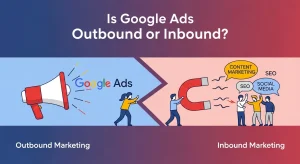
Inbound strategies attract prospects through helpful content and organic engagement, while outbound strategies proactively reach targeted audiences with tailored messaging. Both have value: inbound builds long-term relationship capital, and outbound accelerates reach. A smart social selling approach often uses a blend — organic engagement layered with strategic outbound touches — to maximize visibility and resonance.
8. What is a product promotion funnel in outbound marketing, and where does it fit with social selling?
A product promotion funnel in outbound marketing outlines how outbound activities guide prospects from awareness to purchase through targeted touchpoints. It can provide structure for social selling initiatives that involve proactive outreach. Learn more about how such funnels are designed and applied at this link: https://outboundmarketo.com/product-promotion-funnel-outbound-marketing/ — it offers a practical framework that complements relationship-driven engagement.
9. How do you know when to use inbound vs. outbound product marketing in your strategy?
The choice between inbound and outbound product marketing depends on audience behavior, goals, and resources. Inbound emphasizes attraction through value (e.g., educational posts, SEO, community engagement), while outbound focuses on direct outreach and proactive messaging. For a comparison of these approaches and guidance on selecting the right mix for your business, check out: https://outboundmarketo.com/what-is-inbound-vs-outbound-product-marketing/ — it clearly explains when and why each strategy works best.
10. How long does it take to see results from social selling?
Social selling is a long-game strategy. Some engagement and relationship building may show results in weeks, but deeper trust and revenue impact often take months of consistent effort. The focus should be on gradual relationship development, cumulative value delivery, and purposeful engagement — not quick wins. Over time, these efforts convert into stronger partnership opportunities, repeat business, and referral networks.