Is PR Inbound or Outbound Marketing?
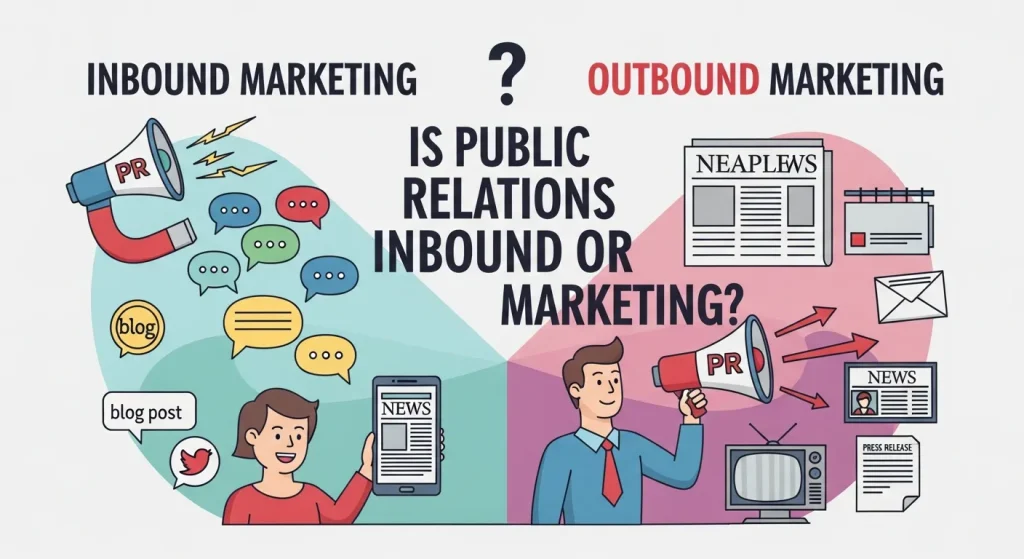
Discover whether public relations (PR) is inbound or outbound marketing. Learn how Public Relations bridges the gap between brand awareness and audience engagement, and how understanding its role can help you create a more effective, integrated marketing strategy.
Public relations plays a crucial role in shaping how a brand communicates, builds trust, and maintains its reputation. Yet, as marketing strategies evolve, many professionals question whether Public Relations belongs to inbound or outbound marketing. Understanding this distinction helps businesses align their communication efforts more strategically. In this article, we’ll explore where PR fits, how it supports both inbound and outbound initiatives, and why it remains a vital part of any modern marketing mix.
The Traditional View: Public Relations as Outbound Marketing
Historically, public relations has been categorized as an outbound marketing tactic. This classification stems from Public Relations traditional focus on pushing messages outward to audiences through media outlets, press releases, and public statements. Much like other outbound strategies, PR involves reaching out to journalists, publications, and influencers to secure coverage for a brand or organization.
When a company distributes a press release announcing a new product, or when a Public Relations team pitches a story to journalists, they’re initiating the communication. These activities align with the fundamental nature of outbound marketing—proactively pushing messages out to potential customers rather than waiting for them to find you.
But as digital transformation has reshaped the marketing landscape, public relations has evolved in ways that blur these traditional boundaries.
The Modern Perspective: Public Relations Inbound Elements
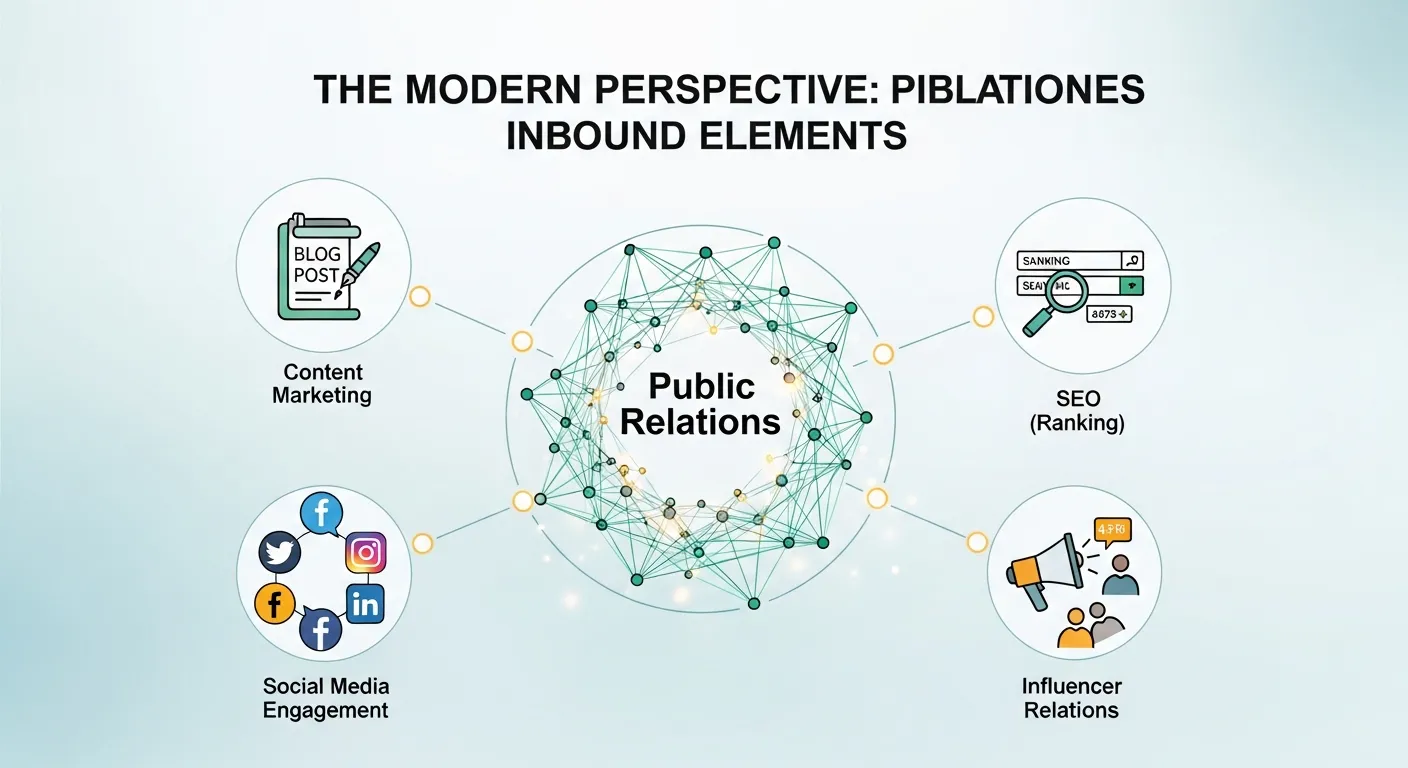
Today’s public relations strategies incorporate significant inbound marketing elements. When content created through Public Relations efforts—such as thought leadership articles, interviews, or media mentions—appears online, it often serves as valuable content that attracts audiences organically. This content can:
- Improve search engine rankings through high-quality backlinks from reputable publications
- Build credibility and trust with audiences who discover the brand through respected third-party sources
- Generate long-term value as articles remain online indefinitely, continuing to draw new audiences
According to a study by Cision on the evolution of Public Relations, earned media—a primary output of Public Relations efforts—increasingly fuels content marketing strategies that are fundamentally inbound in nature. When a potential customer searches for information and discovers your brand through a media article, that journey resembles typical inbound marketing pathways.
PR as an Integrated Marketing Component
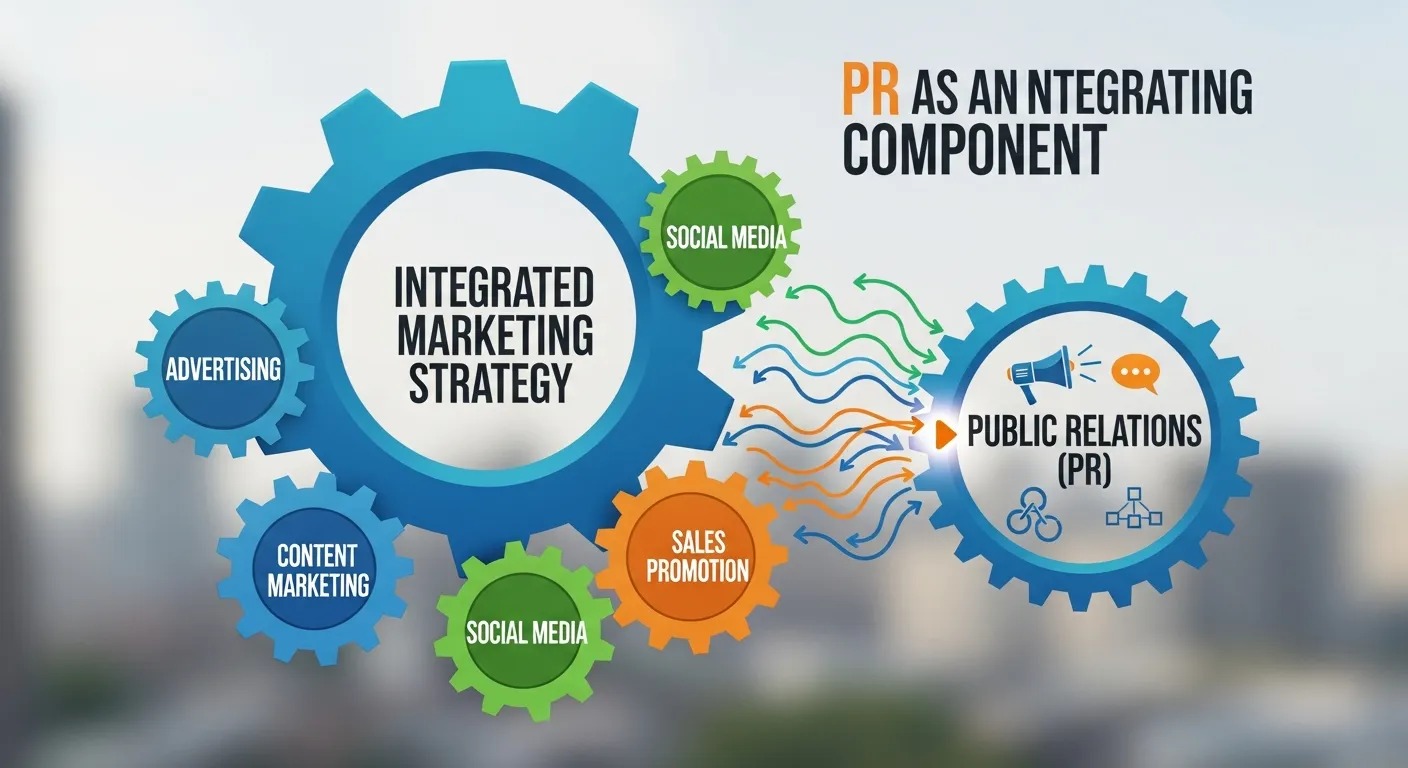
The most accurate way to view modern Public Relations is neither purely as inbound nor outbound marketing, but as a hybrid approach that spans both methodologies. Effective public relations creates a feedback loop where outbound tactics generate earned media that subsequently functions as inbound content.
Consider these examples:
Outbound Public Relations activities:
- Pitching stories to journalists
- Distributing press releases
- Conducting media outreach campaigns
- Organizing press conferences
Resulting inbound benefits:
- Media coverage that drives organic traffic
- Increased brand awareness leading to direct search traffic
- Earned backlinks that improve SEO performance
- Content that educates prospects at various stages of the buyer’s journey
At Outbound Marketo, we’ve found that the most successful marketing strategies integrate Public Relations activities with both inbound and outbound approaches. This integration creates powerful synergies that maximize reach while building long-term authority in your market.
The Role of PR in Product Marketing
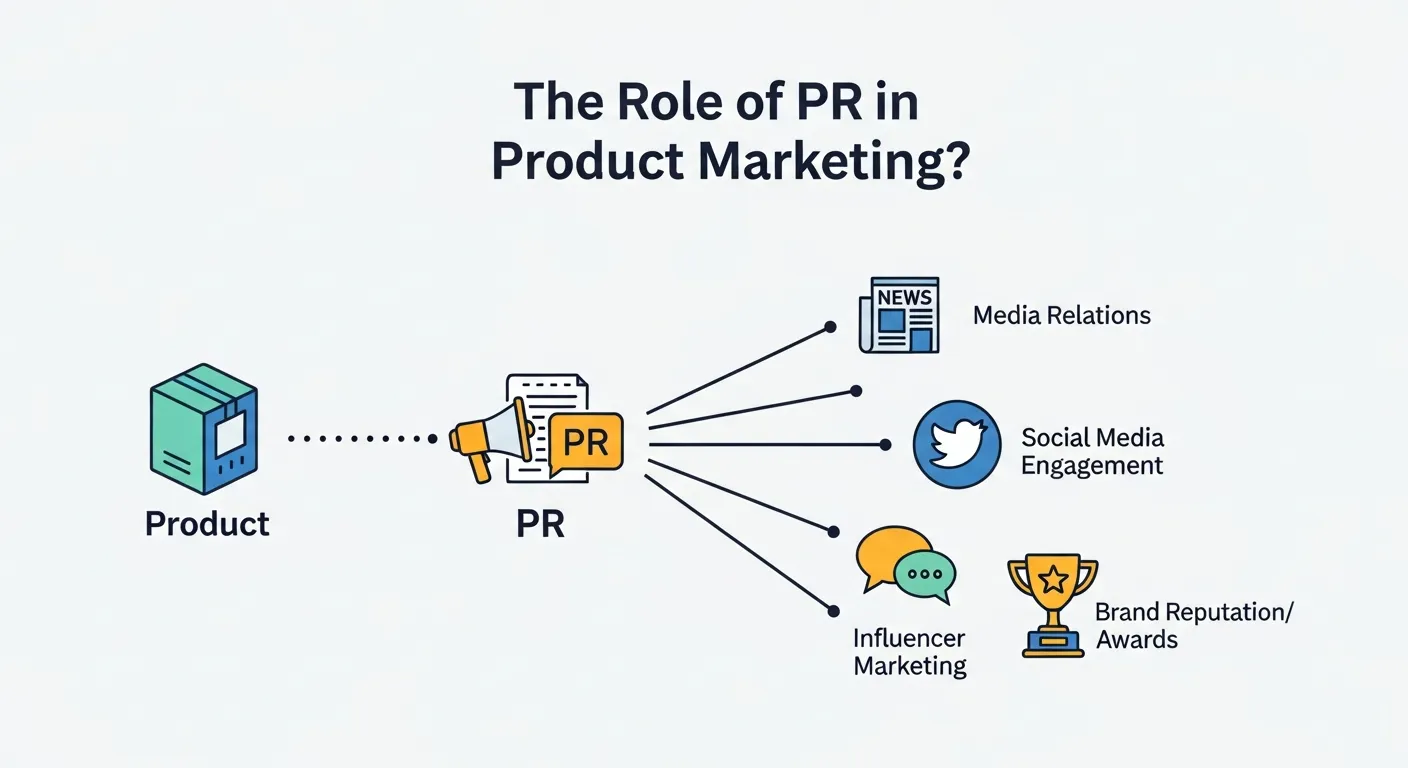
Public relations and product marketing often work hand-in-hand to drive awareness, credibility, and trust. While product marketing focuses on positioning and messaging, PR amplifies that message through earned media and public exposure. Together, they help shape how audiences perceive a brand’s value and innovation.
How PR Supports Product Marketing:
- Launches new products through press releases and media events
- Secures third-party validation from trusted media sources
- Enhances storytelling around product features and benefits
- Builds long-term brand reputation beyond advertising
PR vs. Product Marketing Goals
| Aspect | PR Objective | Product Marketing Objective |
|---|---|---|
| Focus | Brand reputation & visibility | Product positioning & sales enablement |
| Primary Audience | Media, public, stakeholders | Customers, prospects, and internal teams |
| Tactics | Press releases, interviews, reputation management | Product demos, messaging, market analysis |
| Outcome | Earned credibility & trust | Clear product differentiation & adoption |
By combining PR strategies with product marketing, businesses can strengthen launch campaigns and generate more meaningful engagement across both inbound and outbound channels.
Leveraging Public Relations Through Social Media Marketing
Social media marketing has revolutionized how Public Relations messages are distributed and received. Modern PR campaigns now rely heavily on digital platforms to share stories, manage crises, and engage audiences directly. Rather than relying solely on traditional media, brands use social platforms to extend their PR reach organically.
How Social Media Enhances PR Impact:
- Enables real-time audience interaction and engagement
- Helps control brand narratives during crises
- Expands reach through influencer collaborations
- Encourages user-generated content that boosts credibility
Traditional PR vs. Social Media PR
| Channel Type | Communication Style | Engagement Level | Content Longevity |
|---|---|---|---|
| Traditional PR | One-way (press releases, media coverage) | Low to moderate | Long-term through articles |
| Social Media PR | Two-way (posts, replies, stories) | High and immediate | Short-term but repeatable |
Integrating social media marketing into Public Relations efforts not only humanizes the brand but also creates a continuous feedback loop between media exposure and audience sentiment.
Public Relations and Customer Feedback: The Overlooked Connection
Strategic Implications for Marketers
Understanding Public Relations dual nature has significant implications for your overall marketing strategy.
First, it’s essential to measure Public Relations success through both outbound and inbound lenses. Traditional metrics such as media coverage, brand mentions, and press impressions reveal the immediate impact of your outreach. However, Public Relations influence extends far beyond these numbers. To capture its full value, also track long-term inbound results—such as organic traffic growth, social engagement, and lead conversions that stem from earned media visibility. This balanced approach ensures you’re not only generating buzz but also driving meaningful business outcomes.
Second, develop Public Relations content with SEO and discoverability in mind. When crafting press releases or collaborating with journalists, incorporate relevant keywords and topics that align with your inbound content strategy. This helps your brand appear in more search results, allowing earned media to continue attracting audiences long after initial publication.
Third, maximize the lifespan of your Public Relations efforts by repurposing earned media across your owned channels. Turn media features into blog posts, newsletter highlights, or social snippets to maintain visibility and reinforce credibility. According to the Content Marketing Institute, repurposing Public Relations -generated content can boost its effectiveness by up to 300% through extended reach and repeated exposure.
By viewing Public Relations as both an outbound amplifier and an inbound engine, marketers can turn every media opportunity into a long-term growth asset.
The Verdict: PR Transcends the Binary Classification
Rather than forcing public relations into either the inbound or outbound category, it’s better to see it as a bridge connecting both. Modern PR starts with outbound efforts—press releases, media pitches, or public statements—aimed at generating awareness and credibility through earned media coverage.
But that’s only half the story. The attention and trust created through these outbound activities often fuel inbound marketing success. When audiences discover positive news articles, interviews, or mentions, they’re more likely to visit your website, engage with your content, and become long-term followers.
This combination makes PR uniquely powerful. It blends proactive outreach with organic attraction—initiating conversations while building lasting relationships.
So, when someone asks whether PR is inbound or outbound marketing, the most accurate answer is:
“It’s both—and that’s exactly what makes it so valuable.”
Frequently Asked Questions (FAQ)
1. Is PR considered inbound or outbound marketing?
PR traditionally falls under outbound marketing because it involves proactive outreach to media and audiences. However, in the digital era, PR also creates inbound value through online visibility, backlinks, and organic brand discovery—making it a hybrid strategy.
2. How does PR contribute to inbound marketing success?
Public relations supports inbound marketing by generating valuable content like interviews, articles, and press coverage that attract visitors organically. These earned mentions enhance SEO, boost brand credibility, and increase long-term visibility without paid promotion.
3. In what ways does PR align with outbound marketing?
PR aligns closely with outbound marketing through activities like media pitching, event organization, and press releases. These proactive tactics push brand messages outward, helping brands reach larger audiences and shape public perception strategically.
4. Can PR and social media marketing work together effectively?
Absolutely. PR and social media marketing complement each other by extending message reach and creating real-time engagement opportunities. Social media amplifies PR efforts, making campaigns more interactive, measurable, and audience-driven than ever before.
5. How does PR enhance product marketing outcomes?
When PR is integrated into product marketing, it strengthens messaging, credibility, and public trust. A well-executed PR launch can secure valuable media coverage, generate buzz, and position your product as a market leader in its category.
6. What role does PR play in social-selling-the-subtle-art-of-relationship-based-marketing?
PR plays a foundational role in social selling the subtle art of relationship based marketing by building authentic connections with audiences and influencers. Through storytelling and consistent brand communication, Public Relations nurtures trust—the essential element of long-term customer relationships.
7. How does PR help in boosting-product-sales-with-powerful-outbound-marketing-strategies?
By securing media coverage, organizing press events, and driving publicity, PR becomes a key part of boosting product sales with powerful outbound marketing strategies. It ensures your product gains attention through earned channels, complementing direct sales and advertising efforts.
8. Why-outbound-marketing-should-be-part-of-every-product-launch-plan?
Because proactive communication ensures visibility from day one. Incorporating Public Relations -driven outreach into your strategy exemplifies why outbound marketing should be part of every product launch plan it builds anticipation, generates media buzz, and creates immediate awareness across target markets.
9. How does PR integrate customer feedback into its strategy?
Modern Public Relations teams monitor online mentions, reviews, and audience sentiment to understand how their messages are received. By analyzing customer feedback, brands can adjust tone, clarify misunderstandings, and maintain authenticity across all communication channels.
10. What are the key metrics for measuring Public Relations effectiveness?
Marketers should track both short- and long-term indicators, such as media mentions, backlinks, referral traffic, engagement rates, and conversion impact. These metrics reveal how Public Relations influences brand perception, SEO authority, and overall marketing ROI.