Personalization Strategies to Transform Outbound Marketing

In today’s competitive environment, generic outbound outreach struggles to capture audience attention. Prospects anticipate communications that address their unique requirements, preferences, and behaviors. Integrating personalization strategies for outbound marketing has emerged as the crucial factor that transforms outreach from overlooked to highly engaging. By aligning each message with individual motivations, brands foster deeper connections and drive higher conversion rates. This comprehensive article delves into how marketers can adopt tailored tactics to refine their outbound campaigns, optimize resource allocation, and achieve measurable gains.
As digital channels multiply, crafting messages that resonate with recipients is indispensable in today’s digital landscape. According to a study by Pew Research, consumers are more responsive when content speaks directly to their interests (https://www.pewresearch.org/). Meanwhile, organizations that harness data intelligently witness significant uplifts in campaign performance. Over the next sections, we will explore foundational concepts, from creating a unified customer profile to leveraging machine learning for hyper-personalization. If you’ve been searching for proven personalization strategies for outbound marketing, you’re in the right place.
Understanding the Impact of Personalized Outbound Outreach
Implementing personalization strategies for outbound marketing begins with recognizing why audiences expect more tailored communications. Rather than generic blasts, recipients desire relevance: messages that reflect their past interactions, industry-specific challenges, and anticipated needs. Research from the U.S. Census Bureau indicates that segmented communications can increase engagement by up to 50% (https://www.census.gov/). Such improvements stem from perceived value—when customers feel seen and understood, they are far more likely to engage meaningfully.
True personalization encompasses more than addressing someone by name. It requires leveraging intent signals, behavioral patterns, and firmographics to inform the timing, tone, and content of each touchpoint. For instance, if a prospect recently downloaded a whitepaper on cloud security, referencing that interest in a follow-up email demonstrates attentiveness and builds credibility. By treating data as the foundation for conversation, marketers can guide prospects along the buying path more effectively.
Moreover, well-executed personalization shortens sales cycles. When communications align precisely with where a prospect stands—whether evaluating solutions or ready to purchase—marketers eliminate friction and deliver the right resources at the right moment. As a result, average deal velocity improves, and overall marketing spend generates stronger ROI. Embracing personalization strategies for outbound marketing today sets the stage for sustained growth and lasting customer loyalty in this year (2026).
Building a Unified Data Infrastructure
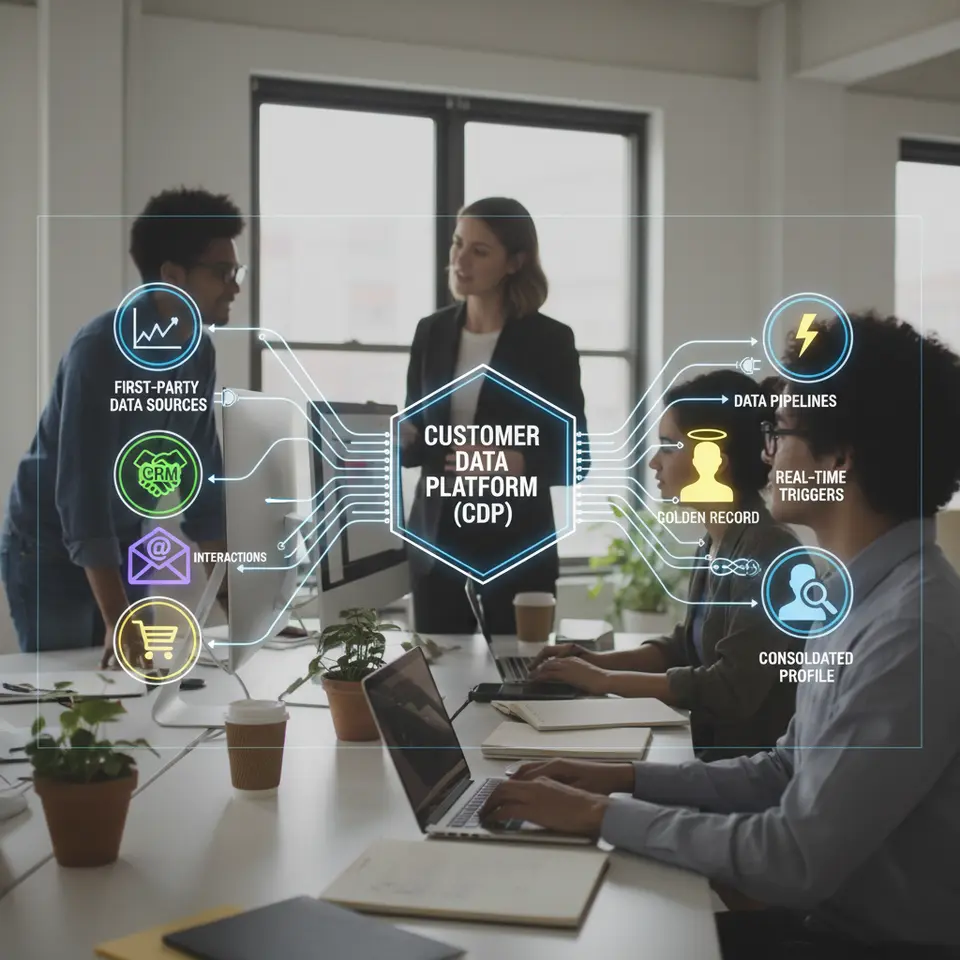
Before deploying any personalized initiative, organizations must establish a robust data framework. Fragmented information across disconnected systems undermines consistency and leads to conflicting customer experiences. The goal is to unify first-party sources—ranging from website analytics to CRM records—into a single repository. This consolidated view empowers teams to craft messages based on a buyer’s complete profile rather than siloed snapshots.
Collecting Comprehensive First-Party Signals
Effective personalization strategies for outbound marketing rest on diverse data types, including:
- Behavioral Insights: Track page visits, content downloads, and email interactions to identify intent.
- Demographic Attributes: Capture roles, industries, and geographic location to tailor language and offers.
- Firmographic Metrics: Note company size, annual revenue, and technology investments for context.
- Transactional Records: Record purchase history, subscription status, and contract details to inform upsell or renewal outreach.
By focusing on high-quality first-party data, marketers stay compliant with privacy regulations and ensure messages are grounded in genuine customer activity.
Integrating Systems for Holistic Profiles
Once data sources are identified, integration is critical. Many organizations leverage a Customer Data Platform (CDP) or API-based middleware to bridge CRMs, marketing automation platforms, and analytics dashboards. This connection creates a golden record for each contact, presenting a unified repository of past behaviors and predictions. Having a single source of truth not only streamlines campaign execution but also prevents redundant or contradictory communications.
Centralization also facilitates real-time personalization. For example, if a prospect attends a webinar, that event information can immediately trigger a tailored follow-up sequence. As companies refine personalization strategies for outbound marketing, system integration becomes the linchpin that unlocks timely, context-aware outreach.
Precision Audience Segmentation
With a unified customer profile in place, the next step is to categorize audiences into precise segments. Audience segmentation allows marketers to tailor outbound communications to specific groups based on common characteristics. By doing so, each message feels directly relevant, dramatically boosting open rates and conversions.
Segmentation Criteria for Targeted Reach
Consider these segmentation approaches:
- Lifecycle Stage: Differentiate between new leads, marketing qualified leads (MQLs), sales qualified leads (SQLs), active customers, and at-risk accounts.
- Industry Vertical: Craft sector-specific messaging for industries like healthcare, finance, manufacturing, or technology.
- Engagement Score: Use interaction metrics—such as email opens and website visits—to label prospects as highly engaged, moderately engaged, or dormant.
- Deal Potential: Classify leads by estimated annual contract value to allocate high-touch resources to enterprise prospects.
When segments align with buyer needs, organizations can deploy bespoke content and offers that address specific pain points. For example, a healthcare prospect may receive insights on regulatory compliance, while a tech company is offered best practices for scalable cloud deployment.
Dynamic Lists and Automated Updates
Automation tools simplify ongoing segmentation management. By establishing rules—for instance, “move any contact with three or more email clicks this month into the high-engagement list”—marketers ensure segments remain current without manual intervention. This fluidity means campaigns always target the most relevant groups, further enhancing the impact of personalization strategies for outbound marketing.
Designing Dynamic, Tailored Content and Harnessing AI and Multi-Channel Personalization

After defining segments, the focus shifts to content creation. Tailored messaging resonates when it mirrors a recipient’s challenges and aspirations. Here are essential tactics to craft dynamic outreach:
- Adaptive Subject Lines: Incorporate behavioral triggers, such as “You explored our analytics guide—next steps.”
- Personalized Email Bodies: Reference past interactions, industry nuances, and anticipated needs to demonstrate understanding.
- Segment-Specific Landing Pages: Align page headlines, visuals, and calls-to-action with the prospect’s profile and campaign entry point.
- Customized Call Scripts: For phone outreach, mention recent webinar attendance or resource downloads to establish rapport immediately.
By enabling dynamic insertion—automatically swapping in company names, recent content titles, or relevant statistics—marketers create highly relevant experiences at scale. Dynamic content engines, often built into marketing automation platforms, empower teams to maintain a single email template while delivering varied messaging to each segment.
High-performing campaigns also incorporate social proof tailored to the audience’s sector. Case studies featuring similar clients build credibility, while testimonials that mention shared pain points reinforce trust. When customers see peers achieving success, they’re more inclined to explore solutions themselves.
AI-Driven Tactics
- Predictive Lead Scoring: AI models analyze historical win rates to assign scores, enabling teams to focus on high-propensity prospects.
- Content Recommendation Engines: Leverage algorithms to surface relevant whitepapers or case studies based on user behavior.
- Send-Time Optimization: Use machine learning to identify when individual recipients are most likely to open and engage with emails.
- Auto-Generated Copy Variations: Implement natural language generation tools to produce multiple versions of subject lines and body copy, ensuring fresh language while maintaining brand voice.
Cohesive Multi-Channel Execution
Personalization strategies for outbound marketing extend beyond email. Today, buyers expect a seamless experience across phone, social, SMS, and direct mail. Consider these integrated approaches:
- Account-Based Email Series: Combine automated messages with personally crafted notes that highlight account-specific opportunities.
- LinkedIn Outreach: Send personalized InMail referencing mutual connections, recent posts, or shared interests.
- Branded Direct Mail: Trigger custom postcards or small gifts when digital engagement thresholds are met, bridging online and offline touchpoints.
- SMS Alerts: Dispatch timely reminders or promotional offers based on CRM event triggers, such as upcoming contract renewals.
By orchestrating these channels from a central platform, organizations maintain a consistent narrative while adapting tone and format to each touchpoint. As a result, prospects encounter cohesive messaging that reinforces brand reliability and relevance.
Frequently Asked Questions
What is outbound personalization?
Outbound personalization refers to tailoring marketing messages and outreach efforts to individual prospects based on their behaviors, demographics, and firmographic data. This approach increases relevance and engagement compared to generic mass communications.
How can I build a unified data infrastructure?
Start by consolidating first-party data—website analytics, CRM records, email interactions—into a Customer Data Platform or through API-based integrations. This creates a single source of truth for each contact and supports real-time, context-aware personalization.
What role does AI play in personalization strategies?
AI enhances personalization by analyzing large datasets to predict prospect intent, optimize send times, recommend content, and even generate tailored copy variations. It allows marketers to scale highly customized outreach across multiple channels effectively.
Conclusion
Personalization strategies for outbound marketing are no longer optional—they are essential for cutting through the noise and building authentic customer relationships. In today’s market, buyers reward brands that understand their needs and deliver timely, relevant interactions. By establishing a unified data infrastructure, segmenting audiences precisely, designing dynamic content, and leveraging AI across multiple channels, organizations can maximize engagement, shorten sales cycles, and boost overall ROI.
Embrace these methods this year (2026) to transform your outbound approach from broad outreach to targeted conversation. With data-driven insights guiding each step, you can create memorable experiences that resonate with prospects and outperform competitors in today’s digital landscape.