Outbound Marketing in E-commerce: Boost Sales with Cold Outreach
For e-commerce businesses looking to amplify their sales, outbound marketing paired with cold outreach remains one of the most effective strategies. While inbound marketing focuses on attracting and nurturing leads organically, outbound marketing allows businesses to proactively reach out to potential customers, driving immediate results.
This blog breaks down outbound marketing in the e-commerce space, explains how cold outreach can give your sales a lift, and provides actionable strategies for creating campaigns that convert.
What is Outbound Marketing in E-commerce?
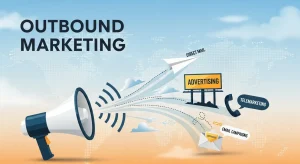
Before we get into the specifics of cold outreach, it’s helpful to clarify what outbound marketing is. Outbound marketing refers to the practice of directly reaching out to potential customers, rather than waiting for them to discover your business. Examples include email campaigns, direct messaging, cold calls, paid ads, and event sponsorships.
For e-commerce businesses, outbound efforts usually focus on driving traffic to product pages, converting leads, and building brand awareness.
Unlike inbound marketing, which often takes time to provide results, outbound marketing is immediate, allowing businesses to capture low-hanging fruits quickly.
Why Cold Outreach Works for E-commerce
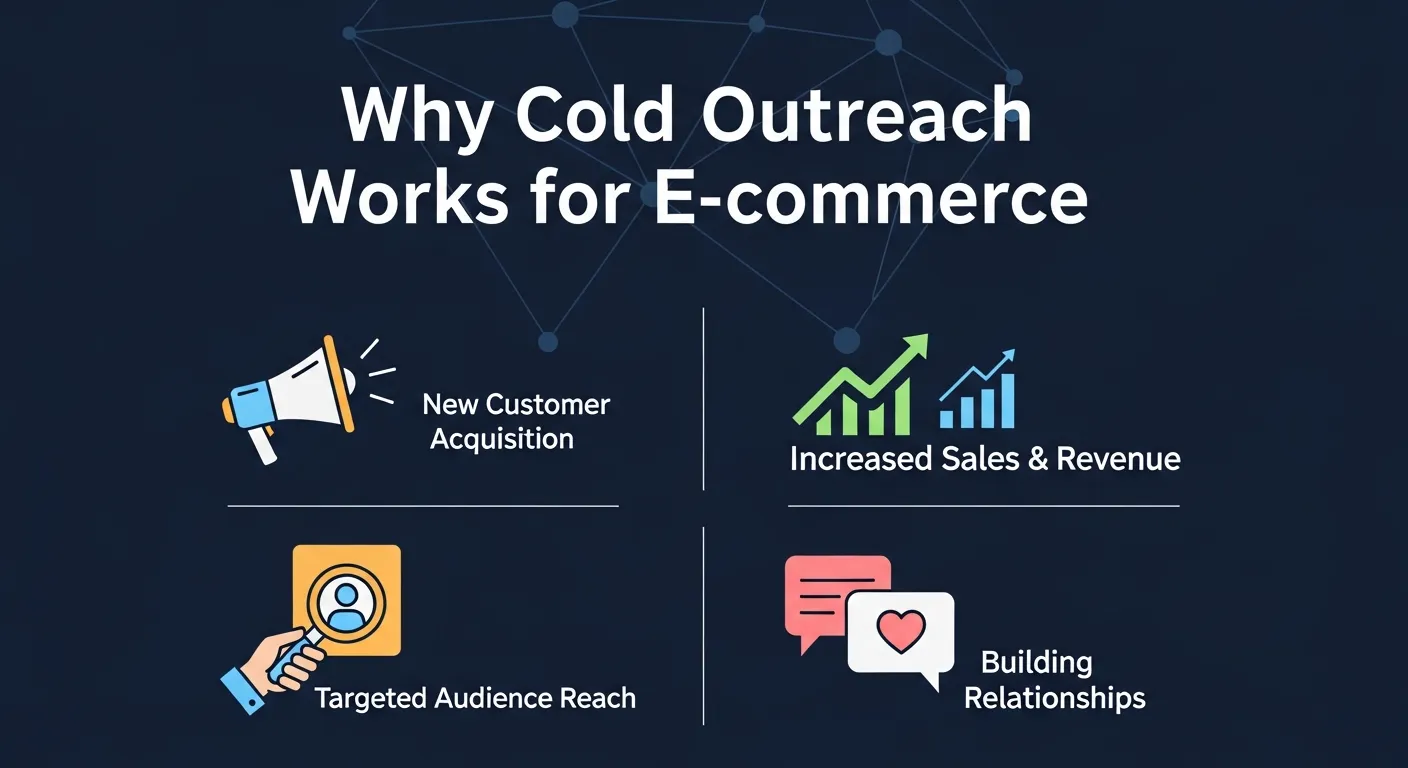
Cold outreach involves initiating contact with prospects who haven’t interacted with your business before, often through email or direct messages. While traditional outbound methods like cold calls are less effective in the e-commerce world, digital cold outreach is proving to be highly impactful when done right.
Here’s why it works for e-commerce businesses:
- Precise Targeting: Outbound tools like customer relationship management (CRM) platforms and email automation tools help identify specific audiences based on demographics, online behavior, or purchasing patterns.
- Personalized Approach at Scale: Emails, messages, and ads can now be customized to speak directly to a customer’s needs while being sent out to thousands at once.
- Immediate Results: Unlike content marketing or organic SEO, cold outreach allows you to start seeing conversions as soon as a campaign goes live.
- High ROI: If your targeting is precise, cold outreach brings high-quality leads at a relatively low cost.
With the right strategies, e-commerce businesses can leverage cold outreach to build relationships and convert cold leads into loyal customers.
How to Build an Effective Cold Outreach Strategy
Cold outreach can fail if done poorly. Generic, spammy, or irrelevant messaging is an easy way to frustrate your target audience. To succeed, follow these actionable steps:
1. Identify Your Target Audience
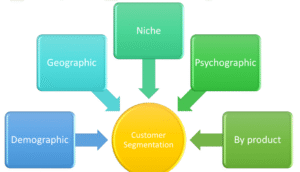
Cold outreach isn’t about sending mass emails to everyone; it’s about precision. Use your customer data and analytics tools to segment your audience based on key criteria like:
- Shopping habits
- Age and gender
- Geographic location
- Interests and pain points
Platforms like HubSpot, Salesforce, or Shopify’s built-in analytics can help you define these customer personas. For example, if you run an online pet store, one segment might consist of dog owners looking for premium-quality treats within a specific price range.
2. Personalize Your Outreach
Cold outreach shouldn’t feel cold. Personalization goes a long way in sparking interest. Examples include:
- Referencing the recipient’s name, industry, or past buying behavior in your email.
- Offering solutions to their pain points (e.g., recommending products or deals tailored to their needs).
- Sending personalized product recommendations based on seasonal trends or personal preferences.
For instance, “Hi Sarah, we noticed you’ve been searching for eco-friendly yoga mats. Here’s 15% off our latest premium collection!” is much more effective than a generic “Hi, check out our website!”
3. Craft High-Converting Email Templates
Email remains the king of cold outreach. A short and engaging email can help capture attention and drive clicks. Here’s a framework for crafting a strong email:
- Subject Line: Keep it direct and intriguing (e.g., “A special offer just for you…”)
- Opening Line: Be friendly but get to the point quickly (e.g., “Hi [Recipient Name], saw you’re interested in home fitness gear and thought you’d love this!”).
- Value Proposition: Highlight why they should care.
- Call-to-Action: End with a clear action (e.g., “Click here to explore today’s exclusive deals!”).
4. Automate Outreach for Scalability
Use tools like Mailchimp, ActiveCampaign, or Klaviyo to send emails in bulk while still personalizing the content. These platforms allow you to:
- Automate follow-ups
- Track click-through rates and open rates
- Test different versions of messages through A/B testing
By leveraging automation, you can manage large-scale campaigns with ease.
Examples of Cold Outreach in E-commerce
Don’t just take our word for it. Here are examples of how cold outreach is driving big results for e-commerce businesses:
- Fashion Retailer Example
A women’s fashion retailer used targeted email ads to provide exclusive VIP discounts to a list of cold leads. By personalizing the content (e.g., offering tailored deals based on past browsing habits), the brand achieved a 45% increase in sales in just two months.
- Health & Wellness Store Example
A vitamin and supplements brand identified cold leads who were interested in fitness supplements based on social media activity. They reached out with free samples and follow-up promotions, resulting in a 30% increase in customer retention.
Competitive Edge — Learning from Market Leaders
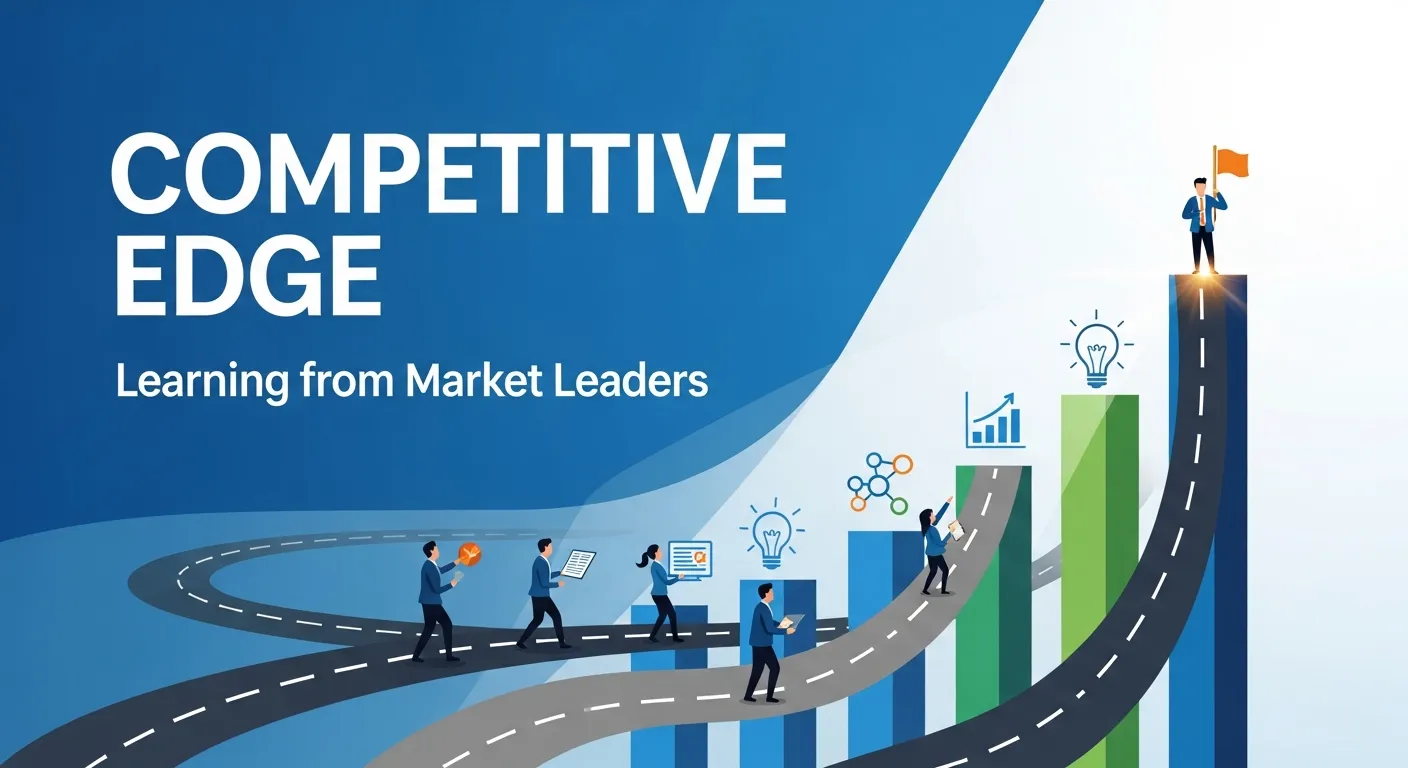
Successful outbound marketing often borrows tactics from industry giants that have mastered the art of connecting emotionally with consumers. One of the most powerful examples is Nike — a brand that has transformed traditional marketing into a global movement. Understanding how does nike market their products offers valuable lessons for e-commerce businesses looking to build trust, amplify reach, and boost sales through authentic and targeted outreach.
Nike doesn’t just sell shoes; it sells stories, values, and identity. The brand’s approach to outbound marketing goes far beyond product promotion — it’s about building relationships that inspire and empower customers. By merging creativity, personalization, and consistency across channels, Nike turns each campaign into a cultural conversation.
Nike’s Outbound Strategy Focuses on Three Core Pillars
- Storytelling That Sparks Emotion
Every Nike campaign is rooted in emotion. From “Just Do It” to athlete-driven narratives, the brand ties each message back to personal ambition, resilience, and achievement. This emotional resonance makes audiences feel part of something bigger — a movement rather than a transaction.
Takeaway for E-commerce: Craft stories around your brand’s purpose and your customer’s aspirations. Instead of saying “Buy now,” say “Join our community” or “Be part of a change.” Emotional storytelling drives higher engagement and repeat purchases. - Customer Engagement Through Personalization
Nike leverages data-driven insights to deliver personalized digital experiences. Whether it’s a customized shoe suggestion via the Nike app or a loyalty program that rewards engagement, personalization ensures that every interaction feels unique and relevant.
Takeaway for E-commerce: Use CRM and marketing automation tools to tailor offers, recommend products, and follow up with meaningful messages. Personalization transforms cold outreach into warm, trust-building connections that increase conversions. - Multi-Channel Consistency and Integration
From social media storytelling and email campaigns to influencer partnerships, Nike maintains a consistent brand voice across every touchpoint. This seamless approach reinforces brand recall and ensures customers experience the same message whether they see a YouTube ad or an Instagram reel.
Takeaway for E-commerce: Align your outbound campaigns with your brand’s tone, visuals, and mission. Integrate your email marketing, social media, and retargeting campaigns to deliver a cohesive customer journey that feels fluid and memorable.
Nike’s Framework and E-commerce Lessons
| Tactic | Nike’s Example | E-commerce Takeaway |
|---|---|---|
| Storytelling | “Just Do It” campaigns that link sport with empowerment | Create emotionally resonant outreach that connects values with products. |
| Personalization | Targeted loyalty rewards and Nike App recommendations | Use CRM data to tailor offers and make each interaction feel personal. |
| Multi-channel Consistency | Influencer-driven global launches and email storytelling | Sync your messaging across all channels for consistent brand experience. |
How E-commerce Brands Can Apply Nike’s Lessons
- Build a Narrative, Not Just a Campaign: Every outbound message should reflect your brand’s purpose and values.
- Leverage Data to Deepen Relationships: Use purchase history and browsing data to anticipate customer needs and craft relevant offers.
- Unify Channels for Impact: Make sure your ads, emails, and social content tell the same story.
- Invest in Authentic Influencers: Partner with voices your customers trust — authenticity beats scale.
- Focus on Experience, Not Just Sales: Outbound marketing works best when it delivers value and emotion before expecting a conversion.
By studying such leaders, e-commerce brands can replicate key frameworks in their outbound marketing strategy to boost sales, strengthen customer loyalty, and maintain long-term brand authenticity. Nike’s success reminds marketers that even in a data-driven world, human emotion remains the ultimate conversion tool.
Expanding Horizons — Growth Through New Markets
For e-commerce brands looking to move from steady sales to exponential growth, outbound marketing provides a powerful pathway to scale beyond your existing audience. While many businesses focus on nurturing their current customer base, true growth often lies in tapping into new geographies, cultures, and audience segments. A growth strategy combines new markets approach helps diversify revenue streams, reduce dependency on a single demographic, and unlock entirely new customer opportunities.
When executed with precision, outbound marketing campaigns can make your brand visible to global consumers who have never interacted with you before — delivering immediate awareness, engagement, and conversion potential.
Why Market Expansion Matters in Outbound Marketing
Reaching new markets isn’t just about increasing numbers — it’s about long-term brand resilience and scalability. Expanding your outbound marketing efforts allows you to:
- Boost Sales Quickly: Fresh audiences mean fresh revenue streams.
- Strengthen Global Presence: Establish your brand as an international player.
- Reduce Risk: Diversify your audience to avoid overdependence on one region.
- Unlock New Insights: Different markets reveal new customer behaviors, preferences, and opportunities.
For example, a U.S.-based skincare brand might discover that Southeast Asian consumers prefer lightweight, tropical-friendly products. By adapting messaging and offers to match that need, outbound campaigns instantly become more relevant — and profitable.
Key Steps to Expanding Your Outbound Marketing into New Markets
- Conduct In-Depth Market Research
Before launching outbound campaigns, identify regions or demographics with rising online purchasing power. Use data analytics tools, keyword research, and competitor benchmarking to understand cultural nuances, preferred communication styles, and buying behaviors.
Tip: Platforms like SimilarWeb, Statista, or Google Market Finder can provide insights on global e-commerce trends. - Create Localized Campaigns
A one-size-fits-all message rarely resonates across borders. Adapt your visuals, tone, offers, and even color schemes to local preferences. For instance, red symbolizes luck in China but can signal caution in Western cultures.
Action Step: Hire native copywriters or localization experts to ensure authenticity and avoid cultural missteps. - Build Strategic Partnerships
Partner with local influencers, affiliate marketers, or regional e-commerce platforms to build trust faster. Outbound collaboration with familiar local voices can make a foreign brand feel immediately relatable.
Example: A European fitness brand teaming up with a popular Indian YouTuber can build instant credibility among target customers.
Market Expansion Framework
| Market Expansion Method | Description | Benefit |
|---|---|---|
| Localization | Translate content, adapt visuals, and tailor offers to regional needs | Increases cultural relevance and engagement |
| Regional Ads | Create targeted ad campaigns for specific geographies using local data | Improves ROI by reducing wasted impressions |
| Influencer Collaborations | Partner with trusted local voices to deliver outbound messages | Builds credibility and humanizes your brand |
Real-World Example: Outbound Expansion in Action
A European eco-friendly apparel brand decided to expand into Southeast Asia using outbound email and social ad campaigns. By localizing their website into Thai and Vietnamese, collaborating with sustainability influencers, and launching time-limited regional promotions, they saw:
- 65% increase in email open rates
- 40% growth in new market sales
- 3x improvement in return on ad spend (ROAS)
The key to success? Adapting outbound marketing messages to fit cultural context while keeping brand identity consistent.
Tips for Sustainable Global Growth
- Test Before You Scale: Start small in new markets with A/B-tested outbound campaigns.
- Respect Cultural Nuances: Understand holidays, shopping habits, and language differences.
- Leverage Data Continuously: Use analytics to refine targeting and product offerings.
- Blend Outbound and Inbound: Support outbound efforts with localized content marketing for long-term trust building.
Expanding into new markets through well-planned outbound marketing efforts doesn’t just drive sales growth — it builds a globally recognized, customer-centric brand. Whether you’re entering a neighboring country or an entirely new continent, success lies in combining research, personalization, and partnership. With a thoughtful approach, your outbound marketing campaigns can become the bridge that connects your brand to millions of untapped customers worldwide — helping you boost sales while securing a sustainable competitive edge.
Full-Circle Marketing — Integrating Outbound and Inbound
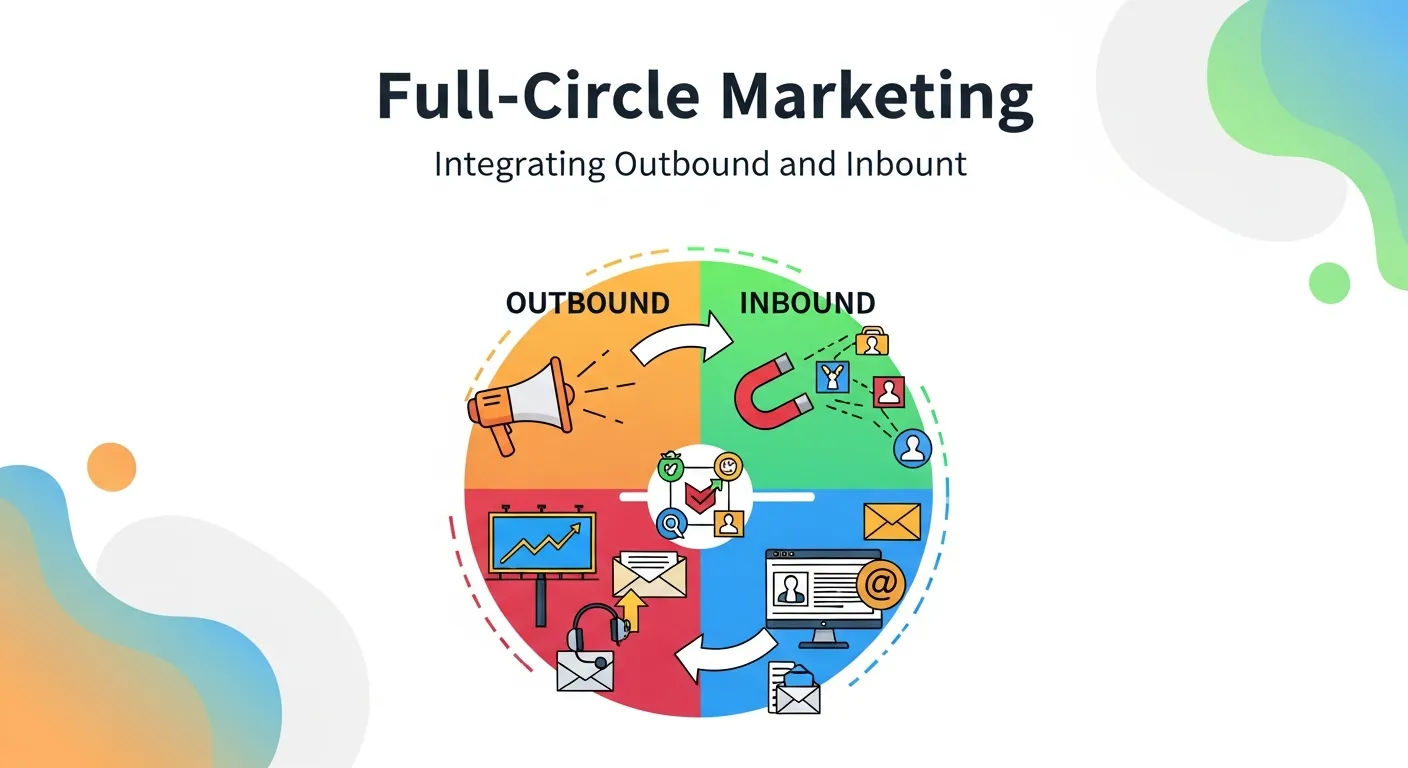
In today’s hyper-connected digital world, no single marketing approach can thrive in isolation. Outbound marketing may generate immediate awareness and conversions, while inbound strategies build credibility and nurture lasting relationships. When these two forces work together, they create what experts call a full circle market products approach — a powerful synergy that keeps customers engaged across every stage of their journey, from discovery to advocacy.
This full-circle marketing framework ensures your brand delivers a consistent, personalized, and data-driven experience that not only attracts new audiences but also retains existing ones. It’s the bridge between proactive outreach and organic engagement — between reaching out to customers and drawing them in.
Why the Full-Circle Approach Matters
Modern consumers expect seamless experiences. They might first discover your product through an ad (outbound), then read a blog post about your brand values (inbound), sign up for your newsletter (inbound), and finally receive a targeted discount email (outbound) that seals the deal. This continuous flow ensures that every touchpoint works together to boost sales while building brand trust.
By integrating both strategies, businesses can:
- Maximize Visibility: Outbound creates initial exposure; inbound nurtures interest.
- Shorten the Sales Cycle: Follow-up outbound campaigns reinforce inbound interest, leading to faster conversions.
- Improve Customer Retention: Consistent communication builds long-term loyalty.
- Increase ROI: Shared data between teams prevents wasted efforts and improves targeting accuracy.
Benefits of the Full-Circle Method
- Unified Messaging Across All Channels
Your audience should feel like they’re hearing one clear, authentic voice — whether they’re reading an email, browsing your blog, or watching a social ad.
Pro Tip: Maintain consistent visuals, tone, and CTAs across inbound and outbound assets to strengthen brand identity. - Data Sharing and Insight Alignment
Outbound metrics (click rates, ad responses) provide real-time performance data, while inbound analytics (blog engagement, search keywords) offer deeper insights into intent. When shared, these insights help optimize both approaches.
Example: If a blog about “eco-friendly footwear” performs well, outbound ads can spotlight those same products for higher relevance. - Customer Retention Through Continuous Engagement
Following up with inbound leads using personalized outbound messages keeps customers in your ecosystem longer. Loyalty campaigns, product updates, and cross-sell offers ensure they remain engaged beyond their first purchase.
Result: Stronger lifetime value and improved brand advocacy.
Integration Framework: Building a Seamless Marketing Ecosystem
| Integration Strategy | Action | Expected Outcome |
|---|---|---|
| Email + Content Marketing | Share educational or storytelling blog content in follow-up emails | Increases brand trust and nurtures leads |
| Social + Retargeting | Retarget inbound visitors who interacted with your posts or site | Boosts conversion rates and reduces cart abandonment |
| CRM Sync | Combine inbound and outbound data into one unified profile | Creates holistic customer insights and smarter segmentation |
How to Implement a Full-Circle Marketing System
- Align Teams and Goals
Ensure your inbound and outbound teams share objectives and KPIs. For instance, inbound might focus on traffic generation, while outbound focuses on conversions from that traffic. - Automate for Consistency
Use marketing automation platforms (like HubSpot or ActiveCampaign) to trigger outbound emails or ads based on inbound actions. Example: when a user downloads a guide, they automatically receive a follow-up product offer. - Leverage Content Intelligence
Outbound campaigns can amplify inbound assets — such as ebooks, webinars, or success stories — to attract high-intent leads.
Tip: Repurpose top-performing inbound content for outbound use (e.g., turning a blog into an ad carousel). - Close the Feedback Loop
Regularly review inbound data (like keyword trends and engagement metrics) to refine outbound messaging. This feedback loop strengthens campaign precision and enhances brand coherence.
Real-World Example: Blending Outbound and Inbound for Growth
A DTC (direct-to-consumer) skincare brand used outbound Instagram ads to drive traffic to an educational blog about sustainable beauty (inbound). Visitors who read the article were added to an email nurture sequence with product trials and discount offers (outbound). Within three months:
- Conversions rose by 38%
- Email engagement jumped by 55%
- Customer retention improved by 22%
This success proved that a full circle market products strategy doesn’t just align channels — it builds a marketing engine that continuously fuels itself.
Key Takeaways for E-commerce Brands
- Think Holistically: View inbound and outbound not as separate tools but as parts of one continuous system.
- Focus on Experience: Create seamless transitions between discovery, engagement, and purchase.
- Measure Synergy, Not Just Segments: Track how inbound engagement impacts outbound results — and vice versa.
- Keep Messaging Consistent: Your values, tone, and design should stay aligned across every customer touchpoint.
When inbound and outbound marketing come together under a full-circle-market-products approach, you create a marketing ecosystem that doesn’t just sell — it connects, educates, and retains. This synergy empowers brands to boost sales, strengthen loyalty, and maintain relevance in a rapidly changing digital landscape.
Measuring the Success of Your Campaign
Once your cold outreach campaign goes live, tracking key performance indicators (KPIs) is crucial to understand what’s working. The most important metrics include:
- Open Rates (email): Indicates how many recipients are opening your emails. Aim for at least 20%.
- Click-Through Rates (links): Measures how engaging your content is. Aim for at least 2%.
- Conversion Rates (sales): Tracks how many leads turn into paying customers.
Tools like Google Analytics, along with CRM software, can help you monitor your results and tweak campaigns accordingly.
Outbound Marketing as a Long-Term Strategy
Outbound marketing through cold outreach isn’t just a one-off strategy. It can serve as the foundation for long-term growth if implemented consistently. To maintain success:
- Combine inbound and outbound efforts to expand your reach across multiple touchpoints.
- Continuously analyze campaign performance to adapt messaging for better results.
- Use cold outreach to drive leads into a well-designed sales funnel that nurtures them into loyal customers.
Cold outreach is not about hard selling; it’s about building relationships with potential customers by meeting them where they are.
Unlock Your E-commerce Growth with Proven Outreach
Effective cold outreach can be the difference between stagnant sales and skyrocketing growth for e-commerce businesses. By personalizing your approach, leveraging tools for automation, and measuring success metrics, you can build a scalable strategy that drives fast results.
Start implementing these strategies today to watch your e-commerce business thrive. And if you’re looking for tools to support your outbound campaigns, explore solutions like email automators and CRM platforms that can amplify your efforts.
Frequently Asked Questions (FAQ) on Outbound Marketing in E-commerce
1. What is outbound marketing in e-commerce?
Outbound marketing in e-commerce refers to proactive strategies that reach out directly to potential customers instead of waiting for them to discover your brand. Examples include cold email campaigns, social media ads, influencer collaborations, and retargeting. This approach allows businesses to generate immediate visibility, attract new leads, and boost sales quickly — especially when targeting is precise and messaging is personalized.
2. How is outbound marketing different from inbound marketing?
Inbound marketing focuses on attracting customers organically through blogs, SEO, and social media content. Outbound marketing, on the other hand, involves direct outreach — such as emails, ads, or partnerships — to grab attention fast. While inbound builds trust and long-term engagement, outbound accelerates conversions. Smart e-commerce brands integrate both methods for maximum impact — proving that yes, can you use both inbound and outbound marketing effectively to drive sustainable business growth.
3. Why is outbound marketing still important in the digital era?
Even in a world dominated by digital content and automation, outbound marketing remains crucial for one reason: it gets you in front of potential customers instantly. In crowded markets, waiting for organic discovery isn’t enough. Outbound efforts like targeted emails, social ads, and influencer outreach can drive awareness and sales within days — making it indispensable for product launches, seasonal promotions, and customer acquisition.
4. How do you build trust through outbound marketing in e-commerce?
Many assume outbound marketing feels “pushy,” but when executed thoughtfully, it can actually strengthen trust. The key lies in personalization, relevance, and consistency. Sending tailored offers, using real customer testimonials, and providing genuine value builds credibility over time. In fact, mastering how to build trust through outbound marketing in e-commerce involves creating human-centered outreach — messages that speak directly to customers’ needs and lifestyles, rather than just promoting products.
5. What tools can enhance outbound marketing performance?
Successful outbound campaigns rely on the right technology stack. Tools like HubSpot, Klaviyo, Salesforce, and Mailchimp automate outreach while tracking performance in real time. Google Analytics and Meta Ads Manager help optimize targeting, while CRMs store customer data for segmentation and personalization. The right tools streamline workflows, reduce manual effort, and improve ROI through measurable insights.
6. Can outbound marketing help retain existing customers?
Absolutely. While outbound marketing is often associated with acquisition, it’s equally effective for retention. Follow-up emails, exclusive offers, and loyalty rewards help re-engage past buyers. Automated campaigns that recognize birthdays, reorder cycles, or past purchases remind customers that your brand values them — turning one-time buyers into loyal advocates.
7. What are the best outbound channels for e-commerce success?
The top-performing outbound channels for e-commerce include:
- Email marketing: High ROI, scalable personalization.
- Social media advertising: Precision targeting with visual storytelling.
- SMS marketing: Real-time, high-engagement communication.
- Influencer outreach: Builds authenticity through trusted voices.
In particular, sms marketing leveraging direct mobile communication for business growth has become a standout strategy — offering instant visibility and near-perfect open rates that boost engagement and conversions.
8. How can I personalize my outbound campaigns effectively?
Personalization is the backbone of modern outbound success. Use behavioral data, purchase history, and browsing activity to tailor your messaging. Dynamic product recommendations, location-based offers, and personalized subject lines increase open and conversion rates. Remember — personalization should feel like a genuine conversation, not an algorithmic sales pitch.
9. How should I measure the success of my outbound marketing efforts?
The effectiveness of outbound campaigns can be measured through key performance indicators (KPIs) such as:
- Open Rate – how many recipients opened your emails.
- Click-Through Rate (CTR) – how engaging your content was.
- Conversion Rate – how many leads turned into buyers.
- Customer Lifetime Value (CLV) – how profitable long-term relationships are.
Tracking these metrics allows marketers to optimize campaigns continuously and ensure outbound marketing contributes meaningfully to boosting sales and profitability.
10. How can outbound marketing and inbound marketing work together?
When combined strategically, outbound and inbound marketing form a complete ecosystem that drives awareness, conversion, and loyalty. Outbound generates leads through ads and emails, while inbound nurtures them through blogs, guides, and SEO. Sharing analytics between both channels helps create seamless customer journeys. This integrated full-circle approach ensures that every stage of the funnel — from first contact to repeat purchase — contributes to measurable business growth.