Influencer Marketing: Inbound or Outbound Strategy?
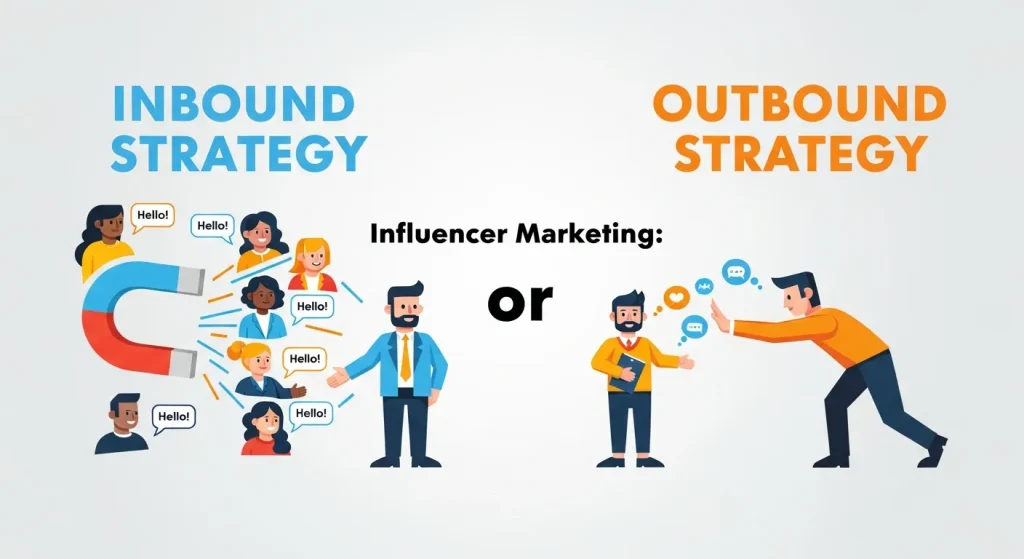
In the constantly evolving marketing landscape, categorizing tactics into neat boxes becomes increasingly challenging. Influencer marketing presents a particularly interesting case study in this regard. Is it inbound? Is it outbound? The answer isn’t as straightforward as marketing textbooks might have us believe.
I’ve spent years watching influencer marketing transform from celebrity endorsements into the sophisticated, multi-faceted strategy we see today. What’s fascinating is how it refuses to stay in one lane.
Breaking Down the Hybrid Approach
Truth be told, influencer marketing doesn’t play by traditional rules. When an Instagram personality showcases your product in their stories, they’re essentially broadcasting your message to their audience—classic outbound marketing behavior. Yet simultaneously, their followers are voluntarily consuming this content because they’ve chosen to follow this influencer’s recommendations and lifestyle—a hallmark of inbound strategy.
This duality makes influencer marketing uniquely powerful. The traditional outbound approach often feels intrusive; we’ve all impatiently waited to skip YouTube ads. Conversely, purely inbound tactics can take forever to gain traction. Influencer marketing cleverly sidesteps these limitations by hiding promotional messages within content people actually want to see.
The Inbound Side: Pulling Customers Through Trust
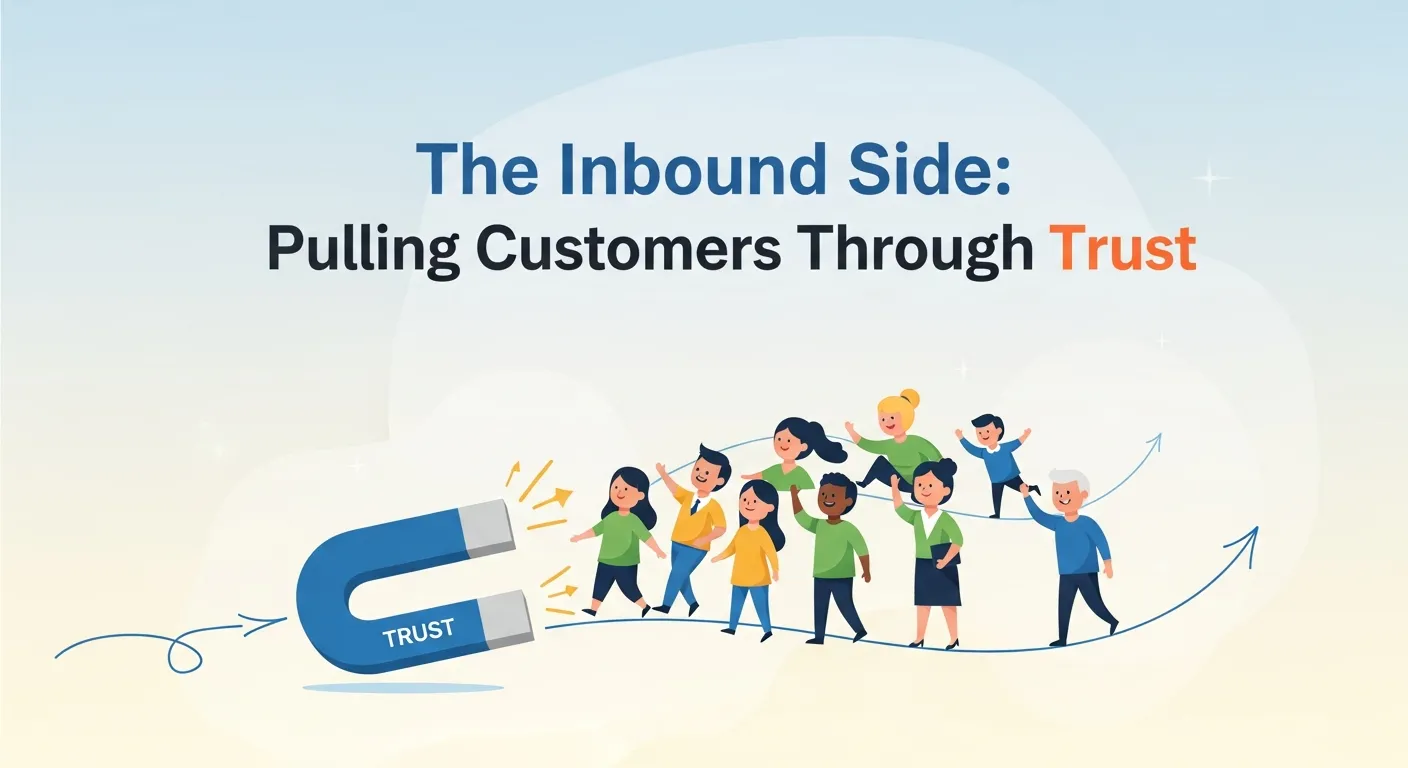
The inbound elements become most evident when examining how audiences engage with Influencer Marketing content. Unlike traditional banner ads or pop-ups that interrupt browsing experiences, influencer-driven content invites participation. People actively seek out influencer recommendations because they trust the creator’s perspective and genuinely value their opinions.
For example, when a beauty vlogger reviews skincare products, she’s not merely promoting a brand — she’s educating her followers. Viewers deliberately click on her videos, eager to learn about routines, ingredients, and real results. When she casually mentions your brand’s serum as her secret weapon against winter dryness, the endorsement feels natural and credible rather than forced. It’s storytelling with purpose — an authentic blend of content and commerce.
According to the Nielsen Consumer Trust Index, recommendations from individuals we follow online consistently outperform traditional advertising in credibility and conversion potential. This demonstrates why Influencer Marketing excels at attracting rather than interrupting audiences.
This trust-based approach perfectly exemplifies inbound marketing principles: drawing interested prospects through valuable, engaging content instead of chasing them with repetitive advertisements. By delivering education, entertainment, and authenticity, influencers act as bridges between brands and consumers. When executed strategically, Influencer Marketing nurtures long-term relationships built on trust — transforming passive viewers into loyal advocates.
For deeper insights into scaling such organic connections, our micro influencer marketing guide outlines proven techniques for creating inbound-driven influencer campaigns that convert without losing authenticity.
The Outbound Elements: Strategic Partnerships

Yet we can’t ignore the strong outbound characteristics that define how brands approach influencer relationships. Despite its inbound appeal, Influencer Marketing still involves a great deal of proactive outreach and strategic planning. Companies don’t just wait for influencers to find them — they actively identify, recruit, and negotiate with creators who align with their brand values and target demographics. This includes developing detailed campaign briefs, specifying creative direction, and defining messaging requirements — all classic hallmarks of outbound marketing execution.
The process resembles traditional advertising models in many ways. Just as marketers once purchased TV spots or magazine placements, today’s brands analyze audience data to select influencers whose followers match their ideal customer profile. For instance, a fitness brand partnering with athletes or wellness creators isn’t just building awareness; it’s strategically positioning its message in front of a pre-qualified audience segment.
Industry experts at Marketing Dive highlight this targeting precision as one of Influencer Marketing’s most powerful outbound advantages. Instead of broad, impersonal campaigns, brands can tailor their messaging to specific niches — from eco-conscious consumers to tech enthusiasts — achieving greater efficiency and impact.
For a product marketing manager, these outbound tactics offer control and scalability, ensuring consistent brand communication across multiple channels. By integrating outreach frameworks like those found in a micro influencer marketing guide, companies can combine outbound strategy with authentic content creation, maximizing both visibility and credibility.
The Rise of Micro-Influencers in Modern Marketing
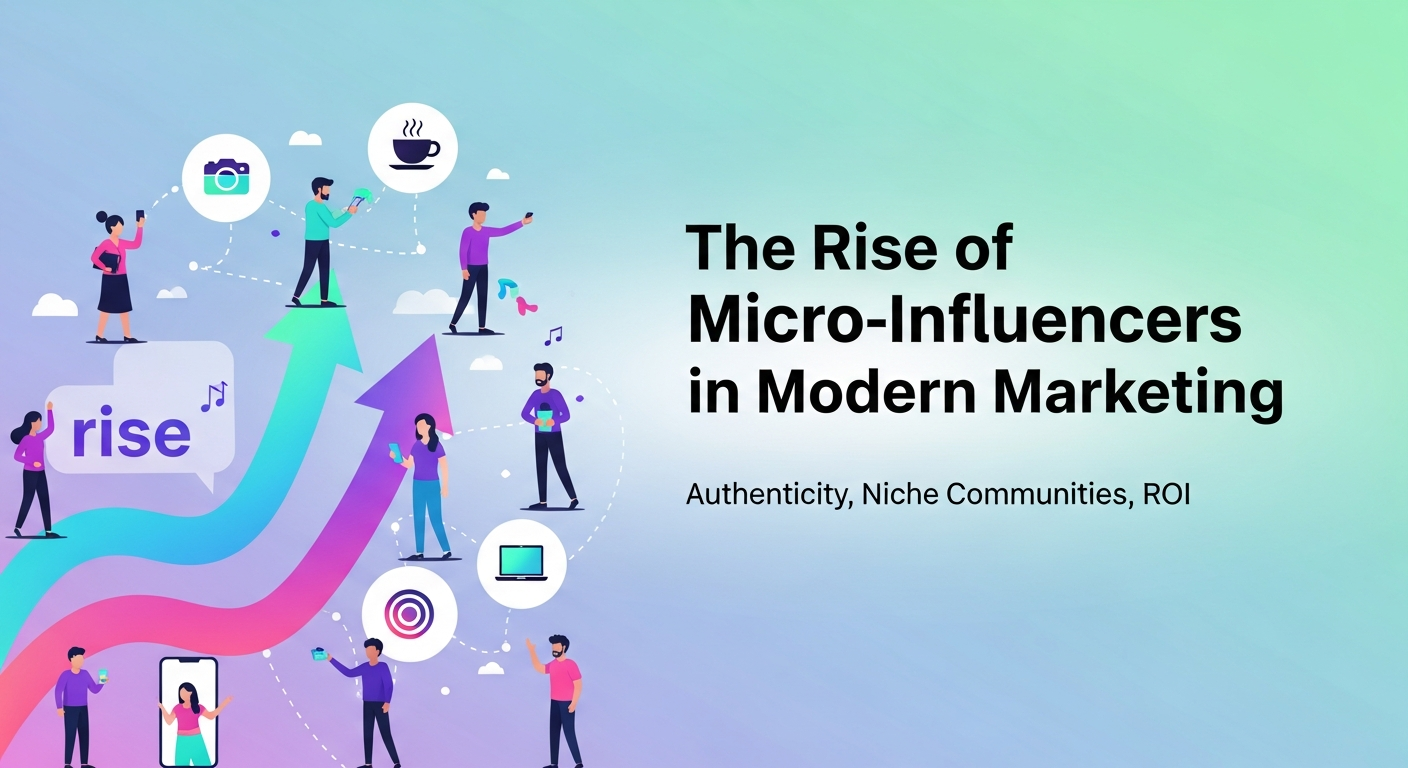
The days of relying solely on celebrity endorsements are fading fast. Influencer Marketing has evolved to value authenticity over sheer follower counts, and this shift has given rise to micro-influencers—content creators with smaller but highly engaged audiences.
Micro-influencers offer a more personal connection, often communicating directly with their followers through comments, DMs, and live sessions. Their recommendations carry genuine credibility because they feel like peer suggestions rather than paid promotions.
Key advantages of working with micro-influencers:
- Higher engagement rates due to authentic relationships.
- Lower collaboration costs, making campaigns more scalable.
- Targeted niche reach, ideal for specialized product categories.
| Influencer Type | Follower Range | Engagement Rate | Typical Use Case |
|---|---|---|---|
| Celebrity | 1M+ | 1–2% | Brand awareness |
| Macro | 100K–1M | 2–4% | Product launches |
| Micro | 10K–100K | 5–10% | Niche promotion |
For brands looking to maximize authenticity, following a micro influencer marketing guide can help structure outreach, content agreements, and performance tracking effectively.
Role of the Product Marketing Manager in Influencer Strategy
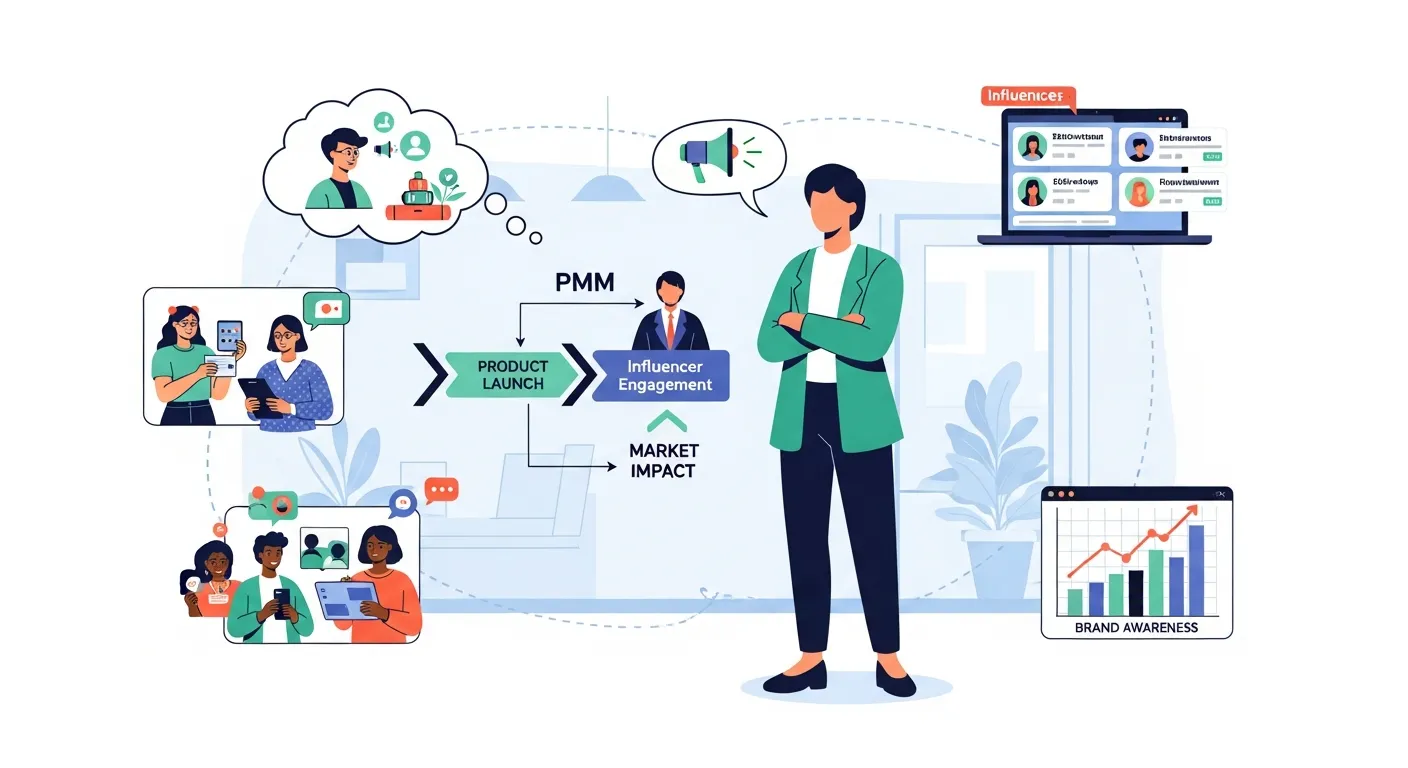
Behind every successful Influencer Marketing campaign lies a meticulous strategy often orchestrated by a product marketing manager. This role bridges the gap between brand objectives and influencer execution, ensuring that each collaboration aligns with overall business goals.
A skilled product marketing manager identifies which influencers best fit the brand’s tone and audience, develops messaging guidelines, and tracks performance metrics post-campaign. They balance creative freedom with strategic direction—allowing influencers to remain authentic while still delivering measurable results.
Core responsibilities include:
- Conducting influencer vetting and alignment analysis.
- Coordinating content calendars and product launches.
- Measuring ROI through engagement and conversion metrics.
- Ensuring brand voice consistency across influencer content.
By leveraging tools like CRM integrations and analytics dashboards, the product marketing manager ensures that influencer partnerships evolve beyond short-term buzz into sustainable brand equity. This blend of data-driven oversight and creative collaboration is what differentiates impactful campaigns from forgettable ones.
Measuring ROI in Influencer Marketing Campaigns
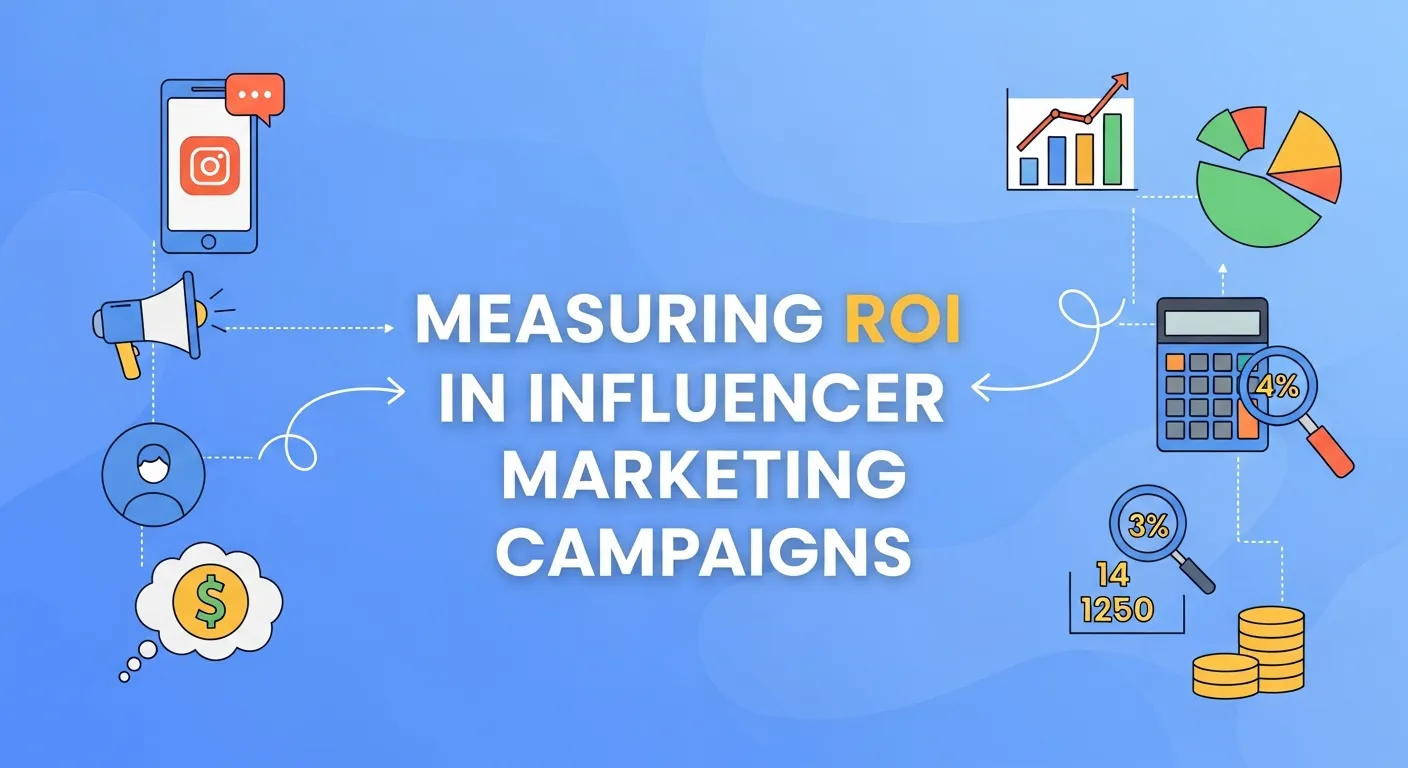
While creativity and storytelling sit at the heart of Influencer Marketing, true success ultimately depends on measurable results. No matter how captivating a campaign appears on social media, its real value lies in the impact it creates for your brand. That’s where performance measurement becomes absolutely essential.
Tracking ROI in Influencer Marketing helps determine whether your partnerships are genuinely moving the needle in areas such as brand awareness, audience engagement, and sales conversions. It allows marketers to distinguish between campaigns that generate short-term buzz and those that drive lasting business growth.
By establishing clear performance metrics from the start, brands can make informed decisions about which influencer relationships deliver the best returns. This includes monitoring metrics like engagement rate, follower growth, click-through rate (CTR), conversion rate, and cost per acquisition (CPA). Together, these indicators reveal how effectively influencer collaborations are aligning with overall marketing objectives.
For a product marketing manager, these data-driven insights are invaluable. They guide resource allocation, campaign optimization, and future influencer selection. Whether you’re partnering with macro creators or following a micro influencer marketing guide, understanding performance metrics transforms Influencer Marketing from a creative experiment into a scalable, ROI-focused growth strategy that directly contributes to your bottom line.
Key metrics to monitor include:
- Engagement rate: Likes, comments, and shares relative to followers.
- Click-through rate (CTR): Traffic driven from influencer content.
- Conversion rate: Actual purchases or sign-ups resulting from influencer campaigns.
- Cost per acquisition (CPA): Spend efficiency per converted customer.
| Metric | Ideal Range | Measurement Tool |
|---|---|---|
| Engagement Rate | 3–8% | Social media insights |
| CTR | 1–5% | Google Analytics |
| Conversion Rate | 2–10% | E-commerce dashboard |
Brands following a micro influencer marketing guide often see better ROI because micro-creators drive deeper trust and more targeted conversions. A product marketing manager can compile post-campaign reports, compare influencer tiers, and recommend optimization tactics for future collaborations.
Ultimately, measuring ROI transforms influencer marketing from a creative experiment into a scalable, data-driven growth channel.
Finding Your Sweet Spot
In my experience, the brands that truly succeed with Influencer Marketing are the ones that embrace its hybrid nature rather than forcing it into a single category. They understand that the real power lies in the intersection of strategic outreach and authentic engagement — where the science of marketing meets the art of human connection.
The most effective strategies combine the intentionality of outbound campaigns with the organic appeal of inbound attraction. For instance, a brand may proactively reach out to influencers (outbound), but the resulting content feels natural and conversational (inbound). This balance ensures the message resonates rather than feels imposed.
When assessing your own marketing ecosystem, consider where your strengths lie:
- If your strategy leans toward inbound through SEO, blogs, and organic social engagement, influencer collaborations can accelerate visibility and bring your brand into new audience circles faster.
- If your approach is more outbound, such as paid ads and email promotions, influencers can humanize your message, lending credibility and warmth that traditional channels often lack.
A product marketing manager can play a crucial role in achieving this equilibrium — aligning influencer campaigns with product positioning, launch timelines, and overall brand voice. For those looking to refine their influencer strategy, our micro influencer marketing guide offers step-by-step insights on balancing creativity with measurable outcomes.
Ultimately, whether you label Influencer Marketing as inbound or outbound matters far less than how effectively it builds trust, engagement, and conversion. The magic doesn’t lie in definitions — it lies in results. Focus less on categorizing and more on crafting meaningful collaborations that connect with your audience on their terms.
Frequently Asked Questions About Influencer Marketing
1. What is Influencer Marketing?
Influencer Marketing is a strategic collaboration between brands and content creators who have established credibility within specific communities. These influencers promote products or services through authentic storytelling that resonates with their audience. Rather than relying on overt advertising, this approach builds awareness through trust and relatability. It’s one of the most effective ways to reach modern consumers who value recommendations over traditional promotions.
2. Is Influencer Marketing considered inbound or outbound?
Influencer Marketing functions as a hybrid model — it merges inbound methods like organic engagement and value-driven content with outbound elements such as direct outreach and paid partnerships. Brands proactively contact influencers (outbound) but the content itself attracts audiences naturally (inbound). This balance makes influencer marketing highly adaptable across industries and campaign types. Ultimately, it’s less about the label and more about how effectively the strategy drives engagement and conversions.
3. How does Influencer Marketing fit within outbound digital marketing?
In the context of outbound digital marketing, influencer collaborations serve as modern, human-centered advertising placements. Instead of using banner ads or cold emails, brands leverage influencers to distribute their messages in ways that feel personal and engaging. This strategy allows companies to target specific demographics more precisely while maintaining authenticity. Influencers essentially become digital media channels with a loyal following and strong persuasive power.
4. Why is trust so important in Influencer Marketing?
Trust is the foundation of Influencer Marketing. Audiences follow influencers because they connect with their personalities, values, and lifestyle choices. When these creators recommend a brand, followers perceive it as genuine advice rather than a sales pitch. This credibility translates into higher engagement, stronger brand loyalty, and increased conversion rates — outcomes that traditional advertising often struggles to achieve.
5. What role does a product marketing manager play in Influencer Marketing?
A product marketing manager plays a pivotal role in planning and executing influencer campaigns. They identify suitable influencers, craft messaging frameworks, and align each collaboration with the brand’s broader marketing objectives. By coordinating creative and analytical aspects, they ensure that influencer partnerships reinforce product positioning and storytelling. Their leadership bridges the gap between influencer creativity and measurable business outcomes.
6. How do you measure ROI in Influencer Marketing?
Measuring ROI in Influencer Marketing involves tracking engagement rates, click-through rates, conversions, and overall audience sentiment. Brands should also consider cost per acquisition (CPA) and long-term brand awareness growth. Advanced analytics tools help determine which influencers deliver the highest returns. Over time, these insights allow marketers to refine strategies, allocate budgets efficiently, and identify top-performing partnerships.
7. What’s the difference between macro and micro influencers?
Macro influencers typically have hundreds of thousands or even millions of followers, offering wide exposure but lower engagement rates. Micro influencers, on the other hand, maintain smaller yet more loyal audiences, often leading to stronger trust and better conversion potential. Many brands prefer micro influencers because they can speak directly to niche markets. Following a micro influencer marketing guide helps businesses design scalable campaigns that balance cost with authenticity.
8. Can generative AI improve outbound marketing through influencers?
Yes — generative AI outbound marketing tools are transforming how brands collaborate with influencers. AI can automate content ideation, generate personalized briefs, and even suggest optimal posting schedules based on audience behavior. This reduces manual effort while ensuring consistency across campaigns. The combination of influencer creativity and AI efficiency gives brands a competitive edge in producing high-impact digital content.
9. How can marketing strategies influence stock prices through influencer campaigns?
It may seem surprising, but how marketing strategies influence stock prices is increasingly evident in the digital era. When influencer campaigns drive viral engagement or boost product demand, investors often view it as a sign of brand strength. Positive consumer perception can increase market confidence and, in some cases, lift stock performance. In essence, effective marketing isn’t just about visibility — it can also enhance overall business valuation.
10. What’s the future of Influencer Marketing?
The future of Influencer Marketing lies in deeper personalization, data-driven insights, and ethical transparency. As social platforms evolve, creators will rely more on technology and analytics to understand their audiences. Brands will combine human creativity with AI-powered decision-making for smarter targeting and storytelling. Ultimately, successful influencer marketing will center around authenticity, measurable impact, and long-term brand-influencer relationships.