Outbound Marketing vs Inbound Marketing Pros and Cons

Marketing is the lifeblood of any successful business. But when it comes to crafting a winning strategy, the age-old debate of outbound marketing versus inbound marketing often takes center stage. Both approaches have unique strengths and challenges that make them suited to different needs and goals.
Whether you’re looking to expand your audience, boost conversions, or refine your brand presence, understanding the pros and cons of outbound and inbound marketing can help you make informed decisions. This blog will break down the essentials of each approach and provide actionable insights to help you determine the best fit for your business.
What is Outbound Marketing?

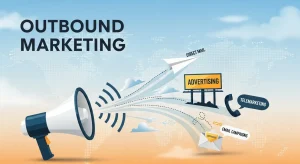
Outbound , often known as traditional marketing, refers to the practice of actively pushing your message to potential customers rather than waiting for them to find you. It’s a proactive and interruption-based approach where businesses initiate conversations through ads, calls, or direct outreach. The primary goal is to generate awareness, capture attention, and drive quick responses from audiences who might not yet know your brand.
Outbound includes a wide range of tactics such as television and radio ads, print advertising, cold calling, direct mail, trade shows, billboards, and paid digital campaigns. Unlike Marketing, which attracts customers through valuable content and search visibility, outbound focuses on putting your brand directly in front of your audience—wherever they are.
Pros of Outbound Marketing
1. Faster Results
One of the biggest advantages of outbound is speed. By directly reaching out to audiences through paid ads, cold calls, or promotional emails, you can generate immediate visibility and quick sales opportunities. For product launches, event promotions, or short-term campaigns, outbound is often the most effective way to create instant impact and measurable outcomes.
2. Broad Reach
Outbound marketing excels at reaching large and diverse audiences simultaneously. Channels like television, radio, billboards, and online display ads can introduce your brand to millions of potential customers. This broad exposure helps build brand recognition quickly—especially useful for new companies entering the market or established brands looking to maintain visibility.
3. New Audience Exposure
While inbound strategies primarily attract users already searching for your offerings, outbound goes a step further by introducing your products or services to completely new audiences. This proactive approach helps businesses tap into previously unreached markets and expand brand awareness beyond their existing customer base.
4. Measurable Campaigns
Modern outbound is far more data-driven than it used to be. With CRM systems, analytics tools, and tracking codes, businesses can now monitor how campaigns perform across channels. You can track metrics such as click-through rates, cost per lead, email open rates, and conversions to evaluate ROI. These insights allow you to refine your outbound strategy and allocate budgets more efficiently.
Cons of Outbound Marketing
1. High Cost
Traditional outbound tactics like TV commercials, radio spots, trade shows, and direct mail can be expensive to produce and distribute. Even digital outbound channels like PPC advertising and sponsored posts can become costly without careful targeting. For small businesses or startups, sustaining these campaigns over time can be financially challenging compared to the cost-effectiveness of inbound marketing.
2. Interruptive Nature
Outbound often interrupts people with messages they didn’t ask for. Cold calls during busy hours, pop-up ads, or unsolicited emails can annoy prospects rather than attract them. This interruption-based approach may harm your brand’s perception if not executed thoughtfully or targeted correctly.
3. Lower Engagement
Modern consumers are increasingly resistant to traditional advertising. The rise of ad-blockers, spam filters, and subscription-based streaming services allows people to skip or ignore promotional messages altogether. This results in lower engagement rates and reduced attention spans for outbound campaigns.
4. Declining Effectiveness
As audiences become more informed and self-reliant, they prefer researching and discovering solutions on their own—hallmarks of inbound marketing behavior. Outbound one-way communication style often struggles to build trust or long-term relationships. Without personalization or value-driven messaging, outbound efforts can appear outdated or overly sales-oriented.
What is Inbound Marketing?
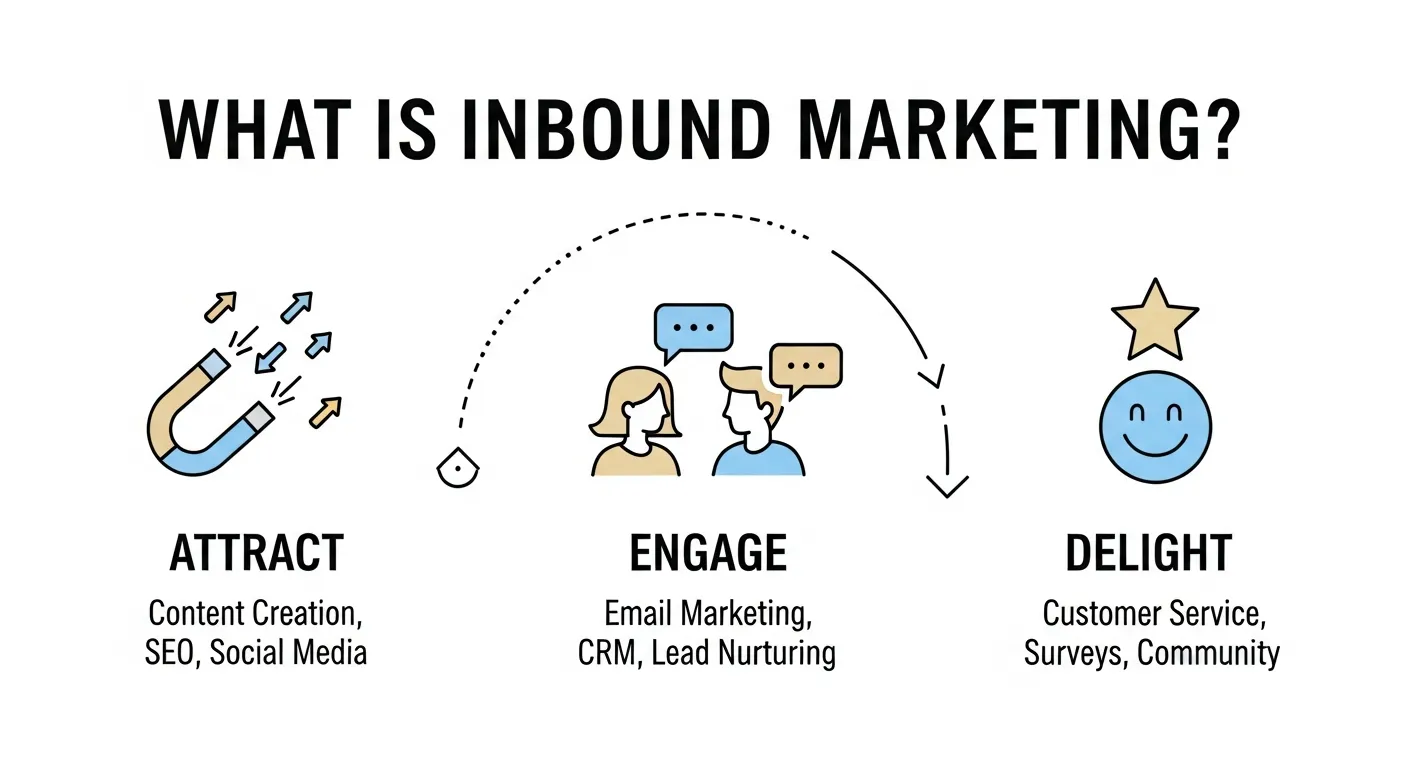
Inbound Marketing is a customer-centric approach that focuses on attracting potential customers organically by creating valuable, relevant, and helpful content. Unlike Outbound , which pushes messages outward to capture attention, inbound marketing draws people in by offering solutions to their problems and answers to their questions.
This strategy revolves around providing value before asking for a sale. It uses tactics such as content marketing, search engine optimization (SEO), social media engagement, video content, email nurturing, and lead magnets like eBooks or webinars. The goal is to build meaningful connections with your audience and convert visitors into loyal customers through trust and education rather than interruption.
Inbound marketing aligns perfectly with the modern buyer’s journey—where customers prefer to research online, read reviews, and explore helpful content before making a purchase decision.
Pros of Inbound Marketing
1. Cost-Effective
Compared to Outbound , inbound marketing is generally more budget-friendly and offers higher long-term ROI. While it requires initial investment in creating quality content and optimizing your website for search engines, the results continue to grow over time. A well-written blog post or an optimized video can keep driving organic traffic for months or even years without recurring costs.
This makes inbound marketing ideal for small and medium-sized businesses looking to build sustainable growth without relying heavily on paid ads or costly promotions.
2. Audience Targeting
Inbound marketing allows for laser-focused audience targeting. Through keyword research, analytics, and buyer personas, you can create content specifically designed for your ideal customers’ interests and needs. For example, a blog answering “how to choose the right CRM” naturally attracts people already considering that purchase—making them far more qualified leads than those reached through broad outbound advertising.
This precise targeting ensures you’re not just reaching people, but the right people—those most likely to convert.
3. Builds Trust and Authority
Trust is the foundation of inbound marketing. By consistently publishing insightful, high-quality content—whether blogs, videos, podcasts, or guides—you position your brand as a credible authority in your niche. When customers repeatedly find valuable answers from your brand, they begin to trust your expertise, making them more comfortable engaging, subscribing, or purchasing.
Unlike outbound tactics that can feel intrusive, inbound marketing builds authentic relationships through education and transparency.
4. Long-Term Benefits
Inbound marketing is a long-term investment that compounds in value. Evergreen assets like blog posts, YouTube videos, and SEO-optimized landing pages continue to drive traffic, leads, and brand visibility long after publication.
This cumulative effect means that while outbound campaigns stop delivering once the budget runs out, inbound marketing keeps working for you 24/7. Over time, it builds a powerful digital ecosystem that fuels continuous organic growth.
5. Customer Engagement
Inbound marketing opens the door to two-way communication with your audience. Through blog comments, social media interactions, and personalized email campaigns, you can foster direct engagement that strengthens relationships and increases customer loyalty.
These channels allow for meaningful conversations, feedback collection, and relationship-building—helping brands understand their customers better and deliver personalized experiences that keep them coming back.
Cons of Inbound Marketing
1. Takes Time
Inbound marketing is not an overnight success strategy. Building a loyal audience, earning organic traffic, and establishing authority takes time—often several months to a year. Businesses seeking immediate results may find inbound marketing slow compared to Outbound Marketing, which can deliver instant visibility through ads or outreach.
However, while the initial growth may be gradual, the long-term payoff is well worth the patience.
2. Requires Ongoing Effort
To maintain momentum, inbound marketing demands consistent and sustained effort. Regular content creation, SEO updates, and active engagement across channels are essential. Stopping these efforts can quickly lead to stagnation in traffic and lead generation. Successful inbound strategies thrive on consistency, creativity, and continuous optimization.
3. High Competition
The digital space is saturated with content from businesses across every industry. Standing out requires a strong content strategy, keyword research, and a unique voice. Without differentiation or quality, inbound efforts risk getting lost in the noise. Investing in originality, storytelling, and strong visuals is key to overcoming content fatigue among audiences.
4. Can Be Technical
While inbound marketing is accessible, mastering it can be complex. SEO optimization, analytics, marketing automation tools, and CRM integration often require specialized skills or professional guidance. Businesses may need to invest in training, hire marketing experts, or use advanced tools to manage inbound campaigns effectively.
How to Combine Inbound and Outbound Marketing for Maximum Impact

While inbound and outbound have distinct advantages, combining both creates a well-rounded strategy that captures attention immediately (outbound) and sustains interest long-term (inbound). When used together, they complement each other’s weaknesses and deliver a complete customer journey.
For example, outbound ads can drive awareness for a new product, while inbound content nurtures those leads into conversions through education and engagement.
Benefits of Integration
- Higher Lead Quality: Outbound generates attention, inbound nurtures intent.
- Stronger Brand Recall: Repetition across channels builds familiarity and trust.
- Optimized ROI: Combining quick wins from outbound with lasting inbound growth maximizes returns.
- Better Customer Insights: Tracking engagement across both strategies helps refine messaging.
Comparison Table: Combined Marketing Approach
| Aspect | Outbound Marketing | Inbound Marketing | Combined Effect |
|---|---|---|---|
| Goal | Immediate visibility | Long-term engagement | Sustainable growth |
| Focus | Push messaging | Pull attraction | Balanced approach |
| Cost | High short-term | Low long-term | Optimized investment |
| Results Timeline | Fast but short-lived | Slow but lasting | Continuous performance |
Modern marketing automation tools—like an affordable email marketing service every startup needs—make it easier to merge both strategies seamlessly, nurturing leads captured from outbound campaigns through personalized inbound workflows.
The Strategic Value of Marketing Communication in Modern Business
Effective communication lies at the heart of every successful marketing strategy. Whether inbound or outbound, how you communicate determines how your audience perceives your brand and decides to engage with it.
The growing importance of digital storytelling, personalization, and brand voice highlights the role of marketing communications in business—helping companies connect authentically with customers and stand out in competitive markets.
Core Functions of Marketing Communication
- Brand Consistency: Ensures every message—ad, email, or post—reflects a unified identity.
- Customer Education: Clarifies product benefits and builds trust through transparent messaging.
- Relationship Building: Fosters loyalty and emotional connection through ongoing engagement.
- Crisis Management: Helps maintain credibility during challenges or negative feedback.
Table: Marketing Communication in Action
| Communication Channel | Primary Purpose | Example Strategy |
|---|---|---|
| Content Marketing | Educate and attract | Blogs, guides, eBooks |
| Email Campaigns | Nurture relationships | Automated drip series |
| Social Media | Engage and interact | Brand storytelling |
| Advertising | Drive awareness | PPC or video campaigns |
When businesses understand what is outbound product marketing, they can align communication efforts more effectively—ensuring each campaign, whether outbound or inbound, delivers the right message to the right audience at the right time.
How Outbound and Inbound Work Together
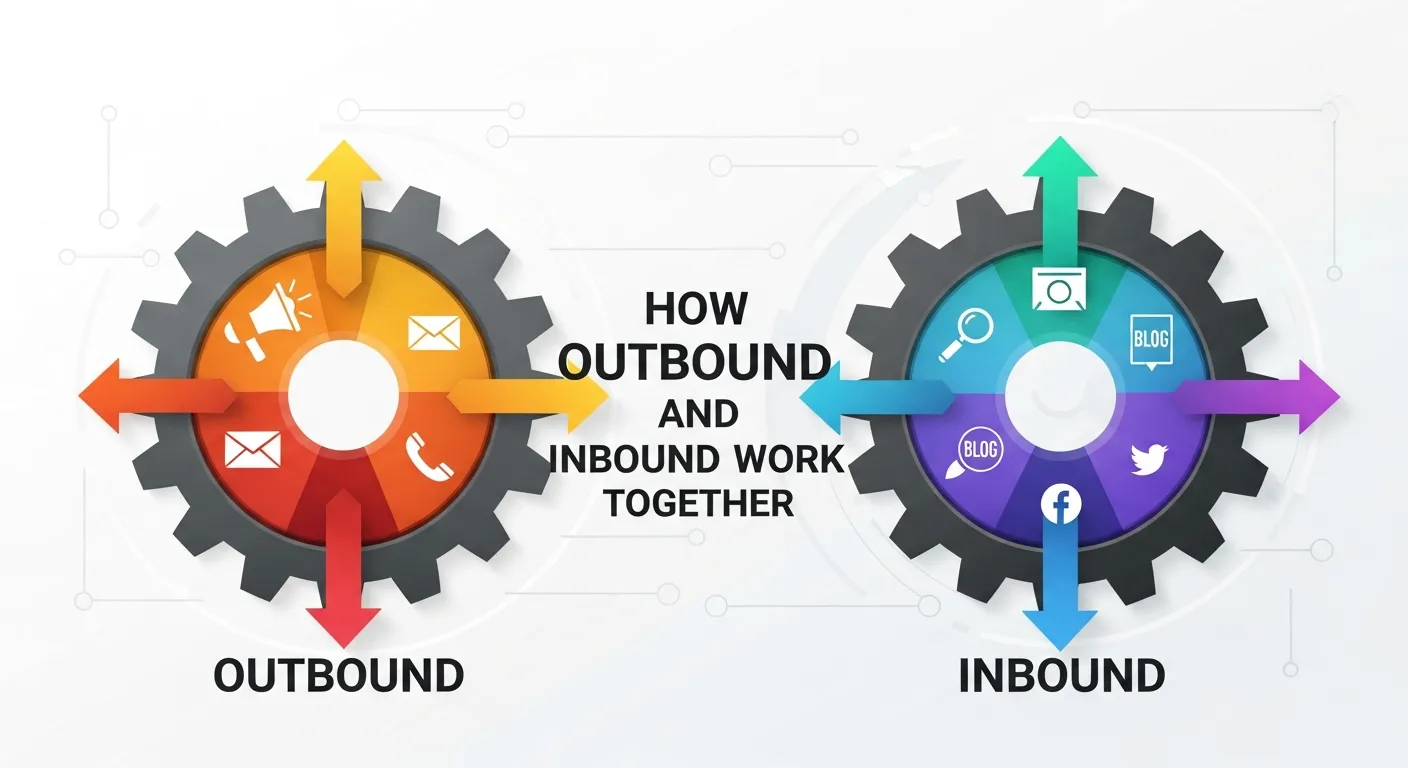
While they’re often seen as opposites, outbound and inbound marketing don’t necessarily need to operate in isolation. The most successful businesses often combine the two to create a robust, multi-channel strategy. Here’s how they can complement each other:
-
Kick-Start Awareness with Outbound
Outbound can help you quickly raise initial awareness of your brand. For example, a paid ad campaign can direct traffic to a meticulously crafted landing page designed with inbound marketing principles.
-
Use Outbound to Share Content
Promote inbound assets such as blog posts, webinars, or e-books using outbound techniques like social media ads or email campaigns.
-
Follow Up with Nurturing
Use inbound techniques like email drip campaigns to nurture leads generated through outbound efforts.
-
Target Specific Campaigns
For time-sensitive promotions (like product launches or sales), use outbound tactics to get the word out fast. Then support it with inbound techniques, such as creating a blog post or video that explains the “why” behind the product.
Making the Right Choice for Your Business
Choosing between outbound and inbound marketing ultimately depends on your business goals, audience preferences, and resources. Here are some guidelines to help:
-
Use outbound marketing if:
You need immediate results, have substantial ad budgets, and want to reach a wide audience that isn’t actively searching for your solution.
-
Use inbound marketing if:
You’re focused on building long-term relationships, have time to grow your audience organically, and want to establish trust and authority within your niche.
That said, for most businesses, a blend of both strategies will deliver the best results. It’s all about finding the right balance.
Take Action on Your Marketing Strategy Today
Understanding the pros and cons of outbound and inbound marketing gives you the tools to make smarter decisions for your business. There’s no one-size-fits-all solution, but by thoughtfully combining the strengths of each approach, you can create a strategy that aligns perfectly with your goals.
Need help refining your marketing strategy? Consider working with experienced professionals who can guide you through optimizing both outbound and inbound efforts. The right strategy will not only amplify your reach but also build a loyal audience keen to engage with your brand.