The Ultimate Guide to Outbound Marketing Activities

Outbound marketing has been an industry mainstay for decades. It sends brands, products, or services straight to their ideal users, hoping to catch their attention and pique their interest. But in a world of digital noise, how can companies use outbound marketing tactics to drive growth?
In this guide, you’ll learn what outbound marketing is, the key strategies, why it’s so effective compared to inbound, how to measure performance, and what the future of this ancient tactic looks like.
What is Outbound Marketing?
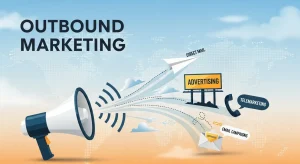
Outbound marketing, often referred to as “push marketing,” is the practice of proactively reaching out to potential customers to spark interest in your products or services. Unlike inbound marketing—where you attract customers through valuable content and organic discovery—outbound marketing puts your brand directly in front of your audience through deliberate, targeted communication.
From 20th-century TV and radio commercials to 21st-century digital ads, email outreach, and cold calls, outbound marketing has continually evolved to adapt to changing consumer behavior and technology. Yet, the core idea remains the same: you initiate the conversation.
This approach focuses on delivering your message quickly and efficiently to raise awareness, generate leads, and drive sales. Whether it’s through a social media ad, a personalized email, or a billboard on a busy street, outbound marketing helps businesses cut through the noise and stay visible in a crowded marketplace.
It’s a strategy that remains vital for businesses of all sizes—from agile startups looking to build initial traction to large corporations maintaining market dominance. Outbound campaigns allow companies to control their reach, scale their visibility, and directly influence how their brand is perceived.
Even in today’s data-driven marketing world, where inbound strategies often steal the spotlight, outbound marketing continues to deliver results—especially when combined with digital analytics and automation tools that make targeting smarter and more cost-effective.
Whether you’re launching a new product, re-engaging old leads, or scaling your customer acquisition efforts, understanding the mechanics of outbound marketing—and how to align it with your overall strategy—can be the key to unlocking consistent growth and measurable success.
Outbound Marketing Tactics that Work

Outbound marketing thrives on proactive engagement—reaching out to potential customers through channels that deliver your message directly and powerfully. Below are some of the most effective outbound marketing tactics that continue to deliver results across industries.
1. Cold Calling
Despite its reputation as an outdated or intrusive method, cold calling remains one of the most powerful B2B outbound tactics when done strategically. Modern cold calling is far from random dialing—it’s built on research, data, and personalization.
By understanding your prospect’s industry, pain points, and goals, you can craft a call that feels relevant rather than pushy. When paired with CRM systems and prospecting tools like Salesforce, Outreach, or Apollo.io, sales teams can time their calls effectively and keep track of follow-ups. A well-planned cold call can initiate meaningful conversations that evolve into long-term business relationships.
2. Email Outreach
Email marketing remains a cornerstone of outbound strategy because it combines scalability with personalization. Businesses can reach thousands of potential customers while tailoring messages for different segments of their audience.
Using tools like Mailchimp, HubSpot, or Lemlist, marketers can design targeted campaigns that nurture leads, promote products, and announce events. The key lies in creating compelling subject lines, concise content, and strong calls-to-action (CTAs). When integrated with automation and analytics, email outreach can generate impressive engagement rates and deliver measurable ROI.
3. Paid Advertising
Paid ads on platforms like Google Ads, Meta (Facebook and Instagram), and LinkedIn allow brands to target specific demographics, interests, and behaviors. This form of outbound marketing ensures that your brand appears in front of potential customers who are either actively searching for solutions or passively engaging with related content.
A combination of search ads, display banners, video ads, and remarketing campaigns can create a powerful funnel that moves leads from awareness to conversion. Modern ad tools also enable A/B testing, budget optimization, and precise audience tracking, making outbound advertising smarter and more efficient than ever.
4. Direct Mail
While digital channels dominate, direct mail marketing continues to stand out for its tangible, personal touch. A well-designed postcard, brochure, or catalog can grab attention in a way that emails or ads sometimes can’t.
Businesses often use direct mail to re-engage past customers, promote exclusive offers, or launch new products. When combined with digital follow-up strategies—like personalized QR codes or landing pages—direct mail becomes an integrated, multi-channel experience that bridges the offline and online worlds.
5. Event Marketing
Events remain one of the most effective ways to build face-to-face trust and demonstrate value. Whether it’s a trade show, business conference, or virtual webinar, events provide direct access to high-quality leads and decision-makers.
Companies can showcase products, offer live demos, or host interactive discussions to engage attendees. Modern event marketing has evolved with technology—hybrid events and virtual expos now allow brands to reach global audiences while still maintaining personal interaction. These gatherings are not just about selling but about networking, knowledge-sharing, and relationship-building, all of which are central to long-term outbound success.
6. Social Media Advertising
Social platforms like Facebook, LinkedIn, Instagram, and X (formerly Twitter) have become vital channels for outbound marketers. With advanced audience segmentation and targeting tools, businesses can reach users based on interests, demographics, job titles, and even behaviors.
Social ads work particularly well for brand awareness, lead generation, and retargeting campaigns. Visual formats—like carousel ads, video content, or sponsored posts—can boost engagement and drive action. By leveraging data insights from these platforms, marketers can refine campaigns in real time for maximum performance.
7. TV and Radio Advertising
Even in today’s digital-first world, traditional media still commands influence. TV and radio ads allow brands to reach broad, diverse audiences and establish mass awareness. For industries targeting families, regional communities, or older demographics, these formats remain highly effective.
Modern TV and radio advertising have also evolved—thanks to programmatic ad buying, streaming platforms, and audio-based digital channels like Spotify and YouTube Music, businesses can now blend traditional reach with digital precision. The result: a well-rounded, multi-channel outbound strategy that captures both attention and trust.
Successful outbound marketing isn’t about using every tactic—it’s about selecting and optimizing the right mix for your audience, goals, and budget. When executed strategically and supported by data-driven insights, these outbound tactics can help you expand reach, strengthen brand visibility, and drive consistent growth.
Advantages of Outbound Marketing

Despite the rise of inbound and digital-first strategies, outbound marketing continues to play a critical role in modern business growth. It remains one of the fastest and most effective ways to generate awareness, reach new audiences, and drive conversions—especially when executed strategically.
Here are the key advantages that make outbound marketing a vital part of any comprehensive marketing plan:
1. Immediate Reach and Impact
Unlike inbound strategies that take time to build momentum, outbound marketing delivers results quickly. By actively reaching out to your audience—through ads, calls, or emails—you can get your brand in front of potential customers within hours or days, not months.
This instant visibility is particularly valuable for startups or new product launches where early traction is essential. Whether it’s through a Google Ads campaign, a sponsored social post, or a targeted cold email, outbound marketing allows you to generate awareness and leads immediately, jumpstarting your growth curve.
2. Broad Audience Exposure
Outbound marketing excels at expanding your reach beyond existing demand. Channels such as TV commercials, radio ads, billboards, and search engine advertising allow businesses to reach audiences who may not even know they need your product or service yet.
This proactive approach helps create new demand and spark curiosity among consumers outside your usual audience base. It’s especially effective for businesses entering new markets or industries—ensuring that your brand message is seen by a large and diverse audience, not just those actively searching online.
3. Easy to Scale and Replicate
One of the biggest advantages of outbound marketing is its scalability. With the help of paid online platforms like Google Ads, LinkedIn Ads, Meta Ads, and email automation tools such as HubSpot or Mailchimp, companies can easily scale their outreach efforts without increasing manpower or complexity.
Outbound strategies can also be replicated and expanded quickly—whether you want to target a new geographic region, test different market segments, or increase ad spend for higher exposure. This makes outbound marketing a flexible, growth-ready solution for both small and large businesses looking to accelerate lead generation and revenue.
4. Excellent for Brand Awareness and Recall
Consistent outbound marketing builds brand familiarity—a psychological advantage that pays off when customers are ready to make a purchase. By repeatedly showing your brand message through ads, emails, or sponsored events, you ensure your company stays top-of-mind.
For example, a prospect might see your ad on LinkedIn, hear your name on a podcast, and later receive an email from your sales team. This multi-touch exposure creates recognition and trust, increasing the likelihood of conversion when the customer enters the decision-making stage.
Outbound marketing helps position your brand as credible and established, which is especially valuable in competitive industries where visibility and trust are key drivers of success.
Outbound marketing offers the speed, reach, and control that many growing businesses need. It’s ideal for quickly scaling exposure, reaching untapped audiences, and building brand recognition in record time.
When paired with data-driven insights and personalization, outbound strategies can achieve exceptional results—combining broad reach with meaningful engagement. Whether you’re a startup aiming to make noise or an established brand looking to stay visible, outbound marketing remains a proven, powerful engine for business growth.
Outbound Marketing vs. Inbound Marketing

The reality is that audience behavior and content consumption patterns have changed dramatically in recent years. With more people spending time online, exploring brands on their own terms, and expecting personalized experiences, businesses can no longer rely on a one-size-fits-all approach to marketing.
This evolution has given rise to two distinct yet complementary strategies: outbound marketing and inbound marketing.
Where outbound marketing focuses on pushing messages outward to reach potential customers proactively, inbound marketing takes the opposite approach—it pulls audiences in by providing valuable, relevant content that naturally attracts interest.
Both play crucial roles in building awareness and driving sales, but they operate differently in intent, execution, and outcome.
Here’s a look at how the two approaches compare:
| Feature | Outbound Marketing | Inbound Marketing |
|---|---|---|
| Goal | Directly advertise your product or service | Educate, inform, and build trust before promoting |
| Focus | Broad, targeted advertising and proactive outreach | Content-driven strategies that establish authority and context |
| Approach | Push marketing — delivering messages to prospects | Pull marketing — attracting prospects through valuable content |
| Examples | Cold calls, email blasts, TV/radio ads, paid campaigns | SEO blogs, social media content, YouTube videos, webinars |
| Customer Engagement | One-way communication | Two-way, relationship-driven communication |
| Conversion Time | Short-term and immediate | Long-term and nurturing |
| Measurement | ROI and response rate | Engagement, organic traffic, and lead quality |
How They Work Together
While the two approaches seem to be at opposite ends of the marketing spectrum, the most effective marketing strategies combine both. Outbound marketing delivers quick exposure and immediate results, while inbound marketing builds sustainable, long-term relationships.
For example, a company might use outbound email campaigns to promote a new product launch, while simultaneously using inbound tactics like blog articles, SEO optimization, and educational webinars to nurture leads and strengthen credibility.
This integrated approach—often called a semi-hybrid marketing model—blends the strengths of both systems. It ensures that your brand reaches a wide audience while still cultivating meaningful engagement and trust.
In practice, this means:
- Using outbound ads to generate awareness and drive traffic.
- Leveraging inbound content to educate and convert those visitors into loyal customers.
- Tracking performance metrics from both to align sales and marketing goals effectively.
In today’s marketing ecosystem, success doesn’t come from choosing outbound or inbound—it comes from strategically aligning both. Outbound builds reach; inbound builds relationships. When the two work together, they create a powerful marketing engine that drives visibility, engagement, and sustainable growth.
The next section will explore how this hybrid marketing approach bridges the gap between push and pull strategies—helping businesses maximize reach while maintaining authenticity and trust.
Outbound Marketing Campaign Success Metrics
No outbound marketing strategy is complete without effective performance tracking. Measuring success allows marketers to refine campaigns, allocate budgets wisely, and continuously improve engagement and conversion rates. Outbound marketing may be proactive, but without solid data, it’s difficult to know whether your message is hitting the mark.
Below are the key metrics, tools, and testing strategies to help you accurately gauge the success of your outbound marketing campaigns.
1. KPIs to Monitor
Tracking Key Performance Indicators (KPIs) helps determine how effectively your outbound efforts are driving results. These metrics provide insight into audience behavior, campaign impact, and return on investment.
-
Cold Call or Email Response Rate:
This measures how many prospects reply or engage after receiving your outreach. A higher response rate typically indicates that your messaging is relevant, personalized, and well-targeted. Tools like Outreach.io or Apollo.io can help automate follow-ups and analyze engagement trends. -
Click-Through Rates (CTRs) on Digital Ads:
CTRs show the percentage of people who click on your ads after seeing them. Strong CTRs indicate that your creatives and ad copy are resonating with your target audience. Monitoring CTRs across Google Ads, LinkedIn, and Meta Ads helps identify which platforms and messages perform best. -
Landing Page Conversion Rates:
Once a user clicks on your outbound ad or email, the next crucial step is conversion—whether it’s signing up, downloading, or making a purchase. Optimizing your landing pages with compelling copy, clear CTAs, and fast load times can drastically improve conversions. -
Return on Investment (ROI):
ROI evaluates how much revenue your outbound efforts generate compared to the total campaign cost. This metric ensures that your spending on ads, events, or outreach produces measurable business value. A consistent positive ROI means your outbound strategy is both sustainable and scalable.
2. Tools and Platforms
Modern outbound marketing relies heavily on data-driven insights, and the right tools make all the difference.
-
Google Analytics:
Essential for tracking ad performance, website traffic, and user behavior. You can identify which channels drive the most qualified leads and where visitors drop off in your conversion funnel. -
HubSpot:
A powerful platform that integrates CRM, email automation, and analytics. HubSpot provides clear visibility into how each outbound touchpoint contributes to lead nurturing and sales conversions. -
Salesforce:
Ideal for managing large-scale outbound campaigns, Salesforce allows teams to track every interaction, measure lead quality, and align sales and marketing teams for better ROI.
These platforms collectively help you measure what’s working, spot inefficiencies, and make data-backed adjustments to your campaigns in real time.
3. A/B Testing for Optimization
A/B testing (or split testing) is one of the most effective ways to refine outbound marketing performance. By experimenting with different ad formats, subject lines, email templates, CTAs, or landing page designs, you can identify what your audience responds to best.
For instance:
- Try two versions of an ad headline to see which drives more clicks.
- Test email subject lines to improve open rates.
- Experiment with button colors or CTA placement to boost conversions.
Continuous testing helps marketers optimize campaign elements incrementally, leading to long-term improvements in engagement and conversion rates.
The true power of outbound marketing lies not only in reaching out—but in learning from every interaction. By consistently tracking KPIs, leveraging robust analytics tools, and performing A/B testing, businesses can turn raw data into actionable insights. This approach ensures that every outbound campaign is smarter, sharper, and more effective than the last.
Trends to Watch in Outbound Marketing

The world of outbound marketing is evolving faster than ever. As technology advances and customer expectations rise, businesses must adapt their strategies to stay competitive. The days of one-size-fits-all campaigns are long gone—today’s successful outbound marketing requires precision, personalization, and innovation.
Here are the key trends shaping the future of outbound marketing that every brand should be watching closely:
1. Personalization at Scale
In a crowded marketplace, personalization has become the ultimate differentiator. Modern consumers expect messages that speak directly to their needs, preferences, and behaviors. Whether it’s a customized email, a targeted ad, or a personalized product recommendation, relevance is the key to engagement.
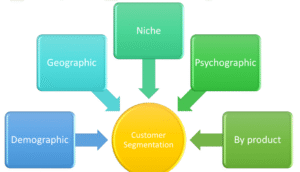
Marketers are now leveraging customer data, segmentation tools, and behavioral insights to deliver tailored campaigns that feel authentic and human. Platforms like HubSpot, ActiveCampaign, and Salesforce enable businesses to segment audiences by interests, buying stage, or location, allowing for hyper-personalized messaging at scale.
The result? Stronger engagement, higher response rates, and deeper customer relationships—because personalization transforms outreach from a pitch into a conversation.
2. AI-Powered Outreach and Automation
Artificial Intelligence (AI) is revolutionizing how outbound marketing operates. From predictive analytics to automated email sequencing, AI-driven tools are helping businesses work smarter, not harder.
With the help of machine learning algorithms, marketers can now identify high-quality leads, optimize the best time to send messages, and even personalize content automatically. Tools like ChatGPT, Outreach.io, and Apollo.io assist in drafting compelling cold emails or follow-up messages in seconds.
Moreover, AI-powered chatbots and virtual assistants are improving initial outreach and qualification, ensuring sales teams focus their efforts on the most promising prospects. This automation doesn’t just save time—it makes outbound efforts more precise, consistent, and effective.
3. Omnichannel Strategies and Integration
Customers today interact with brands across multiple touchpoints—email, social media, phone calls, ads, and events. Leading companies are embracing omnichannel outbound marketing strategies to create seamless and consistent customer journeys across all these platforms.
Instead of treating each channel in isolation, marketers are connecting them through integrated systems that synchronize data and messaging. For example, an email campaign might drive engagement on LinkedIn, which leads to a webinar invite or retargeting ad—creating a unified experience from awareness to conversion.
This multi-touch approach helps brands meet audiences where they are, increasing trust, recognition, and overall marketing efficiency. Businesses that adopt this integrated model are not just communicating—they’re building meaningful relationships through cohesive storytelling.
4. Enhanced Data Usage and Analytics
Data continues to be the backbone of effective outbound marketing, but the way it’s being used is changing. Marketers are moving beyond basic demographic targeting to leverage behavioral, contextual, and intent-based data for precision outreach.
Advanced analytics tools now provide deep visibility into audience engagement, helping teams understand who’s responding, why they’re responding, and what drives conversions. Platforms like Google Analytics, HubSpot, and Zoho CRM allow marketers to track every interaction, measure ROI, and optimize campaigns in real time.
With the right data insights, outbound marketing can evolve from a guessing game into a science of precision targeting and performance optimization. Businesses using data effectively are seeing higher ROI, improved lead quality, and more predictable sales outcomes.
Outbound marketing is enterin
Leveraging Outbound Marketing to Grow Your Business
Outbound marketing has evolved significantly over the years, but its core strength—driving visibility, reach, and growth—remains just as powerful. While traditional methods like cold calls and TV ads have given way to digital tools and data-driven tactics, the essence of outbound marketing still lies in one thing: proactively connecting with your audience where they are.
When leveraged effectively, outbound marketing can help your business expand into new markets, generate qualified leads, and build brand authority faster than organic methods alone. The key lies in choosing the right mix of strategies, aligning them with your business goals, and continuously optimizing them for performance.
1. Build a Strong Foundation with Targeted Campaigns
Successful outbound marketing begins with clear audience definition. You need to know exactly who you’re reaching out to and why. Using demographic data, firmographics, and buyer personas allows you to tailor your messaging for maximum relevance.
Instead of broadcasting your message to everyone, focus on precision targeting—reaching prospects who are most likely to benefit from your product or service. Whether through LinkedIn ads for B2B buyers or display ads for consumer audiences, well-targeted campaigns minimize waste and amplify ROI.
2. Combine Multiple Channels for Maximum Reach
No single outbound tactic works in isolation. The best results come from integrated, multi-channel outreach, where different methods reinforce one another.
For instance, you might use:
- Cold emails to introduce your brand and offer value.
- Paid ads on search or social platforms to retarget those who’ve interacted with your emails or website.
- Event marketing to connect with prospects face-to-face or via webinars.
This coordinated approach ensures your audience encounters your brand across multiple touchpoints—making your message both familiar and persuasive.
3. Optimize Continuously with Data and Analytics
In today’s digital age, outbound marketing is no longer guesswork—it’s data science in motion. The success of any campaign depends on how effectively you measure, analyze, and adjust based on performance insights.
Track key metrics such as click-through rates (CTR), cost per lead (CPL), response rates, and ROI to understand what’s working. Use tools like Google Analytics, HubSpot, or Salesforce to monitor engagement and conversion trends.
A/B testing is especially useful—experimenting with subject lines, ad copy, and visuals can reveal what resonates most with your audience. Over time, these small optimizations compound into significantly higher efficiency and return.
4. Align Sales and Marketing for Better Lead Conversion
One of the biggest advantages of outbound marketing is its ability to feed the sales pipeline with qualified leads. However, this works best when sales and marketing teams collaborate closely.
Marketing teams should share campaign data and lead intelligence with sales, enabling more informed follow-ups. Conversely, sales feedback helps refine targeting and messaging. This alignment ensures that every lead generated through outbound efforts is nurtured effectively—turning interest into revenue.
5. Evolve with Market Trends and Technology
Outbound marketing is not static. With the rise of AI, automation, and data-driven personalization, businesses now have more powerful tools to make outbound outreach smarter and more scalable.
Embracing AI-powered lead scoring, predictive analytics, and automated workflows allows marketers to deliver the right message at the right time—enhancing efficiency and conversion potential.
Staying adaptive and open to innovation ensures your outbound marketing doesn’t just keep up with the competition—it stays ahead.
Outbound marketing remains a proven growth engine for businesses across industries. Its success, however, depends on strategy, consistency, and optimization. By combining traditional outreach with modern digital tactics, leveraging data intelligently, and maintaining alignment between teams, you can transform outbound marketing into a powerful driver of sustainable business growth.
Frequently Asked Questions (FAQ) about Outbound Marketing
1. What exactly is outbound marketing?
Outbound marketing refers to proactive outreach efforts where businesses push their message toward potential customers instead of waiting for them to discover it. This includes tactics like cold calling, paid advertising, email campaigns, direct mail, and event marketing. The goal is to increase visibility, spark interest, and drive leads by directly engaging audiences who may not yet be aware of your brand.
2. Why is outbound marketing still important in the digital era?
Even with the rise of inbound strategies, outbound marketing remains vital for driving fast results and brand awareness. It helps companies reach new markets, re-engage lost leads, and promote time-sensitive offers effectively. When combined with data analytics and automation tools, outbound marketing becomes smarter, more targeted, and better aligned with customer needs.
3. How can I make my outbound campaigns more effective?
To make your campaigns perform better, focus on personalization, timing, and follow-up. Research your target audience thoroughly and craft messages that address their unique pain points. Use automation tools for outreach, but ensure your communication still feels authentic and human. Regularly track your KPIs to identify what works—and optimize accordingly.
4. What’s the best way to master follow-up frequency without annoying prospects?
Finding the right way to master follow up frequency is a balancing act. Too few follow-ups and you risk being forgotten; too many and you might push prospects away. A structured, data-informed approach works best—space follow-ups logically (for example, 2–3 days apart initially, then weekly). Always add value in each message instead of repeating the same pitch. Over time, analyze open and response rates to fine-tune your ideal frequency.
5. How does personalization improve outbound marketing success?
Personalization turns cold outreach into meaningful engagement. Today’s consumers expect messages that reflect their interests and pain points. However, the challenge lies in achieving hyper personalization without loss human touch—balancing automation with genuine empathy. The key is to use customer data and behavioral insights to craft relevant messages while keeping language natural, conversational, and human-centric.
6. What tools and platforms are most useful for outbound marketing?
There’s a wide array of tools that simplify and enhance outbound marketing.
- Email and CRM: HubSpot, Salesforce, Lemlist
- Ad Management: Google Ads, LinkedIn Campaign Manager, Meta Ads
- Analytics: Google Analytics, Hotjar, SEMrush
- Automation: Apollo.io, Outreach.io, Mailchimp
These tools allow marketers to automate tasks, manage leads, track performance, and optimize every stage of the outreach process for better results.
7. How can I measure the success of an outbound campaign?
Key metrics to track include click-through rates (CTR), response rates, conversion rates, and return on investment (ROI). Tools like HubSpot, Google Analytics, or Salesforce provide real-time dashboards to measure performance. Regular data analysis helps identify which tactics generate the most engagement and which need improvement, ensuring your outbound strategy stays agile and efficient.
8. How does predictive engagement help in outbound marketing?
Predictive analytics enables marketers to forecast when prospects are most likely to engage or convert. Predictive engagement reaching buyers when signals fade involves identifying subtle behavioral cues—like reduced website visits or delayed responses—to re-engage prospects before they lose interest. Using AI-driven insights, marketers can time their outreach more intelligently, increasing relevance and improving conversion rates.
9. How do outbound and inbound marketing complement each other?
Outbound and inbound marketing work best when integrated. Outbound marketing generates immediate visibility and traffic, while inbound marketing nurtures leads with valuable content. For example, outbound ads can drive visitors to inbound blog articles or landing pages that educate and convert. Together, they form a balanced hybrid strategy that accelerates both lead generation and long-term relationship building.
10. What are the biggest mistakes to avoid in outbound marketing?
Common pitfalls include generic messaging, lack of segmentation, poor timing, and no follow-up strategy. Businesses also fail when they treat outbound as a one-off effort rather than a continuous, data-driven process. Avoid over-automation, as it can make communication feel robotic. Instead, focus on crafting personalized, value-oriented campaigns that respect your audience’s attention and time.
See how a well-crafted brand positioning statement can strengthen your messaging and market presence.