Direct Mail Rising: Traditional Marketing in Digital Times
In a digital world of overflowing inboxes and constant notifications, direct mail stands out. Its tangible, sensory experience captures attention, feels personal, and creates lasting impressions, proving that traditional marketing still holds powerful relevance in modern, screen-dominated times.
In today’s fast-paced digital world, we are constantly bombarded with notifications, overflowing email inboxes, and endless social media updates. Amid this relentless digital noise, something surprising is happening: traditional physical mail is reclaiming its place as a powerful marketing tool. Unlike digital messages that can be easily ignored or deleted with a single click, a well-crafted piece of direct mail creates a tangible, memorable experience. The feel of quality paper, the visual appeal of creative design, and even the anticipation of opening an envelope engage multiple senses, making the message feel personal and significant. In an era where screens dominate our attention, direct mail stands out by offering a refreshing, human touch—reminding us that sometimes, the old ways still hold the greatest power to connect, captivate, and leave a lasting impression.
The Pendulum Swing
Marketing strategies often move like a pendulum, swinging between extremes before settling into a more balanced approach. Over the past decade, the rapid digital transformation of marketing led nearly every brand to concentrate heavily on online channels—social media, email, search, and programmatic ads. While these channels offer reach and convenience, the saturation of digital content has made capturing attention increasingly difficult. In this landscape, an unexpected opportunity has emerged for physical marketing approaches, with direct mail leading the way.
When competitors are all vying for visibility in crowded digital spaces, direct mail offers a refreshing alternative. Unlike emails buried in inboxes or ads scrolled past in seconds, a well-crafted direct mail piece commands uninterrupted attention. Its tangible presence engages multiple senses—sight, touch, even smell—creating a more personal and memorable experience. Forward-thinking marketers now recognize that direct mail isn’t just a nostalgic nod to traditional marketing; it is a strategic tool that leverages scarcity of attention in a digital-first world. By stepping into physical spaces where competitors rarely tread, brands can cut through the noise, foster deeper connections, and achieve engagement levels that digital channels increasingly struggle to deliver.
Neurological Advantages of Physical Media

The resurgence of direct mail isn’t merely about novelty or reduced competition—it’s grounded in how our brains process physical versus digital information. According to research from the Center for Experimental Consumer Psychology, physical materials engage more brain regions involved with spatial memory, emotional processing, and value attribution than identical digital content.
This neurological difference manifests in measurable performance advantages. Direct mail typically generates 10-30% higher recall rates than digital communications conveying identical messages. The physical interaction—touching paper, opening envelopes, unfolding materials—creates multiple memory encoding opportunities that digital experiences can’t replicate.
The multisensory nature of direct mail also offers broader creative canvas for brand expression. Texture, weight, scent, unusual formats, and interactive elements engage recipients through multiple sensory channels simultaneously, reinforcing brand impressions through diverse neural pathways.
Integration Creates Multiplier Effects

The most effective modern direct mail strategies don’t position physical mail as an alternative to digital channels but as a strategic complement creating multiplier effects. Marketing campaigns incorporating well-synchronized direct mail and digital elements typically outperform single-channel approaches by 30-40%, according to USPS Delivers research.
Sophisticated campaigns leverage each channel’s inherent strengths. Digital excels at convenience, trackability, and immediate response facilitation. Direct mail excels at attention capture, emotional engagement, and message retention. When strategically integrated, these complementary strengths create customer journeys more compelling than either approach alone could deliver.
Practical integration approaches include using personalized URLs or QR codes on mail pieces, sending physical materials timed to arrive shortly after digital introductions, or using direct mail to reactivate dormant digital relationships. The physical-digital bridge works particularly well for complex offerings requiring both emotional connection and detailed information access.
Personalization Beyond Digital Capabilities
While digital marketing pioneered mass personalization, today’s direct mail capabilities enable customization that sometimes exceeds what’s practically achievable in digital formats. Variable data printing, once prohibitively expensive for all but the largest enterprises, now allows small and mid-sized businesses to create individualized mail pieces economized through digital printing technologies.
Modern personalization extends beyond merely addressing recipients by name. Sophisticated direct mail incorporates recipient-specific images, maps showing nearby locations, personalized product recommendations based on previous purchase history, and content tailored to individual interests or needs. These customization capabilities transform traditional mass mailings into individually relevant communications.
The physicality of these personalized pieces often creates greater perception of investment than digital equivalents. Recipients intuitively understand that personalized physical materials required more effort and resource commitment than personalized emails, contributing to higher perceived value.
Environmental Considerations and Sustainability
The direct mail resurgence has required addressing legitimate environmental concerns. Forward-thinking direct mail strategies incorporate sustainability through careful targeting, environmentally responsible materials, and carbon offset programs.
Modern approaches minimize environmental impact by employing much more precise targeting than previous mass-mailing eras. Rather than blanketing entire zip codes with identical mailings, sophisticated campaigns deliver highly targeted pieces only to genuinely qualified prospects. This precision simultaneously improves campaign economics and environmental profile.
The physical materials themselves increasingly reflect environmental consciousness through recycled content, responsible forestry certification, biodegradable inks, and composability. These considerations address consumer environmental concerns while creating additional opportunities for brand value demonstration.
Breaking Through to Elusive Audiences
Direct mail offers particularly valuable access to audience segments proving difficult to reach through digital channels alone. These include privacy-conscious consumers using ad blockers and limiting digital tracking, older demographics less engaged with digital platforms, and premium segments experiencing extreme digital message saturation.
For technology brands predominantly operating in digital environments, physical mail offers particularly strong pattern interruption. When customers expect only digital communication, thoughtfully designed physical touchpoints create memorable brand moments that stand apart from routine interactions.
The distinctiveness of receiving physical mail from predominantly digital brands creates what psychologists call the “von Restorff effect”—the cognitive bias causing distinctive experiences to receive disproportionate attention and memory allocation. This phenomenon explains why digitally-oriented brands often see outsized response from selective use of premium direct mail.
Crafting Direct Mail That Resonates
Creating direct mail that truly connects with your audience requires more than printing and mailing—it’s about strategy, creativity, and personalization. Today’s consumers crave experiences that feel unique and thoughtful, not mass-produced. Well-designed campaigns can spark curiosity, encourage interaction, and drive meaningful results.
Key Strategies for Effective Direct Mail:
- Personalize messages to the recipient’s interests or past behavior.
- Use tactile materials to create a memorable experience.
- Incorporate clear calls-to-action to guide responses.
- Test formats, sizes, and designs to see what works best.
| Strategy | Purpose | Example |
|---|---|---|
| Personalization | Builds relevance and engagement | Customized letters or gifts |
| Tactile Design | Engages senses and creates lasting impressions | Embossed textures, unique packaging |
| Clear Call-to-Action | Drives measurable results | QR codes, response cards |
| Iterative Testing | Optimizes campaign effectiveness | A/B testing envelopes or headlines |
Forward-thinking marketers are now exploring how to merge traditional strategies with modern insights. Learn more about actionable approaches in direct mail marketing strategies .
Building Community Through Direct Mail
Direct mail isn’t just about selling—it’s a powerful tool to foster community and meaningful connections. In a world dominated by fleeting digital interactions, a thoughtfully delivered piece can create a sense of presence and shared experience, strengthening loyalty and engagement.
Ways Direct Mail Strengthens Community:
- Invite customers to participate in events or challenges.
- Share stories that resonate with a shared audience experience.
- Encourage user-generated content or responses to campaigns.
- Use mail to highlight shared values or missions.
| Approach | Community Impact | Example |
|---|---|---|
| Storytelling | Creates emotional connection | Letters with customer success stories |
| Shared Experience Invitations | Fosters participation | Event invites or challenge submissions |
| User-Generated Content | Encourages active engagement | Photo contests or feedback postcards |
| Value Alignment | Builds brand loyalty | Highlighting sustainability or social impact |
By using direct mail in ways that emphasize shared presence rather than just sales, brands can deepen engagement and create lasting bonds. Learn how ambient community-building amplifies connections
Measuring ROI and Maximizing Impact
One of the greatest advantages of modern mail is that it’s measurable and scalable. With clear tracking methods, marketers can assess campaign performance, optimize strategies, and demonstrate ROI just as effectively as digital campaigns.
Key Metrics for Direct Mail Success:
- Response rate: How many recipients engage with the campaign.
- Conversion rate: How many complete a desired action.
- Cost per acquisition: Efficiency of spending per customer gained.
- Customer retention impact: Influence on loyalty and repeat business.
| Metric | Why It Matters | Tracking Method |
|---|---|---|
| Response Rate | Measures initial engagement | QR codes, unique URLs, coupon codes |
| Conversion Rate | Measures actual business results | Landing page completions, form submissions |
| Cost per Acquisition | Evaluates efficiency | Total spend ÷ conversions |
| Customer Retention Impact | Assesses long-term value | Repeat purchase tracking, surveys |
Optimizing direct mail campaigns not only drives engagement but also boosts ROI. Brands that combine creativity with measurement see exponential growth. Learn more about strategies to maximize returns in direct mail marketing strategies to boost ROI .
Measurement and Attribution Evolution
Early criticisms of traditional physical marketing largely revolved around the difficulty of accurately measuring its impact compared to the highly trackable digital channels. Marketers often struggled to attribute outcomes to mailed campaigns because digital platforms offered precise analytics, click-through rates, and conversion tracking, creating a perception that offline efforts were less accountable or quantifiable.
However, modern methodologies have significantly closed this measurement gap. Tools such as call tracking numbers, personalized response URLs, and unique promotional codes now allow marketers to directly tie responses to individual campaigns. Matchback analysis against customer databases further enhances accuracy, revealing how campaigns influence purchasing behavior and engagement patterns. More sophisticated programs incorporate control group designs, allowing businesses to isolate the incremental effect of a campaign, ensuring they understand its true contribution beyond what is achieved through digital initiatives alone.
The development of marketing mix modeling and multi-touch attribution has further strengthened marketers’ ability to evaluate the impact of offline initiatives. These frameworks track customer interactions across multiple touchpoints, mapping how mailed materials influence the broader journey—from awareness to consideration to purchase—rather than just focusing on immediate responses. By integrating these analytical approaches, marketers can now view traditional campaigns as strategic, measurable components of an omnichannel strategy, capable of generating both direct outcomes and long-term brand value.
Practical Implementation Considerations
Successfully integrating traditional mailed campaigns into modern marketing strategies involves careful attention to several practical and strategic considerations. Each element of execution can significantly impact effectiveness, engagement, and overall return on investment.
1. Quality of Address Data
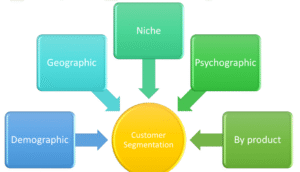
A high-quality contact database is foundational to any successful physical marketing effort. Unlike digital channels, where sending messages en masse is relatively inexpensive, physical campaigns incur tangible costs per piece. Ensuring that mail reaches genuinely qualified prospects is critical, as sending to irrelevant or outdated addresses not only wastes resources but can also harm brand perception. Investing in data hygiene, verification, and segmentation allows marketers to target the right audiences with greater precision and confidence.
2. Format Selection
Choosing the appropriate format requires balancing impact with cost. Simple postcards and letters may offer efficiency and wide reach, while dimensional packages, personalized kits, or premium inserts can create stronger impressions and higher engagement but at increased production expense. Each option carries different potential to capture attention and drive response, making it essential to match format choice to campaign objectives, target audience preferences, and budget considerations.
3. Testing Methodology
Testing in a physical medium requires a disciplined and strategic approach. Unlike digital campaigns, where multiple variables can be tested rapidly and in real time, mailed campaigns demand careful isolation of key factors—such as message copy, imagery, or offer type—to generate actionable insights. Campaign planners must design experiments thoughtfully, often leveraging smaller pilot runs, control groups, and staggered deployment to identify which elements resonate most effectively.
4. Production Timelines
Planning timelines for mailed campaigns differs significantly from digital execution. While digital initiatives can launch almost instantly, physical campaigns require advanced coordination to account for creative design, production schedules, postal processing, and delivery. Lead times must be carefully considered to align messaging with key dates, seasonal promotions, or event-driven initiatives. Overlooking these planning requirements can result in missed opportunities, delayed campaigns, and reduced impact.
By addressing these operational dimensions thoughtfully, marketers can integrate physical campaigns into a modern, multi-channel strategy, creating experiences that are both memorable and strategically effective.
The Future of Direct Mail
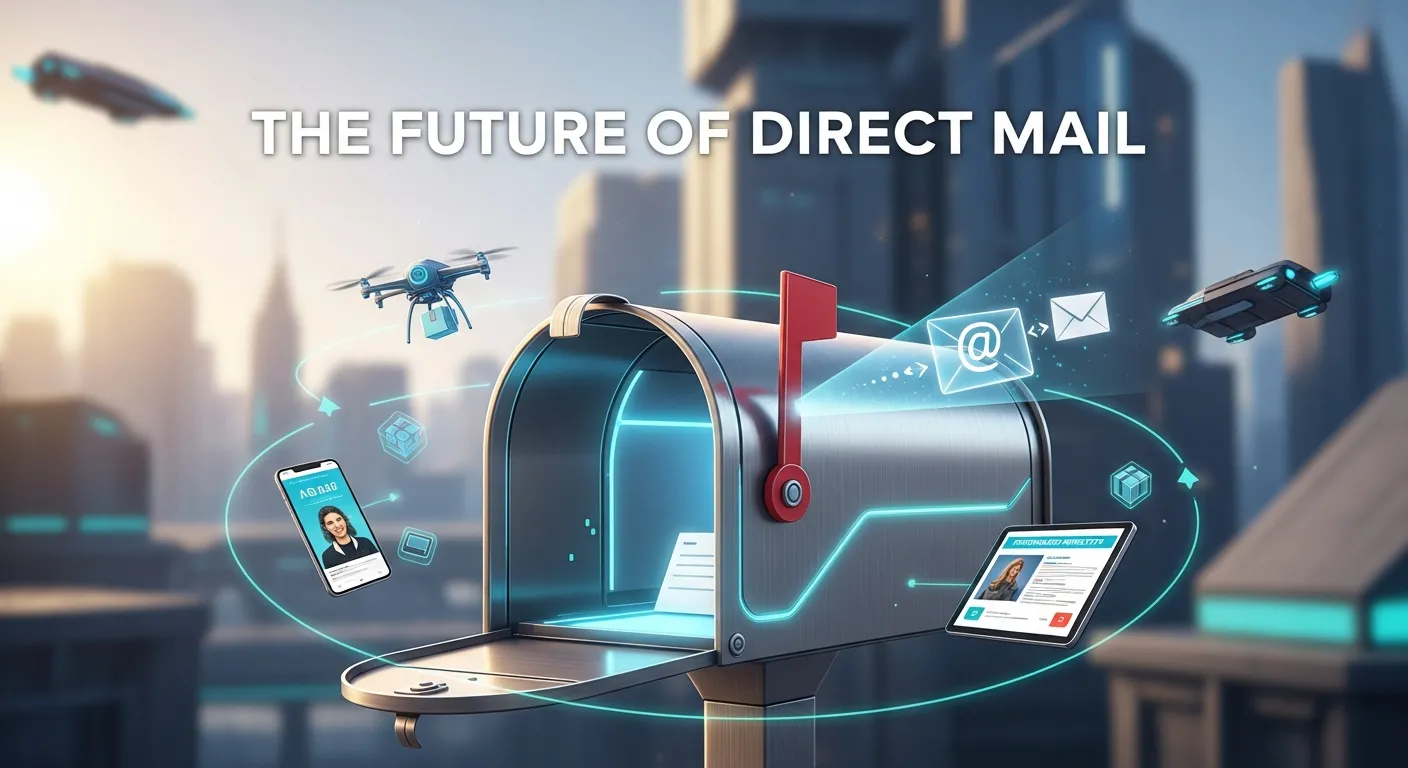
Looking ahead, physical marketing is undergoing a remarkable transformation through its fusion with emerging technologies. What was once a purely tactile medium is now evolving into an interactive, technology-enhanced experience that bridges the gap between the physical and digital worlds. This evolution is redefining how brands capture attention, tell stories, and engage audiences on multiple sensory levels.
Recent innovations are at the forefront of this transformation. Programmable ink can now alter its color or appearance in response to temperature or light exposure, adding a sense of novelty and surprise to each piece. Near-field communication (NFC) chips allow recipients to instantly connect their physical mail with digital content—websites, videos, or special offers—through a simple tap of their smartphone. Augmented reality (AR) markers bring static designs to life, triggering immersive 3D visuals or animations that deepen engagement. Even variable video screens, now compact and affordable enough to integrate within printed materials, enable high-impact storytelling through embedded motion and sound.
These advances are blurring the lines between the tangible and the digital, creating a new era of hybrid marketing experiences. Instead of viewing mailed pieces as static or one-dimensional, innovative marketers are reimagining them as interactive gateways—physical entry points that launch dynamic, technology-driven journeys. This integration not only heightens audience curiosity but also transforms traditional campaigns into multi-sensory experiences that are memorable, measurable, and emotionally resonant.
As technology continues to advance, the synergy between tactile engagement and digital interactivity will expand even further, offering brands new ways to create meaningful, connected experiences that bridge the best of both worlds.
Frequently Asked Questions (FAQ) about Modern Physical Marketing
1. Why is traditional mail becoming relevant again in digital times?
In an era saturated with online messages, audiences have grown desensitized to constant digital noise. Physical marketing offers a refreshing, tactile experience that captures attention in a way digital screens cannot. Its tangible nature fosters a stronger emotional connection, making it ideal for brands seeking deeper engagement.
2. How does physical marketing complement digital campaigns?
Rather than competing, physical and digital channels enhance each other. Tangible outreach can drive recipients online through personalized QR codes or URLs, while digital remarketing reinforces awareness created by mail. This synergy boosts overall response rates and helps create a seamless, omnichannel customer experience.
3. Is physical marketing more effective for certain industries or audiences?
Yes. It performs especially well in industries where trust and personalization matter—such as financial services, education, healthcare, and luxury retail. Audiences who value authenticity, quality, and tangible brand interactions are more likely to engage meaningfully with mailed materials.
4. How can marketers measure the success of mailed campaigns?
Modern analytics tools now make tracking highly accurate. Unique offer codes, personalized URLs, and call tracking systems help attribute responses to specific campaigns. Combined with marketing mix modeling, these techniques reveal true performance across multiple customer touchpoints.
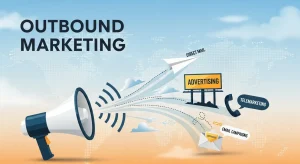
5. How do offline campaigns integrate with outbound marketing strategies?
Physical mail fits naturally within the outbound marketing framework, as it proactively reaches potential customers rather than waiting for them to find you. To better understand how outbound methods work—including paid search and advertising—this guide on Google Ads as an outbound channel provides valuable context for aligning messaging across platforms.
6. Can physical marketing align with inbound strategies like SEO?
Yes, and increasingly so. While outbound tactics push messages outward, inbound methods like search optimization attract interested audiences. The two can work together effectively—for example, a mailer might drive traffic to an optimized landing page that continues the conversation. You can explore how SEO connects to broader outbound frameworks .
7. What role does personalization play in campaign success?
Personalization is critical. Customized content—such as using the recipient’s name, referencing past purchases, or tailoring offers—makes each message feel exclusive and relevant. This not only increases engagement but also strengthens trust and brand loyalty over time.
8. How does retargeting fit within a customer journey that includes physical touchpoints?
Retargeting bridges the gap between offline and online engagement. When someone interacts with your physical campaign but doesn’t convert immediately, digital ads can re-engage them across channels. This combination reinforces brand recall and improves conversion rates. For more on this dynamic, see this detailed guide on retargeting campaigns in the customer journey.
9. What are the most innovative technologies shaping the future of physical marketing?
Emerging tools such as augmented reality (AR), near-field communication (NFC), and embedded video elements are redefining physical experiences. These innovations transform static materials into interactive touchpoints, merging sensory engagement with digital accessibility for a truly hybrid customer experience.
10. How can brands ensure sustainable and ethical practices in physical campaigns?
Sustainability is increasingly important for both consumers and businesses. Brands can reduce environmental impact by using recycled materials, eco-friendly inks, and efficient logistics. Transparent sourcing and responsible production not only reflect corporate values but also enhance brand credibility and customer loyalty.
Conclusion: Balance Creates Breakthrough
The renewed interest in traditional tactile marketing highlights an essential truth about modern strategy: effectiveness rarely comes from choosing between old and new methods, but rather from intelligently integrating both. Physical outreach stands out precisely because it feels different—its tangible presence contrasts sharply with the endless stream of digital messages that dominate daily life. This balance between physical and virtual experiences creates a richer, more memorable brand connection, reminding audiences that marketing impact often lies in the unexpected.
In an environment where consumers are constantly exposed to ads, emails, and notifications, standing out requires more than digital efficiency—it demands emotional resonance. Physical campaigns offer a sense of authenticity and personal touch that purely online efforts often struggle to achieve. By reintroducing tangible experiences into the marketing mix, brands can evoke trust, curiosity, and engagement in ways that digital screens alone cannot replicate. This complementary relationship reveals a deeper insight: innovation isn’t always about inventing something new, but about reimagining proven methods for the realities of today’s connected world.
We specialize in helping clients design and execute holistic marketing programs that unite physical engagement with data-driven digital precision. Our integrated strategies create synergy between tactile experiences and online interactions, amplifying visibility, strengthening relationships, and driving measurable business results. By combining traditional craftsmanship with modern targeting intelligence, we enable brands to connect with their audiences more meaningfully—and more effectively—than ever before.