Can You Use Both Inbound and Outbound Marketing?
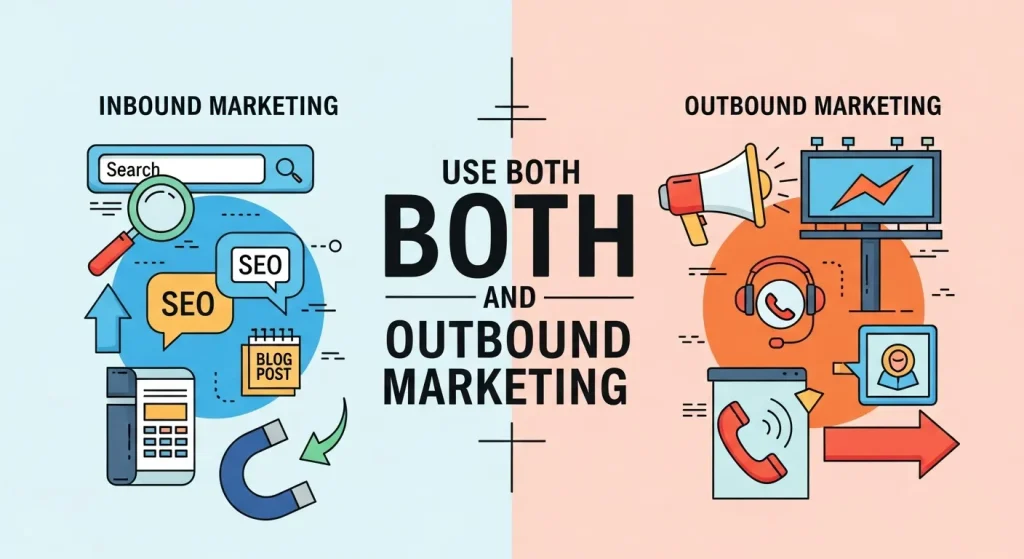
Many businesses still approach marketing as an either/or decision — choosing between inbound marketing with its content-driven, permission-based approach, or outbound marketing with its direct, promotional tactics. This mindset, however, creates an artificial divide that limits growth potential. In reality, the most effective strategies recognize that success doesn’t come from isolation, but from integration. By uniting both outbound and inbound marketing, organizations can balance proactive outreach with value-driven attraction, ensuring they engage audiences at every stage of the buyer’s journey. This holistic approach not only enhances visibility and credibility but also builds a scalable, sustainable marketing ecosystem that adapts to shifting consumer behaviors and competitive landscapes.
Understanding the Core Differences
Before exploring integration, it’s essential to understand what distinguishes these approaches:
Inbound Marketing attracts customers through relevant, helpful content and experiences tailored to them. It includes:
- Content marketing (blogs, videos, podcasts)
- SEO optimization
- Social media engagement
- Lead nurturing campaigns
Outbound Marketing directly reaches out to potential customers with promotional messages. It includes:
- Cold calling and email
- Direct mail
- TV and radio advertising
- Trade shows and events
- Print advertising
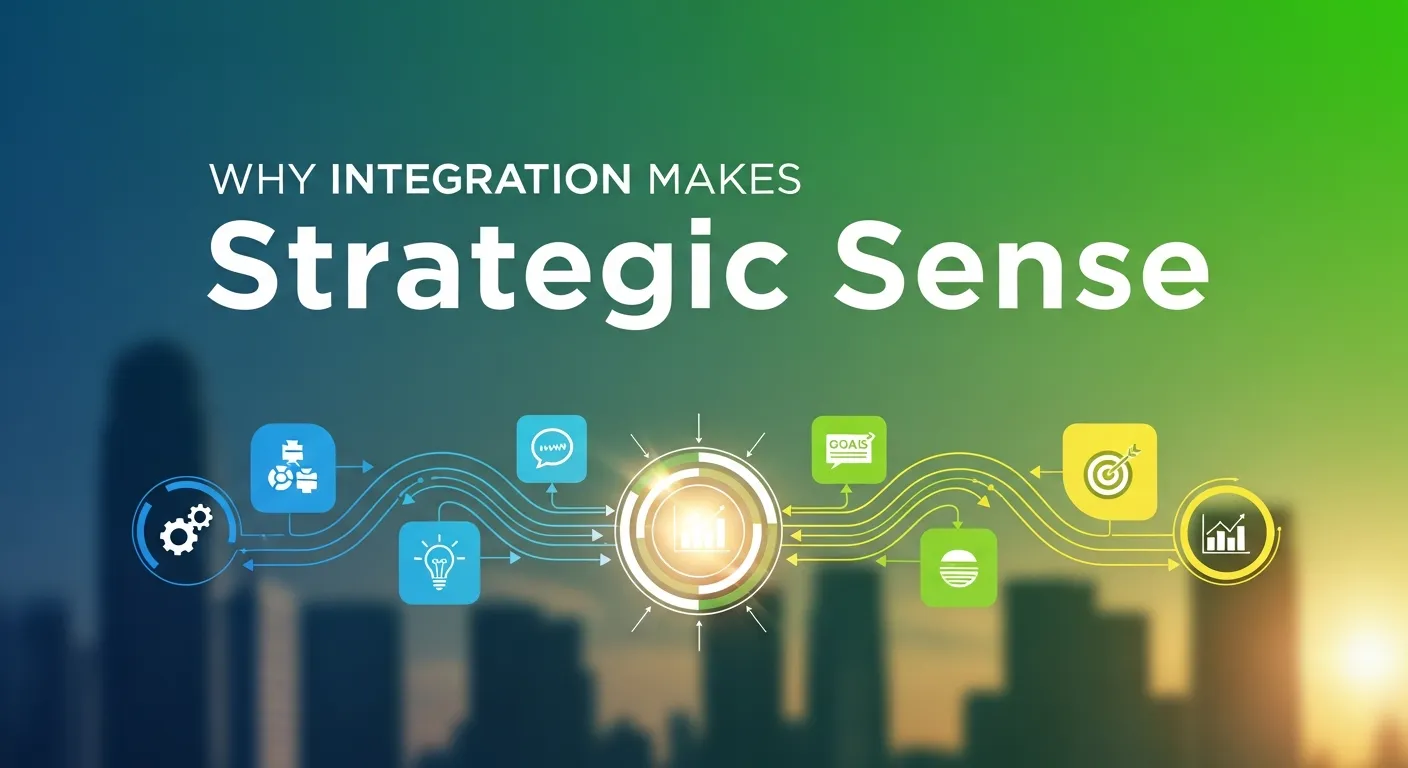
Why Integration Makes Strategic Sense
1. Complete Customer Journey Coverage
Inbound and outbound marketing excel at different stages of the customer journey:
- Outbound creates initial awareness efficiently, especially for new brands or products without established search visibility
- Inbound excels at education and nurturing during the consideration stages
- Combined approaches create multiple touchpoints throughout the journey, reinforcing messaging and increasing conversion probability
2. Diverse Audience Reach
Different audience segments respond to different marketing approaches:
- Some decision-makers actively search for solutions (inbound receptive)
- Others need to be introduced to solutions they haven’t considered (outbound receptive)
- Many respond to both approaches at different times in their buying process
An integrated strategy ensures you’re connecting with your entire potential market, not just segments that respond to a single methodology.
3. Short-Term and Long-Term Results
The timeframes for results differ significantly between approaches:
- Outbound marketing can generate immediate leads and sales, addressing short-term business needs
- Inbound marketing builds compounding value over time, creating sustainable organic traffic and lead sources
- Combined strategies deliver both immediate results and long-term growth
4. Data-Driven Optimization
When used together, inbound and outbound efforts provide more comprehensive data:
- Outbound campaign responses can reveal topics for inbound content creation
- Inbound engagement metrics can inform outbound messaging and targeting
- Cross-channel attribution models become more accurate and actionable
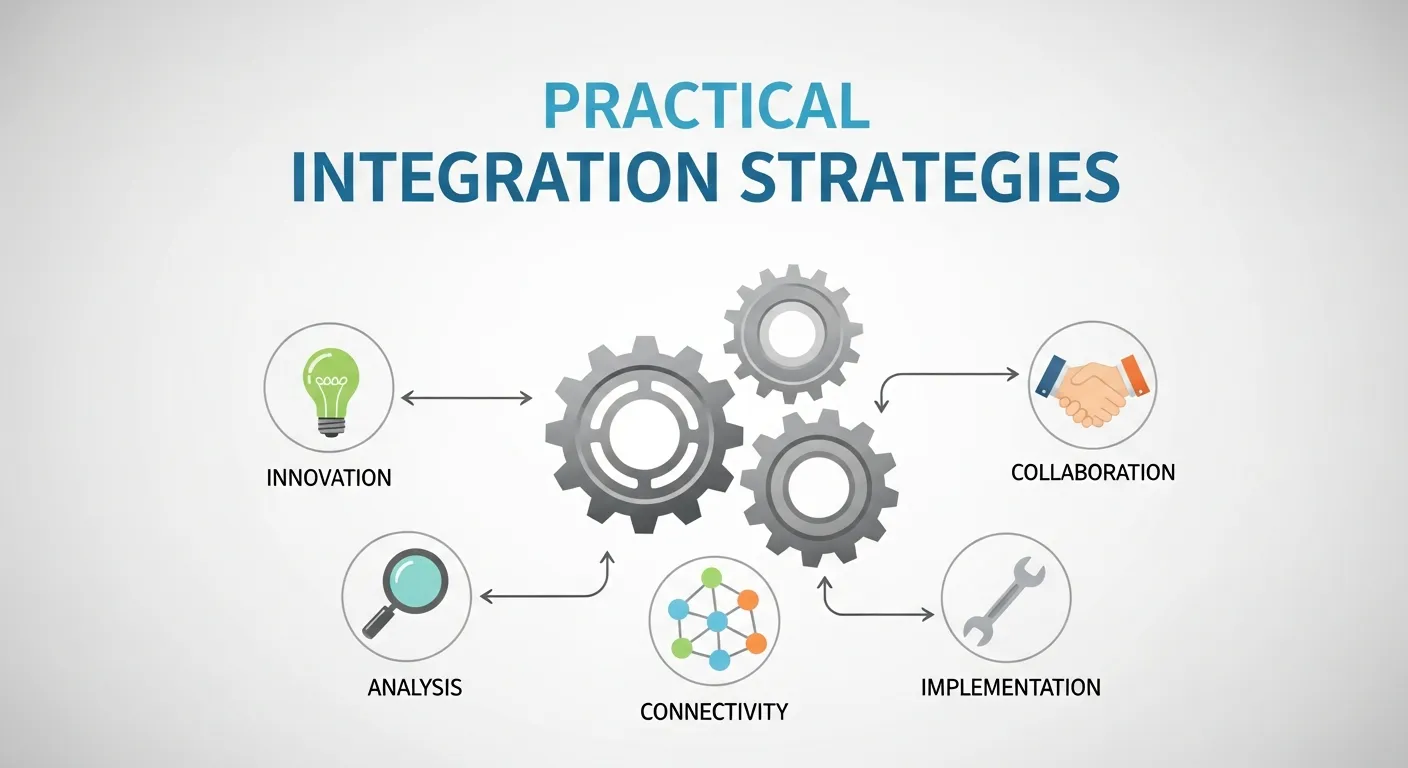
Practical Integration Strategies
Content Repurposing
Create content once, deploy it across both inbound and outbound channels:
- Transform detailed blog posts into direct mail pieces
- Convert webinar content into trade show presentations
- Use case study insights for cold outreach messaging
Coordinated Campaigns
Synchronize inbound and outbound efforts around unified themes:
- Launch outbound campaigns to drive traffic to inbound content hubs
- Follow up trade show connections with relevant content sequences
- Support direct marketing promotions with educational content
Sequential Targeting
Use outbound methods to initiate relationships, then transition to inbound nurturing:
- Identify high-value prospect segments
- Implement targeted outbound campaigns to create awareness
- Direct interested prospects to inbound content journeys
- Continue relationship building through permission-based communications
Retargeting Synergies
Leverage outbound methods to re-engage inbound prospects:
- Retarget website visitors (inbound) with display advertising (outbound)
- Follow up on downloaded content with direct outreach
- Send physical materials to complement digital engagement
Aligning Team Collaboration Across Both Outbound and Inbound Strategies
The success of any integrated marketing ecosystem depends heavily on the level of collaboration between internal teams. Aligning marketing, sales, and customer success teams ensures that both outbound and inbound strategies are not working in isolation but supporting one another toward shared business objectives.
When outbound and inbound initiatives are synchronized, they create a cohesive customer experience. For example, outbound campaigns can drive awareness and leads that are later nurtured through inbound channels like email automation, blogs, and webinars. Similarly, inbound data such as website analytics and lead scoring can inform outbound campaigns with precise targeting and personalized offers.
Key Collaboration Practices to Maximize Integration:
- Shared Objectives and KPIs: Instead of measuring success separately for each channel, define unified performance indicators—such as lead quality, conversion rates, and pipeline velocity—that reflect total marketing impact.
- Unified Messaging Framework: Ensure consistency across ad copy, email sequences, and blog tone so prospects recognize your brand across every channel.
- Regular Cross-Functional Meetings: Encourage your sales, marketing, and analytics teams to meet regularly, exchange insights, and co-develop strategies that balance short-term wins and long-term growth.
- Integrated Tech Stack: Use platforms like CRM and marketing automation systems to connect outbound touchpoints (ads, calls, direct emails) with inbound data (content engagement, downloads, sign-ups).
| Function | Outbound Role | Inbound Role | Collaboration Benefit |
|---|---|---|---|
| Sales | Personalized outreach and follow-up | Feedback on content effectiveness | Improves lead nurturing and qualification |
| Marketing | Advertising and campaign creation | SEO, content development, engagement | Aligns messaging consistency |
| Analytics | Conversion tracking, ad spend analysis | Traffic insights and funnel mapping | Enables unified performance reporting |
For a deeper understanding of inbound principles that enhance cross-team synergy, explore What is Inbound Marketing? A Complete Guide.
Integrating Social Media for Dual-Impact Marketing
Social media stands at the intersection of both outbound and inbound marketing, making it one of the most powerful tools for modern integrated strategies. It enables real-time engagement, direct outreach, and organic community building—all within the same environment.
An effective dual-impact social strategy uses outbound tactics like targeted ads, sponsored posts, and influencer partnerships to expand reach, while inbound tactics like organic content, storytelling, and engagement strengthen trust and long-term relationships. Together, they amplify visibility, enhance brand credibility, and create a continuous feedback loop between promotion and conversation.
How to Integrate Social Media Effectively:
- Segmented Ad Campaigns: Use outbound ads to reach specific personas, then guide them to inbound experiences such as blog articles, gated resources, or landing pages.
- Retargeting Engagements: Leverage social media retargeting to re-engage visitors who interacted with your inbound content but didn’t convert.
- Thought Leadership and UGC (User-Generated Content): Blend promotional content with authentic storytelling and customer-generated testimonials to humanize your outreach.
- Influencer Collaborations: Partner with micro-influencers for content amplification (outbound) while maintaining credibility and organic appeal (inbound).
| Platform | Outbound Use | Inbound Use | Integration Example |
|---|---|---|---|
| Sponsored posts and cold outreach | Sharing thought leadership and insights | Combine direct outreach with educational content | |
| Paid remarketing campaigns | Engaging communities through posts | Convert group participants into qualified leads | |
| Product promotions and contests | Storytelling through visuals | Link promotional content to inbound blogs or videos | |
| X (Twitter) | Targeted promoted tweets | Real-time engagement and trend participation | Use ads to promote inbound webinars or guides |
For more advanced insights on social media integration, read Social Media Inbound Tactics: Complete Guide.
Performance Optimization through Continuous Testing and Data Alignment
Integration doesn’t stop at implementation—it thrives through continuous optimization. To maximize ROI and efficiency across both outbound and inbound strategies, businesses must develop an ongoing process of testing, measurement, and refinement.
Every campaign generates valuable data, from outbound ad clicks and email responses to inbound engagement rates and lead conversions. Aligning this data across channels provides a 360-degree view of your marketing performance and reveals where synergy truly happens.
Core Optimization Practices:
- Data Centralization: Store inbound and outbound metrics in a single analytics dashboard to evaluate performance in real time.
- A/B and Multivariate Testing: Experiment with variations of messaging, CTAs, visuals, and landing pages to find what resonates across both methods.
- Attribution Modeling: Move beyond last-click attribution to understand how outbound ads initiate awareness and inbound content drives conversions.
- Predictive Analytics: Use AI-driven tools to forecast campaign success and allocate resources more efficiently between short-term (outbound) and long-term (inbound) goals.
- Cross-Channel Retargeting: Reconnect with users across multiple platforms by combining outbound display advertising with inbound email nurturing sequences.
| Metric Type | Inbound Focus | Outbound Focus | Unified Insight |
|---|---|---|---|
| Engagement | Blog views, email open rates | Ad impressions, CTR | Measures message resonance |
| Conversion | Lead form completions | Appointment bookings | Identifies high-performing funnels |
| Cost Efficiency | Organic reach, SEO ranking | Cost per acquisition (CPA) | Balances short- and long-term ROI |
| Retention | Repeat visits, newsletter growth | Follow-up engagement | Strengthens lifetime value metrics |
To enhance performance measurement and continuously refine your inbound methods alongside outbound campaigns, visit How to Improve Your Inbound Marketing Efforts.
Technology and Automation: Powering the Integration of Both Outbound and Inbound Marketing

Technology serves as the bridge that unites both outbound and inbound marketing efforts. In today’s digital ecosystem, automation platforms and AI-driven tools allow businesses to manage campaigns more efficiently, maintain consistency across channels, and personalize outreach at scale.
Modern marketing automation tools help synchronize messaging across emails, social media, paid ads, and content hubs—ensuring that every touchpoint supports the same customer journey. For example, when a lead interacts with outbound advertising, their behavior can automatically trigger an inbound email sequence or a personalized content recommendation.
Key Technological Enablers:
-
CRM Integration: Centralizes data to track how prospects move between outbound touchpoints (like ads or calls) and inbound engagement (like content downloads).
-
Marketing Automation: Automates nurturing flows, ensuring prospects receive timely, relevant follow-ups after outbound contact.
-
AI and Predictive Analytics: Helps forecast which outbound audiences are most likely to engage with inbound materials.
-
Personalization Engines: Dynamically adjust website and email content based on previous outbound interactions.
| Technology | Role in Outbound | Role in Inbound | Integration Outcome |
|---|---|---|---|
| CRM Systems | Track lead sources, manage outreach | Store engagement and conversion data | Unified customer view |
| Marketing Automation | Schedule campaigns, trigger ads | Deliver nurturing sequences | Streamlined customer flow |
| Data Analytics Tools | Measure ROI and response rates | Evaluate content performance | Comprehensive performance insights |
| AI Tools | Predict prospect behavior | Personalize experiences | Smart, adaptive marketing |
By leveraging these tools, organizations can create intelligent, always-on systems that maximize efficiency, precision, and relevance across both outbound and inbound channels.
Customer Experience and Brand Consistency Across Both Outbound and Inbound Channels
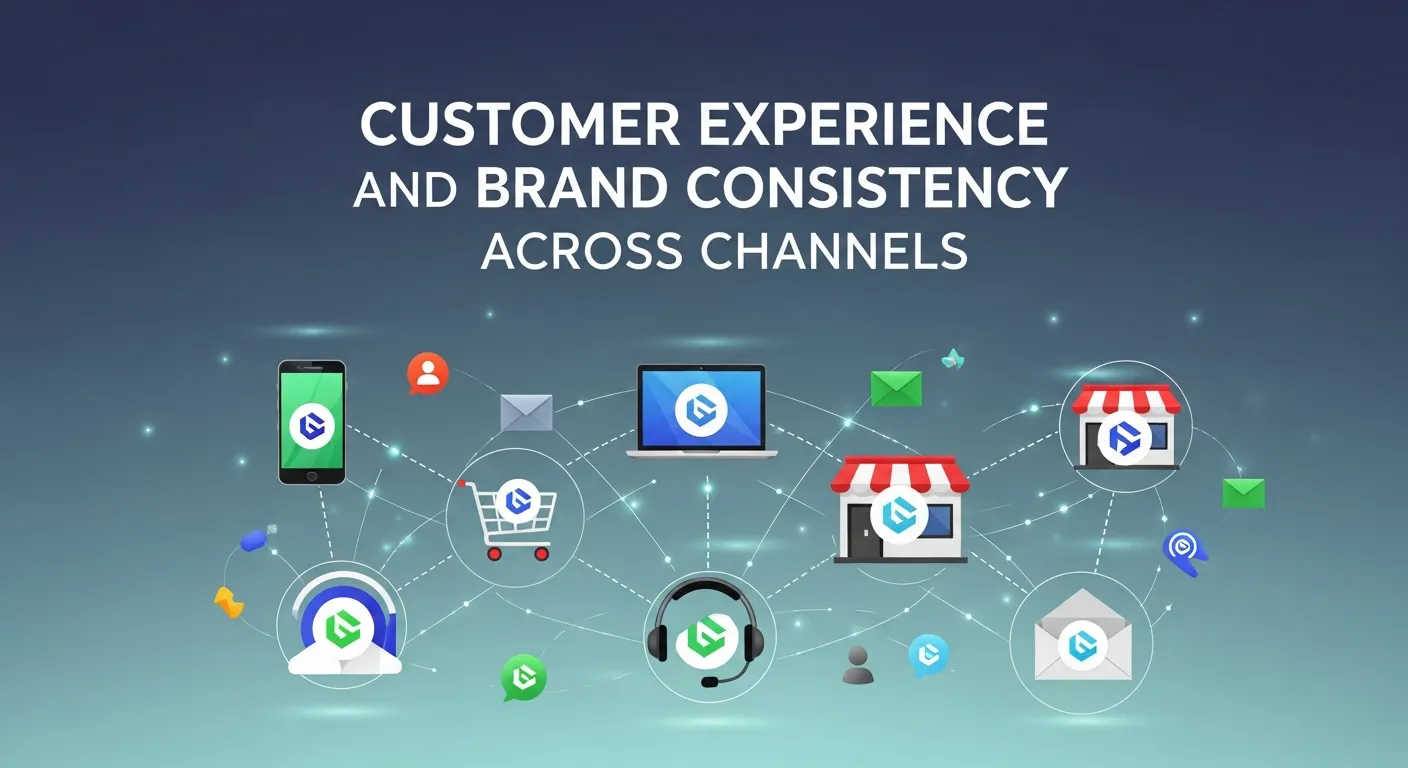
While data and automation power marketing operations, it’s the customer experience that determines success. The most effective marketing ecosystems deliver a consistent, trustworthy, and emotionally resonant experience across both outbound and inbound interactions.
When a customer sees an outbound ad, attends an event, or receives an email, the tone, visuals, and value propositions should align perfectly with the inbound materials they later explore—such as blog content, videos, or case studies. Consistency across every channel reinforces brand credibility and drives long-term loyalty.
Core Principles for CX Consistency:
-
Unified Storytelling: Every piece of outbound and inbound content should contribute to a single brand narrative that communicates purpose and authenticity.
-
Seamless Journey Mapping: Design touchpoints so that customers can transition smoothly from outbound awareness to inbound exploration without friction.
-
Personalized Engagement: Use data to adapt messaging to customer intent and stage—whether they first encounter an outbound ad or a helpful inbound article.
-
Emotional Connection: Combine the immediacy of outbound outreach with the trust-building depth of inbound content to form meaningful relationships.
| CX Element | Outbound Example | Inbound Example | Integration Benefit |
|---|---|---|---|
| Messaging | Direct promotional offers | Informative guides | Reinforces brand clarity |
| Tone & Voice | Ad copy, slogans | Blog tone, video scripts | Builds consistent identity |
| Visual Branding | Display ads, banners | Web design, infographics | Enhances brand recall |
| Customer Support | Event follow-ups, outreach | FAQs, chatbots, resources | Ensures seamless post-purchase care |
Ultimately, customer perception depends on the cohesion of both outbound and inbound experiences. When every message feels connected, prospects trust your brand more, engage longer, and convert faster.
Industry-Specific Integration Examples
B2B Technology
- Outbound: Account-based marketing campaigns targeting specific companies
- Inbound: Technical whitepapers and comparison guides
- Integration: Personalized outreach referencing specific content relevant to the prospect’s challenges
Retail/E-commerce
- Outbound: Seasonal direct mail catalogs and promotional emails
- Inbound: Product guides, styling content, and influencer collaborations
- Integration: QR codes in direct mail linking to expanded online content
Professional Services
- Outbound: Industry event sponsorship and networking
- Inbound: Thought leadership content and case studies
- Integration: Follow-up content journeys after in-person meetings
Measuring Integrated Marketing Success
Effective measurement requires both channel-specific and holistic metrics:
Channel-Specific Metrics
- Outbound: Response rates, cost per acquisition, direct conversion rates
- Inbound: Organic traffic, engagement rates, subscriber growth
Holistic Metrics
- Multi-touch attribution models
- Customer journey mapping
- Lifetime value analysis
- Brand awareness studies
Implementation Challenges and Solutions
Challenge: Budget Allocation
Solution: Start with a 70/30 split favoring your historical strength, then gradually adjust based on performance data.
Challenge: Messaging Consistency
Solution: Develop a unified messaging framework that adapts to channel contexts while maintaining core value propositions.
Challenge: Skills and Resources
Solution: Begin with integration in one product line or market segment before expanding company-wide.
Frequently Asked Questions (FAQ)
1. What is the main difference between inbound and outbound marketing?
Inbound marketing focuses on attracting potential customers by offering valuable, relevant content that answers their needs or interests. It includes blogs, SEO, and email nurturing. Outbound marketing, on the other hand, actively reaches out to prospects through ads, calls, and promotions. While inbound is permission-based, outbound is attention-driven—but combining both creates a powerful, full-funnel marketing approach.
2. Why should businesses integrate both outbound and inbound marketing strategies?
Using both outbound and inbound approaches helps cover the entire customer journey. Outbound channels are ideal for building awareness and driving quick results, while inbound methods nurture long-term trust and loyalty. Integration ensures your brand reaches audiences at every stage—from initial exposure to final conversion—creating a more efficient and cohesive marketing ecosystem.
3. How does outbound marketing support product promotion?
Outbound marketing plays a key role in amplifying visibility for new or existing products. Tactics such as display ads, event sponsorships, and direct outreach help generate quick attention and drive leads toward inbound resources like product demos or blogs.
To explore more about leveraging outbound for product visibility, check out Outbound Marketing for Product Promotion.
4. What are some examples of combining inbound and outbound marketing?
-
Running a paid social campaign (outbound) that directs traffic to a blog series (inbound).
-
Using cold email outreach (outbound) followed by a personalized content offer (inbound).
-
Hosting webinars (inbound) and promoting them through targeted ads or event invites (outbound).
When used together, these techniques create multiple touchpoints that reinforce awareness, education, and conversion.
5. How can automation improve both outbound and inbound marketing performance?
Automation platforms help synchronize campaigns and ensure timely engagement. For example, when a lead clicks on an outbound ad, automation can trigger a tailored inbound email sequence. Similarly, CRM integration allows tracking of interactions across both marketing types, helping teams deliver consistent experiences and actionable insights.
6. What metrics should I use to measure the success of integrated marketing?
Success should be evaluated across both individual and combined metrics:
- Inbound metrics: website traffic, engagement rate, organic lead generation.
- Outbound metrics: click-through rates, ad impressions, cost per lead.
- Combined metrics: multi-touch attribution, lead quality, and lifetime value.
Together, they reveal how each effort contributes to overall growth.
7. How does the product promotion funnel work in outbound marketing?
The outbound marketing funnel typically follows four stages—awareness, interest, decision, and action. At each stage, personalized outreach and strategic messaging move prospects closer to conversion.
To understand how this funnel supports sales efficiency, visit Product Promotion Funnel Outbound Marketing.
8. What are the key challenges of combining both outbound and inbound strategies?
The main challenges include:
- Budget balance: Deciding how much to invest in short-term outbound versus long-term inbound.
- Messaging alignment: Ensuring consistency across ads, emails, and content.
- Resource management: Coordinating teams to avoid overlap or miscommunication.
These can be overcome through unified goals, collaborative planning, and consistent performance reviews.
9. Which type of marketing—outbound or inbound—is better for product launches?
Outbound marketing is excellent for quickly generating buzz and awareness, especially during a product launch. Inbound marketing sustains the interest created, nurturing prospects through educational content and ongoing engagement.
In essence, both outbound and inbound tactics work best together for balanced launch momentum and lasting visibility.
You can learn more about their distinct roles here: What is Inbound vs Outbound Product Marketing.
10. How can data analytics improve the performance of integrated marketing campaigns?
Data analytics bridges the gap between outbound efficiency and inbound engagement. It helps marketers track user behavior, identify the most effective channels, and optimize message timing. By analyzing combined data sets—ad performance, content engagement, and conversion paths—you can allocate resources more effectively and continually enhance your strategy.
Conclusion: Building a Unified Future with Both Outbound and Inbound Marketing
Modern marketing success no longer depends on choosing sides—it thrives on strategic unity. Businesses that blend both outbound and inbound marketing create a dynamic ecosystem that reaches audiences wherever they are in their journey, from initial discovery to loyal advocacy.
Outbound marketing ensures visibility, urgency, and reach, while inbound marketing fosters trust, education, and engagement. Together, they form a continuous cycle of attraction, conversion, and retention. When supported by technology, automation, and data-driven optimization, this integration transforms disconnected campaigns into a powerful, customer-centric system.
Marketers who embrace this balance gain a competitive advantage: they deliver consistent brand experiences, maximize ROI, and adapt seamlessly to evolving buyer behavior.
The future belongs to brands that master the “and,” not the “or.” Combining the speed of outbound with the substance of inbound isn’t just a best practice—it’s the blueprint for sustained growth and relevance in the modern marketplace.
Learn more: Effective Outbound Marketing Strategies for Business Growth