Augmented Reality in Outbound Marketing: Engage Boldly
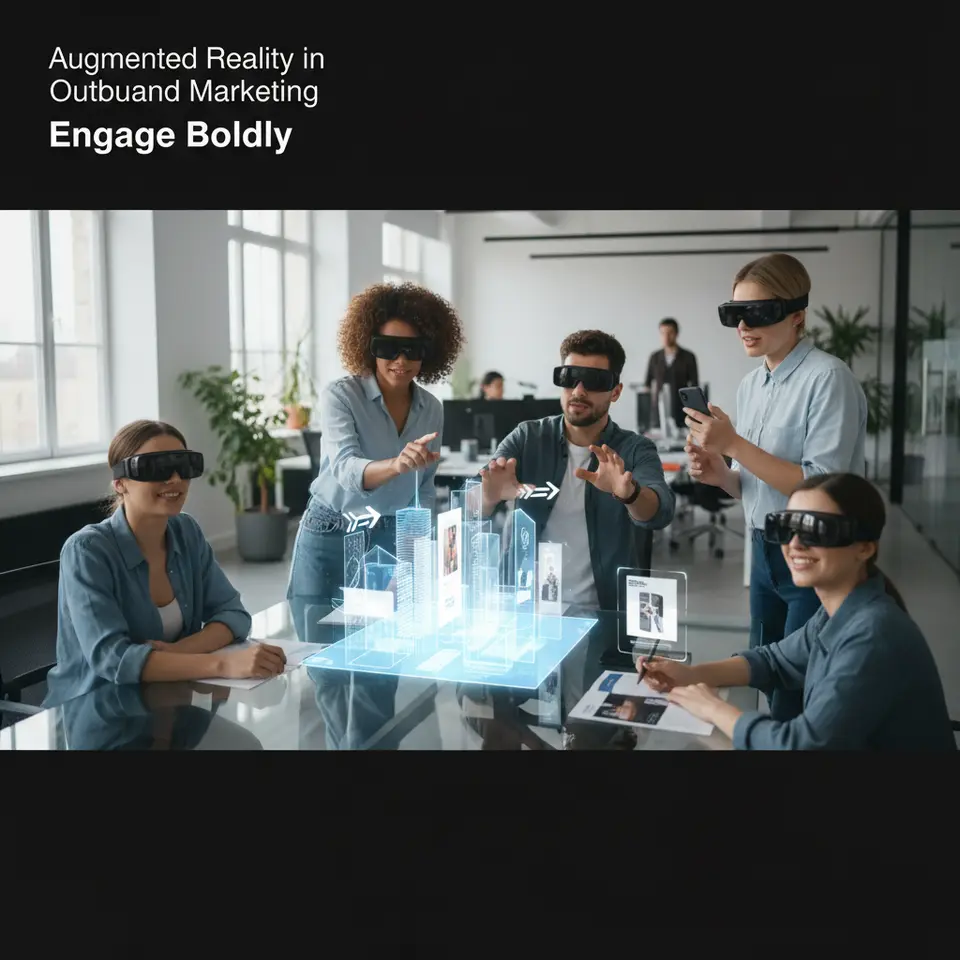
In today’s digital landscape, standing out amid a flood of promotional messages poses a significant challenge for marketers. Augmented Reality in Outbound Marketing offers an immersive solution that shifts the paradigm away from traditional push tactics toward interactive outreach. By overlaying digital information—such as 3D models, animations, and data visualizations—onto the physical world using smartphones, tablets, or AR glasses, brands can capture attention with memorable experiences. In this year (2026), forward-thinking teams are blending outbound strategies with AR to forge deeper connections and measurable results.
This article examines how Augmented Reality in Outbound Marketing transforms direct mail, email campaigns, sales presentations, and event invitations into engaging touchpoints. We’ll explore foundational concepts, concrete benefits, real-world use cases, step-by-step implementation guidance, and metrics for evaluation. Along the way, we reference expert insights from leading authorities such as the National Aeronautics and Space Administration (NASA) and research findings shared by renowned institutions like Stanford University. Whether you’re an experienced marketer or new to AR, this guide equips you with actionable know-how to launch and optimize AR-enhanced outbound campaigns today.
Understanding Augmented Reality: Fundamentals and Value
Augmented Reality (AR) enriches the user’s perception by superimposing computer-generated content onto the real environment. Unlike Virtual Reality (VR), which immerses participants in a completely synthetic world, AR maintains one foot in reality, enhancing it with interactive digital layers. These overlays can include anything from lifelike 3D product replicas to dynamic graphs that update in real time based on user data. Modern devices—ranging from smartphones and tablets to specialized headsets—serve as portals for these experiences.
From an outbound marketing standpoint, AR unlocks novel avenues for engagement. Instead of relying solely on text-based emails or static display ads, brands can deliver multimedia-rich experiences that demand active participation. For example, a direct mail piece might invite recipients to scan a QR code that triggers a virtual car demonstration right on their desk. This level of immersion piques curiosity, reduces bounce rates, and extends the duration of interactions, thereby amplifying the impact of your outreach.
Key frameworks such as the Technology Acceptance Model (TAM) help explain why audiences embrace AR. Perceived usefulness and ease of use drive adoption, so ensuring a seamless, intuitive AR interface is critical. By aligning AR activations with clear objectives—raising awareness, generating leads, or accelerating deals—you establish measurable benchmarks for success. In today’s hyper-competitive attention economy, the strategic application of AR can be the differentiator that sets your outbound campaigns apart.
Key Advantages of Integrating AR with Outbound Strategies

The integration of Augmented Reality in Outbound Marketing yields a spectrum of benefits that traditional methods struggle to match. Below, we outline five primary advantages that demonstrate why AR deserves a central role in modern outreach efforts.
1. Elevated Engagement Rates: Interactive AR elements invite users to explore content actively rather than passively scrolling past. Studies show that immersive experiences can boost click-through rates by up to 35% and dwell times by over 50% compared with static emails or banner ads.
2. Deep Personalization: AR experiences can be tailored dynamically based on prospect data—displaying customized product configurations, real-time pricing calculators, or message overlays that reference individual details. This level of personalization fosters stronger emotional connections and drives higher conversion probabilities.
3. Brand Differentiation: As many competitors continue to rely on email blasts and cold calls, brands that adopt AR stand out as innovators. Memorable AR activations demonstrate a commitment to cutting-edge technology and professional creativity, enhancing brand perception in the marketplace.
4. Rich Performance Data: Unlike offline media, AR platforms natively capture interaction metrics—session starts, feature taps, time spent on each element, and conversion actions. These insights feed directly into marketing automation systems, enabling real-time optimization of messaging, timing, and asset design.
5. Cost Efficiency Over Time: Initial AR asset development can demand an investment in 3D modeling and software licensing. However, once built, these assets are reusable, easily updated, and scalable across multiple campaigns. Iterative improvements based on analytics ensure that ROI grows steadily as the asset library matures.
Practical Applications of Augmented Reality in Outbound Campaigns
Today’s marketers are employing Augmented Reality in Outbound Marketing across various touchpoints to achieve specific objectives. Here are four high-impact use cases that demonstrate AR’s versatility.
AR-Enhanced Direct Mail
Combine a physical mailer with an AR trigger—such as a QR code or marker—and invite recipients to launch an immersive experience. For instance, a furniture retailer might send a postcard that unlocks a virtual showroom, letting prospects place 3D models of chairs, tables, and lighting fixtures into their living space. This interactivity transforms a simple mail piece into a personalized digital encounter that outperforms traditional print alone.
Interactive Cold Email Sequences
Enrich cold outreach by embedding rich media thumbnails that launch AR previews when clicked. A software vendor could include a link allowing recipients to visualize customized dashboards or manipulate 3D renderings of network topologies directly in their office environment. This level of immersion encourages prospects to engage with your content and initiate follow-up discussions.
Live AR-Powered Sales Presentations
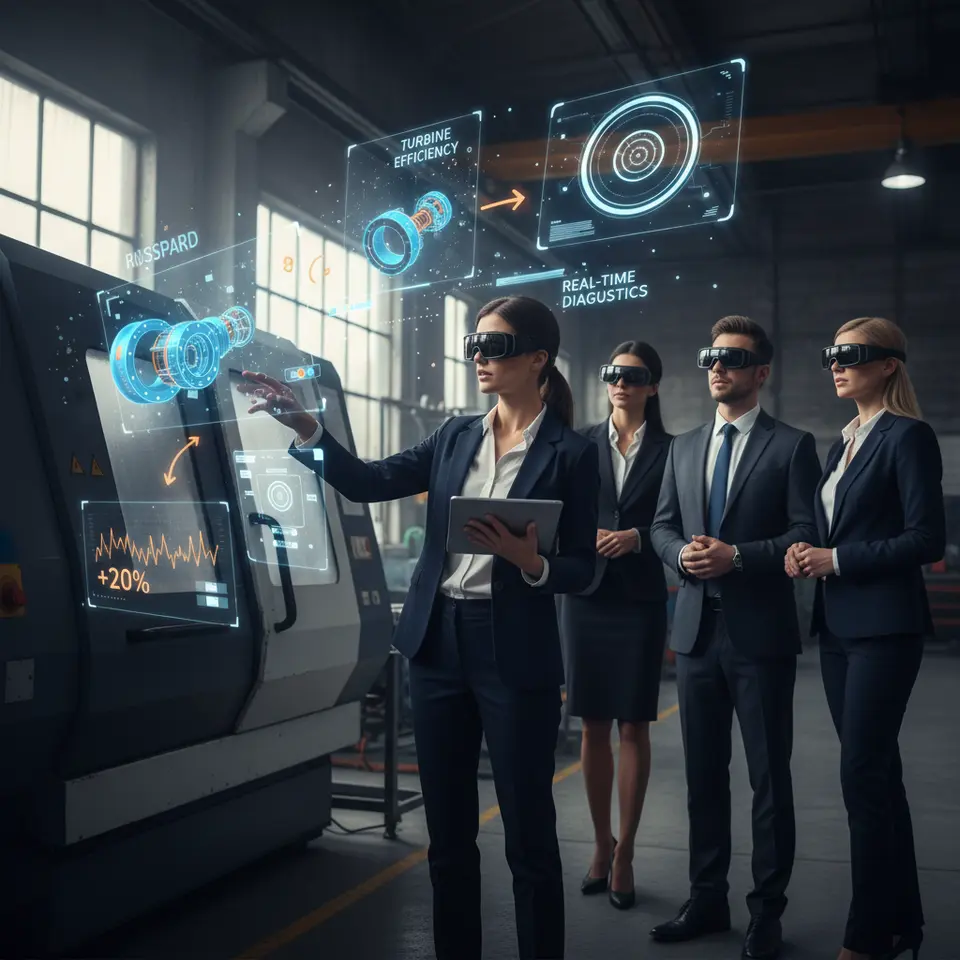
Equip sales teams with AR-enabled tablets or headsets during virtual or in-person meetings. By overlaying digital annotations on physical equipment, highlighting product features in real time, or simulating real-world usage scenarios, reps can deliver persuasive demonstrations that accelerate decision-making. Prospects gain a tactile sense of the offering without requiring costly prototypes or travel.
Event Invitations and Trade Show Outreach
Preview your event presence with AR invitations that unfold a 3D model of your booth, showcase keynote speakers, or offer sneak peeks at new product launches. Post-event, follow up with personalized AR recaps that highlight demonstrations attendees viewed, reinforce key talking points, and guide them toward next steps, such as scheduling a deeper consultation.
Implementation Roadmap for AR-Driven Outreach
Successfully deploying Augmented Reality in Outbound Marketing requires careful planning and cross-functional collaboration. Below is a six-step roadmap to guide your journey from concept to full-scale rollout.
- Clarify Strategic Goals: Determine whether your priority is raising brand awareness, driving product trials, or shortening the sales cycle. These objectives inform AR content type, messaging tone, and success metrics.
- Select the Right AR Platform: Evaluate vendors that support marker-based and markerless experiences, real-time analytics, and user-friendly content management. Consider factors like device compatibility (iOS, Android, webAR) and API integrations for CRM connectivity.
- Develop and Optimize AR Assets: Commission 3D models, animations, and UI overlays that align with brand guidelines. Work with experienced designers and test assets for file size, loading speed, and rendering quality on various devices.
- Integrate with Marketing Systems: Connect your AR platform to email service providers, marketing automation tools, and CRM software. Configure event triggers—such as sending a follow-up email after an AR interaction or assigning a lead score based on session duration.
- Conduct a Pilot Campaign: Launch a controlled test with a targeted audience segment. Monitor performance across engagement rates, customer feedback, and technical stability. Gather insights to refine content, calls-to-action, and timing.
- Scale, Iterate, and Optimize: Expand your campaign to broader lists, A/B test variations in messaging and AR triggers, and continually update assets based on analytics. Maintain a rapid iteration cycle to enhance user experience and maximize ROI.
Addressing Challenges and Measuring Success
While Augmented Reality in Outbound Marketing offers compelling advantages, marketers must navigate common hurdles to ensure sustainable success.
Overcoming Technical Barriers: Not all prospects own AR-enabled devices. Provide fallback content—such as videos or interactive PDFs—to guarantee inclusivity. Use lightweight AR formats to minimize load times and ensure compatibility with older hardware.
Simplifying User Adoption: Educate recipients with concise, step-by-step instructions on scanning markers, downloading necessary applications, and interacting with AR elements. Minimize friction by leveraging web-based AR viewers that run directly in mobile browsers without additional downloads.
Managing Production Complexity: High-quality 3D assets can require specialized skills and resources. Consider starting with simpler models and gradually refining them. Leverage open-source repositories or partner with academic institutions for cost-effective collaboration.
Ensuring Accurate Attribution: Integrate your AR solution with analytics tools—such as Google Analytics or a dedicated marketing dashboard—to attribute conversions accurately. Track key performance indicators (KPIs) including engagement rate, average interaction time, and conversion rate attributable to AR activations.
Reliable measurement is the cornerstone of ongoing improvement. By analyzing user behavior and feedback, you can identify the most effective AR touchpoints, optimize content delivery times, and refine calls-to-action to drive stronger outcomes.
FAQ
What devices support AR-enabled outbound marketing campaigns?
Most modern smartphones and tablets with cameras support web-based or app-based AR experiences. Specialized headsets like AR glasses can be used for in-person demos, but webAR ensures broader compatibility without requiring downloads.
How do I measure the success of my AR outbound marketing?
Integrate your AR platform with analytics tools to track engagement metrics such as session starts, interaction depth, and conversion actions. Use these KPIs alongside traditional marketing data—open rates, click-through rates, and lead scores—to evaluate ROI and inform optimizations.
What are common challenges when implementing AR and how can I overcome them?
Technical barriers, user adoption friction, and asset production complexity are the main hurdles. Provide fallback content, create simple step-by-step instructions, start with basic 3D models, and leverage partnerships or open-source resources to streamline development.
Conclusion
Augmented Reality in Outbound Marketing represents a powerful advancement for brands seeking to break through the clutter of conventional outreach. By blending immersive digital overlays with direct mail, email sequences, live presentations, and event invitations, marketers can deliver personalized, engaging experiences that resonate with prospects in meaningful ways. In this year (2026), organizations that embrace AR gain a competitive edge, leveraging data-driven insights to optimize campaigns and amplify ROI.
As you embark on your AR journey, remember to define clear goals, select technology that aligns with your needs, and iterate based on performance metrics. With thoughtful execution and continuous refinement, AR will evolve from a novelty into a staple of your outbound marketing toolkit. Start small—pilot a targeted outreach—measure the impact, and scale up to unlock the full potential of immersive marketing in today’s digital landscape.