Harnessing Conversational AI for Outbound Marketing Success

Conversational AI transforms outbound marketing by enabling real-time engagement, scalable personalization, and automated lead qualification. With smart design, segmentation, and analytics, brands boost conversions, streamline workflows, and create more meaningful prospect interactions while balancing automation with human expertise.
In today’s competitive business landscape, standing out in a crowded inbox or feed has never been more challenging. Traditional outbound marketing tactics—cold calls, mass emails, and display ads—still work, but they often lack personalization and engagement. Enter conversational AI: intelligent chatbots and virtual assistants that can spark real-time dialogues with prospects, qualify leads, and even schedule demos—24/7.
This comprehensive guide will show you how to integrate conversational AI into your outbound marketing campaigns, from strategy and best practices to metrics and pitfalls. You’ll learn how to strike the perfect balance between automation and human touch, ensuring every interaction drives value for both your brand and your prospects.
What Is Conversational AI?
Conversational AI refers to technologies—including chatbots, voice bots, and virtual assistants—that use natural language processing (NLP), machine learning, and contextual awareness to engage users in human-like conversations. Unlike rule-based bots with rigid scripts, modern conversational AI adapts to user input, remembers context, and continuously learns from interactions.
Why Use Conversational AI in Outbound Marketing?
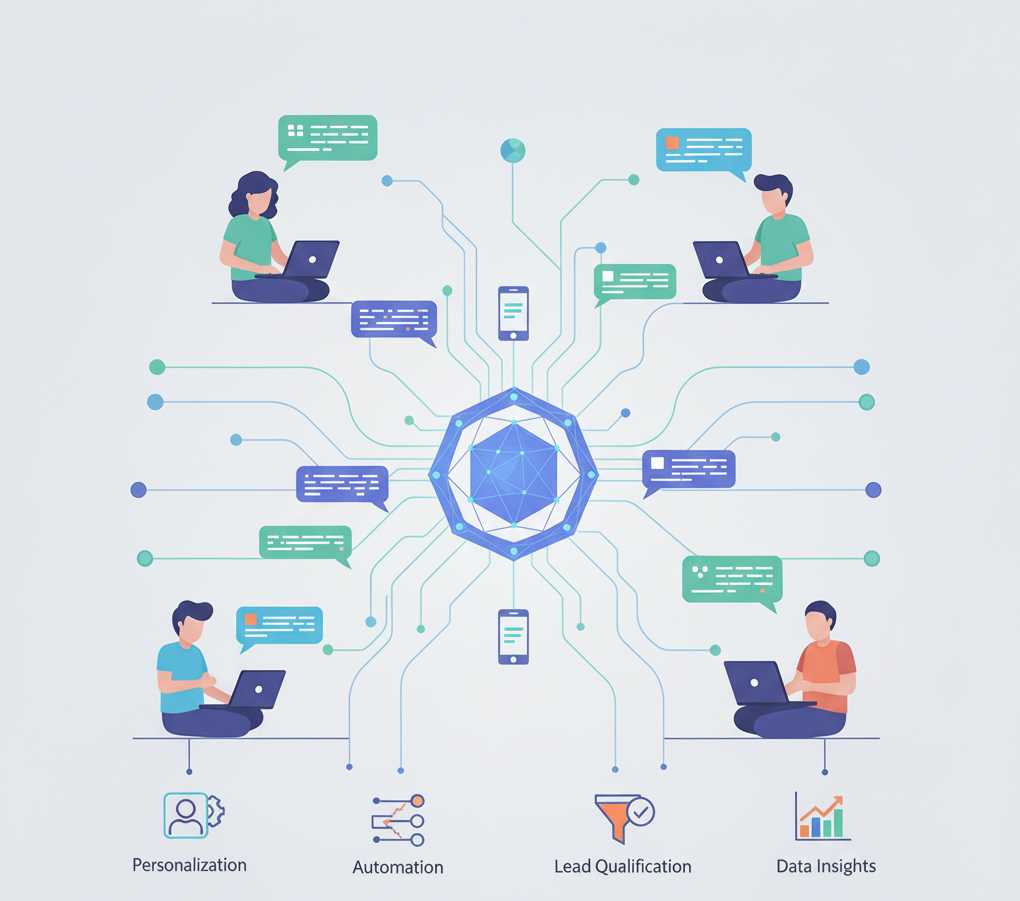
Integrating conversational AI into your outbound efforts helps you:
- Personalize at scale: Deliver one-to-one experiences across thousands of prospects.
- Engage instantly: Provide real-time answers rather than forcing prospects to wait.
- Qualify leads: Ask targeted questions to assess fit before routing to sales.
- Automate follow-ups: Trigger reminders or content shares based on user responses.
- Gather insights: Capture conversational data to refine messaging and segmentation.
Key Benefits of Conversational AI for Outbound Campaigns
When strategically deployed, conversational AI delivers measurable ROI by enhancing efficiency and deepening relationships. Here are the top benefits:
- 24/7 Availability: No more missed opportunities outside business hours.
- Lead Scoring in Real Time: Instantly qualify inquiries based on firmographic and behavioral data.
- Cost Savings: Reduce manual outreach and free sales reps to focus on high-value tasks.
- Higher Engagement Rates: Interactive formats (chat windows, conversational SMS) outperform static emails.
- Data-Driven Optimization: Use conversation transcripts to identify friction points and objections.
Enhancing Personalization Through AI-Driven Insights
Conversational AI doesn’t just automate communication—it can gather and analyze rich customer data to drive hyper-personalized outreach. By integrating with your CRM and marketing automation tools, AI chatbots can collect behavioral, demographic, and engagement metrics. This data allows marketers to craft tailored messages, dynamically adapt conversation flows, and recommend solutions that align with a prospect’s pain points or interests. Personalized experiences significantly increase engagement and conversion rates because customers feel understood and valued.
Key Personalization Techniques with Conversational AI:
- Dynamic Messaging: Adjust scripts based on previous interactions or purchase history.
- Behavioral Triggers: Send follow-up messages after prospect actions like clicking a link or downloading a resource.
- Content Recommendations: Suggest blog posts, case studies, or product demos based on the prospect profile.
- Localized Communication: Customize messages based on geographic location or time zone.
Table: Personalization Benefits
| Technique | Benefit | Example |
|---|---|---|
| Dynamic Messaging | Higher engagement | Suggesting relevant product features based on past demo requests |
| Behavioral Triggers | Improved conversion | Following up after a webinar download |
| Content Recommendations | Education & nurturing | Delivering case studies aligned with the prospect industry |
| Localized Communication | Timely interaction | Adjusting outreach for local business hours |
By leveraging AI-driven insights, outbound marketers can create authentic, one-to-one experiences at scale, driving both engagement and pipeline growth.
Strategies to Integrate Conversational AI into Outbound Marketing
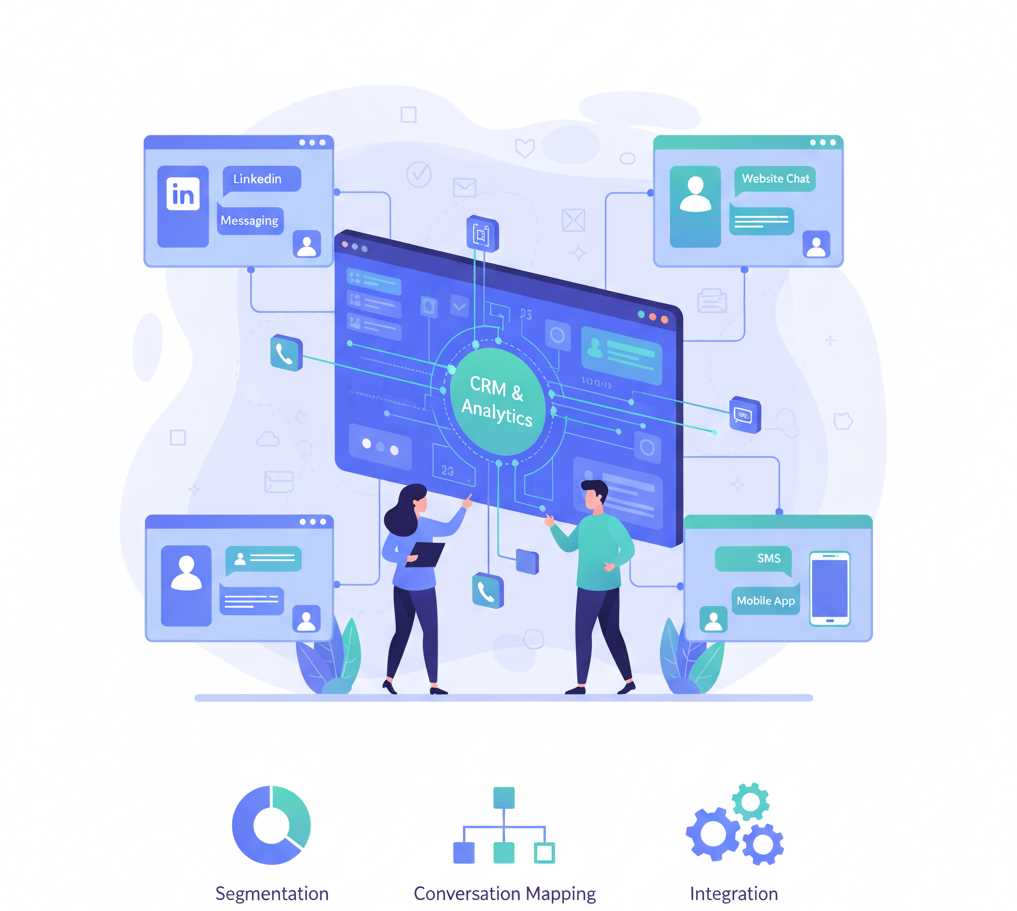
Successfully integrating conversational AI into your outbound campaigns requires a clear plan and understanding of your audience. A foundational step in this process is customer segmentation. By categorizing prospects based on demographics, firmographics, behavior, engagement history, and buying intent, businesses can tailor conversations to resonate with each segment. Proper customer segmentation ensures that each interaction feels personal and relevant, increasing the likelihood of engagement, lead qualification, and conversion.
Steps to Leverage Customer Segmentation with Conversational AI:
-
Define Clear Objectives: Determine the goal for each segment—whether it’s booking demos, nurturing cold leads, or driving event registrations. Each segment may have different priorities and messaging needs.
-
Segment Your Audience: Use CRM data, purchase history, website behavior, or engagement metrics to group customers. For example:
-
Enterprise accounts may require detailed, consultative conversations.
-
Mid-market prospects may respond better to concise, benefit-driven messages.
-
New leads might need educational content to build trust.
-
-
Map Conversation Flows by Segment: Design scripts tailored to each audience group, addressing their unique pain points and motivations. Segmentation allows AI bots to provide more personalized responses, increasing conversion rates.
-
Choose the Right Channels: Deploy AI across the channels preferred by each segment. LinkedIn messaging may work best for B2B enterprise prospects, while SMS or WhatsApp may resonate more with mid-market or mobile-first audiences.
-
Integrate with Your Tech Stack: Ensure conversational AI tools connect with your CRM, marketing automation, and analytics platforms. This allows continuous updates to segment data, enabling smarter and more personalized interactions over time.
By applying customer segmentation to conversational AI strategies, marketers can deliver tailored experiences at scale, ensuring that every prospect receives the right message at the right time. This not only improves engagement and lead quality but also accelerates the sales pipeline while maximizing ROI.
Leveraging Conversational AI for Multi-Channel Campaigns
Conversational AI is not limited to chat on your website—it can power outbound campaigns across multiple channels, ensuring consistent messaging and maximizing reach. By deploying bots across email, SMS, WhatsApp, social media, and even voice platforms, businesses can meet prospects where they are most active. Multi-channel campaigns reduce friction for prospects and improve touchpoint coverage, while automation ensures timely follow-ups without manual effort.
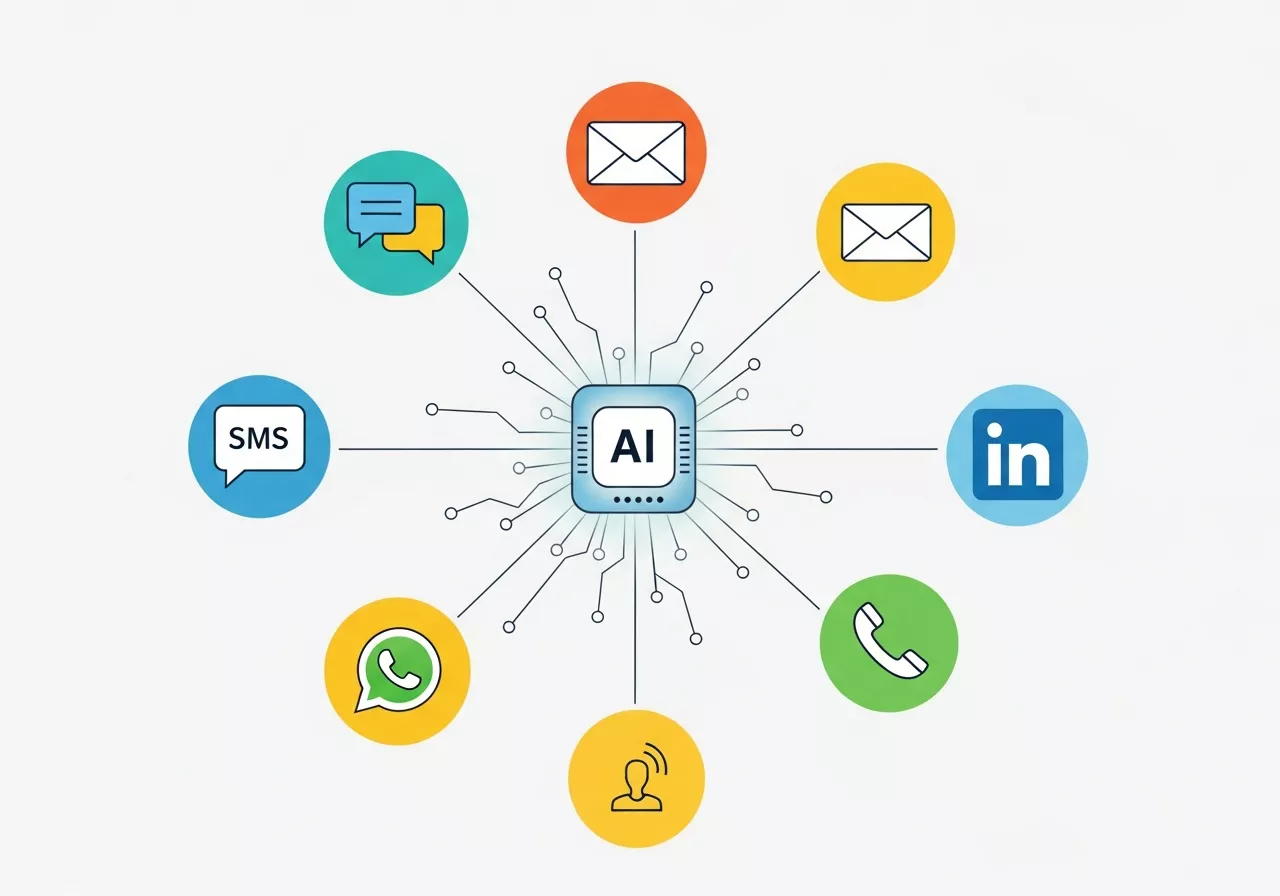
Key Multi-Channel Strategies:
- LinkedIn Messaging Bots: Automate prospect engagement and qualification for B2B campaigns.
- SMS and WhatsApp Integration: Send quick responses and appointment reminders directly to mobile devices.
- Email Follow-Ups: Trigger personalized sequences based on chatbot interactions.
- Voice Bots: Schedule calls, provide product demos, or conduct surveys.
Table: Multi-Channel Impact
| Channel | Primary Use | Key Advantage |
|---|---|---|
| B2B prospecting | Higher professional engagement | |
| SMS & WhatsApp | Quick outreach | Instant delivery & read rates |
| Follow-ups | Detailed messaging & nurturing | |
| Voice | Demo scheduling | Personalized human-like interaction |
By combining multi-channel approaches with conversational AI, marketers create cohesive outreach campaigns that increase lead engagement and accelerate pipeline movement while maintaining personalization at scale.
Best Practices for Chatbot Design
A well-designed chatbot feels intuitive and human. Keep these best practices in mind:
- Set Expectations Early: Let users know they’re talking to a bot and outline what it can help with.
- Limit Burden: Stick to three to five conversational turns per topic to avoid user fatigue.
- Offer Quick Buttons: Provide predefined response options (“Yes/No,” “Schedule Demo,” “Talk to Rep”) to streamline input.
- Include Fallbacks: Gracefully handle unrecognized inputs by offering to transfer to a human or provide resource links.
- Humanize the Tone: Use brand voice, emojis, and GIFs sparingly to build rapport.
Balancing Automation with Human Touch
Full automation isn’t always ideal—knowing when to escalate to a human agent is crucial. Implement these guidelines:
- Escalation Triggers: Define clear criteria (e.g., high deal size, complex questions) to hand off to a sales rep.
- Smooth Handoffs: Transfer context and user history automatically so prospects don’t repeat themselves.
- Hybrid Outreach: Follow a chatbot conversation with a personalized email or call from a sales rep to reinforce the connection.
- Monitor Conversations: Review transcripts regularly to catch tone issues or brand misalignment early.
Enhancing Lead Nurturing with Conversational AI
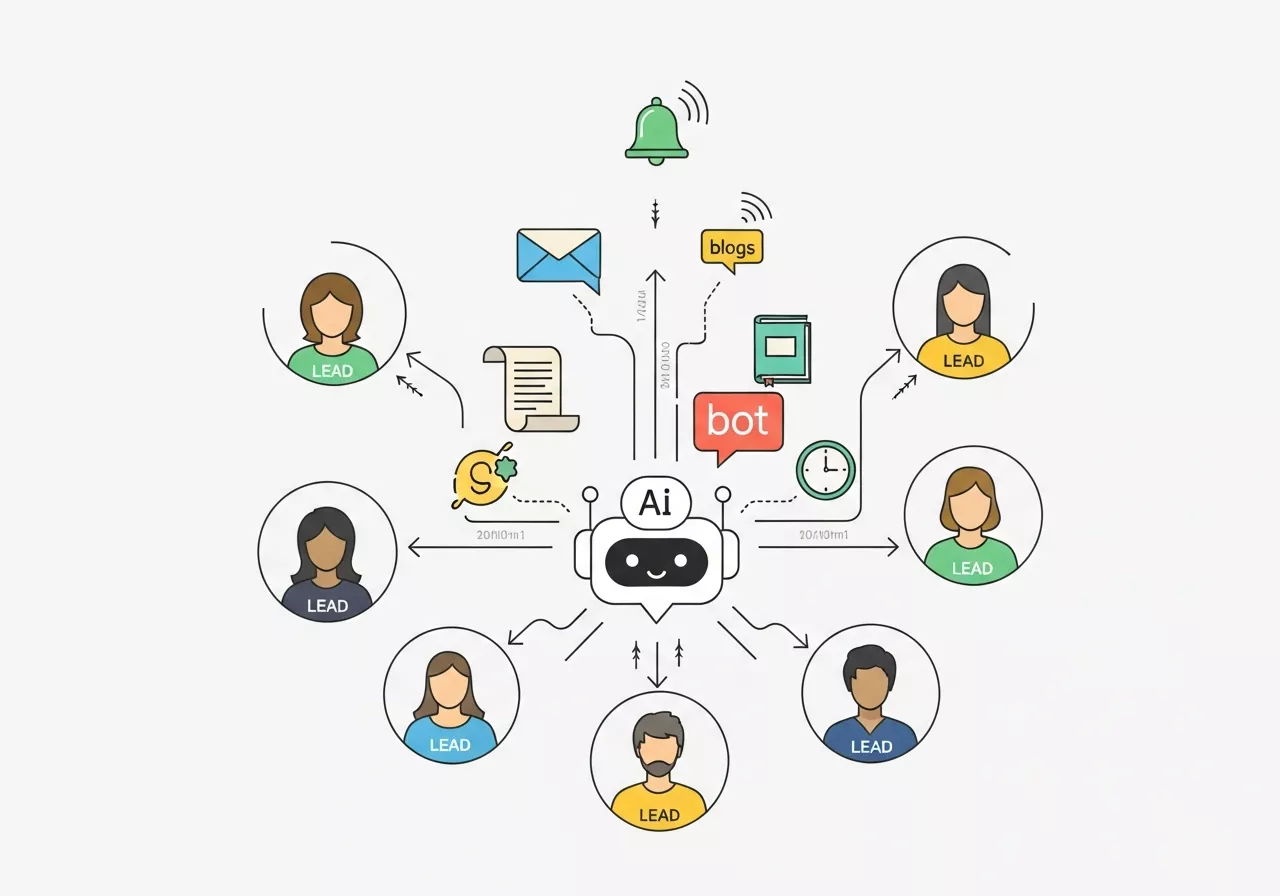
Conversational AI doesn’t just qualify leads—it nurtures them throughout the buyer journey. By using AI to engage leads with timely, relevant content, businesses can maintain continuous communication without overwhelming sales teams. AI-powered chatbots can send personalized follow-ups, share educational resources, and answer recurring questions, keeping prospects engaged until they’re ready to convert.
Key Points:
- Dynamic follow-ups based on user behavior
- Personalized content recommendations (blogs, webinars, guides)
- Triggered nudges for dormant or undecided leads
- Integration with email automation for seamless omnichannel nurturing
Example Table: Lead Nurturing with AI
| Trigger Event | AI Action | Goal | Frequency |
|---|---|---|---|
| Abandoned demo sign-up | Send reminder + FAQs | Complete demo registration | 1 hour later |
| Downloaded e-book | Recommend related resources | Educate & engage | Immediate |
| Inactive for 2 weeks | Personalized message + incentive | Re-engage dormant lead | Bi-weekly |
This approach ensures leads stay engaged, reducing drop-offs while freeing sales reps for high-value interactions.
Measuring Success: Key Metrics to Track
To validate ROI and optimize performance, focus on these conversational AI metrics:
- Engagement Rate: Percentage of outbound recipients who interacted with the bot.
- Lead Qualification Rate: Portion of conversations meeting your lead-score threshold.
- Conversion Rate: Chats that resulted in a booked meeting, webinar sign-up, or purchase.
- Fallback Ratio: Sessions where the bot couldn’t answer, indicating script gaps.
- Response Time: Average time between user message and bot reply—lower is better.
Optimizing Conversational AI With Continuous Learning
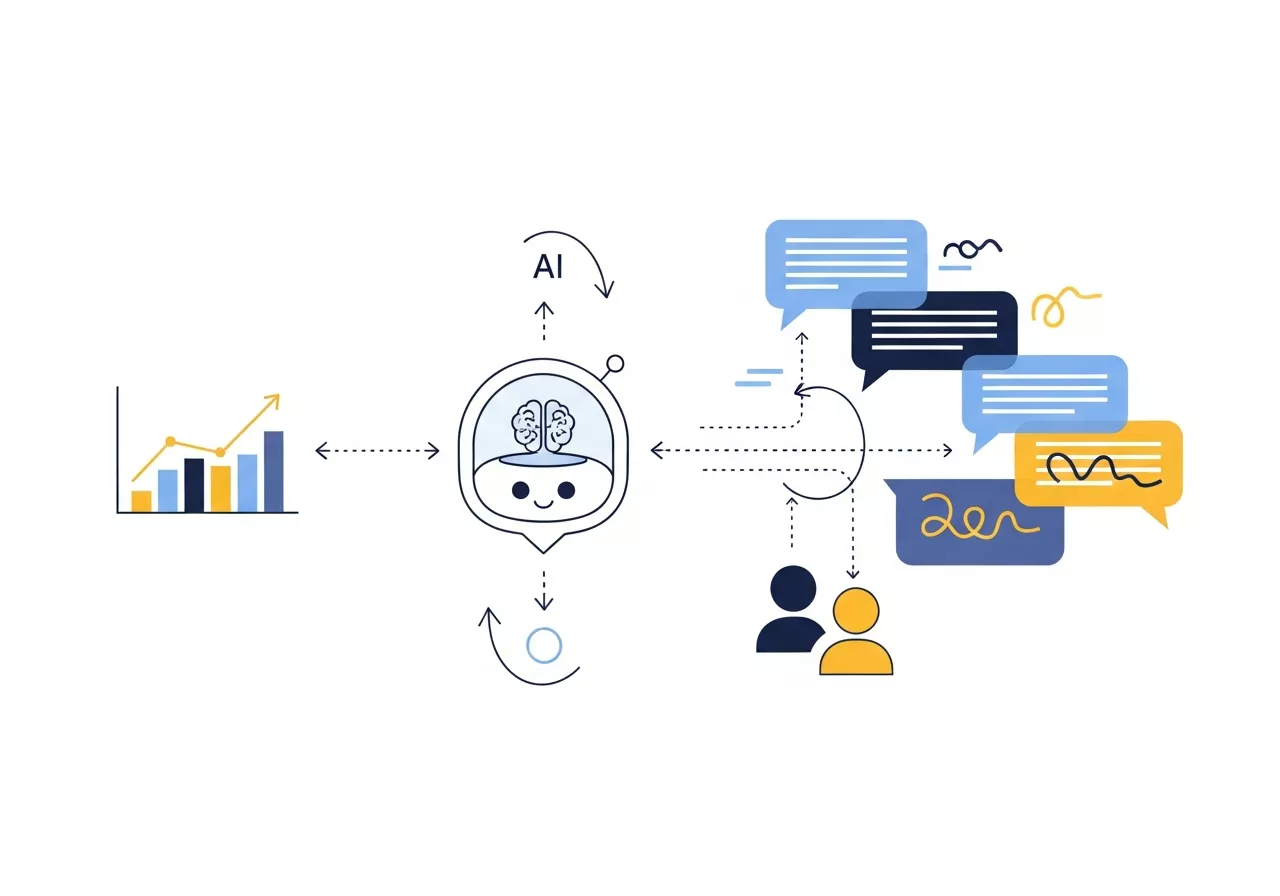
Conversational AI systems become more effective over time as they learn from every interaction. Continuous learning involves monitoring conversations, analyzing responses, and iteratively improving scripts to reduce friction and increase conversions. By leveraging machine learning, chatbots can identify patterns in prospect behavior, detect frequently asked questions, and refine natural language understanding for more accurate responses. This iterative process ensures your outbound campaigns remain relevant and impactful.
Steps to Optimize AI Performance:
- Review Interaction Data: Track responses, fallback triggers, and drop-off points.
- Update Scripts Regularly: Incorporate new messaging based on trends, promotions, or feedback.
- Test AI Responses: A/B test phrasing, tone, and CTA buttons to maximize engagement.
- Train NLP Models: Continuously feed new conversation data to improve comprehension.
- Human Oversight: Ensure complex queries are escalated and handled promptly.
Table: Metrics to Track for AI Optimization
| Metric | Purpose | Optimization Action |
|---|---|---|
| Fallback Rate | Identify script gaps | Update chatbot responses |
| Engagement Duration | Measure interest | Refine conversation flow |
| Conversion Rate | Assess ROI | Test incentives or CTAs |
| Escalation Rate | Ensure human intervention | Adjust triggers and handoff logic |
Continuous learning ensures conversational AI evolves with customer needs, delivering smarter interactions, increasing conversion rates, and making outbound campaigns more adaptive and scalable over time.
Common Pitfalls and How to Avoid Them
Even advanced chatbots can fall short if not carefully managed. Watch out for:
- Over-Automation: Bots that try to do everything often end up frustrating users. Keep use cases focused.
- Neglecting Updates: Stale scripts and outdated answers erode trust. Refresh content quarterly.
- Ignoring Tone: A robotic, jargon-heavy voice will kill engagement. Infuse warmth and clarity.
- Poor Analytics Integration: Without data flowing to your CRM, you lose visibility on pipeline impact.
Future Outlook: What’s Next for Conversational AI in Outbound Marketing
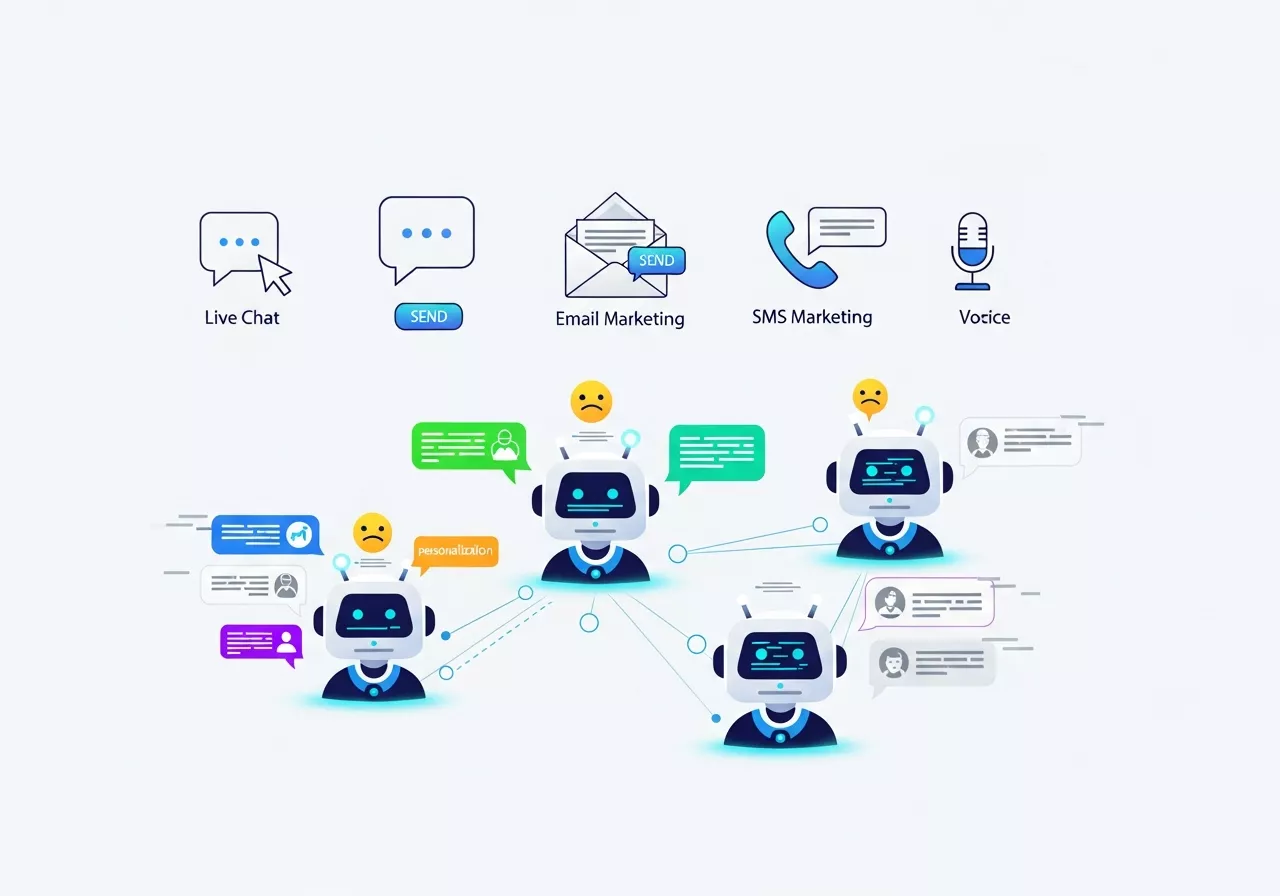
As AI capabilities evolve, expect even richer conversational experiences. Anticipated trends include:
- Emotion Recognition: Bots detecting sentiment to adapt tone and urgency.
- Voice-First Outreach: Automated outbound voice calls powered by advanced speech AI.
- Hyper-Personalization: Dynamic script adjustments based on real-time intent signals.
- Inter-Bot Collaboration: Multiple AI agents coordinating across email, chat, and SMS seamlessly.
Compliance and Ethical Considerations in Conversational AI
As businesses increasingly leverage conversational AI, compliance and ethical considerations are crucial. Misuse of AI can harm brand trust, breach privacy laws, or lead to biased interactions. AI-powered systems must comply with regulations like GDPR, CCPA, and industry-specific standards to ensure responsible use of data.
Key Points:
- Data Privacy: Collect only necessary user data and obtain explicit consent
- Transparency: Inform users when they’re interacting with AI, not a human
- Avoiding Bias: Regularly audit AI scripts and training data to prevent discriminatory responses
- Security: Encrypt conversation logs and protect sensitive user information
Example Table: Conversational AI Compliance Checklist
| Consideration | Action Item | Impact on Marketing |
|---|---|---|
| Data Privacy | Obtain consent, anonymize sensitive data | Builds trust, reduces legal risk |
| Transparency | Notify users AI is in use | Improves engagement & brand ethics |
| Bias Prevention | Audit scripts & AI training datasets | Avoids negative brand perception |
| Security | Encrypt logs, limit access | Protects customer info |
Focusing on compliance ensures your AI campaigns are ethical, trustworthy, and legally sound, enhancing both performance and brand reputation.
Conclusion
Conversational AI is transforming outbound marketing from one-way broadcasts into dynamic, two-way dialogues that resonate with modern buyers. By setting clear objectives, designing thoughtful bot scripts, and seamlessly blending automation with human expertise, you can accelerate lead qualification, increase conversions, and deliver memorable brand experiences. Start small, measure diligently, and iterate—your next-gen outbound campaigns await.
Conversational AI for Outbound Marketing FAQ
1. What is conversational AI and how does it work in outbound marketing?
Conversational AI uses chatbots, voice bots, and virtual assistants powered by NLP and machine learning to interact with prospects in real time. In outbound marketing, it qualifies leads, schedules demos, answers questions, and personalizes engagement across channels.
2. How can conversational AI improve lead qualification?
AI chatbots ask targeted questions, analyze responses, and score leads based on firmographic and behavioral data. This ensures sales teams focus on high-quality prospects, reducing manual effort and increasing conversion rates.
3. Can conversational AI replace human sales reps?
Not entirely. While AI handles repetitive tasks, initial engagement, and follow-ups, human sales reps are essential for complex queries, high-value deals, and relationship building. A hybrid approach yields the best results.
4. Which channels can conversational AI be deployed on?
AI can be used on websites, LinkedIn, SMS, WhatsApp for Business, email, and in-app messaging, allowing businesses to reach prospects wherever they are most active.
5. How do I measure the success of conversational AI campaigns?
Key metrics include engagement rate, lead qualification rate, conversion rate, fallback ratio (unanswered queries), and response time. These help optimize scripts and evaluate ROI.
6. What are common mistakes to avoid with conversational AI?
- Over-automation without escalation options
- Stale scripts or outdated content
- Ignoring brand tone or personalization
- Poor integration with CRM or analytics tools
7. How can gamification enhance AI-powered outbound campaigns?
Gamification encourages engagement by using leaderboards, tiered rewards, achievement badges, or limited-time challenges. It motivates prospects and advocates to participate more actively, increasing referrals and conversions.
8. What are the ethical considerations when using conversational AI?
Ensure data privacy, transparency, bias prevention, and secure handling of user information. Always inform users they are interacting with AI and follow local regulations like GDPR or CCPA.
9. How quickly can businesses see results from conversational AI?
Depending on implementation and audience size, measurable improvements in engagement, lead qualification, and conversions can often be observed within 2–3 months.
10. Is conversational AI suitable for all industries?
Yes, but the implementation should be tailored. B2B, SaaS, e-commerce, finance, and customer service-heavy industries often see the most immediate ROI, while other sectors may require customized conversational flows.
Learn more about: The Future of Outbound Marketing: Human Touch vs. Automation