Leveraging AI-Driven Personalization in Outbound Marketing

AI-driven personalization transforms outbound marketing by tailoring messages to individual prospects at scale. By leveraging data and automation, businesses can enhance engagement, improve ROI, and maintain authenticity, while navigating ethical considerations and multichannel outreach.
In today’s competitive B2B and B2C landscapes, traditional outbound marketing tactics alone no longer cut through the noise. Buyers receive dozens or even hundreds of unsolicited messages every week, making relevance and authenticity the keys to standing out. AI-driven personalization empowers marketers to deliver tailored content at scale, ensuring each prospect feels understood and valued. This article explores step-by-step strategies, best practices, and metrics for integrating AI personalization into your outbound efforts while preserving genuine human connection.
Understanding the Power of Personalization
Personalization transforms outbound marketing from a spray-and-pray exercise into a targeted dialogue. By leveraging data about a prospect’s industry, role, pain points, and previous interactions, marketers craft messages that resonate on an individual level. According to industry research, personalized emails generate 6x higher transaction rates than generic blasts. The psychological principle of relevance dictates that people are more likely to engage when the message speaks directly to their needs. AI amplifies this effect by automating data analysis and content variation, making one-to-one communication at scale both practical and cost-effective.
The Role of AI in Personalization
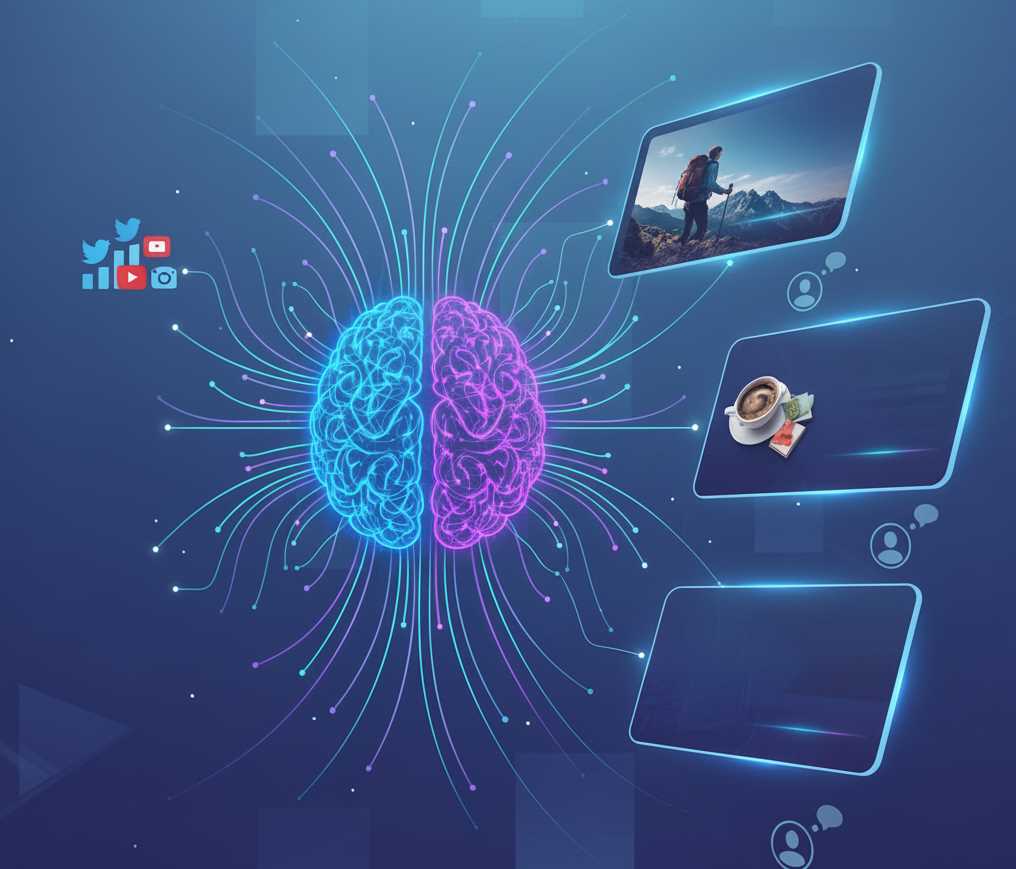
Artificial intelligence enhances personalization by rapidly processing large volumes of structured and unstructured data—from CRM records and website behavior to social media signals and firmographics. Machine learning algorithms identify patterns and predict which messaging, channel, and timing are most likely to drive engagement. Natural language generation (NLG) tools can craft subject lines, email bodies, and ad copy that dynamically adapt to each recipient’s profile. This level of sophistication reduces manual workload, minimizes human error, and increases the relevance of every outreach attempt.
Comparing Popular AI Personalization Tools
- Tool A: Excels at email content automation with advanced NLG and real-time A/B testing capabilities.
- Tool B: Integrates CRM, web analytics, and social profiling for unified audience insights and predictive scoring.
- Tool C: Focuses on dynamic landing page personalization and cross-channel orchestration for account-based marketing (ABM).
- Tool D: Provides automated follow-up cadences, frequency optimization, and sentiment analysis to refine messaging over time.
Case Study: A SaaS Company’s Transformation
A mid-market SaaS provider struggled with low response rates—averaging just 2.5% on cold email campaigns. After adopting an AI personalization platform, they integrated CRM data, behavioral signals, and firmographics to tailor emails by industry vertical and role. Within three months, open rates jumped to 55%, and reply rates climbed to 15%. Closed-won deals increased by 25%, yielding a 3x return on their personalization investment. Key factors in their success included rigorous data hygiene, iterative A/B testing, and maintaining a clear brand voice across all variations.
Step-by-Step Implementation Guide
- Audit Your Data Sources: Ensure CRM, marketing automation, web analytics, and third-party data are accurate and up to date.
- Define Audience Segments: Create buyer personas and target clusters based on common pain points, lifecycle stage, and engagement history.
- Choose Your AI Platform: Evaluate tools on criteria like ease of integration, NLG sophistication, predictive accuracy, and reporting capabilities.
- Develop Content Templates: Build modular templates for subject lines, intros, value propositions, and calls to action that can dynamically populate with personalized variables.
- Set Up Testing Framework: Implement multivariate and sequential A/B tests to optimize message components, send times, and follow-up intervals.
- Launch and Monitor: Roll out your personalized sequences, track key metrics, and refine models based on performance data.
Expanding Channels: WhatsApp Outbound Marketing
With the rise of instant messaging, WhatsApp Outbound Marketing has emerged as a powerful extension of AI-driven campaigns. Unlike traditional email or phone outreach, WhatsApp allows marketers to deliver messages directly to prospects’ smartphones, enabling higher open and response rates.
Key advantages of WhatsApp marketing include:
- Direct engagement: Messages land in a platform that users check multiple times daily.
- Rich media support: Share images, videos, PDFs, or voice notes tailored to the recipient.
- Automation with personalization: AI tools can personalize messages using recipient names, previous interactions, and purchase history.
- Two-way communication: Encourage immediate replies and foster meaningful conversations.
Best practices:
- Segment your audience carefully to avoid spamming.
- Integrate AI-driven personalization variables to craft individualized messages.
- Use clear CTAs and links to landing pages or resources.
- Monitor delivery and read metrics for continuous optimization.
By combining WhatsApp with AI-driven personalization in outbound marketing, organizations can reach prospects more effectively, providing timely, relevant content in a conversational format.
The Importance of Multichannel Outreach in AI-Powered Campaigns
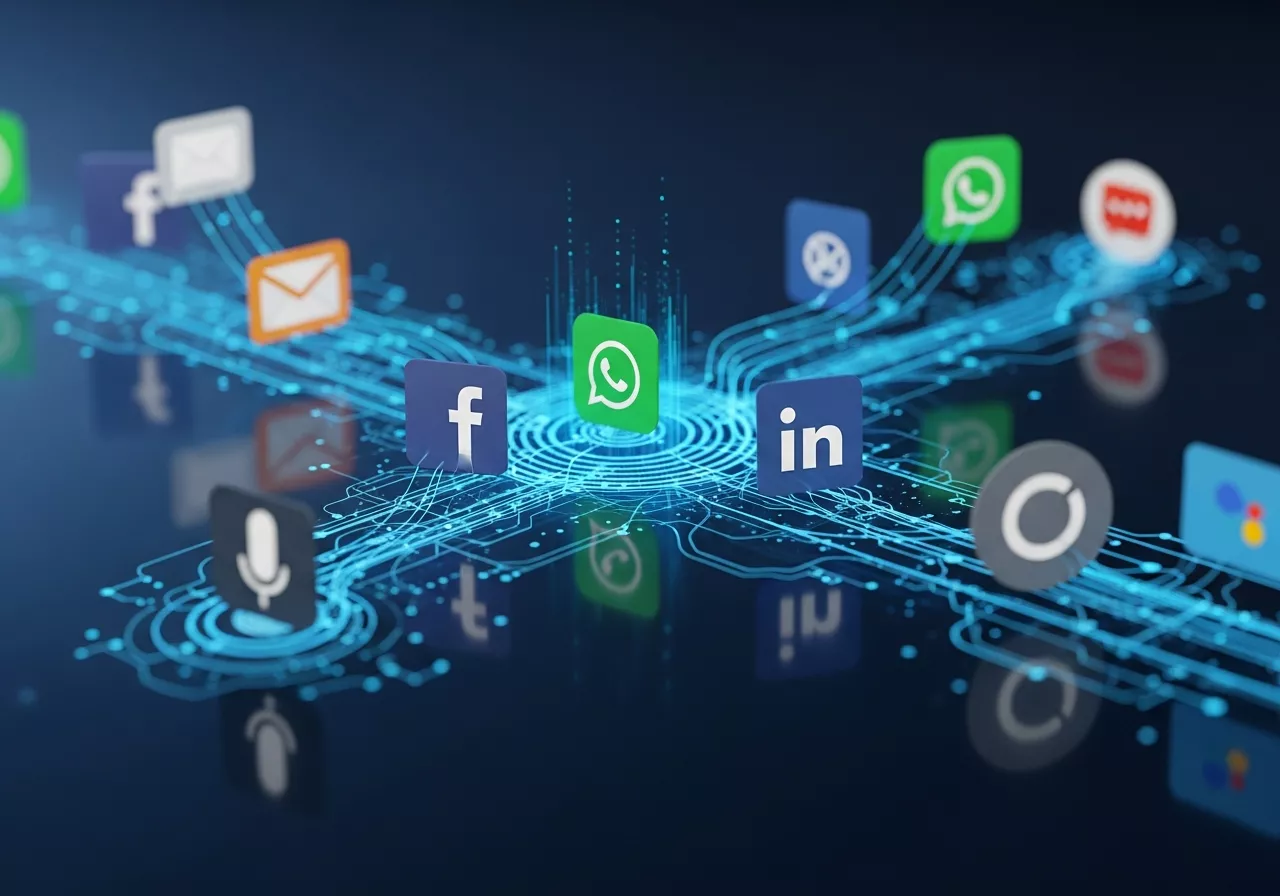
While email remains a staple in outbound marketing, it’s crucial to recognize that prospects engage with content across various channels. AI-driven personalization thrives when integrated into a multichannel approach, ensuring that your message reaches customers where they are most active. From social media platforms like LinkedIn and Facebook to messaging apps like WhatsApp and even voice-based outreach via Alexa and Google Assistant, each channel has unique advantages.
Why Multichannel Outreach Matters:
- Maximized Reach: Not every prospect checks their email regularly, but they might be active on social media or messaging apps. By leveraging AI tools across multiple platforms, you ensure your message reaches prospects through their preferred communication methods.
- Consistent Messaging Across Platforms: AI allows for seamless orchestration of messaging across different channels. Whether you’re sending a personalized email, initiating a LinkedIn conversation, or sending a WhatsApp message, your brand voice and messaging will remain consistent, increasing brand recognition.
- Increased Engagement: Different types of content resonate better on specific channels. AI-powered systems can tailor content based on the channel’s strengths—whether it’s a long-form email, a short, snappy tweet, or a rich media WhatsApp message.
Best Practices for Multichannel Outreach:
- Channel Segmentation: Use AI to analyze which channels your prospects prefer and tailor your outreach accordingly. This segmentation ensures that you don’t overwhelm them with the wrong message at the wrong time.
- Cross-Channel Personalization: Ensure consistency in tone, messaging, and visual elements across all channels. A personalized email might be followed up with a customized LinkedIn message, keeping the conversation seamless.
- Monitor and Adapt: Use AI’s data insights to track which channels are most effective. Continuously tweak your strategy to allocate resources to the most successful channels.
By integrating AI-powered multichannel personalization, marketers can reach prospects where they’re most likely to engage and convert.
Measuring Success and ROI
Effective measurement hinges on clear KPIs aligned with business goals. Track metrics at each stage of the funnel: open and click-through rates for awareness, reply and meeting set rates for engagement, pipeline velocity for sales acceleration, and closed-won deals for revenue impact. Advanced attribution models can isolate the incremental lift generated by AI-driven personalization. Calculate return on investment by comparing incremental revenue against platform subscription costs, creative development, and staff hours dedicated to campaign management.
Best Practices to Maintain Authenticity
While AI enables scale, authenticity remains paramount. Always review auto-generated content to ensure brand voice consistency and to weed out any unnatural phrasing. Avoid over-personalization that may come across as invasive—focus on publicly available or explicitly provided data. Disclose the use of AI when appropriate, and welcome two-way dialogue to reinforce human connection. Finally, provide easy opt-out options and honor privacy regulations such as GDPR and CCPA to build trust over the long term.
Ethical Considerations and Transparency in AI Personalization
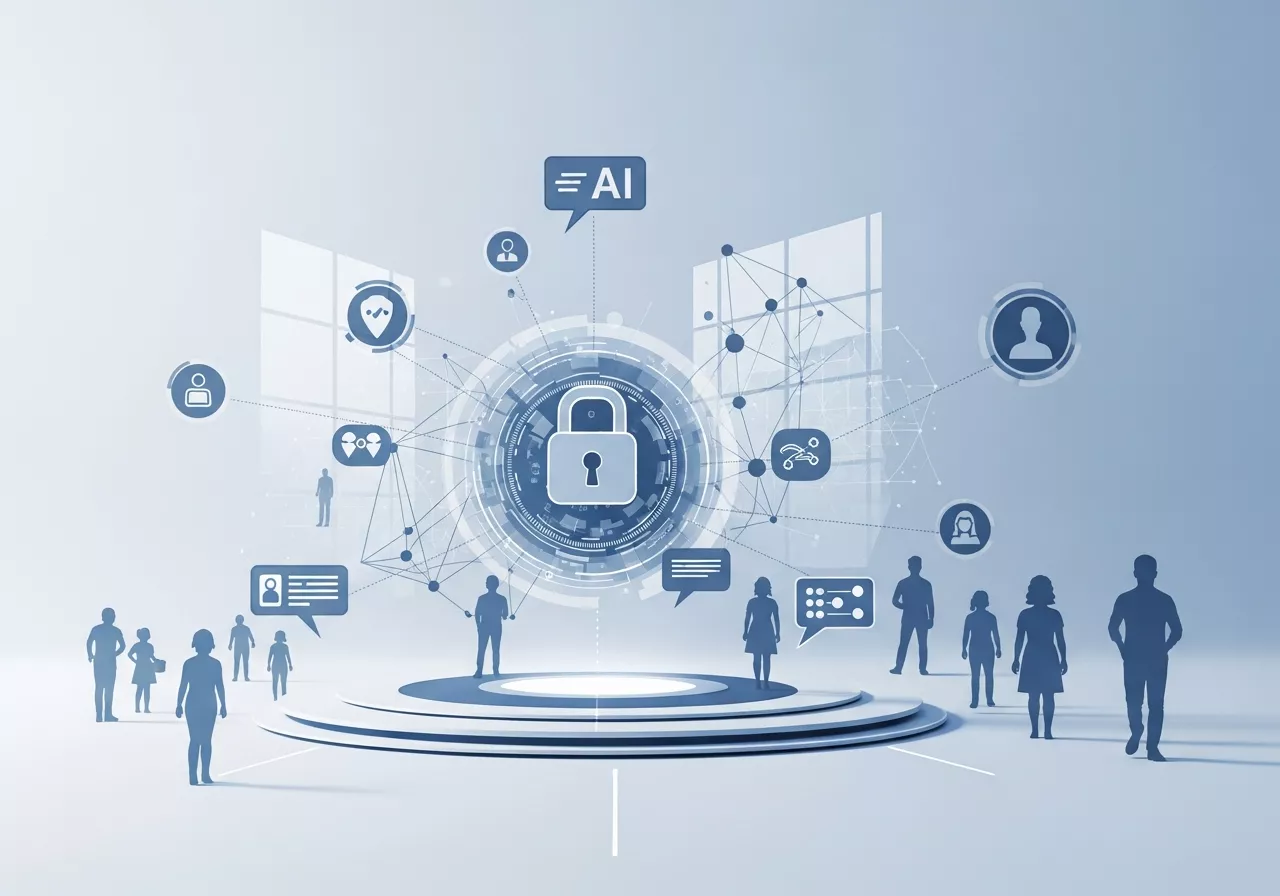
As AI becomes more integrated into marketing strategies, ethical considerations surrounding data privacy and transparency must be prioritized. While AI tools can drive unprecedented personalization and engagement, they can also raise concerns about how much data is collected and how it is used. To ensure the long-term success and trustworthiness of AI-driven personalization, businesses need to address these ethical concerns head-on.
Key Ethical Issues in AI-Powered Outbound Marketing:
- Data Privacy: With AI systems processing vast amounts of personal data, such as browsing history, purchase behavior, and demographic details, it’s essential to adhere to strict data privacy regulations like GDPR and CCPA. Marketers must obtain clear consent before collecting personal information and provide customers with the ability to control their data.
- Transparency: Consumers expect transparency when interacting with AI-powered systems. This means marketers should disclose when a message or interaction is being generated by AI. It helps to build trust and avoid feelings of manipulation. AI can enhance personalization without crossing boundaries into intrusive or deceptive practices.
- Bias and Fairness: Machine learning models can unintentionally perpetuate biases in data, leading to unfair treatment of certain groups. Marketers must actively monitor AI systems to ensure that they do not inadvertently exclude or misrepresent any demographic.
Best Practices for Ethical AI Personalization:
- Informed Consent: Always seek explicit consent before collecting or using personal data. Make it clear how the data will be used and provide easy access to privacy settings.
- Disclosure: Let customers know when they are interacting with AI-powered systems. A simple message like “This is an automated message designed just for you!” helps ensure transparency.
- Bias Audits: Regularly audit AI models for bias and ensure that the personalization process remains inclusive and fair across all customer segments.
- Data Security: Implement robust data security measures to protect customer data from unauthorized access and breaches.
By maintaining ethical standards and transparency, marketers can use AI to enhance personalization while fostering trust and long-term relationships with their audience.
Conversational AI for Outbound Marketing
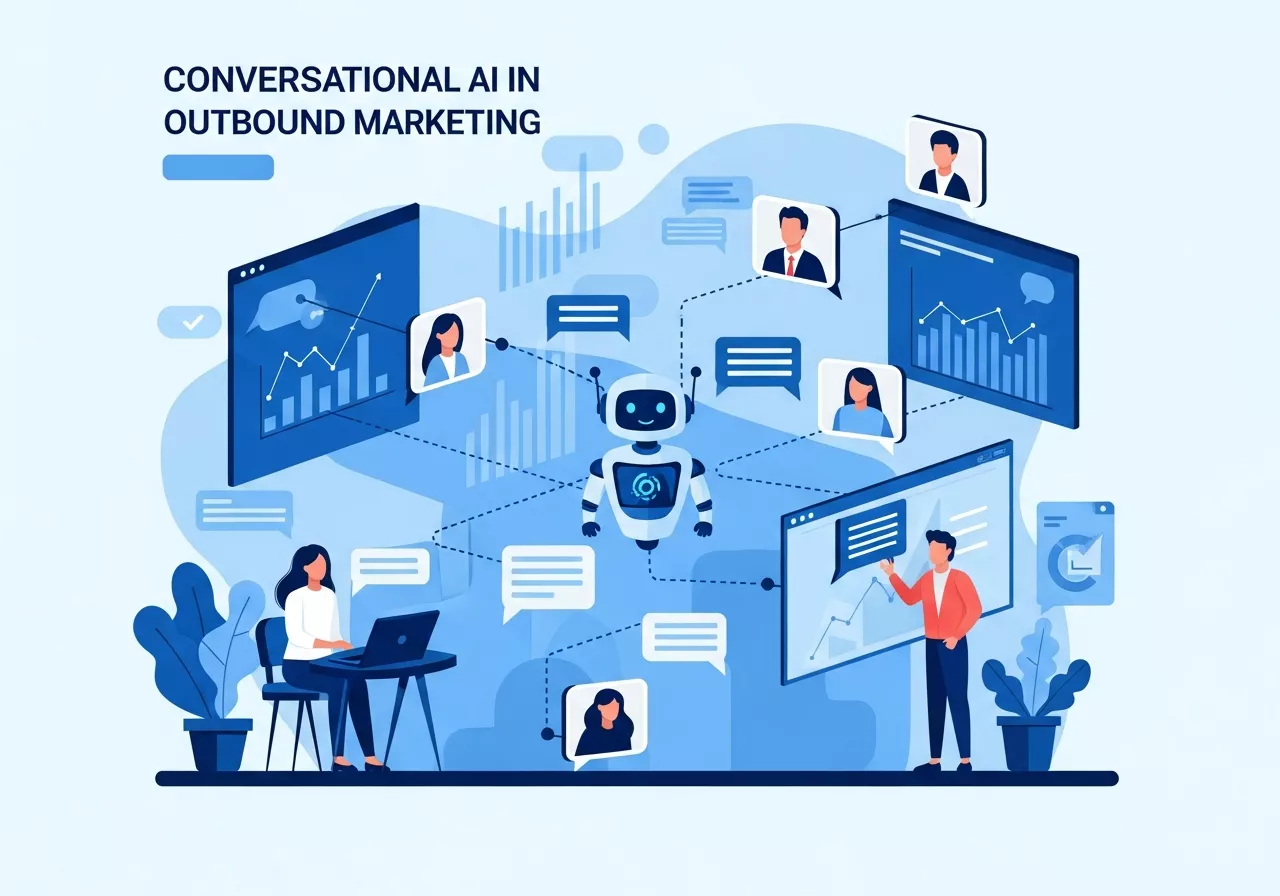
Conversational AI for Outbound Marketing is transforming how companies engage prospects at scale. Chatbots and AI-driven messaging platforms allow businesses to simulate human conversations while analyzing responses in real time to optimize messaging.
Benefits of conversational AI include:
- Scalable engagement: Handle thousands of interactions simultaneously without compromising personalization.
- 24/7 availability: Respond to inquiries even outside traditional business hours.
- Context-aware messaging: AI remembers previous interactions, ensuring continuity in conversations.
- Data-driven insights: Analyze customer responses to refine messaging strategies and future campaigns.
Implementation tips:
- Use AI chat platforms integrated with your CRM to maintain a full prospect history.
- Personalize responses based on previous actions and lifecycle stage.
- Provide easy hand-offs to human agents when complex queries arise.
Conversational AI Tools Comparison
| Tool Name | Key Features | Best Use Case | AI Personalization Level |
|---|---|---|---|
| ChatTool A | NLP-driven responses, multi-language support | High-volume lead qualification | High |
| ChatTool B | CRM integration, predictive next-best-action | B2B outbound campaigns | Medium |
| ChatTool C | Multi-channel support (WhatsApp, web, email) | Cross-platform engagement | High |
| ChatTool D | Sentiment analysis, automated follow-ups | Customer retention and feedback collection | High |
Using conversational AI alongside AI-driven personalization in outbound marketing ensures that every interaction is relevant, timely, and designed to move prospects through the funnel efficiently.
Leveraging Customer Feedback for Future of Outbound Marketing
The Future of Outbound Marketing is increasingly feedback-driven. AI enables marketers to gather Customer Feedback at multiple touchpoints, using it to refine campaigns and predict prospect behavior. By analyzing feedback, companies can continuously improve messaging relevance, engagement, and conversion rates.
Strategies to leverage feedback effectively:
- Collect feedback through automated post-interaction surveys via email, WhatsApp, or chat platforms.
- Integrate sentiment analysis to categorize responses and identify recurring issues.
- Feed insights into AI personalization models to optimize content, timing, and channel selection.
- Monitor long-term trends to anticipate changes in buyer behavior and adjust strategies accordingly.
Benefits:
- Ensures campaigns remain relevant and aligned with audience expectations.
- Reduces waste by targeting only interested and qualified prospects.
- Strengthens trust and loyalty by demonstrating responsiveness.
By combining AI-driven personalization in outbound marketing with systematic customer feedback loops, organizations can stay ahead in a rapidly evolving landscape, continuously refining campaigns to maximize ROI and engagement.
Common Pitfalls and How to Avoid Them
Several obstacles can derail AI personalization efforts: tattered data silos that lead to inconsistent customer views, generic templates lacking emotional resonance, and reliance on incorrect predictive signals. Combat these issues by centralizing data governance, co-creating templates with creative copywriters, and continuously retraining algorithms with fresh results. Regularly audit campaigns for deliverability and domain reputation to prevent blacklisting and ensure your messages land in the inbox, not the spam folder.
Future Trends in AI-Powered Outbound Marketing

Emerging advances like generative pre-trained transformers (GPT) and multimodal AI will enable hyper-personalized outreach that blends text, video snippets, and interactive content. Real-time intent data from voice search, IoT devices, and immersive digital experiences will feed predictive engines for even sharper targeting. Expect a shift toward closed-loop feedback where AI systems autonomously optimize campaign cadences and creatives based on moment-to-moment engagement signals across channels.
Conclusion
AI-driven personalization is no longer a luxury—it’s a necessity for outbound marketers who want to connect meaningfully with prospects at scale. By carefully selecting the right tools, maintaining data integrity, and balancing automation with human oversight, you can deliver highly relevant messages that drive engagement, accelerate the pipeline, and ultimately boost revenue. Start small, test relentlessly, and iterate continuously to refine your approach and stay ahead of the curve.
FAQ: AI-Driven Personalization in Outbound Marketing
1. What is AI-driven personalization in outbound marketing?
AI-driven personalization refers to the use of artificial intelligence technologies to tailor marketing content and communications to individual prospects. By analyzing large sets of data—such as customer behavior, demographics, and past interactions—AI helps marketers create relevant, personalized messages at scale, enhancing engagement and conversion rates.
2. How does AI enhance personalization compared to traditional marketing methods?
Traditional marketing methods often rely on generic, one-size-fits-all messaging. AI, on the other hand, leverages data to create highly tailored communications based on individual needs, preferences, and behavior. AI can process large volumes of data in real-time, optimize messaging, and deliver personalized content at scale, which would be impossible with manual methods.
3. What data does AI use to personalize marketing messages?
AI-driven personalization can use both structured and unstructured data, such as:
- CRM Data: Customer profiles, purchasing history, and interaction records.
- Behavioral Data: Website activity, clicks, email open rates, and social media interactions.
- Firmographics: Company size, industry, and geographic location for B2B campaigns.
- Third-Party Data: Data from other platforms, such as market research or external databases.
4. Can AI create personalized content for email marketing campaigns?
Yes! AI can generate personalized subject lines, email copy, and even calls to action (CTAs) that are tailored to each recipient’s preferences, pain points, and past behavior. Tools like Natural Language Generation (NLG) allow for dynamic content creation, making email campaigns more engaging and relevant to individual recipients.
5. What are the benefits of using AI for WhatsApp marketing?
AI can enhance WhatsApp marketing by personalizing messages based on customer data, automating replies, and analyzing response patterns. This leads to:
- Higher engagement rates as WhatsApp is a direct and highly personal channel.
- Rich media support to share images, videos, and voice notes that are more engaging.
- Two-way communication to foster real-time conversations and build relationships.
- Automation of follow-up messages and reminders to keep prospects engaged.
6. How can I measure the success of my AI-driven outbound campaigns?
Key performance indicators (KPIs) to track include:
- Open Rates & Click-Through Rates (CTR): For email and messaging campaigns.
- Reply and Meeting Set Rates: To measure engagement.
- Pipeline Velocity: The speed at which prospects move through the sales funnel.
- Conversion Rates and Closed-Won Deals: To evaluate the impact on revenue.
AI tools can help you track these metrics in real-time and optimize campaigns based on performance data.
7. How do I ensure the authenticity of my AI-driven outreach?
Maintaining authenticity involves:
- Reviewing auto-generated content to ensure it aligns with your brand’s voice and tone.
- Balancing personalization with privacy—avoid being too intrusive by only using publicly available or customer-consented data.
- Transparency by disclosing AI use in communications, when necessary.
- Listening to your audience and providing easy opt-out options to respect their preferences.
8. Are there any ethical concerns when using AI in marketing?
Yes, there are several ethical concerns:
- Data Privacy: Ensure compliance with privacy regulations (like GDPR and CCPA) and obtain consent for data collection.
- Transparency: Inform customers when they are interacting with AI, especially in automated communications.
- Bias: AI models can perpetuate biases present in the data, so regular audits are necessary to ensure fairness and avoid discriminatory practices.
9. What tools can help with AI-driven personalization in outbound marketing?
Some popular AI tools for outbound marketing include:
- Tool A: For email content automation and advanced A/B testing.
- Tool B: Integrates CRM, web analytics, and social data for predictive scoring.
- Tool C: Specializes in dynamic landing page personalization for ABM.
- Tool D: Automates follow-up messages, optimizes frequency, and uses sentiment analysis to refine messaging.
10. How do I avoid common pitfalls when using AI for personalization?
To avoid pitfalls:
- Ensure clean, centralized data to prevent inconsistent customer views.
- Avoid over-personalization—don’t cross the line into invasive messaging.
- Regularly audit AI models to ensure they’re working correctly and are not biased.
- Monitor deliverability and reputation to prevent emails from being marked as spam.
11. Will AI replace human marketers?
AI is not meant to replace human marketers, but to enhance their capabilities. While AI can automate data analysis, content creation, and personalization, human insight is still crucial for strategy, creativity, and understanding nuanced customer needs. The best results come from a blend of AI efficiency and human oversight.
12. How do I get started with AI personalization in outbound marketing?
To get started:
- Audit your data—ensure that it’s accurate and up-to-date.
- Choose the right AI tools that align with your needs and goals.
- Define audience segments based on data insights and pain points.
- Start small with a few campaigns and iterate based on performance.
- Measure success using KPIs, and continually refine your approach.
Learn more about: Generative AI in Outbound Marketing: How to Craft Personalized Campaigns at Scale