Outbound Marketing for Product Promotion: Old-School Tactics That Still Work
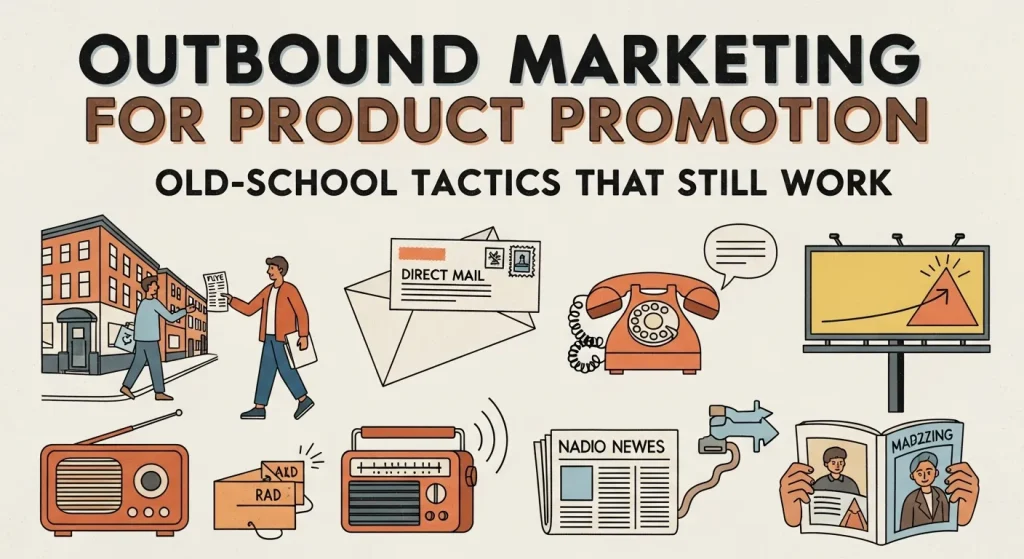
Discover how outbound marketing drives product success through proactive outreach, trust-building, and data-driven strategies. Learn what outbound product marketing is, why it’s vital for every product launch, and how modern techniques amplify traditional tactics for lasting brand visibility and growth.
Outbound marketing might sound like a relic of the past, but it still has a lot of value to offer, especially when blended with modern techniques. For years, outbound marketing has proven its ability to generate awareness and drive results. However, with the rise of digital marketing, it’s easy to forget the timelessness of these strategies when promoting a product.
What if we told you that traditional outbound tactics, done right, can still grab attention and build trust with your audience? This blog explores tried-and-true outbound marketing approaches that remain effective today and shows you how to integrate them with trust-based product promotion strategies.
Read on to learn how outbound marketing can provide a competitive edge for your business.
Why Outbound Marketing Still Matters
Outbound marketing focuses on proactively reaching your target audience, whether through cold calls, direct mail, or TV ads. While digital ads and social media have revolutionized marketing, these “old-school” tactics still work when combined with the right message and execution. Why? Because outbound efforts grab attention where your audience spends their time.
Outbound marketing becomes even more powerful when paired with trust-building strategies. Campaigns that include customer reviews, testimonials, and case studies create credibility, helping your audience connect with your brand. This trust ensures that your outbound efforts aren’t just heard but are believed and acted on.
The Key to Success with Outbound Marketing
Promotions may capture attention, but trust secures commitment. To develop campaigns that go from good to great, combine outbound marketing with strategies that build customer trust. Imagine launching a product with a stunning ad campaign but failing to back it up with testimonials or positive reviews. The audience may be interested initially, but without trust signals, conversions are likely to fall short.
A well-balanced approach that blends traditional outbound marketing with online reputation management can ensure consistent and lasting results. Here’s how you can do it.
Effective Outbound Marketing Tactics (That Build Trust)
Direct Mail That Drives Conversations
Don’t underestimate the power of physical mail. Well-designed brochures or postcards not only grab attention but also provide a tactile experience that digital can’t replicate.
Trust Booster: Use testimonials or customer success stories as part of your direct mail campaign. Including a quote like, “This product saved my business hours of work each week,” builds credibility. Ensure you provide a clean QR code or URL on the leaflet for seamless digital integration.
Cold Calls Reimagined with Personal Touch
Cold calls are often viewed as intrusive, but personalization can turn this classic tactic into an opportunity to establish trust. Start your conversation by referencing something specific to the recipient, such as a challenge their industry frequently faces.
Trust Booster: Share real customer scenarios on the call to validate your solution. For instance, “Our customers in similar roles have reported cutting costs by 30% with our product.“
Event Marketing That Creates Real Connections
Hosting live events such as product demonstrations or webinars provides a direct, interactive way for outbound marketing to shine. Events allow you to showcase your product in action while engaging with potential customers.
Trust Booster: Record testimonials at your events or showcase customer feedback during demonstrations. Showing authentic results builds real-time credibility.
Print Advertising That Stretches Beyond Visual Appeal
Print ads in industry publications still attract attention and reach niche audiences. But instead of only promoting your product’s features, include trust-building cues like customer reviews, star ratings, or third-party endorsements.
Trust Booster: Use a callout box with a statement such as “Rated 4.9/5 stars by 1,000+ happy customers!” or announce milestones like sales achievements.
Trade Shows and Partnerships
Trade shows offer a fantastic venue for outbound marketing, especially when your brand is paired with well-known, trusted vendors. Being visible alongside reputable names boosts your credibility.
Trust Booster: Feature testimonials and case studies prominently at your booth. Go the extra mile by offering exclusive discounts for attendees, fostering goodwill.
Radio or Podcast Ads That Tell a Story
Radio advertising, as well as sponsored podcast segments, can go beyond promoting your product. Use these platforms to tell relatable stories or share case studies that transform your ad into a narrative your audience connects with.
Trust Booster: If your business has been featured in credible publications or news platforms, make sure to mention these in your audio ad campaigns, e.g., “Trusted by [Well-Known Brands or Users].“
Understanding What Is Outbound Product Marketing
Many businesses often ask — what is outbound product marketing, and how does it differ from the digital-first or inbound strategies that dominate today’s marketing world? Simply put, outbound product marketing refers to any promotional activity where the brand takes the initiative to reach potential customers, instead of waiting for them to make the first move. It’s the proactive side of marketing — where you bring your message to the audience rather than relying on them to find you.
This approach has stood the test of time because it works. Outbound marketing creates immediate visibility, builds awareness fast, and allows brands to shape perception from the very first interaction. Whether through print ads, cold calls, direct mail, TV commercials, or event showcases, outbound marketing remains a reliable way to introduce products to the market and generate early momentum.
Unlike inbound marketing, which focuses on nurturing and educating over time, outbound campaigns deliver instant impact. They capture attention quickly, make a strong impression, and drive audiences toward action — an essential quality when launching new products or competing in crowded markets.
Core Components of Outbound Product Marketing
- Message Clarity: Crafting a focused, persuasive message is the cornerstone of any successful outbound effort. The goal is to communicate value quickly and compellingly so that customers immediately understand what sets your product apart.
- Audience Segmentation: Modern outbound campaigns rely on data-backed insights to target the right audience. By analyzing demographics, behaviors, and needs, marketers can ensure their outreach reaches those most likely to convert.
- Multi-Channel Strategy: The strength of outbound marketing lies in its flexibility. Combining traditional platforms like print, TV, and radio with digital tools such as email marketing and paid ads creates a powerful, integrated communication network.
- Follow-Up Mechanisms: The first contact opens the door, but consistent follow-up sustains interest. Using calls, retargeting campaigns, or personalized emails helps nurture leads until they’re ready to purchase.
| Aspect | Outbound Product Marketing | Inbound Marketing |
|---|---|---|
| Initiation | Brand reaches out to customers proactively | Customer finds the brand organically |
| Speed of Impact | Immediate visibility and fast response | Gradual awareness and long-term engagement |
| Primary Goal | Awareness & lead generation | Engagement & retention |
| Tools Used | Ads, cold calls, mail, events, and media partnerships | SEO, blogs, email nurturing, and social content |
Outbound product marketing remains a common product marketing technique that continues to drive measurable visibility, brand recognition, and top-of-funnel engagement effectively. When executed strategically, it not only spreads awareness but also builds credibility — especially when paired with trust-based elements like testimonials and success stories.
In today’s fast-paced, competitive environment, outbound marketing gives brands the power to stay proactive, maintain control over their message, and connect with customers before competitors even get the chance. It’s not just a legacy method — it’s a modern necessity for brands seeking fast traction and sustained growth.
Why Outbound Marketing Should Be Part of Every Product Launch Plan
Every new product launch requires a strong, memorable first impression — and that’s exactly where outbound marketing shines brightest. In today’s competitive market, even the most innovative product can go unnoticed without a deliberate push that grabs attention right from the start. While inbound strategies like content and SEO build long-term trust and brand loyalty, outbound marketing ensures your product gains immediate visibility, excitement, and reach from day one.
A well-executed outbound strategy doesn’t just spread awareness — it controls the narrative, ensuring your audience hears your message directly from you, not your competitors or online speculation. By leveraging both traditional and digital outbound channels, brands can create launch experiences that are not only seen but remembered.
Simply put, outbound marketing should be part of every product launch plan because it drives momentum at the critical stages of introduction, awareness, and early adoption. It helps create buzz, expands audience reach, and positions your product as a credible, must-have solution in the market.
Top Benefits for Product Launches
- Quick Awareness: Outbound campaigns like press releases, direct mail, and broadcast ads can reach thousands of potential customers almost instantly, accelerating recognition in record time.
- Market Control: Outbound strategies allow you to craft and control your product’s story before competitors enter the conversation. You decide what message dominates the narrative.
- Multi-Audience Access: These campaigns effectively target multiple audiences — from potential customers and investors to media outlets and industry influencers — maximizing exposure across the board.
- Sales Activation: Unlike purely awareness-driven marketing, outbound outreach encourages immediate engagement and response, helping brands convert interest into early sales.
| Launch Phase | Outbound Strategy | Expected Outcome |
|---|---|---|
| Pre-Launch | Teaser campaigns, media partnerships, and influencer collaborations | Generate anticipation and curiosity |
| Launch Week | Press releases, live product demos, and event showcases | Drive initial sales and media coverage |
| Post-Launch | Follow-up ads, retargeting, and customer success stories | Sustain visibility and reinforce brand trust |
When executed strategically, outbound marketing doesn’t just amplify the initial buzz — it sustains your launch momentum long after the first announcement. It allows your brand to keep engaging with the audience through follow-ups, testimonials, and media reinforcement, transforming curiosity into customer loyalty.
In essence, outbound marketing is not just about making noise; it’s about creating recognition, credibility, and continuous engagement — the foundation for sustainable growth in any successful product launch.
Common Product Marketing Techniques to Strengthen Outbound Campaigns
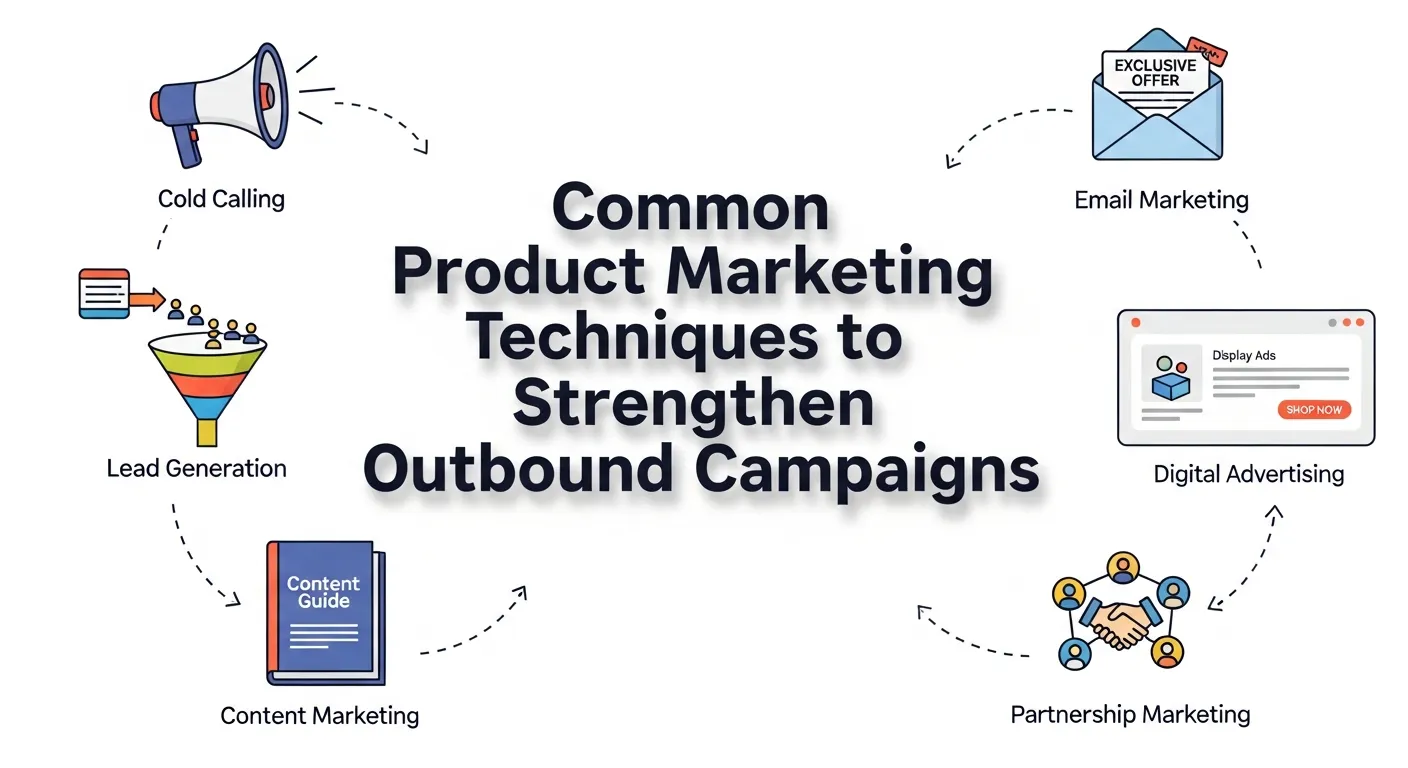
Blending traditional outbound marketing with contemporary tools can yield exceptional, measurable results. While outbound methods like calls, mail, and print ads are great for reach, combining them with digital intelligence ensures campaigns stay relevant, personalized, and impactful. By applying common product marketing techniques, brands can build stronger connections with customers and elevate every stage of the buyer journey — from awareness to conversion.
Modern customers expect communication that feels authentic, timely, and tailored to their needs. Outbound marketing no longer means mass messaging; it’s about creating personalized outreach experiences that show your brand understands its audience. With data analytics, CRM systems, and automation, outbound tactics can now achieve the same precision and personalization once reserved for inbound channels.
Effective Techniques to Enhance Outbound Campaigns
- Email Personalization: Craft individualized outreach messages that address each recipient’s needs, preferences, or business challenges. A personalized subject line or mention of a prior interaction increases response rates dramatically.
- Story-Driven Messaging: Replace hard-sell pitches with storytelling that highlights your brand’s journey or a customer’s success story. Stories humanize your product and make your message more memorable.
- Customer Data Utilization: Leverage CRM and analytics tools to segment audiences based on industry, location, or buying behavior. This ensures your outbound efforts are data-informed, not guesswork.
- Cross-Channel Reinforcement: Coordinate your outbound ads with digital channels like social media, email campaigns, and retargeting. A consistent message across multiple touchpoints strengthens recall and trust.
- Performance Tracking: Measure and refine your efforts by tracking KPIs such as conversion rates, call outcomes, and lead quality. This continuous improvement loop ensures your campaigns remain effective and cost-efficient.
| Technique | Outbound Application | Trust Element Added |
|---|---|---|
| Personalized Emails | Cold outreach campaigns tailored to recipient data | Relevance & empathy |
| Product Demos | Live or virtual events showcasing product features | Transparency |
| Case Studies | Shared in printed materials or broadcast ads | Credibility |
| Influencer Mentions | Integrated into radio or podcast sponsorships | Authenticity |
By combining these techniques, businesses can transform outbound marketing into a dynamic and trust-driven discipline. Instead of simply broadcasting a message, each interaction becomes a relationship-building opportunity. This hybrid approach allows brands to evolve with consumer behavior while maintaining the traditional strengths of outbound marketing — broad reach, message control, and immediate impact.
When executed strategically, these efforts not only attract attention but also nurture belief in your brand, ensuring that outbound campaigns continue to perform in an increasingly competitive marketing landscape.
How to Combine Outbound Marketing with Online Reputation Management (ORM)
Now that you’re reintroducing outbound marketing into your strategy, merging it with ORM will amplify your results. Here’s how:
Highlight Positive Reviews in Campaigns
Use positive reviews from satisfied customers in your outbound campaigns. Whether it’s in print, radio, or direct mail, endorsements from real customers make a world of difference.
Address Negative Feedback Before Launching Campaigns
Check your brand’s online chatter and take steps to resolve any negative feedback before launching a big campaign. A polished ORM strategy ensures your promotional efforts aren’t undermined by unresolved issues.
Use Customer Success Stories as Focal Points
Everyone loves a good success story. Promote how your product or service solved real-world problems for others. Leverage these stories in cold calls, print materials, and video advertisements.
Authentic Partnerships for Validation
Collaborate with trusted influencers or established businesses within your industry. These partnerships establish credibility for your brand and validate the claims made in your outbound campaigns.
Building Trust Through Promotions
Outbound marketing remains powerful, but its effectiveness grows exponentially when paired with marketing strategies that build trust. Customer testimonials, reviews, and case studies are no longer optional add-ons; they are essential staples in the modern marketing toolkit.
Instead of choosing between outbound and online strategies, why not combine the best of both worlds? This nuanced approach will help you draw attention, foster trust, and secure lasting relationships with your audience.
Outdated? Far from it. The key is incorporating trust as the backbone of every outbound effort.
Become a Marketing Mastermind
Outbound marketing combined with ORM has the ability to supercharge your product promotion efforts like never before. Whether you’re mailing flyers, hosting events, or running print ads, always ask yourself, “How am I building trust?”
Take the first step toward creating high-impact campaigns. Contact us today for tailored strategies that balance traditional tactics with reputation-led excellence.
Frequently Asked Questions (FAQ) About Outbound Marketing
1. What is outbound product marketing and why is it still relevant today?
Outbound product marketing involves proactive outreach — where a brand initiates communication with potential customers through methods like calls, ads, direct mail, and events. It’s still highly relevant because it ensures instant visibility, message control, and faster engagement, particularly during product launches or promotions.
2. How does outbound marketing differ from inbound marketing?
Outbound marketing pushes messages outward to capture attention (like TV ads or cold calls), while inbound marketing attracts customers organically through content, SEO, and social media. The difference lies in approach — outbound reaches out, inbound draws in. Both can complement each other for maximum impact.
3. Outbound vs inbound product marketing — which works best at each stage of the buyer journey?
When comparing outbound vs inbound product marketing which works best at each stage, outbound dominates early stages like awareness and interest, where quick exposure is vital. Inbound marketing excels in the later stages — consideration and decision — by nurturing leads through valuable content and trust-building. Together, they form a complete funnel strategy.
4. What are the key benefits of outbound marketing for new product launches?
Outbound marketing ensures your product gets noticed fast. It helps generate buzz, builds anticipation, and puts your message in front of your target audience. For launches, it allows you to control your brand story, build credibility, and establish authority before competitors do.
5. Can you use both inbound and outbound marketing together?
Yes, absolutely — can you use both inbound and outbound marketing is one of the most common questions, and the answer is a resounding yes. When combined, outbound marketing creates awareness while inbound marketing nurtures interest. This integration maximizes reach and conversion, creating a balanced marketing ecosystem.
6. Which channels are most effective for outbound marketing?
Some of the best-performing outbound channels include:
- Email outreach for personalized communication.
- Direct mail for tangible brand connections.
- Telemarketing for direct relationship building.
- Events and trade shows for live engagement.
- TV, print, and radio for broad visibility.
- Paid digital ads for measurable results.
Selecting channels depends on your target audience, budget, and campaign goals.
7. How can outbound marketing build trust with potential customers?
Trust is built through authenticity and consistency. Outbound campaigns can include customer testimonials, success stories, case studies, and social proof. When your promotional message is backed by real experiences, it creates credibility — turning cold outreach into meaningful engagement.
8. Inbound vs outbound marketing — which strategy is right for your business?
Choosing between inbound vs outbound marketing which strategy is right for your business depends on your goals, audience behavior, and budget. Outbound works best for fast visibility and product launches, while inbound delivers long-term brand growth. The most successful brands use both to cover awareness, conversion, and loyalty stages seamlessly.
9. How can technology enhance outbound marketing effectiveness?
Modern tools like CRM systems, AI-driven analytics, and automation platforms have revolutionized outbound marketing. They help businesses personalize communication, track performance, and refine messaging for higher ROI. This blend of traditional outreach and technology ensures campaigns are both human and data-smart.
10. What are common mistakes to avoid in outbound marketing?
Some key pitfalls include:
- Lack of personalization: Sending generic messages reduces response rates.
- Ignoring data: Without tracking, you can’t improve performance.
- Over-promotion: Too much selling can push customers away.
- No follow-up: Engagement ends when communication stops.
Avoiding these mistakes keeps your outbound strategy relevant, respectful, and result-oriented.