WhatsApp Outbound Marketing: Leveraging Messaging Apps for High-Impact B2B Outreach
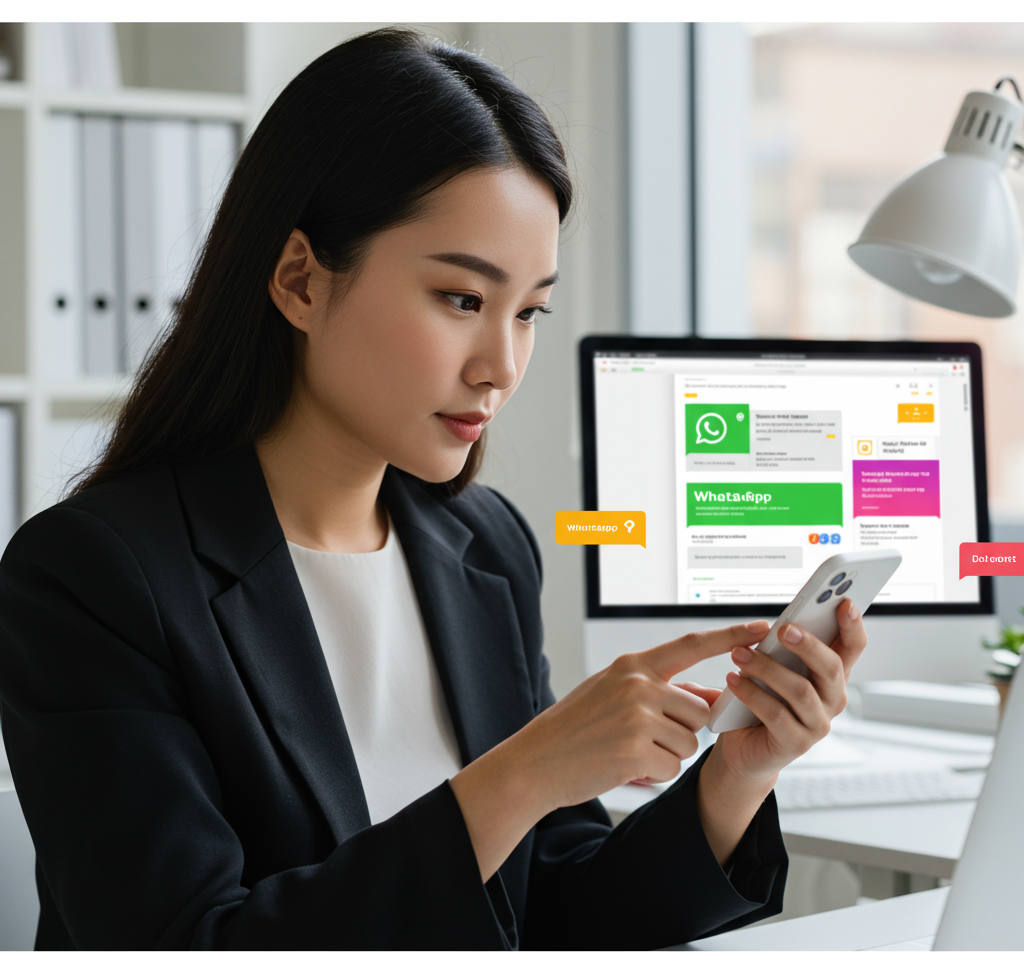
In today’s fast-paced B2B environment, standing out in crowded inboxes is more challenging than ever. Traditional outbound channels like cold email and phone calls still work, but they often suffer from low open and response rates. Enter WhatsApp—the world’s most popular messaging app with over two billion active users. By integrating WhatsApp into your outbound marketing strategy, you can achieve higher engagement, real-time conversations, and personalized outreach that resonates with busy decision-makers. In this comprehensive guide, we’ll explore how to set up WhatsApp for outbound campaigns, craft compelling messages, comply with regulations, automate workflows, measure success, and follow best practices for maximum impact.
Why Choose WhatsApp for B2B Outbound Outreach?
WhatsApp offers several advantages over email and phone calls. First, its open rate exceeds 90%, meaning your messages are almost guaranteed to be seen. Second, the conversational nature of chat encourages two-way interaction, fostering trust and rapport faster than static emails. Third, WhatsApp supports multimedia—images, videos, documents, and voice notes—allowing you to deliver rich, engaging content directly to prospects’ fingertips. Finally, the ubiquity of WhatsApp across geographies makes it an ideal channel for global B2B campaigns, especially in regions where SMS and email penetration may lag behind messaging apps.
Leveraging WhatsApp marketing effectively allows businesses to combine personalization, real-time engagement, and automation into a high-impact outbound strategy that complements traditional channels. This approach also strengthens Outbound Lead Generation efforts by reaching qualified prospects directly in a format that encourages immediate engagement and conversion.
Setting Up WhatsApp Business for Outbound Campaigns
To get started, decide between the WhatsApp Business App and the WhatsApp Business API. The App is free and suitable for small teams, offering labels, quick replies, and catalogs. The API unlocks advanced automation, CRM integration, and high-volume messaging, but requires approval and a messaging provider. Choose a dedicated business phone number, register it, and customize your profile with your company logo, description, hours, and website link. Verify your business account badge to build credibility. Finally, map out your messaging flows—welcome messages, follow-ups, and booking links—to ensure a seamless prospect experience.
Building and Segmenting Your Contact List
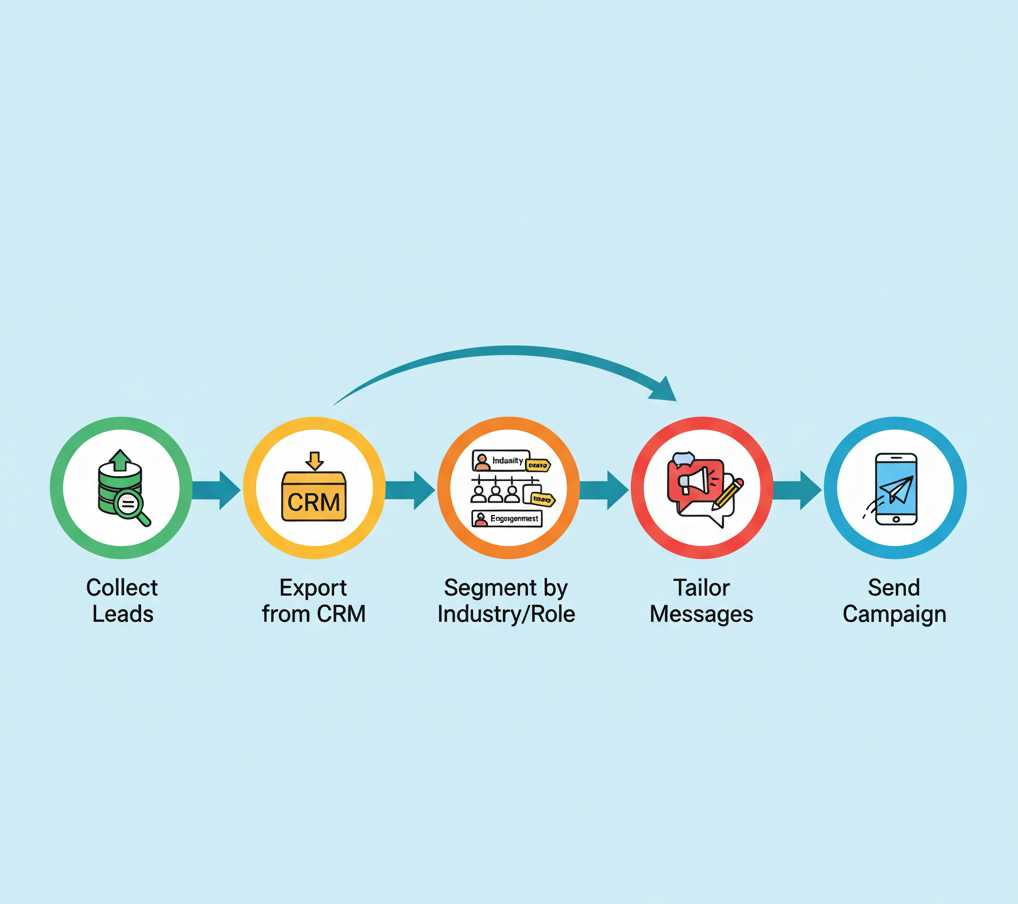
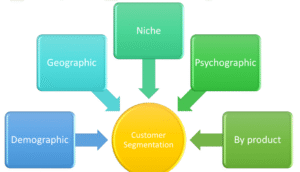
Success hinges on relevant, permission-based contacts. Export leads from your CRM or lead gen tools, ensuring each has opted in to receive WhatsApp messages. Segment your audience by industry, company size, decision-maker role, or previous engagement. This is where understanding B2B vs. B2C outbound marketing becomes critical: B2B prospects often require personalized, data-driven messaging for decision-makers, whereas B2C audiences respond better to emotional, high-frequency campaigns. Segmentation allows you to tailor message tone, content, and offers for each group. For instance, CIOs might receive whitepapers on digital transformation, while marketing managers get case studies on campaign ROI. Always maintain an up-to-date opt-out list to respect privacy and comply with regulations like GDPR and TCPA.
Crafting Compelling WhatsApp Messages
Message length should be concise but value-packed. Start with a personalized greeting—use the prospect’s name and company. Introduce your value proposition in one sentence, highlighting a pain point or opportunity: “Hi Sarah, I noticed Acme Corp is expanding into Europe. Our cross-border payment solution could cut your processing time by 40%.” Include a clear call to action, such as scheduling a 10-minute demo or downloading a brief case study. Leverage multimedia by attaching a PDF teaser or a short video walkthrough. End with an open-ended question to invite a response: “Would you be open to a quick chat next week?”
Balancing Personalization and Scalability
While 1:1 messaging yields the best results, pure manual outreach doesn’t scale. Use templates with dynamic fields for names, companies, and roles, but customize each message’s opening and closing to show genuine interest. Employ CRM integrations or marketing automation platforms to send messages in small bursts—no more than 50–100 per day—to mimic human sending patterns and avoid WhatsApp’s spam filters. Periodically review replies and refine templates based on common objections or frequently asked questions.
Ensuring Compliance and Opt-In Management
WhatsApp enforces strict policies. Obtain explicit opt-in before messaging prospects. Use web forms, landing pages, or conversational pop-ups that clearly state you’ll contact them via WhatsApp. Store timestamps of opt-in consent and message transcripts for audit purposes. Provide an easy opt-out mechanism—reply “STOP” or click a link—to maintain trust and avoid penalties. Regularly purge your database of unsubscribed contacts to protect sender reputation and comply with regulations like GDPR, CAN-SPAM, and PECR.
Leveraging Automation and Chatbots
Chatbots powered by AI can handle repetitive inquiries, freeing your sales team to focus on high-value conversations. Implement chat flows for FAQs, demo scheduling, qualifying questions, or resource delivery. Use interactive buttons and list messages to present options—“1. Schedule Demo,” “2. Download Brochure,” “3. Talk to Rep.” Integrate the chatbot with your CRM to log interactions and trigger follow-up sequences via email or phone, ensuring no lead slips through the cracks.
Integrating WhatsApp into Multi-Channel Campaigns
WhatsApp shouldn’t operate in isolation. Pair it with email, LinkedIn, and calls to create a cohesive outreach sequence. For example, send an introductory email with a link to a gated report, then follow up via WhatsApp with a personalized note and direct download link. After a call, send a recap and next steps on WhatsApp to reinforce conversations. Track touchpoints in your CRM to coordinate messaging cadence and avoid overwhelming prospects.
Measuring Success: Key Metrics and KPIs
Track delivery rate, read rate, response rate, and conversion rate. Delivery rate indicates list quality and compliance. Read rate (blue ticks) shows engagement—aim for 70%+. Response rate reveals the effectiveness of your copy and offer—expect 20–30% from well-targeted campaigns. Conversions measure demos booked, meetings held, or deals closed. Monitor click-through on rich media attachments and chatbot completion rates. Use these insights to optimize message timing, content, segmentation, and follow-up cadences.
Best Practices and Real-World Examples
Maintain a human tone—avoid jargon and “salesy” language. Respond promptly to inquiries within business hours. Respect time zones and local holidays. Test A/B variations of message hooks, media types, and CTAs. One SaaS firm boosted demo bookings by 45% after introducing a 15-second product demo video on WhatsApp. An industrial equipment supplier achieved a 25% response rate by sending personalized installation guides to maintenance managers. Document and replicate these success patterns across segments.
Personalizing at Scale with Dynamic Content
Scaling WhatsApp outreach doesn’t mean sacrificing personalization. Dynamic content allows you to insert variables such as names, company, industry, or recent engagement metrics into message templates. This ensures each recipient feels the message is tailored to them, boosting response rates and engagement.
Key Points
- Use placeholders for first name, company, and role.
- Reference recent interactions or content downloads.
- Include relevant case studies or success stories for the prospect’s industry.
- Combine text, images, and short videos to enhance engagement.
Example Table – Personalization Impact
| Personalization Level | Open Rate | Response Rate | Conversion Rate |
|---|---|---|---|
| Generic Message | 50% | 10% | 2% |
| Light Personalization | 70% | 18% | 5% |
| Full Personalization | 90% | 30% | 12% |
Timing and Cadence Optimization
The success of WhatsApp outbound campaigns depends heavily on when and how often you message prospects. Sending messages at the wrong time or too frequently can reduce engagement and trigger opt-outs. Use data-driven insights to refine your timing and cadence.
Key Points
- Test sending messages during business hours in the prospect’s timezone.
- Avoid weekends or national holidays unless your audience expects it.
- Implement drip sequences to nurture leads over time.
- Monitor engagement trends to adjust frequency and follow-up intervals.
Handling Responses and Qualifying Leads
WhatsApp makes it easier to engage in real-time conversations, but you need a process to handle responses efficiently. Effective lead qualification ensures your sales team focuses on high-value prospects while maintaining timely engagement for others.
Key Points
- Categorize responses as hot, warm, or cold leads.
- Use chatbots for initial qualification or FAQ responses.
- Trigger CRM workflows for follow-ups based on lead type.
- Provide quick, personalized replies to maintain momentum.
Analyzing ROI and Campaign Performance
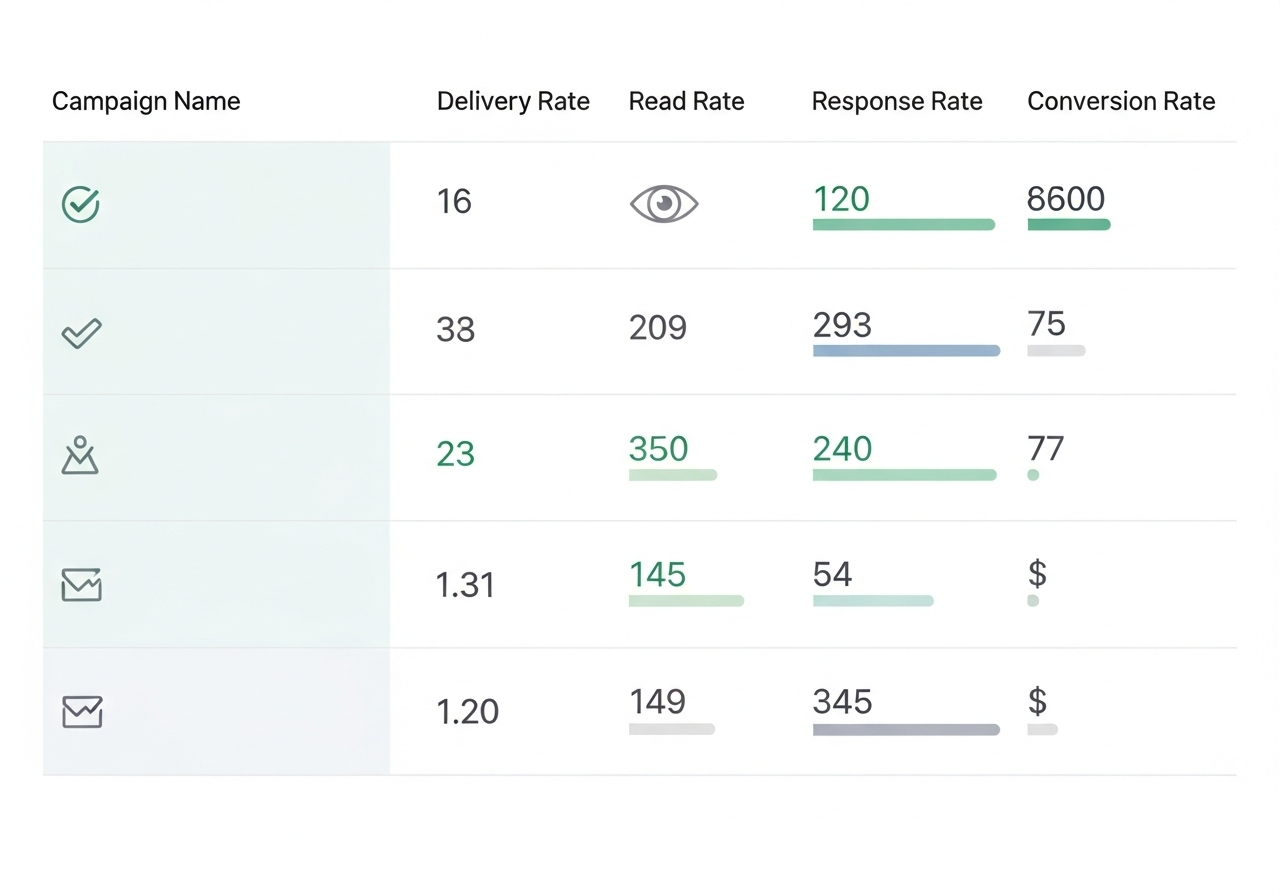
Tracking ROI is critical for proving the value of WhatsApp outbound marketing. Measuring campaign effectiveness allows you to optimize strategies, reallocate resources, and justify investment in messaging automation.
Key Points
- Track metrics like delivery rate, read rate, response rate, conversion rate, and CTA clicks.
- Monitor campaign-level KPIs for A/B tested messages.
- Compare WhatsApp ROI against email and call campaigns to assess channel performance.
- Adjust messaging, timing, and segmentation based on data insights.
Example Table – Sample Campaign Metrics
| Metric | Campaign A | Campaign B | Campaign C |
|---|---|---|---|
| Delivery Rate | 98% | 96% | 99% |
| Read Rate | 85% | 78% | 90% |
| Response Rate | 22% | 18% | 28% |
| Conversion Rate | 12% | 8% | 15% |
Leveraging Rich Media for Higher Engagement
WhatsApp allows sending images, videos, PDFs, voice notes, and interactive buttons, giving marketers the opportunity to make messages visually appealing and engaging. Rich media can help prospects understand your value proposition quickly and encourage two-way communication.
Key Points
- Include short product demo videos or tutorial clips.
- Use PDFs for case studies, brochures, or guides.
- Employ voice notes for personalized greetings or explanations.
- Incorporate interactive buttons for quick actions like “Book a Demo” or “Download Report.”
Example Table – Media Type vs Engagement
| Media Type | Open Rate | Response Rate | Conversion Rate |
|---|---|---|---|
| Text Only | 80% | 15% | 5% |
| Text + Image | 85% | 18% | 7% |
| Text + Video | 90% | 25% | 12% |
| Interactive Media | 92% | 30% | 15% |
Using WhatsApp for Event and Webinar Outreach
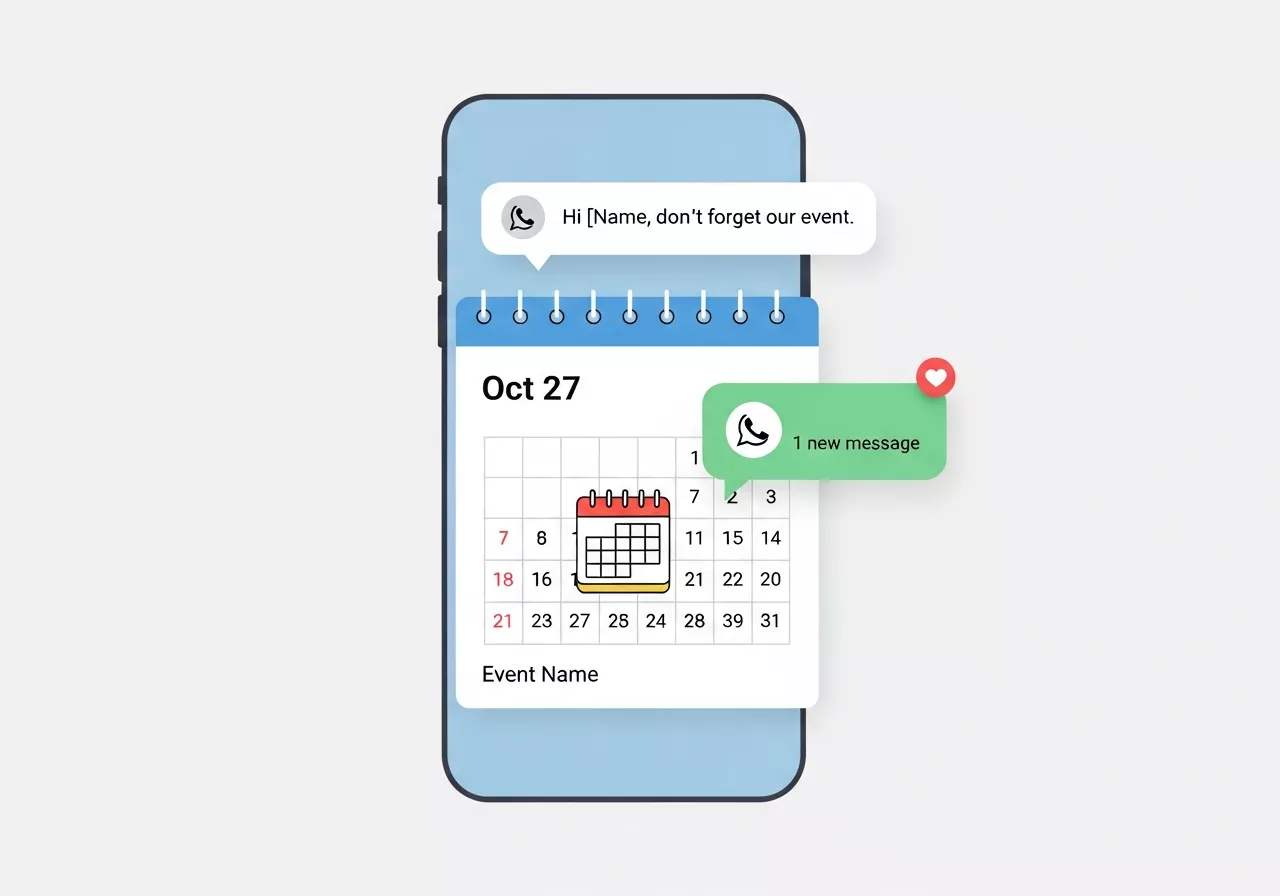
WhatsApp is highly effective for promoting webinars, virtual events, or in-person B2B events. Messages feel personal and timely, driving higher attendance rates than generic email invitations.
Key Points
- Send personalized invites mentioning the recipient’s role or interest.
- Include calendar links or RSVP buttons for seamless registration.
- Follow up with reminders one day and one hour before the event.
- Share post-event resources like recordings or slide decks via WhatsApp to maintain engagement.
Monitoring Competitor Activity on WhatsApp
While WhatsApp is private, businesses can still gather insights about competitors’ outreach strategies, campaigns, and customer feedback. Monitoring helps refine your own campaigns and identify gaps or opportunities.
Key Points
- Join industry-specific groups or newsletters to observe messaging trends.
- Track public WhatsApp broadcast campaigns shared via landing pages or sign-ups.
- Analyze competitors’ content style, timing, and media types.
- Identify successful tactics and differentiate your messaging for better engagement.
Example Table – Competitor Benchmarking
| Competitor | Message Frequency | Content Type | Engagement Observed |
|---|---|---|---|
| Competitor A | 2/week | Text + Image | Medium |
| Competitor B | 1/week | Text + Video | High |
| Competitor C | 3/week | Text Only | Low |
Conclusion
WhatsApp outbound marketing offers a powerful complement to traditional channels, combining high open rates, rich media support, and real-time conversation. By setting up the right infrastructure, segmenting your audience, personalizing your outreach, ensuring compliance, and measuring performance, you can unlock new avenues for B2B engagement and revenue growth. As messaging apps continue to dominate digital communication, forward-thinking marketers who master WhatsApp will gain a competitive edge in the evolving outbound landscape.
Frequently Asked Questions (FAQ) – WhatsApp Outbound Marketing
1. What is WhatsApp outbound marketing?
WhatsApp outbound marketing is the practice of reaching out to potential B2B prospects directly via WhatsApp messages. It combines personalized messaging, rich media, and automation to generate leads, nurture relationships, and drive conversions. Unlike traditional cold emails or calls, it leverages a highly engaging messaging platform with superior open rates.
2. How do I legally message prospects on WhatsApp?
To comply with regulations like GDPR, CAN-SPAM, and TCPA:
- Obtain explicit opt-in consent before sending messages.
- Provide a clear opt-out mechanism (e.g., reply “STOP”).
- Store consent records for auditing.
- Avoid sending spam or promotional messages without permission.
3. Should I use WhatsApp Business App or API for outbound campaigns?
- WhatsApp Business App: Best for small teams, limited messages, and manual outreach. Offers labels, quick replies, and catalogs.
- WhatsApp Business API: Ideal for larger organizations needing automation, CRM integration, high-volume messaging, and chatbots. Requires approval and a messaging provider.
4. How can I personalize messages without manually writing each one?
Use dynamic templates and placeholders for:
- Prospect’s name, company, and role
- Recent interactions or content downloads
- Industry-specific case studies or offers
Combine text with images, PDFs, or short videos for richer personalization at scale.
5. What types of content perform best on WhatsApp?
Rich media significantly boosts engagement:
- Short demo videos or tutorials
- PDF brochures, guides, or case studies
- Voice notes for personalized greetings
- Interactive buttons for CTAs like “Book Demo” or “Download Report.”
6. How do I measure success in WhatsApp outbound campaigns?
Key metrics to track:
- Delivery Rate: Ensures messages reach intended recipients
- Read Rate: Indicates engagement with your message
- Response Rate: Measures how well your message encourages replies
- Conversion Rate: Tracks meetings booked, demos scheduled, or deals closed
Use A/B testing to optimize messaging, timing, and media types.
7. Can WhatsApp be integrated with other marketing channels?
Yes. WhatsApp works best as part of a multi-channel strategy:
- Pair with emails, LinkedIn messages, and calls
- Follow up on previous touchpoints via WhatsApp
- Track interactions in your CRM to maintain a coordinated outreach sequence
8. How often should I message prospects on WhatsApp?
- Avoid sending messages too frequently to prevent opt-outs.
- Send during business hours in the prospect’s timezone.
- Implement drip campaigns or sequenced follow-ups over time.
- Monitor engagement and adjust frequency based on response data.
9. How can I track ROI for WhatsApp outbound campaigns?
- Track metrics like delivery, read, response, and conversion rates.
- Compare performance against other channels like email or phone calls.
- Analyze cost per lead and revenue generated from WhatsApp-driven interactions.
- Adjust campaigns based on insights to maximize ROI.
10. What are common mistakes to avoid in WhatsApp outbound marketing?
- Messaging without consent (violates regulations)
- Using generic, non-personalized messages
- Overloading prospects with frequent messages
- Ignoring follow-ups or slow response times
- Failing to track metrics or optimize campaigns
Learn more about: The Future of Outbound Marketing: Human Touch vs. Automation