Persistent But Polite: Way to Master Follow-Up Frequency

In today’s competitive sales and marketing environment, mastering follow-up frequency is key to effective outreach. This blog explores the “ethical mathematics” behind how often to follow up — helping you stay persistent without overwhelming prospects. Discover how timing, psychology, and personalization work together to create ethical, impactful follow-ups that build trust, increase engagement, and improve response rates while respecting your audience’s boundaries.
Every sales and marketing professional faces a common challenge — finding the right follow-up frequency. Follow up too little, and valuable leads slip away; follow up too often, and you risk annoying or losing prospects. Striking this balance isn’t guesswork — it’s rooted in a strategic, mathematical, and ethical approach to outreach.
Mastering the perfect follow-up frequency allows you to stay persistent without crossing boundaries. In today’s crowded market and attention-driven economy, understanding how often to follow up can be the difference between nurturing lasting relationships and burning potential opportunities.
The Psychological Context of Follow-Up Perception
Before diving into follow- frequency frameworks, it’s worth understanding how prospects perceive follow-up communications. Our brains process repeated contact through several psychological filters that dramatically affect how messages are received.
The first filter is relevance. A message addressing a genuine need or interest benefits from what psychologists call positive reinforcement. Each follow-up strengthens the association between you and potential value. Conversely, irrelevant messages trigger negative reinforcement, with each contact deepening the perception of you as an annoyance.
The second filter is timing. Our brains are remarkably sensitive to pattern recognition. Follow-ups that arrive at predictable yet respectful intervals create a sense of reliability without triggering defense mechanisms. Erratic timing or overly frequent contact activates the brain’s threat detection systems, often leading to rejection.
Understanding these psychological underpinnings provides the foundation for determining ethical follow-up cadences that respect prospect autonomy while maximizing connection opportunities.
Quantifying Interest: The Response Degradation Curve
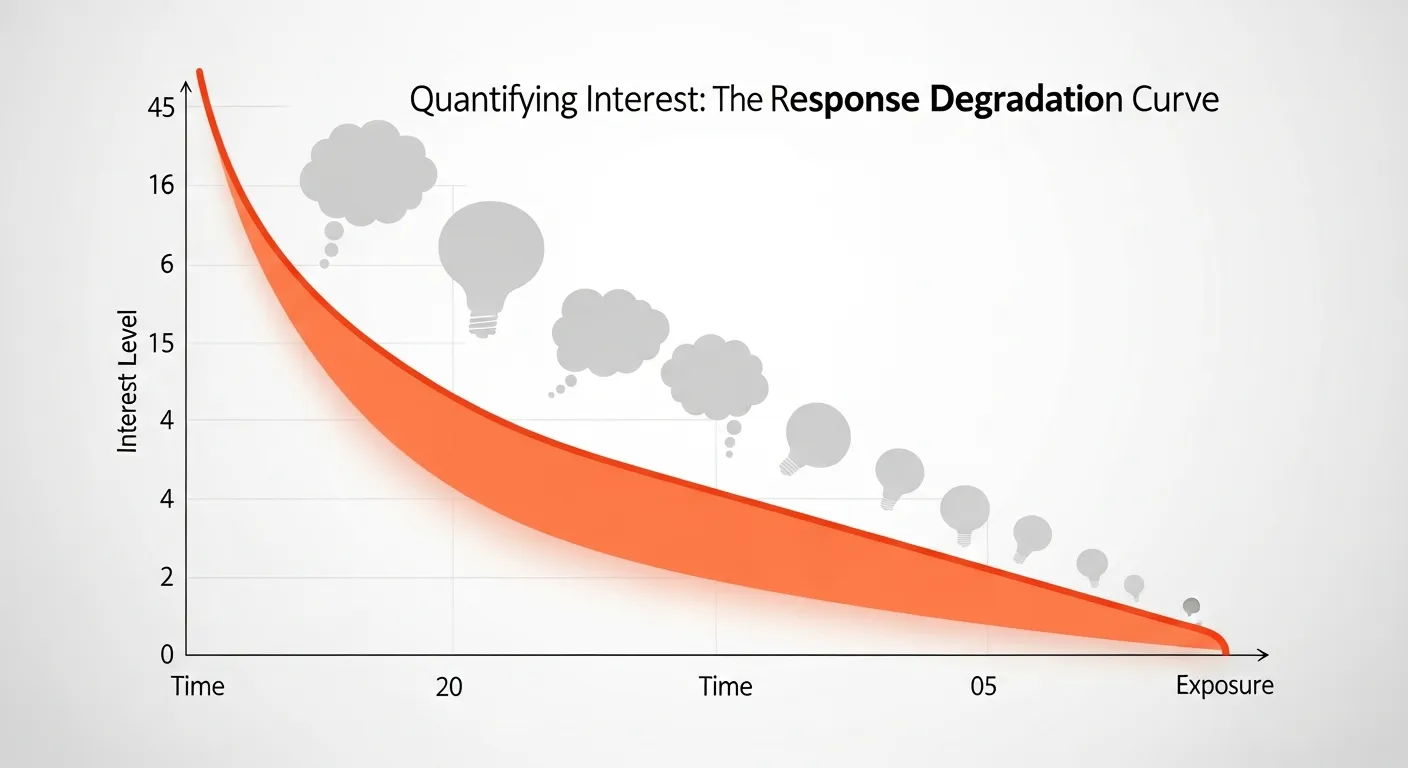
One mathematical approach to follow-up frequency involves what marketing analysts call the response degradation curve. This concept measures how quickly interest declines after initial contact when no response occurs.
For high-interest prospects who have demonstrated engagement, the degradation curve tends to be relatively flat. These individuals maintain interest over longer periods, allowing for more follow-ups spaced further apart. For cold prospects with no established relationship, the curve drops precipitously, necessitating fewer follow-ups in closer succession.
As we’ve discussed extensively at OutboundMarketo.com, mapping this curve for different prospect segments provides a data-driven foundation for follow-up decisions rather than relying solely on gut feeling or arbitrary rules.
Data-Driven Precision: AI’s Role in Optimizing Follow-Up Frequency
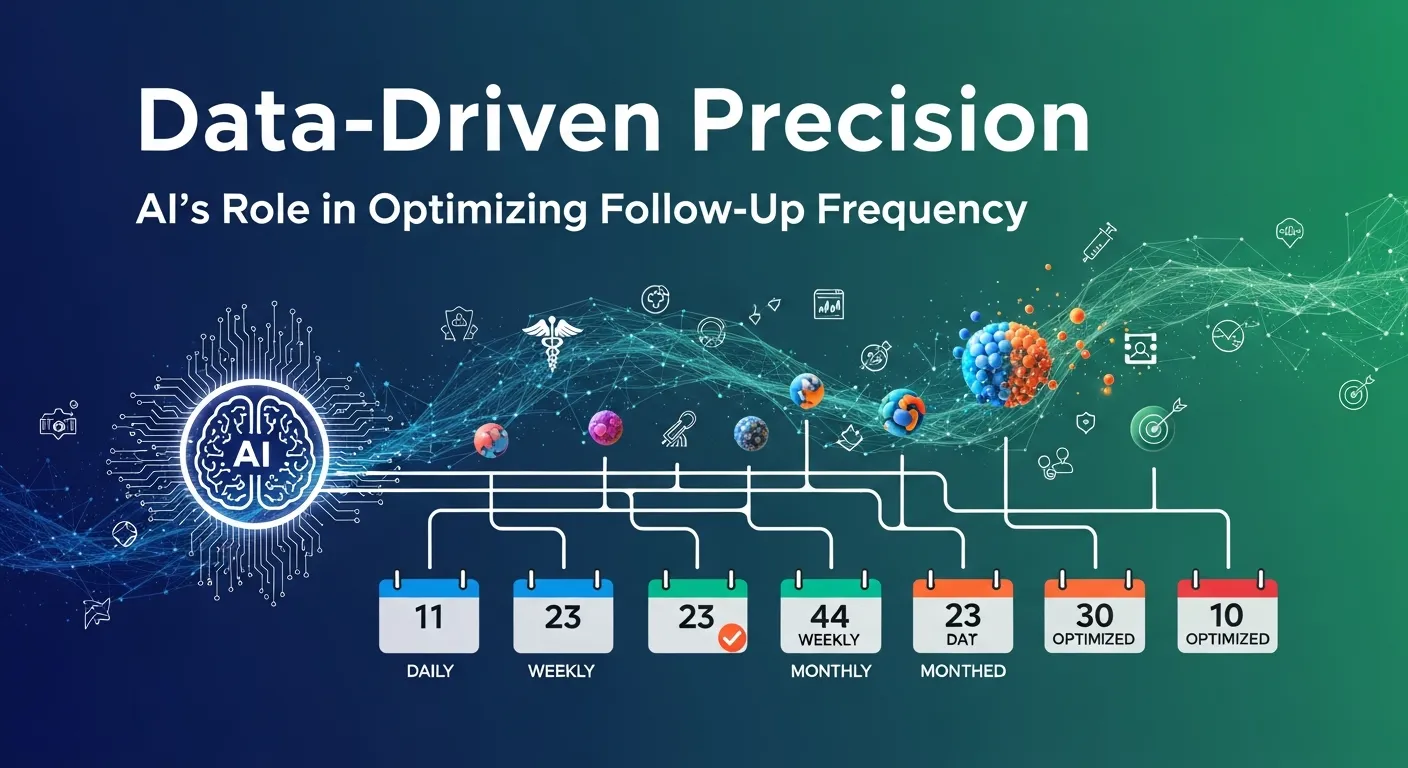
Artificial intelligence is transforming how organizations approach follow-up frequency. Instead of relying on intuition or static rules, AI-powered analytics assess massive amounts of engagement data to predict the perfect moment to reconnect with prospects. This data-driven precision ensures every follow-up is timely, relevant, and respectful.
AI is changing the future of product marketing by making outreach strategies smarter and more personalized. With machine learning models, businesses can dynamically adjust cadence based on individual behavior, past interactions, and buying stage — all in real time.
Key benefits of AI-enhanced follow-up frequency:
- Predicts optimal contact intervals based on response likelihood
- Personalizes communication timing per prospect
- Reduces redundancy and message fatigue
- Increases conversion rates while maintaining ethical standards
AI vs. Traditional Follow-Up Approaches
| Aspect | Traditional Method | AI-Driven Approach |
|---|---|---|
| Timing | Fixed intervals | Dynamic, data-driven intervals |
| Personalization | Manual segmentation | Automated, behavior-based targeting |
| Efficiency | Time-consuming | Automated and scalable |
| Prospect Experience | Often generic | Contextually relevant and respectful |
| Conversion Potential | Moderate | Significantly higher |
By leveraging AI insights, marketers can strike the perfect balance between persistence and patience — ensuring every message feels intentional rather than intrusive.
The Fibonacci Sequence: Nature’s Guide to Spacing
Interestingly, one of the most effective approaches to follow-up timing draws inspiration from nature itself – specifically, the Fibonacci sequence. This mathematical pattern (0, 1, 1, 2, 3, 5, 8, 13, 21…) appears throughout the natural world in everything from flower petals to shell spirals.
When applied to follow-up communications, the sequence creates a naturally accelerating space between touches. For example, after initial contact, subsequent follow-ups might occur at day 1, day 2, day 3, day 5, day 8, and so on.
This approach aligns with human memory and attention patterns. Initial follow-ups occur while your first contact remains fresh in memory. As time passes and memory fades, spacing increases, respecting the prospect’s mental space while maintaining presence.
Sales teams implementing Fibonacci-based follow-up sequences report significantly higher response rates compared to evenly-spaced or randomly-timed approaches, while also receiving fewer complaints about contact frequency.
Context Sensitivity: Adjusting for Situation and Industry
While mathematical models provide useful frameworks, ethical follow-up frequency must account for contextual factors that significantly impact appropriate persistence levels.
Purchase timeline represents perhaps the most important variable. Products or services with longer decision cycles (enterprise software, real estate, consulting services) generally warrant more frequent initial follow-ups and longer overall sequences. Conversely, impulse purchases or simple consumer goods benefit from fewer, more concentrated touches.
Industry norms also matter tremendously. Legal, financial, and healthcare sectors typically expect more formal, less frequent communications. Technology, marketing, and media industries generally accept higher frequency contact, particularly through diverse channels.
The prospect’s seniority level affects appropriate cadence as well. C-suite executives typically receive fewer, more substantial contacts, while operational managers often engage with more regular, solution-focused follow-ups.
Ethical follow-up strategies adapt these mathematical models to account for these contextual factors rather than applying one-size-fits-all approaches.
Integrating Follow-Up Frequency Into Product Marketing Strategies
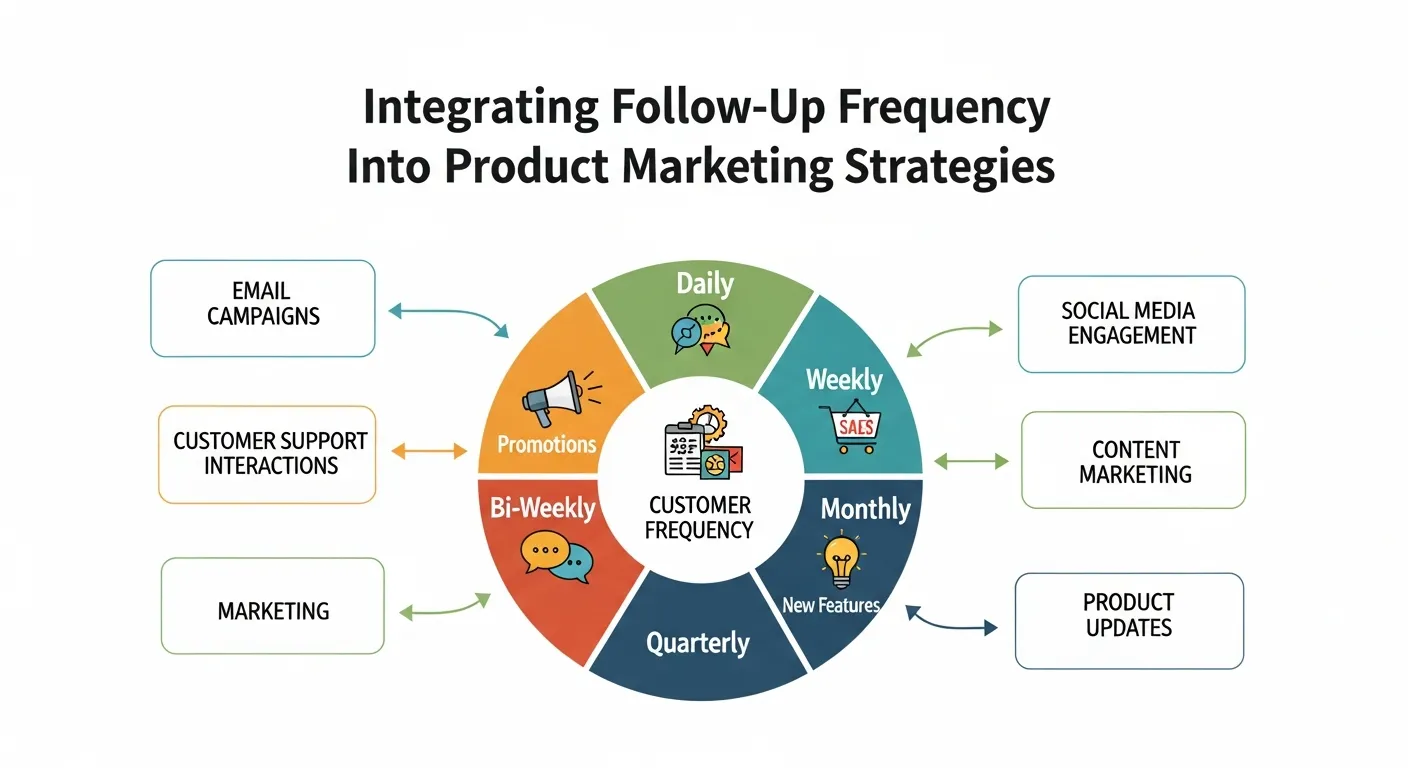
Follow-up frequency isn’t only relevant in sales — it’s equally powerful in product marketing. Every touchpoint in your go-to-market plan can serve as a follow-up opportunity to re-engage audiences, nurture interest, or educate prospects about new features.
When aligned with customer journeys, follow-ups enhance retention and conversion across campaigns. The key is consistency — maintaining presence without overwhelming your audience.
Ways to incorporate follow-up frequency into product marketing:
- Schedule product updates or feature announcements at logical intervals
- Use behavioral triggers to send context-aware follow-ups
- Integrate cross-channel messaging (email, social, in-app) for cohesive engagement
- Apply ethical pacing to avoid overexposure
Table: Follow-Up Frequency by Product Marketing Stage
| Stage | Objective | Ideal Follow-Up Frequency |
|---|---|---|
| Awareness | Introduce brand or product | Every 5–7 days |
| Consideration | Nurture and educate prospects | Every 3–5 days |
| Decision | Reinforce value and urgency | Every 2–3 days |
| Retention | Maintain engagement post-purchase | Every 10–14 days |
By weaving calculated follow-ups into product marketing campaigns, you reinforce value over time and strengthen long-term customer relationships.
Permission-Based Escalation: The Ethical Framework
Beyond mathematics, truly ethical follow-up strategies incorporate permission-based escalation that respects prospect autonomy while maintaining persistence.
This approach begins with low-intrusion channels (email, social media) and gradually moves toward higher-impact methods (phone calls, direct mail) only after establishing some level of engagement or interest.
Each follow-up should include clear options for adjusting communication preferences. This isn’t just ethical practice – it generates valuable data about prospect interest levels while demonstrating respect for their time and attention.
The most sophisticated follow-up systems incorporate behavioral signals that automatically adjust frequency and channel based on engagement patterns. Opening an email but not responding might trigger a slight increase in follow-up frequency, while clicking links or downloading resources could accelerate the cadence further.
The Future of Follow-Ups: Interactive Campaigns and Product Promotion
As buyer behavior evolves, static follow-up sequences are being replaced by interactive campaigns that invite participation rather than demand attention. These campaigns transform traditional outreach into engaging experiences that feel personalized and value-driven.
Incorporating interactive campaigns product promotion methods — such as polls, quizzes, or personalized video messages — increases engagement and helps determine optimal follow-up frequency based on real user interaction data.
Advantages of interactive follow-up strategies:
- Encourage two-way communication and feedback
- Reveal deeper behavioral insights for better segmentation
- Strengthen emotional connection through engagement
- Reduce unsubscribe and complaint rates
Table: Traditional vs. Interactive Follow-Up Campaigns
| Criteria | Traditional Follow-Up | Interactive Campaign Follow-Up |
|---|---|---|
| Engagement Style | One-way messaging | Two-way, dynamic interactions |
| Data Collection | Limited | Real-time user feedback |
| Prospect Experience | Passive | Participatory and personalized |
| Conversion Potential | Moderate | Higher with emotional resonance |
By combining ethics, timing, and interactivity, brands can future-proof their outreach strategies and maintain optimal follow-up frequency while enhancing trust and engagement.
The Multi-Channel Amplification Effect
When calculating appropriate follow-up frequency, it’s essential to consider the cumulative impact of contacts across all channels. What seems like reasonable frequency on each individual channel can quickly become overwhelming when combined.
Research suggests that message reinforcement across multiple channels increases effectiveness, but only up to a threshold point where it becomes perceived as omnipresent and intrusive. Finding this balance requires a unified view of all touchpoints.
The 3:1 rule provides a useful starting point: for every three contacts across any channel, allow one contact-free period equal to your typical interval. This creates breathing room that prevents the sensation of being surrounded by your messages.
Channel selection matters significantly as well. Personal channels (text, phone) should be used more sparingly than professional channels (email, LinkedIn). The perceived invasiveness of each channel should inversely correlate with its frequency of use.
Diminishing Returns and the Optimal Stopping Point
Perhaps the most challenging mathematical question in follow-up strategy involves determining when to stop. Persistence certainly pays dividends, but every sequence reaches a point of diminishing returns where continued contact becomes counterproductive.
Research across industries suggests that response probability drops below 1% after 6-8 contacts in most B2B contexts and 4-5 contacts in B2C scenarios. Beyond these thresholds, continued pursuit generally damages brand perception without generating meaningful response rates.
However, these averages vary significantly based on relationship history, initial interest signals, and competitive dynamics in your market. The key is establishing your specific curve through rigorous testing and analysis rather than applying generic benchmarks.
A mathematically sound approach involves calculating the expected value of each additional contact by multiplying your historical response rate at that sequence position by the average customer value. When this figure drops below the cost of the contact, you’ve reached a rational stopping point.
Ethical Consideration: The Long-Term Relationship View
Beyond immediate response mathematics, ethical follow-up frequency takes the long view on relationship building. Every contact deposits or withdraws from what might be called the “goodwill account” with your prospect.
Respectful persistence that delivers genuine value with each touch can build this account even without immediate response. Conversely, aggressive badgering that prioritizes your agenda over prospect needs creates relationship debt that damages future opportunities.
Taking this long-term view sometimes means stopping follow-up sequences earlier than mathematical models might suggest, particularly with prospects who could become valuable relationships in different circumstances or timing.
This approach recognizes that the true mathematics of follow-up frequency extends beyond immediate conversion calculations to encompass lifetime relationship value. Sometimes the most ethical and mathematically sound decision is to pause persistent contact and shift to occasional value-delivery that maintains awareness without pressure.
Practical Implementation: Building Your Framework
Implementing these mathematical and ethical principles requires systematizing your approach to follow-up frequency. Begin by categorizing prospects based on engagement level, relationship history, and purchase urgency to establish appropriate base cadences for each segment.
Create clear guidelines for accelerating or decelerating frequency based on engagement signals. Opening communications, clicking links, visiting websites, or responding (even negatively) all indicate attentiveness that might warrant increased frequency. Conversely, complete non-engagement suggests deceleration or earlier sequence termination.
Develop content frameworks that ensure each contact delivers genuine value rather than simply repeating requests for response. Value-adding follow-ups deposit into the goodwill account regardless of immediate conversion, while empty check-ins only deplete prospect patience.
Most importantly, establish feedback mechanisms that continuously refine your approach. Regular analysis of response patterns helps identify the optimal intervals and stopping points for your specific audience and offerings.
FAQ: Understanding the Ethics and Science of Follow-Up Frequency
1. What does follow-up frequency mean in sales and marketing?
Follow-up frequency refers to how often you contact prospects after the initial outreach. It determines the rhythm and timing of communication through email, calls, or other channels. The goal is to stay persistent enough to build recognition and trust — but not so frequent that you overwhelm or annoy potential buyers.
2. Why is finding the right follow-up frequency important?
Finding the right follow-up frequency helps balance persistence with respect. Too few follow-ups lead to missed opportunities, while excessive outreach can harm your brand reputation. A well-calibrated cadence builds credibility, keeps your message top-of-mind, and improves conversion rates.
3. How can data help optimize follow-up frequency?
Data-driven strategies allow businesses to identify when prospects are most likely to respond. Tracking engagement patterns like email opens, clicks, or call outcomes provides quantitative insight into ideal follow-up intervals. These insights turn guesswork into measurable precision for better outcomes.
4. How does psychology influence how prospects perceive follow-ups?
Psychology plays a major role in how your messages are received. Prospects tend to respond positively when messages feel relevant, timely, and respectful. Erratic or overly frequent outreach can trigger resistance or defensiveness, while consistent and meaningful contact builds trust and familiarity.
5. What role does outbound marketing attribution play in measuring follow-up success?
Outbound marketing attribution helps identify which specific touchpoints or follow-ups lead to conversions. By tracking engagement across multiple channels — email, phone, social, and ads — marketers can understand which messages or sequences generate the best results. This insight allows teams to fine-tune follow-up frequency based on proven effectiveness rather than assumptions.
6. How is AI changing the way businesses approach follow-up frequency?
Generative AI outbound marketing tools are revolutionizing how teams manage follow-up strategies. AI analyzes prospect behavior, predicts optimal timing, and even drafts personalized messages. It ensures every touchpoint is relevant, context-aware, and aligned with prospect intent — saving time while enhancing engagement quality.
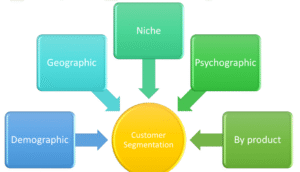
7. How does customer segmentation affect follow-up strategy?
Customer segmentation allows marketers to group prospects based on shared characteristics — such as industry, behavior, or buying stage. Different segments respond differently to follow-up frequency. For example, decision-makers may prefer fewer, more strategic touches, while active researchers may appreciate more frequent educational content.
8. When should follow-ups stop?
The stopping point for follow-ups depends on engagement data and ethical boundaries. If a prospect hasn’t responded after 6–8 touchpoints in B2B or 4–5 in B2C, continuing may diminish returns. However, respectful, value-based re-engagement later can reignite interest without crossing ethical lines.
9. What channels are best for follow-up communication?
Effective follow-ups combine multiple channels — email, LinkedIn, and sometimes calls or personalized video messages. The ideal mix depends on your audience and industry norms. High-touch channels like calls should be used sparingly, while digital channels can handle more frequent contact.
10. How can businesses maintain ethical integrity while following up?
Ethical follow-ups prioritize consent, personalization, and transparency. Always provide an easy opt-out, respect timing preferences, and ensure every message adds value. This approach builds long-term trust, enhances brand reputation, and leads to stronger customer relationships over time.
Conclusion: The Mathematics of Respect
The true formula for follow-up frequency balances mathematical optimization with ethical consideration. Persistence remains essential – most sales still occur after multiple contacts – but pestilence through over-contact damages both immediate results and long-term relationship potential.
By approaching follow-up frequency as both a mathematical challenge and an ethical responsibility, you create sequences that respect prospect autonomy while maximizing connection opportunities. This balanced approach builds reputation capital that compounds over time, creating sustainable relationship patterns rather than short-term conversion spikes.
In a business landscape increasingly sensitized to communication overload, getting this balance right represents a significant competitive advantage. The organizations that master the ethical mathematics of follow-up frequency will build deeper relationships and stronger reputations while others find themselves increasingly filtered, blocked, and ignored.