When to Using Outbound Marketing: A Strategic Guide
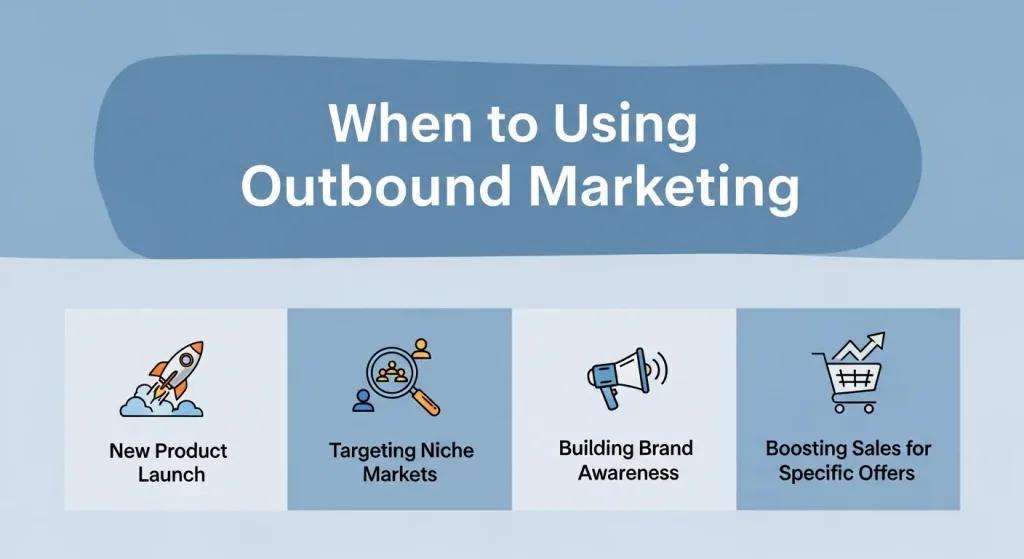
In today’s competitive, digital-first landscape, understanding when and how to use outbound marketing is essential for maximizing results. While inbound marketing dominates modern strategies, outbound marketing still plays a crucial role in reaching new audiences, building brand awareness, and driving conversions. At Outbound Marketo, we specialize in helping businesses identify the right moments to leverage outbound tactics for maximum ROI and marketing impact.
Understanding the Right Timing for Outbound Marketing
Knowing when to start using outbound marketing can make a significant difference in your overall strategy. Outbound marketing works best when your goal is to quickly reach new audiences, generate immediate awareness, or boost short-term sales. Unlike inbound strategies that take time to build traction, using outbound allows you to actively place your brand message in front of potential customers through channels like cold emails, paid ads, or direct outreach.
Businesses often see the best results using outbound when launching a new product, entering a competitive market, or re-engaging inactive leads. It’s also ideal when you have a well-defined target audience and a clear message that needs fast visibility. By understanding when and how to apply outbound efforts strategically, you can create a balanced marketing mix that drives both immediate and long-term growth.
Balancing Outbound With Your Overall Strategy
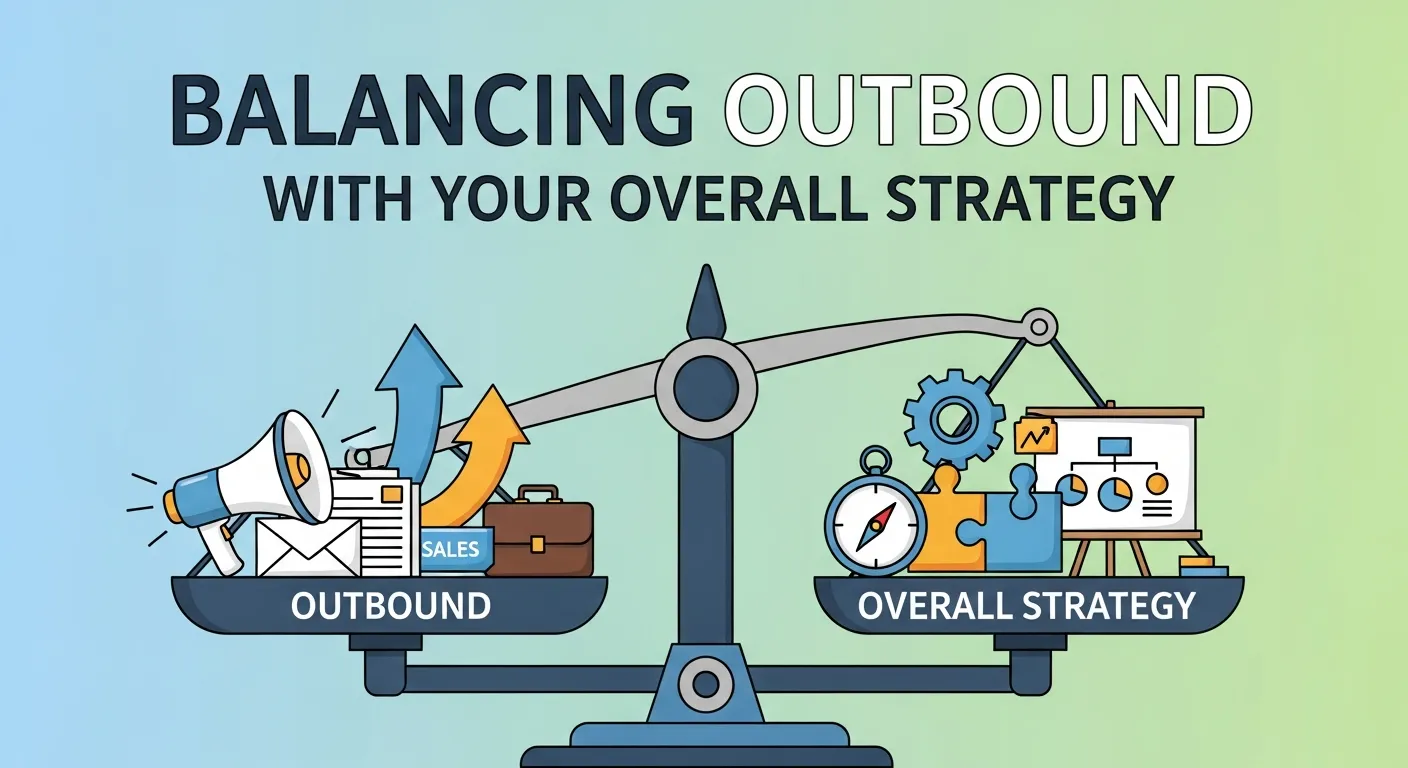
Using outbound marketing effectively isn’t just about pushing messages — it’s about creating balance within your broader marketing ecosystem. The key lies in aligning outbound efforts with your inbound and digital strategies to create a cohesive, results-driven approach. When executed strategically, using outbound helps amplify brand visibility, accelerate conversions, and support long-term marketing growth.
To make the most of using outbound marketing, it’s essential to integrate it thoughtfully rather than treating it as a standalone effort. Outbound tactics should complement your inbound initiatives, not compete with them. For instance, outbound campaigns can help generate awareness that drives new audiences toward your inbound funnels, where content and engagement nurture them into loyal customers.
Here are a few ways to balance using outbound within your overall marketing strategy:
- Align messaging across all channels: Ensure your outbound campaigns deliver consistent brand messages that match your inbound content and social media tone.
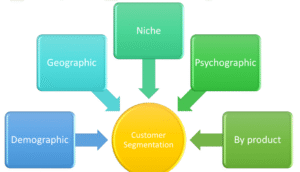
- Target with precision: Focus on segmented audiences and tailor your outreach for higher response rates and better ROI.
- Use outbound to amplify inbound assets: Promote your blogs, webinars, or lead magnets through outbound emails or ads to accelerate engagement.
- Track performance metrics: Measure how using outbound contributes to your marketing funnel — monitor click-throughs, conversions, and assisted leads.
- Maintain adaptability: Regularly evaluate which outbound channels deliver the strongest results and adjust your mix accordingly.
When properly balanced, using outbound marketing enhances every stage of your customer journey — from awareness to conversion. The goal isn’t to replace inbound efforts but to strategically use outbound methods that reinforce and elevate your overall marketing success.
Benefits of Using Outbound Marketing
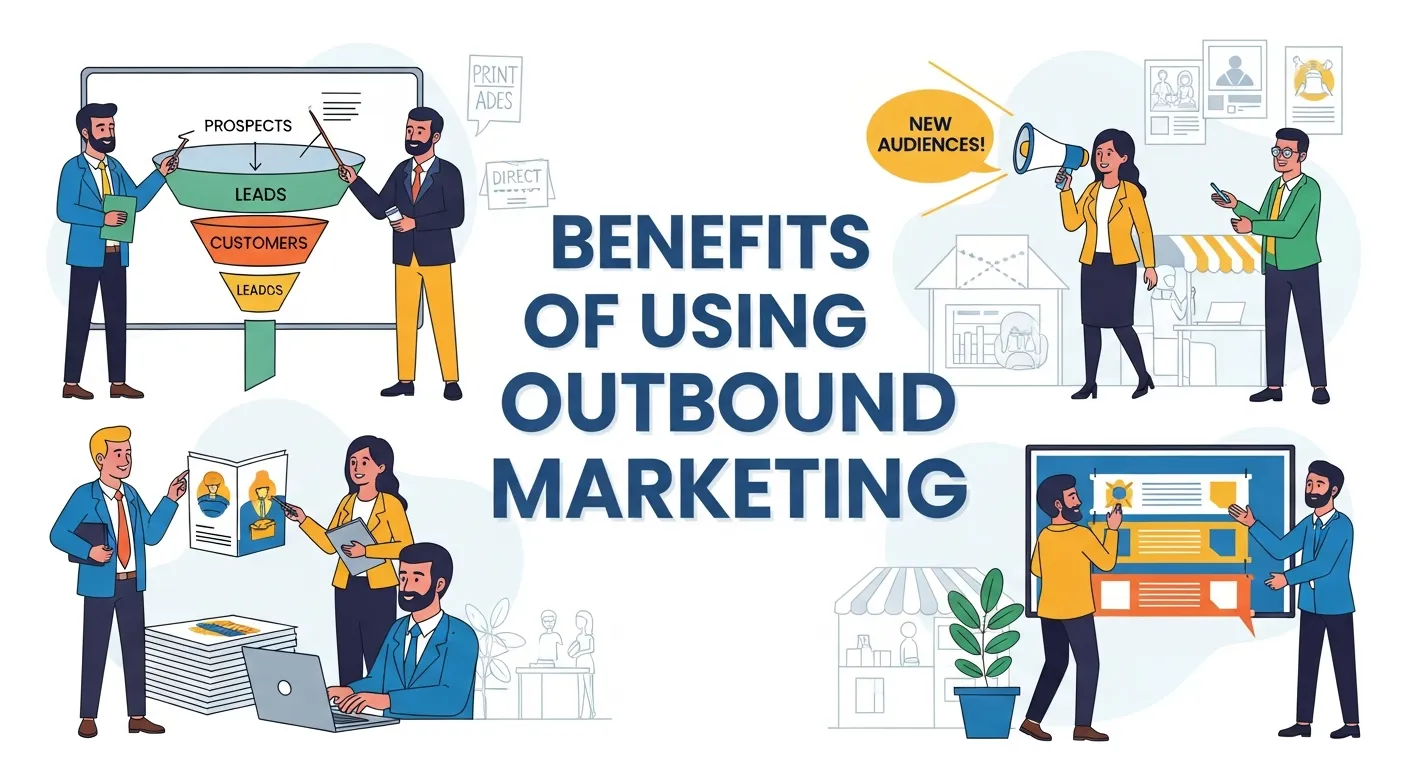
In an era where digital marketing often revolves around attraction-based methods, using outbound marketing continues to prove its value. Outbound marketing allows businesses to take a proactive approach — reaching out directly to potential customers rather than waiting for them to discover the brand. This strategy is especially effective for companies aiming for quick visibility, targeted exposure, or rapid lead generation.
Key benefits of using outbound marketing include:
- Immediate results: Outbound tactics such as email outreach, paid ads, and telemarketing can generate attention and leads almost instantly.
- Highly targeted outreach: Businesses can precisely define their audience — based on industry, demographics, or behavior — and reach them directly.
- Stronger brand control: When using outbound, marketers can maintain full control over messaging, timing, and delivery.
- Scalable strategy: Outbound campaigns can easily be scaled up or down based on performance and budget.
- Enhanced sales alignment: Outbound tactics often align closely with sales teams, creating a smoother handoff from lead to conversion.
Ultimately, using outbound marketing gives brands the power to take charge of their market visibility. While inbound builds long-term trust, outbound ensures that your message cuts through the noise and reaches your ideal customers when it matters most.
Integrating Technology to Enhance Outbound Marketing
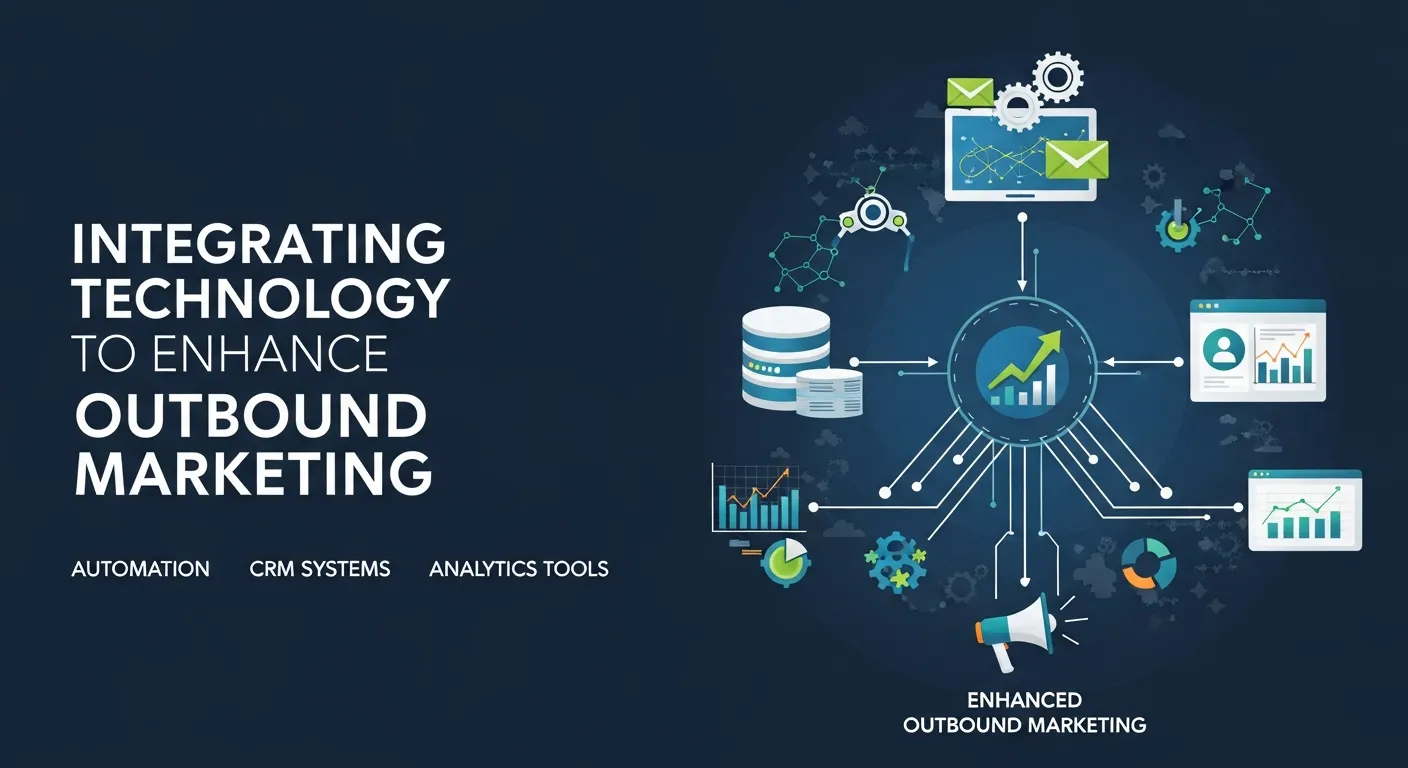
In today’s data-driven world, using outbound marketing effectively requires more than just outreach — it demands smart technology integration. Modern marketing tools and automation platforms have transformed how businesses plan, execute, and measure outbound campaigns. By combining creativity with analytics, companies can turn outbound strategies into high-performing, scalable growth engines.
When using outbound, technology helps in multiple ways:
- Marketing Automation: Platforms like HubSpot, Mailchimp, or Salesforce enable automated follow-ups, lead scoring, and personalized campaigns. This saves time while maintaining consistent communication.
- CRM Integration: Connecting outbound efforts to a Customer Relationship Management system ensures seamless tracking of leads from first contact to conversion.
- Data Analytics and AI: Using AI tools to analyze engagement patterns or predict customer behavior allows marketers to target audiences more precisely and improve ROI.
- Multi-Channel Management: Technology makes it easier to coordinate cold emails, digital ads, and event campaigns under one unified strategy.
Here’s a quick look at how technology elevates using outbound marketing:
| Tool Type | Purpose | Example Platforms |
|---|---|---|
| Email Automation | Personalized outreach | Mailchimp, Lemlist |
| CRM Systems | Lead management | HubSpot, Salesforce |
| Analytics Tools | Performance tracking | Google Analytics, SEMrush |
By integrating the right tools, using outbound becomes smarter, faster, and more measurable. Technology not only boosts efficiency but also helps you make data-driven decisions that continuously refine and enhance your outbound strategy.
Best Channels for Using Outbound Marketing
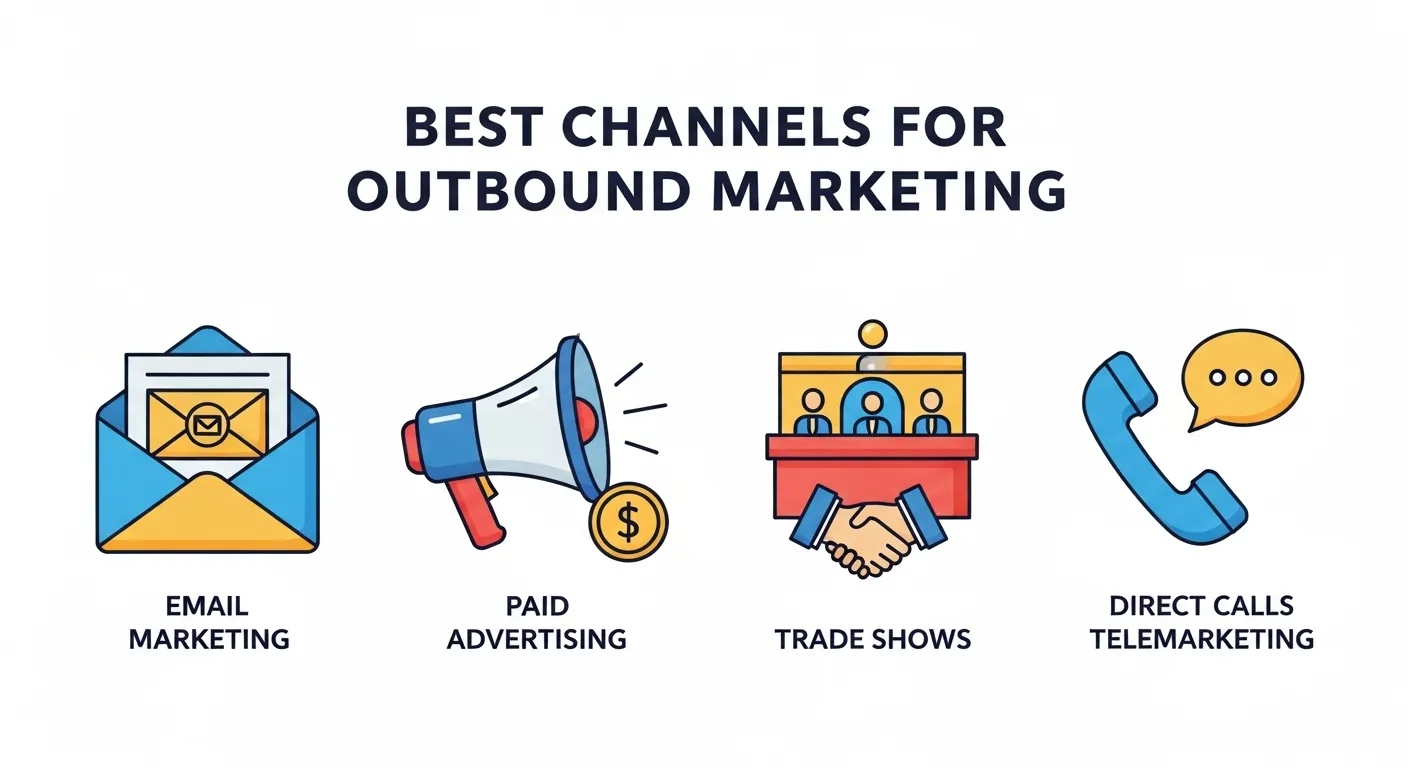
Choosing the right channel is essential when using outbound strategies effectively. Each platform offers distinct advantages depending on your target audience, campaign goals, and message type. Outbound marketing is most effective when multiple channels are integrated to deliver consistent, high-impact results.
| Outbound Channel | Purpose | Example Tactic | Best For |
|---|---|---|---|
| Email Marketing | Direct communication | Personalized cold emails | B2B lead generation |
| Paid Advertising (Google, Meta, LinkedIn) | Quick visibility | Retargeting or display ads | Awareness & conversions |
| Direct Mail | Tangible brand touchpoint | Custom mailers, postcards | Local or luxury brands |
| Trade Shows & Events | Face-to-face connection | Product demos, booth presentations | B2B networking |
| Cold Calling | Relationship building | Targeted follow-up calls | Sales prospecting |
When using outbound channels together — for example, pairing email outreach with digital retargeting — you can maximize exposure and conversion potential. The key is consistency and personalization: your audience should receive cohesive messages across every outbound touchpoint. This ensures stronger brand recall, higher response rates, and measurable marketing ROI.
Measuring Outbound Marketing Success
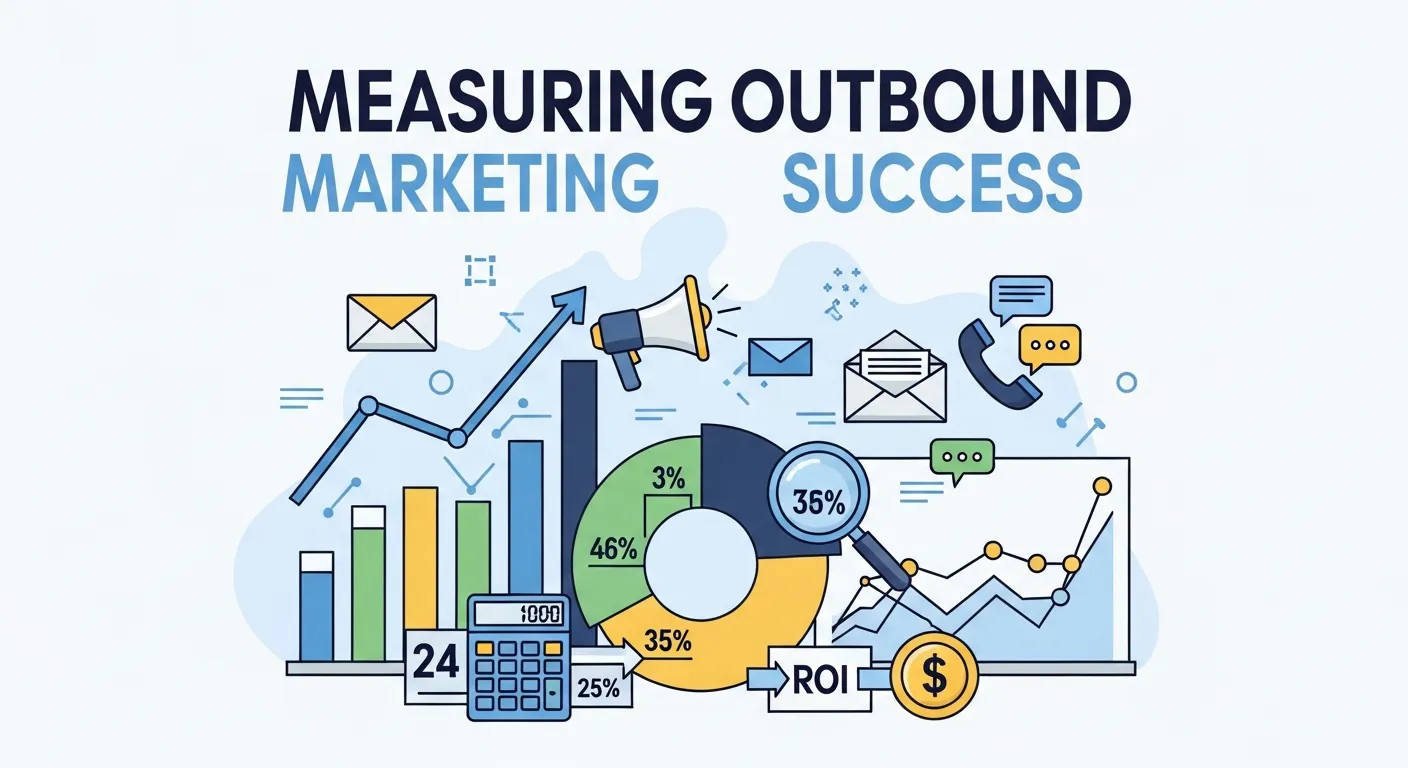
Understanding how to measure success when using outbound marketing is crucial for refining your campaigns and achieving better ROI. Outbound marketing, by nature, focuses on proactive outreach — through channels like paid advertising, cold emails, trade shows, and direct mail — which means tracking performance requires specific metrics. When done strategically, using outbound can produce measurable, high-impact results that strengthen your overall marketing efforts.
The first step to measuring success is identifying the right Key Performance Indicators (KPIs) that align with your business goals. Whether your objective is brand awareness, lead generation, or direct sales, each campaign should have clear metrics tied to it.
Here’s how you can effectively evaluate performance when using outbound marketing:
1. Track Lead Generation and Conversion Rates
Measure how many leads your outbound campaigns generate and how many of those convert into customers. Comparing conversion rates across different outbound channels (like cold calling vs. paid ads) helps you identify what’s driving real results.
2. Monitor Cost per Lead (CPL)
When using outbound, it’s vital to track your cost per lead to ensure your spending aligns with your ROI goals. Understanding CPL allows you to budget smarter and focus resources on the most cost-effective outreach methods.
3. Evaluate Engagement Metrics
Analyze open rates, click-through rates, and response rates from your email or ad campaigns. These metrics show how your audience interacts with your outbound messages and where improvements can be made.
4. Assess Pipeline Impact
Look at how using outbound influences your sales pipeline. Are outbound-generated leads progressing faster or closing at higher values? Measuring pipeline velocity helps determine the real business impact of your efforts.
5. Gather Feedback and Refine Messaging
Outbound campaigns provide valuable audience feedback — whether through direct responses or low engagement signals. Use these insights to refine your targeting, messaging, and creative assets.
When you consistently measure and analyze these metrics, using outbound becomes more data-driven and effective. The ultimate goal is to turn insights into action — optimizing your campaigns to reach the right audience, improve conversion efficiency, and enhance overall marketing performance.
Common Mistakes to Avoid When Using Outbound
While using outbound marketing offers significant advantages, it can also backfire if not executed correctly. Many businesses waste time and budget due to poor planning, weak targeting, or lack of follow-up. Recognizing these pitfalls early ensures smoother campaigns and better outcomes.
Common mistakes to avoid when using outbound:
- Neglecting audience research: Sending broad, untargeted messages reduces engagement and can damage brand credibility.
- Over-promotion without value: Outbound efforts should inform or offer value, not just sell aggressively.
- Ignoring campaign data: Without tracking metrics like open rates, conversions, or cost per lead, it’s impossible to refine performance.
- Failing to personalize: Modern audiences expect customized experiences — even in outbound communication.
- Not integrating with inbound efforts: Disconnected campaigns create inconsistent brand experiences and lower long-term results.
To succeed with using outbound, businesses should focus on continuous testing, message optimization, and audience segmentation. Combine outbound’s reach with inbound’s engagement to create a balanced, high-performing marketing strategy that drives both awareness and conversion.
Frequently Asked Questions (FAQ) About Using Outbound Marketing
1. What is outbound marketing and how does it work?
Outbound marketing involves proactively reaching out to potential customers through methods like email campaigns, cold calls, paid ads, and direct mail. Unlike inbound marketing, which attracts audiences through valuable content, using outbound focuses on delivering targeted messages directly to decision-makers to generate leads quickly and increase brand visibility.
2. Why is outbound marketing still relevant in the digital age?
Even in a content-heavy world, outbound marketing remains powerful because it helps businesses cut through the noise. Using outbound ensures your message reaches specific audiences fast — especially useful for new product launches or B2B campaigns where direct engagement matters most.
3. Outbound vs inbound product marketing — which works best at each stage of the buyer journey?
Both play vital roles. Outbound vs inbound product marketing which works best at each stage depends on your goals. Outbound marketing is most effective during the awareness and acquisition stages — creating fast visibility and lead generation. Inbound marketing excels in the consideration and retention stages, nurturing trust and loyalty through valuable content and engagement.
4. Can you use both inbound and outbound marketing together?
Yes — you use both inbound and outbound marketing in fact, this combination is often the most effective. Outbound tactics can attract new audiences, while inbound strategies can convert and retain them. For example, outbound ads may drive traffic to your blog or landing page, where inbound content nurtures them toward purchase.
5. How can businesses measure the success of outbound marketing campaigns?
Success in using outbound marketing can be tracked using key performance indicators (KPIs) such as cost per lead (CPL), conversion rates, and campaign ROI. Analytics tools and CRM integrations make it easier to monitor performance and refine future strategies based on data insights.
6. What are some examples of effective outbound marketing channels?
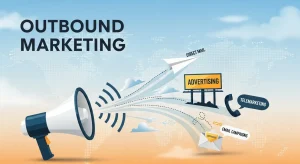
Common outbound channels include email outreach, digital advertising, trade shows, direct mail, and cold calling. Each has unique strengths — for instance, email is ideal for scalable personalization, while trade shows help establish real-world relationships.
7. How does outbound marketing complement inbound strategies?
When combined, outbound and inbound marketing create a complete customer journey. Outbound drives quick awareness, while inbound builds lasting relationships. Businesses that balance using outbound with inbound see stronger lead nurturing, higher engagement, and improved brand loyalty over time.
8. Inbound vs outbound marketing — which strategy is right for your business?
Choosing between inbound vs outbound marketing which strategy is right for your business depends on your goals, timeline, and resources. Outbound marketing suits businesses seeking immediate exposure or B2B lead generation, while inbound fits those focused on long-term growth and organic engagement. Many modern brands benefit from blending both approaches for maximum impact.
9. What are common mistakes to avoid when using outbound marketing?
Some common pitfalls include poor targeting, inconsistent messaging, lack of follow-up, and failing to track metrics. To avoid these, businesses should define clear goals, personalize messages, and analyze results to continually improve using outbound performance.
10. How can technology improve outbound marketing effectiveness?
Marketing automation, CRM systems, and analytics tools make using outbound smarter and more efficient. They help manage outreach, monitor campaign data, and personalize communication at scale — ensuring each interaction delivers higher engagement and conversion potential.
Conclusion
Outbound marketing remains an essential component of a comprehensive marketing strategy when deployed strategically. By understanding when and how to leverage these direct approaches, your business can accelerate growth, enter new markets, and connect with high-value prospects that might otherwise remain unreached.
At Outbound Marketo, we’re committed to helping businesses identify the perfect moments to implement outbound strategies. Contact us to learn more about how we can help you determine when outbound marketing makes sense for your specific business challenges.