The Future of Trade Shows in a Hybrid Marketing Landscape
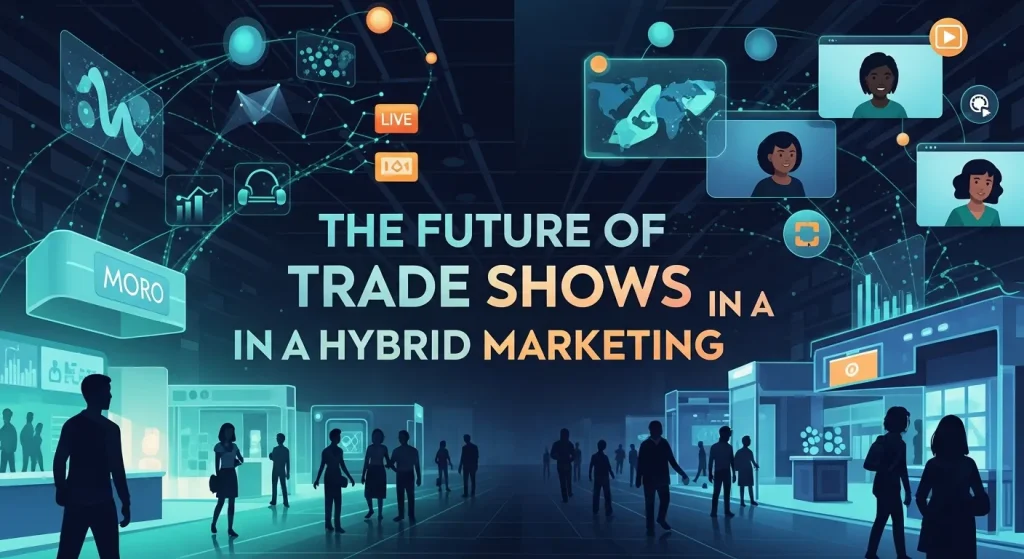
Trade shows in hybrid marketing are evolving, blending physical events with digital engagement. This transformation creates accessible, data-driven experiences that enhance brand visibility, foster connections, and offer new opportunities for marketers navigating the post-pandemic business landscape.
The exhibition hall buzzes with conversation as attendees weave between booths, pausing occasionally to examine product demonstrations or engage representatives in discussion. Meanwhile, thousands of additional participants navigate a parallel digital environment, interacting with the same exhibitors through virtual portals. Welcome to the modern trade shows in hybrid marketing—an evolving institution that increasingly blends physical presence with digital engagement.
Trade shows have long represented pivotal moments in business-to-business marketing calendars. For decades, these events provided rare opportunities for direct engagement with prospects, competitors, and industry partners. The crowded exhibition halls, chance encounters, and evening networking events became essential components of relationship building across industries. Then came the pandemic, forcing rapid adaptation and sparking fundamental questions about the future of these gatherings.
Rather than witnessing their demise, we’re now observing a fascinating evolution. Trade shows in hybrid marketing aren’t disappearing—they’re transforming into more versatile, accessible, and data-driven experiences. This transformation offers both challenges and opportunities for marketing leaders navigating the hybrid landscape.
The Enduring Value of Physical Presence in Trade Shows in Hybrid Marketing
Despite predictions of their obsolescence, trade shows in hybrid marketing continue demonstrating remarkable resilience. Their persistence reflects fundamental human needs that digital environments cannot fully satisfy. Direct physical interaction creates a depth of connection difficult to replicate virtually. The subtle cues of body language, spontaneous conversations between scheduled meetings, and shared experiences within physical spaces foster relationship development in ways screens alone cannot duplicate.
Product demonstrations gain particular power through physical presence. While digital presentations can showcase features, allowing prospects to physically interact with solutions often creates decisive moments of understanding and appreciation. This tangible engagement addresses not only intellectual comprehension but also emotional and sensory evaluation, directly influencing purchasing decisions.
The serendipitous discoveries that occur while wandering exhibition halls represent another enduring advantage. Digital environments excel at delivering specifically requested information but struggle to replicate the unexpected encounters that physical exploration facilitates. These chance interactions with new solutions or partners frequently become the most valuable outcomes of trade shows in hybrid marketing.
Clients consistently report that their highest-quality leads still emerge from in-person participation—now enhanced and extended by digital engagement strategies. The handshakes, coffee conversations, and face-to-face meetings create foundations of trust that digital connections subsequently reinforce and amplify.
Trade Show Experience: Trade Shows in Hybrid Marketing
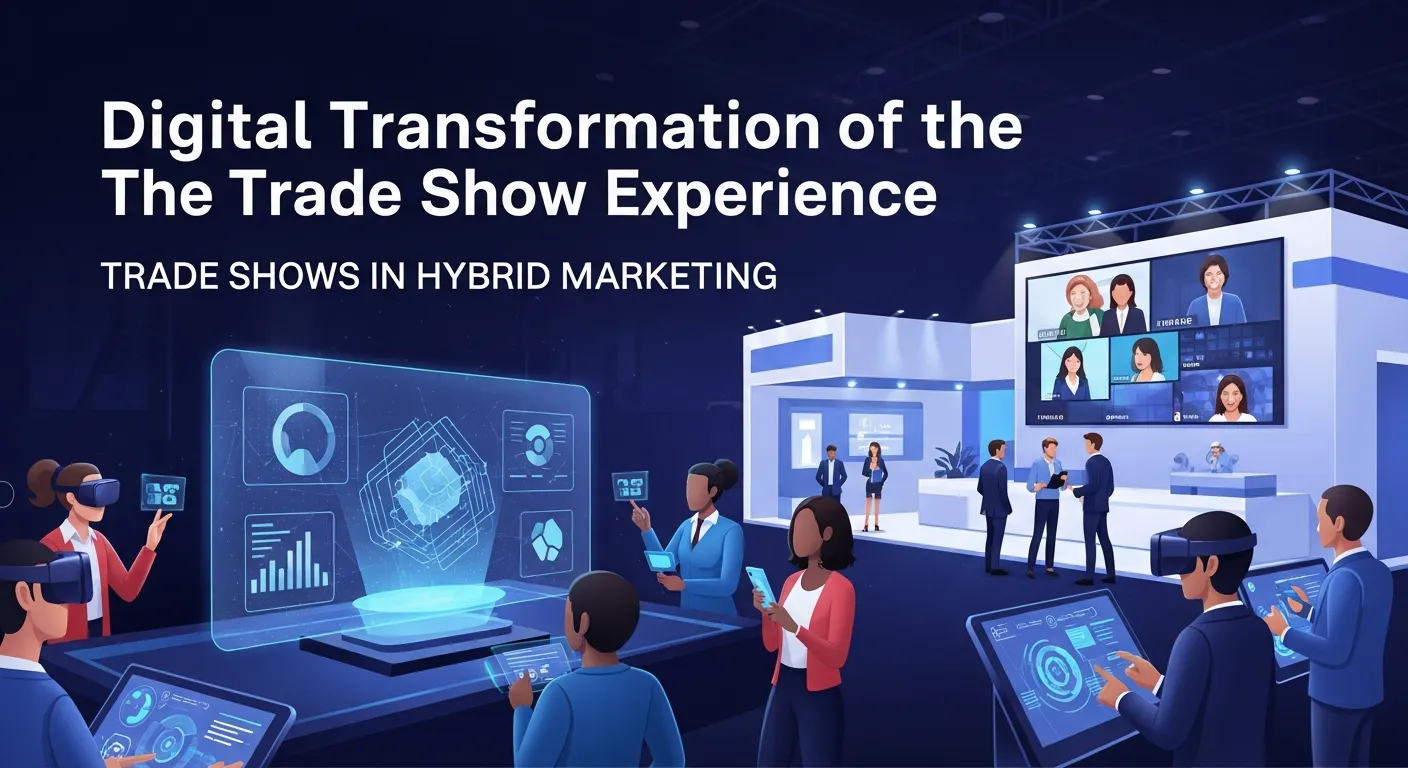
While physical gatherings retain unique value, trade shows in hybrid marketing increasingly leverage digital elements to enhance rather than replace traditional experiences. Leading marketers now embrace this hybrid reality, using technology to overcome the limitations of in-person events while expanding reach and engagement.
Virtual Attendance Expands Reach Digital platforms allow participation from attendees facing travel restrictions, budget constraints, or scheduling conflicts. By incorporating virtual attendance options, trade shows in hybrid marketing transform local or regional events into global opportunities, maximizing ROI and exposing brands to previously unreachable prospects.
Extended Event Timelines Hybrid trade shows break the temporal constraints of traditional events. Engagement can start weeks before physical gatherings through online content, webinars, and community-building initiatives. Post-event, participants can access recorded sessions, virtual networking, and persistent exhibition spaces, allowing brands to nurture relationships over extended periods.
Data-Driven Engagement and Insights Digital components enable unprecedented measurement and analytics. Exhibitors can track which presentations drew attendance, which content generated interactions, and how participants navigated digital experiences. This data empowers marketers to make informed, data-driven decisions, enhancing budget allocation and strategy effectiveness.
Key Benefits of Trade Shows in Hybrid Marketing
| Benefit | Description |
|---|---|
| Broadened Audience | Virtual access allows global participation, reaching prospects beyond physical limitations. |
| Extended Engagement | Events continue before, during, and after the physical show, fostering long-term relationships. |
| Measurable Impact | Digital tracking provides insights into attendee behavior and content performance. |
| Optimized Marketing | Data-driven analysis enables better allocation of resources and improved ROI. |
For marketers looking to implement these strategies effectively, explore Trade Show Marketing Strategies for practical tips and best practices in combining physical and digital engagement.
By integrating digital tools, analytics, and global accessibility, trade shows in hybrid marketing become dynamic, data-rich experiences that enhance participant engagement, improve marketing outcomes, and drive measurable business growth.
Digital Transformation of the Trade Show Experience: Trade Shows in Hybrid Marketing
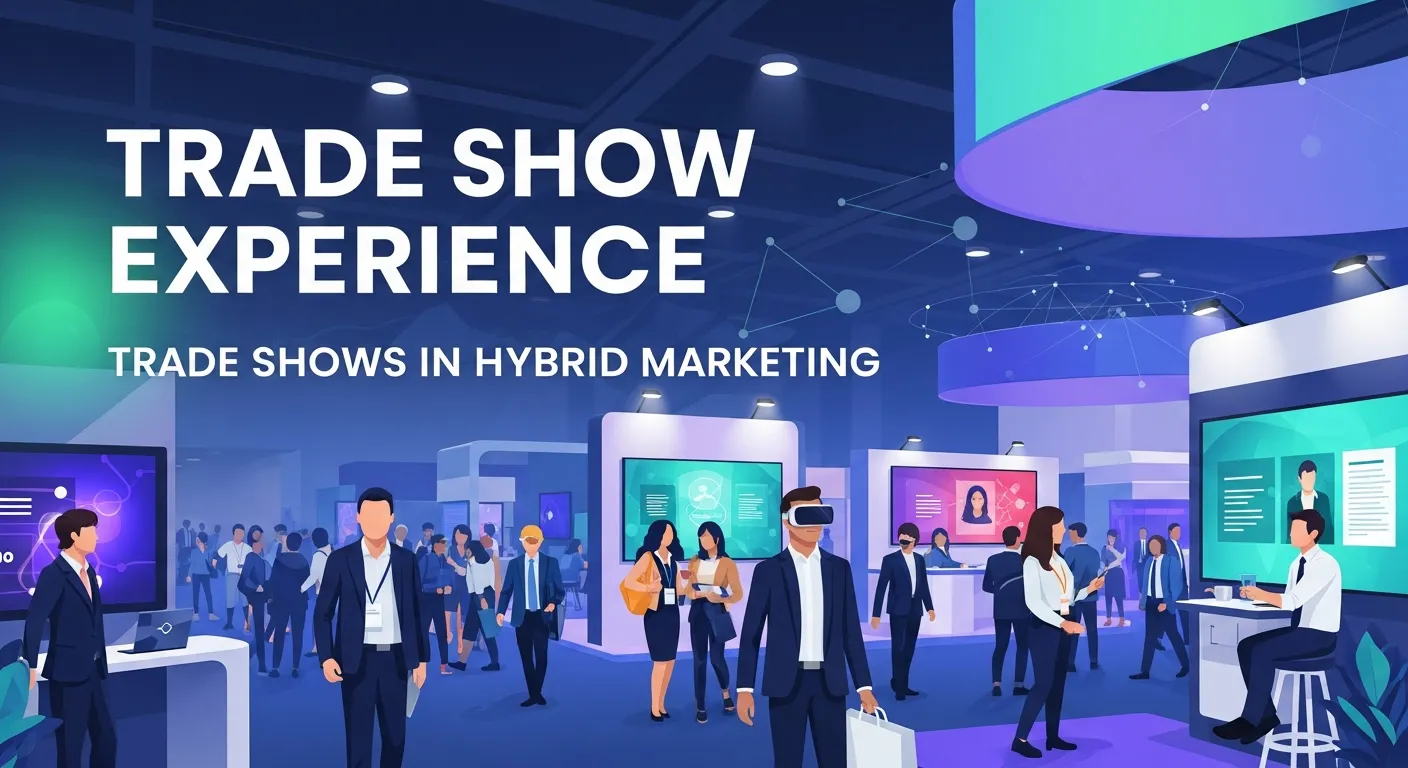
While physical events continue to offer unique value, trade shows in hybrid marketing increasingly integrate digital elements to enhance, rather than replace, traditional experiences. Leading marketers now embrace this hybrid approach, leveraging technology to overcome the limitations of in-person gatherings while expanding reach and boosting engagement.
Digital platforms enable participation from attendees who face travel restrictions, budget constraints, or scheduling conflicts. By offering virtual attendance options, trade shows in hybrid marketing transform local or regional events into global opportunities, increasing ROI and exposing brands to previously inaccessible prospects.
Hybrid events also extend beyond the limited timeframe of traditional trade shows. Engagement can begin weeks before physical gatherings through webinars, online content, and community-building initiatives. After the event, participants can continue interacting via recorded sessions, virtual networking, and persistent digital exhibition spaces, allowing brands to nurture relationships over an extended period.
Digital components introduce unprecedented opportunities for measurement and analytics. Exhibitors can monitor which presentations attracted attendees, track content interactions, and analyze participant behavior across both physical and virtual platforms. This data empowers marketers to make informed, data-driven decisions, optimizing budget allocation and overall strategy.
Key Benefits of Trade Shows in Hybrid Marketing
| Benefit | Description |
|---|---|
| Broadened Audience | Virtual access enables global participation, connecting with prospects beyond physical limitations. |
| Extended Engagement | Events continue before, during, and after the physical show, fostering long-term relationships. |
| Measurable Impact | Digital tracking provides actionable insights into attendee behavior and content engagement. |
| Optimized Marketing | Data-driven analysis allows better resource allocation and maximizes ROI. |
For marketers aiming to implement these strategies effectively, explore Marketing Strategies of Trade Shows for actionable tips and best practices on combining physical and digital engagement.
By blending digital tools, analytics, and global accessibility, trade shows in hybrid marketing evolve into dynamic, data-rich platforms that enhance participant engagement, improve marketing outcomes, and drive measurable business growth.
Evolving Requirements for Effective Participation
Success in trade shows in hybrid marketing requires evolving capabilities beyond traditional event expertise. Organizations must develop new skills, processes, and technologies to maximize returns on their exhibition investments.
Technical Production Excellence
As digital components grow more sophisticated, professional production capabilities are essential. While basic smartphone streams were sufficient during early pandemic adaptations, today’s virtual attendees expect high-quality visuals and sound. Organizations must either build internal expertise or partner with specialized providers to deliver compelling digital experiences.
Adaptive Content Development
Content strategies must evolve to support multi-channel deployment. Presentations need to be effective both live and in recorded formats, and product demonstrations must be designed to engage participants in physical and virtual contexts. Achieving this requires close collaboration between content creators, technical teams, and event strategists.
Data Management and Analytics
Hybrid trade shows generate richer participant data than ever before. Effective systems for capturing, integrating, and analyzing engagement across physical and digital touchpoints are critical. These capabilities transform post-event analysis from anecdotal impressions into detailed, data-driven performance assessments, enhancing ROI and strategic planning.
Measuring Success in the Hybrid Landscape
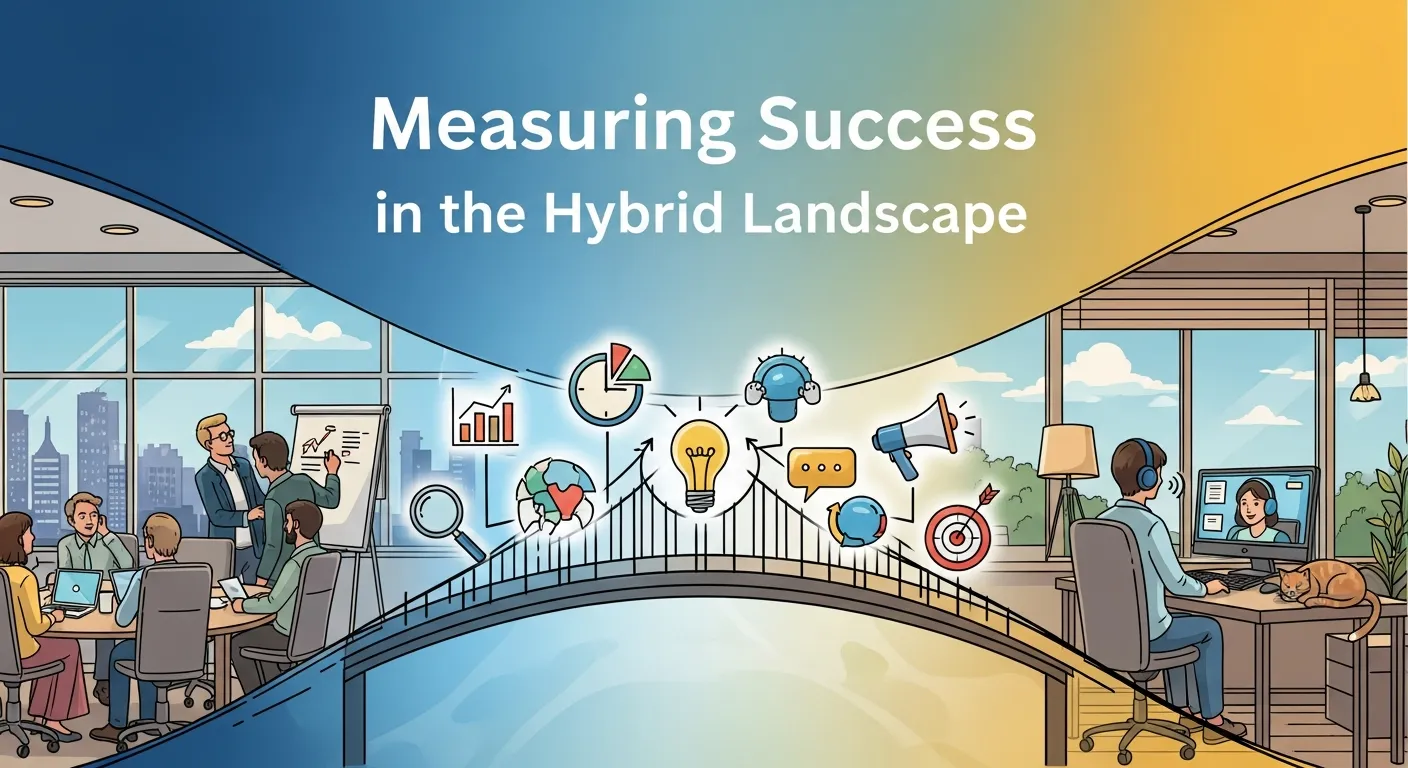
As trade shows in hybrid marketing evolve, so too must success metrics. Traditional measures like booth traffic and business card collection provide increasingly limited insight in hybrid environments. More sophisticated approaches now incorporate multiple dimensions of value creation.
Engagement Quality Across Channels
Engagement metrics offer deeper insight than simple attendance counts. Organizations should track not only how many people visited physical or virtual booths, but also how deeply they interacted with content, representatives, and materials. Metrics such as average engagement duration, interaction depth, and content consumption patterns provide more meaningful guidance than raw traffic statistics.
Nuanced Lead Quality Assessment
Lead evaluation becomes more sophisticated with digital behavioral signals. Beyond traditional qualification criteria, organizations can assess content consumption patterns that indicate buying intent. Participants who engage thoroughly with technical specifications, pricing information, and implementation case studies often demonstrate higher purchase readiness than those focusing on general information.
Extended Value Creation
Hybrid environments allow organizations to measure the ongoing impact of trade show content. Metrics like content reuse rates, post-event engagement statistics, and attribution analysis for influenced opportunities help quantify extended value and support marketing and sales strategies beyond the event itself.
Building Communities Through Trade Shows in Hybrid Marketing
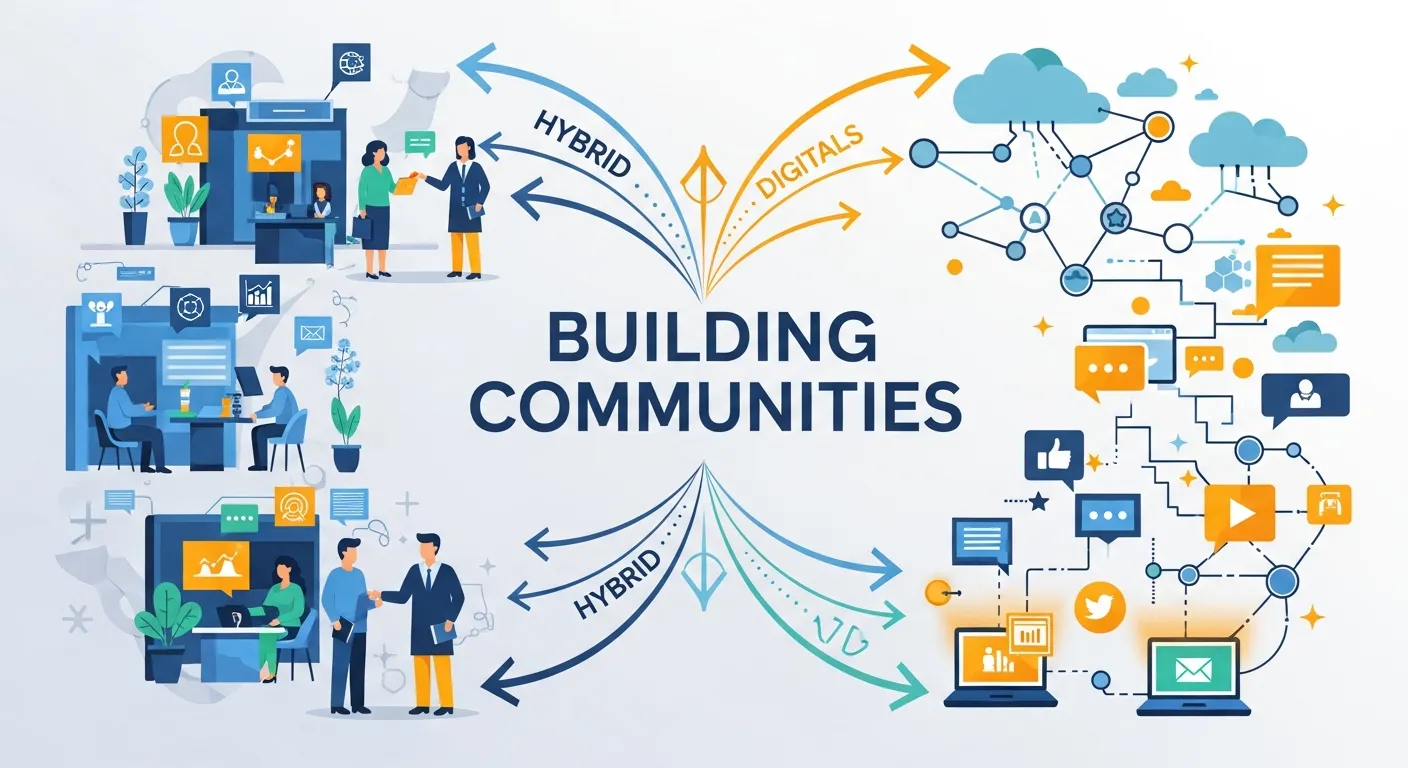
Perhaps the most significant evolution in the trade show landscape involves the transformation of trade shows in hybrid marketing from isolated events into community-building platforms. The most successful events now foster ongoing engagement among participants rather than simply facilitating periodic gatherings.
Year-round digital communities connected to physical events create continuous engagement opportunities. These communities maintain relationships developed during in-person interactions while supporting ongoing knowledge sharing, problem-solving, and professional development. By integrating both physical and virtual touchpoints, trade shows in hybrid marketing strengthen networks, increase participant loyalty, and create additional value that extends beyond the events themselves.
Industry-focused publications and content platforms are increasingly forming symbiotic relationships with trade shows in hybrid marketing. These partnerships provide natural content distribution channels while offering expertise in ongoing engagement, building sustainable value ecosystems that benefit both the trade show and the broader industry community.
Looking Forward: Emerging Trends
Several emerging trends suggest further evolution in the trade show landscape over coming years.
Augmented reality applications show particular promise for enriching both physical and virtual experiences. For in-person attendees, AR applications can overlay digital information onto physical displays, creating richer engagement opportunities. For virtual participants, AR can simulate physical interactions with products, helping bridge the tactile gap between attendance modes.
Artificial intelligence increasingly enhances matchmaking capabilities, helping participants identify their most valuable potential connections among thousands of possibilities. These capabilities address one of the most persistent challenges in large events—finding the specific people and organizations most relevant to individual objectives amid overwhelming options.
Sustainability considerations will likely accelerate certain hybrid approaches. As organizations face increasing pressure to reduce carbon footprints, selective application of virtual participation options provides environmental benefits alongside cost efficiencies. Rather than sending entire teams to multiple physical events, organizations may adopt strategies combining limited physical presence with broader virtual participation.
FAQ: Trade Shows in Hybrid Marketing
1. What are trade shows in hybrid marketing?
Trade shows in hybrid marketing combine traditional in-person events with digital experiences, allowing participants to attend physically or virtually. This approach expands audience reach, enhances engagement, and provides measurable insights across multiple channels.
2. Why are hybrid trade shows important for businesses?
Hybrid trade shows maximize visibility and ROI by combining the networking and hands-on experience of physical events with the scalability and data-driven insights of digital platforms. Businesses can engage global audiences and generate high-quality leads more effectively.
3. How can I measure success in hybrid trade shows?
Success is measured beyond booth traffic and attendee counts. Key metrics include engagement depth, content interaction, lead quality, post-event follow-ups, and long-term value creation. Tools like AI-powered analytics can help quantify these metrics for better decision-making.
4. How can AI improve trade show marketing outcomes?
AI enhances targeting, lead scoring, and content personalization for both physical and virtual attendees. By analyzing behavioral patterns, AI helps prioritize prospects, optimize resource allocation, and measure ROI with precision, transforming traditional event marketing strategies. For deeper insights, see Transforming Your Targeting Precision.
5. What types of content work best in hybrid trade shows?
Content should be adaptable for both live and virtual consumption. Interactive demos, webinars, recorded presentations, and downloadable materials engage attendees across channels. Personalized follow-ups increase engagement and strengthen relationships post-event.
6. How do hybrid trade shows help with lead generation?
They provide multiple touchpoints for lead capture, both in-person and online. Digital components allow tracking engagement patterns, qualifying prospects, and nurturing leads over time, resulting in higher conversion rates than traditional trade shows alone.
7. Can happy customers contribute to hybrid trade show success?
Absolutely! Satisfied customers can become brand ambassadors by sharing experiences, participating in panels, or providing testimonials. This authentic advocacy amplifies marketing efforts and credibility. For strategies, refer to Turning Happy Customers Into Powerful Brand Ambassadors.
8. How can businesses maintain engagement after a hybrid trade show?
By leveraging digital communities, post-event content, and ongoing communication, businesses can extend relationships well beyond the event. Offering webinars, exclusive content, and social engagement keeps attendees connected to the brand year-round.
9. How does voice search influence hybrid trade show marketing?
With more users relying on voice-activated devices, businesses need to optimize digital content for voice search. Ensuring exhibitor websites, product pages, and event content are voice-search-friendly improves discoverability and attracts a tech-savvy audience. Learn more at Adapting Your Digital Presence for the Voice Search Revolution.
10. What are the long-term benefits of hybrid trade shows?
Hybrid trade shows create lasting value by building communities, providing rich data for marketing strategies, enhancing brand loyalty, and enabling scalable global reach. They also allow businesses to continuously refine strategies based on real-time insights and attendee behavior.
Conclusion
The future of trade shows in hybrid marketing lies not in choosing between physical or digital approaches, but in thoughtfully integrating both to create experiences that exceed what either could deliver alone. Physical gatherings continue to provide irreplaceable opportunities for relationship development, hands-on demonstrations, and sensory engagement. Digital extensions expand reach, enhance measurement, and extend value creation beyond the event itself.
Success in this hybrid landscape demands expanded capabilities, evolved metrics, and strategic approaches that leverage the complementary strengths of each channel. Organizations that invest in these capabilities will find trade shows in hybrid marketing becoming essential components of their marketing strategies rather than legacy obligations.
Most importantly, this evolution addresses long-standing trade show limitations. Time constraints are mitigated through extended digital engagement opportunities, geographic barriers dissolve via virtual access, and measurement challenges are resolved through integrated data collection. The result is not merely preserved value, but a fundamentally enhanced return on trade show investments.
The crowded exhibition halls aren’t disappearing—they are being reimagined for a connected world where physical and digital experiences converge into seamless, engaging journeys, defining the next era of trade shows in hybrid marketing.