SMS Marketing: Leveraging Direct Mobile Communication for Business Growth

SMS marketing remains a powerful tool for businesses seeking instant customer engagement. In a crowded digital landscape, it cuts through the noise with direct, personal, and high-visibility communication — helping brands strengthen relationships, boost response rates, and drive measurable growth.
In today’s digitally saturated world, capturing and retaining customer attention has become a serious challenge. Email inboxes are bursting with promotions, social media feeds move faster than ever, and audiences are growing numb to repetitive advertising. Amid this noise, brands are searching for a channel that cuts through the clutter — one that reaches customers instantly and drives real engagement. That’s where SMS marketing stands out. Despite the rise of countless digital platforms, SMS continues to deliver exceptional open rates, immediate visibility, and a personal touch that other marketing channels often lack. It’s fast, direct, and remarkably effective — making it one of the most reliable tools for businesses striving to connect with their audiences in real time.
Why SMS Marketing Remains Powerful
In an age where digital marketing channels compete fiercely for attention, SMS marketing stands out as a clear winner in immediacy and impact. Text messaging offers what few other platforms can—near-instant delivery and consumption. With open rates averaging around 98% and most messages read within just a few minutes, SMS ensures your content doesn’t get buried in crowded inboxes or lost in algorithm-driven social feeds. It delivers your message straight into the hands—and eyes—of your audience.
What truly makes SMS marketing so effective is its deep integration into our daily lives. Mobile phones have evolved far beyond simple communication devices; they’re now indispensable personal assistants, entertainment hubs, and gateways to the digital world. We carry them everywhere, check them dozens of times a day, and depend on them for everything from shopping to scheduling. This constant connectivity creates a unique opportunity for businesses: a direct, personal, and immediate communication line with customers.
When executed thoughtfully, SMS marketing goes beyond mere promotions. It can deliver value through timely updates, personalized offers, appointment reminders, and customer service notifications—all while fostering a sense of trust and convenience. Unlike emails that might sit unopened for hours or ads that rely on scrolling behavior, SMS messages demand instant visibility.
In fact, studies from Marketing Profs and other marketing research bodies consistently show that text message marketing outperforms email in engagement metrics, boasting response rates up to 7.5 times higher. This isn’t just about better numbers—it’s about real human behavior. People read texts because they feel personal, direct, and relevant. For marketers, that translates into stronger relationships, faster conversions, and higher ROI.
In short, SMS marketing remains powerful because it taps into the one digital space people never ignore—their phones. It’s marketing that meets customers where they already are, in real time, with results that speak for themselves.
Strategic Opportunities in SMS Marketing

The opportunities within SMS marketing go far beyond sending out mass promotional messages. Today’s most innovative businesses are using text messaging as a strategic, data-driven communication channel to deliver value, deepen relationships, and drive measurable growth. When done right, SMS can seamlessly support both marketing and operational objectives, making it one of the most versatile tools in a brand’s digital strategy.
1. Personalized Customer Journeys
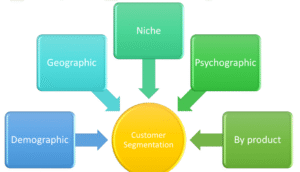
Modern consumers expect relevance and personalization. By segmenting audiences based on interests, demographics, or behaviors, businesses can craft tailored SMS campaigns that truly resonate. For instance, a customer who browsed winter coats might receive a timely discount on seasonal wear, while another who abandoned a cart filled with summer apparel could get a reminder or special offer to complete their purchase. This level of personalization enhances engagement and fosters long-term loyalty.
To implement personalization effectively, many forward-thinking companies leverage custom-built software and automation tools. Platforms like Sanmo’s Software Development Services for Business Growth help organizations design intelligent systems that integrate with CRM and marketing databases—ensuring every SMS is targeted, relevant, and timely.
2. Time-Sensitive Promotions
Few channels can match SMS when it comes to urgency and instant visibility. The immediacy of text messaging makes it perfect for flash sales, limited-time offers, and real-time event updates. When customers receive a message that a sale ends in just a few hours, the sense of exclusivity and urgency often drives immediate conversions. SMS gives businesses a powerful way to prompt instant action—especially when timing is everything.
3. Operational Communications
Beyond marketing, SMS proves its worth as a reliable operational tool. Appointment reminders, delivery updates, billing notifications, and service alerts can all be managed efficiently through text messaging. These functional messages not only improve the customer experience but also reduce missed appointments and increase satisfaction. By maintaining open and helpful communication, your brand remains top-of-mind in a practical, customer-first way.
4. Two-Way Conversations
SMS marketing is no longer a one-way street. Today’s advanced platforms allow for two-way communication, turning messages into meaningful conversations. Customers can reply directly to ask questions, give feedback, or confirm actions—all in real time. This level of interaction builds stronger relationships and provides invaluable insights into customer preferences and behavior, enabling continuous improvement in your marketing strategy.
In essence, SMS marketing’s true power lies in its versatility—serving both as a high-performing promotional tool and a trusted communication channel. With the right technology and strategy, such as those offered through Sanmo’s software solutions, businesses can unlock the full potential of SMS to connect with customers more personally, efficiently, and effectively than ever before.
Best Practices for Effective SMS Marketing

Implementing SMS marketing successfully goes beyond simply sending messages—it requires strategy, respect, and precision. When done thoughtfully, SMS becomes one of the most personal and impactful ways to reach your audience. However, maintaining that effectiveness depends on following key best practices that protect your brand reputation and enhance customer trust.
1. Secure Clear Permission
The foundation of any responsible SMS campaign is consent. Always obtain explicit permission before adding customers to your SMS list. This step isn’t just about legal compliance with regulations like GDPR or TCPA—it’s about respecting personal boundaries and demonstrating transparency. Customers who voluntarily opt in are far more likely to engage positively with your messages, building trust and loyalty over time.
2. Deliver Genuine Value
Every message you send should provide real, tangible value. Whether it’s an exclusive discount, a limited-time offer, or a useful update, recipients should feel that subscribing to your texts was worth it. SMS is an intimate channel—used wisely, it strengthens brand relationships rather than eroding them. For brands looking to take this further, personalization plays a key role. According to SMS Marketo’s guide on SMS marketing personalization strategies, tailoring messages based on customer data and preferences significantly increases engagement and response rates.
3. Perfect Your Timing
Timing can make or break an SMS campaign. A well-timed message can spark immediate action, while a poorly timed one can frustrate or alienate your audience. Consider both time of day and message frequency—avoid sending messages too early, too late, or too often. Analyze engagement data to identify when your audience is most responsive, and schedule campaigns strategically to maximize open and conversion rates.
4. Craft Concise, Action-Oriented Content
With SMS, brevity is power. Each message should be short, clear, and designed for immediate understanding. Avoid unnecessary filler, jargon, or long explanations. Instead, use straightforward language, focus on one primary message, and include a strong call-to-action (CTA)—such as “Shop Now,” “Claim Your Discount,” or “Book Your Appointment.” Keep in mind that simplicity drives clarity, and clarity drives conversions.
5. Make Opting Out Simple
Transparency extends to giving customers full control over their participation. Always include clear, easy-to-follow opt-out instructions—such as “Reply STOP to unsubscribe.” Making it difficult to leave not only damages your brand image but can also lead to regulatory issues. A simple, respectful opt-out process reassures customers that you value their preferences, even when they decide to step away.
In summary, effective SMS marketing combines respect for the customer with strategic communication and personalization. By securing consent, delivering real value, timing messages carefully, and prioritizing clarity, businesses can build a trusted, high-converting channel. For brands eager to elevate their campaigns further, exploring advanced personalization techniques through resources like SMS Marketo’s personalization guide can help turn ordinary text campaigns into powerful, customer-driven experiences.
Measuring SMS Marketing Success

Launching an SMS marketing campaign is only half the battle—measuring its effectiveness is what transforms it from a simple communication channel into a powerful business growth engine. To truly understand your campaign’s performance, you need to track and analyze specific metrics that reveal both customer engagement and return on investment.
1. Conversion Rates
Conversion rates are among the most critical indicators of success. They reveal how effectively your SMS messages inspire recipients to take desired actions—whether that’s making a purchase, booking a service, or signing up for an event. High conversion rates indicate that your messaging, timing, and targeting are well aligned with customer intent. Conversely, lower rates may signal the need to refine your offer or personalize content more precisely.
2. Click-Through Rates (CTR)
Click-through rates measure audience engagement with your links or landing pages. They help determine whether your content and call-to-action are compelling enough to prompt interaction. Tracking CTR over time provides valuable insights into which types of messages, formats, or promotions perform best. As SMS Marketo’s guide on getting mobile numbers for SMS marketing highlights, the quality of your subscriber list directly affects engagement—meaning that targeted, permission-based contacts are far more likely to click and convert than generic or purchased lists.
3. Redemption Rates for Coupons and Offers
For campaigns involving discounts or promo codes, redemption rates serve as a clear, quantifiable measure of direct revenue impact. They show how effectively your SMS messages drive purchasing behavior. Monitoring which offers receive the highest redemption rates helps you identify what resonates most with your audience—whether it’s limited-time discounts, loyalty rewards, or personalized deals.
4. Opt-Out and Unsubscribe Rates
While it’s natural to focus on positive engagement metrics, opt-out rates are equally important. A spike in unsubscribes can signal over-messaging, poor timing, or a disconnect between your offers and customer interests. Monitoring these rates helps maintain list health and ensures your communication remains respectful and relevant. Striking the right balance between frequency and value keeps your audience engaged and minimizes churn.
5. Continuous Optimization Through Analytics
SMS marketing is a dynamic process—the best campaigns evolve with data. Regularly reviewing performance metrics allows you to refine your messaging strategy, experiment with timing, and personalize offers more effectively. Many businesses now integrate SMS analytics with CRM systems and marketing dashboards for deeper insights into customer behavior and lifetime value.
In short, measuring SMS marketing success is about more than tracking numbers—it’s about understanding customer behavior. By focusing on conversion rates, engagement levels, and opt-out patterns, you gain actionable insights to enhance every campaign. Coupled with high-quality contact acquisition strategies, such as those outlined by SMS Marketo, businesses can build stronger connections, maximize ROI, and sustain long-term growth through smarter, data-driven SMS marketing.
The Future of SMS Marketing

As technology and consumer behavior continue to evolve, so too does SMS marketing—adapting, innovating, and expanding beyond its traditional boundaries. What began as simple text-based outreach is rapidly transforming into a dynamic, interactive, and data-driven marketing channel. The future of SMS marketing lies in smarter automation, richer content, and deeper personalization—all powered by emerging technologies.
1. The Rise of Rich Communication Services (RCS)
The introduction of Rich Communication Services (RCS) is redefining what text messaging can do. No longer limited to plain text, RCS supports high-resolution images, videos, carousels, and interactive buttons, enabling brands to create visually engaging, app-like experiences directly within a message thread. For instance, customers can browse products, view order confirmations, or even complete transactions—all without leaving their messaging app. This evolution turns SMS into a truly immersive conversational commerce platform, blending convenience with creativity.
2. Artificial Intelligence and Predictive Personalization
Artificial intelligence (AI) is becoming the backbone of next-generation SMS marketing. Through machine learning algorithms and predictive analytics, AI can help businesses personalize messages at scale, determine the optimal send times for each individual recipient, and automate two-way interactions that feel human and contextually relevant. Imagine an SMS campaign that automatically adjusts its tone, timing, or offer based on a customer’s past engagement patterns or purchase behavior—AI makes that possible.
AI-driven tools also streamline customer segmentation and campaign optimization, ensuring that every message contributes to meaningful engagement rather than noise. With these capabilities, businesses can move from reactive marketing to proactive relationship-building, anticipating customer needs before they even arise.
3. Integration with Voice and Conversational Interfaces
The growing role of voice assistants like Siri, Alexa, and Google Assistant is opening new frontiers for SMS marketing. These technologies are beginning to interface directly with text-based communication, allowing users to interact with messages using simple voice commands. For example, a customer might ask their assistant to read a promotional message, reply to it, or even redeem a code—making SMS marketing more accessible and seamless than ever.
As conversational commerce gains traction, businesses that integrate SMS with voice and chat technologies will create holistic, omnichannel engagement experiences. This convergence of text, AI, and voice will make communication faster, smarter, and more intuitive—bridging the gap between human convenience and digital precision.
4. Enhanced Analytics and Privacy-First Personalization
The future of SMS will also see advancements in analytics and data transparency. As privacy regulations tighten, marketers will need to balance personalization with consent, leveraging first-party data responsibly. Advanced analytics tools will allow businesses to measure not just open and click rates, but real engagement, intent, and customer sentiment—turning data into actionable insight while maintaining trust.
In essence, the future of SMS marketing is intelligent, interactive, and integrated. From RCS-powered visuals to AI-driven personalization and voice-enabled engagement, the channel is evolving into something far more powerful than simple text outreach. For businesses ready to innovate, SMS represents not just a communication tool—but a strategic engine for connection, conversion, and long-term customer loyalty.
Frequently Asked Questions (FAQ) About SMS Marketing
1. What is SMS marketing and why is it important for businesses today?
SMS marketing is the practice of using text messages to communicate with customers directly on their mobile devices. It’s one of the most immediate and effective digital marketing channels, offering open rates as high as 98%. In today’s fast-paced world, where email inboxes overflow and social media algorithms limit reach, SMS ensures that your message lands directly in front of your audience—instantly. Its simplicity, speed, and high engagement make it an essential tool for customer retention, promotions, and personalized communication.
2. How does SMS marketing fit into an omnichannel marketing strategy?
SMS marketing works best when it’s part of a larger omnichannel marketing strategy, where brands communicate seamlessly across multiple touchpoints—email, social media, web, and voice. Integrating SMS ensures that your messages reinforce campaigns across channels and reach customers wherever they are. For example, a promotional email can be followed by a timely SMS reminder to boost conversions. To understand how SMS can enhance broader cross-channel efforts, explore Omnichannel Marketing Experiences by Outbound Marketo, which highlights how coordinated messaging creates consistent customer journeys and maximizes engagement.
3. What are the key benefits of SMS marketing over other digital channels?
The primary advantages of SMS marketing include instant delivery, higher open rates, and superior engagement. Unlike emails that may go unread or ads that can be skipped, SMS messages demand immediate attention. They also have higher conversion rates because of their simplicity and directness. Moreover, SMS doesn’t rely on internet access or third-party platforms—making it one of the most reliable ways to connect with your audience anytime, anywhere.
4. How do businesses build and grow a compliant SMS subscriber list?
Building a compliant list begins with clear consent. Businesses should encourage users to opt in via website forms, checkout pages, or physical locations—always stating what type of messages they’ll receive. Never buy contact lists; they lead to low engagement and potential legal issues. Additionally, offering incentives like discounts or exclusive access can help increase sign-ups. Regularly cleaning your list and allowing easy opt-outs ensures compliance and maintains trust.
5. How can SMS marketing and voice-based outreach work together?
While SMS provides instant, text-based communication, voice-based outreach adds a more personal, human touch. Combining the two can create a powerful hybrid approach: businesses can follow up a cold call with a quick SMS summary or confirmation message to reinforce engagement. This synergy helps build familiarity and increases response rates. The evolution of voice in marketing is fascinating—read Cold Calling: The Evolution of Voice-Based Outreach for insights into how modern voice strategies complement digital tools like SMS for a well-rounded customer outreach system.
6. What metrics should businesses track to measure SMS marketing success?
The most important SMS performance metrics include:
- Open rate – How many recipients read your message.
- Click-through rate (CTR) – How many click your links.
- Conversion rate – How many complete your desired action.
- Opt-out rate – How many unsubscribe after receiving messages.
Tracking these helps marketers understand engagement, relevance, and ROI. Analyzing patterns over time allows for continuous optimization and smarter targeting.
7. How can personalization improve SMS marketing results?
Personalization transforms a generic text into a relevant, relationship-building message. By segmenting audiences and tailoring messages to behaviors—like browsing history, purchase frequency, or location—brands can send offers that truly resonate. AI-powered tools can even predict the best send times and content for each individual. Personalized SMS not only increases engagement but also builds brand loyalty and trust.
8. How does SMS marketing integrate with LinkedIn or B2B strategies?
While SMS is often viewed as a B2C channel, it’s increasingly effective in B2B marketing—especially when integrated with professional platforms like LinkedIn. Businesses can use LinkedIn to identify leads and nurture relationships, then follow up with personalized SMS campaigns for timely reminders, event invitations, or service updates. For deeper insights on combining LinkedIn outreach with other communication methods, check out LinkedIn Strategies Beyond Basic Networking, which explores modern techniques for creating meaningful, multi-channel professional connections.
9. What role will AI and automation play in the future of SMS marketing?
AI and automation are revolutionizing SMS marketing by enabling personalization at scale, predictive send times, and intelligent two-way conversations. Chatbots and automated workflows can manage customer interactions efficiently, ensuring immediate responses while freeing up human resources for more complex tasks. AI also helps interpret engagement data to improve future campaigns—making SMS smarter, faster, and more effective.
10. How can businesses ensure compliance and maintain trust in SMS campaigns?
Compliance and trust go hand in hand. Always secure explicit opt-in consent, clearly state message purposes, and include easy opt-out options (e.g., “Reply STOP to unsubscribe”). Respect frequency preferences and avoid sending messages at inconvenient hours. Moreover, protect customer data and adhere to privacy regulations such as GDPR or TCPA. When customers feel their privacy is respected, they are more likely to engage consistently and positively with your brand.
Conclusion
SMS marketing occupies a unique position in the marketing ecosystem—direct, immediate, and personal. When implemented with strategic thought and customer-centric values, it delivers exceptional return on investment while strengthening customer relationships.
By focusing on permission, value, timing, and measurement, businesses can leverage the power of direct mobile communication to cut through digital noise and connect meaningfully with audiences.
For more information about integrating SMS marketing into your broader communication strategy, visit our homepage where you’ll find additional resources and consultation options.