SaaS Outbound Marketing Playbook: From Cold to Closed
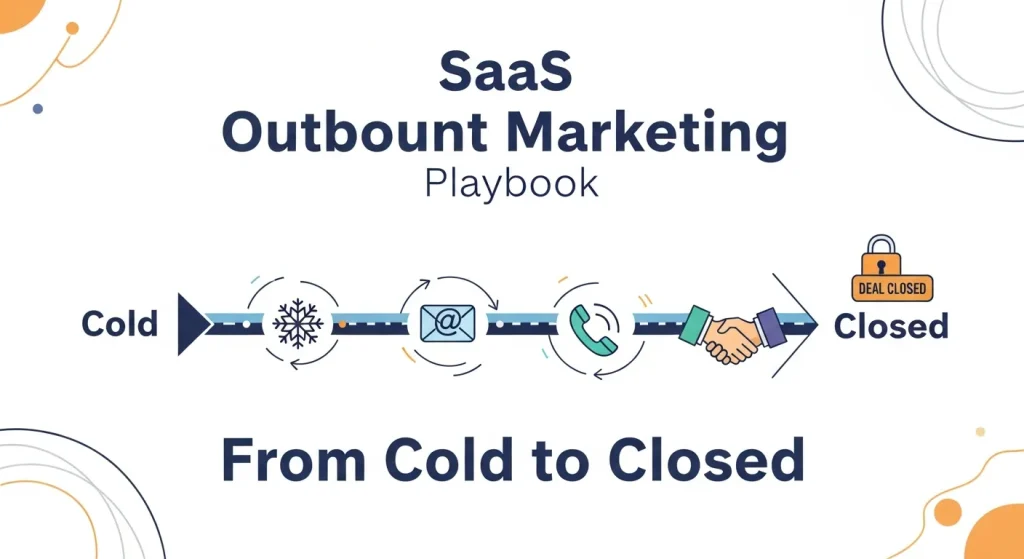
Discover how to build a winning SaaS Outbound Marketing strategy from first contact to final conversion. This playbook covers proven tactics, personalization techniques, and automation tips to help SaaS businesses turn cold prospects into loyal, paying customers.
This comprehensive playbook will walk you through every stage of the outbound marketing process, from identifying your ideal customer profile to closing deals and nurturing long-term relationships. You’ll discover proven strategies, tactical frameworks, and real-world examples that transform cold prospects into paying customers.
Understanding Your SaaS Outbound outbound marketing Foundation
A strong SaaS Outbound Marketing foundation begins with knowing exactly who your ideal customers are and what problems they face. Defining your Ideal Customer Profile (ICP) and buyer personas ensures every outreach effort is focused and effective. When your targeting is precise, your outbound campaigns achieve higher engagement, better conversions, and consistent growth. Building this foundation sets the stage for scalable, data-driven marketing success.
Define Your Ideal Customer Profile (ICP)
Your ICP serves as the North Star for all outbound activities. Without a crystal-clear understanding of who you’re targeting, even the most compelling messages fall flat.
Start by analyzing your existing customer base. Look for patterns among your highest-value customers: company size, industry, job titles of decision-makers, technology stack, and business challenges they face. These commonalities form the foundation of your ICP.
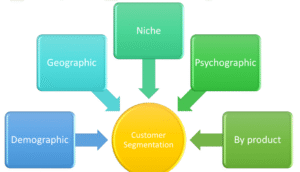
For B2B SaaS outbound marketing companies, your ICP typically includes firmographic data (company size, industry, location), technographic data (current tools and platforms), and demographic data (job titles, seniority levels). Layer on behavioral indicators like recent funding rounds, hiring sprees, or technology implementations that signal buying intent.
Map Your Buyer Personas
While your ICP defines the companies you target, buyer personas represent the individuals within those companies who influence purchasing decisions. In SaaS Outbound Marketing, the buying process typically involves multiple stakeholders, each with unique motivations, pain points, and decision-making roles.
The economic buyer controls the budget and makes final purchasing decisions. They focus on ROI, cost justification, and strategic alignment with business goals. Technical evaluators ensure your solution meets functional requirements and integrates smoothly with existing systems. End users prioritize ease of use, workflow efficiency, and how the software improves their daily operations.
Creating detailed personas is essential for effective SaaS Outbound Marketing campaigns. Define each persona’s role in the buying process, primary concerns, preferred communication channels, and the tone or messaging that resonates most. This foundation empowers personalized outreach that connects authentically with each stakeholder’s priorities and drives higher engagement.
Building Your Outbound Marketing Tech Stack
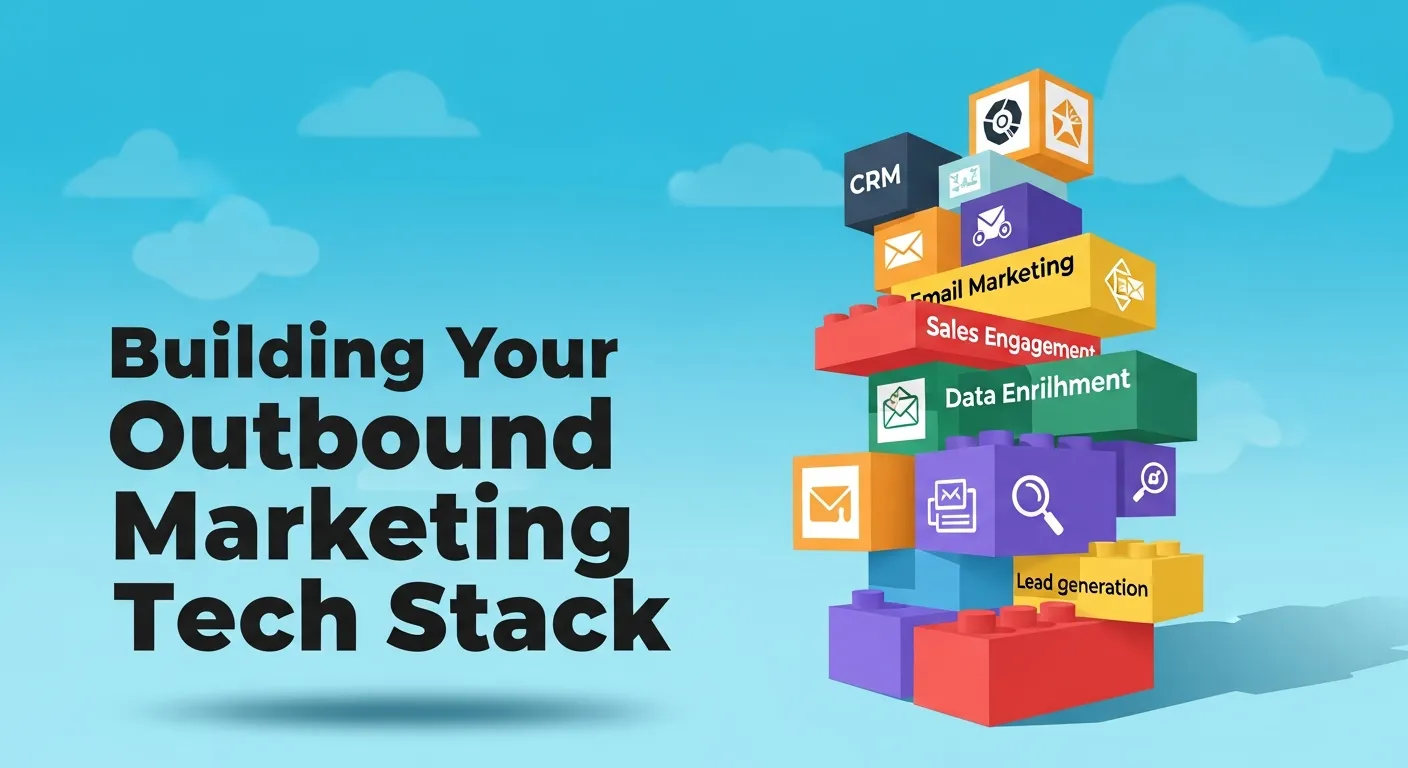
A strong tech stack is the backbone of every successful SaaS Outbound Marketing strategy. Tools like CRMs, sales engagement platforms, and prospecting databases help automate outreach, track performance, and maintain personalization at scale. Choosing the right integrations ensures smoother workflows, better data accuracy, and measurable results.
Essential Tools for Scale
Successful SaaS Outbound Marketing requires the right technology foundation to research prospects, automate outreach, and track results effectively. Your tech stack should streamline repetitive tasks while maintaining the personal touch that drives conversions.
Customer Relationship Management (CRM) platforms like HubSpot, Salesforce, or Pipedrive serve as the central hub for all prospect and customer data. Choose a CRM that integrates seamlessly with your other SaaS Outbound Marketing tools and offers robust reporting capabilities for better visibility.
Sales engagement platforms such as Outreach, Salesloft, or Apollo automate email sequences, track engagement, and manage follow-ups across multiple channels. These solutions help ensure no prospect falls through the cracks while keeping your SaaS Outbound Marketing messaging consistent and personalized.
Prospecting tools like ZoomInfo, Apollo, or Clay assist in identifying and collecting accurate contact information for your target accounts. Look for platforms that provide reliable data, company insights, and intent signals to boost your SaaS Outbound Marketing performance and outreach success.
Data Quality and Compliance
The effectiveness of your outbound efforts depends heavily on data quality. Outdated or inaccurate contact information wastes time and damages your sender’s reputation. Implement data hygiene practices that regularly cleanse and update your prospect database.
Compliance with regulations like GDPR, CAN-SPAM, and CCPA isn’t optional. Ensure your outreach includes proper opt-out mechanisms, respects do-not-contact lists, and follows jurisdiction-specific requirements. Non-compliance can result in hefty fines and permanent damage to your brand reputation.
Crafting Compelling Outbound Messages
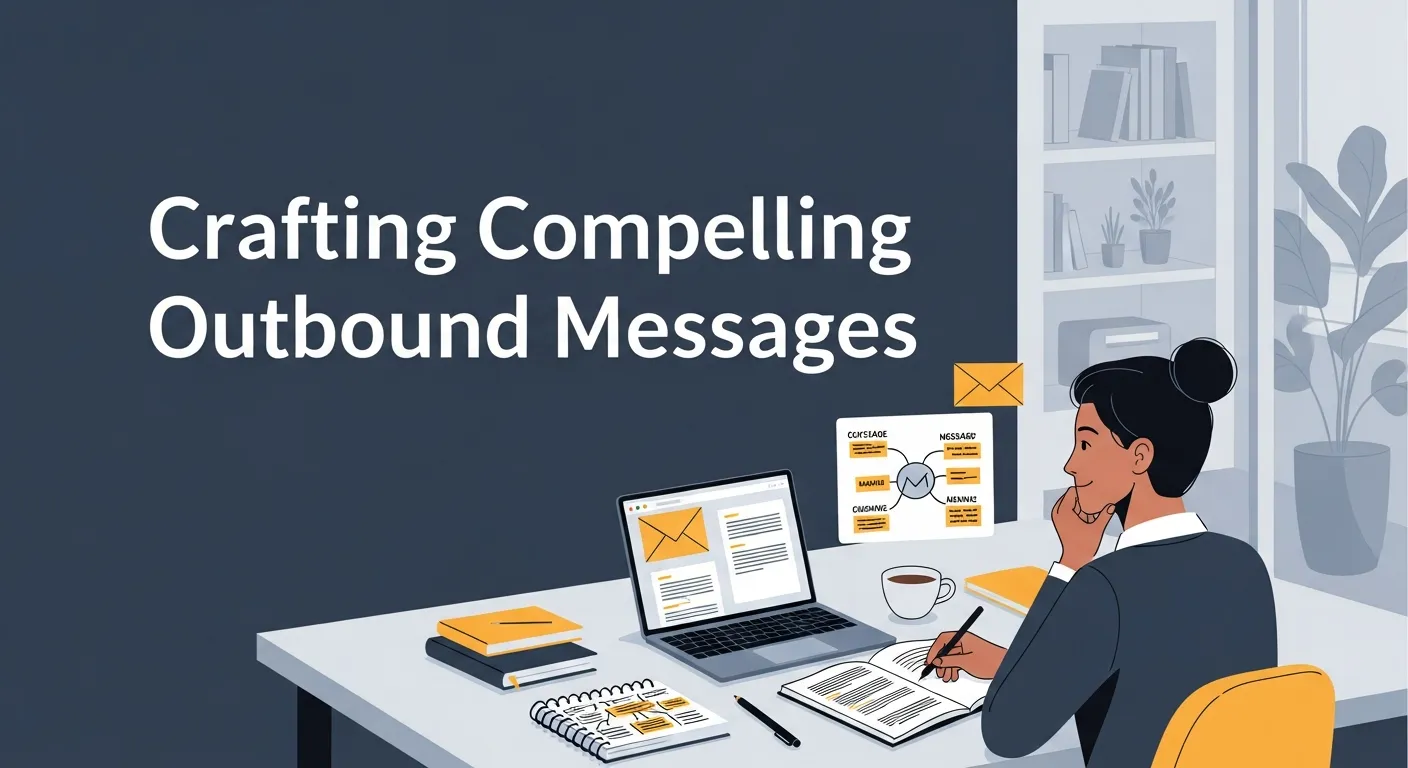
Your message determines whether prospects engage or ignore your outreach. Focus on relevance, personalization, and clarity to stand out. Use concise subject lines, value-driven body copy, and a clear call-to-action. Well-crafted outbound messages humanize your brand and create stronger connections with decision-makers.
Cold Email Mastery
Cold email remains one of the most effective outbound channels when executed properly. The key lies in relevance, personalization, and value delivery from the first touchpoint.
Your subject line determines whether your email gets opened or deleted. Keep it under 50 characters, avoid spam trigger words, and create curiosity without being misleading. Personalized subject lines that reference the prospect’s company, industry, or recent achievements perform significantly better than generic alternatives.
The email body should follow a proven structure: attention-grabbing opener, credibility statement, value proposition, and clear call-to-action. Start with a genuine compliment or relevant observation about their business. Establish credibility through social proof, mutual connections, or relevant case studies. Present your value proposition in terms of specific business outcomes rather than product features.
Keep your initial emails under 150 words. Busy executives scan emails quickly, and lengthy messages often go unread. Focus on one primary objective per email, whether that’s scheduling a call, sharing a resource, or requesting a brief response.
LinkedIn Outreach Strategies
LinkedIn provides a powerful platform for relationship-building and social selling. Unlike email, LinkedIn messages appear in a less cluttered environment and provide context about your professional background.
Before reaching out, engage with your prospect’s content. Like, comment, and share their posts to build familiarity. This warm-up period makes your eventual outreach feel less intrusive and more like a natural progression of your professional relationship.
LinkedIn messages should feel conversational rather than salesy. Reference specific content they’ve shared, mutual connections, or shared experiences. Keep messages short and focused on starting a dialogue rather than pitching your product.
Multi-Channel Sequencing
Modern buyers engage across multiple channels, and your outbound strategy should reflect this reality. A typical sequence might include LinkedIn connection requests, email follow-ups, phone calls, and even direct mail for high-value prospects.
Space your touchpoints appropriately to maintain presence without becoming annoying. A common cadence includes initial outreach, followed by touches on days 3, 7, 14, and 21. Adjust timing based on your sales cycle length and buyer behavior patterns.
Vary your message content and format across channels. Your LinkedIn message might share industry insights, while your email includes a relevant case study, and your voicemail offers a specific piece of value. This approach prevents message fatigue while reinforcing your value proposition through different angles.
Advanced Prospecting Techniques
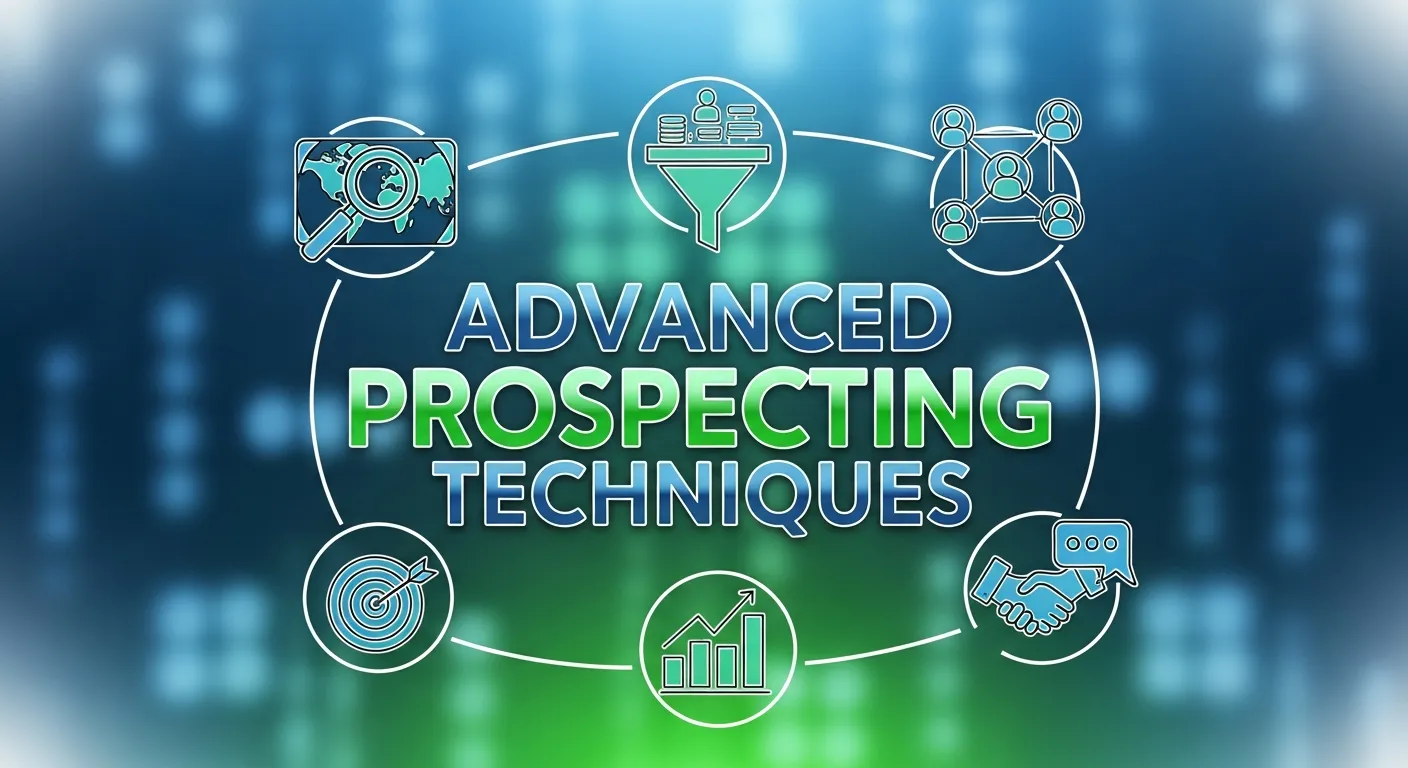
Effective prospecting goes beyond list-building — it’s about identifying high-intent buyers. Using Outbound Marketing tools with intent data, firmographics, and behavioral insights helps you reach the right audience at the right time. Techniques like account-based marketing (ABM) and multi-threaded outreach maximize engagement and conversion rates.
Account-Based Marketing Integration
Account-based marketing (ABM) aligns perfectly with outbound efforts by focusing resources on high-value target accounts. Instead of casting a wide net, ABM concentrates efforts on a smaller number of carefully selected prospects with higher revenue potential.
Start by identifying your target account list based on ideal customer criteria and revenue potential. Research each account thoroughly to understand their business challenges, recent developments, and key stakeholders. This intelligence informs personalized campaigns that resonate with specific account needs.
Coordinate outreach across multiple contacts within each target account. While the economic buyer makes final decisions, influencers and end users shape the evaluation process. Multi-threading your approach increases your chances of finding engaged champions within the organization.
Intent Data and Timing
Intent data reveals when prospects are actively researching solutions in your category. This intelligence allows you to time your outreach when buyers are most receptive to new options.
Third-party intent data providers like Bombora, G2, or 6sense track anonymous web behavior to identify companies showing buying signals. First-party intent data from your own website and content engagement provides even more accurate insights into prospect readiness.
Combine intent signals with other buying indicators like job postings, funding announcements, or leadership changes. These events often trigger evaluation processes for new tools and solutions.
Personalization at Scale

Personalization transforms cold outreach into meaningful conversations. Use dynamic templates, behavioral data, and industry insights to tailor every touchpoint. Tools like video messages and smart automation make it possible to scale personalized communication without losing authenticity, increasing reply rates and conversions.
Dynamic Content Strategy
Personalization drives higher response rates, but manually customizing every message doesn’t scale. Dynamic content allows you to create personalized experiences while maintaining operational efficiency.
Develop message templates with variable fields for company name, industry, recent news, and specific pain points. Use merge tags and conditional logic to automatically populate relevant content based on prospect characteristics.
Create industry-specific variations of your core messages. A manufacturing company faces different challenges than a healthcare organization, even when evaluating similar software categories. Tailor your language, examples, and case studies to match industry-specific concerns.
Video Personalization
Video messages stand out in crowded inboxes and allow prospects to connect with you personally. Personalized videos typically achieve response rates 3-5 times higher than text-only messages.
Keep videos short and focused, ideally under 60 seconds. Include the prospect’s name, company, and specific reference to their business in your message. Tools like Vidyard, BombBomb, or Loom make it easy to record, personalize, and track video performance.
Use video strategically for high-value prospects or important follow-ups rather than every touchpoint. The personal touch of video works best when it feels genuine and tailored to the specific situation.
Measuring and Optimizing Performance
Success in outbound marketing depends on consistent measurement and refinement. Track open rates, response rates, meetings booked, and deal closures to gauge performance. A/B testing subject lines, timing, and tone helps identify what resonates most with your SaaS outbound marketing audience, driving continuous improvement.
Key Metrics and KPIs
Successful outbound marketing requires careful measurement and continuous optimization. Track metrics across the entire funnel from initial outreach to closed deals.
Activity metrics like emails sent, calls made, and LinkedIn messages delivered measure your team’s output. Response metrics, including open rates, reply rates, and meeting acceptance rates, indicate message effectiveness and audience targeting accuracy.
Conversion metrics track prospects through your sales process: meetings scheduled, opportunities created, proposals sent, and deals closed. These metrics connect outbound activities to revenue outcomes and help optimize your approach.
Track metrics by channel, message type, and prospect segment to identify what works best for different audiences. A message that resonates with IT directors might fall flat with CFOs, and your data should reflect these differences.
A/B Testing Framework
Continuous testing improves your outbound performance over time. Test one variable at a time to isolate the impact of specific changes: subject lines, message length, call-to-action phrasing, or sending time.
Run tests with statistically significant sample sizes to ensure reliable results. A/B tests with small sample sizes often produce misleading conclusions that hurt rather than help your performance.
Document your testing results and share insights across your team. What you learn about messaging, timing, and personalization benefits everyone involved in outbound efforts.
Converting Prospects to Customers
Turning qualified leads into loyal customers requires strong alignment between sales and marketing. Use lead scoring to prioritize high-quality opportunities and nurture sequences to keep prospects engaged. Consistent follow-ups, personalized demos, and trust-building content help move prospects from interest to commitment.
Sales and Marketing Alignment
Outbound success requires tight coordination between marketing and sales teams. Marketing generates and qualifies leads, while sales teams convert qualified prospects into customers.
Define clear handoff criteria between marketing and sales. Marketing-qualified leads (MQLs) should meet specific criteria indicating genuine interest and buying authority. Sales-accepted leads (SALs) represent prospects that sales teams agree to pursue actively.
Implement lead scoring that considers both demographic fit and behavioral engagement. A prospect who matches your ICP and actively engages with your content scores higher than someone with perfect demographics but no engagement.
Nurturing and Follow-Up Strategies
Not every prospect is ready to buy immediately, but that doesn’t mean they won’t become customers eventually. Develop nurture sequences that maintain relationships with prospects who aren’t ready for sales conversations.
Segment your nurture campaigns based on prospect characteristics and engagement levels. C-level executives might appreciate high-level industry insights, while technical evaluators prefer detailed product comparisons and implementation guides.
Use marketing automation to deliver relevant content based on prospect behavior and interests. Someone who downloads a security whitepaper might be interested in compliance case studies, while a pricing page visitor might benefit from ROI calculators.
Integrating Product Marketing into Your Outbound Strategy
While outbound marketing focuses on outreach and lead generation, integrating product marketing principles enhances message clarity and perceived value. Understanding what is outbound product marketing helps SaaS outbound marketing companies align product narratives with buyer needs.
Why Product Marketing Matters in Outbound
- Ensures consistent value messaging across sales channels
- Strengthens positioning and differentiation in crowded SaaS markets
- Equips sales teams with customer-centric stories instead of generic pitches
How to Apply Product Marketing Techniques in Outbound
| Step | Action | Impact |
|---|---|---|
| Research | Analyze competitor messaging | Identify unique selling points |
| Positioning | Align features with pain points | Increase buyer relevance |
| Enablement | Create outbound-friendly content | Support sales teams effectively |
By combining outbound tactics with product marketing frameworks, SaaS outbound marketing teams can communicate value in a way that resonates deeply with decision-makers.
Common Product Marketing Techniques for SaaS Outbound Success
A common product marketing technique in outbound campaigns involves using data-driven storytelling to connect product capabilities with customer outcomes. SaaS outbound marketing marketers who apply these methods convert cold outreach into compelling conversations.
Top Product Marketing Techniques for Outbound
- Customer Pain Mapping – Identify the top 3 pain points your SaaS outbound marketing solves.
- Story-Driven Messaging – Replace feature lists with success stories.
- Persona-Based Value Propositions – Tailor your pitch to buyer roles.
- Visual Content Assets – Use short videos or comparison charts to simplify complex concepts.
- Proof-Based Marketing – Leverage case studies, testimonials, and ROI data to build trust.
| Technique | Outbound Application | Expected Result |
|---|---|---|
| Storytelling | Email and LinkedIn messaging | Stronger emotional connection |
| ROI Proof | Case studies in follow-ups | Higher trust and conversions |
| Visual Tools | Infographics, product demos | Better engagement and clarity |
Blending these techniques into your outbound strategy turns outreach into meaningful engagement and positions your SaaS outbound marketing product as a must-have solution.
Your Outbound Marketing Action Plan
Implementing a successful outbound marketing program requires systematic execution and continuous refinement. Start by establishing your foundation: define your ICP, map buyer personas, and set up your technology stack.
Begin with a small, focused campaign targeting your highest-value prospects. This approach allows you to test your messaging, refine your process, and generate early wins that build momentum across your organization.
Scale gradually as you optimize your approach. Add new channels, expand your target market, and increase outreach volume only after proving effectiveness with smaller campaigns. This methodical approach prevents wasted resources and maintains quality standards.
Remember that outbound marketing is a long-term strategy that builds momentum over time. Consistency, persistence, and continuous improvement will transform your cold outreach efforts into a reliable revenue engine that accelerates your SaaS outbound marketing growth trajectory.
FAQ: Everything You Need to Know About SaaS Outbound Marketing
1. What is SaaS Outbound Marketing and how does it differ from inbound marketing?
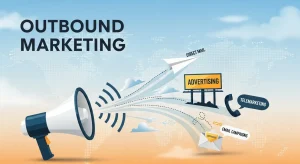
SaaS Outbound Marketing is a proactive approach where businesses reach out directly to potential customers through channels like cold email, LinkedIn, or phone calls. Unlike inbound marketing—which attracts leads through content—outbound focuses on targeted outreach to generate quick and measurable results. When done strategically, both methods complement each other to maximize brand reach and conversions.
2. Why is outbound marketing still relevant for SaaS businesses in 2026?
Despite the dominance of inbound strategies, outbound marketing remains essential because it enables SaaS brands to reach high-value prospects who may not actively be searching for solutions. With advanced personalization, data-driven targeting, and automation tools, outbound efforts now deliver more efficient results than ever.
3. What are the most effective outbound marketing methods for SaaS companies?
The best outbound marketing methods include cold emailing, LinkedIn prospecting, account-based marketing (ABM), and targeted ads. These methods work best when backed by clean data, strong messaging, and consistent follow-ups. For SaaS companies, integrating these channels with CRM and automation platforms helps create scalable, predictable lead pipelines.
4. How to build a proper marketing strategy for SaaS outbound campaigns?
Knowing how to build a proper marketing strategy starts with defining your Ideal Customer Profile (ICP), crafting buyer personas, and selecting the right outreach channels. For SaaS brands, it’s crucial to align sales and marketing teams, test multiple message variations, and use analytics to refine campaigns continuously. The goal is to balance automation with personalization for optimal engagement.
5. How does WhatsApp outbound marketing fit into a SaaS growth strategy?
WhatsApp outbound marketing is becoming a powerful channel for SaaS businesses aiming to reach prospects more personally. It allows for real-time engagement, faster responses, and a conversational tone that builds trust. Combined with email and LinkedIn outreach, WhatsApp can improve your multi-channel outbound marketing strategy and strengthen customer relationships.
6. What tools are essential for a successful SaaS Outbound Marketing campaign?
A well-structured SaaS Outbound Marketing campaign relies on tools like HubSpot or Salesforce for CRM, Outreach or Apollo for automation, and ZoomInfo for prospecting. Analytics tools such as Google Data Studio or Tableau help track results and optimize performance. These tools together create an efficient outbound marketing tech ecosystem.
7. How can personalization improve SaaS outbound marketing results?
Personalization ensures your outbound messages speak directly to each prospect’s pain points. Tailoring subject lines, using dynamic content, and referencing recent company activities can drastically increase response rates. In SaaS, customized demos and case studies help prospects see real value, accelerating the outbound marketing sales cycle.
8. What metrics should you track to measure outbound marketing success?
Track key performance indicators such as open rates, reply rates, booked meetings, and conversion rates. Beyond these, measure customer acquisition cost (CAC) and return on investment (ROI) to assess efficiency. For SaaS outbound marketing, analyzing pipeline velocity and lead quality is crucial for sustained growth.
9. How can outbound marketing and inbound marketing work together effectively?
Blending outbound and inbound marketing creates a balanced funnel. Outbound tactics bring in targeted leads quickly, while inbound content nurtures them over time. SaaS companies often use outbound to start conversations and inbound to provide education and long-term value—resulting in a smoother, more predictable customer journey.
10. What common mistakes should you avoid in SaaS outbound marketing?
Avoid sending generic messages, ignoring data quality, and failing to follow up consistently. Many campaigns fail because they lack clear targeting or a structured follow-up sequence. Successful outbound marketing relies on data-driven decision-making, consistent testing, and continuous optimization of your outreach process.
Learn more: The Advantages and Disadvantages of Outbound Marketing