How to Build a Product Promotion Funnel with Outbound Marketing Tactics
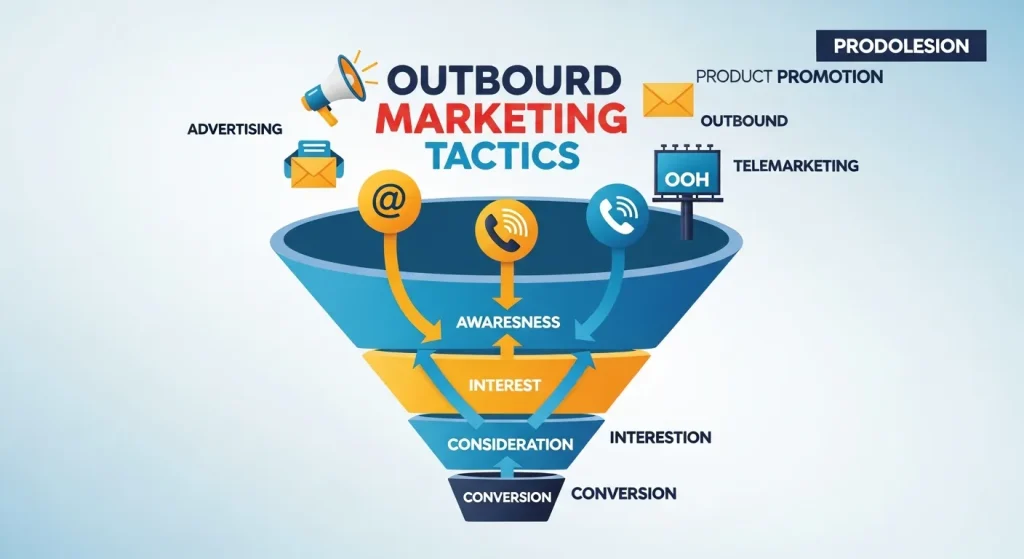
If you’re looking for a streamlined way to promote your product, generate leads, and drive conversions, a product promotion funnel fueled by outbound marketing tactics is the answer. A well-constructed funnel allows you to guide your prospects through the buyer’s journey, from awareness all the way to purchase, with strategy and efficiency.
This blog will walk you through the basics of outbound marketing, why it’s essential for building a product promotion funnel, and the step-by-step process to create one that works. Whether you’re launching a new product or looking to optimize your current strategy, this guide will provide actionable insights to supercharge your marketing efforts.
What Is Outbound Marketing and Why Does It Work?
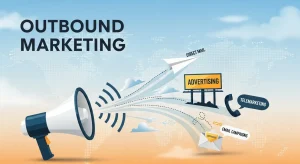
Outbound marketing, also known as “push marketing,” refers to proactively reaching out to potential customers to promote your product or service. It includes tactics like cold emails, direct mail, display ads, telemarketing, and social media outreach.
Why does it work? Outbound marketing allows you to target specific audience segments, ensure your message reaches them directly, and generate immediate results. It’s particularly effective for building a product promotion funnel because it enables you to:
- Boost brand awareness quickly
- Target leads who match your buyer persona
- Create measurable engagement through specific calls to action (CTAs)
When done right, outbound marketing not only accelerates lead generation but also ensures that you’re nurturing relationships with prospects effectively throughout the funnel.
The Anatomy of a Product Promotion Funnel
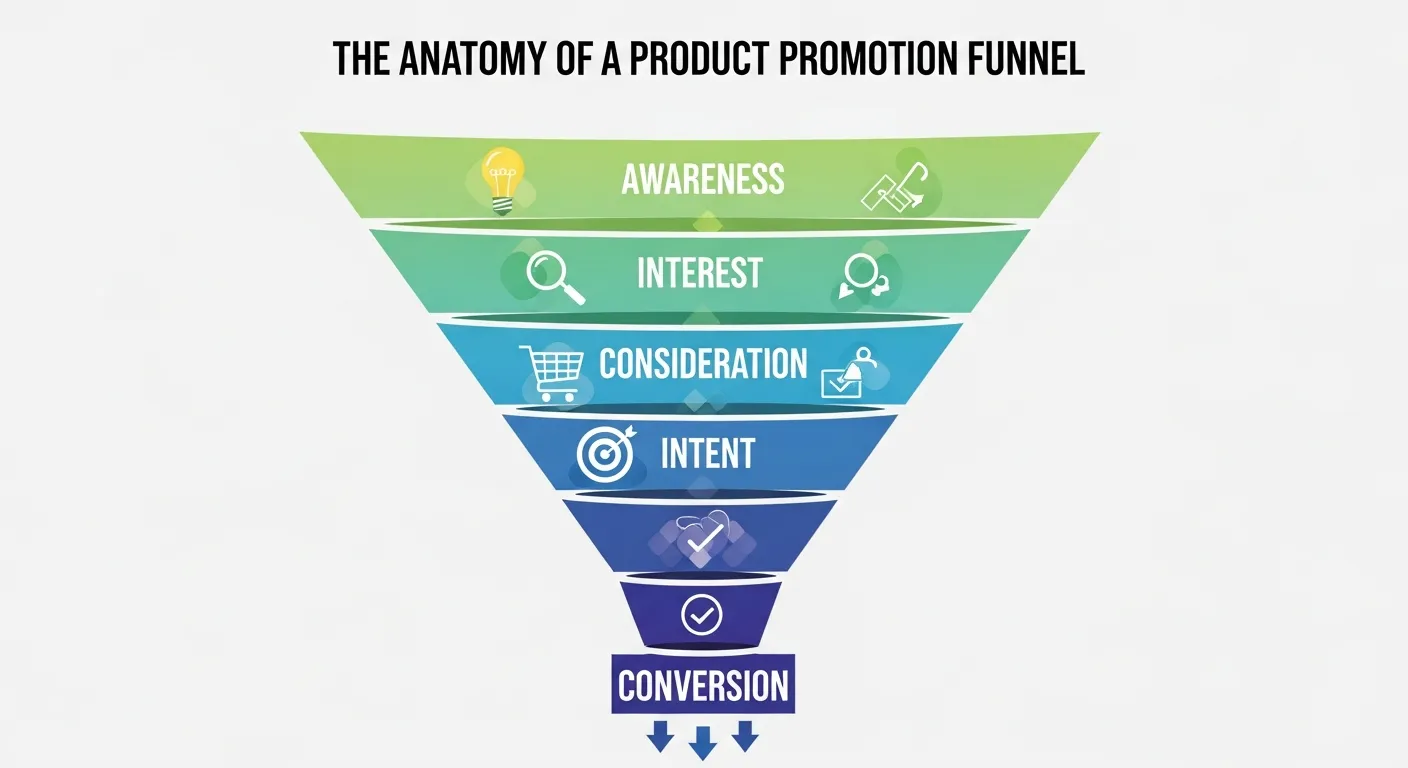
Before jumping into how outbound marketing integrates, it’s essential to understand the structure of a product promotion funnel. Most funnels consist of these key stages:
1. Awareness
At the top of the funnel, your primary goal is to create awareness and interest in your product. This is where you cast a wide net and educate your audience about your offering.
2. Consideration
During the middle of the funnel, prospects are evaluating your product and comparing it to competitors. Here, they’re looking for solutions to their specific problems or needs.
3. Decision
At the bottom of the funnel, your leads are ready to make a purchase decision. Your job here is to provide compelling reasons why choosing your product is the right decision.
Outbound marketing tactics can help drive prospects through every stage of this funnel, ensuring no potential customer is left behind.
Step-by-Step Guide to Building Your Funnel with Outbound Marketing
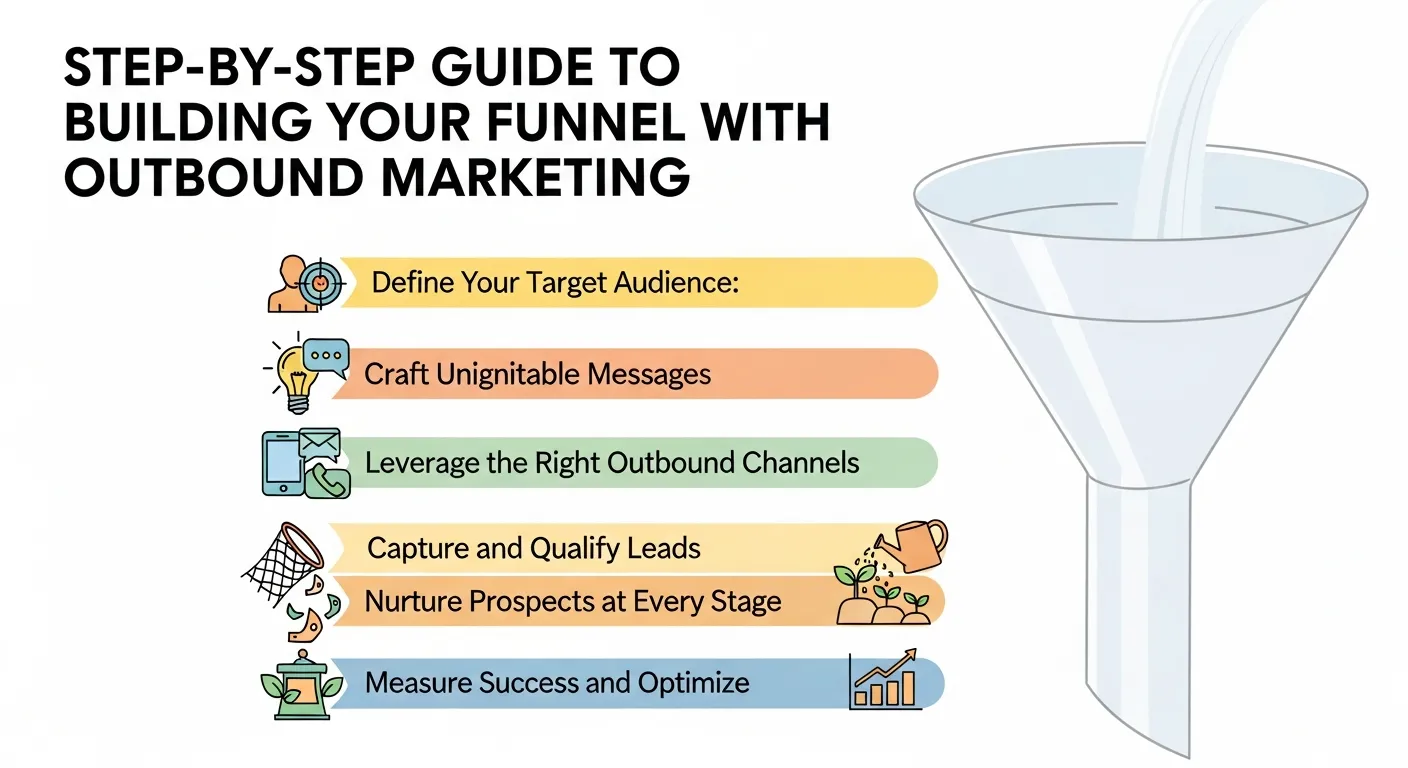
Step 1: Define Your Target Audience
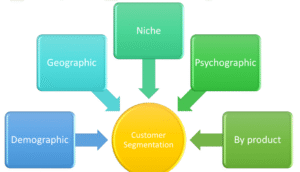
Before you can promote your product effectively, you need to know exactly who your audience is. Start by creating detailed buyer personas that include:
- Demographics (age, location, job title)
- Goals and pain points
- Purchasing behaviors
- Preferred communication channels
For outbound marketing, well-researched personas allow you to craft tailored messages that resonate with your audience and increase engagement rates.
Step 2: Craft Unignitable Messages
Your messaging is the backbone of any outbound marketing campaign. To grab attention and drive action, focus on:
- A compelling value proposition: What problem does your product solve, and why is it better than alternatives?
- Personalization: Speak directly to your audience’s needs. For instance, a cold email with a personalized subject line has a 26% higher open rate than generic emails.
- Urgency: Create a sense of urgency with limited-time offers or early-bird discounts.
Example:
Subject Line for Cold Email Campaign: “Struggling with [Specific Business Challenge]? We’ve Got You Covered.”
Step 3: Leverage the Right Outbound Channels
Different outbound channels serve different purposes throughout the funnel. Here’s how to leverage them effectively:
Top of the Funnel (Awareness)
- Cold Emails: Send brief, personalized introductions highlighting key benefits.
- Display Ads: Use eye-catching visuals and concise taglines on relevant platforms.
- Social Media Outreach: Engage with audiences on LinkedIn, Facebook, or Instagram to build awareness.
Middle of the Funnel (Consideration)
- Webinars and Demos: Invite leads to product demos or educational webinars.
- Nurture Email Sequences: Send content like case studies, testimonials, or in-depth guides.
- Remarketing Ads: Retarget site visitors with relevant content that aligns with their interests.
Bottom of the Funnel (Decision)
- Telemarketing: Personally follow up with warm leads and answer lingering questions.
- Exclusive Offers: Use outbound communication to promote time-sensitive discounts or bundled packages.
- Customer Success Stories: Distribute impactful testimonials or case studies via outbound email campaigns.
Step 4: Capture and Qualify Leads
To manage and organize leads generated through outbound efforts, you need a reliable system to capture and qualify them. Use tools like a CRM (Customer Relationship Management) platform to:
- Collect contact information via email sign-ups, demo requests, or webinar registrations.
- Assign scores to leads based on engagement, making it easier to identify high-quality prospects.
- Segment leads into categories (e.g., cold, warm, hot) to fine-tune your approach.
Step 5: Nurture Prospects at Every Stage
A successful product promotion funnel isn’t just about initial interactions; it’s about continuous nurturing. Here are strategies to stay top-of-mind:
- Regularly send newsletters or updates, using insights from your CRM to tailor content.
- Use automated email sequences to deliver relevant resources based on the lead’s funnel stage.
- Include CTAs in every interaction, urging leads to take the next logical step (e.g., “Book a free demo today!”).
Step 6: Measure Success and Optimize
To ensure ongoing success, consistently track the performance of your outbound campaigns. Key metrics include:
- Click-through rate (CTR): How many people interacted with your email or ad?
- Conversion rate: The number of leads that moved to the next funnel stage.
- Lead-to-customer ratio: The percentage of leads that converted to customers.
Analyze the data, test different tactics, and refine your campaigns regularly for improved results.
Integrating Programmatic Advertising into Outbound Funnels
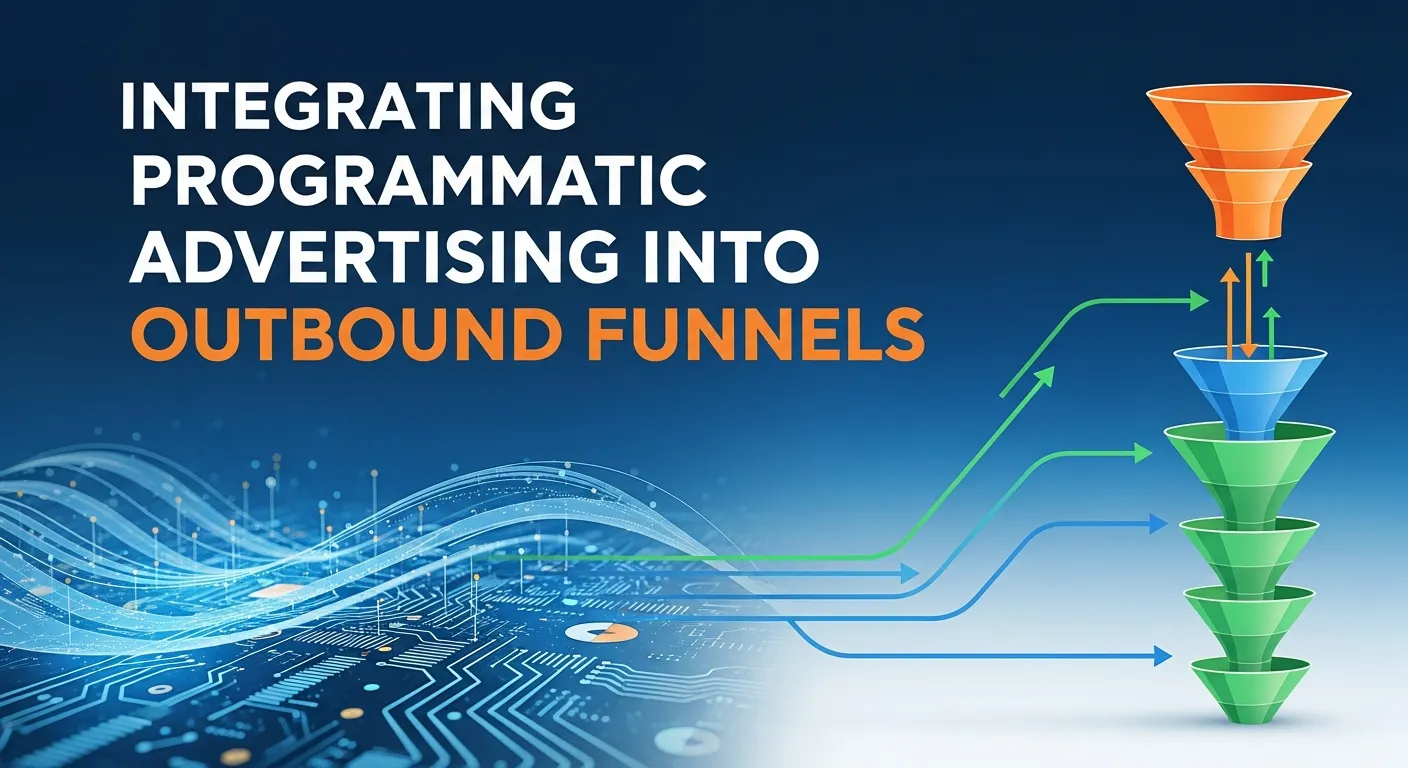
Modern outbound marketing is evolving — and one of the most powerful advancements driving this transformation is programmatic advertising of audience targeting. When applied strategically, it can dramatically enhance your Product Promotion Funnel, ensuring that every stage — from awareness to decision — operates with precision and efficiency.
Traditional outbound campaigns often relied on manual targeting and guesswork. With programmatic technology, marketers can now use AI-driven systems to analyze user behavior, demographics, and engagement patterns. This data-driven intelligence makes your Product Promotion Funnel not only smarter but also faster and more cost-effective.
How Programmatic Advertising Elevates Your Product Promotion Funnel
- Precision Targeting: Identify and engage audiences most likely to convert based on browsing history, intent, and behavior.
- Cost Efficiency: Automate bidding so your ads appear only where ROI potential is high, optimizing every dollar spent in your funnel.
- Scalable Personalization: Deliver customized messages aligned with the stage of your Product Promotion Funnel — from creating awareness to driving purchase decisions.
- Cross-Channel Consistency: Maintain brand continuity across display, video, and social channels for a unified experience.
| Funnel Stage | Programmatic Ad Example | Key Metric |
|---|---|---|
| Awareness | Video Ads on YouTube or OTT platforms | View-Through Rate |
| Consideration | Dynamic Display Ads on Industry Websites | Click-Through Rate |
| Decision | Retargeting Ads with Personalized Offers | Conversion Rate |
By combining programmatic advertising of audience targeting with outbound campaigns, businesses can move prospects seamlessly through their Product Promotion Funnel while collecting actionable insights. Every impression becomes a measurable step toward conversion — amplifying reach, engagement, and revenue potential.
Enhancing Funnel Efficiency with Outbound Digital Marketing
In today’s data-driven landscape, combining traditional outreach with digital innovation is key to a high-performing Product Promotion Funnel. This powerful blend, known as outbound digital marketing, merges proactive outreach with automation and analytics to build measurable, scalable campaigns.
Unlike inbound marketing, which waits for prospects to come to you, outbound digital marketing pushes your brand directly in front of your target audience — using digital channels like email, display advertising, and social engagement. This approach enables you to guide potential customers through each stage of your Product Promotion Funnel with accuracy and relevance.
Core Components of Digital Outbound Marketing
- Email Automation: Deliver personalized messages that nurture leads from awareness to decision.
- Social Selling: Build relationships on platforms like LinkedIn and X (Twitter) through genuine, value-driven engagement.
- Ad Retargeting: Reconnect with website visitors and remind them to take the next step in your funnel.
- CRM Integration: Centralize lead data to personalize and optimize every campaign touchpoint.
Benefits of Outbound Digital Marketing for Product Promotion Funnels
| Benefit | Description |
|---|---|
| Speed | Instantly reach targeted audiences across multiple digital platforms |
| Analytics | Gain real-time insights to refine messaging and offers |
| Integration | Sync with CRM tools for unified tracking |
| Personalization | Deliver messages aligned with each funnel stage |
When applied effectively, outbound digital marketing bridges the awareness-to-conversion gap by combining automation, analytics, and engagement. Every click, impression, or reply becomes a measurable action that pushes leads deeper into your Product Promotion Funnel, ensuring higher conversion rates and stronger ROI.
Strengthening Conversions Through Outbound Lead Generation
A thriving Product Promotion Funnel relies on one crucial element — a steady stream of qualified leads. That’s where outbound lead generation comes into play. Unlike inbound methods that wait for prospects to find you, outbound lead generation empowers marketers to proactively identify, engage, and nurture high-value prospects through personalized outreach.
An effective outbound lead generation system keeps your Product Promotion Funnel consistently filled with opportunities. By using advanced targeting, personalized email sequences, and data-driven insights, businesses can build predictable growth pipelines and reduce dependence on passive inbound flow.
Top Outbound Lead Generation Techniques
- Cold Email Outreach: Craft data-backed, hyper-personalized messages that address real pain points.
- Content Syndication: Publish your blogs, eBooks, or webinars on partner platforms to expand reach.
- Data Enrichment Tools: Identify high-intent prospects and update CRM data automatically for better segmentation.
- Sales Enablement Automation: Arm your team with scripts, templates, and engagement analytics to increase close rates.
Lead Quality Comparison in Product Promotion Funnels
| Lead Type | Source | Conversion Probability |
|---|---|---|
| Cold Lead | Purchased List | Low |
| Warm Lead | Targeted Outbound Campaign | Moderate |
| Hot Lead | Personalized Multi-Channel Outreach | High |
The success of your Product Promotion Funnel depends on consistency and conversion quality. By combining personalization with automation, outbound lead generation helps transform cold prospects into warm opportunities — driving more sales-ready leads while keeping your funnel optimized for long-term growth.
Outbound Marketing Success in Action
To illustrate outbound marketing in practice, consider the following example:
A SaaS company launching a task management tool used outbound cold email marketing to target project managers in small businesses. The emails highlighted how the tool could save time and included testimonials from similar companies. They followed up with a personalized demo invite for interested leads. The result? A 40% boost in sign-ups within two months, with 20% converting into paying customers. A good product may sell itself — but with a well-built product promotion funnel powered by outbound marketing, it sells faster, smarter, and to the right audience.
The key takeaway? Outbound marketing works when executed with precision and intent.
Bring Your Product Promotion Funnel to Life
Outbound marketing, when paired with a strategically designed funnel, can transform how you promote your product and engage with potential customers. By casting a wide net to build awareness, nurturing leads effectively, and tracking data for continuous improvement, you’ll create a system that keeps working for you.
Looking for a tool to amplify your outbound efforts? Try Outwrite for optimized content that resonates with your audience. From crafting punchy email subject lines to enhancing ad copy, Outwrite equips you with the AI-powered writing assistant you need to turn prospects into loyal customers.
Frequently Asked Questions (FAQ): Product Promotion Funnel & Outbound Marketing
1. What is a Product Promotion Funnel, and why is it important?
A Product Promotion Funnel is a step-by-step framework that guides potential customers from initial awareness of your product to final purchase. It’s important because it helps marketers visualize the buyer’s journey, optimize messaging at each stage, and ensure consistent engagement through structured outbound marketing tactics. A well-designed funnel not only increases conversions but also improves brand trust and customer retention.
2. How does outbound marketing contribute to building a Product Promotion Funnel?
Outbound marketing plays a key role in creating awareness and generating leads at the top of the funnel. Through tactics like cold emails, targeted ads, and telemarketing, you can proactively reach audiences who haven’t yet discovered your brand. Outbound efforts push your message into the market, accelerating visibility and helping you capture high-quality leads who can then be nurtured through the funnel.
3. What are the main stages of a Product Promotion Funnel?
A typical Product Promotion Funnel consists of three main stages:
- Awareness: Educate and inform potential customers about your product.
- Consideration: Nurture leads by showcasing value, testimonials, and comparisons.
- Decision: Encourage purchase through offers, demos, or personalized outreach.
Outbound marketing supports each stage with targeted content and communication channels designed to move prospects closer to conversion.
4. How can programmatic advertising improve outbound marketing performance?
Programmatic advertising of audience targeting enhances outbound marketing by using automation and AI to deliver the right message to the right audience in real time. It enables precise targeting based on demographics, behaviors, and purchase intent. This technology makes your Product Promotion Funnel more efficient by reducing ad waste, improving personalization, and driving measurable results across multiple platforms.
5. What are the best outbound marketing channels for promoting a product?
The best outbound marketing channels for promoting a product include:
- Cold Email Campaigns: Direct outreach with personalized offers.
- Social Media Outreach: LinkedIn and X (Twitter) for B2B engagement.
- Programmatic Display Ads: Automated targeting for awareness and retargeting.
- Telemarketing: Direct conversations with decision-makers.
- Direct Mail or Event Invitations: For personalized, high-impact connections.
Each channel supports a different stage of the Product Promotion Funnel, ensuring your outreach remains consistent and effective.
6. How does outbound digital marketing differ from traditional outbound methods?
Outbound digital marketing integrates traditional outreach methods with modern digital tools. While traditional outbound marketing relies on calls, mail, or print, digital outbound uses channels like automated emails, social ads, and data tracking. The advantage is measurability — you can track every interaction, analyze behavior, and adjust your funnel strategy based on real-time performance.
7. What role does outbound lead generation play in a Product Promotion Funnel?
Outbound lead generation is the foundation of a successful Product Promotion Funnel. It ensures your funnel stays full by proactively finding and engaging potential customers. Through strategies like targeted email campaigns, data enrichment, and LinkedIn prospecting, outbound lead generation helps identify qualified leads and move them smoothly through the funnel stages, from awareness to conversion.
8. How do I measure the success of my outbound marketing funnel?
To evaluate the success of your Product Promotion Funnel, monitor key performance metrics such as:
- Click-Through Rate (CTR): Engagement with your outbound messages.
- Conversion Rate: Percentage of leads who take desired actions.
- Lead-to-Customer Ratio: Efficiency of converting leads into paying customers.
- Customer Acquisition Cost (CAC): The cost of acquiring one new customer.
Analyzing these KPIs helps you identify weak points and continuously optimize your funnel for better ROI.
9. Can outbound marketing and inbound marketing work together?
Absolutely. Combining inbound and outbound marketing creates a balanced strategy. Inbound marketing attracts leads organically through valuable content, while outbound marketing accelerates awareness and lead generation by directly reaching prospects. Together, they create a holistic Product Promotion Funnel that captures both active and passive buyers, maximizing overall growth potential.
10. What are common mistakes to avoid when building a Product Promotion Funnel with outbound tactics?
Some of the most common mistakes include:
- Overly generic messaging: Sending non-personalized emails or ads.
- Ignoring data: Not tracking or analyzing campaign performance.
- Neglecting follow-up: Failing to nurture leads consistently.
- Poor segmentation: Targeting the wrong audience or funnel stage.
Avoiding these pitfalls ensures your Product Promotion Funnel remains efficient, targeted, and aligned with your business goals.
Learn more about: What is Outdoor Advertising? A Complete Guide for Marketers