Is PPC Outbound Marketing? A Comprehensive Guide
PPC (Pay-Per-Click) advertising blends outbound and inbound marketing. While it proactively reaches target audiences like outbound tactics, it also attracts interested users searching online. This guide explains PPC outbound marketing dual nature, benefits, strategies, and how it drives visibility, leads, and measurable ROI.
Pay-per-click advertising (PPC) has been a staple of digital marketing strategies for years. Its effectiveness in driving immediate results makes it a favorite among marketers. However, one long-standing question remains: Is PPC considered outbound marketing, or does it fit better within the inbound marketing framework? Understanding where PPC falls can help businesses utilize it more effectively in their campaigns.
This article explores PPC through the lens of outbound marketing. You’ll learn how PPC aligns with outbound strategies, how it blurs the line with inbound, and how you can leverage PPC to maximize the impact of your campaigns.
What Is Outbound Marketing?
To determine whether PPC counts as outbound marketing, it’s essential to understand what outbound marketing is.
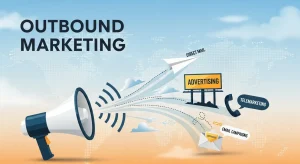
Outbound marketing, often referred to as “traditional marketing,” involves reaching out to a broad audience with content or messaging. Instead of waiting for people to discover your brand, outbound strategies actively push your message to potential customers. Common examples include TV ads, billboards, cold calling, direct mail campaigns, and email blasts.
Key characteristics of outbound marketing include:
- Proactive outreach: Brands initiate contact with the audience.
- Broad targeting: Audiences are often not segmented with precise filters.
- Less permission-based: Ads or messages are delivered regardless of whether the recipient has explicitly expressed interest.
What Is PPC Marketing?
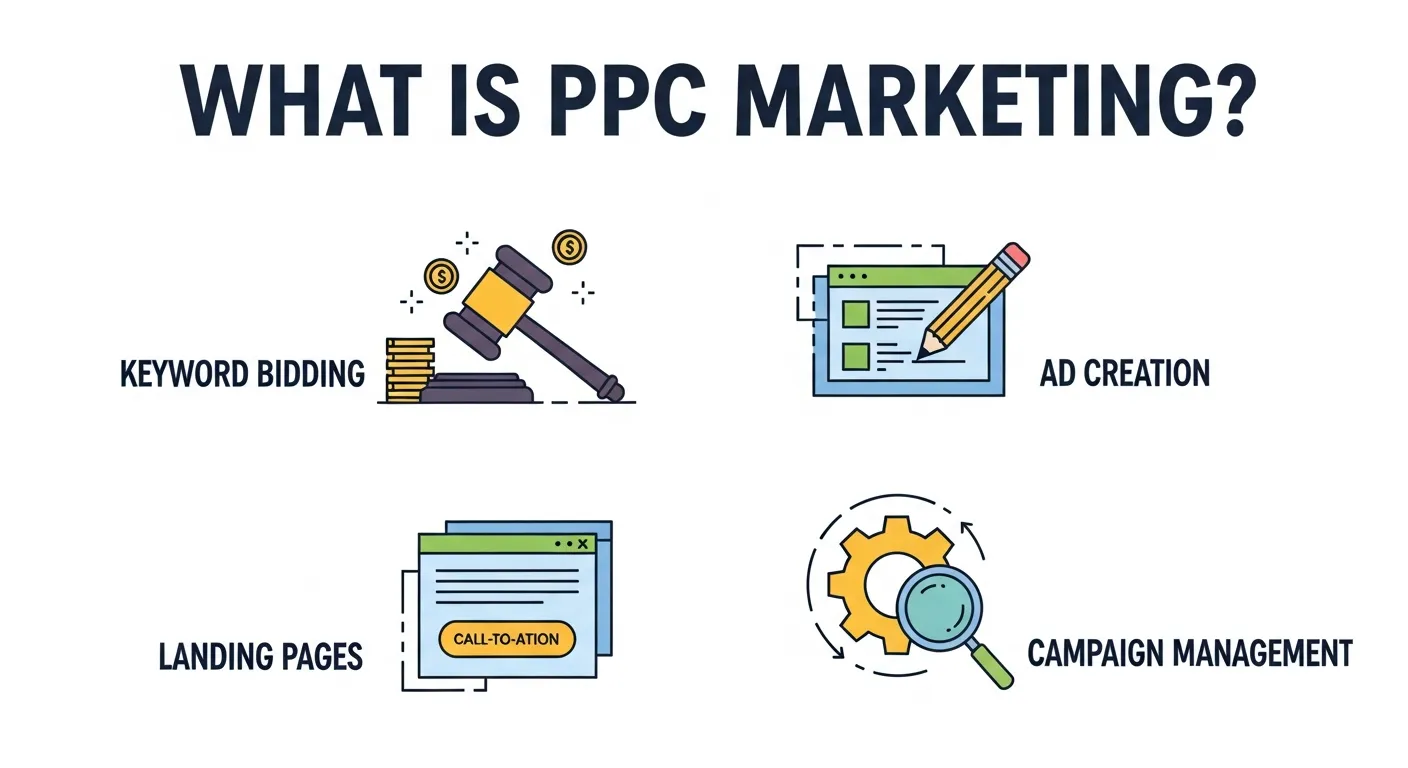
Pay-per-click advertising, or PPC, is a form of online advertising in which advertisers pay a fee each time their ad is clicked. It allows businesses to bid on ad placement in search engines, social media platforms, or other websites. Common PPC platforms include Google Ads, Facebook Ads, and Bing Ads.
PPC ads generally appear at the top of search engine results pages (SERPs) or are shown as display ads on partnered websites. Here’s how PPC works in a nutshell:
- Businesses choose keywords or audience demographics to target.
- They bid on ad placements, competing against other advertisers.
- Ads are shown to users based on the chosen criteria.
- Advertisers pay only when someone clicks on the ad.
The granular targeting and cost-effectiveness of PPC make it an appealing choice for marketers across industries.
Reasons PPC Is Considered Outbound Marketing
PPC can often be classified as outbound marketing because many of its features align with traditional outbound strategies. Here’s why:
1. Proactive Targeting
PPC actively pushes ads to users, especially in display and social media advertising formats. Unlike inbound tactics, such as creating blog posts or organic SEO content, PPC doesn’t wait for prospects to find you. Instead, you’re paying to place your message in front of them.
For instance, a Google Display Ad for your product might appear on a website that users are browsing, even if they weren’t specifically searching for your product beforehand.
2. Message First, Interest Later
Much like outbound marketing, PPC connects with individuals who may not have heard of your business before or shown prior interest. For example, social media ads targeting users based solely on broad demographic data would fit the outbound model. You’re sending a message to an audience in the hopes of sparking their interest.
3. Interruptive by Nature
Outbound marketing methods are often interruptive, and PPC ads share this characteristic. Display ads, for instance, pop up on websites or apps, drawing attention away from what users are doing. Similarly, search ads appear at the top of SERPs and can be seen as interrupting the organic search process.
Blurring the Lines Between PPC and Inbound Marketing
While PPC often resembles outbound marketing, it also overlaps with inbound marketing in several key areas. This dual nature of PPC blurs the lines between the two approaches.
1. Search Ads and User Intent
Search ads (a major component of PPC) are heavily intent-driven. This aligns with inbound marketing principles, which are all about meeting users at the right moment in their buyer’s journey. When someone types in a query like “best noise-canceling headphones,” your PPC ad appears because it matches their search intent.
Unlike outbound tactics, which target individuals regardless of their interest, search ads interact with users who are actively looking for products, services, or solutions.
2. Targeting Precision
Modern PPC platforms offer highly precise targeting options. For example, you can show ads based on search keywords, location, age, or past interactions with your brand. This personalization mirrors the inbound ethos of delivering value to an audience based on their needs and behaviors.
3. Permission-Based Advertising
Remarketing is another inbound-leaning feature of PPC. For instance, if someone visits your website but doesn’t make a purchase, a remarketing ad can re-engage them on social media or other platforms they browse. Remarketing focuses on users who have already expressed a level of interest, making it permission-based and therefore closer to inbound marketing.
The Role of PPC in Integrated Digital Campaigns

In today’s fast-paced marketing ecosystem, PPC advertising doesn’t operate in isolation — it thrives as part of a cohesive, multi-channel strategy. When executed alongside SEO, web development, and email marketing, PPC becomes far more than a paid ad tool — it becomes the heartbeat of a synchronized growth engine.
Combining web development your seo ppc and email marketing creates a seamless user experience from the first click to the final conversion. This integration ensures every digital touchpoint — whether it’s a search ad, landing page, or follow-up email — reinforces brand consistency and trust.
Why Integration Matters in Modern Marketing
Consumers no longer follow a linear buying path. They might discover your brand through a PPC ad, research via organic search, and convert after reading an email offer. By aligning these touchpoints, businesses create a continuous, cohesive journey that improves both engagement and conversion rates.
Key Benefits of Integrating PPC with Other Channels:
- Unified Customer Experience Across Channels
When your PPC messaging aligns with your SEO content, website design, and email campaigns, users experience a consistent story — which builds credibility and brand recall. - Better Performance Tracking and Attribution
Integrating PPC with analytics tools and CRM systems provides a 360° view of customer interactions, helping you understand how each channel contributes to conversions. - Improved Conversion Rates Through Consistent Messaging
Cohesive branding across ads, landing pages, and emails ensures your audience receives relevant, timely information — significantly boosting conversion potential. - Faster Feedback Loop for Optimization
PPC delivers instant performance data that can inform SEO keyword targeting, landing page improvements, and email segmentation strategies.
Cross-Channel Integration Framework
| Channel | Role in Conversion Funnel | Integration with PPC | Key Outcome |
|---|---|---|---|
| SEO | Builds long-term organic visibility | Shares keyword insights and SERP data with PPC campaigns | Reduces CPC by improving ad relevance and quality scores |
| Email Marketing | Nurtures leads post-click | Retargets PPC visitors with personalized follow-up offers | Increases lifetime customer value through re-engagement |
| Web Development | Enhances landing page experience | Ensures fast load times, mobile optimization, and ad-to-page consistency | Boosts Quality Score and conversion rates |
| Content Marketing | Educates and attracts audiences | Supports PPC ads with valuable content offers (guides, blogs, videos) | Builds trust and authority through value-driven campaigns |
| Social Media Ads | Builds awareness and retargets prospects | Reinforces PPC messaging visually across platforms | Strengthens omnichannel engagement |
How Integration Amplifies PPC Outbound Marketing
While PPC outbound marketing is proactive by nature — reaching audiences before they search organically — its true potential is unlocked when it supports and is supported by inbound channels.
- PPC drives immediate visibility, generating qualified traffic.
- SEO sustains long-term discoverability by targeting similar high-performing keywords.
- Web development ensures a frictionless user experience that retains paid traffic.
- Email marketing nurtures ongoing relationships, converting one-time clicks into loyal customers.
Together, these elements form a conversion ecosystem — where data, design, and strategy converge to create scalable growth.
Best Practices for Integrating PPC into a Unified Strategy
- Align Messaging Across Channels: Use consistent tone, visuals, and calls to action across ads, landing pages, and emails.
- Share Data Between Teams: Let PPC data inform SEO keyword strategy and vice versa.
- Prioritize User Experience: Ensure that every ad click leads to a fast-loading, mobile-friendly page optimized for conversions.
- Leverage Automation Tools: Use CRM integration and marketing automation to streamline remarketing and follow-up workflows.
- Continuously Test and Optimize: Apply insights from PPC campaigns to refine SEO content, design layouts, and email timing.
When properly integrated, PPC transforms from a standalone tactic into a strategic hub that fuels all other marketing channels. By connecting the dots between SEO, web design, and email outreach, businesses can turn each paid click into a meaningful interaction — driving sustained growth, stronger brand recognition, and higher ROI.
Data-Driven PPC and Smart Bidding Optimization

Modern PPC success is no longer about manual bid tweaks or guesswork — it thrives on automation, machine learning, and data-driven insights. Platforms like Google Ads and Microsoft Advertising now use advanced algorithms such as smart bidding in sem data driven ppc success to automatically optimize campaigns for conversions and revenue. These systems analyze billions of data points in real time, adjusting bids for every auction to deliver maximum ROI.
By leveraging smart bidding, marketers can elevate PPC outbound marketing from reactive ad management to predictive performance optimization — ensuring that every dollar spent targets the right user, at the right time, with the right message.
How Smart Bidding Works
Smart bidding uses artificial intelligence to analyze signals such as device, location, time, language, and user intent. Instead of manually adjusting bids, algorithms make split-second decisions based on patterns in performance data. Over time, this machine learning process continuously refines bids to maximize conversions while minimizing wasted spend.
Key Inputs for Smart Bidding Systems:
-
User behavior patterns: Searches, clicks, and past interactions
-
Contextual signals: Device type, location, and time of day
-
Conversion data: Historical outcomes that inform predictive modeling
-
Competitor insights: Real-time auction data to stay competitive
Advantages of Smart Bidding in PPC
- Real-Time Optimization
AI adjusts bids for every auction, ensuring you capture high-value traffic without overspending. - Enhanced Performance Predictions
Algorithms use historical and live data to predict which clicks are most likely to convert, improving ROI. - Scalability with Less Manual Effort
Smart bidding reduces the need for constant human monitoring, freeing up marketers to focus on strategy and creative optimization. - Cross-Channel Consistency
Integrating smart bidding with display, video, and shopping campaigns ensures cohesive performance across all digital touchpoints.
Smart Bidding Strategies Comparison
| Bidding Strategy | Best For | Data Used | Core Objective |
|---|---|---|---|
| Target CPA (Cost Per Acquisition) | Cost control | Conversion history | Achieve conversions at a set average cost |
| Target ROAS (Return on Ad Spend) | Revenue optimization | Value-based metrics | Maximize return from every ad dollar |
| Maximize Conversions | Lead generation | Click and conversion data | Drive the highest number of conversions within budget |
| Maximize Conversion Value | High-value sales | Transaction value data | Prioritize conversions that yield higher profit margins |
| Enhanced CPC (eCPC) | Balanced automation | Manual + AI data | Adjust manual bids with AI assistance for better performance |
Making Smart Bidding Work for You
To fully harness the potential of smart bidding, businesses should combine automation with strategic oversight. While AI handles optimization, marketers must still monitor performance trends and refine creative assets to ensure alignment with campaign goals.
Best Practices for Smart Bidding Success:
- Feed the system with accurate conversion tracking for reliable learning.
- Allow algorithms sufficient learning periods (at least 2–3 weeks) before making major changes.
- Segment campaigns by device, geography, or intent to refine bid logic.
- Pair smart bidding with high-quality ad copy and landing pages to enhance conversion rates.
- Continuously review performance insights to identify opportunities for creative and keyword optimization.
The Future of Smart Bidding in PPC Outbound Marketing
As AI continues to evolve, smart bidding will become more predictive and autonomous — integrating deeper with CRM data, website analytics, and customer journeys. For brands focused on PPC outbound marketing, this means they can proactively reach audiences with precision, optimize spend dynamically, and turn every campaign into a data-driven growth engine.
By embracing the synergy between automation and strategy, marketers can transform traditional outbound efforts into intelligent, ROI-driven campaigns that adapt, learn, and deliver results at scale.
PPC and Affiliate Marketing Synergy

In the ever-evolving world of digital advertising, combining PPC and affiliate marketing can unlock powerful new growth opportunities. This hybrid model blends the scalability of paid advertising with the performance-based accountability of affiliate programs. By leveraging pay per click affiliate marketing guide insights, businesses can create mutually beneficial partnerships that drive conversions while optimizing ad spend efficiency.
Affiliate marketers typically promote products or services using their own channels—blogs, niche websites, or social media. When these affiliates incorporate PPC outbound marketing tactics, such as Google Ads or Facebook Ads, they can reach a broader audience while maintaining cost control through performance-based payments. This approach helps brands extend their market reach without significantly increasing their advertising budgets.
Why PPC and Affiliate Marketing Work Well Together
- Shared Performance Goals
Both PPC and affiliate marketing focus on measurable outcomes—clicks, conversions, and sales. This shared accountability ensures that every campaign dollar is tied to performance, not just impressions. - Scalable Reach Without Upfront Risk
Affiliates invest their own time and sometimes money into PPC ads. Brands only pay commissions when results are achieved, allowing for low-risk expansion into new markets. - Diversified Audience Targeting
Affiliates often operate within specific niches, helping brands connect with highly targeted audiences that traditional PPC campaigns might overlook. - Data-Driven Optimization
Through combined analytics, brands gain deeper insights into which ad creatives, keywords, and audiences perform best—informing both affiliate and in-house PPC strategies.
Advantages of PPC–Affiliate Collaboration
- Expands reach with minimal upfront cost
- Leverages affiliates’ niche audiences for precise targeting
- Improves brand exposure through collaborative advertising efforts
- Reduces campaign management workload by distributing responsibility
- Encourages innovation, as affiliates test creative strategies to outperform competitors
Comparison of PPC Collaboration Models
| Model | Who Runs PPC Ads | Cost Basis | Ideal For | Key Benefit |
|---|---|---|---|---|
| Direct PPC | Brand | Per click | Businesses with established ad budgets | Full control over targeting and messaging |
| Affiliate PPC | Affiliate partners | Commission | Performance-based marketing | Expands reach through external partners |
| Hybrid Model | Shared responsibility | CPC + commission | Scalable multi-channel promotion | Balances control with affiliate innovation |
Building a Successful PPC–Affiliate Framework
To maximize results, brands and affiliates should align strategies around transparency, data sharing, and clear ROI expectations.
Best Practices:
- Define clear PPC policies to avoid brand keyword conflicts.
- Share conversion tracking data for accurate performance reporting.
- Set tiered commission structures that reward high-performing affiliates.
- Provide creative assets, keyword lists, and brand guidelines to maintain consistency.
- Use attribution models to ensure fair compensation between PPC and affiliate efforts.
By fusing the power of PPC with the scalability of affiliate marketing, businesses create a performance-driven ecosystem that enhances both outreach and profitability. This integrated approach exemplifies how PPC outbound marketing continues to evolve—transforming paid campaigns into long-term growth engines powered by collaboration and data.
Leveraging PPC for Both Outbound and Inbound Strategies
Understanding that PPC can function as both outbound and inbound marketing allows businesses to maximize its potential. Here’s how you can use it for both approaches.
Outbound Strategies
- Use display and video ads to introduce your brand to new audiences who may not know about your products.
- Run broad targeting campaigns that appeal to general demographics to build awareness.
- Implement impression-based campaigns for branding purposes, even if users don’t click on your ad.
Inbound Strategies
- Focus on search ads with intent-driven keywords to capture users actively searching for your offerings.
- Set up remarketing campaigns to engage people who’ve interacted with your website or content.
- Pair PPC with inbound content like blogs, guides, and videos to drive clicks to valuable resources.
Is PPC Right for Your Business?
Whether you consider PPC outbound or inbound marketing, it’s clear that it remains a powerful tool for driving results. By understanding how PPC fits into your broader marketing strategy, you can design campaigns that align with your audience’s needs while supporting your business goals.
If your campaigns rely heavily on proactive outreach or brand awareness, PPC can serve as an effective outbound tactic. On the other hand, if your goal is to capture search intent or nurture leads, it blends well with inbound strategies.
Frequently Asked Questions About PPC Outbound Marketing
1. Is PPC considered outbound or inbound marketing?
PPC can function as both, depending on how it’s used. When ads proactively reach audiences who haven’t yet searched for your brand, PPC acts as outbound marketing. However, when targeting users with intent-driven keywords (like “buy running shoes online”), it aligns with inbound strategies. In essence, ppc marketing inbound or outbound strategy depends on your campaign setup and audience intent.
2. Why is PPC often associated with outbound marketing?
PPC advertising is proactive — you’re paying to display your message in front of people whether or not they were searching for you. This direct outreach, especially through display and video ads, mirrors traditional outbound methods like TV commercials or direct mail. It’s about initiating engagement rather than waiting for it.
3. How does PPC complement other outbound marketing channels?
PPC (pay per click) complements outbound channels like email, social media ads, and video campaigns by amplifying visibility. While outbound campaigns generate awareness, PPC (pay per click) ensures precise targeting, measurable performance, and instant scalability. Integrating outbound digital marketing with PPC enables businesses to maintain consistent messaging while reaching the right audience at the right time.
4. What is the appropriate goal for outbound marketing using PPC?
An appropriate goal for outbound marketing through PPC (pay per click) could be brand awareness, audience expansion, or top-of-funnel engagement. Instead of focusing solely on conversions, outbound PPC aims to create familiarity, spark interest, and drive early interactions that later convert through inbound nurturing.
5. How does smart bidding improve outbound PPC performance?
Smart bidding uses AI and machine learning to optimize bids automatically. It identifies when and where your ads perform best, helping you reach potential customers with high conversion likelihood. For outbound PPC, smart bidding ensures that proactive campaigns remain cost-efficient and effective in generating awareness.
6. Can PPC outbound marketing generate leads, or is it only for awareness?
PPC (pay per click) outbound campaigns can achieve both awareness and lead generation. While initial ads may target broader audiences, remarketing strategies can later re-engage interested visitors. This layered approach turns early outreach into qualified leads, ensuring both reach and ROI are maximized.
7. What’s the difference between outbound PPC and inbound PPC?
Outbound PPC (pay per click) focuses on proactive audience targeting — like display, YouTube, or social media ads — where users may not yet express purchase intent. Inbound PPC (pay per click), on the other hand, captures users actively searching for solutions. Both approaches complement each other when combined in a full-funnel marketing strategy.
8. How does web development influence PPC outbound marketing success?
Your landing pages play a vital role in converting PPC (pay per click) traffic. Well-optimized pages that load fast, match ad intent, and deliver value reduce bounce rates and increase conversions. Pairing PPC with web development your seo ppc and email marketing ensures a smooth, high-converting customer journey across all touchpoints.
9. How do I measure success in PPC (pay per click) outbound campaigns?
Success can be tracked through metrics like impressions, click-through rates, engagement, and assisted conversions. While inbound PPC (pay per click) often measures direct conversions, outbound PPC emphasizes visibility, engagement quality, and cost per thousand impressions (CPM). Evaluating performance across multiple touchpoints ensures a clearer view of campaign effectiveness.
10. How can I integrate PPC with other digital marketing strategies for maximum impact?
The key to maximizing PPC’s potential lies in integration. Combining SEO for organic growth, social media for engagement, and email marketing for nurturing creates a multi-channel ecosystem. PPC drives initial visibility, SEO sustains long-term reach, and email maintains customer relationships — resulting in a powerful blend of outbound digital marketing and inbound growth strategies.
You can learn more about: PPC Marketing: Inbound or Outbound Strategy?