Inbound vs Outbound Marketing: Which Strategy Is Right for Your Business?
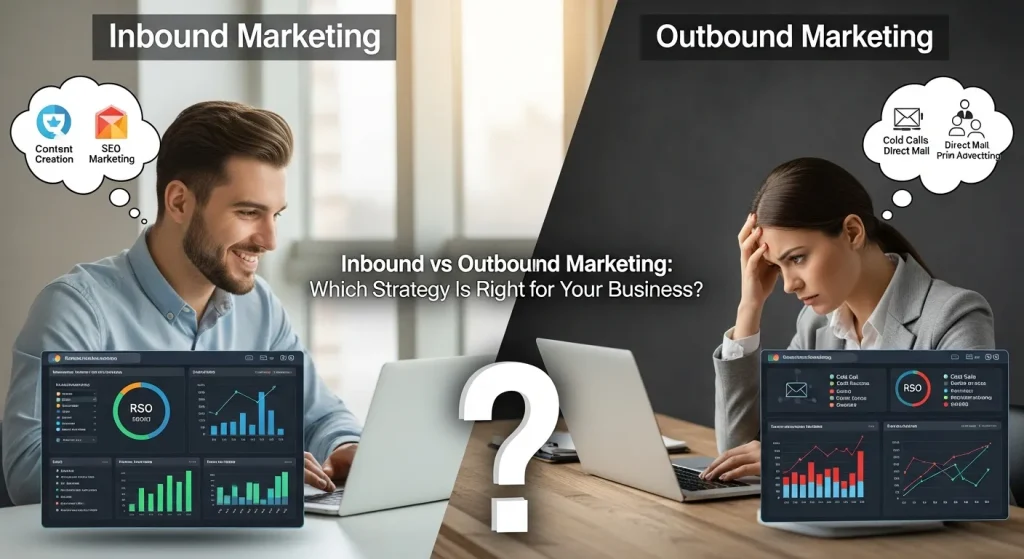
In today’s rapidly changing digital landscape, businesses face an essential question: which marketing approach delivers better results — inbound vs outbound marketing? The answer isn’t as straightforward as it might seem. Both strategies have distinct strengths, goals, and impacts on brand growth, customer engagement, and ROI.
Understanding the nuances of inbound vs outbound marketing helps you align your marketing efforts with customer psychology, intent, and behavior. This guide explores both strategies in depth, how they intersect with modern technologies like voice search, augmented reality, and SEM, and ultimately, how to choose the one that suits your business best.
Understanding Inbound Marketing
Inbound marketing focuses on attracting potential customers through valuable content, SEO, and organic engagement. Rather than reaching out to audiences, this strategy draws them in by offering relevant and helpful information that solves their problems or fulfills their interests.
Core Principles of Inbound Marketing
- Content Creation – Creating blogs, videos, and guides that answer audience questions and establish authority.
- SEO and Keywords – Optimizing content to improve visibility in search engines and attract organic traffic.
- Lead Nurturing – Using email automation, chatbots, and personalized messages to guide users through the buying journey.
- Customer-Centric Approach – Focusing on providing genuine value and building trust instead of pushing for immediate sales. see more about customer feedback
Why It Works
Inbound vs outbound marketing succeeds because it matches how modern consumers behave. Today’s buyers prefer to explore, compare, and decide independently. They avoid intrusive promotions and engage with brands that educate and assist them instead. This trust-driven connection results in higher-quality leads and stronger brand loyalty.
The Role of Voice Search and Smart Assistants
With the growing influence of voice search optimization, inbound vs outbound marketing is evolving. People now rely on smart assistants like Alexa and Google Assistant to find quick answers or product recommendations. To stay visible, marketers must optimize content for conversational keywords and natural-sounding phrases. Businesses that adapt to voice search and smart assistants gain better rankings, higher engagement, and improved accessibility for mobile and hands-free users.
Understanding Outbound Marketing
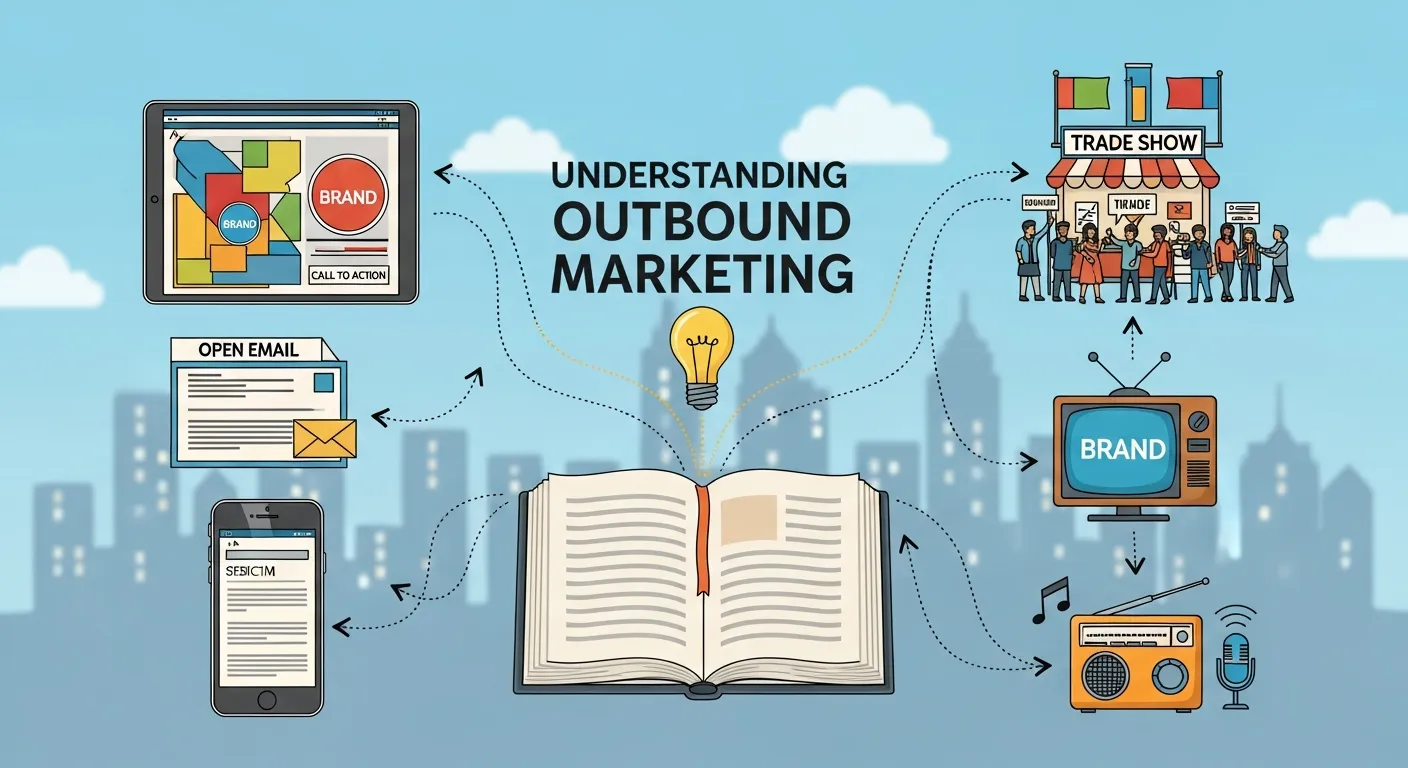
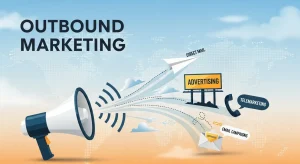
Outbound marketing, on the other hand, involves actively reaching out to potential customers through advertising, email campaigns, cold calls, or events. Unlike inbound strategies that wait for the customer to come to you, outbound marketing proactively delivers your message to a defined audience. The goal is to grab attention, create awareness, and generate leads quickly — often on a larger scale.
Core Elements of Outbound Marketing
- Paid Advertising – Inbound vs outbound includes everything from billboards and print media to digital ads and sponsored content. Paid channels enable precise audience targeting and fast visibility. For example, a tech company might run display ads on industry websites or pre-roll YouTube ads to capture user attention before they engage with related content.
- Email Campaigns – Outbound email campaigns remain a powerful tool when executed strategically. Personalized, well-timed emails can introduce new products, announce limited-time offers, or nurture inactive leads. Advanced tools allow segmentation and automation, helping brands reach the right people at the right time.
Read more about Email Marketing. - Events and Trade Shows – In-person interactions still hold immense value. Events, expos, and trade shows create opportunities to showcase your products, build credibility, and form direct relationships. Many B2B companies rely on this channel to generate high-value leads and partnerships.
- Television and Radio Ads – While traditional, these channels continue to play a major role in broad awareness campaigns. They help establish emotional connections through storytelling and repetition. Many successful brands combine traditional advertising with digital follow-ups to reinforce recall and engagement.
Why Businesses Still Rely on It
Outbound marketing remains vital because it delivers immediate visibility and brand recall. It’s particularly effective for product launches, awareness campaigns, and rebranding initiatives where time-sensitive exposure matters. When combined with strong targeting and data analytics, outbound campaigns can generate impressive ROI by connecting with audiences that might not yet be aware of your brand.
Moreover, outbound efforts can complement inbound vs outbound marketing by amplifying messages and driving traffic to online content. For instance, a digital ad promoting an educational webinar can funnel users into your inbound vs outbound ecosystem, blending the best of both worlds.
The Power of Cross-Channel SEM
In the digital era, outbound strategies have evolved far beyond cold calls and print ads. A crucial innovation is cross-channel SEM (Search Engine Marketing), which ensures your ads appear consistently across multiple platforms such as Google, Bing, YouTube, and social media. This consistency reinforces brand recognition and keeps your messaging aligned across the entire customer journey.
Cross-channel SEM also allows for smarter budget allocation. By analyzing which channels yield the highest ROI, marketers can redistribute ad spend dynamically to maximize results. This method ensures that users encountering your brand on one platform see reinforcing messages across others — a seamless experience that strengthens brand memory and increases conversions.
When planned with precision and creativity, outbound marketing doesn’t interrupt the customer journey — it accelerates it. It brings your brand into the spotlight, helping potential customers discover what you offer before they even know they need it.
Inbound vs Outbound Marketing: A Detailed Comparison
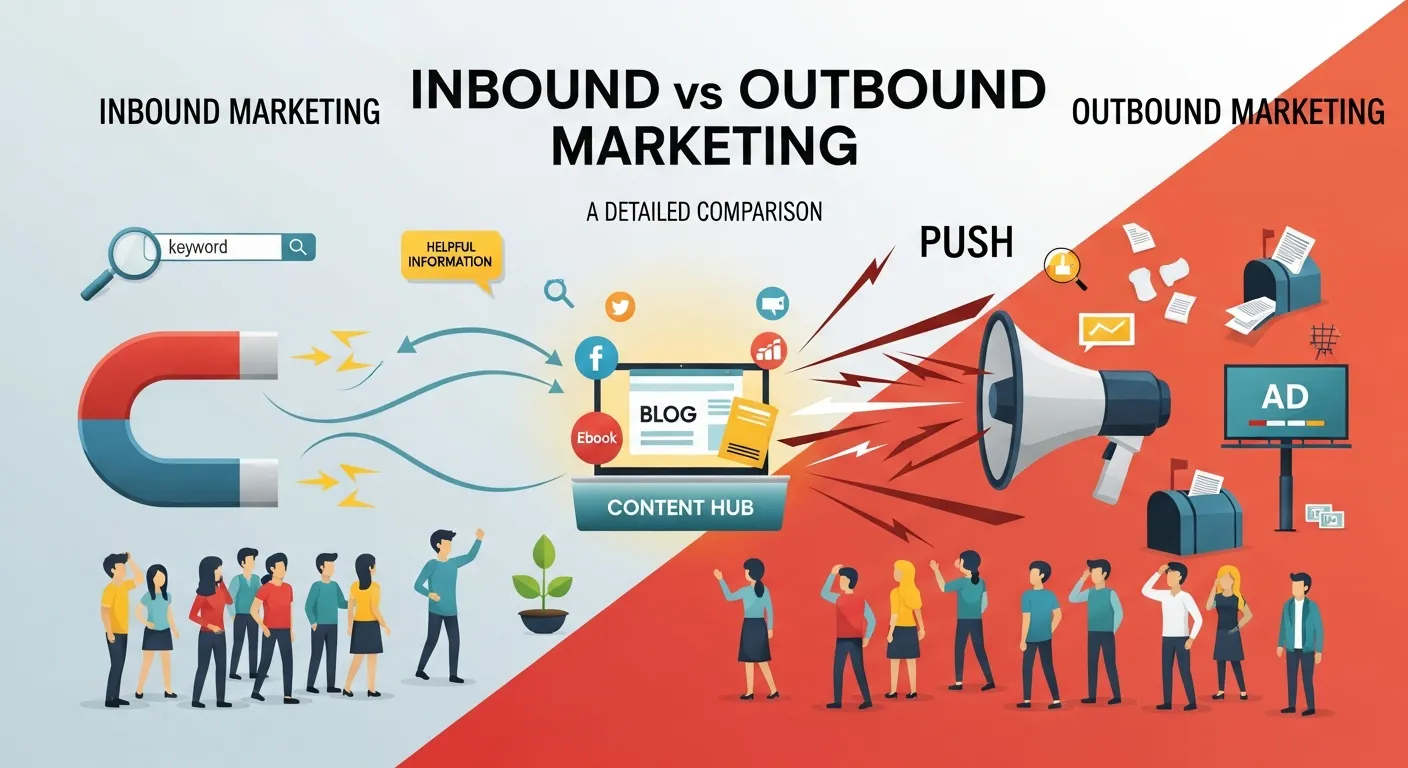
| Aspect | Inbound Marketing | Outbound Marketing |
|---|---|---|
| Approach | Attracts customers organically | Reaches out directly to customers |
| Cost Efficiency | Low over time | Higher upfront cost |
| Lead Quality | Typically higher | Can vary based on targeting |
| Measurement | Relies on engagement metrics | Relies on reach and conversions |
| Customer Relationship | Long-term and trust-based | Transactional and awareness-focused |
The right balance often depends on your business type, industry, and growth stage. Startups may rely more on inbound marketing to build credibility rather then inbound vs outbound , while established brands might leverage outbound tactics for rapid exposure.
When to Choose Inbound Marketing
Inbound marketing is ideal when your goal is to establish authority, attract qualified leads, and nurture long-term relationships. It’s a strategy that prioritizes education, trust, and meaningful engagement over aggressive selling. When executed properly, it not only brings customers to you but also turns them into loyal advocates who amplify your brand message organically.
Signs You Should Invest in Inbound
- You want sustainable growth. Inbound marketing is not a quick-win strategy; it’s designed for long-term results. The more you invest in creating value-driven content and optimizing your presence, the stronger your organic visibility and customer retention become.
- Your target audience prefers researching before purchasing. Today’s consumers don’t just buy — they explore. They read reviews, compare alternatives, and search for guidance before committing to a product or service. Inbound strategies meet them exactly where they are in this journey.
- You have resources to produce consistent content. Inbound vs outbound marketing thrives on consistency. Regular blog updates, podcasts, and video content maintain audience engagement and build authority over time.
Leveraging Augmented Reality in Research
One of the most innovative ways inbound vs outbound marketing is evolving involves the use of augmented reality in research. AR enables brands to create interactive experiences that allow customers to explore products in a more tangible and immersive way. Rather than simply reading about a feature, users can experience it virtually.
For instance:
- Furniture retailers let users visualize how a sofa or table will look in their home using a smartphone camera.
- Beauty brands enable customers to try on makeup virtually before making a purchase.
- Educational institutions use AR tours to let students experience campus life from anywhere in the world.
These experiences deepen user engagement, making the discovery phase both fun and informative. Customers are more likely to trust and remember brands that make their journey interactive and helpful.
Why AR Strengthens Inbound Marketing
AR technology bridges the gap between research and decision-making. It gives consumers a clearer understanding of a product’s value, reducing uncertainty and hesitation. By integrating AR tools into inbound strategies, businesses can:
- Enhance user satisfaction and dwell time.
- Increase conversion rates by helping users make confident choices.
- Strengthen brand recall through unique, memorable experiences.
In essence, AR transforms passive content consumption into active exploration. It empowers customers to make informed decisions — a cornerstone principle of inbound marketing. This seamless blend of technology and intent-driven engagement pushes inbound marketing into the future, where brands not only inform but also immerse their audiences in meaningful digital experiences.
When to Choose Outbound Marketing
Outbound marketing works best when speed, visibility, or mass awareness is critical. It’s the strategy to choose when you want to make a strong impression quickly — especially in competitive markets or during major launches. While inbound marketing builds relationships gradually, outbound efforts push your message directly into the spotlight, ensuring that your target audience knows who you are and what you offer.
Signs You Should Invest in Outbound
- You’re launching a new product. When entering the market with something new, speed matters. Outbound marketing helps you generate buzz fast through digital ads, press releases, influencer collaborations, and event promotions. It creates an initial wave of awareness that drives early interest and brand recognition.
- You want to target a broad audience quickly. Outbound channels like display ads, TV commercials, and paid search campaigns allow you to reach thousands — or even millions — in a short period. This reach is invaluable when expanding into new regions or competing in saturated markets.
- You need to supplement inbound efforts with direct action. Outbound marketing reinforces inbound strategies by converting awareness into measurable actions. For instance, after users read your inbound blog posts, you can retarget them with paid ads encouraging sign-ups or purchases.
Integrating Dynamic Search Ads in SEM
A major evolution in inbound vs outbound tactics is the integration of dynamic search ads in SEM (Search Engine Marketing). These ads automatically match user search queries with the most relevant landing pages on your website, ensuring your audience sees personalized messages that align with their intent — even if they didn’t use your targeted keywords.
Benefits of Using Dynamic Search Ads:
- Expanded Reach: Capture traffic from new, long-tail search terms that traditional campaigns might miss.
- Higher Relevance: Automatically display the most suitable page, improving user experience and reducing bounce rates.
- Efficiency: Save time on manual keyword research while maintaining strong ad performance.
- Improved ROI: By aligning with real-time user intent, these ads reduce wasted spend and increase conversion potential.
For example, imagine a travel company promoting vacation packages. Dynamic search ads can instantly show customized ads like “Explore Beach Resorts in Bali” or “Luxury Mountain Retreats in Switzerland,” depending on what the user searches for. This precision allows outbound marketing to feel less intrusive and more aligned with the customer’s journey.
The Modern Advantage
Modern outbound campaigns go beyond simple promotion — they focus on data-driven personalization. Integrating dynamic search ads into broader outbound strategies like cross-channel SEM ensures consistency across Google, YouTube, and social media platforms. This seamless approach keeps your message recognizable wherever your audience goes.
Outbound marketing’s strength lies in its immediacy. When time is of the essence, and you need visibility at scale, outbound campaigns deliver impact fast. Combining these tactics with analytical optimization tools helps businesses not only reach audiences but also adapt in real-time, ensuring every impression moves potential customers one step closer to conversion.
Blending the Two Strategies: The Smart Hybrid Approach
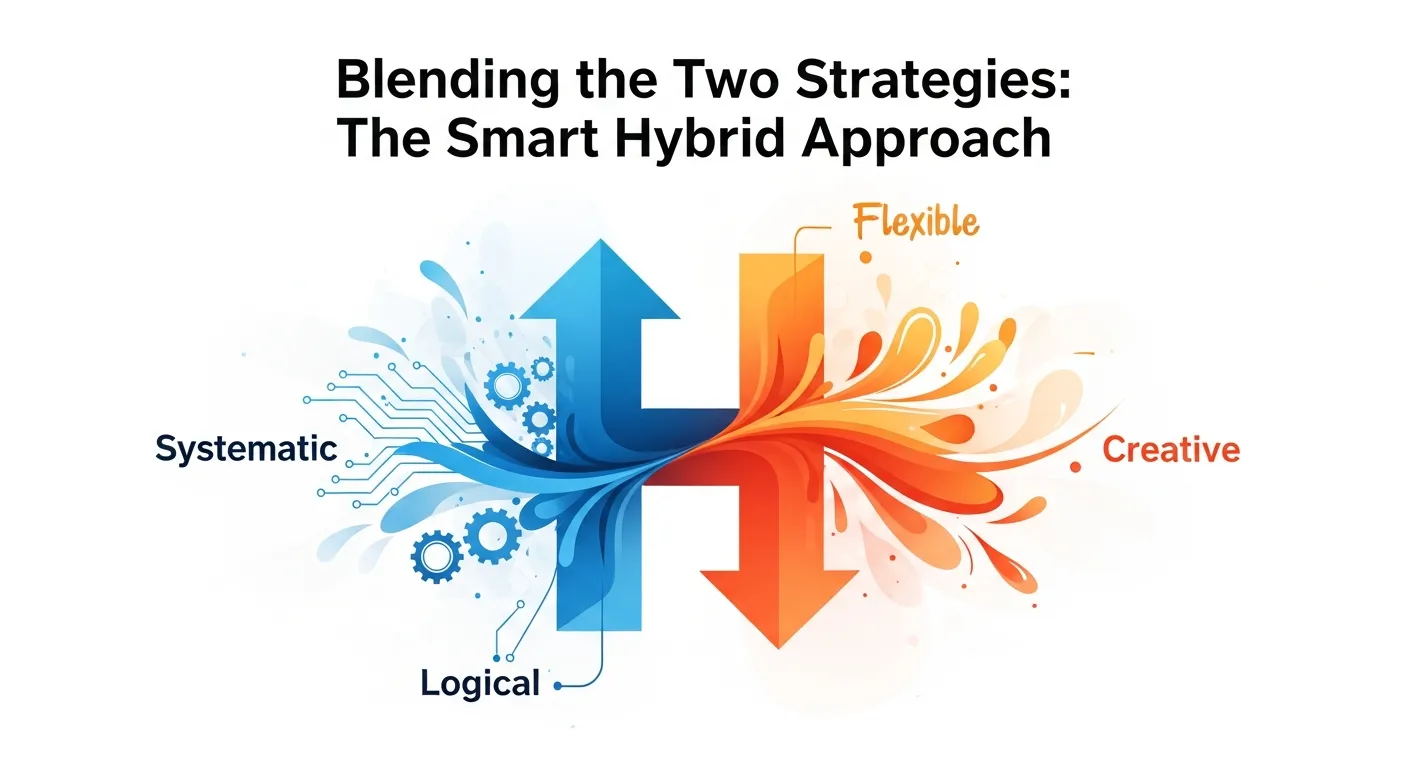
The future of marketing doesn’t belong exclusively to inbound or outbound. Instead, success lies in intelligently merging both to create a holistic and cohesive customer journey. In an age where audiences move fluidly across multiple channels, the most effective marketing strategies are those that integrate both approaches — combining the credibility of inbound with the immediacy of outbound.
By blending the two, businesses can maintain consistent visibility while nurturing deeper relationships with their audiences. It’s not about choosing one over the other; it’s about understanding how they complement each other to drive engagement, conversions, and loyalty.
How to Build a Balanced Strategy
- Use inbound marketing to educate and nurture. Start by creating valuable, informative content that positions your brand as a trusted authority. Use blogs, videos, case studies, and webinars to attract potential customers naturally.
- Apply outbound marketing to amplify reach and conversions. Once you’ve built awareness through inbound vs outbound methods, amplify your message with paid ads, targeted email campaigns, or promotional events. Outbound helps deliver your brand to those who might not have discovered you otherwise.
- Retarget inbound leads with outbound ads. Combine your CRM and ad platforms to create smart retargeting campaigns. When a user reads your inbound vs outbound blog or downloads a guide, serve them a relevant outbound ad that encourages the next step — such as signing up for a demo or making a purchase.
- Leverage analytics to refine both channels continuously. Use data to understand which channels drive the most engagement and conversions. Analyze behavior patterns, measure ROI, and optimize both inbound and outbound touchpoints to create a seamless experience.
The Role of Assisted Reality and Augmented Reality
Emerging technologies like assisted reality and augmented reality are redefining how marketers merge these two strategies. They create bridges between awareness and interaction, between seeing and experiencing. For example:
- An outbound video ad can invite viewers to explore a product using an AR app — blending the immediacy of outbound attention-grabbing with the depth of inbound engagement.
- Retail brands use AR try-on experiences following an ad click, giving users a hands-on understanding of products before purchase.
- Assisted reality tools enable real-time customer support and product demonstrations that connect educational inbound experiences with practical outbound applications.
These hybrid experiences enhance user intent, interactivity, and brand recall — transforming passive viewers into active participants. They encourage customers to explore and engage, deepening the emotional connection with your brand.
Why the Hybrid Approach Wins
A balanced inbound-outbound strategy ensures you’re present across every stage of the buyer’s journey. Outbound captures attention, while inbound nurtures interest and builds trust. The combination not only maximizes reach but also creates continuity in brand storytelling.
The future of marketing belongs to brands that think beyond channels — those that use data, creativity, and technology to create unified, customer-centric ecosystems. When inbound and outbound strategies work together, marketing becomes more than promotion; it becomes a guided experience that aligns with how people discover, learn, and decide in a connected world.
Psychological Triggers Behind Each Approach
Understanding the psychological principles behind each strategy helps marketers align efforts with human intent, perception, and motivation. Marketing isn’t just about strategy or channels — it’s deeply rooted in human behavior. By tapping into what drives decision-making, brands can make their campaigns more persuasive, relatable, and effective.
Inbound Psychology
Inbound marketing relies heavily on trust and empowerment. It speaks to the modern consumer’s desire for control, information, and authenticity. Instead of interrupting their journey, it joins it — guiding prospects with valuable insights and genuine assistance.
- Trust & Autonomy: Consumers want to feel in charge of their decisions. Inbound strategies respect that autonomy by providing resources, not pressure. For example, when a potential buyer reads a helpful article or downloads an eBook without being pushed to purchase, they associate the brand with honesty and expertise. This builds long-term trust, which ultimately translates into loyalty.
- Reciprocity: Humans are naturally inclined to return favors. When brands offer free value — such as tutorials, webinars, or product trials — customers feel a subconscious obligation to engage back. This might mean subscribing to a newsletter, following a brand on social media, or even making a purchase down the line. The more genuine the value offered, the stronger this psychological trigger becomes.
- Consistency & Familiarity: Inbound content builds repeated exposure through educational posts and updates. Over time, this familiarity nurtures comfort and preference, making customers more likely to choose your brand when they’re ready to buy.
Outbound Psychology
Outbound marketing taps into more direct psychological triggers — urgency, authority, and emotional appeal. Its purpose is to capture attention fast and inspire immediate action, making it ideal for time-sensitive or awareness-driven campaigns.
- Curiosity & FOMO (Fear of Missing Out): Ads are often designed to trigger curiosity or a sense of urgency. Phrases like “limited-time offer” or “exclusive access” play into people’s natural fear of missing opportunities. This emotional pull drives faster decision-making, especially when combined with persuasive visuals and storytelling.
- Authority & Repetition: Repeated exposure builds familiarity and credibility. Seeing a brand multiple times — through TV ads, YouTube pre-rolls, or sponsored posts — reinforces its authority in the market. People tend to trust what they recognize. Outbound marketing leverages this bias by ensuring the brand remains visible across platforms and contexts.
- Social Proof & Bandwagon Effect: Outbound campaigns often feature testimonials, influencer endorsements, or data points (“Trusted by 1M+ users”) to signal reliability. Humans are social creatures — when they see others engaging or endorsing something, they feel more comfortable doing the same.
Bridging Psychology and Strategy
Both inbound and outbound marketing rely on different psychological levers but aim for the same outcome: action driven by trust and emotion. Inbound builds credibility slowly and naturally, while outbound ignites momentum through excitement and visibility. When used together, they form a powerful cycle — inbound nurtures trust, outbound amplifies that trust at scale.
In essence, great marketing understands people first. It blends data with empathy, logic with emotion, and strategy with storytelling — creating campaigns that don’t just attract attention but truly connect with the human mind.
Real-World Example: A Balanced Approach

Imagine a SaaS company launching a new project management tool designed to simplify workflows and improve team collaboration. To achieve maximum impact, it strategically combines both inbound and outbound marketing methods — not as separate efforts but as two synchronized pillars of its campaign.
How the Inbound Strategy Works
The company begins by creating high-quality inbound content focused on productivity, time management, and remote collaboration. It publishes blog posts, guides, and webinars covering topics like “10 Ways to Streamline Your Workflow” and “How to Manage Remote Teams Efficiently.” These resources educate readers while subtly introducing the new tool as a solution to the problems being discussed.
SEO plays a major role here. By optimizing content for relevant search terms such as “best project management software for startups” or “tools for team collaboration,” the company attracts qualified organic traffic from decision-makers actively looking for solutions. The more people interact with this content, the more trust and authority the brand builds in its niche.
To further nurture these leads, the company deploys email automation — offering free trials, onboarding guides, and case studies to users who engage with the content. This personalized inbound funnel helps convert interest into intent.
How the Outbound Strategy Amplifies It
At the same time, outbound campaigns ensure that the brand’s message reaches a broader professional audience. The company runs LinkedIn Ads targeting executives, project managers, and small business owners. These ads highlight pain points and invite users to explore the product through demos or free trials.
To enhance performance, the marketing team leverages dynamic search ads in SEM. These automatically match user queries — such as “project tracking software” or “workflow management tools” — to the company’s most relevant landing pages. This personalization ensures the right message reaches the right audience at the right moment, increasing click-through and conversion rates.
Additionally, short video ads and sponsored posts on YouTube and social platforms create visual awareness. Each outbound touchpoint reinforces the inbound message, ensuring that the audience receives consistent brand communication across multiple channels.
The Synergy of Inbound and Outbound
Here’s where the magic happens: as users encounter outbound ads and later search organically for project management tools, the company’s inbound-optimized content appears naturally in search results. The earlier exposure from outbound campaigns triggers recognition — users are more likely to click and trust what they already remember.
By aligning both approaches, the company achieves:
- Higher awareness through outbound reach.
- Deeper engagement through inbound education.
- Improved conversions by nurturing leads across both funnels.
The Role of Voice and Visual Search
As technology evolves, voice and visual search continue to shape how users discover products. When someone later asks, “What’s the best project management software for small teams?” via a voice assistant, the SaaS company’s optimized content ensures it ranks among the top responses. Likewise, visual search — powered by screenshots or app interface previews — helps users identify and revisit the product they’ve seen before.
This combination ensures that when potential customers transition from discovery to decision, the brand is already familiar, trustworthy, and accessible. It’s a seamless journey — one where outbound sparks curiosity and inbound provides the clarity and confidence needed to convert curiosity into commitment.
Frequently Asked Questions (FAQ)
1. What is the main difference between inbound and outbound marketing?
Inbound marketing attracts customers through valuable content and organic engagement, while outbound marketing reaches out directly through ads, calls, or emails. Inbound focuses on building long-term trust, whereas outbound delivers faster visibility and awareness.
2. Why is inbound marketing considered more sustainable over time?
Inbound marketing creates evergreen content that continues to attract traffic and leads without constant ad spending. Once established, it drives consistent results through SEO, email nurturing, and content marketing, making it a cost-efficient, long-term strategy.
3. How does outbound marketing deliver faster results?
Outbound marketing uses paid channels like digital ads, direct mail, and media outreach to capture attention immediately. It’s ideal for product launches, rebranding, or campaigns that require rapid visibility and audience reach.
4. Can small businesses benefit from outbound marketing?
Absolutely. Even small businesses can use targeted outbound techniques such as localized ads, email outreach, or event sponsorships. With the right audience targeting and message consistency, outbound marketing can accelerate growth and complement inbound efforts.
5. Can you use both inbound and outbound marketing?
Yes — and in fact, that’s often the most effective approach. Many successful brands combine inbound and outbound methods to create a unified customer journey. For instance, inbound strategies educate and attract users, while outbound tactics amplify visibility and encourage direct action. Together, they form a powerful ecosystem that covers all stages of the buyer’s journey.
6. How do inbound and outbound marketing align with customer psychology?
Inbound taps into trust, autonomy, and reciprocity by letting customers discover and learn at their own pace. Outbound leverages curiosity, urgency, and repetition to inspire immediate engagement. When blended, they create emotional and logical balance in brand communication.
7. At which stage of the buyer’s journey does each strategy work best?
Understanding outbound vs inbound product marketing which works best at each stage depends on your goals. Outbound marketing excels in the awareness stage by reaching broad audiences quickly, while inbound marketing dominates the consideration and decision stages by providing detailed, trustworthy information that nurtures confidence before purchase.
8. How does technology like AR and voice search enhance marketing strategies?
Emerging tools such as augmented reality and voice search optimization bridge the gap between physical and digital engagement. AR lets users experience products interactively, while voice search increases accessibility. Both enhance inbound and outbound campaigns by making brand interactions more natural and intuitive.
9. How can businesses decide between inbound vs outbound marketing which strategy is right for your business?
Choosing between inbound and outbound marketing depends on your objectives, budget, and audience. If you seek long-term growth and brand authority, inbound is ideal. If you need immediate exposure or product awareness, outbound is more effective. Many modern brands integrate both for maximum impact — using inbound to build trust and outbound to scale reach.
10. How do you measure the success of inbound and outbound campaigns?
Inbound success is measured through metrics like organic traffic, engagement rates, and conversion paths. Outbound success focuses on impressions, click-through rates, and ROI. Advanced analytics tools can unify both data sets to evaluate how well each channel supports your broader marketing goals.
11. What are common mistakes to avoid in inbound and outbound marketing?
A frequent error is treating them as isolated strategies. Ignoring data alignment between campaigns or failing to tailor messaging per channel can weaken overall impact. Consistency, timing, and personalization are key — ensuring both strategies reinforce rather than compete with each other.
12. What’s the best way to transition from outbound-heavy to inbound-focused marketing?
Start by building a content base: blogs, guides, videos, and case studies. Use outbound ads to promote this content and attract organic followers. Over time, as inbound channels begin driving their own traffic, you can gradually reduce paid dependency while maintaining a strong brand presence.
Final Thoughts
Choosing between inbound vs outbound marketing isn’t about picking one over the other. It’s about understanding your audience, aligning with their intent, and integrating both approaches to create a cohesive experience.
In today’s era of voice search and smart assistants, customer behavior is more dynamic than ever. Businesses that adapt to this evolution — using modern tools like dynamic search ads in SEM and assisted reality and augmented reality — will not only reach more customers but also connect more meaningfully.
When executed thoughtfully, both inbound and outbound marketing transform from competing tactics into complementary forces driving sustained business growth.