Best Outbound Marketing Tools to Enhance Your Campaigns

Outbound advertising is still an effective way to get in front of potential customers, and to grow your business. But what really separates the good from the great when it comes to an outbound strategy? The tools you use.
This blog will tell you everything that you ever need to understand about the best outbound marketing tools — what they are, what functionalities you need to check, features you will see, and also a summary of a few top tools today. You’ll have the tools to elevate your strategy by the end of this post.
Welcome to The World of Outbound Marketing
Push Marketing: Outbound Marketing
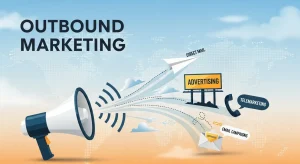
Outbound marketing, or what is commonly referred to as “push marketing,” is the process in which business executives, in an attempt to attract their customer, initiate the first contact. Cold emails and calls, direct mail and online ads are all components of outbound marketing, which is devoted to piquing people’s interest and interacting with leads.
Despite the growing popularity of attracting people through delivering value, or inbound marketing, outbound marketing can still deliver excellent results if it’s done properly. It becomes particularly effective when combined with sophisticated tools that make processes more efficient, outreach more targeted, and impact more pronounced.
Outbound Marketing Tools — What is Outbound Marking?
Outbound machine guns (tools)
Outbound machine guns – are the software or platforms for automation, management and improvement of your outbound process. These are the systems that allow businesses to find new leads using a number of outbound methods like cold email, social media, or even direct mail.
The right tools can help prevent a scattershot approach, versus a straightforward, disciplined and scalable strategy. Businesses will have the ability to centrally manage campaigns, monitor outcomes and shift tactics for improved ROI.
Essential Elements for the Best Outbound Marketing Software

When choosing the right Outbound Marketing Tools, it’s important to focus on features that align with your goals and make your campaigns more efficient, personalized, and data-driven. The right tools not only simplify your workflow but also empower you to connect with your audience in meaningful ways across multiple channels. Here’s what to look for:
1. Automation Capabilities
One of the biggest advantages of modern Outbound Marketing Tools is automation. Look for platforms that can automate repetitive tasks such as sending follow-up emails, scheduling outreach messages, and nurturing leads through various stages of the funnel. Automation ensures consistency, reduces manual effort, and helps you maintain timely communication with prospects—allowing your marketing team to focus on strategy and creativity rather than routine operations.
2. Personalization Options
Today’s audiences expect brands to speak directly to them. Powerful Outbound Marketing Tools offer dynamic personalization options that let you include specific details like a recipient’s name, company, location, or even past interactions. This creates tailored messaging that resonates with each prospect, enhancing engagement rates and building stronger relationships. Personalized outreach increases the chances of response and helps your campaigns stand out in crowded inboxes.
3. Analytics and Reporting
To truly optimize your outbound strategy, you need clear insights into what’s working and what’s not. The best Outbound Marketing Tools include advanced analytics dashboards that track key performance metrics such as open rates, click-through rates, response times, and conversions. With detailed reporting, you can identify trends, measure ROI, and make data-backed decisions to continually refine your campaigns for better results.
4. Integration with CRM Systems
Efficient Outbound Marketing Tools integrate seamlessly with Customer Relationship Management (CRM) systems. This allows you to centralize and manage all client data, ensuring every team member has access to real-time insights. By syncing your outbound efforts with your CRM, you gain a complete view of customer interactions—making it easier to track leads, manage pipelines, and deliver more personalized outreach based on up-to-date information.
5. Multi-Channel Functionality
Successful outbound marketing goes beyond a single communication method. The most effective Outbound Marketing Tools support multi-channel campaigns, enabling outreach through email, SMS/text messaging, phone calls, and social media platforms. This versatility ensures your message reaches prospects where they’re most active, maximizing engagement and conversion opportunities. Multi-channel functionality helps you create cohesive, omnipresent campaigns that boost visibility and strengthen brand recall.
Top 5 Outbound Tools
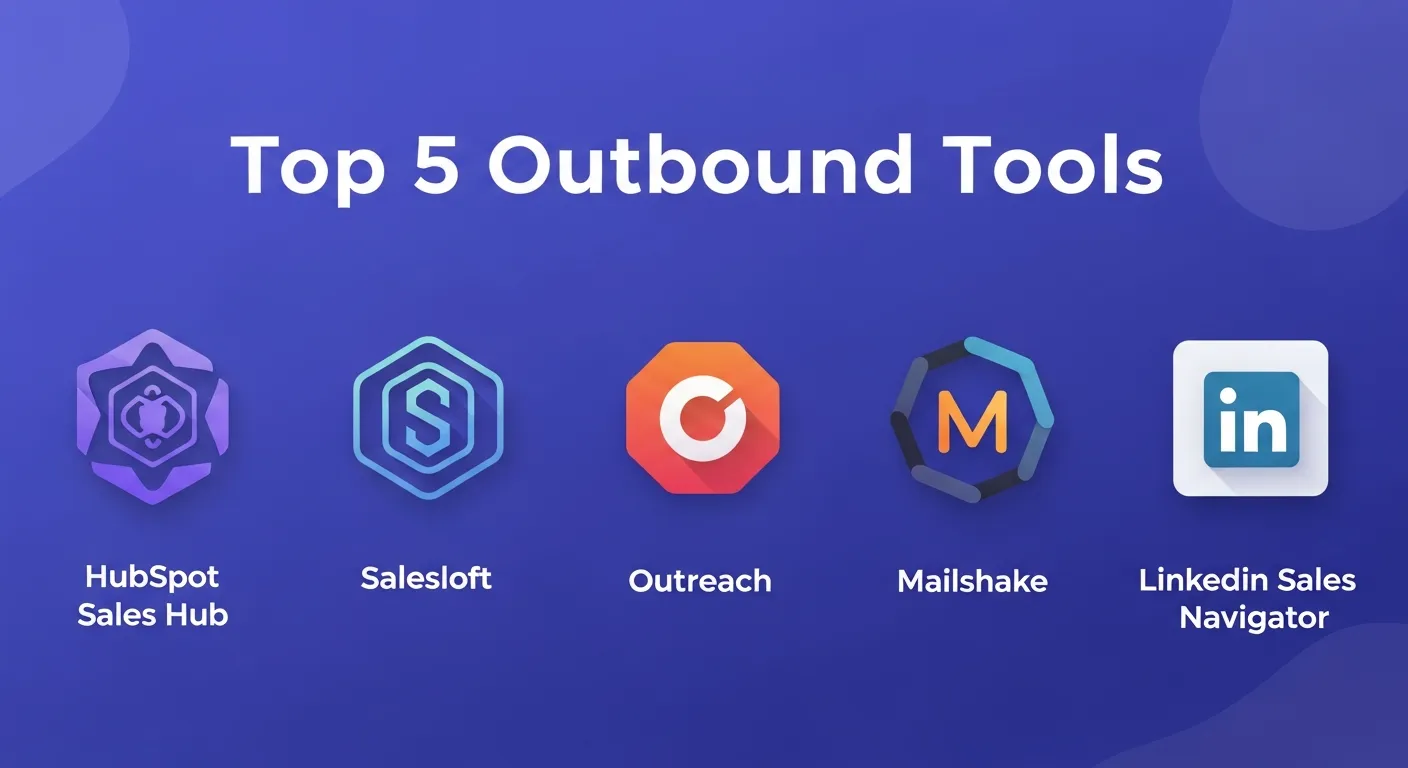
The right Outbound Marketing Tools can transform how your business connects with prospects, manages campaigns, and closes deals. Below are five industry-leading platforms that have been setting new standards in outbound marketing. Each tool is uniquely designed to streamline outreach, boost productivity, and improve conversion rates.
1. HubSpot Sales Hub
What it does:
HubSpot Sales Hub is one of the most comprehensive Outbound Marketing Tools available today. It offers an all-in-one sales automation suite that combines powerful email automation, pipeline management, lead tracking, and seamless CRM integration.
Why it’s great:
- User-friendly and highly intuitive interface
- Deep CRM integration with other HubSpot marketing and service tools
- Advanced analytics and reporting to measure outreach performance
- Automates repetitive outreach tasks to boost productivity
Ideal for:
Sales teams and marketing professionals who need a consolidated dashboard to manage their outbound campaigns efficiently. HubSpot Sales Hub is perfect for organizations seeking scalability, team collaboration, and data-driven insights.
2. Salesloft
What it does:
Salesloft focuses on improving sales engagement through structured, multi-touch outreach campaigns. This Outbound Marketing Tool empowers teams to connect with prospects via email, phone, or social media — all within one unified platform.
Why it’s great:
- AI-powered recommendations to optimize outreach strategies
- In-depth reporting and analytics for better decision-making
- Intuitive dashboards that simplify campaign management
- Seamless integration with CRMs and other sales software
Ideal for:
Businesses looking to improve the quality and personalization of their outbound communication. Salesloft is particularly effective for companies aiming to enhance sales follow-ups and nurture stronger customer relationships.
3. Outreach
What it does:
Outreach is a leading Outbound Marketing Tool that enables businesses to design, execute, and manage personalized multi-channel campaigns. It automates email sequences, call scheduling, and social interactions while keeping each touchpoint relevant and timely.
Why it’s great:
- Advanced scheduling and sequencing features for consistent outreach
- Built-in A/B testing to optimize messages and increase response rates
- Seamless integration with top CRM systems for data synchronization
- Analytics to track engagement and forecast sales outcomes
Ideal for:
Sales and marketing teams that prioritize quality conversations over quantity. Outreach helps businesses build meaningful, data-driven relationships that drive conversions and long-term loyalty.
4. Mailshake
What it does:
Mailshake is an easy-to-use Outbound Marketing Tool focused on email outreach and lead generation. It helps users send personalized cold emails at scale, automate follow-ups, and track engagement — all while keeping messages authentic and conversational.
Why it’s great:
- Ready-to-use, customizable email templates
- Advanced personalization for names, companies, and industries
- Automation for follow-up emails to maximize engagement
- Built-in lead generation features and reporting tools
Ideal for:
Small and medium-sized businesses (SMBs) looking to jumpstart their outbound efforts with email marketing. Mailshake is ideal for teams that want simplicity, affordability, and measurable results without a steep learning curve.
5. LinkedIn Sales Navigator
What it does:
LinkedIn Sales Navigator is one of the most powerful Outbound Marketing Tools for B2B professionals. It leverages LinkedIn’s vast network to help users identify, connect with, and build relationships with top-level decision-makers and potential clients.
Why it’s great:
- Advanced filters and lead search capabilities for targeted prospecting
- Real-time updates on lead activity and engagement
- Direct CRM integrations for smoother workflow
- Fully compliant with data protection standards like PIPEDA
Ideal for:
B2B sales professionals, recruiters, and business development teams seeking warm, qualified leads through professional networking. It’s perfect for organizations aiming to enhance credibility and close high-value deals through personalized outreach.
In today’s competitive marketing landscape, leveraging the right Outbound Marketing Tools can be the difference between scattered outreach and a high-performing, results-driven campaign. Each of these platforms offers unique strengths — from automation and CRM integration to AI insights and personalization — allowing your team to build scalable, effective outbound strategies that drive real business growth.
Comparing the Best Outbound Marketing Tools
Choosing the right Outbound Marketing Tools can be overwhelming, especially with so many options offering overlapping features. To make your decision easier, here’s a comparison of the top tools discussed above — focusing on pricing, key features, and ideal users.
Quick Comparison Table
| Tool Name | Key Strengths | Ideal For | Pricing Range (Approx.) |
|---|---|---|---|
| HubSpot Sales Hub | CRM Integration, Automation | Mid to large teams | $45–$1,200/month |
| Salesloft | AI Insights, Engagement | Enterprise sales | Custom pricing |
| Outreach | A/B Testing, Multi-channel | Data-driven teams | $100+/user/month |
| Mailshake | Email Outreach, Simplicity | SMBs, startups | $29–$99/month |
| LinkedIn Sales Navigator | B2B Networking, Lead Insights | B2B professionals | $99–$160/month |
Pro Tip: For marketers researching tool efficiency, detailed faqs for marketing resources often help answer specific implementation questions about integrations, ROI, and scalability before finalizing a decision.
Building an Effective SaaS Outbound Strategy

If you’re running a SaaS company, outbound marketing requires a balance of automation, personalization, and consistent follow-up. Implementing the right Outbound Marketing Tools can transform cold outreach into warm conversations and qualified demos.
Why SaaS Businesses Need Outbound Marketing
- Shorter sales cycles: SaaS prospects expect immediate communication.
- High-volume outreach: Tools automate outreach while maintaining personalization.
- Data-driven growth: Integrated analytics enable performance optimization.
How to Implement a SaaS Outbound Workflow
- Identify your ICP (Ideal Customer Profile): Focus on industries and company sizes that benefit most from your SaaS product.
- Automate outreach sequences: Use platforms like Salesloft or Outreach for targeted follow-ups.
- Personalize communication: Address pain points unique to SaaS buyers, such as onboarding or integration ease.
- Analyze and optimize: Continuously refine based on engagement metrics.
For a detailed step-by-step guide, refer to a saas outbound marketing playbook — it outlines proven frameworks for managing multi-channel SaaS campaigns effectively and scaling your lead generation pipeline.
Understanding Outbound Product Marketing
While outbound marketing focuses on reaching out to prospects, outbound product marketing specifically revolves around promoting new or existing products through proactive communication. It bridges the gap between product development and market adoption.
The Role of Outbound Product Marketing
- Product awareness: Introduce new offerings to potential customers through ads, PR, and email outreach.
- Lead nurturing: Convert interest into actionable sales opportunities.
- Sales enablement: Provide teams with the right messaging and collateral to close deals.
Key Components of a Successful Product Marketing Campaign
| Component | Description | Example Tools |
|---|---|---|
| Messaging Framework | Aligns product features with customer benefits | HubSpot, Notion |
| Launch Automation | Streamlines outreach and campaign scheduling | Mailshake, Outreach |
| Performance Tracking | Measures engagement and ROI | Google Analytics, HubSpot CRM |
Curious about how it fits into broader strategies? Explore what is outbound product marketing to understand how outbound tactics fuel visibility, sales acceleration, and long-term brand positioning.
Outbound Campaign Success Stories

Case Study 1. Mailshake and an Email ROI Boost
A SaaS provider was in trouble with generating leads and needed some help to re-jig their cold email approach, so they tried Mailshake. Leveraging both dynamic fields and A/B testing, the company drove 45 percent more open rates and an incredible 25 percent more conversions.
Case Study 2. Salesloft and a Startup’s Scale-up Success
A startup using Salesloft’s new AI-powered deal intelligence tripled the productivity of its sales team. They even cut customer acquisition costs by 20 percent thanks to improved outreach sequencing.
These are just some of the examples which illustrate the impact a good choice of outbound marketing tools can have on your business, no matter what its size or area of business.
Strategize Your Outbound Efforts for Optimal Results
With outbound marketing devices you will be able to scale outreach and get more return for your effort. From sending cold emails, booking sales calls, to composing LinkedIn messages, these tools automate the whole process and you get better results with only a fraction of the effort.
Determine your current marketing needs, weigh the features of various tools against each other, and don’t be afraid to dig into case studies to see what has worked for companies similar to yours. Then when you are ready, begin to make the most of those resources to establish your competitive advantage.
Frequently Asked Questions (FAQs) About Outbound Marketing Tools
1. What are Outbound Marketing Tools and why are they important?
Outbound Marketing Tools are platforms designed to help businesses reach out proactively to potential customers through channels like email, calls, ads, and social media. They streamline outreach, automate repetitive tasks, and ensure consistent messaging across campaigns. These tools are crucial because they enhance productivity, improve targeting, and make lead generation faster and more measurable.
2. How do Outbound Marketing Tools differ from Inbound Marketing Tools?
Inbound tools attract prospects organically through valuable content and SEO, while outbound tools initiate contact directly with targeted audiences. Outbound focuses on immediate visibility, making it ideal for businesses that want quick traction and faster lead conversions, whereas inbound strategies build long-term trust and brand authority.
3. Can small businesses benefit from using Outbound Marketing Tools?
Absolutely! Many Outbound Marketing Tools like Mailshake and HubSpot offer affordable plans suited for startups and SMBs. These tools allow small businesses to scale outreach, personalize communications, and nurture leads without requiring large marketing teams or complex setups.
4. What features should I prioritize when selecting an Outbound Marketing Tool?
Key features to look for include:
- Automation: Streamlines repetitive outreach tasks.
- Personalization: Customizes messages for each recipient.
- Analytics: Tracks opens, clicks, and conversions.
- CRM Integration: Centralizes client data and insights.
- Multi-channel Support: Reaches audiences across email, SMS, and social platforms.
Choosing a tool that combines these features ensures maximum impact for your outbound efforts.
5. How do Outbound Marketing Tools enhance lead generation?
They automate the process of reaching out to qualified prospects while ensuring personalization and timing accuracy. With advanced analytics, you can identify high-potential leads, track responses, and continuously refine campaigns to improve conversions—turning cold contacts into warm opportunities.
6. What role does CRM integration play in outbound marketing?
CRM integration is vital for tracking and managing customer interactions. When your Outbound Marketing Tools are connected to a CRM, it allows for synchronized communication, data transparency, and personalized outreach—ensuring no lead is missed and every engagement is meaningful.
7. How does outbound marketing fit into the overall sales funnel?
Outbound marketing typically targets the top and middle stages of the funnel—where awareness and interest are built. It helps brands create visibility, initiate contact, and nurture prospects until they’re ready for conversion. A well-structured product promotion funnel outbound marketing approach ensures every interaction moves the prospect closer to a purchase decision.
8. How have modern technologies transformed outbound marketing campaigns?
Technological innovation has led to the modern event marketing evolution, where outbound efforts integrate seamlessly with live events, webinars, and digital experiences. Tools now enable real-time engagement, AI-driven personalization, and data-based follow-ups, ensuring that outreach feels more human and less like traditional cold selling.
9. What are the best practices for boosting outbound marketing performance?
To maximize performance:
- Use multi-channel communication.
- Personalize every message.
- Track data and optimize regularly.
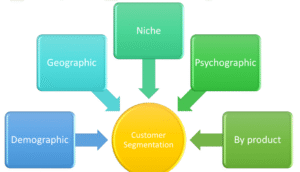
- Segment your audience precisely.
- Align sales and marketing goals.
These boosting product outbound marketing strategies help marketers increase engagement, shorten sales cycles, and improve ROI across all outbound campaigns.
10. What are common mistakes to avoid in outbound marketing?
Some frequent errors include overloading prospects with generic messages, neglecting follow-ups, and ignoring data insights. Businesses should also avoid relying solely on one channel (like email) and instead adopt a diversified approach to outreach. The key is to balance persistence with personalization and respect for audience preferences.
Learn how CRM systems support long-term customer value in our guide on what customer relationship management in marketing really means.