Optimizing Your Outbound Marketing Funnel for Maximum ROI
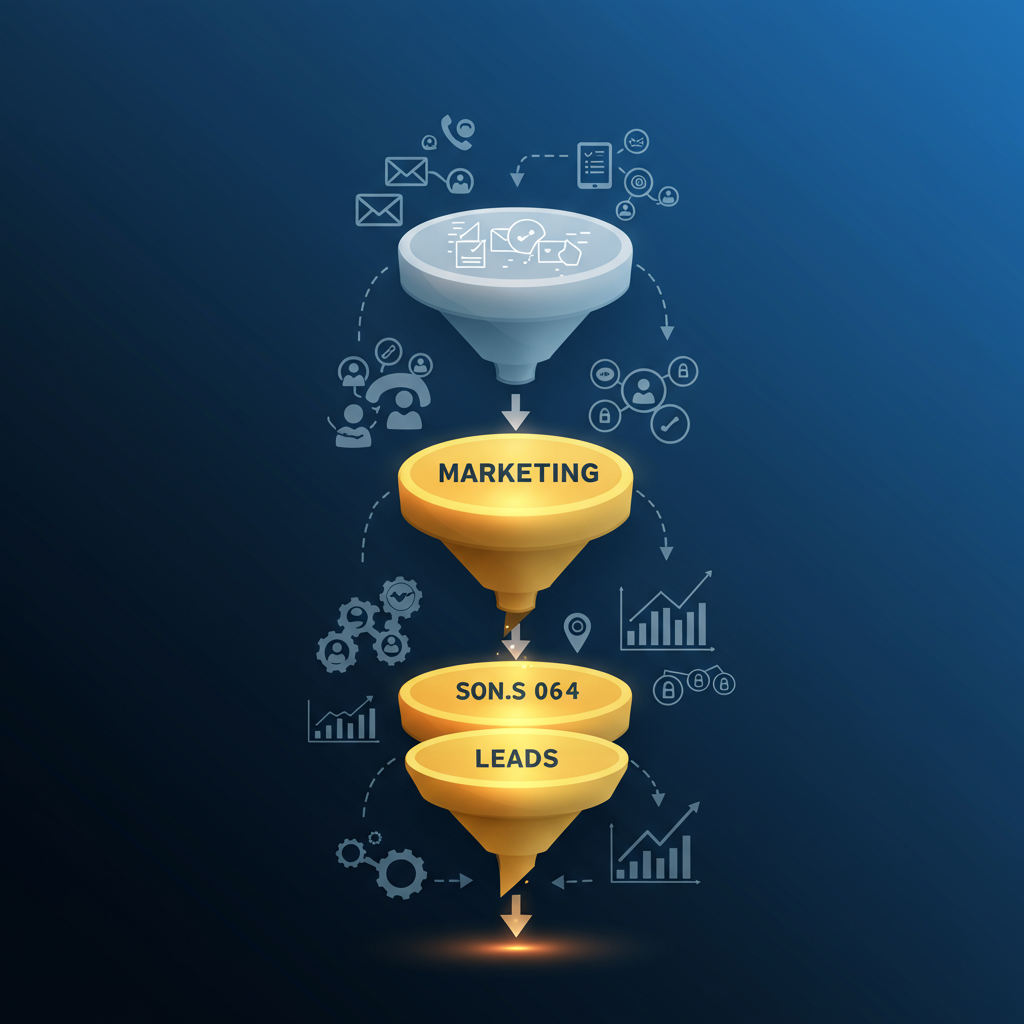
Outbound marketing success relies on a well-structured funnel. This blog covers prospect targeting, personalized messaging, follow-ups, and conversion tactics, highlighting metrics, automation, and best practices to boost response rates, streamline the buyer journey, and achieve higher ROI in B2B outreach.
In today’s competitive marketplace, outbound marketing remains one of the most effective ways to proactively reach potential customers and accelerate revenue growth. However, without a well-structured funnel, your efforts can feel like shouting into the void—low response rates, wasted resources, and missed opportunities. The key to success is transforming that cold outreach into a golden opportunity by optimizing each stage of your outbound marketing funnel. In this comprehensive guide, we’ll explore proven strategies to refine your funnel, boost engagement, and maximize ROI.
Understanding the Outbound Marketing Funnel
An outbound marketing funnel is the step-by-step journey prospects take from initial contact through to purchase. Unlike inbound funnels, where leads find you, outbound funnels require intentional outreach at every stage. A typical funnel includes:
- Awareness: Identifying and reaching out to potential buyers
- Interest: Sparking curiosity through tailored messaging
- Decision: Nurturing conversations and addressing objections
- Action: Converting prospects into customers
Optimizing each stage ensures you spend resources efficiently and deliver personalized experiences that drive conversions.
Stage 1: Targeted Prospecting
Successful outbound starts with the right targets. Generic lists lead to generic results. Instead, focus on quality over quantity:
- Build Ideal Customer Profiles (ICPs): Define company size, industry, pain points, and buying triggers. A strong foundation in Ideal Customer Profile Development ensures your outreach resonates with decision-makers who are most likely to convert.
- Leverage Data Enrichment: Use tools to append firmographics, email validity, and social profiles.
- Prioritize High-Value Segments: Rank prospects by revenue potential and readiness to buy.
This precision drives higher engagement and reduces wasted touches on unqualified leads.
Stage 2: Personalized Outreach

Once you’ve identified your prospects, craft outreach that resonates. Key tactics include:
- Hyper-Personalization: Reference a recent event, shared connection, or relevant pain point.
- Multi-Channel Cadences: Combine cold email, phone calls, LinkedIn InMail, and direct mail for better touch coverage.
- Value-First Messaging: Lead with insights, case studies, or free resources instead of a sales pitch.
By delivering relevant messages through preferred channels, you stand out from generic spam and spark genuine interest.
Stage 3: Nurturing Engagement
Not every prospect responds right away. A thoughtful nurture sequence keeps your brand top of mind:
- Follow-Up Frequency: Aim for 5–7 touches over 2–3 weeks, spacing them to avoid fatigue.
- Progressive Value: Share new resources, data insights, or customer success stories in each follow-up.
- Response Paths: Offer multiple CTAs—scheduling a call, watching a demo, or sharing feedback—to accommodate different prospect goals.
A balanced nurture approach increases reply rates while maintaining a professional tone.
Stage 4: Conversion Tactics
When a prospect is ready to talk, streamline the path to purchase:
- Clear Proposals: Deliver concise pricing options and ROI projections tailored to their needs.
- Live Demos and Trials: Offer hands-on experiences or pilot programs for hands-on validation.
- Social Proof: Highlight testimonials, case studies, and relevant customer logos to build trust.
Reducing friction at the decision stage accelerates deals and improves close rates.
Measuring and Refining Performance
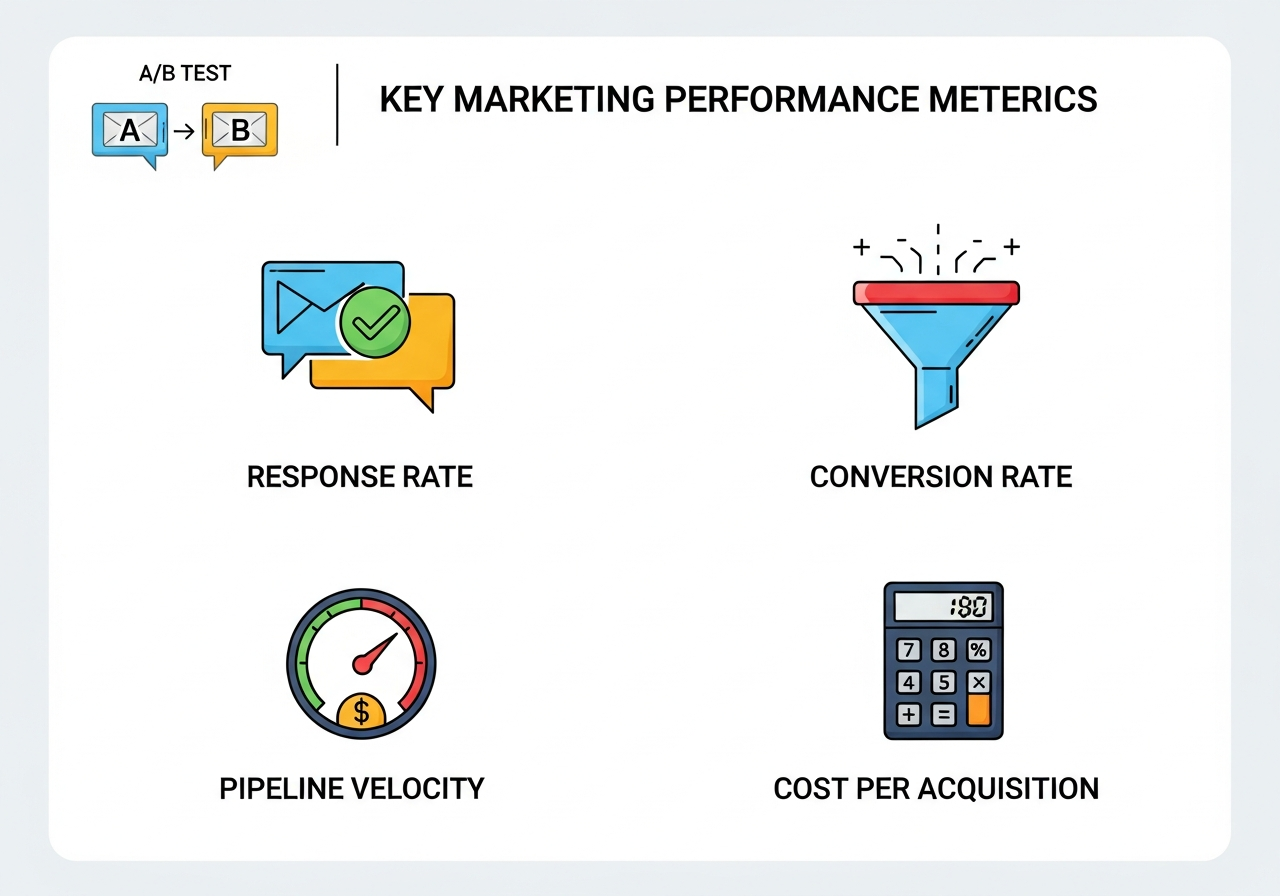
Continuous optimization relies on data. Track key metrics such as:
- Response Rate: Percentage of prospects who engage with your outreach.
- Conversion Rate: Percentage of engaged prospects who become qualified opportunities.
- Pipeline Velocity: Time taken for leads to move from initial contact to closed deal.
- Cost per Acquisition (CPA): Total outbound spend divided by the number of new customers.
Use A/B testing for subject lines, call scripts, and messaging variants. Regularly review performance to identify bottlenecks and iterate on winning formulas.
Best Practices for Maximum ROI
Integrate these best practices into your outbound funnel to drive superior results:
- Align Sales and Marketing: Ensure shared goals, consistent messaging, and closed-loop feedback.
- Invest in Automation Wisely: Automate repetitive tasks but maintain a human touch in personalization.
- Leverage Intent Data: Incorporate buying signals from website visits, content downloads, and social engagement.
- Maintain List Hygiene: Remove invalid emails, unreachable numbers, and unresponsive contacts every quarter.
By refining processes and prioritizing quality interactions, you protect your sender reputation and maximize the impact of every outreach dollar.
Enhancing Multi-Channel Engagement
A modern outbound marketing funnel requires engaging prospects across multiple channels to maximize reach and effectiveness. Relying on a single channel can limit conversions and reduce ROI.
-
Email Outreach
-
Craft personalized and value-driven emails targeting the prospect’s pain points.
-
Use A/B testing to optimize subject lines and messaging.
-
-
Phone Calls
-
Complement emails with calls to establish rapport and address objections.
-
Time calls based on prospect behavior signals to improve answer rates.
-
-
Social Media & LinkedIn Engagement
-
Share content, comment on posts, or send InMail messages to strengthen relationships.
-
Join relevant groups to participate in discussions and increase visibility.
-
Table: Recommended Multi-Channel Cadence
| Channel | Frequency | Purpose |
|---|---|---|
| 3–4 per week | Introduce, nurture, and follow-up | |
| Phone | 1–2 per week | Build rapport and handle objections |
| 2–3 per week | Provide insights, engage, and maintain visibility | |
| Direct Mail | As needed | Reinforce message and add personal touch |
By integrating multiple channels, you ensure consistent messaging, higher engagement, and better overall conversion rates.
Optimizing Messaging for Maximum Impact
Messaging is the core of every outbound campaign. Without clarity, relevance, and value, your outreach will struggle to convert.
-
Crafting Value-Oriented Messaging
-
Focus on the prospect’s challenges rather than just your product features.
-
Lead with insights, case studies, or actionable recommendations.
-
-
Personalization Techniques
-
Reference recent company news, milestones, or mutual connections.
-
Adapt messaging to different personas within the same organization.
-
-
Message Testing & Iteration
-
Use A/B testing for subject lines, email copy, and call scripts.
-
Track engagement metrics and refine based on responses.
-
Key Points for Messaging Optimization:
-
Keep it concise and easy to understand in under 30 seconds.
-
Highlight social proof to build credibility and trust.
-
Include a single, clear call-to-action to minimize friction.
Optimized messaging ensures every touch resonates with the prospect, increasing reply rates, conversions, and overall ROI.
Leveraging Analytics for Continuous Improvement
Data-driven insights are crucial for optimizing every stage of your outbound marketing funnel. Tracking and analyzing the right metrics allows you to identify bottlenecks, refine strategies, and maximize ROI.
-
Key Metrics to Monitor
-
Response Rate: Percentage of prospects engaging with your outreach.
-
Conversion Rate: Prospects moving from engagement to qualified opportunities.
-
Pipeline Velocity: Time taken from first contact to deal closure.
-
Cost per Acquisition (CPA): Outbound spend divided by new customers acquired.
-
-
Using Analytics to Refine Campaigns
-
Identify which channels or messages deliver the best results.
-
Segment prospects by engagement levels to prioritize high-potential leads.
-
Run A/B tests on email copy, call scripts, and social outreach to optimize performance.
-
Table: Sample Funnel Analytics Dashboard
| Metric | Current Performance | Goal | Action Plan |
|---|---|---|---|
| Response Rate | 18% | 25% | Test subject lines & email personalization |
| Conversion Rate | 8% | 12% | Improve follow-up messaging & CTAs |
| Pipeline Velocity | 45 days | 30 days | Prioritize high-value leads & use intent data |
| CPA | $220 | $180 | Optimize targeting & multi-channel approach |
By leveraging analytics effectively, teams can make informed decisions, improve engagement at every stage, and continuously enhance outbound ROI.
Leveraging Multi-Channel Integration for Maximum Reach
In today’s competitive B2B environment, relying on a single outreach channel limits your ability to connect with prospects effectively. Multi-channel integration allows you to engage potential customers across multiple touchpoints, increasing visibility, reinforcing messaging, and improving conversion rates. By strategically combining digital and offline channels, your outbound campaigns become more resilient and adaptable.
Why Multi-Channel Matters:
Prospects have different preferences for communication. Some respond best to email, while others engage more on social media or over the phone. Integrating multiple channels ensures you reach each prospect through their preferred medium, increasing engagement rates and reducing the risk of missed opportunities.
Key Multi-Channel Strategies:
-
Email and Social Media Coordination: Follow up cold emails with LinkedIn InMails, targeted social posts, or content interactions. This creates consistent visibility and reinforces your value proposition.
-
Phone Outreach Integration: Schedule calls after digital touchpoints to personalize your approach, answer questions, and build trust. A thoughtful phone call can move hesitant prospects closer to conversion.
-
Direct Mail Amplification: For high-value targets, personalized letters, brochures, or small packages can make your brand memorable, especially when combined with digital follow-ups.
-
Retargeting Ads: Use display or social retargeting campaigns to stay top-of-mind with prospects who have engaged with your emails, website, or social content.
Benefits of Multi-Channel Integration:
- Increased touchpoints and higher engagement rates
- Reinforced brand recall and stronger positioning
- Richer data collection across channels for improved targeting
- Flexibility to adapt campaigns based on performance insights
By coordinating outreach across multiple channels, you ensure a cohesive brand experience while capturing prospects wherever they are. Multi-channel integration transforms your outbound strategy from a single-stream approach into a dynamic, responsive system capable of maximizing reach, engagement, and ultimately, conversions.
Conclusion
Optimizing your outbound marketing funnel transforms cold, impersonal outreach into a finely tuned engine that converts prospects into loyal customers. By defining clear stages, personalizing every touch, measuring performance, and iterating on data-driven insights, you’ll drive higher response rates, accelerate pipeline velocity, and achieve maximum ROI. Start auditing your current funnel today, apply these strategies, and watch your cold contacts turn to gold.
FAQ: Optimizing Your Outbound Marketing Funnel for Maximum ROI
-
What is an outbound marketing funnel?
An outbound marketing funnel is the structured process that guides potential customers from initial contact all the way to purchase. Unlike inbound marketing, where leads come to you, outbound marketing involves proactive outreach at each stage: awareness, interest, decision, and action. Optimizing each stage ensures efficient use of resources and better conversion rates. -
Why is targeted prospecting important for outbound marketing?
Targeted prospecting is crucial because it helps you focus on the most promising leads. By defining your Ideal Customer Profile (ICP) and prioritizing high-value segments, you ensure your outreach resonates with decision-makers who are more likely to convert, improving engagement and reducing wasted efforts on unqualified leads. -
How can I personalize my outbound outreach effectively?
Personalization is key to standing out. Hyper-personalize your outreach by referencing a recent event, shared connection, or a pain point specific to the prospect. Use multi-channel cadences (email, phone, LinkedIn, direct mail) to increase touchpoints and deliver value-first messaging, such as case studies or insights, instead of just pushing a sales pitch. -
What’s the best follow-up strategy for nurturing engagement?
A thoughtful follow-up strategy is essential to keeping your brand top-of-mind. Aim for 5–7 touchpoints over 2–3 weeks, and ensure each follow-up provides progressive value, such as sharing new resources, success stories, or data insights. Use varied calls-to-action (CTAs) to give prospects multiple ways to engage with you. -
How do I convert prospects effectively in the decision stage?
In the conversion stage, make the process as smooth as possible. Provide clear and concise proposals with tailored pricing options and ROI projections. Offering live demos, free trials, or pilot programs can give prospects hands-on validation. Social proof, like testimonials or case studies, can also help build trust and reduce friction during decision-making. -
How should I measure the success of my outbound marketing funnel?
Key performance metrics include:-
Response Rate: The percentage of prospects who engage with your outreach.
-
Conversion Rate: The percentage of engaged prospects who become qualified opportunities.
-
Pipeline Velocity: The speed at which leads move from initial contact to closed deal.
-
Cost per Acquisition (CPA): The cost of acquiring a customer through outbound efforts.
Tracking these metrics helps you identify bottlenecks and optimize your funnel.
-
-
What are some best practices for optimizing my outbound funnel for maximum ROI?
-
Align sales and marketing: Ensure both teams share goals and messaging for a unified approach.
-
Invest in automation: Automate repetitive tasks like email outreach, but maintain a personal touch in messaging.
-
Leverage intent data: Track buying signals such as website visits, content downloads, and social engagement to better time your outreach.
-
Maintain list hygiene: Regularly clean your contact lists to remove invalid emails or unresponsive leads, ensuring higher engagement rates and better deliverability.
-
-
How does automation fit into the outbound marketing funnel?
Automation can help streamline repetitive tasks, like sending emails, tracking responses, and scheduling follow-ups. However, it’s important to balance automation with personalization. Automated tools should handle the repetitive tasks, while you maintain a human touch in your outreach, making each prospect feel valued. -
What’s the role of social proof in outbound marketing?
Social proof is powerful in helping prospects trust your offering. Using testimonials, case studies, and relevant customer logos during the decision stage of your funnel can help build credibility and alleviate concerns, ultimately guiding prospects towards conversion. -
How can I improve my outbound marketing funnel over time?
Continuous improvement is essential for long-term success. Regularly track and analyze your key metrics, experiment with A/B testing for subject lines, messaging, and outreach tactics, and use the data to refine and optimize your funnel. By staying proactive and data-driven, you can continuously improve your strategies and achieve better ROI.
Learn more about: Generative AI in Outbound Marketing: How to Craft Personalized Campaigns at Scale