Outbound Lead Generation: Tips, Mistakes & Best Practices
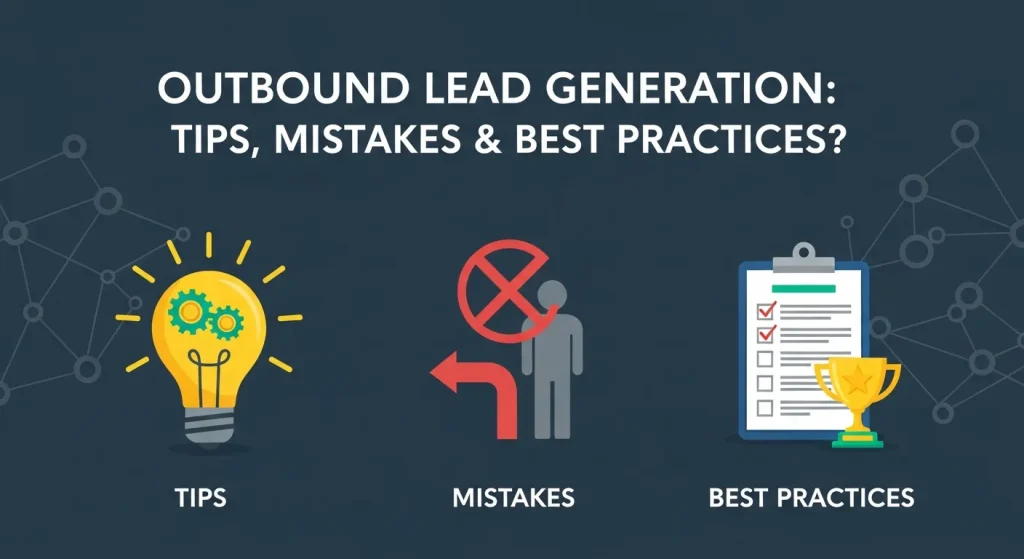
Outbound lead generation remains vital in B2B marketing. By defining your Ideal Customer Profile, personalizing outreach, leveraging multi-channel strategies, and tracking performance, businesses can build predictable pipelines, engage prospects effectively, and convert leads into loyal customers.
Is outbound marketing dead? It’s a question that echoes through marketing departments and sales floors. With the rise of inbound strategies, many have been quick to dismiss traditional outbound methods as outdated. Yet, many of the world’s fastest-growing companies still rely heavily on proactive outreach to fill their sales pipelines.
The reality is that outbound lead generation isn’t dead—it has evolved. The days of aggressive cold calling and generic email blasts are over. Today, a successful outbound marketing strategy requires precision, personalization, and a deep understanding of the customer. It’s about building relationships and providing value before you ever ask for a sale.
This guide will walk you through the modern landscape of B2B lead generation. We’ll explore effective strategies, highlight common pitfalls to avoid, and share best practices to help you build a powerful outbound engine. You’ll learn how to identify the right prospects, craft compelling outreach, and turn cold leads into loyal customers.
What is Outbound Lead Generation?
Outbound lead generation is the process of proactively initiating contact with potential customers to generate interest in your product or service. Unlike inbound marketing, where you attract customers through content and SEO, outbound involves reaching out directly to prospects who may not yet be aware of your brand.
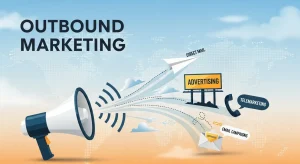
Common outbound channels include:
- Cold emailing
- Cold calling
- Social media outreach (like on LinkedIn)
- Direct mail
- Attending trade shows and industry events
The goal is to start a conversation, qualify the prospect, and guide them into your sales funnel. When done right, this approach can be a highly effective way to generate high-quality leads and drive predictable revenue growth. If you want to see how these steps fit together in a structured process, explore our guide on building a product promotion funnel with outbound marketing tactics.
Why Outbound Still Matters in B2B Marketing

While inbound marketing has gained immense popularity, relying on it alone can be a slow and unpredictable process. You create content and hope the right people find it. Outbound puts you in control. It allows you to target specific accounts and decision-makers, making it an essential component of any comprehensive B2B marketing strategy.
Here are a few reasons why outbound lead generation remains critical:
- Targeted Approach: You can handpick the companies and individuals you want to do business with. This is especially valuable for B2B companies with a clearly defined Ideal Customer Profile (ICP).
- Predictable Results: Outbound campaigns can be measured and optimized to produce a consistent flow of leads, making revenue forecasting more accurate.
- Faster Feedback: Direct outreach provides immediate feedback from the market. You can quickly learn what messaging resonates, what pain points are most pressing, and whether you’re targeting the right audience.
- Competitive Edge: While your competitors wait for leads to come to them, you can be proactively engaging high-value prospects and building relationships before they even start their buying journey.
Crafting Your Outbound Marketing Strategy
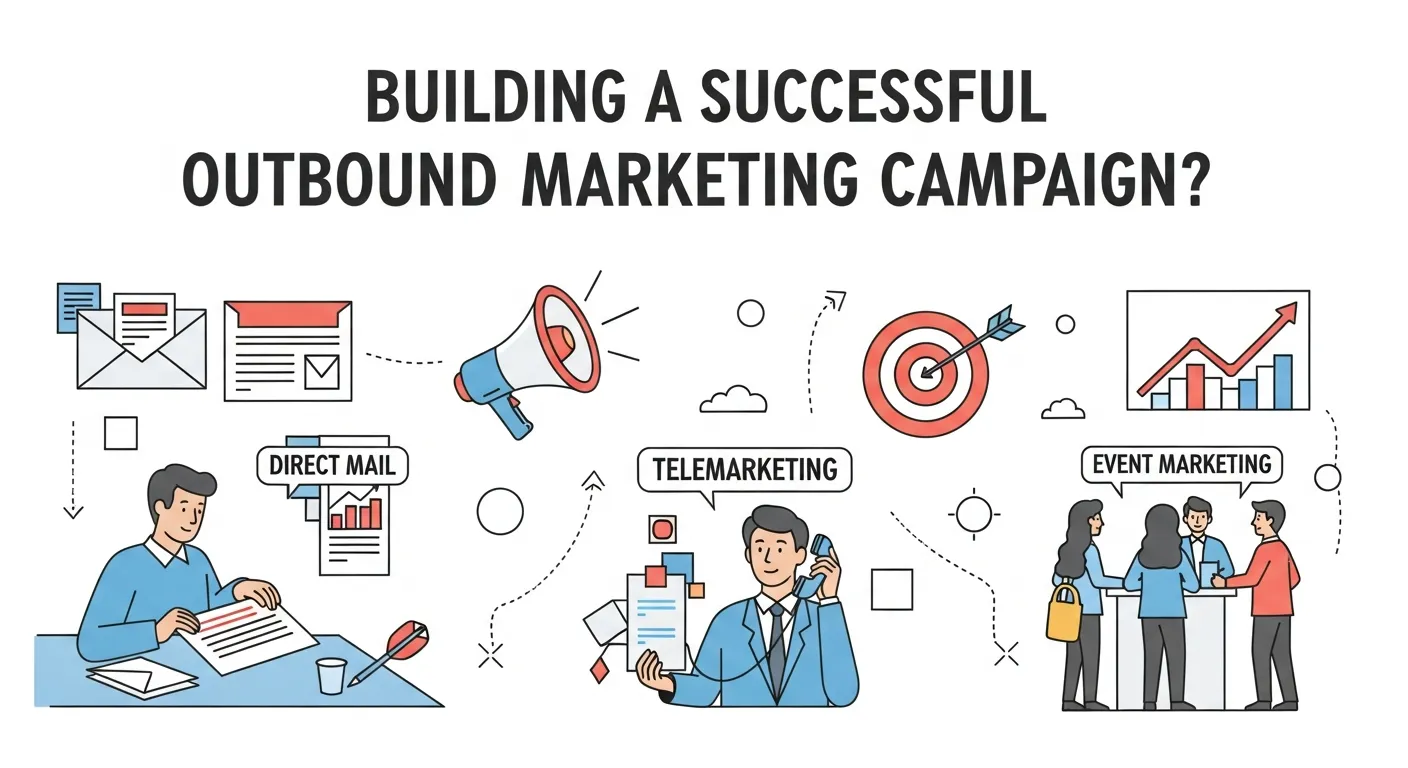
A successful outbound campaign doesn’t happen by accident. It requires a well-defined strategy built on a solid foundation. Here are the key steps to building yours.
Building a Successful Outbound Marketing Campaign
A successful outbound marketing campaign doesn’t happen by accident—it’s built on strategy, precision, and consistent execution. To drive meaningful results, you need a structured approach that aligns your messaging, targeting, and personalization efforts. Here are the key steps to building a high-performing outbound marketing strategy from the ground up.
1. Define Your Ideal Customer Profile (ICP)
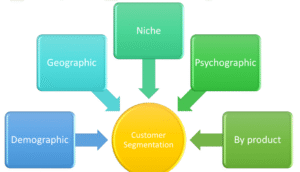
Before you can reach your future customers through outbound marketing, you must clearly understand who they are. An Ideal Customer Profile (ICP) defines the type of company that gains the most value from your product or service. To create an accurate ICP, analyze firmographic data such as:
- Industry: Which industries face the specific challenges your solution solves?
- Company Size: Are you targeting startups, mid-market companies, or large enterprises?
- Geography: Which regions or countries align best with your outreach?
- Revenue: What is the typical annual turnover of your ideal customers?
- Technology Stack: What other software or tools do they currently use?
Look at your most successful existing customers and identify shared traits. These insights form the foundation of your outbound marketing efforts, helping you target the right audience with the right message. Your ICP becomes the North Star that guides every stage of your outbound campaign—from prospecting to personalization.
2. Build Targeted Prospect Lists
With your ICP in place, the next step in outbound marketing is to identify companies that match those criteria. Building high-quality, targeted prospect lists is crucial for maximizing efficiency and conversion rates.
Use the following tools and methods to find ideal-fit prospects:
- LinkedIn Sales Navigator: A powerful platform for B2B outbound lead generation, allowing you to filter contacts based on detailed parameters.
- Company Databases: Tools like ZoomInfo, Apollo.io, and Lusha provide verified company and contact data for accurate targeting.
- Industry Directories & Associations: Trade organizations and association directories are excellent sources of niche prospects in your target sectors.
Remember—effective outbound marketing focuses on quality over quantity. A smaller, well-researched list of high-fit prospects will always outperform a large, generic one. Strategic targeting ensures your message reaches decision-makers most likely to respond and convert.
3. Master the Art of Personalization
In today’s competitive landscape, generic, one-size-fits-all outreach is a surefire way to get ignored. The most impactful outbound marketing campaigns rely on genuine personalization to capture attention and build trust.
True personalization goes beyond simply inserting a name in an email—it’s about demonstrating real interest and relevance. Consider these approaches:
- Reference a recent company announcement, funding round, or press feature.
- Mention a blog post, interview, or podcast the prospect participated in.
- Acknowledge a recent promotion or professional milestone.
- Highlight a shared connection or mutual affiliation.
When done right, personalization transforms your outbound marketing outreach from cold to conversational. It shows prospects that you’ve done your research and that your message is tailored specifically for them. This approach not only improves response rates but also builds credibility and sets the tone for long-term engagement.
Essential Sales Prospecting Tips for Success
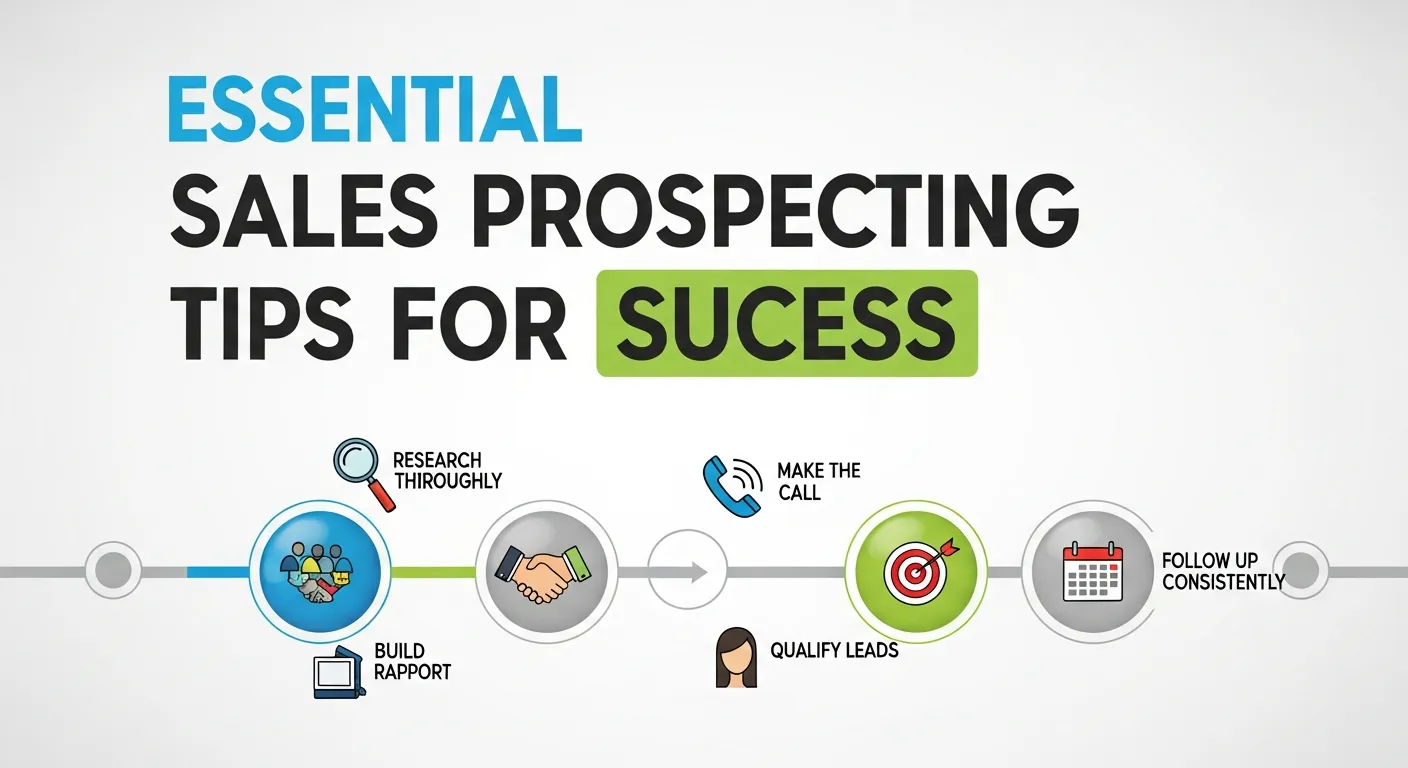
With your strategy in place, it’s time to execute. Here are some proven sales prospecting tips to maximize your effectiveness
Cold Emailing Best Practices
Cold email is one of the most scalable outbound channels, but it’s also one of the most competitive.
- Nail the Subject Line: Your subject line is your first impression. Keep it short, intriguing, and personalized. Avoid spammy language or excessive punctuation. A simple subject line like “Question about [Company Name]” or “[Mutual Connection] recommended I reach out” can be very effective.
- Keep it Concise: No one has time to read a novel. Get to the point quickly. Your email should be easy to scan and understand in 30 seconds or less. Aim for 3-5 short sentences.
- Focus on Them, Not You: Frame your email around the prospect’s needs and challenges, not your product’s features. Instead of saying, “Our software does X, Y, and Z,” try, “I saw you’re hiring for [Role], which often means [Challenge]. Have you considered how to [Achieve Outcome]?”
- End with a Clear Call-to-Action (CTA): Make it easy for the prospect to respond. Use a simple, low-friction CTA like, “Are you open to a brief 15-minute call next week?” or “Is this a priority for you right now?”
- Follow Up Relentlessly: Most responses come from follow-up emails. Create a sequence of 5-7 emails sent over several weeks. Provide additional value in each follow-up, such as a relevant case study or blog post.
Cold Calling Techniques that Work
Cold calling can feel intimidating, but it remains a powerful tool for connecting directly with prospects.
- Prepare a Script (but don’t be a robot): Have a script with key talking points, but be prepared to deviate and have a natural conversation. Your script should be a guide, not a crutch.
- Start with an Opener that Builds Rapport: Your first few seconds are crucial. Start by stating your name and company, then quickly pivot to the reason for your call. Something like, “Hi [Prospect Name], this is [Your Name] from [Your Company]. I know you weren’t expecting my call, but I was hoping to get your advice on something.”
- Ask Open-Ended Questions: Your goal is to uncover pain points and qualify the prospect. Ask questions that can’t be answered with a simple “yes” or “no.” For example, “What’s your biggest challenge when it comes to [Area of Business]?”
- Handle Objections with Grace: Objections are a natural part of sales. Don’t get defensive. Acknowledge the objection, validate their concern, and then offer a counterpoint or ask a clarifying question.
Common Outbound Lead Generation Mistakes to Avoid
Even with the best intentions, it’s easy to make mistakes that can derail your outbound efforts. Here are some of the most common pitfalls.
- Giving Up Too Soon: Many sales reps send one or two emails and then move on. Persistence is key. The majority of deals require multiple touchpoints.
- Focusing on Features, Not Benefits: Prospects don’t care about what your product does; they care about what it can do for them. Always translate features into tangible benefits and outcomes.
- Not Tracking Your Metrics: You can’t improve what you don’t measure. Track key metrics like open rates, reply rates, meetings booked, and conversion rates to understand what’s working and what’s not.
- Ignoring a Multi-Channel Approach: Don’t rely on a single channel. A successful outbound marketing strategy combines email, phone calls, and social media outreach to create multiple touchpoints and stay top of mind.
Leveraging Multi-Channel Outreach for Maximum Impact
In modern outbound lead generation, relying on just one channel—whether email, phone, or social media—is no longer sufficient. Prospects are bombarded with messages daily, so your approach must be strategic, integrated, and multi-channel. Multi-channel outreach ensures your message reaches prospects in different ways, increasing the likelihood of engagement and conversion.
Why Multi-Channel Outreach Works
- Reinforces Your Message: Seeing your brand across multiple channels helps prospects remember your company and builds credibility.
- Improves Response Rates: Studies show that campaigns using at least three outreach channels see 30–50% higher response rates compared to single-channel approaches.
- Reduces Risk of Ignoring: Some prospects prefer emails, while others respond better to LinkedIn messages or phone calls. Multi-channel strategies ensure you meet prospects where they are most receptive.
How to Execute a Multi-Channel Campaign
- Email + Phone Combo: Start with a personalized email, then follow up with a phone call referencing that email. This shows diligence and reinforces your message.
- Social Media Engagement: Connect on LinkedIn, comment on posts, or share relevant content. This establishes familiarity before direct outreach.
- Direct Mail for Key Accounts: For high-value prospects, sending a thoughtful, physical package can make a lasting impression.
- Event-Based Outreach: Attend webinars, trade shows, or industry events where your ideal prospects gather. Post-event follow-ups using emails or calls increase engagement.
Tips for Seamless Multi-Channel Execution
- Keep messaging consistent but tailored to each channel.
- Track engagement across all touchpoints to avoid over-messaging or spamming prospects.
- Use sales automation and CRM tools to manage sequences and reminders efficiently.
Pro Tip: Treat multi-channel outreach as a conversation rather than a sales assault. Providing value at every touchpoint ensures prospects see you as a trusted advisor instead of just another salesperson.
Your Next Steps in B2B Lead Generation
Outbound marketing remains one of the most powerful engines for B2B lead generation, but succeeding today requires a modern, data-driven approach. By building a solid strategic foundation, prioritizing personalization, and following proven best practices, businesses can create a predictable pipeline of high-quality leads that convert consistently.
The key to successful outbound marketing is to treat it not as a blunt instrument, but as a precision tool. Instead of mass outreach, focus on meaningful, one-to-one engagement. It’s about initiating valuable conversations with the right decision-makers at the right time. When you shift from a “selling” mindset to that of a trusted advisor, your outreach becomes more authentic and effective. Provide value through insights, solutions, and relevance—and prospects will naturally be more willing to engage.
Start your outbound marketing strategy by refining your Ideal Customer Profile (ICP)—the cornerstone of every successful campaign. This ensures that your outreach targets companies most likely to benefit from your solution. From there, build a targeted prospect list that aligns with your ICP and begin experimenting with personalized outreach messages that speak to each prospect’s unique needs.
Finally, make optimization a continuous process. Measure your results, analyze engagement metrics, and adapt your approach based on data. Modern outbound marketing is iterative—every campaign provides valuable insights to refine your messaging, timing, and targeting. Over time, this data-driven refinement will transform your outbound strategy into a predictable, scalable growth engine that fuels long-term business success.
Frequently Asked Questions about Outbound Lead Generation
1. What is the difference between inbound and outbound lead generation?
Outbound Lead Generation involves proactively reaching out to potential customers through channels like cold emails, cold calls, and outbound marketing campaigns, while inbound lead generation attracts prospects organically through SEO, blogs, and social media. In short, inbound draws customers in, whereas outbound actively targets and engages them.
2. How do I measure the success of my outbound lead generation campaigns?
Success in outbound lead generation can be tracked using key performance indicators (KPIs), such as:
- Email Open Rate – measures engagement with your outbound emails.
- Reply Rate – tracks interest and response quality.
- Meetings Booked – indicates conversion of leads to opportunities.
- Lead-to-Customer Conversion Rate – shows how effectively your outreach converts.
- Customer Lifetime Value (CLV) – measures long-term profitability from outbound marketing efforts.
3. What tools are essential for effective outbound lead generation?
To run successful outbound marketing campaigns, you need:
-
CRM Tools: Salesforce, HubSpot, or Pipedrive for managing lead data.
-
Sales Engagement Platforms: Outreach or Salesloft for sequencing and follow-ups.
-
Data Providers: ZoomInfo, Lusha, and LinkedIn Sales Navigator for lead sourcing.
These tools streamline outbound lead generation workflows, enabling efficient targeting, tracking, and nurturing.
4. Is cold calling still effective in outbound lead generation?
Yes. Cold calling remains one of the most direct and personal forms of outbound marketing. The key is to be research-driven and conversational, not robotic or pushy. When used alongside email and social outreach, cold calling can be a powerful channel for B2B outbound lead generation.
5. How many touchpoints are ideal in an outbound campaign?
Most high-performing outbound lead generation campaigns include 5–7 touchpoints across various outbound marketing channels, such as email, phone, and LinkedIn. Consistency and persistence are essential—most prospects respond after multiple interactions rather than the first outreach.
6. How do I personalize outreach in outbound marketing without spending too much time?
Use smart automation combined with authentic personalization. Start with structured templates for your outbound emails, then add 1–2 personalized lines referencing the prospect’s company, achievements, or recent news. This balance allows you to scale outbound lead generation without losing a human touch.
7. How should I handle unresponsive prospects in outbound campaigns?
Persistence is key in outbound marketing. If prospects don’t respond after one or two messages, follow up with new value—such as insights, case studies, or testimonials. If still unresponsive, move them into a nurture sequence for future outbound lead generation efforts. Timing and relevance often determine success.
8. What’s the difference between a lead and a prospect in outbound lead generation?
In outbound lead generation, a lead is someone who fits your target market or shows initial interest. A prospect, however, is a qualified lead—someone who has been vetted, meets your Ideal Customer Profile (ICP), and demonstrates intent to buy. The goal of outbound marketing is to convert leads into active prospects.
9. Should I segment my outbound lead generation campaigns?
Absolutely. Segmentation is a cornerstone of effective outbound marketing. By tailoring your outreach based on industry, company size, job title, or pain points, you can improve engagement and response rates. Segmented outbound lead generation campaigns are far more effective than one-size-fits-all approaches.
10. How can I maintain a healthy pipeline without spamming prospects?
Balance persistence with value-driven communication. Space out your outbound marketing touchpoints, diversify your messaging, and ensure each interaction adds insight or relevance. Respect communication preferences and focus on solving problems, not just selling—this approach sustains a healthy outbound lead generation pipeline without appearing spammy.
Learn more about: Best Outbound Marketing Services to Boost Your Business