Outbound vs Inbound Marketing for Business Strategy

Marketing is the lifeblood of any successful business. But choosing the right strategy can be overwhelming, especially with terms like “outbound marketing” and “inbound marketing” being thrown around in every webinar, blog post, and team meeting. So, how do they differ, and which one is right for you?
This comprehensive guide breaks it all down. You’ll learn what outbound and inbound marketing entail, the benefits of each, and how to find the right mix to accelerate growth for your business.
Understanding Outbound Marketing
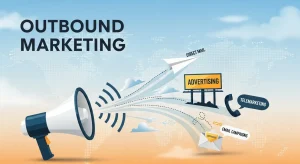
Outbound marketing, also known as “traditional marketing,” entails directly reaching out to potential customers to deliver your message. Think of it as pushing your brand or product onto people, regardless of whether they are actively looking for it.
Common Outbound Marketing Strategies
- TV and Radio Ads: Classic yet effective in reaching broad demographics.
- Cold Emails and Sales Calls: Sending a message directly to leads who may or may not know anything about your brand.
- Billboards and Print Ads: Grabbing attention through visual displays in public areas or magazines.
- Display Ads and Pay-Per-Click (PPC): Online banners and paid search that directly target users across the web.
Benefits of Outbound Marketing
- Broad Reach: Outbound marketing allows you to reach a wide audience across multiple channels, perfect for brand awareness campaigns.
- Immediate Impact: Campaigns like PPC ads or TV spots generate fast results, especially if you have a compelling offer.
- Predictability: With well-established metrics, such as Cost Per Lead (CPL), you can estimate how much reach or engagement your campaign will provide.
However, outbound marketing often comes with higher costs, a lower ROI compared to inbound methods, and the potential to irritate audiences through interruptive practices.
Understanding Inbound Marketing
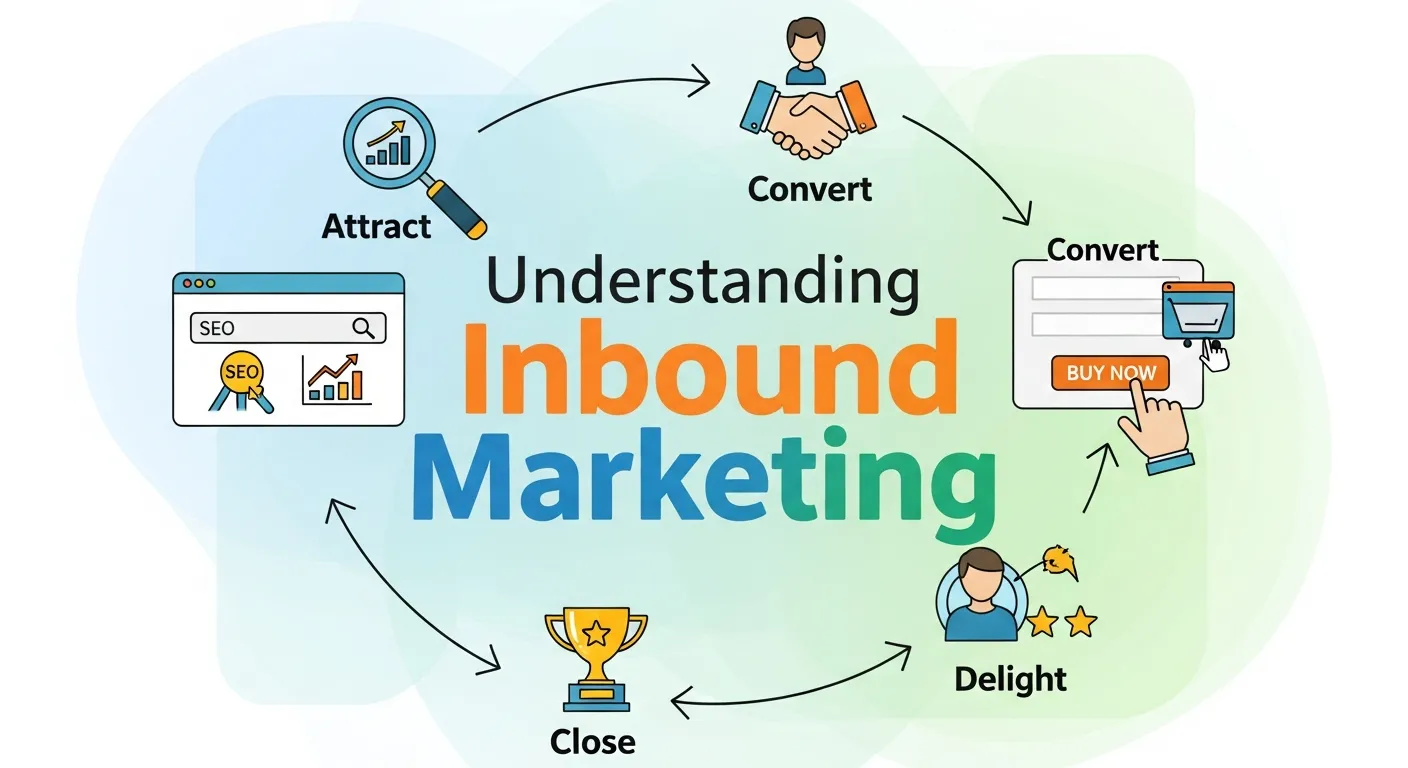
Inbound marketing flips the script by focusing on attracting customers to your brand through valuable, relevant content. Instead of interrupting potential leads, it pulls them in naturally when they are actively searching for solutions.
Common Inbound Marketing Strategies
- Content Marketing: Blogs, how-to guides, videos, and infographics that educate and engage audiences.
- SEO (Search Engine Optimization): Ensuring your website ranks higher on search engines for targeted keywords.
- Social Media Marketing: Organically building a community through platforms like Instagram, Facebook, and LinkedIn.
- Email Marketing: Nurturing prospects through tailored email sequences.
- Webinars and Podcasts: Offering in-depth, value-packed content to establish credibility.
Benefits of Inbound Marketing
- Cost-Effectiveness: Content creation and SEO strategies often cost less over time and deliver compounding long-term results.
- Higher Engagement: Because inbound strategies are audience-centric, they build trust, making it easier to convert leads into customers.
- Customer Loyalty: Providing valuable, ongoing content encourages lasting relationships and repeat purchases.
While inbound marketing takes time to produce results, it excels at nurturing leads over the long haul and creating an ecosystem that naturally attracts and retains customers.
Outbound vs. Inbound Marketing
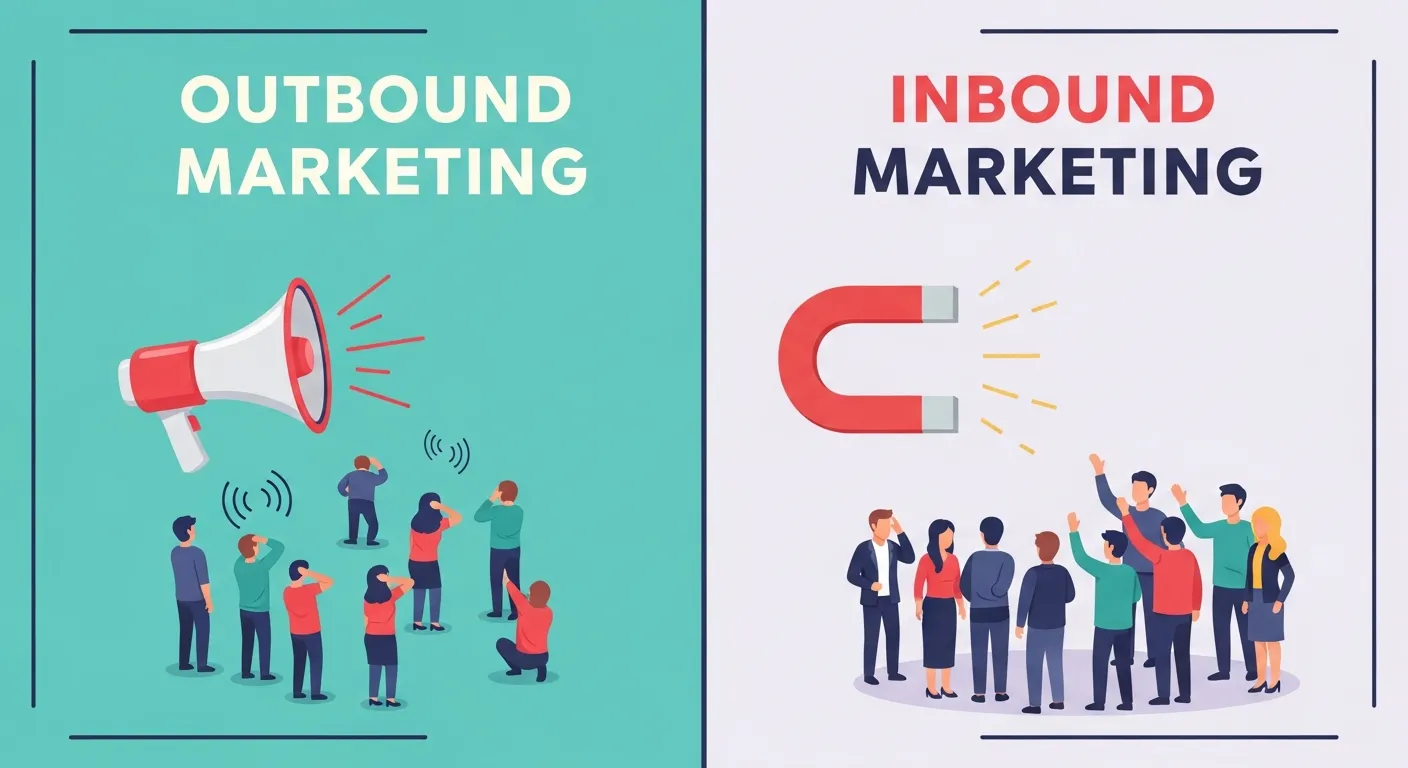
Now that we’ve defined both, how do outbound and inbound marketing compare? Here’s a side-by-side breakdown:
|
Aspect |
Outbound Marketing |
Inbound Marketing |
|---|---|---|
|
Approach |
Push (message to audience) |
Pull (attract audience to message) |
|
Cost |
Often High |
Lower, scalable over time |
|
Engagement |
May feel intrusive |
Personalized and value-driven |
|
Target Audience |
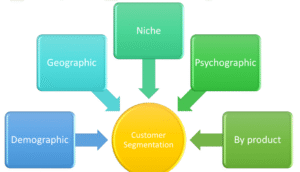
Broad, less targeted |
Niche, highly targeted |
|
Time to Results |
Fast |
Long-term investment |
|
Content |
Ads and promotions |
Educational, helpful, or entertaining |
Finding the Right Balance for Your Business
The question isn’t really about outbound vs. inbound marketing; it’s about how to effectively combine the two. Depending on your business goals and resources, the optimal strategy might require leveraging both approaches.
When to Prioritize Outbound Marketing
- Launching a New Product or Business: When building immediate brand awareness in a short amount of time is critical, outbound marketing delivers.
- Targeting a Wide Audience: If your product appeals to diverse demographics or audiences that aren’t yet aware of your solution, outbound techniques can help spread the word.
- Short-Term Goals: If your business requires quick lead generation or immediate revenue, focus on outbound channels like PPC ads and direct mail.
When to Prioritize Inbound Marketing
- Niche Markets: If you’re targeting a specific audience with precise needs, inbound marketing is excellent for building credibility and trust.
- Long-Term Growth: Content and SEO strategies compound over time, making them ideal for building a foundation of traffic and leads.
- Building Customer Relationships: If fostering loyalty and community is central to your brand, inbound approaches excel at creating strong connections.
Examples of Combining Outbound and Inbound
- Lead Nurturing Funnel: Use PPC ads (outbound) to drive traffic to a landing page with an engaging blog post or eBook (inbound). Then, nurture leads through email sequences.
- Geo-Targeted Campaigns: Run billboards or radio ads (outbound) in one geographic area, while using local SEO and social media to deepen engagement (inbound).
- Webinars and Promotions: Run a webinar (inbound) to provide value, and simultaneously follow up with targeted cold emails or phone calls (outbound) to convert leads.
Outbound and Inbound in Action
HubSpot
HubSpot excels in inbound marketing, creating free tools, blogs, and webinars to attract leads. Yet, their outbound efforts (ads and promotions) amplify their reach, especially for product launches and new audience segments.
Airbnb
Known for its community-driven inbound strategy, Airbnb also employs aggressive outbound marketing, such as PPC ads and email retargeting during peak travel seasons, to stay ahead of competitors.
Nike
Nike creates engaging inbound content (like motivational videos and tips for athletes), but pairs it with bold outbound campaigns across billboards, TV commercials, and paid partnerships to generate buzz.
By blending these strategies, brands maximize both their short-term gains and long-term customer relationships.
The Role of Marketing Communications in Business

Effective marketing communications bridge the gap between brands and consumers, making both outbound and inbound marketing strategies more impactful. Whether it’s an ad campaign, blog post, or social media message, communication defines how a business builds its image and influences customer perception.
Strong marketing communication strategies ensure consistency across channels and maintain a unified brand message that resonates with target audiences.
Key Components of Marketing Communication
- Brand Messaging: Crafting a consistent tone across campaigns.
- Public Relations (PR): Managing brand reputation and trust.
- Customer Interaction: Using social media and feedback to maintain engagement.
| Element | Purpose | Example |
|---|---|---|
| Advertising | Promote offers or new products | Paid social campaigns |
| Content Marketing | Educate and attract leads | Blogs, eBooks |
| PR & Media | Build credibility | Press releases |
| Customer Support | Strengthen trust | Chatbots, service emails |
Understanding the role of marketing communications in business helps organizations align both inbound storytelling and outbound advertising into one coherent strategy.
Affordable Email Marketing Service Every Startup Needs
Email marketing remains one of the most cost-effective inbound tools that supports outbound outreach. For startups and small businesses, investing in an affordable email marketing service every startup needs is a game-changer. It helps nurture leads, retain customers, and measure engagement without breaking the budget.
Why Email Marketing Matters
-
Low Cost, High ROI: Average return of $36 for every $1 spent.
-
Personalization: Segment lists for tailored communication.
-
Automation: Save time while maintaining consistency.
| Feature | Inbound Benefit | Outbound Synergy |
|---|---|---|
| Automated Drip Campaigns | Educate leads gradually | Follow-up to outbound ads |
| Personalized Offers | Increase open and click rates | Reconnect with cold leads |
| Analytics & Tracking | Optimize content strategy | Measure campaign impact |
Combining email automation (inbound) with follow-up calls or direct ads (outbound) ensures a holistic, performance-driven marketing ecosystem.
What Is Outbound Product Marketing?

If inbound marketing draws customers in through education and storytelling, outbound product marketing is all about proactively driving product visibility through paid and promotional channels.
This strategy helps businesses introduce products to large audiences, generate quick demand, and stay competitive in fast-moving markets.
Core Tactics of Outbound Product Marketing
-
Product Launch Campaigns: Use ads, press releases, and influencer partnerships.
-
Sales Enablement: Equip teams with materials for outreach.
-
Cross-Channel Promotion: Sync messaging across social, TV, and web ads.
| Objective | Inbound Connection | Outbound Focus |
|---|---|---|
| Educate Audiences | Through blogs or guides | Through demos or ads |
| Build Awareness | SEO visibility | Mass campaigns |
| Drive Sales | Long-term nurture | Immediate conversions |
By aligning what is outbound product marketing with inbound methods like content or SEO, businesses can amplify brand visibility while sustaining long-term growth.
Make Marketing Work for You
Outbound marketing drives awareness, while inbound marketing builds trust and engagement. The secret lies in leveraging the strengths of both, with a strategy tailored to your business. Evaluate your goals, budget, and audience to strike the perfect balance.
Whether you’re ready to strengthen your blog’s SEO or trying to increase direct sales with targeted ads, choosing an effective marketing strategy is the first step in reaching new heights. Need help optimizing your marketing approach? Schedule a free consultation with our experts today and start seeing results tomorrow.
Frequently Asked Questions (FAQ) on Outbound and Inbound Marketing
1. What is the main difference between outbound and inbound marketing?
The primary difference lies in the approach. Outbound marketing pushes your message out to audiences through paid ads, cold calls, or TV spots, while inbound marketing attracts potential customers organically through SEO, blogs, and social media. Outbound aims to reach new audiences quickly, whereas inbound nurtures long-term relationships by providing value and building trust.
2. Is outbound marketing still effective in the digital age?
Yes, absolutely. While digital marketing has evolved, outbound marketing remains effective—especially for generating quick awareness and reaching large audiences. Techniques like display ads, email outreach, and influencer collaborations can deliver measurable results when combined with data-driven targeting. The key is to integrate outbound with inbound methods to avoid appearing intrusive while maintaining brand visibility.
3. How can inbound marketing help small businesses grow?
Inbound marketing helps small businesses by leveling the playing field. Through content marketing, SEO, and social media engagement, startups can attract customers without spending heavily on ads. Over time, inbound channels like blogs and email newsletters build trust, authority, and organic reach—creating a steady flow of qualified leads at a lower long-term cost.
4. What is a product promotion funnel in outbound marketing?
A product promotion funnel in outbound marketing outlines the journey prospects take from awareness to conversion using proactive strategies. It typically includes four stages:
- Awareness: Using TV, social, or paid ads to capture attention.
- Interest: Sharing product details through landing pages or videos.
- Decision: Encouraging engagement with offers or free trials.
- Action: Converting leads through direct calls or personalized follow-ups.
This structured approach helps marketers measure performance, improve conversion rates, and align outbound tactics with customer needs.
5. How does SEO complement outbound marketing?
SEO strengthens outbound marketing by improving brand credibility. When customers see ads (outbound) and then search online, a well-optimized website ensures they find trustworthy, consistent information. This “see an ad → search online → engage organically” pattern bridges both strategies, enhancing conversions and reinforcing brand authority.
6. How has modern event marketing evolved over the years?
The modern event marketing evolution reflects the shift from purely physical events to hybrid and digital experiences. Traditional trade shows and conferences have integrated online webinars, live streams, and interactive virtual booths. Today, marketers use inbound tactics—like pre-event content marketing and post-event email nurturing—alongside outbound strategies such as paid event promotions and sponsorships to engage both local and global audiences effectively.
7. Which marketing approach delivers faster results: outbound or inbound?
Outbound marketing generally delivers faster results, especially for campaigns focused on product launches or immediate sales. Channels like PPC ads, influencer collaborations, and email blasts can drive instant visibility and traffic. Inbound marketing, on the other hand, compounds over time—building a lasting digital presence and stronger customer loyalty.
8. What are some effective ways to boost product visibility through outbound marketing?
Businesses can increase brand exposure by combining creativity with targeting. Boosting product outbound marketing strategies may include:
- Running retargeted PPC or display ads to re-engage visitors.
- Collaborating with influencers to reach niche demographics.
- Using geo-targeted campaigns for local product launches.
- Leveraging email outreach to follow up on ad engagements.
Pairing these with inbound content (like blogs or webinars) maximizes both awareness and conversion potential.
9. How do inbound and outbound marketing support each other?
Inbound and outbound marketing are most powerful when integrated. For example, a business might use outbound ads to attract visitors to a lead magnet or blog (inbound). Later, inbound strategies like email nurturing and content engagement help convert those leads into customers. This synergy ensures continuous visibility while maintaining a customer-centric approach.
10. Which marketing method is best for startups and new businesses?
For startups, a hybrid approach works best. Outbound marketing provides immediate brand awareness through ads and promotions, while inbound marketing builds sustainable growth through content and SEO. Initially, startups can rely on affordable digital ads and email automation, then gradually expand inbound efforts for long-term scalability. Evaluating budget, audience, and product type is crucial before prioritizing one over the other.