Why Online Reputation is the Foundation of Effective Outbound Marketing

What comes to mind when you think of successful outbound marketing strategies? Is it cold emails, persuasive phone pitches, or engaging on social platforms? While these tools are essential, one critical component often gets overlooked in the discussion of outbound success: online reputation.
Your online reputation is more than just a collection of reviews or a few testimonials scattered across the internet. It’s the digital aura surrounding your brand that shapes the way customers, prospects, and even competitors perceive you. And when done right, it becomes the backbone of outbound efforts, giving life and credibility to every campaign.
This post will explore the importance of online reputation in outbound marketing, how it impacts your success rates, and actionable ways to enhance and maintain it.
The Connection Between Online Reputation and Outbound Marketing
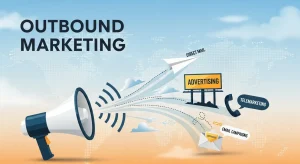
Outbound marketing is the art of reaching out to potential customers directly through various channels, whether it’s email outreach, direct mail, social selling, or paid ads. It’s about proactively introducing your brand to those who may not have come across your product or service yet.
However, no matter how compelling your outbound pitch, the first thing most prospects will do is Google you. A strong online reputation assures them they’re engaging with a credible and trustworthy business. On the flip side, a poor or nonexistent reputation may be detrimental.
Statistics speak volumes:
- 81% of people research a company online before making a purchase decision (BrightLocal).
- 94% of online consumers say that a negative review has convinced them to avoid a business (ReviewTrackers).
- Companies with a good online reputation typically have a better success rate on outbound campaigns, since their credibility has already been established in the eyes of potential customers.
Outbound marketing without a solid foundation of online reputation is like inviting strangers to an event where the venue looks questionable. First impressions might be the last opportunity to build credibility.
How Online Reputation Supports Effective Outbound Campaigns

1. Builds Trust Instantly
When a business has glowing online reviews, impressive brand mentions, and a polished digital presence, prospects are more likely to trust your outreach efforts. Trust becomes even more important for high-ticket or B2B sales cycles, where the stakes are higher, and the decision-making process involves multiple stakeholders.
Imagine reaching out to a potential client with a high-value cold email, and the next thing they see is a stream of five-star reviews and a feature in a reputable blog. That reassurance alone positions you as a reliable partner worth engaging.
2. Supports Brand Recognition
An excellent online reputation means your brand is often mentioned positively across various platforms. When prospects see your name pop up consistently during their pre-decision research, they’re more likely to remember and recognize it, thus increasing conversion rates.
For outbound marketing, the process boils down to familiarity. People are naturally more inclined to reply to emails, take your calls, or interact with your social media ads when they’ve seen your name in positive contexts before.
Key Tip: Your outbound messages should also highlight aspects of your reputation, such as notable client successes, awards, or press coverage, to hammer home that authenticity.
3. Shows You’re Customer-Centric
Online reputation management reveals how your company responds to customer feedback, be it good or bad. Prospects pay attention to how you handle public complaints or negative feedback online. Acknowledging concerns sincerely and responding tactfully adds a humanized layer to your business, signaling a commitment to customers.
4. Strengthens Referrals in Outbound Efforts
Outbound strategies often benefit directly from word-of-mouth marketing. Referrals don’t always come from personal connections; they also come from sources such as social recommendation threads, influencer shoutouts, or positive online discussions.
For instance, if one of your satisfied customers praises your company on LinkedIn, anyone in their network may be primed for your outbound cold email or paid campaign.
Steps to Build a Powerful Online Reputation for Your Outbound Marketing

1. Audit Your Current Online Presence
- Search Your Brand Name: What appears on the first few pages of search results? Is it positive or neutral? Address any red flags immediately.
- Review Metrics: Tools like Google Alerts or Mention can notify you of online discussions happening around your business.
- Test Your Social Media Perception: Check for organic likes, shares, or reviews that point towards audience approval or dissatisfaction.
2. Prioritize Online Reviews
Encourage happy customers to leave reviews on platforms like Google My Business, Yelp, and Trustpilot. Respond to negative reviews professionally. Often, a polite, solution-oriented response can turn critics into advocates.
Pro Tip: Include a short CTA in your emails to customers post-service or product delivery, like “Leave us a quick review about your experience.”
3. Create Thought Leadership Content
Start building authority in your industry by publishing expertise-driven content in the form of blogs, whitepapers, or LinkedIn articles. Outbound marketing benefits when prospects associate your brand with a knowledgeable thought leader.
4. Leverage Social Media Effectively
Social proof matters. Stay consistent on your social media platforms by posting testimonials, customer stories, or even case studies to highlight the positive word customers spread. Authentic, community-driven content builds credibility faster than overt self-promotion.
5. Align Your Team with Reputation Goals
Your sales and support team should understand the role of online reputation in driving business growth. Train them to engage professionally across any online customer touchpoints or social scenarios.
6. Monitor and Refine Constantly
Finally, keep monitoring your reputation metrics regularly and tweaking your strategies to either amplify the good or address the bad. Regularly refreshing your online presence shows that you’re an active player in your industry, ready to adapt and evolve.
Integrating Reputation with Product Marketing Strategy
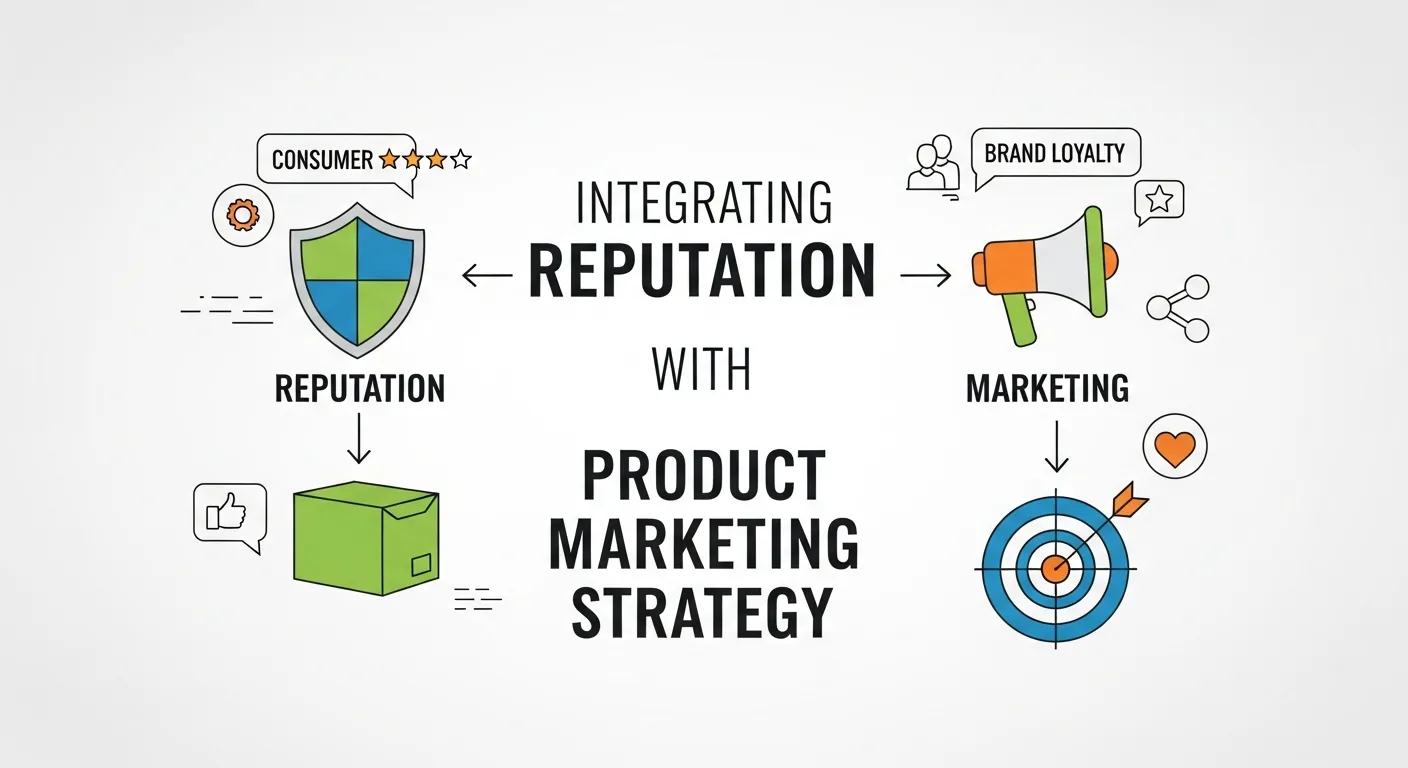
Building a strong online reputation doesn’t just support outbound efforts — it elevates your entire product marketing framework. In today’s competitive landscape, where trust often determines purchasing decisions, aligning your reputation strategy with your outbound activities ensures every campaign feels authentic, consistent, and persuasive.
One common product marketing technique is to blend outbound campaigns with ongoing reputation-building initiatives. This integration creates a seamless customer experience — one where the credibility reflected in your online presence directly strengthens the impact of your outreach.
Why Integrating Reputation with Product Marketing Matters
Outbound marketing is fundamentally about communication — but communication without trust rarely converts. Your brand’s reputation acts as the proof behind your promises, ensuring your outbound messages don’t just reach your audience, but resonate with them.
When your product marketing and reputation management are unified, your audience perceives your brand as transparent, consistent, and customer-focused — three traits that dramatically increase engagement and conversion.
Here’s how a reputation-driven product marketing strategy benefits your outbound efforts:
- Creates Authenticity: Prospects see your claims backed by real customer experiences.
- Increases Message Retention: Reputation consistency makes your brand more memorable.
- Shortens Sales Cycles: Trust reduces hesitation, helping decision-makers act faster.
- Boosts Perceived Value: Positive reputation enhances how customers perceive your product’s worth.
How This Integration Works
1. Pre-Outreach Alignment
Before you even hit “send” on your outbound campaign, align your messaging with the tone of credibility reflected across your brand’s digital footprint.
Ensure your emails, landing pages, and ad copy mirror the professionalism and authenticity found in your customer reviews, media features, and social presence.
Example:
If your Trustpilot profile highlights exceptional post-sale support, emphasize that in your outbound copy. This continuity reassures prospects that your claims are credible, not marketing fluff.
2. Customer Story Amplification
Your customers are your most persuasive storytellers. Use outbound marketing to amplify their voices by weaving authentic testimonials, case studies, and success stories into your campaigns.
Real stories don’t just prove your product’s value — they humanize your brand. Whether it’s a cold email, a LinkedIn ad, or a direct mail campaign, integrating reputation-backed narratives transforms a generic pitch into a relatable message.
Example:
Instead of “Our product improves productivity,” try “Our client, Apex Solutions, boosted productivity by 27% in 30 days using our tool — see how we helped them succeed.”
3. Post-Campaign Review Loop
After every outbound push, evaluate the relationship between your reputation metrics (mentions, sentiment, reviews, and brand trust scores) and your campaign performance data (open rates, engagement, conversions).
This insight helps you refine both your reputation strategy and your outbound execution, creating a cycle of continuous improvement.
Ask:
- Did prospects who engaged positively mention brand credibility?
- Did reputation-driven messages outperform generic ones?
- What feedback or sentiment trends emerged post-campaign?
This data-driven feedback loop ensures your reputation not only supports outbound success but actively evolves alongside it.
Integrating Elements for Maximum Impact
| Element | Reputation Impact | Outbound Benefit |
|---|---|---|
| Positive testimonials | Builds social proof that reinforces trust | Increases email response and ad click-through rates |
| Media coverage | Establishes authority and brand recognition | Enhances credibility during first contact |
| Transparent communication | Demonstrates integrity and accountability | Reduces objections and sales friction |
| Thought leadership content | Positions brand as an expert voice | Strengthens message credibility in outreach |
| Consistent visual branding | Builds familiarity across all touchpoints | Improves recognition and recall in outbound channels |
When Product Marketing and Reputation Work Together
When product marketing and online reputation management operate in sync, the result is more than visibility — it’s emotional resonance. Every outbound message feels grounded in authenticity because it’s backed by real-world validation.
This alignment ensures that:
- Prospects feel confident before they even respond.
- Your product story is reinforced by evidence, not exaggerated claims.
- Your outreach converts not by pressure, but through earned trust.
In short, when your reputation becomes the backbone of your outbound strategy, your brand’s voice carries more weight — and your marketing efforts deliver measurable, lasting impact.
Outbound Marketing in Product Launches

Every product launch is a defining moment — a chance to showcase not only what you sell, but why your audience should trust you. Whether you’re introducing a new SaaS platform, consumer product, or B2B solution, the impression you make in those early days can shape your brand’s trajectory for years.
That’s why outbound marketing should be part of every product launch plan — not merely as a channel to spread awareness, but as a trust amplifier that reinforces credibility, authority, and connection from day one.
While inbound tactics attract interest over time, outbound campaigns allow you to take control of your narrative and directly place your message in front of decision-makers — backed by the strength of your online reputation.
Why Outbound Marketing Is Crucial for Launch Success
- Instant Visibility – Outbound strategies such as email campaigns, LinkedIn outreach, or targeted ads help your product get noticed immediately, bypassing the slow buildup that inbound marketing requires.
- Proactive Storytelling – You can craft and control your message before public perception takes shape.
- Enhanced Credibility – When combined with online reviews, testimonials, and thought leadership, outbound messages gain instant trust.
- Faster Market Feedback – Direct outreach allows you to gather early insights from real users and decision-makers, refining your offering in real time.
Think of it this way:
Inbound attracts curiosity; outbound ignites conversations. When both align under a strong reputation, your launch gains unstoppable momentum.
Outbound Marketing’s Role During Each Launch Phase
Outbound marketing plays a unique role throughout every stage of your launch — from building anticipation to driving conversions and sustaining long-term engagement.
| Launch Phase | Outbound Activity | Reputation Focus | Key Outcome |
|---|---|---|---|
| Pre-launch | Targeted teaser emails, personalized LinkedIn DMs, early access offers | Build curiosity and trust through authority-driven messaging | Generate excitement and qualified leads before launch day |
| Launch Week | Influencer & PR outreach, press releases, live demos | Showcase expert validation and customer testimonials | Establish brand credibility and social proof quickly |
| Post-launch | Retargeting ads, case study emails, customer success stories | Leverage positive reviews and user feedback | Sustain momentum and drive repeat engagement |
How Reputation Fuels Launch Impact
Outbound marketing thrives on proof. During product launches, potential customers rely heavily on signals that indicate whether your product and brand are credible. Your online reputation — reviews, social media buzz, and expert endorsements — acts as the emotional engine behind your outbound messaging.
Here’s how reputation strengthens outbound launch efforts:
- Before the launch, credible brand mentions and teaser testimonials make your product intriguing.
- During the launch, endorsements and influencer collaborations validate your promises.
- After the launch, customer reviews and success stories solidify your position as a trusted name.
| Reputation Asset | Use in Outbound Campaigns | Impact |
|---|---|---|
| Customer reviews | Include in cold emails or social ads | Builds instant social proof |
| Expert endorsements | Add to press releases or product landing pages | Increases credibility |
| User-generated content | Share through outbound social ads | Encourages peer validation |
| Case studies | Attach to follow-up emails | Converts curiosity into confidence |
Blending Reputation and Outreach for Lasting Results
When outbound marketing and reputation management are synchronized, a product launch becomes more than just an event — it becomes a brand milestone.
- Leverage outbound storytelling to humanize your product’s journey.
- Use reputation assets like testimonials and reviews to reinforce every touchpoint.
- Follow up with credibility-driven messaging that nurtures prospects into advocates.
The most successful brands don’t view outbound marketing as a short-term tactic but as a reputation-powered system that fuels customer trust at every stage of the launch.
Example: Outbound Marketing in Action
Imagine a software startup preparing to launch a new CRM platform.
- Pre-launch: They run targeted LinkedIn ads teasing early access, supported by press coverage about their innovative features.
- Launch week: The sales team sends personalized outreach emails citing positive beta tester feedback and featuring quotes from an industry influencer.
- Post-launch: They follow up with a campaign showcasing 5-star customer reviews and a case study highlighting time savings achieved by early adopters.
Each phase builds upon the last, powered by reputation-driven outbound marketing that not only generates leads — but also builds lasting trust.
From Awareness to Advocacy
A launch supported by a strong online reputation transforms outbound marketing from simple outreach into meaningful relationship-building. Instead of a one-time product announcement, your campaign becomes an evolving story of credibility, customer success, and brand loyalty.
When executed strategically, outbound marketing doesn’t just help you launch — it helps you lead.
The Power of Outbound Product Marketing
Many businesses struggle to understand what is outbound product marketing and how it connects to their brand’s reputation strategy. Simply put, it’s the practice of promoting your products through direct, proactive outreach, where credibility, personalization, and timing play equally vital roles.
Unlike inbound marketing — where customers find you — outbound product marketing involves reaching out to your ideal buyers through cold emails, calls, targeted ads, and personalized campaigns. However, its effectiveness doesn’t just depend on the message; it’s deeply tied to how your brand is perceived online. A strong digital reputation transforms your outreach from a random attempt into a credible conversation starter.
Why Outbound Product Marketing Matters
Outbound product marketing bridges the gap between brand awareness and customer conversion. It allows businesses to deliver their value proposition directly to decision-makers — especially in competitive industries where waiting for organic discovery isn’t enough.
A strong outbound strategy:
- Expands market reach by engaging audiences who haven’t yet interacted with your brand.
- Accelerates sales cycles through personalized outreach backed by social proof.
- Builds authority by combining storytelling with real-world validation from your online reputation.
In a world where 81% of consumers research a company before making contact, your reputation acts as a silent salesperson, reinforcing every message your outbound team delivers.
Core Components of Effective Outbound Product Marketing
1. Message Consistency
Ensure every outbound message — whether it’s an email, social media DM, or ad copy — reflects your brand tone, values, and customer success stories.
Consistency builds familiarity, and familiarity breeds trust. When your communication mirrors your online presence, prospects instantly feel they’re dealing with a reliable brand.
Example:
If your LinkedIn profile highlights innovation and customer service, your cold outreach should echo that by emphasizing how your product improves customer experience, not just its technical features.
2. Reputation-Backed Storytelling
Modern buyers ignore generic sales talk. They respond to stories rooted in credibility — testimonials, user-generated content, case studies, or media coverage.
By weaving online reputation assets into your outbound messages, you shift from a self-promotional tone to one of proof and authenticity.
Example:
Instead of saying, “Our tool helps teams improve productivity,” you can say,
“Our tool helped Company X reduce project time by 25%, as featured in TechRadar.”
This instantly elevates trust and positions your product as proven.
3. Data-Driven Personalization
Outbound success today depends on personalization powered by insights — not assumptions. Using analytics and reputation data (like social sentiment, engagement behavior, or reviews), you can target the right prospects with the right message at the right time.
Example:
If a potential client’s company has been discussing workflow issues publicly on LinkedIn, a well-timed, reputation-backed email offering your solution positions you as attentive and credible — not intrusive.
Outbound Product Marketing in Action
| Strategy | Purpose | Result |
|---|---|---|
| Personalized cold emails | Capture attention through relevance and credibility | Higher open and reply rates |
| Case study promotion | Showcase proof of performance | Builds trust quickly |
| Reputation insights | Guide outreach timing and audience segmentation | Increases relevance and conversions |
| Influencer or partner endorsements | Leverage external credibility | Expands reach and authority |
| Customer video testimonials | Add human authenticity to outbound assets | Deepens emotional connection |
From Pitching to Partnering
The real power of outbound product marketing lies in relationship-building. When prospects encounter consistent messaging supported by authentic reviews, press features, and customer advocacy, they perceive your outreach as an opportunity — not an interruption.
With every outbound interaction:
- You strengthen credibility through social proof.
- You create emotional resonance by sharing relatable customer wins.
- You reduce friction by aligning your reputation with your value proposition.
When your brand reputation supports your outbound efforts, your outreach no longer feels like selling — it feels like collaboration.
In essence, outbound product marketing done right transforms a cold lead into a warm opportunity — built on the trust your online reputation has already earned.
Outbound Marketing Without Reputation Is Like Sailing Without a Compass
A polished online reputation isn’t optional in today’s outbound marketing world; it’s the foundation that everything rests upon. When you invest in managing your reputation effectively, your business benefits by minimizing sales friction, building immediate trust, and creating long-term customer engagement.
Whether you’re just starting with outbound marketing or are looking to increase conversion rates, consider this your sign to focus as much on how the world perceives you online as the quality of your sales pitch.
Want to ensure you’re putting your best digital foot forward? Check out our tools and resources to help manage your online reputation seamlessly (insert link or CTA here).
Frequently Asked Questions (FAQ)
1. What is outbound marketing, and how does it differ from inbound marketing?
Outbound marketing involves proactively reaching out to potential customers through direct channels such as cold emails, phone calls, ads, and events. In contrast, inbound marketing attracts customers organically through content, SEO, and social media. Outbound focuses on initiating contact, while inbound focuses on being found. Both can be powerful when aligned under a consistent brand reputation strategy.
2. Why is online reputation important for outbound marketing success?
Your online reputation acts as a credibility filter. When you reach out to prospects through outbound campaigns, they often research your brand online before responding. Positive reviews, testimonials, and a strong digital presence make your outreach trustworthy. Without it, even the most persuasive message can fall flat.
3. How can I build trust before launching an outbound campaign?
Trust begins long before the first email or call. Focus on maintaining accurate business listings, collecting authentic customer reviews, and showcasing social proof. When prospects see consistent, positive feedback, they’re more likely to engage with your outreach confidently — a key foundation of effective outbound marketing strategies for business growth.
4. What are the key components of a strong outbound marketing strategy?
A high-performing outbound strategy includes:
- Well-defined target audiences
- Personalized messaging
- Reputation-backed storytelling
- Data-driven performance tracking
- Continuous improvement through feedback loops
The most successful outbound campaigns integrate these elements with solid online credibility to create a unified, trust-based marketing approach.
5. How does online reputation management impact lead conversion rates?
When your brand demonstrates reliability through positive online sentiment, prospects feel more comfortable taking the next step — whether it’s scheduling a call or signing a contract. Reputation management removes skepticism from the decision process, shortening the sales cycle and improving conversion quality.
6. What is the psychology behind outbound marketing success?
The psychology behind outbound marketing lies in building familiarity, authority, and trust through repeated exposure. Humans are wired to trust what they recognize and feel confident about. When your outbound messages align with the positive reputation you’ve established online, prospects perceive your outreach as credible, not intrusive.
7. How can businesses measure the ROI of outbound marketing campaigns?
ROI measurement includes tracking open rates, response rates, conversions, and engagement quality. Combine these with sentiment analysis and brand perception surveys. When outbound campaigns are backed by a good reputation, ROI improves — because credibility drives higher-quality responses and more loyal customer relationships.
8. How outbound marketing shapes your business reputation?
Outbound marketing doesn’t just generate leads — it directly influences public perception. Every interaction, message, and campaign reflects your brand’s professionalism, tone, and authenticity. Understanding how outbound marketing shapes your business reputation helps you refine your communication style, ensuring every outreach enhances, rather than risks, your credibility.
9. What role does social proof play in outbound marketing?
Social proof — like customer testimonials, case studies, and user-generated content — transforms outbound messages from claims into verified truths. When your prospects see that others trust you, they feel safer engaging. Embedding social proof in your emails, ads, or sales pitches can dramatically improve engagement rates.
10. How can I align my sales and marketing teams to strengthen outbound reputation efforts?
Your sales and marketing teams must share a unified understanding of brand voice, tone, and customer values. Encourage collaboration by creating shared messaging guidelines, aligning KPIs, and integrating customer feedback loops. When both teams consistently reinforce brand credibility, your outbound marketing becomes more cohesive, authentic, and persuasive.