Mastering the Art of Seamless Customer Experiences Across Channels

Last month, I watched my colleague Sarah start her morning by browsing handbags on her phone during her train commute. Later, she continued researching options on her work laptop, comparing features and reading reviews. That evening, she received an email with personalized recommendations based on her browsing history, which prompted her to visit the physical store over the weekend. There, a sales associate pulled up her wishlist and helped her make a final decision.
This everyday shopping journey represents the new normal in consumer behavior—and highlights why omnichannel marketing has become essential. Traditional, siloed marketing approaches are rapidly becoming obsolete as customer journeys grow increasingly complex.
The Fragmented Customer Journey Reality
Gone are the days when customers followed linear paths to purchase. Today’s consumers zigzag between devices and channels, expecting brands to maintain context at every interaction. This reality underscores the importance of omnichannel marketing strategies that connect every touchpoint to deliver cohesive experiences.
The fragmentation challenge is substantial. The average consumer now uses more than six touchpoints when making a purchase decision, with nearly 50% regularly using more than four, according to McKinsey research. Each touchpoint represents a critical moment where experiences either reinforce or undermine brand perception.
What makes orchestration particularly challenging is that these interactions often occur across departments with different goals, technologies, and customer data sets. Marketing teams manage social and email campaigns, sales teams handle in-person and phone interactions, while product and web teams oversee digital experiences. Without coordination, these disconnected efforts create jarring transitions for customers. Omnichannel marketing bridges these gaps by aligning data, messaging, and context across the entire journey.
Beyond Multichannel: The Orchestration Difference

Many brands claim to deliver omnichannel experiences, but there’s a profound difference between merely being present across channels (multichannel) and truly orchestrating connected experiences through omnichannel marketing.
True orchestration requires more than consistent messaging—it demands contextual awareness across every interaction. When a customer service representative immediately knows about the marketing email a customer received yesterday, or when an in-store associate can reference a customer’s online browsing history, that’s omnichannel orchestration in action.
The benefits are tangible. A Harvard Business Review study found that customers who engaged with brands across multiple channels spent an average of 4% more in-store and 10% more online compared to single-channel customers. Even more significantly, these omnichannel marketing customers were 30% more valuable in terms of lifetime value.
Building Your Orchestration Framework

Creating truly seamless experiences requires strategic vision and thoughtful implementation across several dimensions.
The foundation begins with unified customer data. When I first tackled omnichannel marketing implementation, I discovered our customer data existed in at least seven different systems. Consolidating this information into a single customer view became our crucial first step. Without this unified profile, orchestration remains impossible.
We needed to understand not just what customers were doing, but the context behind their actions. This meant tracking not only which channel they used, but their intent signals, previous interactions, and how those behaviors connected to create a complete picture of their journey.
Once you’ve established this unified view, journey mapping becomes your essential strategic tool. Effective omnichannel journey mapping outlines the full spectrum of customer interactions, focusing on moments where channel transitions typically occur. These transition points often represent the greatest risk of disconnection—and the greatest opportunity for meaningful orchestration.
Consider visiting our strategy resources page for templates and frameworks that can help jump-start your omnichannel marketing strategy.
The final framework piece involves technology enablement. While technology alone can’t create orchestration, the right stack makes it possible. Customer Data Platforms (CDPs) that unify information, journey orchestration engines that automate cross-channel experiences, and analytics tools that provide journey insights form the technical backbone of successful omnichannel marketing systems.
Real-World Orchestration Success Stories
Abstract concepts become more tangible through examples. Some of the most impressive omnichannel marketing transformations I’ve witnessed came from brands willing to reimagine traditional processes.
A regional retailer struggling with online-to-offline conversion implemented a unified inventory system allowing customers to see in-store availability online, purchase items for pickup, and return online purchases in-store. This simple omnichannel strategy increased cross-channel purchasing by 28% within six months.
A financial services client revamped their mortgage application process, enabling customers to start applications online, continue over the phone with a specialist, and finish documentation at a local branch without redundant information gathering. Completion rates improved by 35%, while customer satisfaction soared.
According to research from Aberdeen Group, companies with strong omnichannel customer engagement strategies retain an average of 89% of their customers, compared to just 33% for those with weak omnichannel strategies.
Leveraging AI in Omnichannel Marketing

AI: The Catalyst for Intelligent Orchestration
Artificial intelligence is revolutionizing how brands analyze, predict, and respond to customer behavior across channels. With AI, marketers can move from reactive to proactive orchestration, delivering hyper-personalized messages in real time.
How AI Elevates Omnichannel Marketing:
- Predictive Analytics: AI identifies patterns to forecast future actions—like when a customer is most likely to purchase or churn.
- Automated Personalization: Dynamic content and offers adapt instantly based on behavior.
- Journey Optimization: Machine learning continuously refines journey paths for higher engagement and ROI.
- Conversational AI: Chatbots and voice assistants create frictionless experiences, connecting online and offline interactions.
| AI Capability | Application in Omnichannel Marketing | Benefit |
|---|---|---|
| Predictive Modeling | Anticipate customer intent | Reduces churn, increases conversion |
| Content Automation | Personalized recommendations | Boosts engagement rates |
| Sentiment Analysis | Monitors customer feedback | Improves experience consistency |
Explore emerging technologies shaping omnichannel strategy at ai in product marketing trends strategies.
Navigating Common Orchestration Pitfalls
Even well-intentioned omnichannel marketing initiatives sometimes falter. Three common challenges deserve particular attention.
First, organizational silos create perhaps the most persistent barrier. When departments operate with separate goals, budgets, and technologies, coordination becomes extremely difficult. Successful omnichannel marketing orchestration requires cross-functional governance and shared customer experience metrics.
Second, technology integration often proves more challenging than anticipated. Legacy systems weren’t designed for seamless data exchange, creating technical hurdles that require significant investment. Starting with high-value omnichannel use cases rather than attempting full-scale integration helps demonstrate ROI and build momentum.
Finally, measurement complexity often undermines orchestration initiatives. Traditional metrics fail to capture cross-channel impact, making ROI difficult to quantify. Developing holistic frameworks that track customer journeys rather than isolated interactions provides a more accurate picture of omnichannel marketing impact.
Measuring and Optimizing Omnichannel Performance
Transforming Data Into Insights That Drive Growth
You can’t improve what you don’t measure. Tracking the right metrics ensures your omnichannel marketing strategy continuously evolves based on results, not assumptions.
Essential Metrics for Omnichannel Success:
- Cross-Channel Conversion Rate – Measures customer actions across multiple touchpoints.
- Customer Lifetime Value (CLV) – Tracks long-term profitability of each customer segment.
- Engagement Consistency Index – Evaluates brand experience uniformity across channels.
- Channel Attribution Score – Identifies which channels most influence conversions.
| Metric | Description | Optimization Action |
|---|---|---|
| CLV | Predicts total value of a customer over time | Strengthen retention programs |
| Attribution Score | Tracks cross-channel contribution | Adjust media spend accordingly |
| Engagement Index | Measures consistency and sentiment | Improve channel alignment |
To better align measurement with customer intent, see our strategy on build-buyer-personas-for-marketing-success.
The Future of Experience Orchestration
As consumer expectations evolve, omnichannel marketing must keep pace. Several emerging trends will shape the next evolution of seamless customer journeys.
Predictive orchestration represents the next frontier, using AI to anticipate customer needs and proactively deliver relevant experiences before customers explicitly request them. Rather than responding to behavior, brands will increasingly shape journeys based on predicted intent.
Voice and conversational interfaces are becoming critical channels in omnichannel marketing. Ensuring voice experiences connect seamlessly with visual and physical interactions presents both technical and design challenges that forward-thinking brands must address.
The boundaries between marketing, sales, and service continue to blur, requiring broader orchestration across traditionally separate functions. The most successful organizations will unify these areas under shared omnichannel experience objectives, creating truly seamless end-to-end journeys.
Understanding Your Audience Through Buyer Personas

Why Buyer Personas Are the Foundation of Omnichannel Success
Before any technology or automation, omnichannel marketing begins with understanding who your customers are and why they behave the way they do. Buyer personas transform raw data into meaningful audience insights that drive personalized engagement across every channel.
Key Benefits of Buyer Personas in Omnichannel Marketing:
- Align messaging and tone with customer motivations
- Identify the most effective touchpoints for each persona
- Improve targeting accuracy for campaigns and remarketing
- Enhance journey mapping precision and empathy
| Persona Element | Description | Example Insight |
|---|---|---|
| Demographics | Age, location, occupation | “Urban professionals aged 25–35 prioritize mobile-first experiences.” |
| Goals & Pain Points | What they want vs. what frustrates them | “They value convenience but dislike complicated checkouts.” |
| Preferred Channels | Where they interact most | “Engages primarily via mobile apps and Instagram.” |
To learn how to create accurate personas that drive marketing performance, visit build buyer personas for marketing success.
Starting Your Orchestration Journey
Perfect orchestration doesn’t happen overnight. The most successful implementations begin with clear priorities and measurable goals tied to business outcomes. Identify your highest-value journey friction points—areas where customers frequently struggle when transitioning between channels—and focus initial efforts there.
Remember that orchestration represents a fundamental shift in how organizations engage with customers. This transformation requires not just technology investment but cultural change that places customer experience at the center of business strategy. The organizations that navigate this transition successfully will gain substantial competitive advantage through deeper customer relationships and improved loyalty metrics.
The essence of orchestration isn’t technological—it’s human. By creating experiences that feel natural, helpful, and consistent regardless of channel, you’re not just optimizing marketing performance—you’re building trust that transforms transactions into lasting relationships.
Frequently Asked Questions About Omnichannel Marketing
1. What is Omnichannel Marketing, and how is it different from Multichannel Marketing?
Omnichannel marketing focuses on delivering a connected and consistent customer experience across every channel — online and offline — using unified data and messaging.
Multichannel marketing, on the other hand, simply means being present on multiple platforms (like email, social, or in-store) without necessarily connecting them.
In short, omnichannel = integration, while multichannel = presence.
2. Why is Omnichannel Marketing important for today’s businesses?
Modern customers switch between devices and platforms seamlessly. Without omnichannel marketing, those interactions often feel disjointed.
Omnichannel strategies allow brands to maintain continuity — so a shopper who browses a product on mobile can later complete their purchase in-store or via desktop without losing context.
This level of personalization improves engagement, retention, and customer lifetime value.
3. How does Omnichannel Marketing improve customer loyalty?
When brands offer seamless, personalized experiences across channels, customers feel recognized and valued.
Omnichannel marketing builds emotional connections by remembering customer preferences, past purchases, and behaviors.
Over time, this fosters trust and loyalty, transforming one-time buyers into long-term brand advocates.
4. What technologies support effective Omnichannel Marketing?
Core technologies that enable omnichannel success include:
- Customer Data Platforms (CDPs) to unify data
- Marketing Automation Tools for cross-channel engagement
- Journey Orchestration Engines to coordinate real-time experiences
- Analytics Platforms for measurement and optimization
Together, these tools allow marketers to deliver data-driven, contextually relevant experiences across every channel.
5. How do AI and automation enhance Omnichannel Marketing?
AI helps marketers analyze behavior, predict needs, and personalize content at scale.
From predictive analytics to real-time recommendation engines, automation ensures timely, relevant engagement — without manual effort.
If you’re exploring how AI is reshaping strategy and personalization, check out ai-in-product-marketing-trends-strategies for the latest insights.
6. What role do Buyer Personas play in Omnichannel Marketing?
Buyer personas serve as blueprints for targeting the right audience with the right message.
By understanding motivations, pain points, and preferred channels, brands can create experiences that resonate deeply with each persona.
If you need a guide to craft effective personas, explore build-buyer-personas-for-marketing-success for detailed frameworks and templates.
7. How can I measure the success of my Omnichannel Marketing strategy?
Measurement requires tracking both cross-channel activity and overall customer outcomes.
Key metrics include customer lifetime value (CLV), conversion rates, engagement scores, and retention metrics.
Use analytics dashboards to monitor touchpoint performance and continuously refine your strategy for optimal results.
8. What are the key differences between Outbound and Inbound Product Marketing?
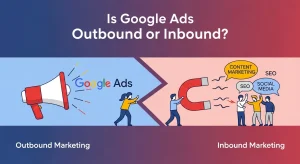
Inbound marketing attracts customers through valuable content, SEO, and organic engagement — while outbound marketing reaches out directly via ads, email, or sales outreach.
Each approach works best at specific stages of the buyer’s journey: inbound excels during awareness and consideration, while outbound drives conversion and follow-up.
Learn more in our deep dive on outbound vs inbound product marketing which works best at each stage.
9. Can you use both Inbound and Outbound Marketing together?
Absolutely. The most effective omnichannel strategies blend inbound and outbound techniques to create a complete funnel.
For example, inbound content may attract leads organically, while outbound campaigns nurture or retarget them.
Combining the two ensures consistent engagement at every stage — see can you use both inbound and outbound marketing for integration tips.
10. Inbound vs. Outbound Marketing — which strategy is right for your business?
The ideal choice depends on your goals, audience, and product type.
If your audience seeks education or long-term engagement, inbound marketing works best. For faster lead generation or B2B sales, outbound methods can deliver immediate results.
Most high-performing brands leverage a hybrid model to maximize reach and ROI — explore inbound vs outbound marketing which strategy is right for your business to determine the best fit for your goals.