Mastering Dynamics Outbound Marketing
Mastering Dynamics Outbound Marketing” explores how data-driven strategies, personalization, and automation redefine outbound campaigns. It explains how aligning messaging, timing, and targeting helps businesses engage prospects effectively, optimize conversions, and achieve sustainable growth in a competitive marketing landscape.
Marketing is the lifeblood of any business, and knowing the right tools can put you way ahead of the curve in terms of results. Those companies trying to tighten up their marketing programs while driving best-in-class ROI, it’s definitely Dynamics 365 Outbound Marketing as an able, comprehensive solution. This blog will give you all the answers you need to understand and make the most of this strong marketing force.
Before we wrap up this post, you’re going to have a breakdown of what Dynamics 365 Outbound Marketing is, what makes it special, how to come up with successful campaigns, and a lowdown of the actionable insights that will help you get the most out of it.
What is Dynamics 365 Outbound Marketing?
Dynamics 365 Outbound Marketing: An overview
Dynamics 365 Outbound Marketing is a powerful marketing automation tool from Microsoft that has been released to help businesses create, execute, and monitor marketing campaigns… #Dyn365CE #MSDyn365 #CRM #MSDyn365CE #Dynamics365 #MSDyn365… And, it plays nicely with the other Microsoft Dynamics 365 applications to give you a 360-degree view of the customer experience through sales and marketing.
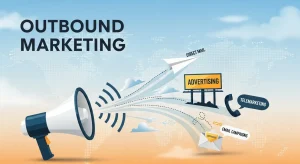
Unlike the popular inbound “pull” marketing strategy in which you effectively advertise your wares and offer content where the customer is looking, but not in the face, outbound “push” marketing goes the other way and reaches out to customers with the likes of email, events, and direct marketing.
This is the perfect solution for businesses to:
- Create advanced customer journeys.
- Customize the customer interaction.
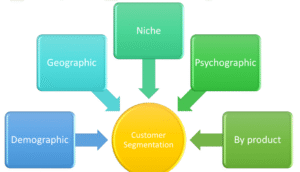
- Segment your target audience well.
- An easy platform to measure, learn, and improve marketing performance.
Whether you’re a beginner or more advanced, Marketing automation works to better connect with your audience, and Dynamics 365 can help you master it.
Dynamics 365 Outbound Marketing’s Features and Benefits
Learn some of the key features and benefits provided by Dynamics 365 Outbound Marketing.
What makes Dynamics 365 Outbound Marketing unique compared to other marketing automation tools? Its 6 key features and what each of them means for your business:
Customer Journey Orchestration
Build out thorough customer journeys to lead potential customers through the purchase process. Leverage the intuitive drag-and-drop editor to design custom touchpoints that result in more seamless customer interactions.
Benefits include:
- Better lead nurturing with automated follow-ups.
- Minimized lead drop-off with tailored conversation.
Powerful Email Campaigns
With Dynamics 365, you can easily create engaging, mobile-responsive email campaigns using drag-and-drop design tools. A/B testing features allow you to iterate on and improve messaging for better open and click-through rates.
Sophisticated Targeting
Divide your audience by activity, demographics, and even buying behavior. This delivers relevance, and in turn, campaign, performance.
Event Management
Planning an event? Dynamics 365 event management feature helps you plan and manage every level of event, from invitations to ground organization, attendance, and more.
Insights and Analytics
Track KPIs like open rates, conversion rates, lead scoring, and more, with a free dashboard. Use AI-powered data to power data-informed decisions.
Seamless Integration
Dynamics 365 Outbound Marketing is designed to work with sales and customer data platforms, which helps ensure that marketing and sales are using the same system. This will provide a more accurate alignment and more efficient transfer of leads.
Benefits at a Glance:
- Improved efficiency of operations.
- Enhanced customer engagement.
- Better leads for sales teams.
- Quantifiable and analytic patterns in marketing.
How to Get Started With Your First Campaign
How fast can you get started with Dynamics 365 Outbound Marketing? Here’s a process for how to do your first outbound marketing campaign:
Define Your Goals
What is the purpose of this campaign? Goals can be to generate leads, send traffic to a website, or advertise an event.
Set Up the Customer Journey
Save time and effort with the Dynamics 365 Editor, and map out the complete user experience from the initial point of contact (e.g., email) to the point of conversion (e.g., registering for an event or purchasing your product).
Create Your Content
Draft your email copy, get the images you want that relate to this email, and any landing page(s) you will need, if any. Ensure your branding is consistent and conducive to your preferred tone.
Segment Your Audience
Use the segmenting capabilities of Leverage Dynamics to find and target the right customer. Use filters that include geography, past purchases, and engagement history.
Test Your Campaign
Take it for a drive. Before going live, test everything to make sure your workflows are firing properly and emails are displaying properly across devices/workstations.
Launch and Monitor
When you are happy, launch your campaign and track its progress in minutes with our live dashboard.
Pro Tip: Start with a small test audience for your first campaign to iron out any kinks before you scale up.
Strategies Based on Targeting and Segmentation
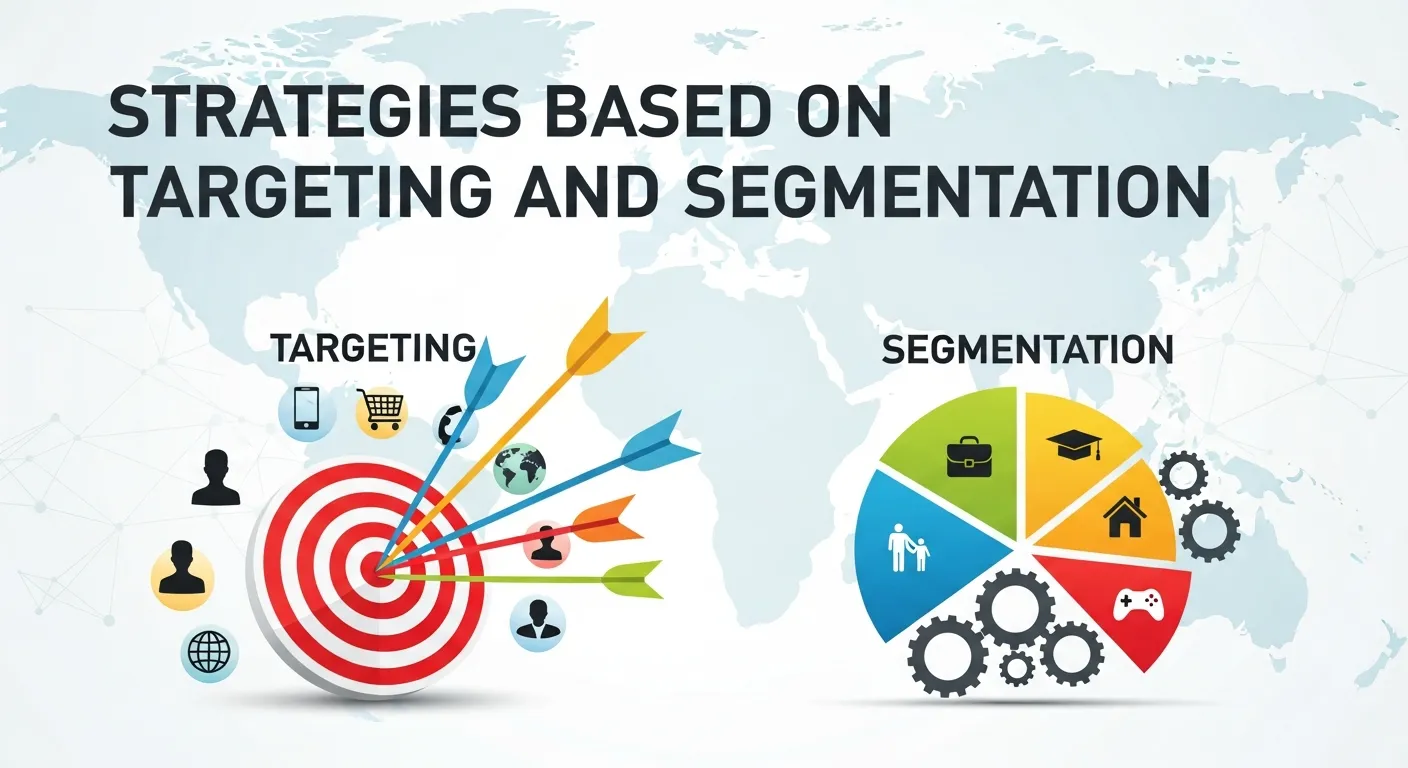
In outbound marketing, reaching the right audience is just as important as the message itself. A brilliantly crafted campaign can fall flat if it isn’t delivered to the right people at the right time. Dynamics 365 Outbound Marketing provides sophisticated targeting and segmentation tools to ensure your campaigns hit their mark with precision. Leveraging these features allows marketers to create more personalized experiences, improve engagement, and maximize ROI.
Key Segmentation Strategies
1. Behavior-Based Targeting
Behavior-based targeting focuses on how prospects interact with your previous campaigns, products, or website. By analyzing engagement patterns, you can tailor your follow-up messaging for maximum impact.
Examples:
- Send follow-up emails to users who opened a previous campaign but didn’t take further action.
- Re-market to customers who abandoned their carts, offering personalized incentives or reminders.
- Identify highly engaged users to target with premium offers or early access campaigns.
Pro Tip: Use Dynamics 365 AI to score interactions and automatically trigger personalized follow-ups for the most engaged users.
2. Demographic Data Segmentation
Demographics allow you to target prospects based on attributes like age, location, occupation, industry, or income level. When combined with behavioral insights, demographics ensure that messaging feels relevant to each segment.
Examples:
-
Promote location-specific offers or events to customers in a particular city or region.
-
Craft messages for different job roles (e.g., executives vs. managers) with role-specific value propositions.
-
Customize emails by industry trends, ensuring your content resonates with professional priorities.
3. Lead Scoring
Lead scoring enables marketers to prioritize high-potential prospects by assigning values to actions such as website visits, email opens, content downloads, or event participation. This ensures that your sales and marketing efforts focus on leads most likely to convert.
Best Practices:
-
Assign higher scores to repeat interactions, like multiple website visits or repeated content downloads.
-
Combine behavioral and demographic factors to identify your highest-quality leads.
-
Focus nurturing campaigns on mid-scoring leads to move them toward conversion.
4. Lookalike Audiences
Lookalike audience targeting uses AI to find new prospects who share similar behaviors or traits with your best existing customers. This expands your reach without wasting resources on irrelevant leads.
Applications:
-
Launch outbound campaigns aimed at users who resemble top-performing customers.
-
Combine with behavioral triggers to create highly personalized campaigns for new, untapped segments.
-
Optimize ad spend and campaign efficiency by focusing on prospects with high potential value.
Segmentation Strategies at a Glance
| Strategy | What It Does | Benefits | Example Use Case |
|---|---|---|---|
| Behavior-Based Targeting | Segments users based on past actions | Higher engagement, personalized follow-ups | Email reminder to cart abandoners |
| Demographic Segmentation | Targets based on age, location, role, industry | Improved relevance and conversion | Local event invitations by city |
| Lead Scoring | Prioritizes leads based on activity and fit | Focus on high-potential prospects | Nurturing mid-score leads to increase conversion |
| Lookalike Audiences | Finds prospects similar to top customers | Expands reach efficiently | Targeting new users similar to your loyal buyers |
Pro Tips for Effective Segmentation
- Combine strategies: Use behavior, demographics, and AI lookalikes together for a multi-dimensional targeting approach.
- Test and iterate: Run A/B tests to discover which segmentation approach drives the best results.
- Keep data clean: Regularly update CRM data to ensure segmentation accuracy.
- Monitor performance: Track engagement, conversion, and ROI for each segment and adjust campaigns accordingly.
When implemented effectively, these strategies allow you to deliver highly relevant, personalized campaigns that not only engage your audience but also drive measurable business results.
Campaign Analysis and Optimization
Launching a campaign is just the beginning. The real power of outbound marketing comes from analyzing performance and continuously optimizing your efforts. Dynamics 365 Outbound Marketing provides a suite of analytics and AI-driven tools that allow marketers to track, measure, and refine campaigns in real time — transforming data into actionable insights for better ROI.
By integrating analysis and optimization into your workflow, you can ensure every campaign becomes smarter than the last, delivering more personalized experiences while maximizing conversions.
1. Track Email Metrics
Monitoring email performance is a fundamental step in optimization. Dynamics 365 allows you to track key metrics such as:
- Open Rate: Measures the percentage of recipients who open your emails. A low rate may indicate subject lines need improvement.
- Click-Through Rate (CTR): Reveals how many users engage with your content links. Use this to gauge content relevance.
- Bounce Rate: Identifies emails that were not delivered, highlighting issues with data quality or audience targeting.
- Forwarding and Sharing: Tracks how often your emails are shared, giving insight into content virality.
Pro Tip: Use Dynamics 365 to segment underperforming recipients and send targeted follow-ups or updated messaging.
2. Track Conversions
Conversion tracking connects every engagement back to tangible business outcomes. This lets you see how campaigns contribute to sales, leads, or other KPIs.
- Map each lead from first touchpoint (e.g., email click) to final conversion (purchase, event registration, or demo request).
- Evaluate which campaigns drive the highest revenue per dollar spent.
- Identify bottlenecks in the sales funnel and refine messaging or touchpoints accordingly.
Example: If users frequently open an email but drop off on a landing page, test simplified forms or updated CTA buttons to increase conversions.
3. Leverage A/B Testing
A/B testing allows marketers to experiment with different variations of email content, subject lines, calls-to-action, and design. With Dynamics 365:
- Test Subject Lines: Identify the phrasing that drives higher open rates.
- Test Email Body Copy: Compare message formats, tone, and length for better engagement.
- Test CTAs: Optimize buttons, links, and placement to maximize click-throughs and conversions.
Pro Tip: Run A/B tests on smaller audience segments first before scaling, ensuring decisions are based on statistically significant results.
4. Leverage AI Insights
Dynamics 365 goes beyond traditional analytics by providing predictive AI insights. AI can analyze historical data to anticipate future behaviors and suggest optimization strategies in real time:
- Predict which leads are most likely to convert and prioritize outreach.
- Identify the best time to send emails for maximum engagement.
- Suggest personalized content or offers based on user behavior patterns.
- Automatically flag underperforming campaigns and recommend adjustments.
Pro Tip: Combine AI insights with human expertise for optimal campaign refinement — while AI predicts trends, human marketers bring contextual judgment.
5. Continuous Improvement Workflow
Optimized campaigns follow a cycle of continuous improvement:
- Analyze: Use dashboards to track metrics and trends.
- Test: Experiment with new messaging, segmentation, or delivery times.
- Adjust: Apply findings to refine the campaign strategy.
- Measure Again: Track results of adjustments and iterate further.
| Optimization Step | Tools in Dynamics 365 | Impact |
|---|---|---|
| Email Performance | Open rates, CTR, bounce tracking | Improve engagement |
| Conversion Tracking | End-to-end lead-to-sale mapping | Maximize ROI |
| A/B Testing | Subject lines, copy, CTA variations | Identify most effective messaging |
| AI Predictive Insights | Behavioral predictions, lead scoring | Prioritize high-value prospects |
| Continuous Learning | Dashboards + workflow adjustments | Campaigns get smarter over time |
By following this systematic approach, marketers can ensure that every campaign not only reaches the right audience but also continuously improves in effectiveness and efficiency.
Optimal Use of Dynamics 365 Outbound Marketing
For the best Dynamics 365 experience, use the following best practices:
-
Keep Clean and Update to Clean Data: Continuously maintain and update your audience database to ensure accurate targeting and segmentation.
-
Automate as Much as Possible: Leverage out-of-the-box templates and automate some workflows to eliminate workload.
-
Customize All Interactions: Personalization is key to engagement. Every email and message should feel tailored to the recipient.
-
Invest in Your Staff: Train your staff with all the features of Dynamics 365 to get the most out of it.
-
Keep Updated: Microsoft Updates keep Dynamics 365 moving ahead. Use and benefit from new features and enhancements as when they are released.
Integrating Account-Based Marketing (ABM) with Dynamics 365
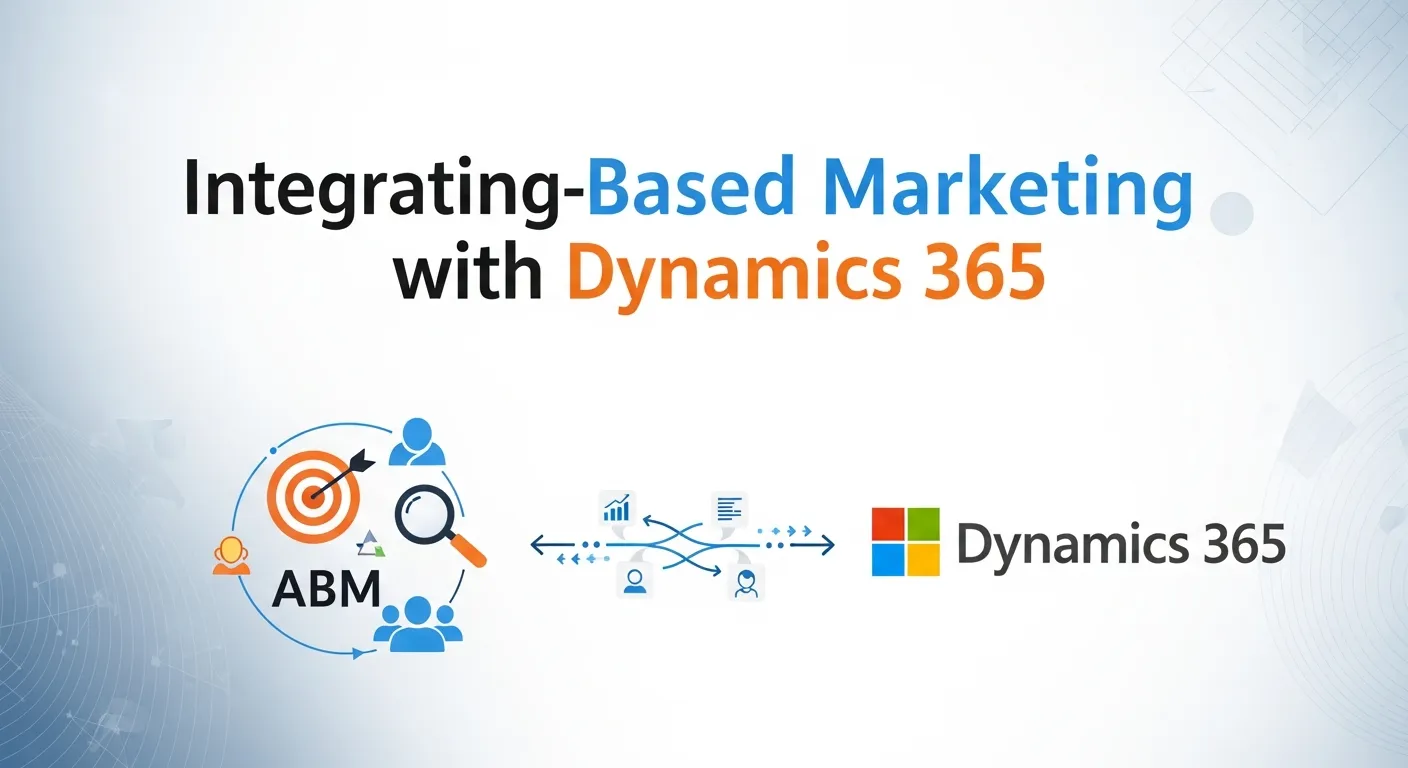
Account-Based Marketing (ABM) and outbound marketing share a common goal — precision targeting. While outbound campaigns cast a wide but strategic net, ABM takes a laser-focused approach to engaging specific, high-value accounts. When these two strategies merge through Dynamics 365, marketers can orchestrate powerful, data-backed campaigns that resonate deeply with decision-makers.
With Dynamics 365’s automation, AI-driven analytics, and seamless CRM integration, ABM becomes easier to scale without losing personalization. Every touchpoint can be designed to reflect the prospect’s intent, history, and position in the buying journey — creating a seamless, relationship-driven marketing experience.
How ABM and Dynamics 365 Work Together
- Unified Data: Dynamics 365 centralizes customer and account insights, ensuring ABM campaigns are backed by clean, up-to-date information from multiple sources.
- Personalized Outreach: Build customized customer journeys for key accounts using drag-and-drop automation to deliver messages that match each buyer’s unique path.
- Coordinated Sales-Marketing Efforts: Empower both teams to work from shared dashboards, aligning outreach strategies and maintaining message consistency across every stage.
- Smart Segmentation: Create micro-segments for each target account group and tailor engagement accordingly — no wasted effort or irrelevant communication.
- AI-Driven Insights: Predict which accounts are most likely to convert and prioritize them with automated scoring models.
| ABM Element | Dynamics 365 Capability | Business Impact |
|---|---|---|
| Account Insights | CRM + AI-driven analytics | Deep understanding of key clients |
| Multi-Channel Campaigns | Email, events, and targeted ads | Stronger customer connections |
| Measurement | KPI tracking and performance dashboards | Clearer ROI on ABM efforts |
| Personalization | Dynamic content generation | Higher response rates and conversions |
To explore how ABM amplifies brand promotion strategies, check out this detailed guide: Account-Based Marketing: Your Brand Promotion Strategy.
Measuring Success: Key Metrics in Dynamics 365 Outbound Campaigns
You can’t improve what you can’t measure — and Dynamics 365 Outbound Marketing empowers you to track, analyze, and refine every campaign in real time. It transforms marketing from a guessing game into a performance science, giving you crystal-clear insights into what’s driving conversions and where improvements are needed.
From campaign creation to post-launch analysis, Dynamics 365 integrates AI-driven performance tracking to reveal how every message, event, or ad contributes to pipeline growth. The ability to connect data across marketing and sales enables marketers to tie outcomes directly to revenue, closing the loop on ROI measurement.
Key Metrics to Track
- Lead Conversion Rate: Measure how efficiently leads move from awareness to purchase-ready stages.
- Engagement Metrics: Track open rates, click-throughs, and event participation to identify which touchpoints are most effective.
- Pipeline Influence: Understand how outbound campaigns contribute to sales opportunities and closed deals.
- Customer Retention Rate: Assess how well campaigns sustain long-term engagement and repeat business.
- Campaign Velocity: Evaluate the time it takes for leads to move through the funnel, revealing bottlenecks or optimization opportunities.
| Metric | Why It Matters | How Dynamics 365 Helps |
|---|---|---|
| Conversion Rate | Measures the effectiveness of each campaign stage | Automated lead scoring + behavioral analytics |
| CTR & Open Rate | Indicates message resonance and timing | AI-optimized subject lines and A/B testing |
| ROI | Tracks return per campaign and per channel | End-to-end revenue attribution |
| Customer Lifetime Value (CLV) | Reveals long-term profitability | CRM data + predictive analytics integration |
| Engagement Duration | Measures sustained attention | Multi-channel tracking dashboards |
Combine insights from your outbound dashboard with CRM data to uncover hidden patterns — such as which industries respond best to specific offers.
For deeper insights into evaluating your ABM and outbound success, explore How to Measure Account-Based Marketing Success.
Building a Long-Term Strategy with Dynamics 365
Short-term wins are important, but marketing excellence comes from sustainable strategy and consistent execution. Dynamics 365 helps marketers not just launch campaigns, but build a long-term ecosystem where data, technology, and creativity work in perfect harmony.
A future-ready outbound marketing strategy with Dynamics 365 means creating a framework that’s scalable, measurable, and adaptive — ready to evolve as customer behavior and technology trends shift. With automation and AI insights at its core, marketers can continuously refine campaigns, ensuring they stay relevant and effective.
Best Practices for Long-Term Success
- Continuous Optimization: Use AI-driven insights to identify underperforming campaigns and optimize content, timing, and targeting in real-time.
- Data Hygiene: Keep your CRM clean and up-to-date to prevent wasted spend and inaccurate targeting.
- Integration Expansion: Connect Dynamics 365 with sales, service, and ABM platforms for a holistic customer experience.
- Performance Review: Schedule regular reviews to analyze KPIs and uncover new growth opportunities.
- Customer-Centric Strategy: Focus on long-term relationship building, not just one-time conversions.
- Employee Enablement: Train your teams on every new feature Dynamics 365 releases — innovation compounds when knowledge is shared.
| Focus Area | Recommended Action | Expected Outcome |
|---|---|---|
| Personalization | Automate and customize email journeys | Higher engagement and stronger loyalty |
| Team Alignment | Combine marketing + sales objectives | Shorter sales cycles and better conversions |
| Data Management | Maintain CRM hygiene and tagging | More accurate targeting and segmentation |
| Learning Loop | Review performance and apply insights | Ongoing efficiency improvements |
| Innovation Adoption | Implement new Dynamics 365 updates | Competitive advantage and faster ROI |
When applied consistently, these practices create a marketing environment that continuously learns, improves, and adapts — keeping your brand ahead of the curve.
For a comprehensive blueprint to strengthen your long-term marketing foundation, read Account-Based Marketing Strategy.
Take Your Marketing Success to New Heights with Dynamics 365
Dynamics 365 Marketing will offer companies looking to optimize campaigns and improve performance. With a strong platform and smart strategy & execution, marketing can drive revenue.
These are the best times to incorporate the next-gen tools of marketing, Dynamics 365, into your marketing playbook. It will not only save you a tremendous amount of time, but it will also allow you to form much more strategic, personalized campaigns that will be much more effective at reaching your target audience.
Explore how a well-structured reputation management policy can help you manage public feedback and maintain a strong brand presence.
FAQ: Mastering Dynamics Outbound Marketing
1. What is outbound marketing, and how does it differ from inbound marketing?
Outbound marketing is a proactive approach where businesses reach out directly to prospects via emails, calls, events, or ads, unlike inbound marketing, which attracts customers through content or organic channels. Dynamics 365 helps automate and personalize outbound campaigns for better results.
2. How can Dynamics 365 improve my outbound marketing strategy?
Dynamics 365 streamlines campaign creation, segmenting audiences, automating workflows, and integrating AI-driven insights. This allows you to deliver highly personalized messages, track engagement, and optimize campaigns continuously for maximum ROI.
3. What are some effective outbound marketing methods I can implement?
You can use email campaigns, cold outreach, event marketing, and social ads. For a complete guide on actionable methods, see this resource: Outbound Marketing Methods.
4. How do I segment my audience for better targeting?
Segmentation can be behavior-based, demographic, or lead-score-driven, ensuring the right message reaches the right prospects. Dynamics 365 makes segmentation easy with automation, filters, and predictive AI insights.
5. How does interactive content enhance outbound marketing?
Interactive content like quizzes, calculators, or polls engages prospects actively rather than passively consuming content. Integrating such experiences into outbound campaigns increases engagement and lead quality. Learn more here: Interactive Content for Outbound Marketing.
6. What role does video play in outbound campaigns?
Video marketing is highly engaging and can increase click-through and conversion rates. Personalized video messages or short ads sent via email or social channels boost campaign effectiveness. See more examples here: Video Advertising.
7. How do I measure the ROI of my outbound marketing campaigns?
Track leads, conversions, engagement metrics, and revenue attribution using Dynamics 365 dashboards. By connecting marketing activity to sales outcomes, you can quantify the true value of your campaigns.
8. Can Dynamics 365 help automate follow-ups?
Yes, Dynamics 365 automates follow-ups based on behavior triggers, lead scoring, and customer journey mapping, ensuring timely, personalized communication that nurtures leads efficiently.
9. How often should I optimize my outbound campaigns?
Campaigns should be continuously monitored and optimized. Use A/B testing, AI predictions, and performance dashboards to refine messaging, targeting, and timing regularly for maximum results.
10. Is outbound marketing suitable for all industries?
While particularly effective for B2B, SaaS, and high-consideration products, outbound marketing can be tailored for any industry using segmentation, personalization, and the right mix of channels. Dynamics 365 allows customization to match your industry’s unique needs.