Referral Marketing Strategies for Word-of-Mouth Growth
Referral marketing empowers businesses to scale authentic word-of-mouth growth. This blog reveals structured strategies to encourage customer referrals, build trust, and leverage automation to turn every happy customer into a driver of powerful word-of-mouth success.
Word-of-mouth has long been the holy grail of marketing — that rare moment when customers are so thrilled they voluntarily promote your brand. For years, businesses treated these moments as lucky breaks rather than deliberate strategies. Today’s top growth teams have changed that mindset, building structured referral marketing systems that turn spontaneous advocacy into predictable, measurable, and scalable growth.
The Transition from Passive to Active Word-of-Mouth
Traditional word-of-mouth marketing happened organically when customers shared positive experiences with friends. While powerful, these conversations occurred unpredictably and went unmeasured. Modern referral marketing preserves the authenticity of organic word-of-mouth recommendations while adding structure, incentives, and measurement systems that scale this powerful growth channel.
The distinction matters tremendously. When left to chance, only about 29% of even highly satisfied customers actively refer others. With structured word-of-mouth marketing programs, this percentage routinely exceeds 45%, according to research from the Wharton School of Business. This difference represents massive untapped growth potential for most organizations.
The Psychology Behind Effective Referrals
Successful referral programs leverage deep psychological principles that influence sharing behaviors. Understanding these dynamics helps create programs that feel natural rather than transactional.
Social currency represents the most powerful motivator – people share things that make them look knowledgeable, helpful, or connected. When someone recommends a valuable product or exclusive opportunity, they gain status within their social circle. Effective programs emphasize how referring enhances the advocate’s standing among peers.
Reciprocity creates powerful motivation as well. Customers who have received exceptional value feel a natural desire to give something in return. Programs that frame referrals as a way to “pay it forward” tap into this reciprocity instinct, especially when the referrer’s friends receive special benefits.
At BrandsDad, we’ve found that programs emphasizing social benefits consistently outperform those focused solely on material rewards. The desire to help both the company and friends proves remarkably powerful when properly activated.
Timing: The Critical Success Factor
Even the best-designed referral program fails when presented at the wrong moment. Asking for referrals too early in the customer relationship feels presumptuous. Waiting too long misses peak enthusiasm. Successful programs identify precise “moments of delight” when advocacy becomes natural.
These moments vary by industry and product type. For SaaS products, feature mastery often triggers advocacy readiness. In retail, the unboxing experience or first successful use creates referral opportunities. Service businesses typically see advocacy willingness spike after successful problem resolution.
Advanced programs now use behavioral signals to identify individual advocacy readiness rather than applying one-size-fits-all timing. When a customer exhibits specific engagement patterns – whether frequent product usage, feature exploration, or positive feedback – personalized referral invitations deploy automatically.
Incentive Engineering: Beyond Simple Rewards
Early word-of-mouth marketing and referral programs often relied on simple cash rewards or discounts. Today’s more advanced strategies understand that effective incentive structures must motivate both the referrer and the referee while staying true to the brand’s positioning.
Dual-sided incentives have become the standard, rewarding both the advocate and their friend. According to a comprehensive University of Pennsylvania study, programs offering balanced benefits to both participants generate 35% higher engagement than those rewarding only the referrer.
The reward type also plays a critical role. Transactional brands tend to perform best with monetary incentives, while experience-driven companies achieve stronger word-of-mouth results through exclusive access, enhanced features, or experience-based rewards. Aligning incentive types with brand identity builds authenticity and trust — two essentials for effective word-of-mouth marketing.
Forward-thinking organizations now go beyond one-size-fits-all rewards, implementing segmented incentive systems. These tailored structures offer unique benefits to different customer groups based on value, engagement, and motivation, driving more meaningful and scalable word-of-mouth growth.
Optimizing Referral Marketing Through Product Alignment
As referral marketing matures, aligning it with product strategy becomes a powerful growth accelerator. Integrating referral mechanics into the product experience turns word-of-mouth from a separate campaign into an organic part of daily usage.
Successful companies treat referral initiatives as a common product marketing technique — embedding shareability, social proof, and advocacy triggers directly into their platforms. Rather than simply promoting referral links, they design user experiences that naturally inspire customers to share value with others.
Key Integration Strategies
| Strategy | Description | Example |
|---|---|---|
| In-App Referral Prompts | Contextual share options that appear after successful product actions. | SaaS app prompts a referral after a feature milestone. |
| Gamified Milestones | Rewards tied to progress or community contributions. | Fitness app offering badges for inviting friends. |
| Social Proof Integration | Displaying user success stories or referrals as part of onboarding. | E-commerce site showing “invited by a friend” banners. |
By connecting referral mechanics with product moments that matter most, brands enhance customer satisfaction and participation simultaneously. This synergy not only boosts word-of-mouth marketing but also drives consistent, measurable engagement across user journeys.
The Referral Experience: Reducing Friction and Increasing Conversion
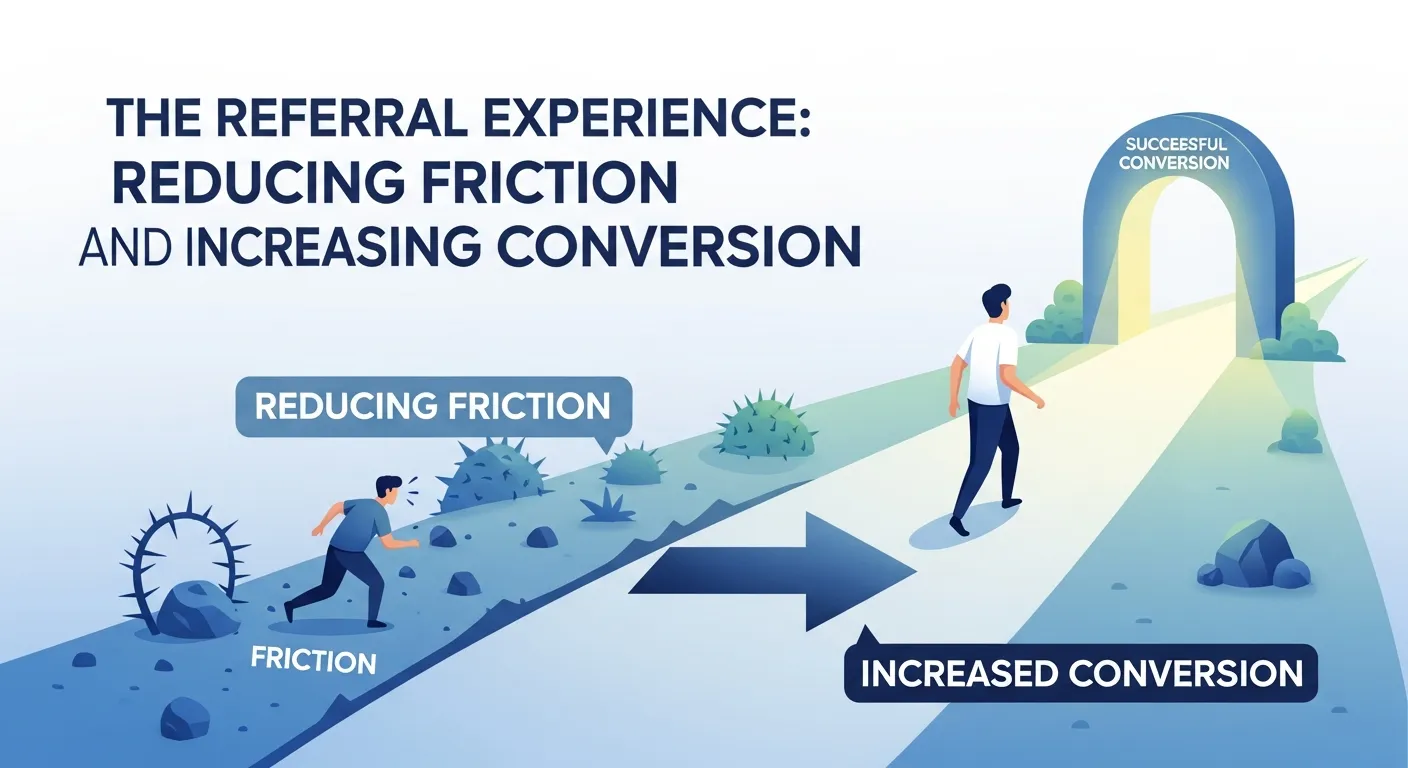
The mechanics of how customers share referrals dramatically impact program success. Every additional step reduces participation, while difficulty explaining the offer dampens conversion rates. Successful programs obsess over simplifying these experiences.
Mobile-first sharing options have become essential, with in-app and mobile-optimized referral flows generating significantly higher participation than desktop-only approaches. The best implementations integrate with customers’ natural communication patterns – whether text messaging, social sharing, or email – rather than forcing unfamiliar behaviors.
Personalization capabilities enhance conversion rates substantially. Programs that allow advocates to add personal messages convert at rates 3x higher than generic invitations, according to ReferralCandy’s extensive referral benchmark study. This personalization maintains the authentic word-of-mouth feeling that makes referrals so powerful.
The language and positioning used to frame the program significantly impacts participation as well. “Get rewards for sharing” messaging performs dramatically worse than “Help your friends discover what you love” or similar benefit-oriented framing. This subtle distinction shifts perception from self-interested promotion to helpful sharing.
Measuring Beyond Initial Acquisition
Basic referral programs track only immediate conversions – how many new customers signed up through referrals. More sophisticated approaches recognize that referred customers behave differently than those acquired through other channels.
Comprehensive measurement examines the full referral impact, including metrics like:
Customer lifetime value differences between referred and non-referred customers. Most companies discover that referred customers spend 10-25% more over their lifetime with the business.
Retention rate variations showing that referred customers typically remain loyal 15-20% longer than customers acquired through advertising.
Viral coefficient measurements that calculate how many additional customers each current customer brings, helping predict program sustainability and growth potential.
Second-order effects like reduced support costs, as referred customers often have more realistic expectations and receive guidance from their referring friends.
These expanded metrics often reveal that referral program ROI significantly exceeds initial calculations based solely on acquisition numbers. What appears moderately successful through an acquisition lens often proves transformative when measured comprehensively.
Building Multi-Stage Referral Journeys
Leading companies have evolved beyond single-action referral programs to develop multi-stage referral journeys. These sophisticated approaches recognize advocacy as a spectrum rather than a binary action.
The journey typically begins with low-commitment advocacy opportunities like product reviews or social media engagement. These micro-advocacy moments identify potential advocates while building “advocacy muscle.” The relationship then progresses toward direct referrals, often followed by opportunities for ongoing ambassadorship or community leadership.
This graduated approach dramatically expands the advocate pool by engaging customers who might never make direct referrals immediately but will participate in smaller advocacy activities. Over time, many of these participants progress toward higher-impact referral behaviors.
Integration with Customer Experience and Product Development
The most successful referral programs avoid functioning as isolated marketing tactics. Instead, they integrate deeply with broader customer experience initiatives and even product development processes.
When referral metrics feed into product roadmaps, companies naturally develop more inherently shareable offerings. Features that facilitate natural sharing, create social experiences, or deliver dramatic “wow moments” receive higher priority, creating virtuous cycles of increasing referrability.
Similarly, customer success and support teams gain powerful insights by analyzing which customers become advocates and which don’t. These patterns often reveal service gaps, unexpected value drivers, or misaligned expectations that wouldn’t surface through traditional feedback channels.
Scaling Referral Programs Across Customer Segments
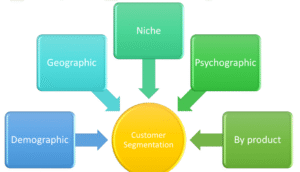
As referral programs mature, segmentation becomes increasingly important. Different customer groups have vastly different advocacy potential, motivations, and communication preferences. Treating all customers identically leaves substantial referral opportunity untapped.
High-value segments typically respond to exclusive, status-oriented programs that emphasize relationship rather than transactions. Mass-market segments often engage more readily with immediate, tangible rewards and simplified sharing processes. B2B referral programs succeed by emphasizing professional value creation rather than personal benefits.
Advanced programs also create specialized flows for different relationship stages. New customers, long-term loyalists, and re-engaged customers each respond to different referral approaches and incentive structures.
Amplifying Advocacy with Interactive Campaigns
Modern referral success depends on making sharing interactive and emotionally engaging. Static referral codes are no longer enough — audiences crave personalized, story-driven experiences that feel authentic.
Leading marketers now blend interactive campaigns product promotion with referral marketing to create viral momentum. These campaigns use storytelling, quizzes, social challenges, and live events to transform referrals into a shared experience rather than a transaction.
Core Elements of Interactive Referral Campaigns
- Personalized Invitations: Custom messages or videos increase authenticity and emotional connection.
- Community Challenges: Encourage group participation where multiple friends join together for shared rewards.
- Social Storytelling: Encourage users to share success stories that naturally highlight your brand.
- Experience Rewards: Offer exclusive access, events, or upgrades instead of generic discounts.
| Campaign Type | Objective | Example |
|---|---|---|
| Challenge Campaigns | Encourage viral engagement | “Invite 3 friends and unlock VIP access” |
| Social Quizzes | Create shareable brand experiences | “Which product fits your lifestyle?” with shareable results |
| Live Events | Drive participation and awareness | Product launch with in-event referral bonuses |
These interactive campaigns deepen emotional connection, increase engagement rates, and strengthen the authenticity of word-of-mouth advocacy. When executed well, they blur the line between referral marketing and community-building — two of the most sustainable growth levers in modern marketing.
The Future of Structured Word-of-Mouth
Looking forward, referral marketing continues evolving in several promising directions. Community-powered referral models are gaining traction, embedding advocacy opportunities within broader customer communities rather than treating referrals as isolated transactions.
AI-enhanced advocacy identification now predicts which customers have the highest referral potential based on behavioral patterns, enabling proactive engagement before customers actively refer. These systems identify not just who might refer, but when they’re most likely to do so and which incentives might resonate most effectively.
Omnichannel referral experiences will continue expanding beyond digital channels to include in-person and offline touchpoints, creating seamless advocacy opportunities regardless of how customers interact with brands.
The most forward-thinking companies recognize that structured word-of-mouth represents not just another acquisition channel but a fundamental business model advantage. When products, experiences, and incentives align to make sharing natural, acquisition costs decrease while customer quality improves – creating sustainable competitive advantage that advertising-dependent competitors struggle to match.
FAQ: Referral Marketing and Word-of-Mouth Growth
1. What makes referral marketing more effective than traditional advertising?
Referral marketing leverages genuine trust between peers, making recommendations far more persuasive than paid ads. Unlike advertising, it builds credibility through real experiences, resulting in higher-quality leads and stronger customer relationships.
2. How does referral marketing relate to word-of-mouth marketing?
Referral marketing is the structured version of word-of-mouth — it transforms spontaneous sharing into measurable, repeatable actions. While organic word-of-mouth happens naturally, referral programs incentivize and track those valuable customer recommendations.
3. What is the role of outbound marketing in driving referrals?
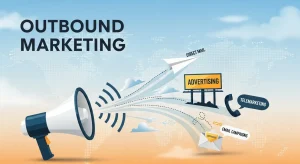
Outbound strategies can spark awareness that fuels future referrals. By aligning referral efforts with outbound marketing attribution, companies can trace how outbound touchpoints — like ads, emails, or events — contribute to customer advocacy and referral success.
4. How can businesses ensure authenticity in referral marketing programs?
Authenticity comes from offering real value and ensuring the reward matches the brand’s tone. Transparent communication and experience-based incentives preserve the trust that makes word-of-mouth marketing so powerful.
5. What psychological triggers make customers more likely to refer others?
Social currency, reciprocity, and belonging are the main drivers. People love sharing products that enhance their reputation or help friends solve problems — especially when they feel appreciated for doing so.
6. How is AI changing the landscape of referral and word-of-mouth marketing?
Emerging tools like generative AI outbound marketing are reshaping personalization. AI can predict advocacy readiness, generate tailored outreach messages, and even craft creative referral invitations that resonate emotionally and contextually with each audience segment.
7. How can customer segmentation improve referral performance?
Effective customer segmentation allows marketers to target the right advocates with the right incentives. Segmenting by engagement level, purchase behavior, or lifetime value ensures each group receives personalized referral prompts that match their motivation and potential.
8. What metrics should companies track to measure referral success?
Beyond referral counts, businesses should monitor conversion rates, lifetime value of referred customers, retention, and viral coefficient. These insights reveal not just how many referrals occur, but how impactful those new customers are long term.
9. How do interactive campaigns enhance word-of-mouth growth?
Interactive campaigns encourage customers to engage emotionally — through social challenges, gamified sharing, or personalized storytelling. These experiences make referrals feel like participation in a movement rather than a simple transaction.
10. What’s the future of referral marketing and structured word-of-mouth?
The future lies in blending automation, AI insights, and human authenticity. As predictive tools improve and communities grow more connected, businesses that master structured word-of-mouth systems will achieve sustainable, self-propelling growth.