Is Blogging Outbound Marketing? Understanding the Distinction
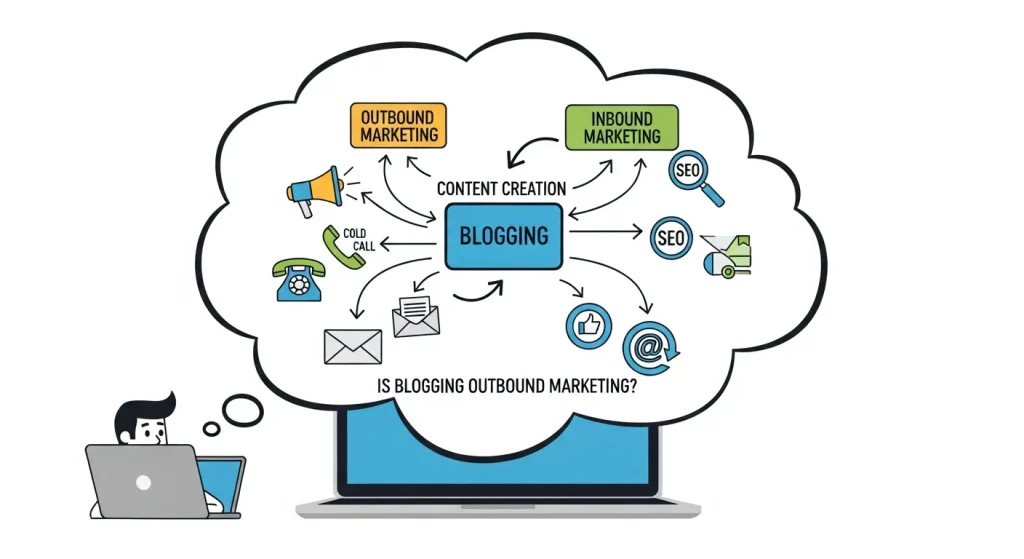
Explore whether blogging counts as outbound marketing and how it differs from traditional outreach methods. Understand blogging’s strategic role in inbound marketing, audience attraction, lead nurturing, and long-term brand growth.
The Traditional Marketing Divide
I remember when marketing was simple – you either pushed your message out (outbound) or you pulled people in (inbound). Outbound marketing has always been the aggressive older sibling – those TV commercials that interrupt your favorite show, the cold calls during dinner, the billboards you drive past, and mass email blasts that clog your inbox. These tactics essentially shout “Look at me!” whether you’re interested or not.
Inbound marketing took a different approach. It’s more like that helpful friend who’s there exactly when you need them. You search for something online, and boom – there’s a helpful article waiting with exactly what you need.
Where Blogging Really Fits In

From my experience working with over 50 different businesses, blogging isn’t traditionally outbound marketing. When I write a blog post, I’m not barging into someone’s day uninvited. Instead, I’m creating something valuable that sits patiently on my website, waiting for someone to find it when they’re actively looking for answers.
According to HubSpot’s 2024 State of Marketing Report, businesses that prioritize blogging are 13 times more likely to see positive ROI. Why? Because blogging connects with people who are already searching for what you offer – they’re coming to you, not the other way around.
The Messy Middle Ground
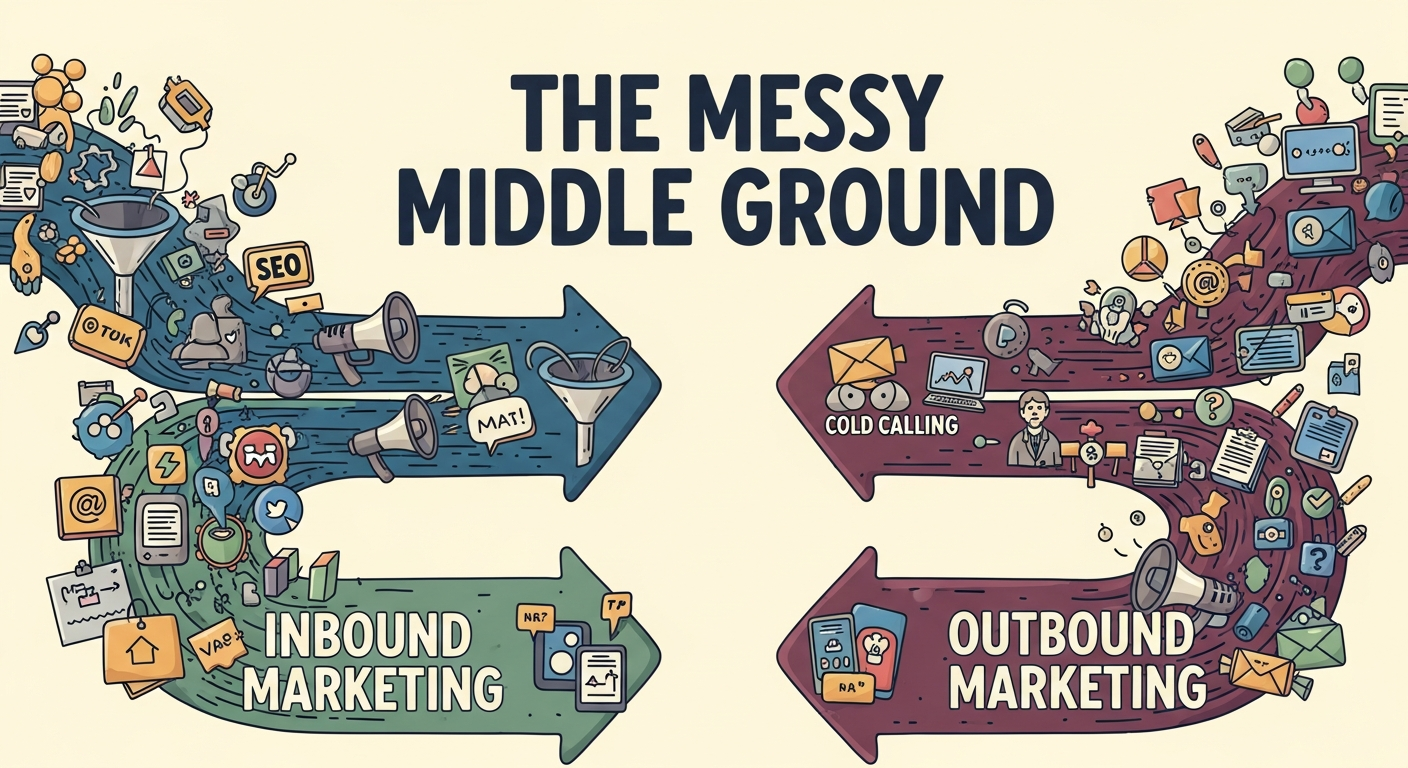
But here’s where it gets tricky (and why this question keeps popping up). The line between inbound and outbound isn’t always clear anymore. Let me share something from my own experience – last month, I wrote what I thought was a purely inbound blog post about email marketing strategies. But then I actively promoted it through our email newsletter, boosted it on social media, and even put a few dollars behind it for promotion.
Was I still doing inbound marketing? Or had I crossed into outbound territory?
The truth is, most effective blogs today live in this hybrid space. You create content that provides genuine value (inbound), but then you sometimes need to give it a push to get it in front of the right eyes (outbound).
The Strategic Role of Blogging in Product Marketing
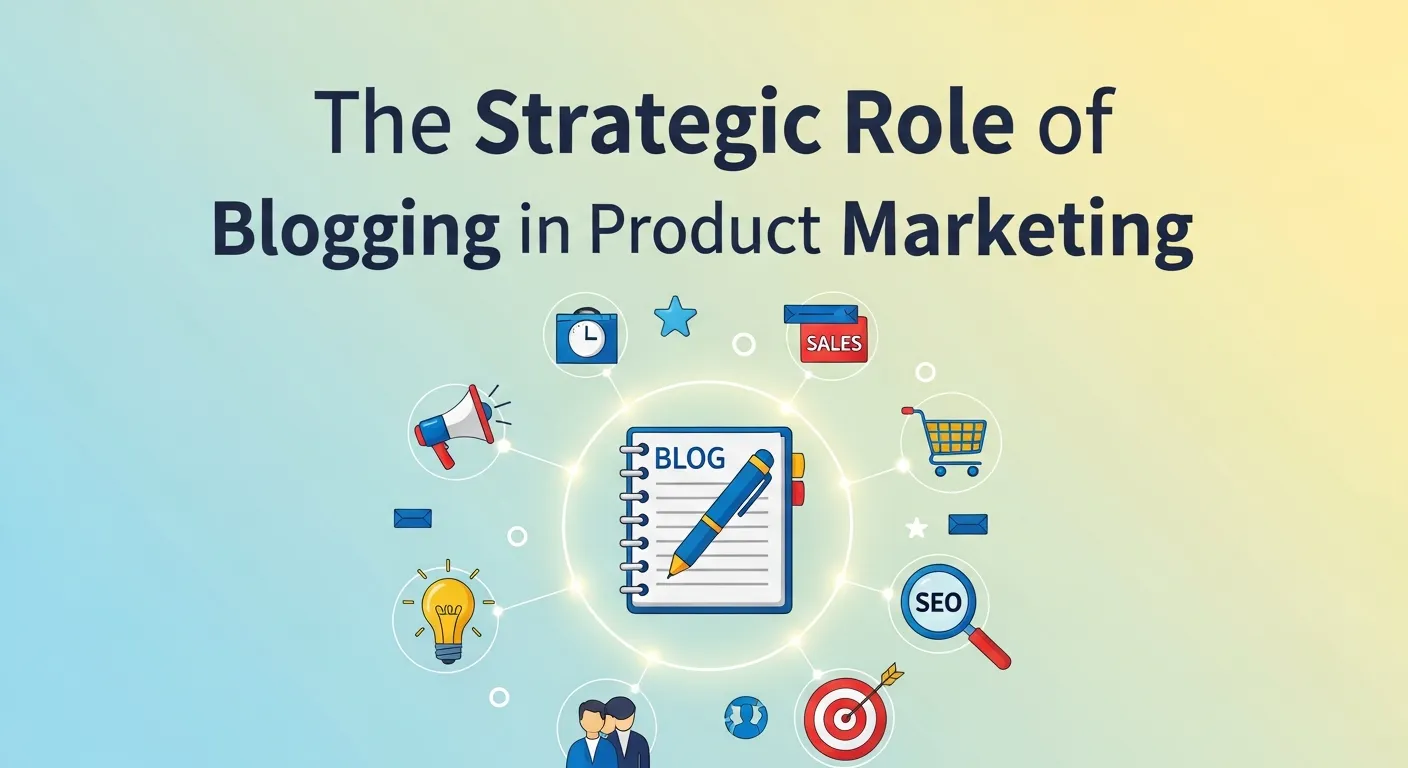
When it comes to product marketing, most people think about launch campaigns, feature comparisons, or competitive positioning. But blogging plays a surprisingly powerful behind-the-scenes role in how products are introduced, understood, and trusted.
Think of your blog as a bridge between your product and your potential customers. Instead of pitching directly, your content educates, guides, and inspires confidence — all before the buying decision even happens.
In the world of content marketing for product marketers, blogging offers several unmatched advantages:
- Establishing Expertise: Regular, well-researched posts help you demonstrate deep understanding of customer pain points and industry challenges.
- Supporting the Buyer Journey: A blog can meet prospects at every stage — awareness, consideration, and decision — with tailored content that nudges them closer to conversion.
- Sustaining Brand Visibility: Unlike ads that vanish when budgets stop, blogs continue attracting visitors through search engines for months or years.
- Enabling Collaboration: Your blog can align sales, product, and marketing teams by communicating consistent messages about value propositions and customer benefits.
When done right, blogging doesn’t just support product marketing — it fuels it. Every post becomes a micro-moment of influence that strengthens trust, credibility, and relevance across your entire marketing funnel.
Turning Blog Content Into Actionable Insights

One of the most underestimated powers of blogging is its ability to act as a real-time feedback engine. Every comment, share, or search query is a piece of customer feedback waiting to guide your next move.
When you consistently publish, you start collecting data — not just on traffic, but on what topics truly resonate. Maybe a post about product onboarding gets unusually high engagement; that tells you something about what customers value most.
Here’s how to turn your blog into a powerful listening tool:
- Monitor Engagement Trends: Track what kinds of content perform best — tutorials, thought leadership, or product updates.
- Encourage Reader Interaction: End each post with a question or invite users to share their experience with your product or service.
- Use Data to Refine Strategy: Feed engagement data back into your product marketing process. If readers love “how-to” content, create more of it.
- Close the Loop: Share improvements based on audience feedback — this builds credibility and shows readers that their opinions shape your direction.
| Feedback Source | What You Learn | How to Apply It |
|---|---|---|
| Blog Comments | Customer pain points | Create deeper educational follow-ups |
| Social Shares | Content resonance | Expand high-performing topics |
| Email Replies | Tone and clarity | Adjust messaging for better understanding |
| Analytics | Behavior patterns | Optimize SEO and layout |
When treated as an ongoing dialogue rather than a broadcast, blogging becomes an organic feedback system — strengthening customer relationships while sharpening your marketing instincts.
Making Your Blog Work Harder
After years of trial and error, I’ve found these approaches make the biggest difference:
First, write like you’re solving one person’s specific problem. My most successful posts always started with a real question from a real client. Generic content doesn’t generate specific results.
Second, don’t just publish and pray. I spent three years doing that before realizing I needed to actively share my content where my audience hangs out. Sometimes that means emails, sometimes social media, occasionally even a targeted ad campaign if the content is especially valuable.
Third, make your content ridiculously easy to find. Our team has seen traffic jump 87% after implementing even basic SEO principles, like those we outline in our comprehensive guide at outboundmarketo.com. The easier your content is to discover, the more it functions as that helpful friend who shows up exactly when needed.
Integrating Blogging With Broader Content Marketing Strategies
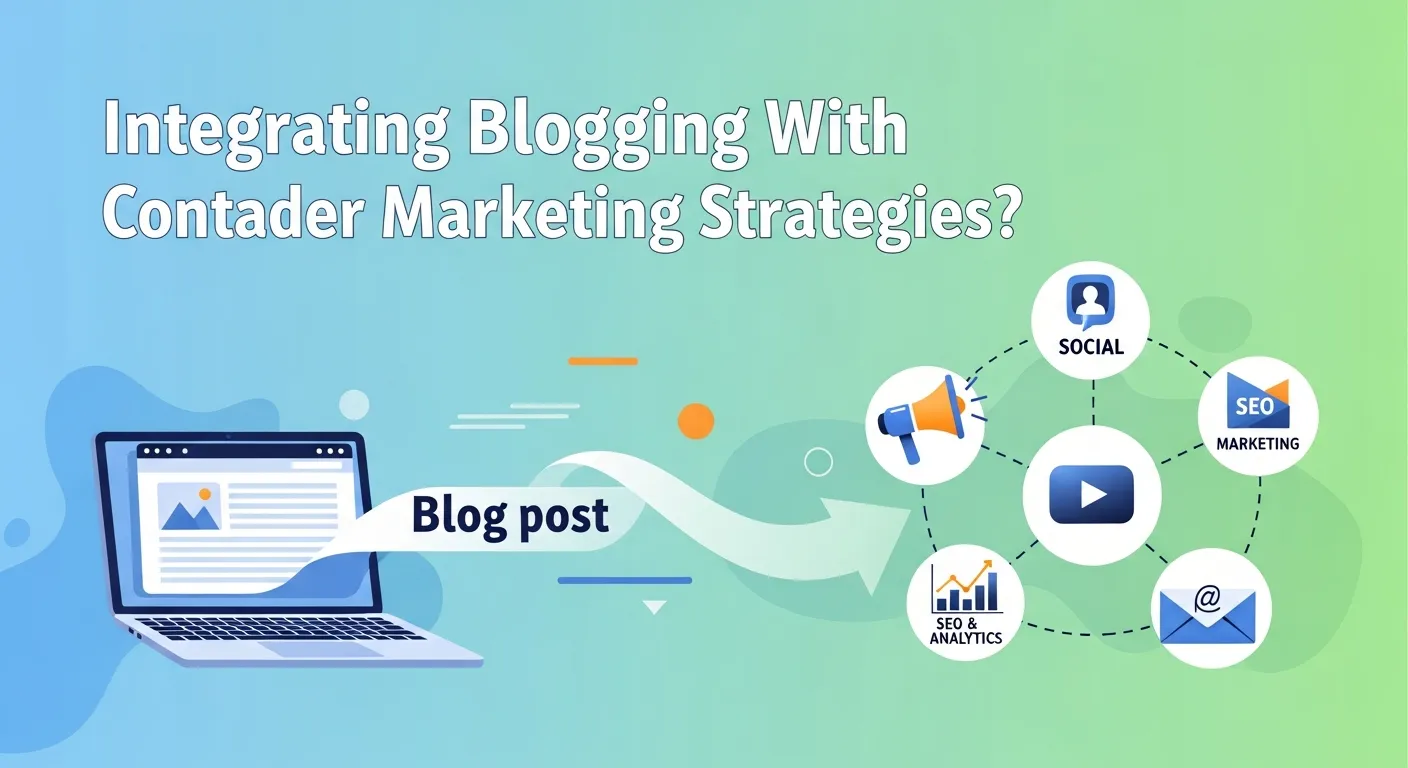
Blogging doesn’t live in isolation. It’s a vital piece of your content marketing for product marketers framework — one that ties together email campaigns, webinars, social media, and even paid advertising.
The key is synergy. When your blog works hand-in-hand with other marketing initiatives, your brand storytelling becomes stronger and more consistent across every channel.
Here’s how to integrate blogging into a unified marketing ecosystem:
- Sync With Product Launches: Plan blog content around key product updates, addressing customer questions before they even arise.
- Repurpose High-Value Content: Turn detailed blog posts into short videos, carousel posts, or infographics to reach new audiences.
- Leverage SEO and Analytics: Use keyword insights to fuel your product marketing strategies and identify audience trends early.
- Build a Multi-Channel Experience: Promote your blogs through newsletters, webinars, and social platforms to boost reach.
| Channel | Blogging’s Contribution | Result |
|---|---|---|
| Email Marketing | Drives engagement with valuable resources | Higher open and click-through rates |
| Social Media | Provides shareable content assets | Improved follower growth and visibility |
| Paid Campaigns | Adds credibility and context to offers | Better ad performance and conversions |
| SEO | Sustains traffic through organic discovery | Long-term visibility and brand authority |
When blogging becomes part of a holistic content ecosystem, it stops being just a marketing tool — it becomes a growth engine. It attracts leads, nurtures relationships, and empowers your product marketing strategy with authentic, data-driven storytelling.
So What’s the Verdict?
Is blogging outbound marketing? In its heart and soul, no – it’s primarily an inbound strategy. But in practice, most successful blogs today use a mix of both approaches. It’s like cooking – the recipe might be primarily chicken, but that doesn’t mean you can’t add some spices to enhance the flavor.
I’ve seen pure inbound blogs fail because nobody found them. I’ve also seen outbound-focused approaches fall flat because the content wasn’t worth reading once people arrived. The sweet spot is usually somewhere in between.
The real question isn’t whether blogging is inbound or outbound – it’s whether your blog is effectively connecting with the people you want to reach. Focus on creating genuinely helpful content, be strategic about getting that content in front of the right people, and the results will follow.
For more insights on building marketing approaches that blend the best of both worlds, check out this fascinating marketing methodology guide from Marketo that changed how I think about digital marketing.
You can Learn about: Content marketing for product marketers
Frequently Asked Questions About Blogging and Outbound Marketing
1. Is blogging considered outbound marketing?
Not traditionally. Blogging is usually seen as an inbound marketing activity because it attracts readers who are actively searching for solutions. However, when you promote blog posts through email newsletters, paid campaigns, or social ads, it takes on outbound characteristics. In short, blogging can exist in both worlds depending on how you distribute your content.
2. How does blogging support outbound marketing strategies?
While blogging is rooted in inbound tactics, it supports outbound campaigns by creating valuable content that can be promoted through targeted outreach. For example, when used alongside interactive content in outbound marketing—like quizzes, polls, or gated resources—your blog becomes a conversation starter rather than a simple broadcast.
3. Can blogging improve product marketing results?
Absolutely. Blogs educate audiences, explain product value, and build authority. They help in content marketing for product marketers by simplifying complex ideas and creating a narrative that makes your product relatable. Regular blogging also improves SEO, helping your product appear in searches related to customer pain points.
4. What’s the connection between blogging and customer feedback?
Your blog is a natural feedback hub. Readers’ comments, shares, and time-on-page metrics reveal what resonates with your audience. Treat this engagement as customer feedback that can shape your next campaign or product improvement — turning passive data into actionable insights.
5. Is Mutiny helpful for outbound marketing campaigns?
Yes — Mutiny is very helpful for outbound marketing. It’s a personalization platform that tailors website experiences for different audiences, improving conversion rates from outbound traffic. When you pair personalized landing pages from Mutiny with high-quality blog content, you make your outbound campaigns far more engaging and conversion-driven.
6. How can blogging make outbound marketing more interactive?
Blogging adds depth to outbound efforts by transforming cold outreach into meaningful engagement. When combined with interactive content in outbound marketing, such as embedded calculators, surveys, or dynamic CTAs, blogs can transform passive readers into active participants — increasing engagement and brand trust.
7. Why is setting appropriate goals important for outbound marketing?
Without clear objectives, even the best outbound campaigns lose direction. Setting appropriate goals for outbound marketing helps measure what truly matters — whether it’s website visits, lead generation, or conversions. When your goals align with your blog’s messaging and content strategy, every outbound effort becomes more focused and efficient.
8. How often should businesses publish blogs to support outbound strategies?
Consistency matters more than frequency. For most brands, publishing 2–4 times a month is ideal. What’s important is integrating your blogging calendar with your outbound campaigns — for example, publishing a post before launching a new email sequence or ad campaign to create context for readers.
9. How does SEO fit into blogging and outbound marketing?
SEO ensures your blog content is discoverable, both organically and through paid promotion. By optimizing posts for relevant keywords and linking them to outbound campaigns, you create multiple entry points for potential customers. This dual approach helps both inbound and outbound marketing perform more effectively.
10. What’s the best way to combine blogging with outbound marketing for long-term success?
The secret is balance. Use blogging to build trust and authority, and outbound tactics to amplify reach. For example, write a high-value blog, promote it through email or paid ads, personalize the landing page using tools like Mutiny, and gather customer feedback to refine future posts. Along the way, keep setting appropriate goals for outbound marketing to ensure your campaigns remain measurable and aligned with business growth.