Improving Outbound Marketing Conversion with AI
Outbound marketing remains a powerful strategy to reach potential customers, but with consumer preferences evolving and digital spaces becoming increasingly crowded, achieving high conversion rates can feel like an uphill battle. This is where artificial intelligence (AI) steps in. By harnessing AI, businesses can supercharge their outbound marketing efforts, delivering personalized campaigns that resonate with audiences and boost conversions.
This post will explore how businesses can use AI to optimize their outbound marketing strategies. From understanding customer behaviors to automating campaign execution, we’ll uncover actionable insights to help you effectively leverage AI and improve your conversion rates.
Why AI Is Transforming Outbound Marketing
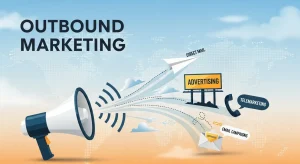
Traditional outbound marketing has long relied on wide-reaching campaigns — cold calls, bulk emails, mass advertising — designed to push a message out to as many people as possible. While this approach can build awareness, it often struggles to connect meaningfully with today’s digital-first audiences who expect relevance, personalization, and instant responses. The result? Lower engagement rates, wasted ad spend, and diminishing returns.
Artificial Intelligence (AI) is changing that landscape completely. By turning data into actionable insights, AI empowers marketers to move beyond the limitations of “one-size-fits-all” outreach and create smarter, more adaptive campaigns. Here’s how AI is revolutionizing outbound marketing:
1. Data-Driven Personalization
In the age of information overload, generic messages simply don’t cut it. AI enables true personalization at scale by analyzing massive volumes of customer data — from browsing habits and purchase history to social media activity and engagement behavior.
This allows marketers to craft hyper-personalized outreach that speaks directly to individual preferences and motivations. For example, AI can suggest the best time to send an email, the ideal tone to use, or even predict which product a lead is most likely to purchase. This kind of data-driven precision builds stronger emotional connections, leading to higher engagement and conversion rates.
2. Smarter, More Accurate Targeting
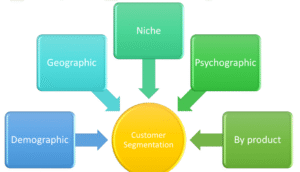
One of AI’s most powerful advantages lies in automated audience segmentation. Instead of manually dividing audiences by broad demographics, AI systems can identify micro-segments based on real behavior patterns, interests, and predictive intent.
Machine learning algorithms continuously refine these segments as new data flows in — ensuring your ads, messages, and offers always reach the right people at the right time. This minimizes wasted impressions, improves lead quality, and helps businesses focus resources where they’ll have the most impact.
3. Actionable Insights with Predictive Analytics
AI doesn’t just analyze what’s already happened — it predicts what’s likely to happen next. Through predictive analytics, marketers can anticipate customer actions such as churn risk, purchase intent, or response likelihood.
For instance, AI might flag that a certain segment is highly responsive to limited-time offers, or that another prefers educational content before making a decision. These insights allow teams to fine-tune strategies, personalize follow-ups, and optimize campaign timing — resulting in better conversion and retention outcomes.
4. Real-Time Campaign Optimization
In traditional outbound campaigns, marketers often wait until after a campaign ends to evaluate performance. AI changes that by enabling real-time campaign optimization.
AI-powered marketing platforms monitor engagement metrics, click-through rates, and audience behavior as campaigns run — automatically adjusting bidding strategies, ad placements, or messaging to boost results instantly. This agility ensures that marketing budgets are used efficiently and that underperforming tactics are corrected before they drain resources.
5. Enhanced Sales and Marketing Alignment
AI also bridges the gap between marketing and sales teams by integrating data across systems like CRMs, ad platforms, and email tools. This creates a unified view of the customer journey, enabling sales teams to follow up with leads at the perfect time with context-rich insights.
As a result, outbound marketing campaigns become more synchronized, efficient, and impactful — driving not just lead generation but also long-term customer relationships.
The Future of Outbound Marketing Is Intelligent
AI is not just improving outbound marketing — it’s redefining it. From smarter targeting and personalization to predictive decision-making and adaptive automation, AI gives marketers the tools to create campaigns that feel more human, relevant, and responsive than ever before.
Businesses that embrace AI-driven outbound strategies will find themselves at a competitive advantage — delivering the right message, to the right person, at the right moment, every time.
Ways to Use AI to Improve Outbound Marketing Conversion
Artificial Intelligence isn’t just a futuristic concept — it’s a game-changing force that’s helping businesses convert more prospects into customers. From refining audience targeting to optimizing campaign performance, AI can streamline every stage of your outbound marketing funnel.
Let’s explore the most effective ways to use AI to drive higher conversion rates, stronger engagement, and better ROI.
1. Refine Audience Targeting
The cornerstone of any successful outbound marketing campaign is understanding exactly who to reach — and when. AI’s ability to analyze massive datasets gives marketers unparalleled precision in targeting.
How AI Enhances Targeting:
| Strategy | AI’s Role | Benefit |
|---|---|---|
| Customer Personas | Machine learning models cluster customers based on shared traits like purchase behavior, browsing patterns, or demographics. | Enables you to tailor campaigns to precise audience types instead of broad categories. |
| Lookalike Audiences | AI identifies new potential customers who mirror your best-performing clients using data from CRMs, social platforms, and website analytics. | Expands reach while maintaining lead quality and conversion potential. |
| Behavioral Segmentation | Predictive analytics groups users based on intent signals (clicks, searches, email opens). | Ensures the right message reaches people ready to take action. |
AI-driven targeting reduces wasted ad spend, helps personalize communication, and ensures your campaigns hit the mark every time.
2. Craft Highly Personalized Messaging
Generic marketing messages are easily ignored in today’s competitive environment. AI brings data-driven personalization that tailors every piece of communication — from subject lines to visuals — to the recipient.
AI-Powered Personalization in Action:
- Dynamic Email Content: AI tools like Jasper or Copy.ai generate personalized subject lines, offers, and CTAs for each segment (e.g., “Hi Sarah, your free trial expires soon!”).
- Real-Time Ad Customization: AI analyzes browsing or purchase behavior to automatically change displayed products, offers, or headlines.
- Emotional Tone Optimization: Natural language processing (NLP) tools adjust tone and sentiment based on audience preferences, improving resonance and click-throughs.
Result: AI personalization doesn’t just increase engagement — it builds trust, strengthens relationships, and boosts conversion likelihood.
3. Enhance Lead Scoring
Not all leads are created equal. Some are browsing; others are ready to buy. AI-driven lead scoring helps prioritize where your sales team should focus its energy.
How It Works:
AI algorithms analyze multiple data points — such as:
- Website activity (pages visited, session duration)
- Email engagement (opens, clicks, replies)
- Social media interactions
- Purchase or inquiry history
From there, AI ranks leads according to conversion probability.
For instance, a lead who has downloaded a whitepaper and visited the pricing page twice may be scored higher than one who only opened an email.
Outcome: Sales teams can target high-intent leads first, increasing close rates and shortening sales cycles.
4. Improve Email Marketing
Email remains a cornerstone of outbound marketing — and AI has supercharged it from a static communication tool into a data-driven conversion engine.
AI Applications in Email Marketing:
| AI Function | Description | Benefit |
|---|---|---|
| Optimizing Send Times | AI analyzes historical engagement patterns to identify when each user is most likely to open or click. | Increases open and click-through rates. |
| Crafting Relevant Content | Tools like ChatGPT or Persado generate custom content aligned with segment behavior or purchase intent. | Delivers more meaningful and actionable messages. |
| A/B Testing at Scale | AI predicts winning variations without running full tests by modeling user responses. | Saves time, reduces cost, and improves precision. |
Pro Tip: Combine AI-powered email platforms like HubSpot, Salesforce Einstein, or Klaviyo with predictive analytics to create an always-optimized outbound funnel.
5. Smarter Cold Calling
AI’s Role in Modern Cold Calling:
- Conversation Analytics: AI tools analyze tone, keywords, and response patterns to coach sales reps on improving persuasion techniques.
- Real-Time Guidance: AI assistants like Gong or Refrens suggest next-best actions, objection responses, or personalized pitches during calls.
- Smart Scheduling: Predictive models identify time slots when leads are most likely to answer or engage positively.
Impact: AI-driven cold calling can increase connection rates, shorten call durations, and improve conversions significantly.
6. Real-Time Ad Optimization
In digital advertising, trends shift in seconds — and static campaigns can quickly become outdated. AI ensures your ads are always optimized for maximum performance.
Key AI Ad Optimization Features:
- Dynamic Bid Adjustments: AI automatically raises or lowers bids depending on user intent, competition, and conversion potential.
- Creative Testing & Rotation: Machine learning identifies top-performing ad creatives and allocates budget accordingly.
- Behavior-Based Targeting: Ads adapt in real time based on user location, device, and browsing history.
Example: A clothing brand’s AI tool detects increased interest in winter apparel and instantly shifts ad placements to highlight jackets and boots.
7. Conversational AI for Outreach
Conversational AI is revolutionizing outbound engagement by turning passive website visitors and email recipients into active participants.
What Conversational AI Can Do:
- Lead Qualification: Chatbots ask pre-screening questions and qualify prospects automatically.
- Instant Customer Support: Bots handle FAQs or redirect complex queries to human agents.
- Personalized Product Recommendations: AI suggests products based on browsing or purchase history.
- 24/7 Availability: Unlike human reps, AI tools engage leads anytime — increasing conversions even after business hours.
Tools to Try: Drift, Intercom, and ManyChat — ideal for integrating with CRMs and outbound funnels.
8. Analyze and Optimize Campaign Performance
The most powerful advantage of AI lies in its continuous learning capability. Instead of merely reporting data, AI-driven analytics platforms interpret it — uncovering patterns, opportunities, and predictive insights.
How It Transforms Campaign Analysis:
- Performance Forecasting: Predicts ROI and conversion probability for upcoming campaigns.
- Sentiment Analysis: Evaluates how audiences emotionally respond to ads, emails, or calls.
- Automated Reporting: Summarizes results and suggests actionable optimizations in plain language.
Example: An AI dashboard might recommend shifting 20% of ad spend from underperforming channels to high-performing retargeting campaigns — saving time and improving efficiency instantly.
AI isn’t just improving outbound marketing — it’s redefining how marketers plan, execute, and optimize campaigns. From smarter targeting to predictive insights, AI makes outbound marketing faster, more personal, and conversion-driven than ever before.
Brands that embrace AI today will build stronger relationships, increase efficiency, and achieve exponential growth tomorrow.
Success Stories of AI in Outbound Marketing
AI is no longer just a marketing buzzword — it’s a proven growth driver. Leading global brands are using artificial intelligence to power smarter outbound campaigns, enhance customer engagement, and achieve measurable improvements in conversion and retention.
Let’s look at how some of the world’s most successful companies are leveraging AI to elevate their outbound marketing game.
1. Netflix: Personalized Outbound Campaigns that Drive Engagement
Netflix’s success with personalization extends far beyond its on-platform recommendations. The company applies the same AI technology to its outbound marketing campaigns, ensuring every email or notification feels tailor-made for the user.
How It Works
- Netflix’s recommendation engine uses machine learning algorithms to analyze each user’s watch history, viewing duration, skipped content, and even preferred genres or actors.
- This data is then applied to outbound emails and push notifications, promoting shows and movies that align with individual preferences.
- The subject lines, visuals, and even send times are personalized through AI-driven predictions about user engagement behavior.
The Impact
- Significantly higher open and click-through rates compared to generic email campaigns.
- Reduced churn rates as users remain engaged with content tailored to their taste.
- Enhanced brand loyalty, as every outreach feels relevant and valuable.
Netflix demonstrates how AI-powered personalization transforms outbound marketing into a two-way engagement strategy, where each message resonates emotionally — not just transactionally.
2. Grammarly: Smarter Retargeting with Predictive AI
Grammarly, the AI writing assistant, provides one of the most compelling examples of using artificial intelligence for retargeting and conversion recovery.
The Challenge
Many users signed up for Grammarly’s free version but didn’t complete the upgrade to premium. Traditional retargeting ads were underperforming, as they lacked relevance and personalization.
The AI Solution
- Grammarly implemented AI-driven retargeting models that analyzed user behavior — such as writing frequency, feature usage, and time spent on the platform.
- The AI system segmented users by intent and crafted personalized ad creatives and messages.
-
-
Example: A user frequently writing business emails might see an ad emphasizing “Boost your professional writing clarity.”
-
Another focused on academic writing might see: “Perfect your essays with Grammarly Premium.”
-
-
These dynamic ads were deployed across channels like Google Display Network and Facebook, adapting automatically based on engagement.
The Results
-
Substantial lift in conversion rates from free to premium users.
-
Improved ROI on ad spend, thanks to more efficient targeting.
-
Reduced cart abandonment, as tailored messaging re-engaged hesitant buyers.
Grammarly’s success underscores how AI-based behavioral analysis and predictive targeting can turn lost leads into paying customers, optimizing every dollar spent on outbound campaigns.
3. HubSpot: AI-Powered Lead Scoring for Smarter Sales Focus
HubSpot, a leading marketing automation platform, integrates AI deeply into its lead scoring and prioritization process — a vital part of outbound success.
The Challenge
With thousands of leads entering the funnel daily, HubSpot needed a scalable way to identify which prospects were most likely to convert, without overwhelming sales teams with manual analysis.
The AI Solution
-
HubSpot’s AI algorithms continuously evaluate each lead using hundreds of data points, including:
-
Website interactions (pages visited, time spent)
-
Email open and click patterns
-
Social media engagement
-
CRM data such as deal history and communication frequency
-
-
The AI assigns a predictive lead score, automatically updating as new data comes in.
-
Leads with high scores are automatically routed to sales teams for immediate follow-up, while lower-scoring leads are nurtured through automated email sequences.
The Results
-
Sales teams reported up to 30% improvement in close rates, focusing only on high-potential leads.
-
Faster response times to hot leads increased overall pipeline efficiency.
-
Enhanced collaboration between marketing and sales, driven by shared AI insights.
HubSpot’s model showcases how AI in lead scoring can revolutionize outbound efficiency — ensuring human effort is concentrated where it matters most, boosting conversions and productivity simultaneously.
What These Success Stories Teach Us
| Brand | AI Application | Key Outcome | Lesson for Marketers |
|---|---|---|---|
| Netflix | Personalized AI-powered recommendations in outbound emails | Higher engagement & lower churn | Personalization drives loyalty and retention. |
| Grammarly | Predictive AI for retargeting | Increased conversions & ad efficiency | Behavioral analysis refines retargeting precision. |
| HubSpot | AI lead scoring & automation | Better close rates & faster sales | Prioritize leads intelligently to maximize ROI. |
These success stories highlight a universal truth — AI doesn’t replace marketers; it empowers them. By automating the heavy lifting, analyzing complex data, and delivering hyper-personalized experiences, AI allows businesses to focus on what truly matters: building human connections that convert.
The future of outbound marketing belongs to brands that blend creativity with AI intelligence — turning every campaign into a personalized, data-backed conversation that drives real results.
Tools and Platforms to Leverage for AI-Powered Outbound Marketing
AI-powered outbound marketing is no longer limited to large enterprises with deep tech budgets. A wide range of intelligent tools and platforms now make it easy for businesses of all sizes to harness machine learning, predictive analytics, and automation to improve outreach and conversions.
Below are some of the most effective AI-driven platforms to supercharge your outbound strategy — organized by their primary use cases.
1. AI for Email Marketing
Email remains one of the most powerful outbound channels — and with AI, it becomes more precise, personalized, and conversion-focused than ever.
Top Tools
-
Mailchimp
Mailchimp uses AI to analyze subscriber behavior, recommend send times, and optimize subject lines for higher open rates. Its Content Optimizer tool even evaluates the tone and structure of your emails to predict performance.
Best For: Small to mid-size businesses looking to automate and personalize at scale. -
Iterable
Iterable combines automation with AI-powered personalization, allowing marketers to craft tailored messages based on real-time user interactions. Its AI experimentation engine can test thousands of message variations simultaneously to identify top performers.
Best For: Enterprises managing omnichannel campaigns (email, SMS, push notifications). -
Seventh Sense
Focused on “send-time optimization,” this tool integrates with HubSpot and Marketo to analyze recipient behavior and deliver emails exactly when they’re most likely to be opened.
Best For: B2B marketers aiming to boost deliverability and engagement rates.
AI Advantage: Intelligent automation ensures every email is relevant, timely, and more likely to convert — not lost in crowded inboxes.
2. AI for Data Insights and Analytics
Data is the fuel of AI-driven marketing. The right analytics platforms help marketers turn raw data into actionable insights that inform smarter outbound decisions.
Top Tools
-
Google Analytics (GA4)
The newest version of Google Analytics leverages machine learning to deliver predictive metrics, such as purchase probability and churn likelihood. It helps marketers understand which audience segments are most likely to convert — perfect for outbound targeting.
Best For: Tracking cross-channel campaign performance and user journeys. -
Mixpanel
Mixpanel’s AI-powered event tracking enables teams to measure engagement, retention, and conversion across different touchpoints. Its automated insights highlight patterns and anomalies that may otherwise go unnoticed.
Best For: SaaS and product-led businesses wanting data-driven outbound strategy refinement. -
Tableau + Einstein Analytics (Salesforce)
This advanced combo transforms large data sets into visual insights using AI. Predictive dashboards help marketing and sales teams forecast campaign results and optimize their outbound funnel.
Best For: Enterprise teams that rely heavily on data-driven forecasting.
AI Advantage: Predictive analytics eliminates guesswork, helping you make smarter, faster, and more confident marketing decisions.
3. AI for Sales Outreach
AI has completely reshaped the way outbound sales teams prospect, communicate, and close deals. Intelligent outreach platforms now automate workflows, personalize outreach, and analyze engagement for continuous improvement.
Top Tools
-
Outreach.io
Outreach.io’s AI layer — Outreach Kaia — provides real-time conversation intelligence, helping sales reps tailor pitches and handle objections effectively. It also recommends the next best action based on prospect behavior.
Best For: B2B companies managing large outbound sales teams. -
SalesLoft
SalesLoft integrates AI into sales cadences, identifying which messages and touchpoints drive the most conversions. It also uses NLP (Natural Language Processing) to analyze communication tone and sentiment for better engagement.
Best For: Revenue teams looking to automate personalized, high-impact outreach. -
Apollo.io
Combining a massive contact database with AI-driven engagement scoring, Apollo helps identify high-value leads and automate personalized cold emails that resonate with target audiences.
Best For: Startups and SMBs scaling outbound lead generation quickly.
AI Advantage: With AI handling research, timing, and personalization, your sales reps can focus on what matters most — human connection and closing deals.
4. AI for Ads and Retargeting
Advertising is one of the most dynamic areas of outbound marketing, and AI has made it smarter, faster, and more adaptive than ever.
Top Tools
-
AdRoll
AdRoll leverages machine learning to optimize ad placements, bidding strategies, and creative combinations in real time. Its cross-channel attribution engine ensures your retargeting efforts are consistent across email, social media, and display ads.
Best For: E-commerce and B2C brands focused on retargeting and cart recovery. -
Facebook Ads Manager (Meta Ads)
Facebook’s AI-driven system uses behavioral targeting and predictive analytics to deliver ads to users most likely to take action. Features like Advantage+ campaigns automatically test thousands of creative combinations to find the best performers.
Best For: Businesses seeking wide reach and precise audience targeting. -
Google Ads Smart Bidding
Google’s AI automatically adjusts bids for each auction in real time, maximizing conversions based on historical data, device type, and intent signals. Combined with Performance Max campaigns, it gives advertisers full-funnel optimization.
Best For: Marketers aiming for ROI-driven, cross-platform ad campaigns. -
Criteo
Criteo’s AI-driven recommendation engine personalizes ad content dynamically for each user, increasing click-through rates and reducing wasted impressions.
Best For: Retailers and marketplaces with high product diversity.
AI Advantage: AI ensures your ads reach the right people, at the right moment, with the right message — all while optimizing spend automatically.
5. AI for Conversational Outreach
Conversational marketing tools powered by AI are redefining how brands engage leads in real time — through chatbots, voice assistants, and automated responses.
Top Tools
-
Drift
Drift’s conversational AI qualifies leads, books meetings, and personalizes responses automatically. It learns from every interaction to provide contextually relevant answers, reducing drop-offs in the outbound funnel.
Best For: B2B SaaS and enterprise companies using chat-driven lead generation. -
Intercom
Intercom’s AI bot handles initial outreach, identifies user intent, and connects prospects to human agents when necessary. It can also send outbound messages based on visitor behavior.
Best For: Businesses looking for seamless chatbot + CRM integration. -
ManyChat
Ideal for social channels like Facebook Messenger and WhatsApp, ManyChat automates conversations, collects lead information, and drives traffic to sales pages using AI-driven workflows.
Best For: E-commerce and service businesses leveraging social outreach.
AI Advantage: Conversational AI ensures prospects never go unanswered, creating an always-on marketing assistant that nurtures and converts leads 24/7.
Choosing the Right AI Tools for Outbound Success
| Category | Example Tools | Primary Benefit |
|---|---|---|
| Email Marketing | Mailchimp, Iterable, Seventh Sense | Personalized, timely communication that boosts open and click rates. |
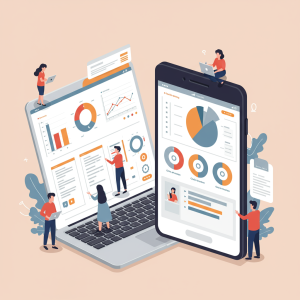
| Analytics & Insights | Google Analytics, Mixpanel, Tableau | Predictive metrics and real-time campaign intelligence. |
| Sales Outreach | Outreach.io, SalesLoft, Apollo.io | Smarter lead prioritization and conversation optimization. |
| Ads & Retargeting | AdRoll, Facebook Ads, Google Ads | Dynamic, cost-efficient ad optimization. |
| Conversational AI | Drift, Intercom, ManyChat | Real-time engagement and lead qualification. |
Key Takeaways and Recommendations
AI is no longer a futuristic concept; it’s an essential tool for modern outbound marketing. By adopting AI to refine targeting, enhance personalization, and analyze data in real time, businesses can achieve better conversion rates and build more meaningful relationships with their audiences.
If you’re ready to transform your outbound marketing strategy with AI, don’t wait. Begin leveraging tools that optimize your campaigns and deliver measurable success.
Frequently Asked Questions (FAQ) about AI in Outbound Marketing
1. How does AI improve outbound marketing conversion rates?
AI enhances outbound marketing by analyzing vast datasets to identify the most promising leads, personalize outreach, and optimize campaigns in real time. Instead of relying on guesswork, marketers use predictive insights to reach the right audience with the right message at the right time. This precision leads to higher engagement, improved response rates, and stronger ROI.
2. What are some examples of AI tools used in outbound marketing?
Marketers use tools like Mailchimp and Iterable for AI-powered email personalization, Outreach.io and SalesLoft for sales automation, and AdRoll or Google Ads Smart Bidding for ad optimization. These tools leverage machine learning to analyze audience behavior, automate outreach, and fine-tune campaigns based on real-time performance data.
3. How is AI transforming traditional cold outreach?
AI takes cold outreach to the next level by replacing generic, mass messages with hyper-personalized communication. Using data such as job roles, industry trends, and previous engagement, AI tools help craft messages that resonate with each prospect. Platforms like Outreach.io even provide real-time conversation intelligence, suggesting the best talking points or objection-handling strategies mid-call.
4. Is AI suitable for small businesses or only large enterprises?
AI tools are highly scalable and now more accessible than ever. Many platforms, like HubSpot, Mailchimp, and Apollo.io, offer cost-effective AI features that small and mid-sized businesses can leverage. Whether you’re running cold email campaigns or ad retargeting, AI helps smaller teams achieve enterprise-level precision and efficiency without needing massive budgets.
5. How can AI help improve lead scoring and prioritization?
AI-driven lead scoring evaluates data such as engagement history, website activity, and demographic information to rank leads by their likelihood to convert. This allows sales teams to focus their energy on high-intent prospects. For example, a lead who downloaded multiple resources and visited the pricing page twice would be scored higher than one who only opened a single email.
6. What’s the difference between inbound and outbound marketing in the age of AI?
Inbound marketing attracts customers organically through content, SEO, and engagement, while outbound marketing proactively reaches out through ads, cold emails, or calls. AI enhances both by delivering smarter insights, automating personalization, and improving timing. When comparing outbound vs inbound product marketing which works best at each stage, outbound often drives initial awareness and lead generation, while inbound nurtures long-term relationships and retention.
7. Can you use both inbound and outbound marketing together effectively?
Absolutely — in fact, that’s where the best results often come from. Many successful companies integrate AI to create seamless synergy between both approaches. For instance, outbound efforts like paid ads can drive traffic to inbound assets such as blogs or webinars. So, when you ask can you use both inbound and outbound marketing, the answer is yes — using AI ensures they complement each other to create a continuous, high-performing funnel.
8. Inbound vs outbound marketing — which strategy is right for your business?
The choice depends on your goals, audience, and budget. If you want to build long-term authority and organic reach, inbound is ideal. But if your focus is on quick lead generation and brand exposure, outbound is more suitable. Most businesses benefit from a mix of both. When evaluating inbound vs outbound marketing which strategy is right for your business, consider integrating AI — it enables data-driven decisions and ensures both strategies support each other effectively.
9. How does AI help in optimizing outbound advertising and retargeting campaigns?
AI-powered platforms like AdRoll, Facebook Ads Manager, and Google Ads Performance Max automatically adjust bids, test creative variations, and retarget audiences with precision. Machine learning identifies which ads convert best, ensuring your budget is spent efficiently. Over time, AI learns which audience segments engage most, helping you refine your product-promotion-funnel-outbound-marketing for maximum ROI.
10. What is the future of outbound marketing with AI?
The future of outbound marketing is intelligent, predictive, and deeply personalized. AI will continue to handle data-heavy tasks like segmentation, content creation, and campaign optimization — freeing marketers to focus on creativity and strategy. With advancements in conversational AI, predictive analytics, and real-time optimization, outbound campaigns will become more human-like, responsive, and results-driven than ever before.