Scaling Hyper-Personalization Without Losing the Human Touch

As marketing automation grows, keeping hyper-personalization truly human is more important than ever. This blog explores how to scale hyper-personalization using AI and data while maintaining authenticity and emotional connection. Learn practical strategies to make your messages feel genuine, not robotic — from crafting empathetic content to balancing automation with a personal touch. Perfect for marketers who want to reach more people without losing the human side of their brand.
The challenge in modern marketing is delivering personalized experiences at scale without losing human connection. Many brands rely on automation that feels cold, undermining true personalization. Real hyper-personalization goes beyond using names — it’s about understanding customer behavior, preferences, and context. The difference between effective and robotic messaging lies in balancing data-driven insights with genuine human communication.
Understanding Authentic Personalization
Authentic hyper-personalization begins with recognizing customers as complex individuals rather than data points in a segmentation model. Each person brings unique experiences, preferences, and circumstances that influence their relationship with your brand.
The foundation of genuine personalization rests on comprehensive customer research that goes beyond basic demographic information. Understanding motivations, pain points, and decision-making processes enables more meaningful communication strategies.
Effective personalization anticipates customer needs rather than simply responding to past behaviors. This proactive approach demonstrates genuine care for customer success and builds stronger emotional connections.
Context plays a crucial role in authentic personalization. The same customer may require different messaging depending on their current situation, time of day, or stage in the customer journey.
Building Scalable Systems That Feel Human

Scalable hyper-personalization requires sophisticated technology infrastructure that can process vast amounts of customer data while maintaining message quality and relevance. The challenge lies in automating processes without losing the human touch that makes communication effective.
Dynamic content systems enable personalized messaging at scale by combining customer data with flexible message frameworks. These systems adapt content elements based on individual customer profiles while maintaining consistent brand voice and messaging quality.
Machine learning algorithms can identify patterns in customer behavior that humans might miss, enabling more accurate predictions about customer preferences and optimal communication timing. However, these insights must be applied thoughtfully to avoid feeling invasive or manipulative.
The most successful scaling strategies combine automated systems with human oversight, ensuring that technology enhances rather than replaces human judgment in customer communication.
Crafting Messages That Connect

Effective hyper-personalization speaks to specific customer situations and emotions rather than simply referencing purchase history or demographic characteristics. The goal is to create communication that feels like it comes from someone who truly understands the customer’s world.
Storytelling techniques help personalized messages feel more natural and engaging. Rather than listing product features or benefits, effective personalization weaves customer needs into compelling narratives that resonate emotionally.
Timing plays a critical role in message effectiveness. Personalized communication delivered at the right moment can feel helpful and relevant, while the same message at the wrong time may seem intrusive or irrelevant.
Language choices significantly impact how personalized messages are received. Conversational tone and natural phrasing help automated messages feel more human, while overly formal or technical language creates distance between brand and customer.
Data Strategy for Human Connection
Effective hyper-personalization requires comprehensive data collection that respects customer privacy while gathering insights necessary for meaningful communication. The challenge lies in balancing data depth with customer comfort and trust.
Behavioral data often provides more valuable personalization insights than demographic information. Understanding how customers interact with your brand, what content they engage with, and when they are most active enables more relevant communication strategies.
Customer feedback and direct communication provide essential context for interpreting behavioral data. Surveys, reviews, and customer service interactions reveal motivations and preferences that pure behavioral analysis might miss.
Data quality becomes crucial for personalization effectiveness. Inaccurate or outdated customer information can lead to irrelevant or embarrassing personalization attempts that damage rather than strengthen customer relationships.
For businesses seeking comprehensive personalization strategies, platforms like Outbound Marketo offer valuable resources and tools for implementing effective customer engagement campaigns.
Enhancing Product Marketing Through Hyper-Personalization

In today’s competitive landscape, AI is changing the future of product marketing by redefining how brands engage audiences. Traditional mass marketing no longer meets customer expectations — instead, personalized product experiences drive higher satisfaction and conversion.
Hyper-personalization empowers product marketing teams to design experiences based on behavioral data, purchase intent, and emotional triggers. By combining AI insights with human creativity, marketers can build campaigns that feel tailored for each customer segment while maintaining consistent brand authenticity.
Key Benefits of Personalized Product Marketing:
| Benefit | Description |
|---|---|
| Higher Engagement | Personalized recommendations and dynamic content improve user interaction rates. |
| Better Conversion | Relevant offers and messaging drive purchase intent and reduce decision fatigue. |
| Brand Loyalty | Customers connect emotionally when messages reflect genuine understanding. |
| Efficient ROI | Data-driven personalization reduces wasted ad spend on irrelevant audiences. |
By applying hyper-personalization to product marketing, brands can align data intelligence with storytelling, ensuring each campaign connects meaningfully with its audience.
Technology Tools That Enhance Rather Than Replace
The most effective hyper-personalization technology amplifies human creativity and insight rather than attempting to replace human judgment entirely. Tools should provide capabilities that humans cannot achieve alone while preserving space for human decision-making.
Customer relationship management systems serve as the foundation for personalization efforts, centralizing customer data and interaction history to inform communication strategies. However, the quality of personalization depends on how thoughtfully this data is interpreted and applied.
Artificial intelligence can identify patterns and generate insights that inform personalization strategies, but human creativity remains essential for crafting messages that truly resonate with customers. The best approaches combine AI-generated insights with human emotional intelligence.
Testing and optimization tools help refine personalization strategies by measuring customer response to different approaches. However, metrics should include qualitative feedback alongside quantitative results to ensure personalization feels authentic to recipients.
Leveraging AI for Smarter Outbound Marketing Campaigns
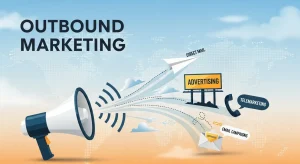
AI-driven personalization is transforming how businesses approach outbound marketing. Instead of sending identical messages to large lists, brands can now predict customer needs and deliver communication that feels both personal and timely.
With intelligent automation tools, marketers can optimize outreach sequences, timing, and tone — ensuring every touchpoint feels relevant. This evolution highlights that AI is changing the future of product marketing by making outbound efforts more data-informed, precise, and emotionally aware.
Strategies for AI-Powered Outbound Personalization:
- Predictive Analytics: Identify the right audience segments before outreach begins.
- Dynamic Messaging: Automatically adapt content to customer context.
- A/B Learning Systems: Continuously test tone, visuals, and delivery times.
- Behavioral Targeting: Trigger personalized follow-ups based on user actions.
| AI Application | Marketing Outcome |
|---|---|
| Predictive insights | Higher response rates |
| Automated sequencing | Reduced manual workload |
| Content optimization | Improved message relevance |
| Emotion analysis | Stronger human connection |
AI ensures outbound campaigns scale without sounding robotic — empowering marketers to balance automation with empathy.
Avoiding Common Personalization Pitfalls
Many personalization efforts fail because they rely too heavily on obvious data points like names and locations without considering deeper customer motivations and preferences. Surface-level personalization often feels forced and can actually worsen customer experience.
Over-personalization can feel invasive and uncomfortable, particularly when it reveals more customer knowledge than seems appropriate for the relationship stage. Effective personalization respects boundaries and builds trust gradually.
Generic personalization templates that simply swap out customer details often sound robotic because they fail to account for individual customer contexts and needs. True personalization requires flexible frameworks that adapt to specific situations.
Inconsistent personalization across different channels confuses customers and undermines trust. Personalization strategies should ensure coherent customer experience regardless of how customers choose to interact with your brand.
Interactive Campaigns and Product Promotion Strategies

Hyper-personalization extends beyond emails and ads — it’s now central to interactive campaigns product promotion. These campaigns encourage participation, feedback, and real-time interaction, making customers feel part of the brand story rather than passive recipients.
Interactive elements such as quizzes, dynamic landing pages, or personalized video messages create immersive experiences that boost engagement. When combined with AI-powered personalization, these tools can adapt instantly to customer input, delivering value that feels genuinely human.
Ideas for Interactive, Personalized Campaigns:
- Personalized Product Quizzes: Recommend tailored products based on user preferences.
- Dynamic Email Journeys: Emails that change based on previous customer interactions.
- Gamified Promotions: Reward customer engagement with points or exclusive offers.
- Customized Landing Pages: Reflect user behavior and history for seamless experience.
| Campaign Type | Personalization Method | Expected Result |
|---|---|---|
| Product Quiz | Real-time recommendation engine | Increased conversions |
| Dynamic Email | Behavior-triggered content | Better engagement |
| Gamified Promo | Incentive-based personalization | Stronger loyalty |
| Interactive Page | Contextual customization | Enhanced UX |
The future of product marketing lies in combining creativity, interactivity, and data — creating campaigns that connect deeply and convert effectively.
Creating Emotional Resonance at Scale
Emotional connection differentiates effective personalization from mere data manipulation. Understanding customer emotions and motivations enables communication that feels genuinely caring rather than algorithmically generated.
Empathy mapping helps teams understand customer emotional journeys and identify opportunities for meaningful personalized intervention. This human-centered approach ensures personalization serves customer needs rather than just marketing objectives.
Personalized communication should acknowledge customer challenges and aspirations, demonstrating understanding that goes beyond transactional relationships. This deeper connection builds loyalty and encourages continued engagement.
Celebration and recognition moments provide powerful opportunities for meaningful personalization. Acknowledging customer milestones and achievements creates positive emotional associations with your brand.
Measuring Personalization Success
Effective personalization measurement goes beyond traditional marketing metrics to include customer satisfaction and relationship quality indicators. The goal is building stronger customer relationships, not just driving immediate conversions.
Customer lifetime value provides a more accurate measure of personalization effectiveness than short-term engagement metrics. Personalization should strengthen customer relationships and encourage long-term loyalty.
Qualitative feedback through surveys and customer interviews reveals how personalization efforts are perceived and received. This feedback helps refine approaches to ensure they feel authentic and valuable to customers.
Response rates and engagement metrics should be analyzed alongside customer sentiment to ensure high engagement reflects positive customer experience rather than intrusive communication that generates negative attention.
Future-Proofing Your Personalization Strategy
Personalization technology continues evolving rapidly, requiring strategies that can adapt to new capabilities while maintaining focus on authentic customer connection. The most successful approaches remain flexible and customer-centered regardless of technological changes.
Privacy regulations and customer expectations around data use continue evolving, requiring personalization strategies that prioritize transparency and customer control. Building trust through ethical data practices ensures long-term personalization success.
Customer expectations for personalization continue rising, driven by experiences with leading technology companies. However, the fundamentals of authentic human connection remain constant regardless of technological sophistication.
Investment in team training and development ensures personalization efforts maintain human insight and creativity as automation capabilities expand. The most effective personalization combines technological capability with human emotional intelligence.
Scaling hyper-personalization successfully requires balancing automation efficiency with authentic human connection. Organizations that master this balance create customer experiences that feel both highly relevant and genuinely caring, building stronger relationships that drive sustainable business growth.
Frequently Asked Questions (FAQ)
1. What is hyper-personalization in marketing?
Hyper-personalization is the advanced form of personalization that uses real-time data, AI, and machine learning to tailor content and experiences for each individual customer. Unlike basic personalization that uses names or locations, hyper personalization focuses on behaviors, preferences, and context to create communication that feels genuinely human and relevant.
2. How is hyper-personalization different from traditional personalization?
Traditional personalization relies on static data such as demographics or purchase history. Hyper-personalization goes further by combining behavioral insights, predictive analytics, and automation to deliver dynamic content that adapts to each customer’s journey. It’s more precise, timely, and emotionally resonant.
3. Why is maintaining the human touch important in hyper personalization?
Maintaining authenticity ensures customers feel understood, not monitored. Even the most advanced AI systems can sound robotic without human input. By blending automation with empathy, brands can build meaningful relationships that foster long-term trust and loyalty.
4. How does hyper personalization fit into outbound marketing strategies?
Hyper personalization enhances outbound marketing by making messages more relevant and less intrusive. Instead of sending one-size-fits-all campaigns, brands can use predictive data to tailor outreach that aligns with customer intent. This improves outbound marketing attribution, helping marketers track which personalized messages drive engagement, conversions, and ROI across different touchpoints.
5. What role does AI play in scaling hyper-personalization?
AI enables marketers to analyze massive datasets and predict customer needs in real time. With tools like generative AI outbound marketing, brands can automatically create personalized email content, ad copy, and landing pages that align with customer behavior and tone preferences. This not only saves time but also makes large-scale personalization feel more natural and human.
6. How does customer segmentation support hyper-personalization?
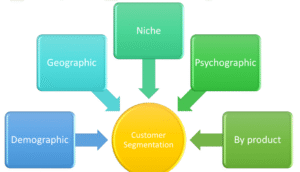
Customer segmentation is the foundation of effective hyper-personalization. By dividing your audience based on behavior, interest, or lifecycle stage, you can craft content that directly addresses each group’s unique motivations. Advanced segmentation powered by AI helps refine communication even further — turning generalized outreach into one-to-one engagement.
7. How can brands collect data ethically for personalization?
Ethical data collection focuses on transparency and consent. Brands should clearly communicate how data will be used and give customers control over their information. Using first-party data from surveys, feedback, and website interactions ensures trust and compliance with privacy regulations like GDPR or CCPA.
8. What are some common mistakes in personalization efforts?
Common pitfalls include over-personalization (which feels invasive), inconsistent messaging across channels, and relying on outdated data. Another major mistake is automating too much without human review — which can result in awkward or tone-deaf communication. Effective personalization balances technology with emotional intelligence.
9. How can businesses measure the success of their hyper-personalization campaigns?
Success should be measured using both quantitative and qualitative metrics. Key indicators include engagement rates, conversion rates, customer lifetime value, and satisfaction scores. Additionally, collecting feedback through surveys and social listening helps determine how personalization efforts are perceived emotionally by customers.
10. What’s the future of hyper-personalization in marketing?
The future lies in seamless integration between data intelligence, automation, and human creativity. As AI technology advances, personalization will become even more real-time and emotionally aware. However, the brands that succeed will be those that use technology to amplify—not replace—the human connection that customers value most.