Why is Goal Setting Important to Inbound Marketing?
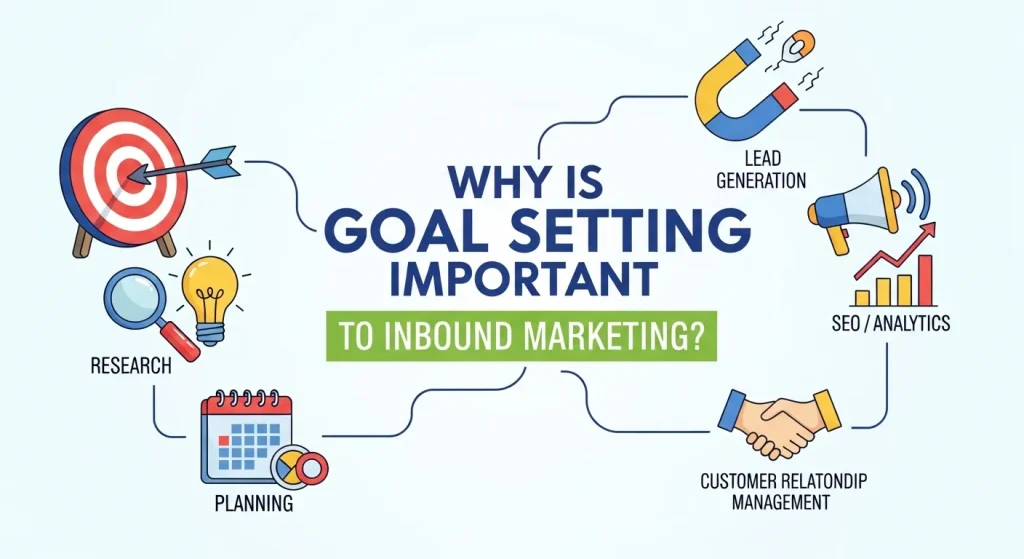
Inbound marketing isn’t just about creating blogs, videos, or social posts — it’s a strategic approach focused on attracting, engaging, and delighting your audience through valuable content. But even the best campaigns can fall flat without clear, measurable goals. Goal setting gives your inbound marketing strategy structure, purpose, and direction. It ensures every piece of content, every campaign, and every interaction aligns with your broader business objectives.
Understanding the Essence of Inbound Marketing
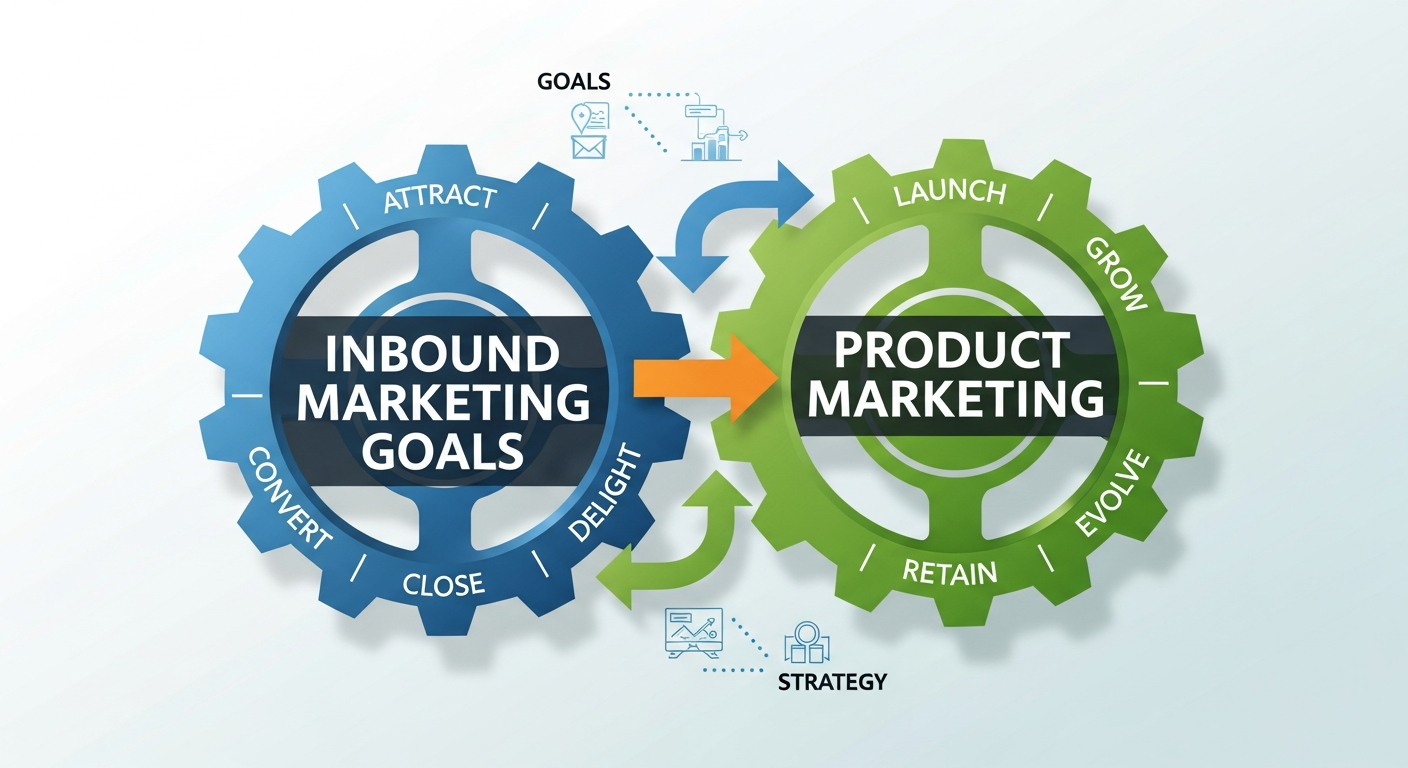
Inbound marketing is a customer-centric approach that attracts leads organically rather than chasing them through cold calls or intrusive ads. It’s built on four stages — attract, convert, close, and delight — where businesses use blogs, SEO, social media, and email campaigns to nurture leads into loyal customers.
Without well-defined goals, it’s nearly impossible to measure success or identify which areas need improvement. That’s why goal setting forms the backbone of any high-performing inbound marketing campaign.
Why Goal Setting Matters in Inbound Marketing
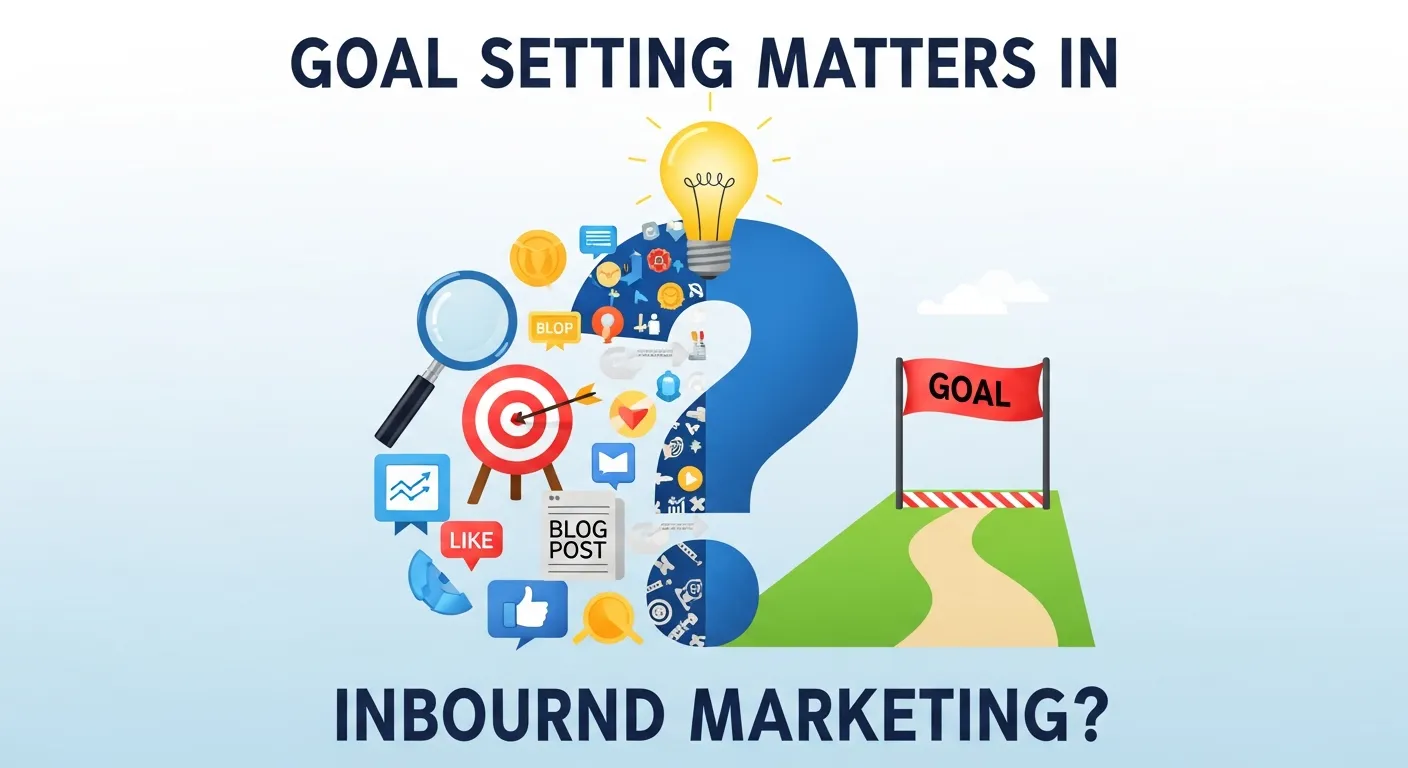
Here are the key reasons why setting goals is vital for inbound success:
1. Provides Clear Direction
When you set SMART goals (Specific, Measurable, Achievable, Relevant, and Time-bound), you give your marketing team a clear roadmap. Every piece of content and campaign should tie directly back to a defined objective.
2. Enables Performance Tracking
Tracking progress is essential to understanding what’s working. If your goal is to increase organic traffic by 30% in three months, you can analyze metrics like website sessions, bounce rates, and conversions to see if your inbound marketing strategy is effective.
3. Improves Resource Allocation
When goals are clear, you know exactly where to allocate your budget and time. For instance, if your analytics show that video-advertising drives the highest engagement, you can invest more in that area for better ROI.
4. Aligns Teams Around Shared Objectives
From content creators to sales reps, everyone works better when they understand the “why” behind their actions. Goal setting ensures marketing and sales are aligned in nurturing leads from awareness to conversion.
How to Set Effective Inbound Marketing Goals
Follow these steps to create goals that empower your strategy:
| Step | Description | Example |
|---|---|---|
| 1 | Define overall business objectives | Increase customer retention by 15% |
| 2 | Set marketing-specific KPIs | Grow email subscribers by 25% |
| 3 | Identify target audience | Use ideal customer profile development |
| 4 | Choose effective channels | Focus on SEO, blogs, and video-advertising |
| 5 | Track and optimize | Use analytics to refine product marketing efforts |
Connecting Goal Setting with Other Marketing Elements
Goal setting doesn’t exist in isolation — it connects with every other aspect of inbound marketing. For example:
-
When learning how to develop an inbound marketing strategy, your first step should always be defining measurable goals.
-
Partnering with agencies that offer the best marketing services can help you refine strategies based on data-driven insights.
-
Strong goals make your product marketing campaigns more customer-centric.
-
If you’re running email campaigns, setting benchmarks ensures you’re choosing the Best Email Marketing Service in UK for consistent engagement and conversions.
How Goal Setting Strengthens Your Inbound Marketing Funnel
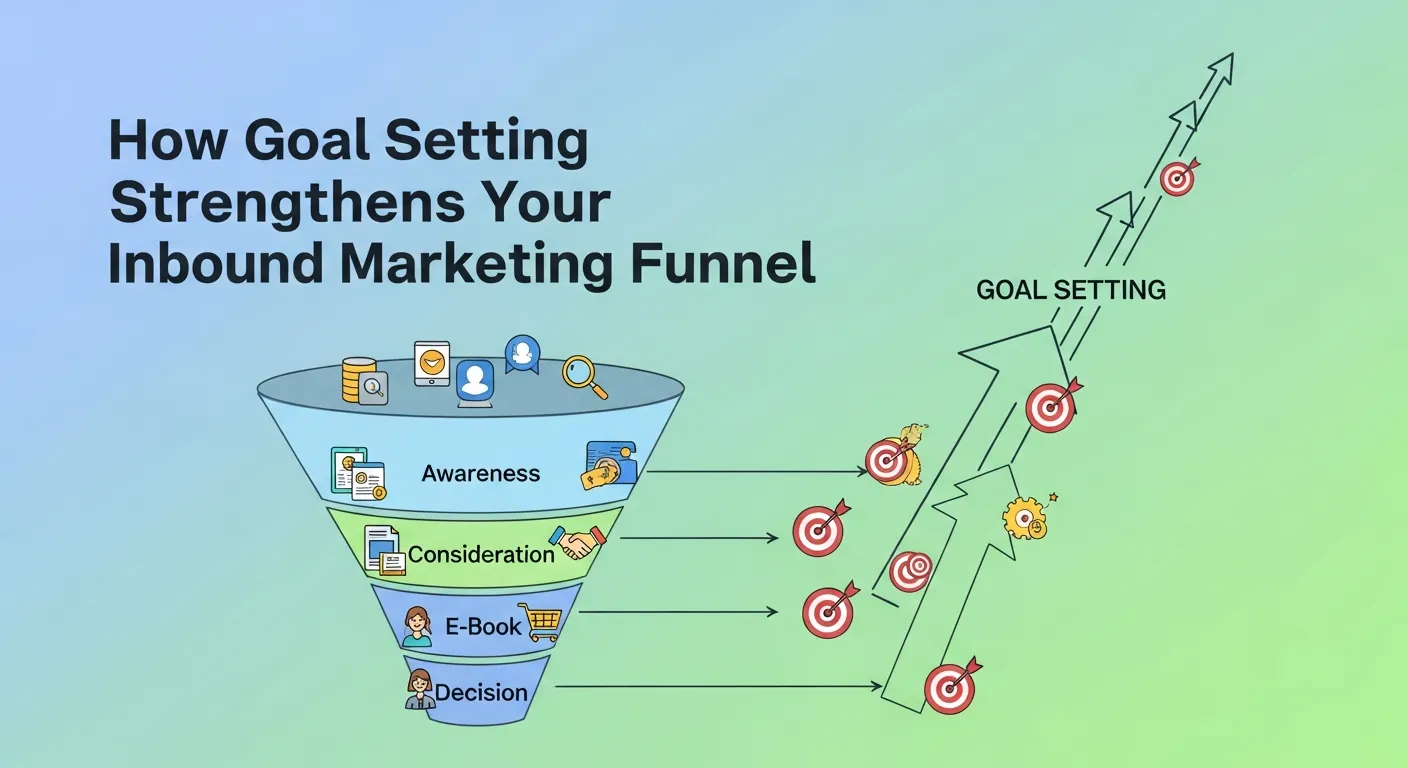
Goal setting is what keeps every stage of the inbound marketing funnel — attract, convert, close, and delight — aligned and effective. Each stage requires a different type of goal to ensure that leads progress smoothly toward conversion and advocacy.
Here’s how goals enhance each stage:
- Attract: Set measurable targets for increasing organic website traffic or social engagement to grow awareness.
- Convert: Define goals around lead generation forms, landing page conversions, or newsletter sign-ups.
- Close: Focus on nurturing and converting qualified leads into paying customers with well-timed content or email campaigns.
- Delight: Track customer satisfaction, retention, and referral rates to turn customers into brand promoters.
When goals are tied to the inbound funnel, marketers can easily identify weak spots, optimize performance, and create a seamless customer experience from start to finish.
Common Goal-Setting Mistakes in Inbound Marketing
Even experienced marketers can make mistakes when setting goals — and these errors can limit your inbound marketing results. Recognizing and avoiding them is key to building a strong, data-driven strategy.
Common mistakes include:
- Setting vague goals: Objectives like “get more traffic” or “increase engagement” lack clarity and measurable outcomes.
- Ignoring audience insights: Without understanding your buyer personas, you might set goals that don’t align with audience behavior or intent.
- Neglecting the buyer’s journey: Goals should reflect where prospects are in their journey — awareness, consideration, or decision.
- Failing to measure consistently: Without regular tracking, it’s impossible to know what’s working or where adjustments are needed.
Avoiding these pitfalls ensures your inbound marketing strategy stays realistic, focused, and results-oriented.
The Role of Continuous Optimization
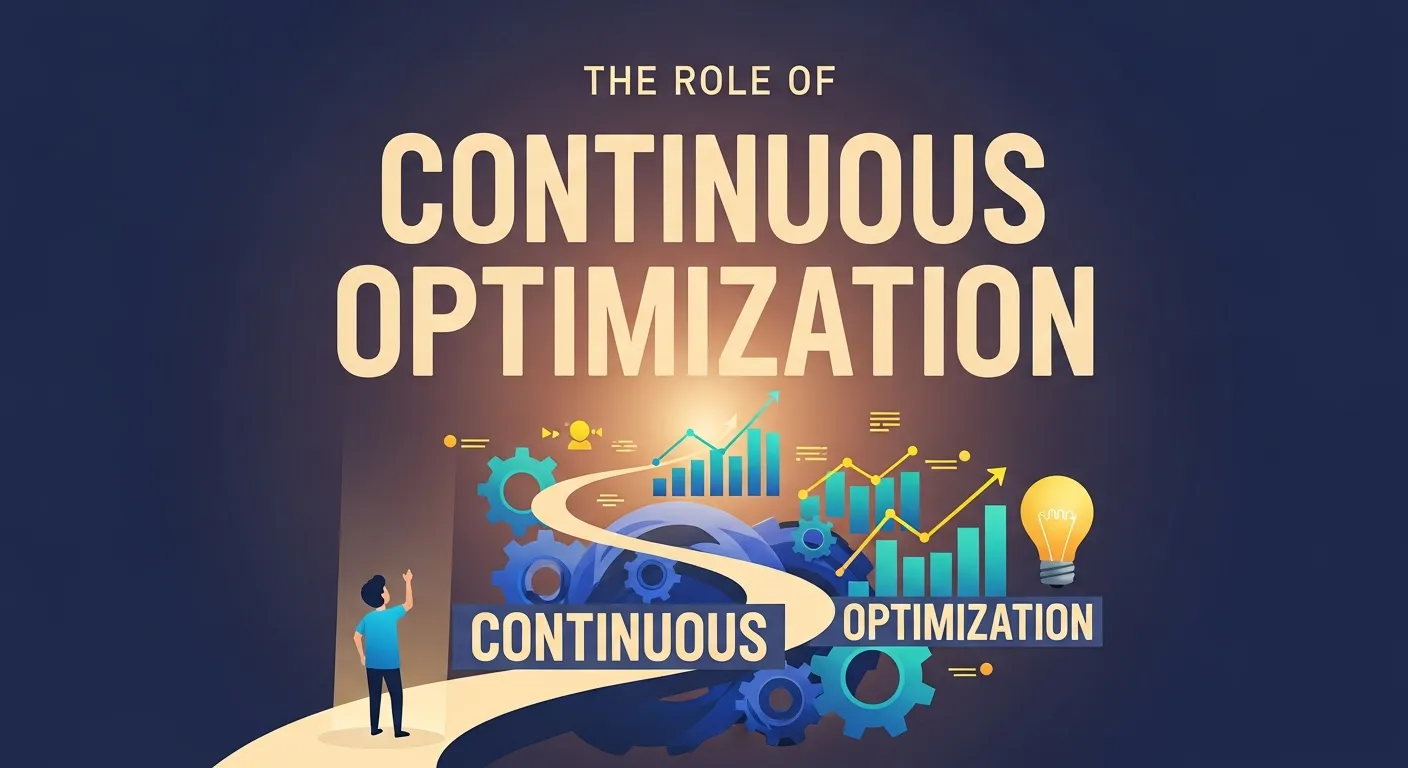
Inbound marketing isn’t static — it’s a dynamic, ever-evolving process that depends on consistent learning, testing, and refining. Your audience’s behavior, preferences, and pain points change over time, which means your inbound marketing goals and tactics must evolve too. Continuous optimization ensures that your marketing efforts stay relevant, efficient, and results-driven.
To stay ahead, marketers must move beyond the “set it and forget it” mindset. Instead, inbound marketing should function as a cycle of improvement — where insights from performance data are used to fine-tune strategies for better engagement and conversions.
Here’s how continuous optimization strengthens inbound marketing:
- Adapts to Audience Behavior:
Consumer trends and search behaviors shift constantly. By analyzing website analytics, keyword performance, and social engagement, you can adjust your inbound content to match what your audience currently values. - Enhances Content Performance:
Review your top-performing blogs, landing pages, or videos regularly. Update outdated information, refresh CTAs, and repurpose high-performing content across different channels to maintain visibility and authority. - Improves Conversion Rates:
A/B testing forms, CTAs, and landing pages helps identify what resonates most with your leads. Small adjustments — like button color, messaging tone, or page layout — can lead to significant improvements in conversion rates. - Strengthens SEO and Visibility:
Search algorithms evolve frequently. Continuous optimization of keywords, backlinks, and on-page SEO ensures your inbound marketing content remains discoverable and competitive in search rankings. - Refines Goal Alignment:
As your business grows, your marketing goals should too. Revisiting and refining your inbound marketing objectives allows you to align them with new business priorities, product updates, or market conditions.
Ultimately, continuous optimization turns inbound marketing into a long-term growth engine rather than a one-time campaign. By embracing data-driven improvements and adapting to change, you create a marketing ecosystem that attracts, nurtures, and delights customers — not just once, but continuously.
Frequently Asked Questions (FAQ) About Inbound Marketing
1. What is inbound marketing, and why is it important?
Inbound marketing is a customer-centric approach that attracts leads organically through valuable content such as blogs, SEO, and social media. It’s important because it helps businesses build trust, generate qualified leads, and create long-term relationships with customers — without relying on pushy or interruptive tactics.
2. How to develop an inbound marketing strategy from scratch?
To learn how to develop an inbound marketing strategy, start by identifying your business goals, defining your ideal customer profile, and choosing the right channels to attract your audience. Then create content tailored to each stage of the buyer’s journey, and use analytics to measure performance. The goal is to attract, engage, and delight customers consistently through meaningful interactions.
3. What role does goal setting play in inbound marketing success?
Goal setting gives your inbound marketing structure and focus. Without clear objectives, it’s impossible to track progress or understand which tactics deliver the best ROI. SMART goals — Specific, Measurable, Achievable, Relevant, and Time-bound — ensure every campaign aligns with your business growth strategy.
4. How does ideal customer profile development help inbound marketing?
Ideal customer profile development helps businesses understand who their best-fit customers are. By identifying demographics, behaviors, pain points, and motivations, marketers can create highly relevant content that speaks directly to their audience’s needs — making inbound efforts more targeted and effective.
5. What are the best marketing services to support inbound campaigns?
Partnering with agencies that offer the best marketing services can enhance your inbound performance. These services may include SEO optimization, content creation, social media strategy, and marketing automation — all designed to attract high-quality leads and convert them into loyal customers.
6. How does video-advertising fit into inbound marketing?
Video-advertising is a powerful inbound tool because it combines storytelling with visual engagement. Educational and problem-solving videos attract potential customers organically through platforms like YouTube or social media. When aligned with your inbound goals, videos can increase awareness, engagement, and conversion rates significantly.
7. What are the key metrics to track in inbound marketing?
Essential metrics include website traffic, conversion rate, lead quality, email open rates, and customer retention. These insights show which campaigns perform best and guide continuous optimization for better inbound outcomes.
8. How often should you update your inbound marketing goals?
Inbound marketing goals should be reviewed quarterly or whenever there’s a shift in market trends, audience behavior, or business priorities. Regular updates ensure your strategy remains relevant and competitive in a constantly changing digital environment.
9. Can inbound marketing work for small businesses or startups?
Absolutely. Inbound marketing is cost-effective and scalable, making it ideal for small businesses. By focusing on valuable content and targeted SEO, even startups can attract qualified leads and compete with larger competitors over time.
10. How does continuous optimization improve inbound marketing results?
Continuous optimization allows marketers to refine strategies using real-time data. By testing new ideas, updating content, and adjusting campaigns, businesses can stay aligned with audience preferences and market changes — ensuring consistent inbound marketing success.