Setting Appropriate Goals for Outbound Marketing
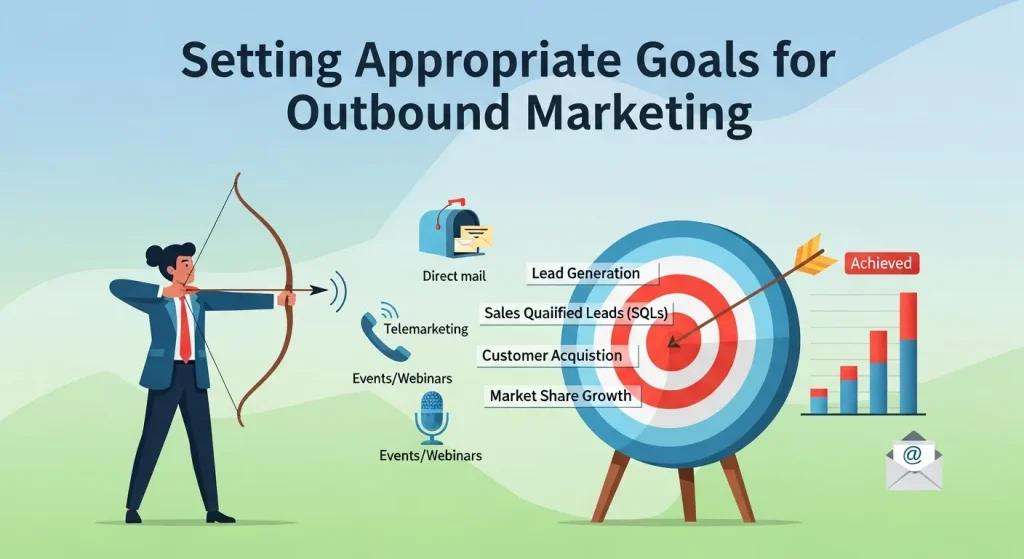
In today’s competitive marketing environment, outbound strategies continue to play a vital role in driving proactive business growth. However, true success depends on setting clear, measurable goals that align with overall business objectives. At Outbound Marketo, we’ve learned that defining the right goals for outbound marketing turns ordinary campaigns into powerful, results-driven strategies that deliver real impact.
Revenue Generation vs. Pipeline Development
When defining your goal for outbound marketing, it’s important to distinguish between immediate revenue and long-term pipeline growth. While generating revenue is the ultimate business objective, the true strength of outbound marketing lies in creating a strong, qualified sales pipeline that eventually leads to revenue.
Focusing solely on direct revenue attribution can create unrealistic expectations—especially in industries with longer sales cycles. Instead, set measurable goals such as qualified opportunities generated, meetings booked, or total pipeline value created. These metrics better reflect how outbound marketing goals drive meaningful engagement and set the foundation for future revenue growth through consistent relationship building and lead nurturing.
Market Penetration and Expansion
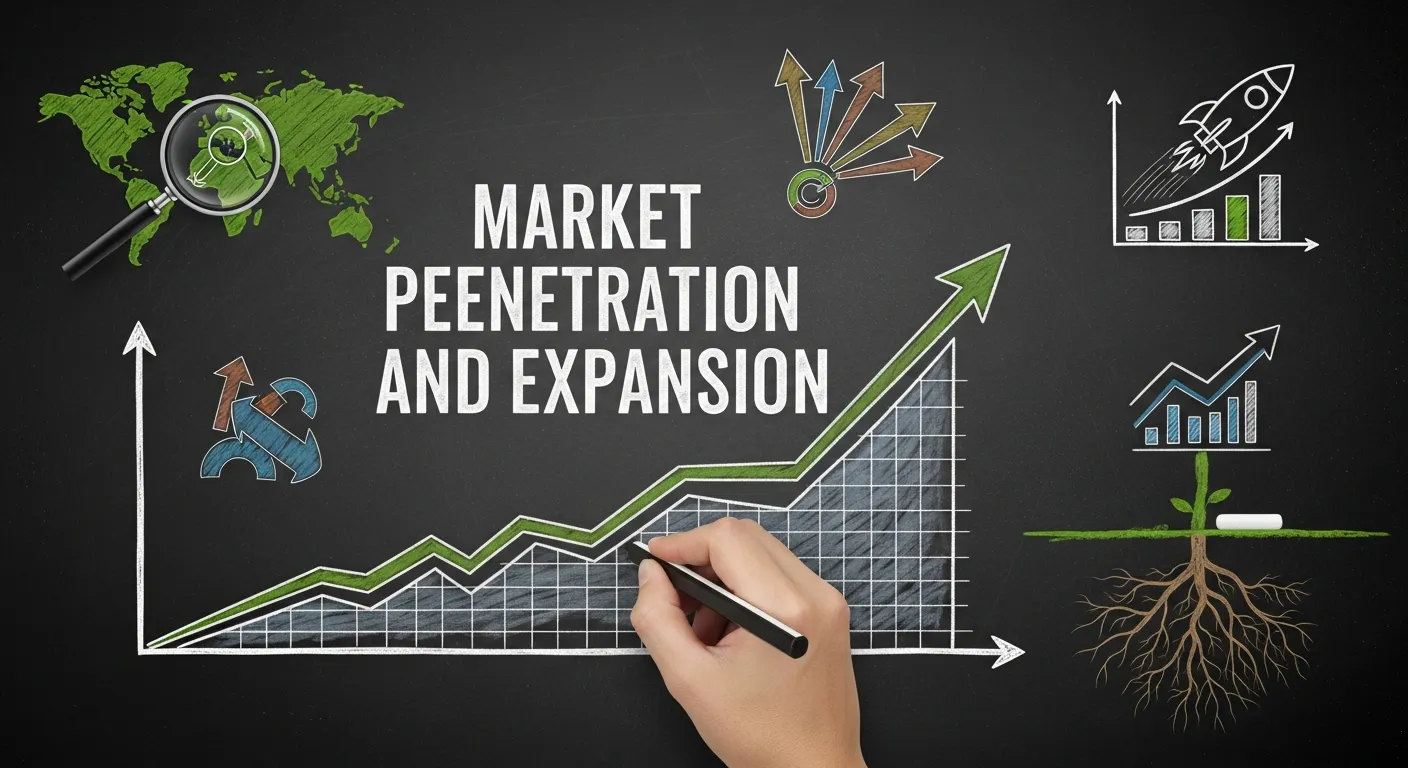
When expanding into new markets or geographic territories, setting the right goal for outbound marketing is critical to building brand awareness and establishing a solid market presence. Outbound strategies play a vital role in introducing your business to untapped audiences, generating leads in target industries, and positioning your brand as a credible player in new regions.
Effective outbound marketing goals in this context should focus on new account penetration, geographic expansion milestones, and market share growth within defined segments. These measurable objectives ensure that every outreach effort contributes to broader business development and long-term scalability.
According to McKinsey’s B2B marketing research, companies that define clear market penetration goals for outbound campaigns achieve up to 37% higher success rates compared to those operating with vague or undefined objectives. This underscores the importance of aligning your outbound marketing goals with data-driven insights and measurable growth targets—turning your expansion strategy into a structured path toward sustained market dominance.Establishing these metrics helps businesses develop an outbound marketing framework that drives consistent, measurable pipeline growth
Building Quality Database Assets
An often overlooked but highly strategic goal for outbound marketing is its ability to accelerate sales cycles. According to research by Harvard Business Review, well-coordinated outbound marketing efforts—when aligned closely with sales teams—can reduce sales cycle length by up to 30%. This acceleration happens because outbound outreach helps warm up prospects early, creating familiarity and trust before direct sales engagement begins.
To make the most of this opportunity, businesses should establish specific, measurable goals for outbound campaigns that track how effectively they move leads through the funnel. Adopting this structured, data-driven approach prepares your strategy for the future of outbound marketing, where adaptability and precision define success.
Key Metrics to Measure Outbound Effectiveness:
| Stage | Metric | What It Measures | Goal Example |
|---|---|---|---|
| Initial Contact → Qualification | Average qualification time | How quickly leads progress from first outreach to becoming qualified | Reduce from 20 days to 14 days |
| Qualification → Opportunity | Opportunity creation rate | Efficiency in turning qualified leads into real sales opportunities | Increase by 25% quarter over quarter |
| Opportunity → Closed Business | Cycle completion time | Total time to close deals once opportunities are active | Compress average cycle by 30% without lowering close rates |
When these sales cycle timeframes decrease while maintaining or improving conversion rates, it’s a clear indicator that your outbound marketing goals are delivering measurable business impact.
By focusing your goal for outbound strategy on cycle acceleration, you not only improve sales efficiency but also create a more predictable revenue pipeline. Over time, this alignment between marketing and sales drives faster decision-making, higher productivity, and greater overall ROI from every outbound campaign.
Brand Positioning and Thought Leadership

A strategic yet often underutilized goal for outbound marketing is building brand authority and thought leadership, especially in industries where complex B2B solutions require extensive stakeholder education. Outbound marketing isn’t just about generating leads—it’s also about positioning your brand as a trusted expert and credible voice within your market. When prospects perceive your business as a thought leader, it significantly enhances trust, shortens sales cycles, and improves overall deal quality.
To achieve this, companies should set clear and measurable outbound goals that elevate brand visibility and executive credibility across relevant channels.
Key Metrics to Measure Thought Leadership and Brand Positioning:
| Category | Metric | What It Measures | Example Goal |
|---|---|---|---|
| Executive Engagement | Executive-level meetings secured | Number of high-value interactions with key decision-makers | Secure 15 C-suite meetings per quarter |
| Industry Visibility | Speaking opportunities generated | Invitations to panels, webinars, or conferences | Participate in 5+ industry events annually |
| Community Presence | Participation in forums and events | Active involvement in professional networks or associations | Increase event participation by 30% |
| Content Authority | Engagement with thought leadership content | Interactions with whitepapers, blogs, or expert insights | Grow engagement rate by 40% quarter over quarter |
Setting a goal for outbound brand positioning goes beyond immediate conversions—it strengthens long-term perception and establishes your company as an influential voice in its sector.
When outbound campaigns focus on delivering educational value, sharing insightful content, and nurturing executive-level relationships, they create lasting brand equity. Over time, this approach transforms outbound marketing from a transactional tactic into a strategic growth engine, driving both credibility and conversion potential across your entire sales ecosystem.
Evolving Your Outbound Goals Over Time
As your organization grows, so should your goal for outbound marketing. Market conditions, buyer behaviors, and technology trends constantly evolve, and your goals need to adapt accordingly. What begins as a focus on generating awareness or qualified meetings may later expand to include account-based marketing, customer retention, or partnership development. Regular performance analysis, supported by CRM data and campaign metrics, helps you refine your goals for greater precision. By consistently evaluating and evolving your goal for outbound, you maintain strategic agility — staying ahead of competition and preparing your business for sustainable, scalable success in the ever-changing marketing landscape.
Setting Multi-stage Goals
A truly effective goal for outbound marketing strategy doesn’t focus on short-term wins alone—it aligns objectives across multiple stages of the customer journey. The most successful outbound programs establish connected, time-based goals that balance immediate activity metrics with long-term business outcomes. This structured approach ensures that every stage of outreach contributes to measurable growth and continuous optimization.
When defining your outbound marketing goals, it’s important to set targets across three key time horizons:
Multi-Stage Goals Framework for Outbound Marketing:
| Time Horizon | Goal Type | Key Metrics | Example Objectives |
|---|---|---|---|
| Immediate Goals (1–30 Days) | Activity & Engagement | Response rates, connection rates, meeting scheduling success | Achieve 25% connection rate and 10 qualified meetings in the first month |
| Near-Term Goals (30–90 Days) | Pipeline Development | Qualified opportunities, pipeline value created | Generate $200K in new pipeline and increase opportunity-to-meeting ratio by 15% |
| Long-Term Goals (90+ Days) | Revenue & Efficiency | Conversion rates, deal velocity, customer acquisition costs (CAC) | Improve close rate by 20% and reduce CAC by 10% over the next quarter |
This multi-stage goal setting approach allows marketing and sales teams to stay aligned while measuring progress at every stage—from first outreach to closed deals.
By defining a clear goal for outbound marketing at each stage, organizations can:
- Continuously optimize campaign performance based on data-driven insights
- Ensure sustainable lead nurturing and conversion growth
- Maintain strategic focus on both short-term momentum and long-term profitability
Ultimately, setting multi-layered outbound goals creates a scalable framework for success—helping businesses maximize ROI, strengthen sales pipelines, and achieve consistent growth through well-coordinated marketing efforts.
Integrating Outbound and Inbound Goals
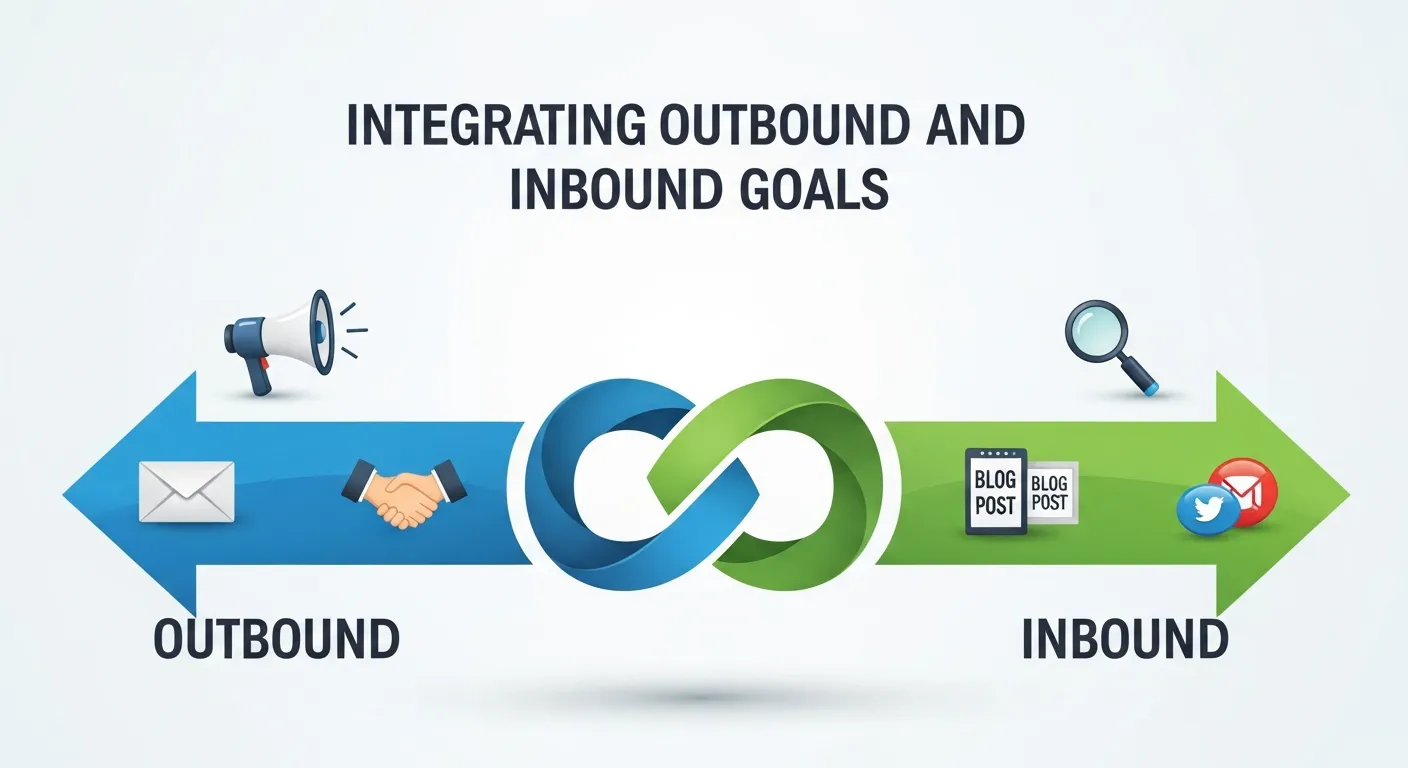
A successful marketing strategy doesn’t treat inbound and outbound as separate silos — the most effective businesses understand how to align marketing objectives across both approaches. Setting a clear goal for outbound that complements inbound efforts ensures consistency in messaging, targeting, and lead nurturing. For example, outbound outreach can spark initial awareness among decision-makers, while inbound content nurtures those same prospects with valuable insights. When outbound and inbound work together under shared KPIs such as lead quality, engagement rate, and pipeline velocity, the result is a seamless customer journey that improves overall ROI and strengthens long-term brand relationships.
Aligning Goals with Available Resources
The most appropriate goals for outbound marketing balance ambition with realism, connect to broader business objectives, and recognize outbound’s unique strengths in proactive prospect engagement. By establishing clear metrics that acknowledge the role outbound plays in your marketing ecosystem, you create the foundation for sustainable, measurable success.
At Outbound Marketo, we help businesses establish appropriate goals for their outbound marketing programs and build the strategies to achieve them. The right goals transform outbound marketing from a tactical activity into a strategic business advantage.