The Advantages and Disadvantages of Outbound Marketing
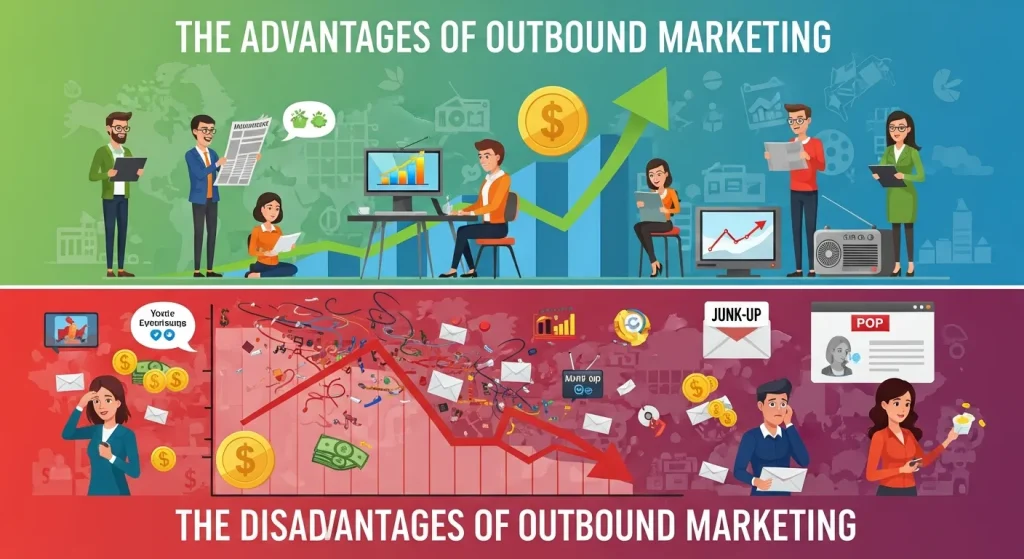
In the vast landscape of modern marketing, one term that continues to hold relevance even in the digital era is outbound marketing. Despite the rise of inbound strategies and content-driven engagement, outbound approaches remain a fundamental part of how businesses reach and influence their audiences. But what exactly are the advantages and disadvantages of outbound , and how do they shape your overall marketing strategy?
This comprehensive guide explores every dimension of outbound marketing, combining real-world psychology, practical insights, and data-driven understanding to help marketers make informed decisions.
Understanding Outbound Marketing
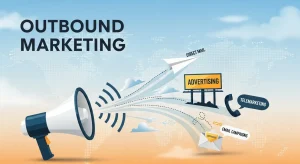
Outbound marketing refers to the traditional approach where a brand initiates communication with potential customers. It involves pushing messages outward through channels like television ads, cold emails, telemarketing, billboards, trade shows, and direct mail. The key objective is to create awareness, generate leads, and drive conversions by reaching large audiences.
Unlike inbound marketing, which attracts customers organically through valuable content and search optimization, marketing focuses on proactive outreach. It’s the digital equivalent of knocking on doors rather than waiting for customers to come knocking.
| Aspect | Outbound Marketing | Inbound Marketing |
|---|---|---|
| Approach | Push-based | Pull-based |
| Focus | Broad audience reach | Targeted, interest-based engagement |
| Goal | Awareness & lead generation | Relationship building & nurturing |
| Mediums | Ads, calls, emails, events | Blogs, SEO, social media |
| Measurement | Impressions & conversions | Traffic, engagement, leads |
The Advantages of Outbound Marketing
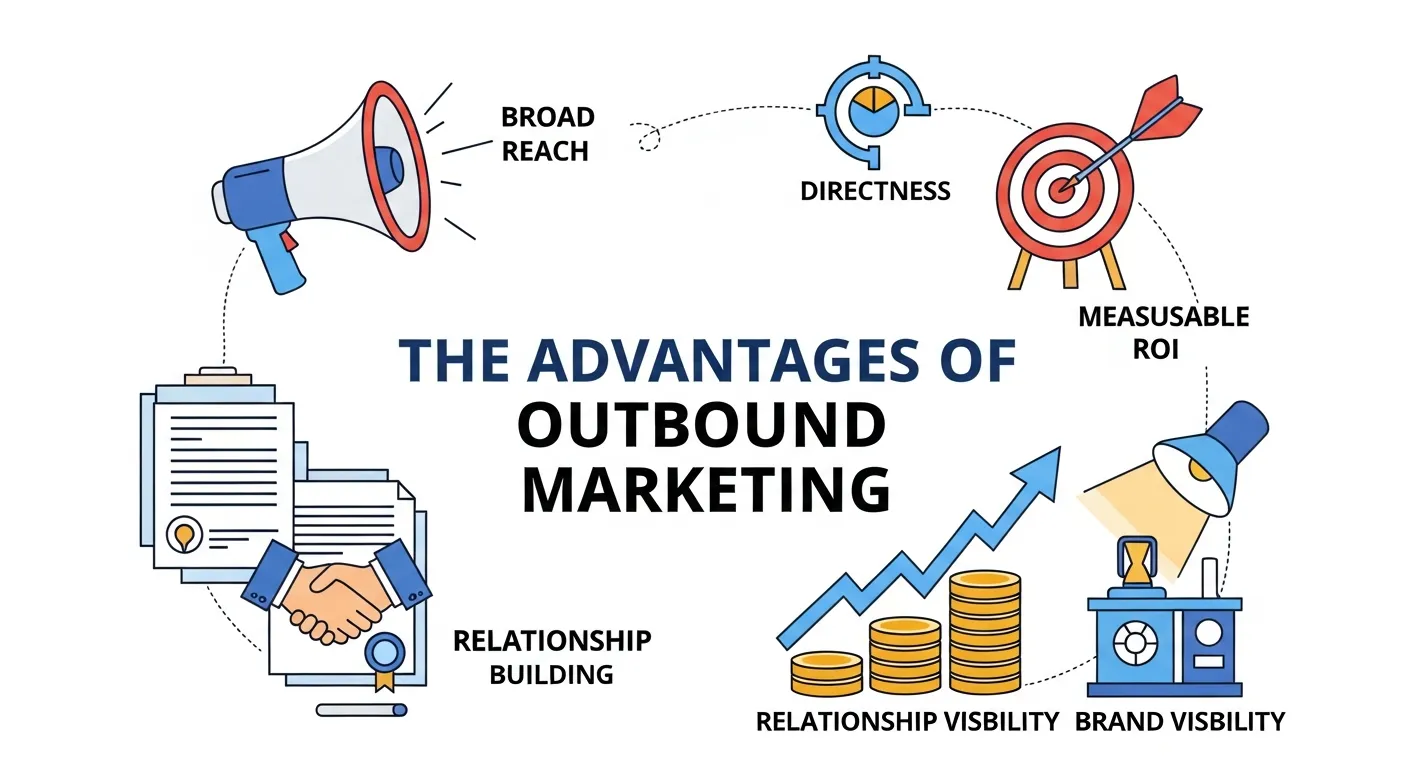
While some may view outbound marketing as an outdated practice, the truth is far from it. When strategically executed, outbound campaigns can deliver exceptional results. Let’s explore the major advantages of outbound .
1. Immediate Brand Exposure
Outbound marketing ensures your brand gets noticed. When you run TV commercials, distribute flyers, or invest in digital display ads, you instantly capture audience attention. This rapid exposure helps businesses build brand recall even among audiences who might not be actively searching for your product.
In industries where competition is fierce and timing is crucial, outbound methods can establish presence quickly. Unlike content marketing, which takes time to build momentum, outbound approaches allow companies to reach thousands of potential customers in a matter of hours.
2. Reaching Wider Audiences
One of the defining strengths of outbound marketing is its scalability. Television ads, radio campaigns, and online banner ads can reach massive audiences simultaneously. This broad coverage is particularly effective for brands looking to launch new products or create widespread brand awareness.
Outbound campaigns don’t depend on search intent; they’re designed to capture attention regardless of whether a person was initially looking for your solution. This makes it ideal for industries like consumer goods, automotive, and telecommunications.
3. Predictable and Measurable Outcomes
Outbound marketing can produce consistent and measurable outcomes when executed with the right metrics. For instance, running paid ad campaigns through online channels allows you to track impressions, click-through rates, and conversions. Similarly, event participation can be analyzed through lead counts, sign-ups, or on-site sales.
Predictability helps marketers allocate budgets more efficiently and forecast campaign performance. This structured approach provides confidence in return on investment (ROI), especially when combined with precise audience targeting.
4. Perfect for Product Launches
When launching a new product, time and visibility are everything. Outbound marketing excels in generating quick buzz and reaching people before competitors do. It can drive curiosity, interest, and immediate engagement — essential ingredients for any launch.
Combining outbound tactics with strategic storytelling enables brands to control the narrative around their products. Television spots, influencer collaborations, and event sponsorships create excitement that inbound content alone might struggle to achieve in the early stages.
5. Complements Inbound Strategies
Many businesses now adopt a hybrid marketing model where outbound and inbound strategies complement one another. Outbound marketing can generate initial awareness, while inbound methods nurture the audience through personalized content. For example, an outbound email campaign can direct leads to an inbound content hub that educates them further.
This synergy ensures that prospects are not only aware of your brand but also develop trust and long-term engagement through inbound touchpoints.
The Disadvantages of Outbound Marketing
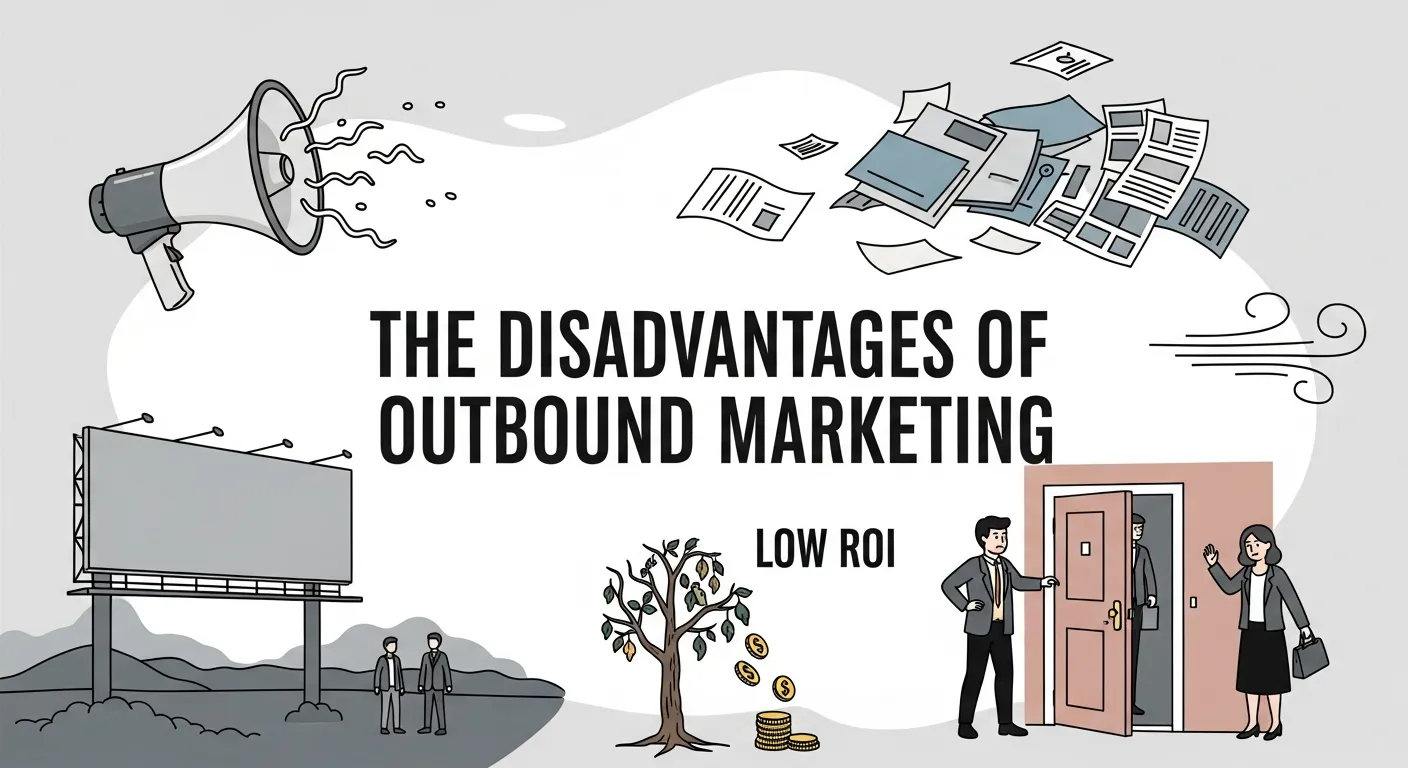
While outbound marketing offers undeniable advantages, it’s not without limitations. Understanding these challenges helps businesses fine-tune their strategies and achieve a balance between outbound and inbound efforts.
1. High Costs
Outbound campaigns, especially on traditional platforms like TV or radio, can be expensive. Ad placement fees, production costs, and distribution expenses can quickly escalate. Even digital outbound campaigns like paid ads or cold outreach tools demand significant investment.
The cost-per-lead (CPL) for outbound campaigns often exceeds inbound alternatives. Businesses must ensure the potential return justifies the expenditure.
2. Difficulty in Targeting
Outbound marketing relies heavily on broad targeting. While some platforms offer demographic filters, it’s challenging to achieve the same level of personalization as inbound strategies. Messages often reach people who are not interested, leading to wasted impressions and lower engagement rates.
This lack of precision can affect conversion efficiency, especially for niche or high-ticket markets.
3. Audience Fatigue
Modern consumers are exposed to thousands of ads daily. This saturation leads to ad fatigue, where people begin tuning out messages that don’t immediately resonate with them. Cold calls and spammy emails can even generate negative brand associations.
As privacy regulations tighten and ad-blocking software becomes widespread, marketers must find more creative ways to engage audiences without overwhelming them.
4. Harder to Build Long-Term Relationships
Outbound marketing excels at driving awareness, but it often falls short in fostering sustained relationships. Once a campaign ends, engagement typically drops unless supported by continuous inbound nurturing. Outbound efforts must therefore be integrated into a broader lifecycle strategy that ensures post-campaign retention.
5. Limited Data Insights
While outbound marketing provides reach metrics, it rarely delivers deep behavioral insights. Unlike inbound campaigns, where analytics can reveal user intent and engagement paths, outbound channels offer less granular data. This makes it harder to fine-tune future campaigns based on user behavior.
Psychological Triggers Behind Outbound Marketing
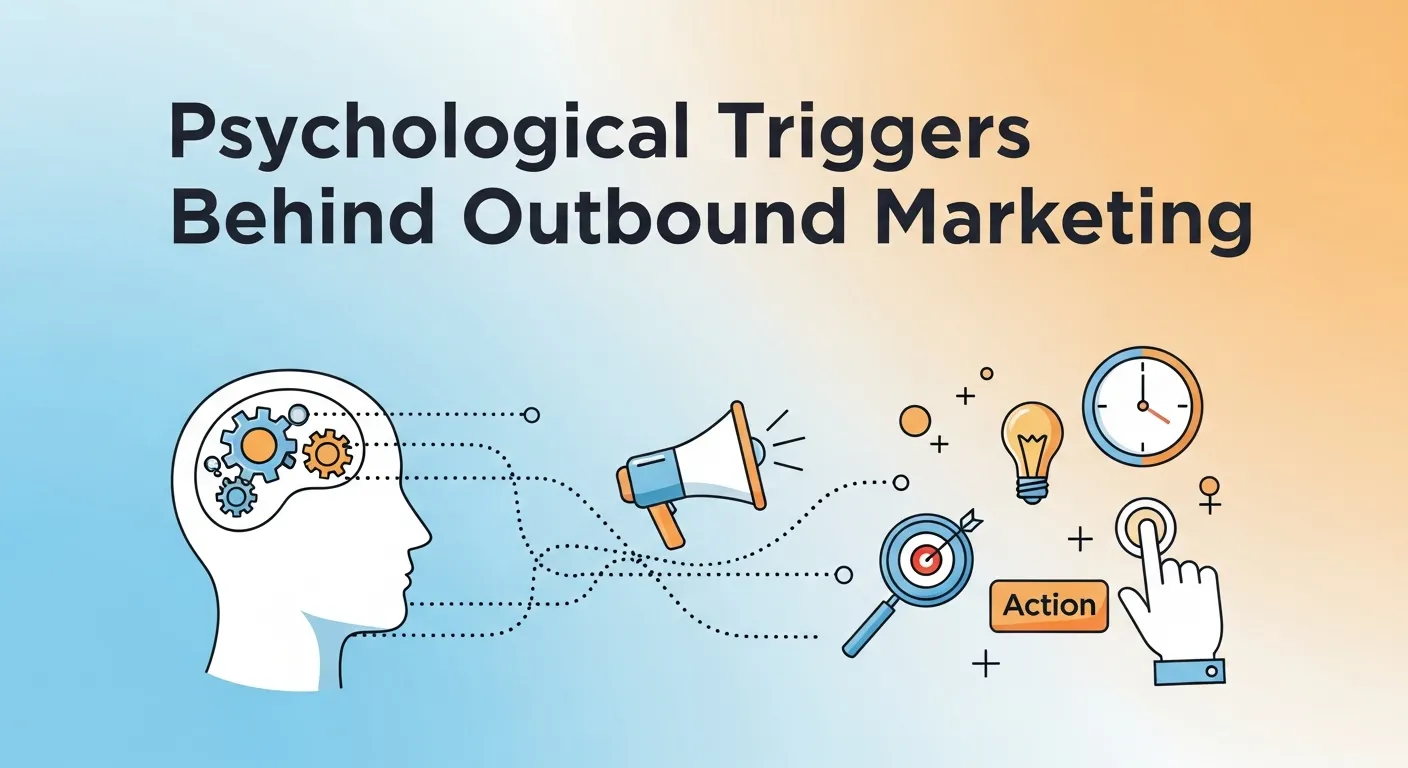
Successful outbound marketing campaigns leverage psychological principles to influence consumer behavior. These underlying triggers determine how people perceive, remember, and respond to marketing messages. Understanding them allows marketers to design campaigns that not only grab attention but also build lasting brand connections.
1. Repetition and Familiarity
People tend to trust what they see repeatedly. The more frequently a person encounters a brand, the more comfortable and credible it feels — a phenomenon known as the mere exposure effect. Consistent exposure across channels such as TV, online ads, and billboards builds mental availability, ensuring that when the need arises, the brand comes to mind first. Outbound product marketing focuses on proactively promoting a product to target audiences through paid, direct, and mass communication channels. It aims to create immediate awareness, drive demand, and position the product prominently in competitive markets through campaigns like ads, events, and outreach.
This is why established brands maintain continuous outbound marketing presence even when they already dominate market share. Familiarity reduces hesitation and fosters confidence in purchase decisions.
2. Social Proof and Authority
Humans are wired to follow trusted sources and societal cues. Outbound leverages this through endorsements, influencer partnerships, and media appearances that signal authority. Seeing a product featured on reputable platforms or associated with industry leaders creates an impression of legitimacy and quality.
When audiences perceive a brand as credible and popular, it activates the social validation instinct — encouraging them to align with what others approve of. This psychological influence makes outbound especially effective for shaping public perception.
3. Emotional Triggers
Outbound thrives on emotional storytelling because emotions drive memory and decision-making. Campaigns that evoke joy, nostalgia, or inspiration stay with audiences longer than purely informational ones. Emotional resonance transforms simple advertisements into powerful brand experiences.
For example, a commercial showing how a product improves family moments or symbolizes achievement goes beyond features — it connects with values and aspirations. These emotional triggers strengthen brand loyalty and encourage repeat engagement.HBR adds strong academic and strategic authority. This article ties well with your section on mapping the product lifecycle to outbound strategy, showing how outbound tactics can align with buyer psychology and behavior.
By combining these psychological levers — familiarity, authority, and emotion — outbound creates campaigns that influence both conscious and subconscious decision-making. This balance between logic and feeling is what makes great outbound campaigns not just persuasive, but memorable.
Strategic Approaches to Optimize Outbound Marketing
Modern outbound marketing has evolved beyond traditional ads. Today’s successful campaigns integrate data, technology, and creativity for precision-driven outreach.
1. Segmentation and Targeting
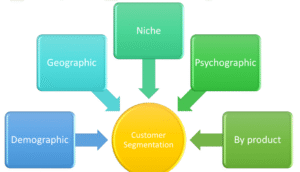
Advanced analytics allow marketers to segment audiences based on behavior, demographics, or psychographics. This reduces wasted impressions and increases conversion efficiency. Personalized ad messaging that aligns with audience needs dramatically improves outcomes.
2. Multi-Channel Integration
Integrating outbound marketing across multiple touchpoints creates consistency and reinforces brand recall. For instance, combining display ads, email marketing, and event sponsorships ensures message consistency across platforms.
3. Leveraging Automation Tools
Marketing automation tools have made outbound efforts more efficient. They enable automated follow-ups, retargeting, and lead scoring — reducing manual workload while increasing personalization.
4. Mapping the Product Lifecycle to Outbound Marketing Strategy
Every stage of a product’s lifecycle — from introduction to maturity — benefits differently from outbound . In the launch stage, it creates buzz; during growth, it drives market share; in maturity, it reinforces brand loyalty. Mapping your outbound strategy to these stages ensures maximum ROI and message relevance.
5. Data-Driven Optimization
Collecting feedback from outbound campaigns and aligning it with inbound insights leads to better performance. Understanding which channels deliver the best engagement helps refine future targeting and creative direction.
Boosting Product Sales with Powerful Outbound Marketing Strategies
To maximize sales impact, outbound marketing must be both data-informed and customer-centric. It’s not just about broadcasting messages; it’s about crafting experiences that drive meaningful action. By combining creativity with analytical precision, businesses can ensure their outbound strategies translate into measurable sales growth.
Some proven strategies include:
- Combining storytelling with clear calls-to-action (CTAs): Great marketing connects emotionally before persuading logically. A compelling story builds connection, while a clear CTA channels that emotion into action.
- Running targeted remarketing ads based on website visitors: Retargeting ensures that prospects who previously interacted with your brand are reminded of your value proposition. These subtle reminders often nudge hesitant buyers toward conversion.
- Leveraging video marketing to increase emotional engagement: Videos allow brands to showcase product benefits dynamically, evoking emotion and trust. A short explainer or testimonial video can significantly improve purchase intent.
- Using trade shows or webinars to build authority: Direct engagement events like webinars and expos provide opportunities to demonstrate expertise and connect with qualified leads face-to-face. This boosts brand credibility and nurtures high-intent buyers.
- Syncing outbound efforts with inbound retargeting campaigns: Outbound drives discovery, while inbound nurtures interest. Coordinating both ensures a continuous customer journey—from awareness to decision.
When strategically aligned, these outbound strategies do more than just generate leads; they accelerate the entire sales cycle. By keeping your brand visible and relevant across multiple channels, outbound marketing builds a persuasive presence that reinforces trust and encourages purchase decisions.
When executed with precision, it creates the perfect blend of visibility, persuasion, and trust—turning interest into action and awareness into sustainable revenue growth.
Why Outbound Marketing Should Be Part of Every Product Launch Plan
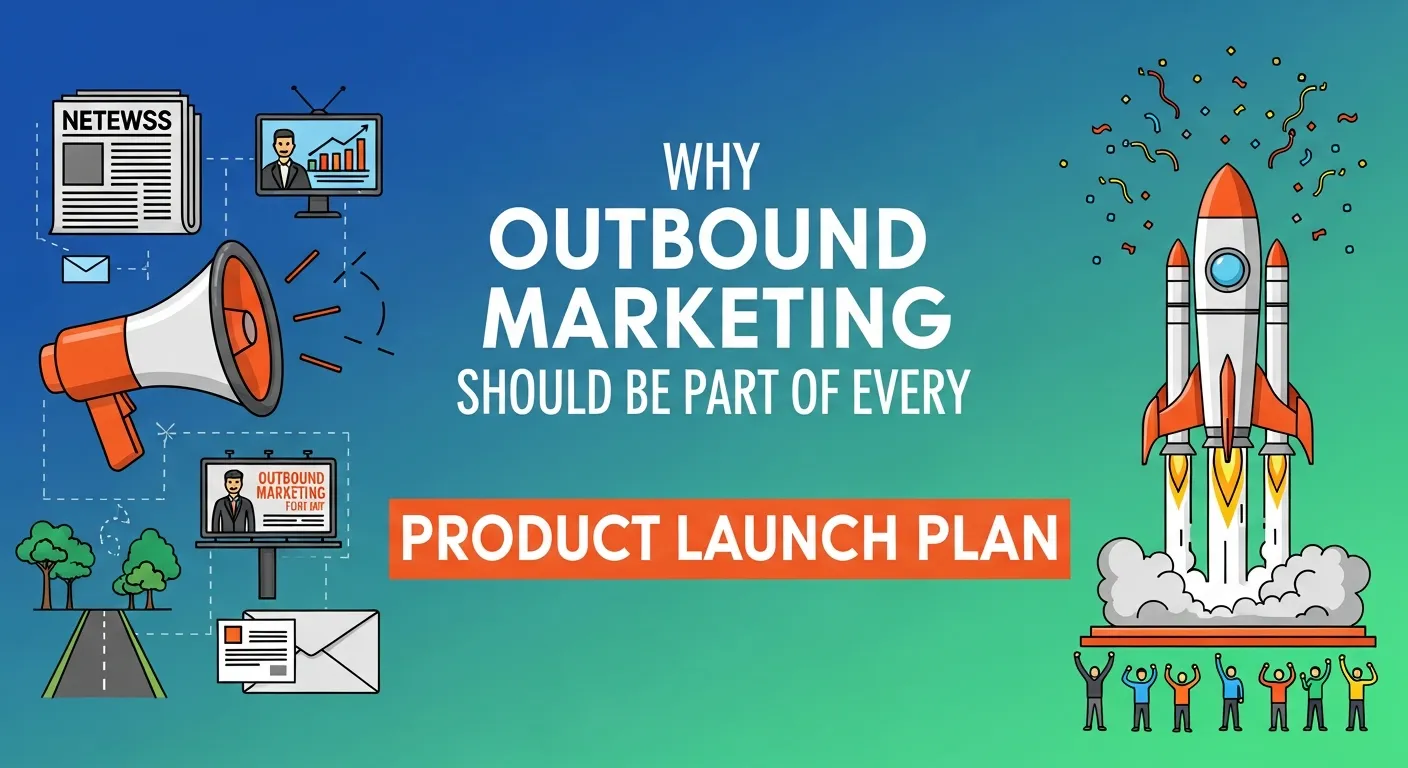
Product launches demand momentum. Outbound marketing provides the immediate visibility needed to attract early adopters and create buzz around new offerings. Whether through press releases, paid digital ads, or collaborations with influencers, outbound methods amplify reach within the shortest timeframe.
Outbound helps brands make a strong first impression by ensuring that audiences become aware of the product from the very beginning. It delivers quick exposure, helping businesses cut through the clutter of competitive markets. Paid campaigns, email blasts, and media appearances generate the kind of attention that inbound marketing alone may take months to achieve.
This strategy not only creates excitement but also builds credibility. When potential buyers see a brand featured across multiple channels, they perceive it as trustworthy and established. That sense of credibility becomes crucial in convincing early adopters to engage.
Integrating outbound efforts with inbound nurturing ensures that leads captured during the launch phase continue through the funnel. While outbound drives awareness and urgency, inbound content sustains engagement by educating and building long-term trust. This dual-force approach turns one-time curiosity into sustained customer relationships — ensuring that your product doesn’t just launch successfully but also maintains lasting momentum in the market.
FAQ: The Advantages and Disadvantages of Outbound Marketing
1. What is the main purpose of outbound marketing?
The primary purpose of outbound is to proactively reach potential customers and create immediate awareness about a brand or product. Unlike inbound marketing, which waits for customers to discover you, outbound pushes messages through ads, calls, and media to capture attention quickly and drive early-stage engagement.
2. How does outbound marketing differ from inbound marketing?
Outbound is a push strategy where brands initiate contact through ads, emails, and events, while inbound marketing attracts customers organically through valuable content and SEO. Outbound focuses on quick exposure and lead generation, whereas inbound nurtures long-term relationships through education and engagement.
3. Is outbound marketing still effective in the digital age?
Yes, outbound remains highly effective when used strategically. Although digital consumers prefer personalized content, outbound tactics like paid ads, webinars, and influencer partnerships still deliver rapid visibility and drive conversions — especially when integrated with data analytics and modern targeting tools.
4. What are some examples of outbound marketing channels?
Common outbound channels include television and radio ads, billboards, cold calls, trade shows, email blasts, and online display ads. In recent years, digital outbound channels such as social media advertising and programmatic display campaigns have become increasingly popular for precise audience targeting.
5. What are the main advantages of outbound marketing?
Outbound provides immediate brand visibility, scalability, and measurable results. It’s ideal for product launches, seasonal campaigns, and awareness-building. By controlling when, where, and how the message is delivered, businesses can accelerate exposure and generate fast sales traction.
6. What are the disadvantages of outbound marketing?
The biggest drawbacks include higher costs, limited targeting precision, and potential audience fatigue. Since outbound pushes messages to broad audiences, it may sometimes reach people who aren’t interested, reducing efficiency compared to inbound strategies.
7. How does outbound marketing support product launches?
Outbound plays a crucial role in product launches by generating buzz and ensuring the product gets noticed immediately. Press releases, influencer partnerships, and paid campaigns create visibility, while inbound nurturing keeps prospects engaged throughout the post-launch phase.
8. Outbound vs inbound product marketing — which works best at each stage?
During a product’s early stage, outbound works best to create initial awareness and reach large audiences quickly. As the product grows and customer relationships deepen, inbound marketing becomes more effective at nurturing leads and building loyalty. Therefore, the best results come from understanding outbound vs inbound product marketing which works best at each stage and combining both for a full-funnel approach.
9. Can you use both inbound and outbound together?
Absolutely. The most successful brands use a hybrid model that blends outbound visibility with inbound engagement. Outbound campaigns drive discovery and immediate exposure, while inbound efforts educate, nurture, and convert leads over time. This mix ensures sustainable growth and proves that you can use both inbound and outbound seamlessly for better results.
10. Inbound vs outbound marketing — which strategy is right for your business?
The ideal approach depends on your brand goals, audience behavior, and budget. Outbound suits businesses seeking fast awareness and short-term wins, while inbound marketing works better for long-term engagement and credibility. Evaluating inbound vs outbound which strategy is right for your business helps align your marketing investments with your growth objectives.
11. How can you measure the success of outbound marketing?
Key performance indicators (KPIs) for outbound include lead generation rate, cost per acquisition (CPA), conversion rate, and campaign reach. Tools like Google Analytics and CRM systems can track these metrics, helping marketers refine their strategy for better ROI.
12. What psychological triggers make outbound marketing effective?
Outbound leverages repetition, social proof, and emotional triggers. Consistent exposure builds familiarity, authority endorsements enhance credibility, and emotional storytelling creates memorable connections — all of which drive consumer trust and action.
13. How does outbound marketing influence the customer journey?
Outbound introduces potential customers to a brand early in their journey. It creates awareness and stimulates interest, paving the way for inbound marketing to nurture relationships and guide them toward conversion. When synchronized, both methods enhance the overall buyer experience.
14. What industries benefit most from outbound marketing?
Industries such as consumer goods, automotive, real estate, healthcare, and technology often rely on outbound to maintain mass visibility and drive quick lead generation. However, outbound can be adapted for virtually any business model when paired with data-driven targeting.
15. How can small businesses use outbound marketing effectively?
Small businesses can benefit by focusing on cost-efficient outbound channels like social ads, email marketing, and local events. By targeting specific segments and combining outbound efforts with inbound engagement, even small budgets can produce significant brand exposure and sales growth.
Final Thoughts
Outbound remains a vital tool in every marketer’s arsenal. While inbound techniques dominate the modern narrative, outbound strategies still deliver unparalleled reach, immediacy, and impact. The key lies in blending traditional outreach with data-driven precision and creative storytelling.
Understanding both the advantages and disadvantages of marketing enables businesses to craft smarter, more balanced campaigns. In the end, the goal isn’t to choose between inbound or outbound, but to orchestrate them harmoniously for maximum growth and customer engagement.